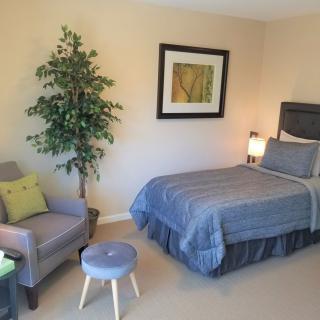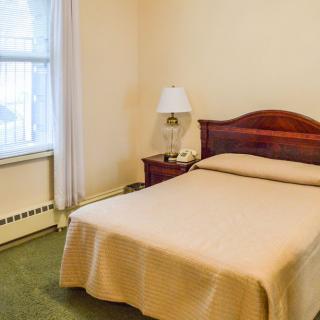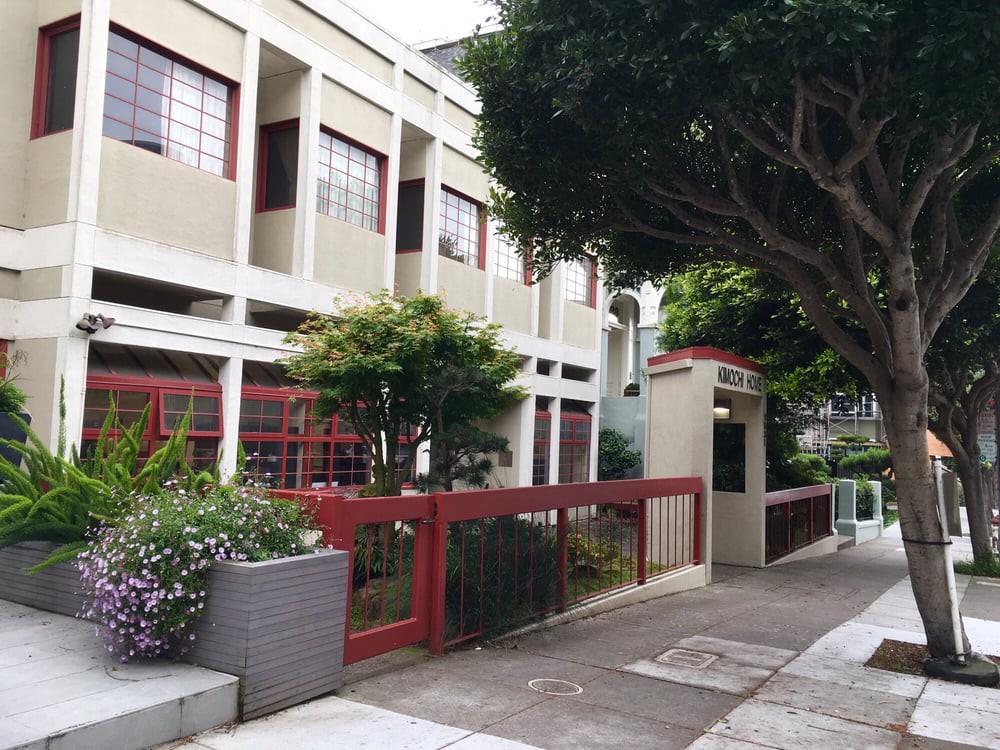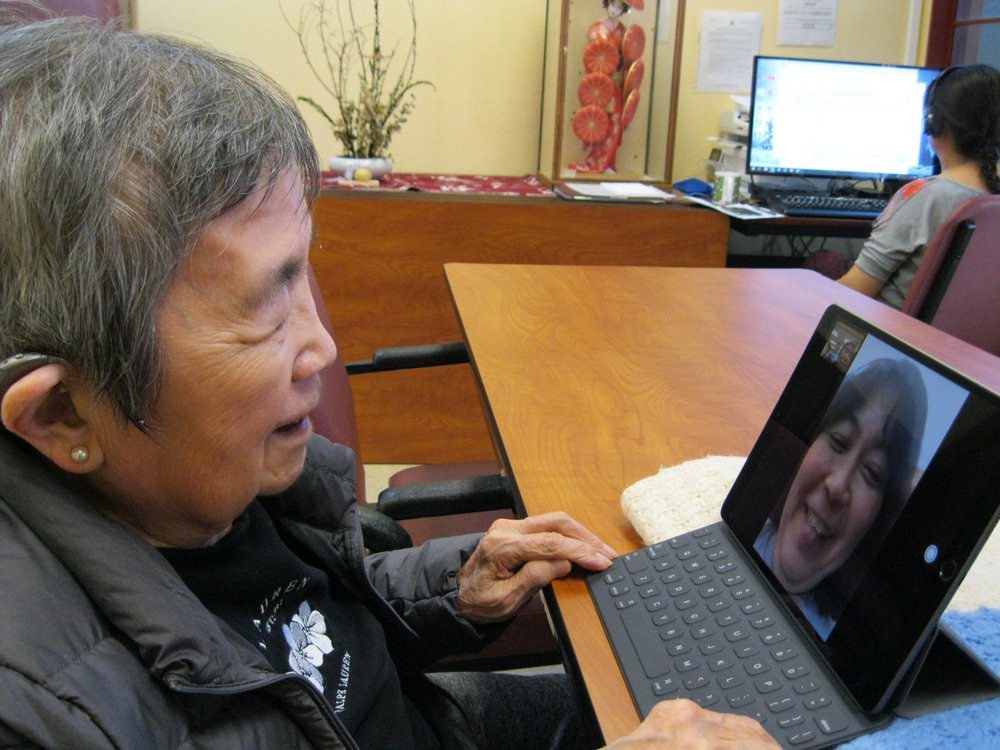






Kimochi Home in San Francisco, CA

Save

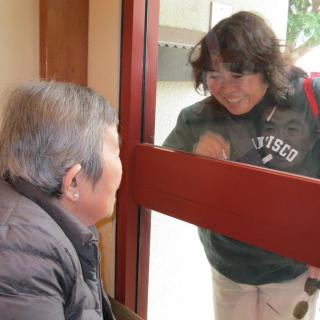
  • Interior

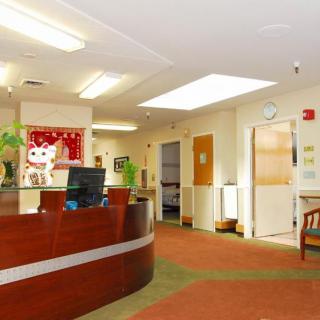
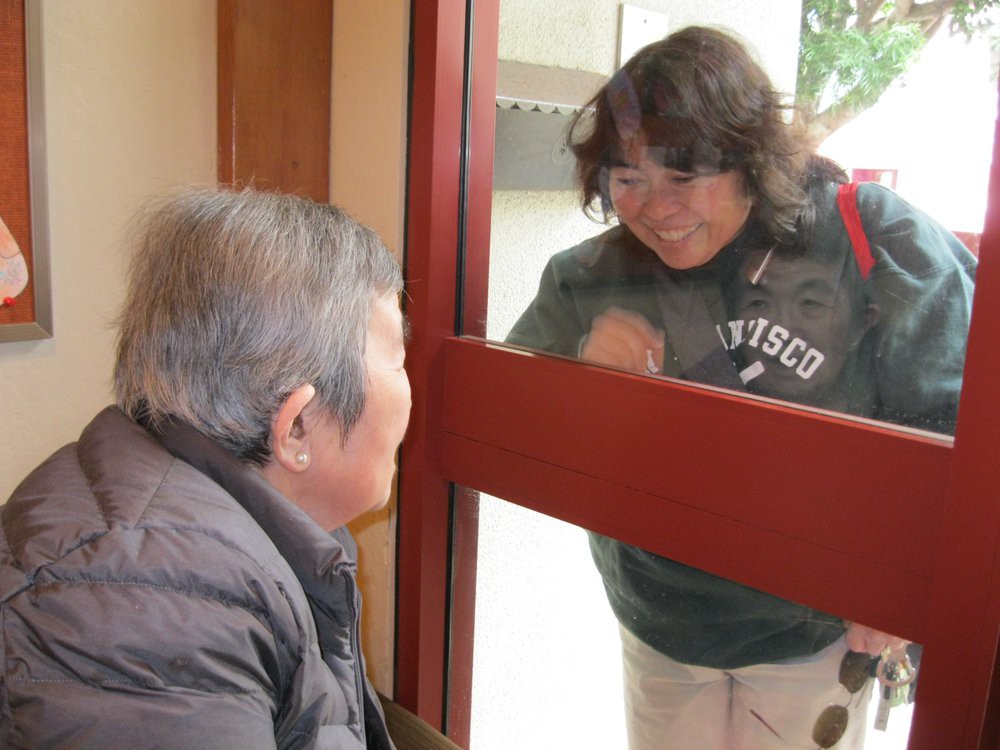
    Two people interacting through a window, one indoors and the other outdoors.
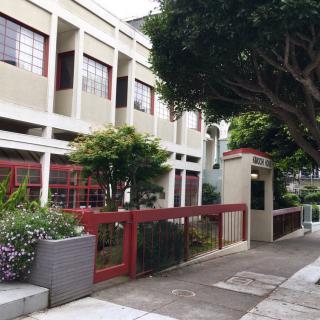
  • Building

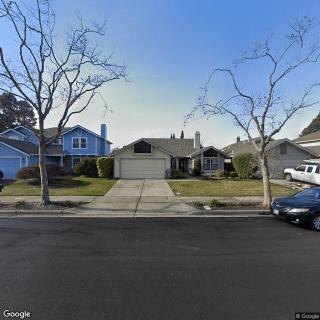
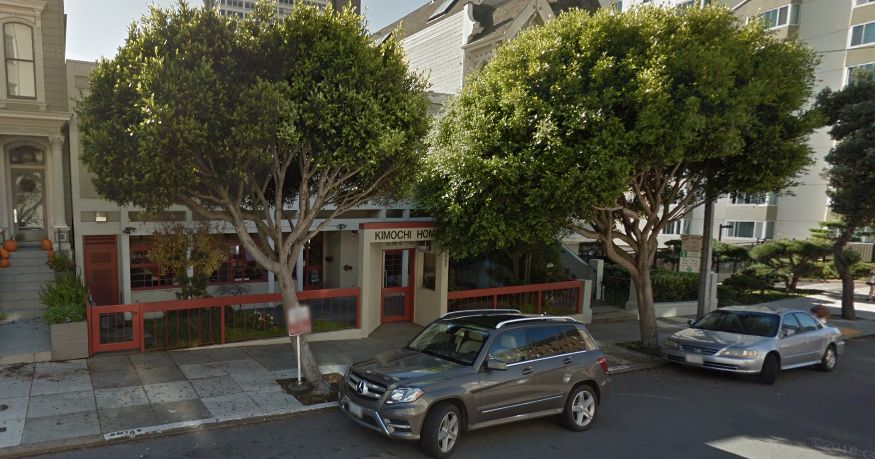
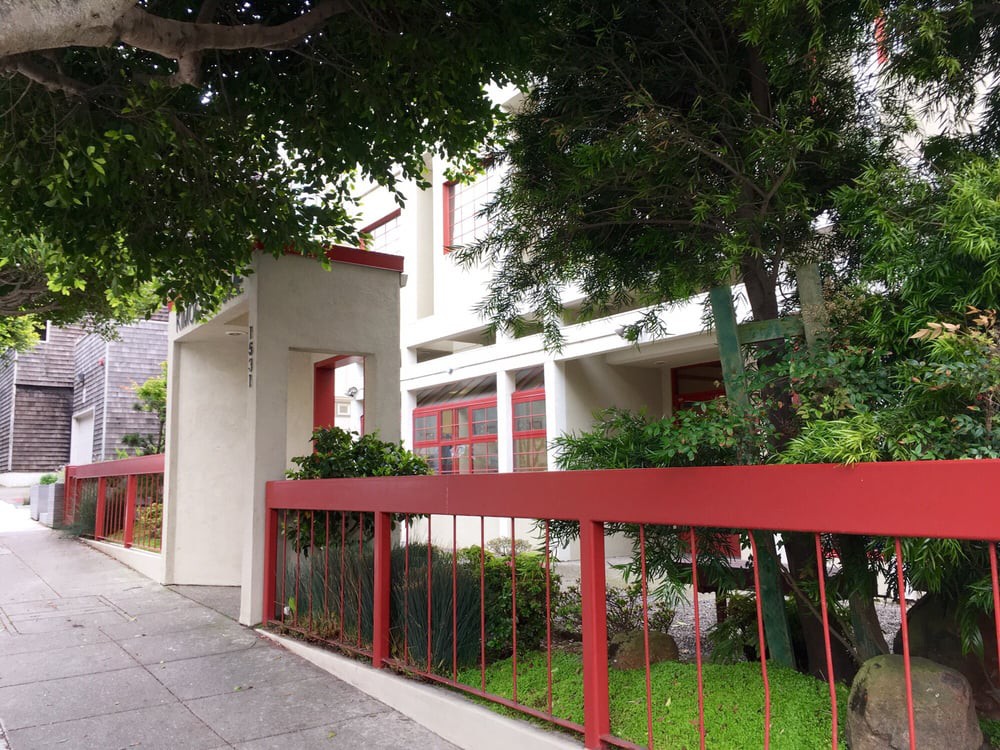
    A street scene with a parked car in front of a building surrounded by trees.
  • Architecture

    A sunlit building with a storefront and upper level windows.
  • Trees

    A modern school building with a tree-lined sidewalk.
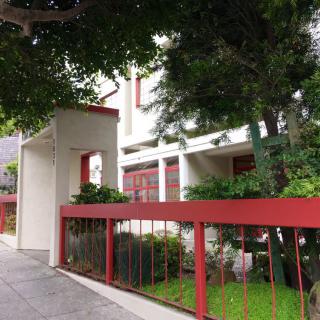
  • Landscaping

    A modern house with a red fence and lush greenery.
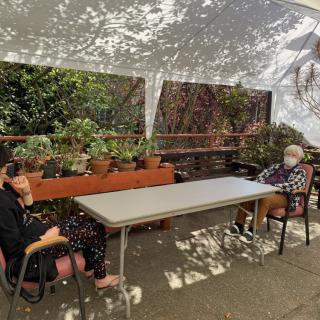
  • Garden

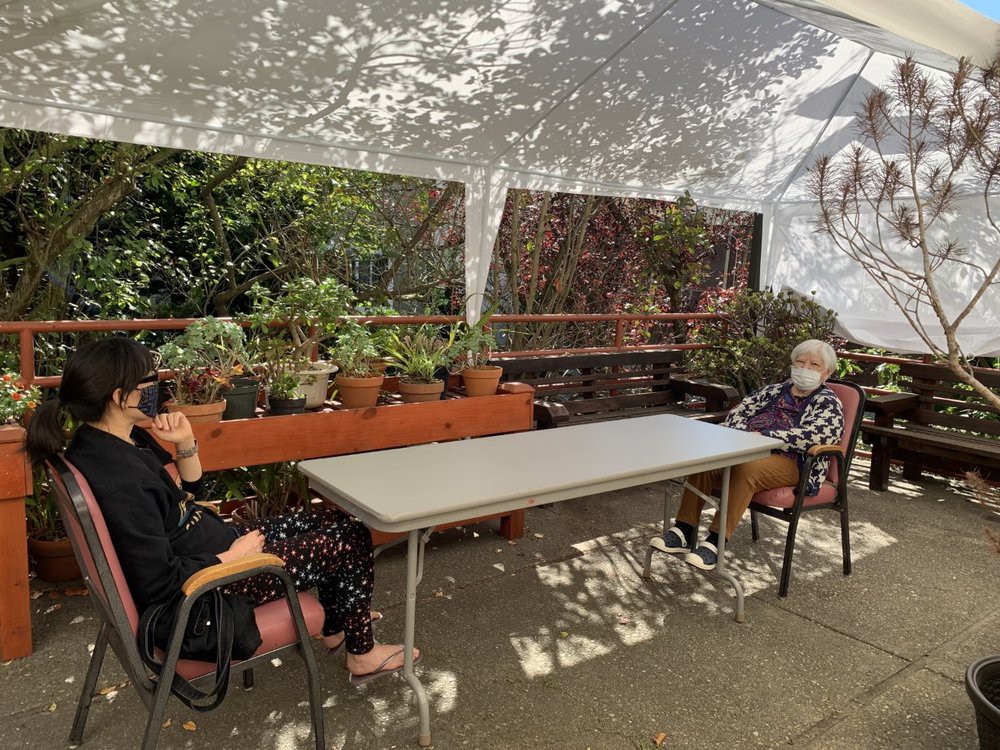
    Two people sitting at a table outdoors, surrounded by plants and dappled sunlight.
  • Tree

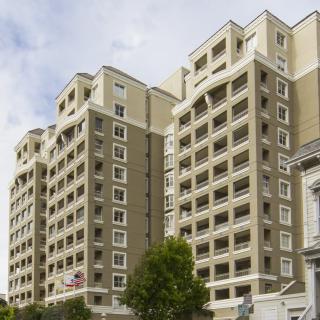
    A sunny street view featuring urban buildings and a large tree.
  • Urban

    A street view with trees, cars, and buildings on a sunny day.

Kimochi Home in San Francisco, CA

1531 Sutter Street, San Francisco, CA 94109

For more information about senior living options: (844) 490-3973

4.6 from 12 reviews
5 stars
10
4 stars
1
3 stars
0
2 stars
0
1 stars
1

Assisted Living Board and Care Home Memory Care Respite Care

Kimochi Home Costs & Pricing

Kimochi Home offers competitive pricing for its accommodations compared to the broader market in San Francisco County and across California. For both studio and semi-private rooms, Kimochi Home charges $3,200 per month, making it a more affordable option than the average rates in San Francisco County, where studio units exceed $7,700 and semi-private options are around $3,979. Additionally, Kimochi Home's prices are also lower than the statewide averages of approximately $4,145 for studios and $3,333 for semi-private arrangements. This positioning allows Kimochi Home to provide high-quality care while ensuring accessibility for residents amidst rising costs in the region.

Floor plansKimochi HomeSan Francisco CountyCalifornia
Studio$3,200$7,708$4,145
Semi-Private$3,200$3,979$3,333

What level of care are you interested in?

Assisted Living

Memory Care

Independent Living

Skilled Nursing Facility

Continuing Care Retirement Community (CCRC)CCRC

Other


Request a tour at Kimochi Home

    Overall Review of Kimochi Home

    Pros

    • pro The staff at Kimochi Home are caring and attentive toward the residents.
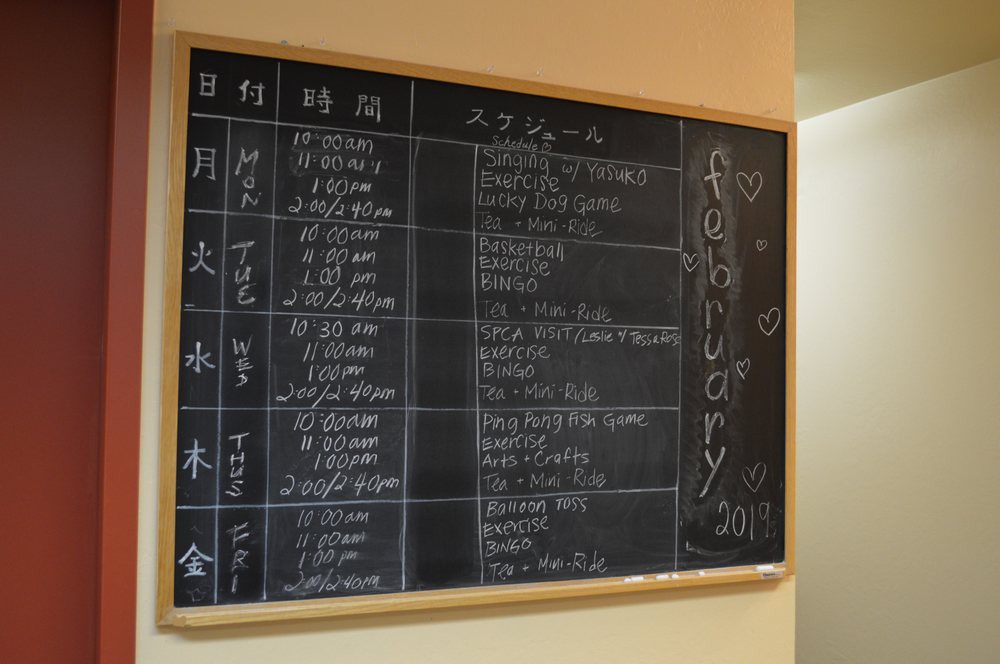
    • pro The care provided is high quality and well organized with engaging daily activities.
    • pro The meals reflect Japanese cuisine, which residents enjoy.
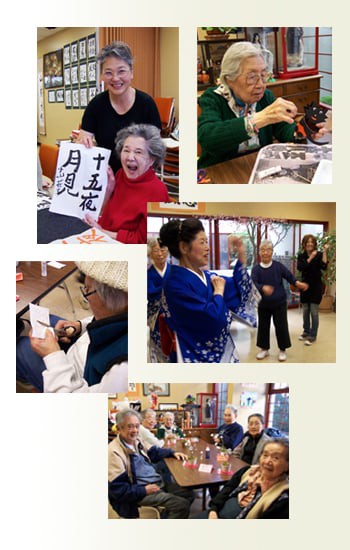
    • pro A variety of activities, including chair exercises, bingo, and calligraphy, keep seniors engaged and happy.
    • pro The environment is peaceful and comfortable for the seniors.
    • pro Kimochi is a wonderful community-based organization offering transportation, nutritional programs, and adult day care.
    • pro Volunteers return because they find familiar faces and a welcoming space.

    Cons

    • pro They gave one to everybody without notice.
    • pro It was a shame.
    • pro They felt entitled to receive two meals, one for the husband and one for the wife.
    • pro The activities for seniors are not as vigorous.

    Review

    Kimochi Home in San Francisco is best suited for seniors who value a culturally familiar environment and who prefer a Japanese-language setting where staff and daily life lean toward Japanese customs, food, and social activity. The community works well for residents who still need some nursing oversight but thrive in a calm, structured routine. Families seeking a non-profit, community-centered option with built-in transportation, a mix of adult day services, and a predictable schedule will find the match here. The atmosphere tends to attract an older resident cohort, which translates to a peaceful pace, dependable programming, and a strong sense of belonging for those who share the cultural context.

    Those considering alternatives should take a close look at English-language or more generalized senior living environments, facilities with higher-acuity medical supports, or options that emphasize more vigorous or diverse activities. If language barriers or a strong emphasis on Japanese culture are not priorities, other communities may offer broader amenities, different activity styles, or memory-care options that better fit younger seniors or those with advanced dementia. Families needing highly contemporary amenities or more flexibility in programming may also prefer facilities with a newer footprint and a wider customization of activities.

    The biggest strengths here are the high-quality, attentive care and the highly structured, engaging daily life. Residents benefit from a clear routine that varies by day, with activities such as chair-based exercises, calligraphy, and group interactions, along with regular outings by van. The care team's attentiveness and the sense of safety and calm that permeates the space are tangible advantages, particularly for families seeking stability and consistent social engagement. The resident community's deeply rooted Japanese cultural orientation - including language in daily interactions and a Japanese-focused menu - helps minimize isolation for those who prefer or require that cultural environment.

    If a liability is identified, it centers on a population that skews older and may have greater nursing needs, which can feel mismatched for families hoping for more aggressive activity programs or for residents who want broad-based English-language community life. Additionally, a documented administrative hiccup around meal-set communications underscores the importance of upfront clarity on policies - families should confirm meal timing, portioning, and rights during the intake process to avoid surprises. Yet these issues are far from crippling; they are addressable through proactive questions and concrete policy checks during tours and pre-admission conversations.

    The non-profit framework amplifies the community feel, with transportation, nutritional programs, residential and respite care, and adult day services all under one umbrella. This integrated approach supports continuity of care and social engagement, with volunteers and familiar routines contributing to a sense of home. For families comfortable with a Japanese-language setting and seeking a low-stress, socially rich environment, Kimochi Home delivers meaningful value: reliable daily structure, culturally resonant programming, and a supportive staff that can keep residents engaged and cared for in harmony with their expectations.

    In the end, the decision hinges on language and culture as well as care-context fit. Kimochi Home is a compelling choice for those who want a Japanese-speaking milieu with consistent programming, compassionate staff, and a community-centric, peaceable atmosphere. Those who require broader English-language interaction, more vigorous activity options, or higher-acuity medical support should explore alternatives that align with those priorities. Prospective families should visit, test the atmosphere, meet the care team, ask about meal policies, and review exact care plans to determine whether the balance of pros to cons aligns with the senior's needs and the family's expectations.

    Features

    Housing

    • 20 resident community capacity 20 resident community capacity
    • Studio apartments Studio apartmentsStudio apartments are important for seniors because they offer a smaller, more manageable living space that is easier to navigate and maintain as physical abilities decline. Additionally, studio apartments provide seniors with independence and privacy while still being part of a community that offers support and social opportunities.

    Types of Care

    • Assisted Living Assisted LivingAssisted living facilities provide crucial support and care for seniors who may need help with daily tasks such as medication management, bathing, and meal preparation. These communities offer a safe and comfortable environment where seniors can maintain their independence while receiving the assistance they need to thrive in their golden years.
    • Board and Care Home Board and Care HomeBoard and care homes provide a smaller, more intimate setting for seniors who require assistance with daily tasks but do not need the level of care offered by a nursing home. They offer personalized care, meals, and social activities in a homelike environment, ensuring that seniors receive individualized attention and support in their golden years.
    • Memory Care Memory CareMemory care is crucial for seniors as it provides specialized support and services for individuals with dementia or Alzheimer's disease. These programs offer a safe and secure environment where residents receive personalized care, cognitive stimulation, and help with daily activities. Memory care helps seniors maintain their independence, quality of life, and dignity while also providing peace of mind for their families.
    • Respite Care Respite CareRespite care provides temporary relief for caregivers, allowing them to recharge and attend to their own needs. It also gives seniors the opportunity to socialize, receive professional care, and experience a change of scenery, promoting overall well-being and reducing feelings of isolation.

    Amenities

    • Activities on-site Activities on-siteActivities on-site are important for seniors because they provide opportunities for socialization, mental stimulation, physical activity, and overall well-being. Engaging in activities can help seniors stay active, maintain their independence, and improve their quality of life.
    • Beauty salon Beauty salonBeauty salons are important for seniors because they provide a space for them to feel pampered, socialize, and maintain their personal grooming and hygiene. Regular visits to a beauty salon can help boost seniors' self-esteem and overall well-being.
    • Cable or satellite TV Cable or satellite TVCable or satellite TV is important for seniors because it provides entertainment, news, and companionship, helping to combat loneliness and boredom. It also offers a wide range of programming options tailored to different interests and preferences.
    • Devotional services off-site Devotional services off-siteDevotional services off-site are important for seniors as they provide spiritual nourishment, social engagement, and a sense of community outside of the senior living facility. This can enhance overall well-being and help combat feelings of isolation and loneliness often experienced by older adults.
    • Dining room Dining roomDining rooms are important for seniors as they provide a space for socialization, connection, and nutritious meals. They offer opportunities for residents to bond over shared meals, foster a sense of community, and promote healthy eating habits. Dining rooms also ensure that seniors have access to well-balanced meals tailored to their dietary needs and preferences.
    • Financial aid Financial aidFinancial aid is crucial for seniors as it can help them cover the costs of essential living expenses such as housing, food, and healthcare. Many seniors have limited incomes and savings, so financial assistance programs can provide them with the necessary support to maintain a decent quality of life in their retirement years.
    • Financing advice Financing adviceFinancing advice is crucial for seniors as they navigate the complexities of retirement planning, including managing fixed incomes, healthcare costs, and potential long-term care needs. Proper financial guidance can help ensure seniors maintain financial stability and security in their golden years.
    • Fully furnished Fully furnishedFully furnished senior living communities are important for seniors because they provide convenience, comfort, and a hassle-free moving experience. Seniors can easily settle into their new living space without the stress of having to buy and move furniture. This allows them to focus on enjoying their new home and community.
    • Garden GardenGardens are important for seniors as they provide a peaceful and therapeutic environment for relaxation, physical activity, and socialization. Being in nature has been shown to reduce stress, improve mood, and promote overall well-being. Gardens also offer opportunities for seniors to engage in gardening activities, which can improve mobility, flexibility, and cognitive function. Additionally, gardens create a sense of community and connection with others who share a passion for plants and outdoor spaces.
    • Home sale assistance Home sale assistanceHome sale assistance is important for seniors because it can help alleviate the stress and complexities of selling their home. This service can provide guidance, support, and practical assistance throughout the entire selling process, allowing seniors to transition to a new living situation with ease and peace of mind.
    • Housekeeping services Housekeeping servicesHousekeeping services are important for seniors because they help maintain a clean and safe living environment, promote independence, and reduce the risk of accidents or illnesses. Additionally, having assistance with household chores can alleviate physical strain and allow seniors to focus on other aspects of their well-being.
    • Indoor common areas Indoor common areasIndoor common areas are crucial for seniors as they provide a space for socialization, recreation, and community engagement, promoting overall well-being and reducing feelings of isolation and loneliness.
    • Kitchenette KitchenetteKitchenettes are important for seniors living in senior living communities because they provide the convenience and independence of being able to prepare simple meals and snacks in the comfort of their own living space. This can help promote a sense of autonomy and well-being for seniors, allowing them to maintain some level of control over their dietary choices and daily routines.
    • Laundry LaundryLaundry services are important for seniors as they may have difficulty with physical tasks such as bending, lifting, or carrying heavy loads. Having access to laundry services can help seniors maintain personal hygiene, cleanliness, and independence in their daily lives.
    • Move-in coordination Move-in coordinationMove-in coordination is important for seniors because it helps ease the transition into their new living environment. It ensures that all logistics, such as packing, organizing movers, and setting up utilities are taken care of, allowing seniors to focus on settling in and adjusting to their new home. Having a smooth move-in process can alleviate stress and anxiety, making the transition smoother and more enjoyable for seniors.
    • Outdoor space Outdoor spaceOutdoor spaces are important for seniors as they provide opportunities for physical activity, social interaction, exposure to natural light and fresh air, and a sense of connection to nature. Having access to outdoor spaces can improve overall well-being and quality of life for older adults living in senior communities.
    • Respite or short term stays offered Respite or short term stays offeredRespite or short term stays provide seniors with a temporary solution when their regular caregiver is unavailable, offering them the opportunity to receive additional care and support during times of need, while also giving caregivers a chance to rest and recharge.
    • Restaurant-style dining Restaurant-style diningRestaurant-style dining is important for seniors because it allows them to enjoy delicious, nutritious meals in a social and upscale setting. This enhances their dining experience, promotes healthy eating habits, and fosters socialization with fellow residents, ultimately contributing to their overall well-being and quality of life.
    • Small library Small librarySmall libraries are important for seniors as they provide access to a variety of reading materials, including books, newspapers, and magazines. This can help stimulate their minds, keep them engaged, and provide a sense of community through book clubs and other social activities. Additionally, reading has been shown to improve cognitive function and overall mental well-being in older adults.
    • Telephone TelephoneTelephones are important for seniors as they provide a lifeline for communication with loved ones, emergency services, and healthcare providers. They offer a sense of security and independence, enabling seniors to stay connected and access assistance when needed.
    • VA Benefits Consultation VA Benefits ConsultationVA Benefits Consultations are important for seniors because they provide valuable information on the benefits and resources available to them as veterans. These consultations can help seniors access financial assistance, healthcare services, and other support that can greatly improve their quality of life in their later years.
    • Wi-Fi/high-speed internet available Wi-Fi/high-speed internet availableWi-Fi/high-speed internet is important for seniors to stay connected with loved ones, access online resources, and participate in virtual activities to combat feelings of loneliness and isolation. It also allows them to easily manage healthcare needs, access entertainment, and engage in lifelong learning opportunities.

    Transportation

    • San Francisco International (12 miles away) San Francisco International (12 miles away)
    • Metropolitan Oakland International (12 miles away) Metropolitan Oakland International (12 miles away)
    • Transportation & parking Transportation & parkingTransportation and parking are vital for seniors as they offer access to essential services, activities, and social interactions. Reliable transportation options can help seniors maintain independence, stay connected within their community, and enjoy a higher quality of life. Additionally, convenient parking facilities ensure that seniors can easily access necessary resources and amenities without added stress or difficulty.

    Care Services

    • 24-hour call system 24-hour call system24-hour call systems are important for seniors because they provide peace of mind and immediate assistance in case of emergencies. This technology ensures that help is always available, promoting safety and security for elderly individuals living alone or in assisted living facilities.
    • 24-hour supervision 24-hour supervision24-hour supervision is important for seniors to ensure their safety, well-being, and access to immediate assistance in case of emergencies or health issues. This constant support provides peace of mind for both seniors and their loved ones, allowing them to age in place with dignity and security.
    • Activities of daily living assistance Activities of daily living assistanceActivities of daily living assistance are important for seniors because they provide essential support with tasks such as eating, bathing, dressing, and mobility. This assistance helps seniors maintain their independence, dignity, and overall quality of life as they age.
    • Ambulatory care Ambulatory care"Ambulatory care services provide essential medical support and treatment to seniors without requiring hospitalization, allowing them to maintain their independence and quality of life while managing chronic conditions or receiving routine medical care."
    • Assistance with bathing Assistance with bathingAssistance with bathing is crucial for seniors as it helps maintain personal hygiene, prevents infections, and ensures their overall well-being and comfort. It also provides a sense of dignity and independence for seniors who may struggle with this task on their own.
    • Assistance with dressing Assistance with dressingAssistance with dressing is important for seniors because it helps maintain their independence, promotes personal hygiene, prevents accidents and injuries, and improves overall quality of life. This service ensures that seniors can continue to dress comfortably and confidently, despite any physical limitations they may have.
    • Assistance with transfers Assistance with transfersAssistance with transfers is crucial for seniors as it helps prevent falls and injuries, maintains their independence, and ensures they can safely navigate their living environment. It also provides peace of mind for both seniors and their loved ones.
    • Diabetes diet Diabetes dietA diabetes diet is crucial for seniors as it helps manage blood sugar levels, reduce risks of complications, and improve overall health and well-being. By following a balanced and nutritious diet tailored to their specific needs, seniors can better control their diabetes and enhance their quality of life.
    • Diabetic care Diabetic careDiabetic care is crucial for seniors as they are more susceptible to developing diabetes due to aging and other health conditions. Proper management of diabetes can help prevent complications such as heart disease, vision loss, and nerve damage, improving the overall quality of life for seniors in senior living communities.
    • Meal preparation and service Meal preparation and serviceMeal preparation and service are crucial for seniors as they may have limited mobility or energy to cook nutritious meals. Having access to healthy and convenient food options can ensure they are getting the proper nutrition needed to maintain their overall health and well-being.
    • Medication management Medication managementMedication management is crucial for seniors to ensure they are taking the right medications at the correct dosages and times. This helps prevent adverse drug interactions, reduces the risk of medication errors, and promotes overall health and well-being. Proactive management also allows for adjustments as needed based on changing health conditions or new prescriptions.
    • Mental wellness program Mental wellness programMental wellness programs are essential for seniors as they promote cognitive stimulation, emotional support, and social engagement. These programs help prevent isolation, depression, and cognitive decline, ultimately enhancing the overall quality of life for older adults.
    • Mild cognitive impairment Mild cognitive impairment"Mild cognitive impairment" is important for seniors because it is an early stage of cognitive decline that can potentially progress to more severe conditions such as dementia. Recognizing and addressing mild cognitive impairment can help seniors receive appropriate care and support to maintain their quality of life and independence for as long as possible.
    • Special dietary restrictions Special dietary restrictionsSpecial dietary restrictions are important for seniors because age-related changes in metabolism and health conditions can make it difficult for their bodies to process certain foods. By following a diet tailored to their specific needs, seniors can maintain their overall health and well-being, manage chronic conditions, and reduce the risk of complications such as malnutrition or food interactions with medications.
    • Specialized memory care programming Specialized memory care programmingSpecialized memory care programming is crucial for seniors with cognitive impairments such as dementia or Alzheimer's disease. These programs provide a safe and supportive environment tailored to the unique needs of individuals with memory loss, helping them maintain their independence, dignity, and quality of life.

    Dining

    • Diabetes diet Diabetes dietA diabetes diet is crucial for seniors as it helps manage blood sugar levels, reduce risks of complications, and improve overall health and well-being. By following a balanced and nutritious diet tailored to their specific needs, seniors can better control their diabetes and enhance their quality of life.
    • Meals provided Meals provided"Meals provided" are crucial for seniors in assisted living communities as it ensures they have access to nutritious, balanced meals without the stress of meal planning and preparation. This can help promote overall health and well-being for seniors who may have limited mobility or cognitive abilities.
    • Special dietary restrictions Special dietary restrictionsSpecial dietary restrictions are important for seniors because age-related changes in metabolism and health conditions can make it difficult for their bodies to process certain foods. By following a diet tailored to their specific needs, seniors can maintain their overall health and well-being, manage chronic conditions, and reduce the risk of complications such as malnutrition or food interactions with medications.

    Activities

    • Activities on-site Activities on-siteActivities on-site are important for seniors because they provide opportunities for socialization, mental stimulation, physical activity, and overall well-being. Engaging in activities can help seniors stay active, maintain their independence, and improve their quality of life.
    • Community-sponsored activities Community-sponsored activitiesCommunity-sponsored activities are important for seniors as they provide opportunities for social interaction, mental stimulation, and physical activity. These activities can help improve overall well-being, combat loneliness and isolation, and promote a sense of belonging and purpose among older adults.
    • Devotional activities offsite Devotional activities offsiteDevotional activities offsite are important for seniors because they provide social engagement, spiritual growth, and a sense of community outside of their living environment. This can improve overall well-being, mental health, and combat feelings of isolation or loneliness.
    • Resident-run activities Resident-run activitiesResident-run activities are important for seniors as they encourage social interaction, creativity, and a sense of autonomy. These activities empower seniors to stay engaged and active in their community while fostering meaningful connections with their peers.
    • Scheduled daily activities Scheduled daily activitiesScheduled daily activities are important for seniors because they provide structure, socialization, mental stimulation, and physical activity. Engaging in regular activities can improve overall well-being and quality of life for seniors living in a community setting.

    Languages Spoken

    • English EnglishEnglish is important for seniors as it allows them to communicate effectively with healthcare providers, understand important information related to their health and medications, stay connected with loved ones, and engage in social activities within their communities. It also opens up opportunities for lifelong learning and intellectual stimulation.
    • Japanese JapaneseJapanese culture and traditions can provide valuable opportunities for seniors to connect with their heritage, stay active and engaged, and maintain mental acuity. From activities like calligraphy and tea ceremonies to the health benefits of a traditional Japanese diet, incorporating aspects of Japanese culture into senior living can enhance overall well-being and quality of life.

    Description

    Kimochi Home in San Francisco, CA is a premier assisted living community that provides high-quality care for seniors in a warm and inviting environment. With various types of care available, including board and care home, memory care, and respite care, Kimochi Home offers tailored services to meet the unique needs of each resident.

    The community boasts a range of amenities that ensure comfort and convenience for all residents. From a beauty salon to keep seniors looking their best, to cable or satellite TV for entertainment, to devotional services off-site for spiritual fulfillment, there is something for everyone. The dining room offers delicious meals with special dietary restrictions accommodated, while the small library and indoor common areas provide spaces for relaxation and socialization. Wi-Fi/high-speed internet is available throughout the community.

    Care services at Kimochi Home are top-notch, with 24-hour supervision and assistance provided with activities of daily living. Residents receive specialized memory care programming and mental wellness programs to support their cognitive health. The dedicated staff assists with bathing, dressing, transfers, medication management, diabetic care, and meal preparation to ensure optimal wellbeing.

    Residents at Kimochi Home also benefit from numerous activities to engage their bodies and minds. Community-sponsored activities enable residents to connect with others and form meaningful relationships. Devotional activities offsite cater to spiritual needs while resident-run activities encourage independence and creativity. Scheduled daily activities ensure there is always something exciting happening.

    At Kimochi Home in San Francisco's vibrant location, there are plenty of nearby amenities to explore. With cafes, parks, pharmacies, physicians' offices, restaurants, transportation options nearby as well as theaters for entertainment options outside the community itself.

    With its commitment to providing exceptional care in a supportive environment and its convenient location near various amenities, Kimochi Home offers seniors an ideal place to call home in San Francisco.

    Nearby Places of Interest

    This area of San Francisco, California, offers a convenient and vibrant neighborhood for senior living. With several pharmacies within close proximity, accessing necessary medications and healthcare services is easily manageable. The abundance of parks nearby provides opportunities for leisurely strolls and outdoor activities. Additionally, the presence of theaters, cafes, and restaurants within walking distance ensures a variety of entertainment and dining options. Access to physicians and healthcare facilities, as well as the San Francisco Caltrain Station for transportation needs, contributes to the overall convenience and accessibility of this neighborhood for seniors looking to enjoy city living with easy access to amenities and services.

    Pharmacies

    • Walgreens (0.2 miles)
    • Grass Roots (0.4 miles)
    • Walgreens (0.4 miles)
    • Walgreens (0.4 miles)
    • Walgreens (0.7 miles)
    • Walgreens (0.8 miles)
    • Kaiser Permanente Main Pharmacy (0.8 miles)

    Parks

    • Lafayette Park (0.3 miles)
    • Municipal Pier (0.5 miles)
    • Alta Plaza Park (0.7 miles)
    • Allyne Park (0.8 miles)
    • Huntington Park (0.9 miles)
    • Duboce Park (1.2 miles)
    • Francisco Park (1.3 miles)

    Theaters

    • AMC Kabuki 8 (0.4 miles)
    • Alamo Square (0.9 miles)
    • AMC Metreon 16 (1.3 miles)
    • Alamo Drafthouse New Mission (2.1 miles)

    Cafes

    • Jane The Bakery (0.5 miles)
    • Blue Bottle Coffee (0.6 miles)
    • Saint Frank (0.8 miles)
    • The Mill (0.9 miles)
    • Balboa Cafe (1 miles)
    • The Coffee Movement (1 miles)
    • Cafe Réveille (1.1 miles)

    Restaurants

    • House Of Prime Rib42 (0.5 miles)
    • A Mano (0.7 miles)
    • Salt & Straw (0.7 miles)
    • Deli Board (1.2 miles)
    • Local Edition (1.3 miles)
    • SF Eagle (1.4 miles)
    • The Buena Vista01 (1.4 miles)

    Physicians

    • One Medical (0.9 miles)
    • Golden Gate OBGYN (1.7 miles)
    • Noe Valley Pediatrics (2.4 miles)

    Transportation

    • San Francisco Caltrain Station (1.9 miles)

    Frequently Asked Questions

    How much does it cost to live at Kimochi Home in San Francisco, CA?
    What floor plans and room types does Kimochi Home offer?
    Where is Kimochi Home?
    Does Kimochi Home provide care for residents with dementia or Alzheimer's disease?
    What photos are available for Kimochi Home in San Francisco, California?

    Nearby Communities

    • The Carlisle

      The Carlisle

      San Francisco, CA

      4.6 from 26 reviews
      $7,000 to $12,000 / month

      pro Warm, attentive staff; friendly residents; engaging activities and attractive facilities.

    • Ivy Park At Cathedral Hill

      Ivy Park At Cathedral Hill

      San Francisco, CA

      4.2 from 44 reviews
       

      pro Beautiful, clean facility with friendly staff, diverse activities, and a convenient SF location.

    • Sequoias-Portola Valley

      Sequoias-Portola Valley

      San Francisco, CA

      4.6 from 24 reviews
      $68,000 / month

      pro Modern, spacious units with friendly staff and a robust activities and dining program.

    • The Broadmoor

      The Broadmoor

      San Francisco, CA

      4.2 from 39 reviews
      $3,000 to $4,500 / month

      pro Friendly staff, engaging activities, and a convenient San Francisco location with good dining options.

    • The Sequoias

      The Sequoias

      San Francisco, CA


      pro Wide range of care options and premium amenities.

    • Kokoro Assisted Living

      Kokoro Assisted Living

      San Francisco, CA

      3.2 from 21 reviews
      $6,064 to $7,033 / month

      pro Comfortable studio/1-bedroom apartments with private baths and a range of on-site activities.

    • Coterie Cathedral Hill

      Coterie Cathedral Hill

      San Francisco, CA

      4.9 from 119 reviews
      $7,900 to $15,100 / month

      pro Compassionate, communicative staff and strong memory care leadership create a luxurious, engaging, and supportive environment.

    • Pacific Heights Transitional Care Center

      Pacific Heights Transitional Care Center

      San Francisco, CA

      4.6 from 112 reviews
       

      pro Professional, attentive staff delivering personalized care and strong rehabilitation support.

    • Providence Place

      Providence Place

      San Francisco, CA

      4.4 from 46 reviews
      $7,600 to $15,200 / month

      pro Attentive staff with personalized care, excellent meals, and a warm, homelike atmosphere with engaging activities.

    Related Resources

    • dementia behaviorsDementia Behaviors: In-Depth Understanding and Effective Coping Strategies

      Dementia causes cognitive decline and challenging behaviors that caregivers must manage, necessitating an understanding of the neurological basis of these issues. Effective strategies and self-care for caregivers can enhance support for those with dementia and improve their daily lives.

    • does my mom have dementia quiz5 Early Indicators of Dementia and What You Can Do

      The content outlines five key early indicators of dementia, including significant memory loss and confusion about time and place, while emphasizing the need for professional evaluation and emotional support for both individuals showing symptoms and their caregivers. It encourages family members to monitor these signs closely and use online quizzes for initial awareness.

    • when should someone with dementia go into a care home8 Important Indicators That Memory Care May Be Necessary
      The article highlights eight indicators that a loved one with dementia may require specialized memory care, emphasizing the emotional and logistical challenges families encounter in this decision. It discusses signs such as difficulties with daily tasks, safety concerns, and caregiver burnout, suggesting that memory care facilities can provide the necessary support and structured environments for those experiencing cognitive decline.


    Get Pricing Ask A Question Schedule A Tour Contact Senior Advisor