For more information about senior living options: (866) 208-4318
3.5 from 25 reviews
5 stars
11
4 stars
3
3 stars
2
2 stars
5
1 stars
4
Kokoro Assisted Living Costs & Pricing
Kokoro Assisted Living offers competitive pricing for its services when compared to local and state averages. For a studio unit, residents can expect a monthly cost of $6,064, which is significantly lower than the average rate of $7,708 in San Francisco County but higher than the state average of $4,145. Similarly, the one-bedroom option at Kokoro is priced at $7,033 - also above California's average of $4,340 but more affordable than the county's average of $5,843. This positioning reflects Kokoro's commitment to providing quality care in an environment that balances affordability with superior services for residents seeking assistance.
Floor plans
Kokoro Assisted Living
San Francisco County
California
Studio
$6,064
$7,708
$4,145
1 Bedroom
$7,033
$5,843
$4,340
Assisted Living communities with a similar price nearby
Japanese culture and language show up clearly in daily life here.
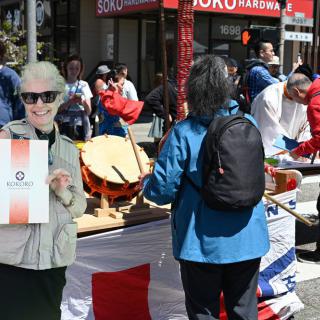
Multiple reviews describe Japantown being a good fit and a community with a strong Japanese focus. Residents and families also mention Japanese-speaking staff and Japanese cultural activities, including cultural events and entertainment. Several reviewers add that meals reflect both Japanese and Western preferences, which ties into the overall culture-centered approach.
common5 reviews mention this
Staff friendliness varies
Many families report staff are kind and accommodating.
Several reviews praise staff as caring, knowledgeable, and responsive to residents’ needs. A number of families also describe staff as friendly and supportive, including regular schedules and staff being available by call. At the same time, other reviews raise serious concerns about staff responsiveness and oversight, so experiences appear mixed across households.
common5 reviews mention this
Activities are regularly offered
The community provides structured activities and outings.
Residents and families describe a calendar of daily or scheduled activities, including exercise and arts and crafts-style programming. Some reviewers also mention cultural events and entertainment, aligning with the community’s Japanese focus. Even among more critical reviews, families still reference activity-related programming, though a few question whether staffing and leadership support it consistently.
caveat4 reviews mention this
Food quality is a frequent theme
Food quality and variety are a mixed point for families.
Some reviews say the food is not consistently strong and describe it as a work in progress, while others say it’s good and enjoyable. A couple of reviewers also note that meals can feel more limited in variety, even when the food is generally well-liked. Overall, dining comes up often enough to suggest families’ expectations and experiences differ.
caveat6 reviews mention this
Staffing, security, and oversight concerns
Some families report short staffing and troubling oversight issues.
A cluster of reviews describe staffing shortages, difficulty reaching staff, and worries about what happens at night. Several families also raise concerns about safety and security events, including break-ins and communication delays with families. Others cite medication or care-management problems, and they describe a lack of accountability when issues come up.
How we summarize
Counts show how many written reviews mention each theme; a review can touch several themes, and only frequently mentioned themes are displayed.
Features
Housing
52 resident community capacity
1-bedroom apartments
Studio apartments
Types of Care
Assisted Living
Pets
Cats allowed
Dogs allowed
Amenities
Activities on-site
Air-conditioning
Beauty salon
Cable or satellite TV
Computer center
Devotional services off-site
Dining room
Financial aid
Financing advice
Fitness room
Fully furnished
Gaming room
Garden
Home sale assistance
Housekeeping services
Indoor common areas
Kitchenette
Laundry
Move-in coordination
Outdoor space
Overnight guests
Private bathrooms
Respite or short term stays offered
Restaurant-style dining
Small library
Telephone
VA Benefits Consultation
Wellness center
Wi-Fi/high-speed internet available
Transportation
San Francisco International (12 miles away)
Metropolitan Oakland International (12 miles away)
Community operated transportation
Transportation & parking
Transportation arrangement
Transportation arrangement (non-medical)
Transportation to doctors appointments
Care Services
12-16 hour nursing
24-hour call system
24-hour supervision
Activities of daily living assistance
Ambulatory care
Assistance with bathing
Assistance with dressing
Assistance with transfers
Diabetes diet
High acuity care
Incontinence care
Meal preparation and service
Medication management
Mental wellness program
Personal care assistants
Physical therapy
Special dietary restrictions
Dining
Diabetes diet
Meals provided
Special dietary restrictions
Activities
Activities on-site
Arts and crafts
Community-sponsored activities
Concierge services
Devotional activities offsite
Educational speakers / life long learning
Fitness programs
Games
Live musical performances
Planned day trips
Religious services
Resident-run activities
Scheduled daily activities
Languages Spoken
English
Nearby Places of Interest
This part of San Francisco, California offers a convenient and vibrant neighborhood for senior living. With multiple pharmacies within close proximity, accessing medication and healthcare services is easily manageable. Additionally, the abundance of parks such as Lafayette Park and Alta Plaza Park provide opportunities for outdoor recreation and relaxation. The area is also home to a variety of theaters, cafes, and restaurants, offering entertainment and dining options for residents to enjoy. For medical needs, there are reputable physicians nearby including One Medical and Golden Gate OBGYN. Transportation options are readily available with the San Francisco Caltrain Station located just 2 miles away, providing easy access to other parts of the city. Overall, this neighborhood presents a lively and well-connected community that would be ideal for seniors seeking a diverse and convenient living environment.
Kokoro Assisted Living offers competitive pricing for its services when compared to local and state averages. For a studio unit, residents can expect a monthly cost of $6,064, which is significantly lower than the average rate of $7,708 in San Francisco County but higher than the state average of $4,145. Similarly, the one-bedroom option at Kokoro is priced at $7,033 - also above California's average of $4,340 but more affordable than the county's average of $5,843. This positioning reflects Kokoro's commitment to providing quality care in an environment that balances affordability with superior services for residents seeking assistance.
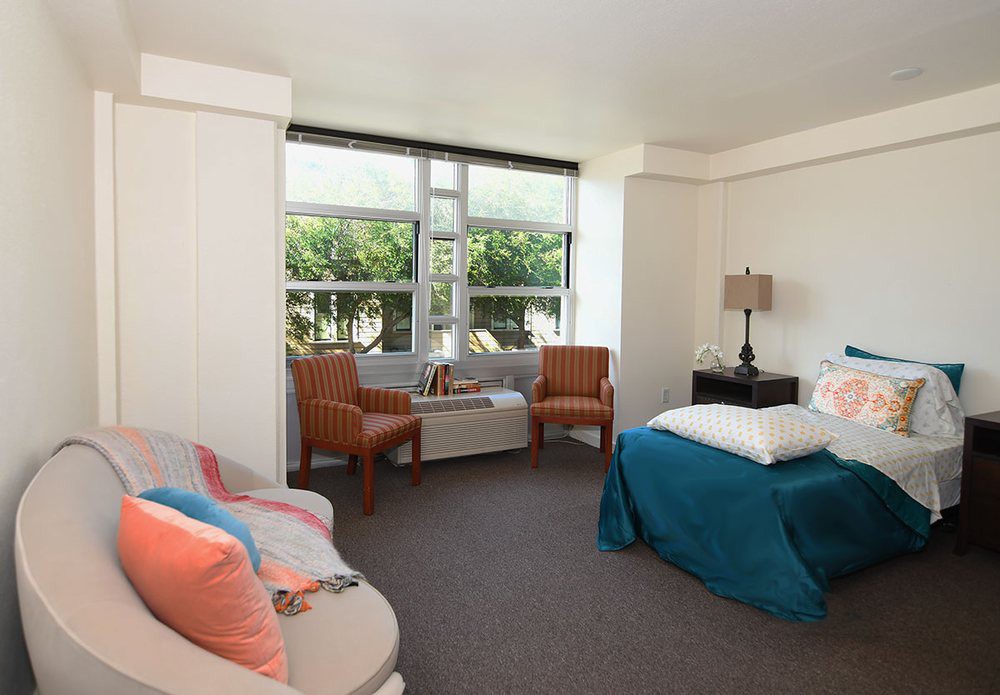
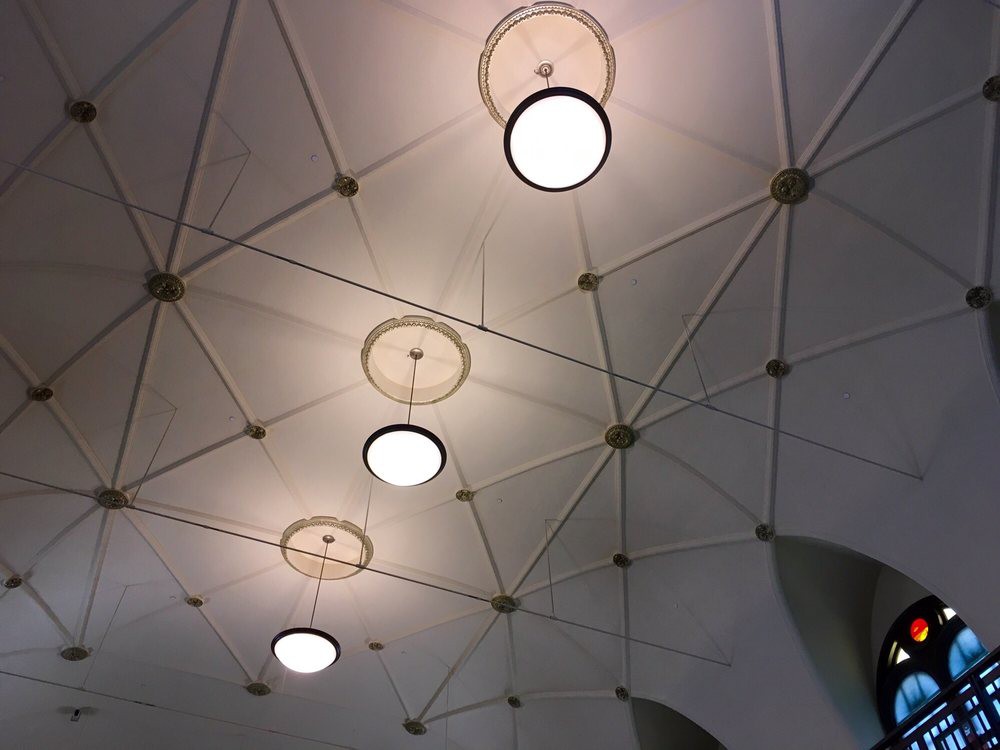
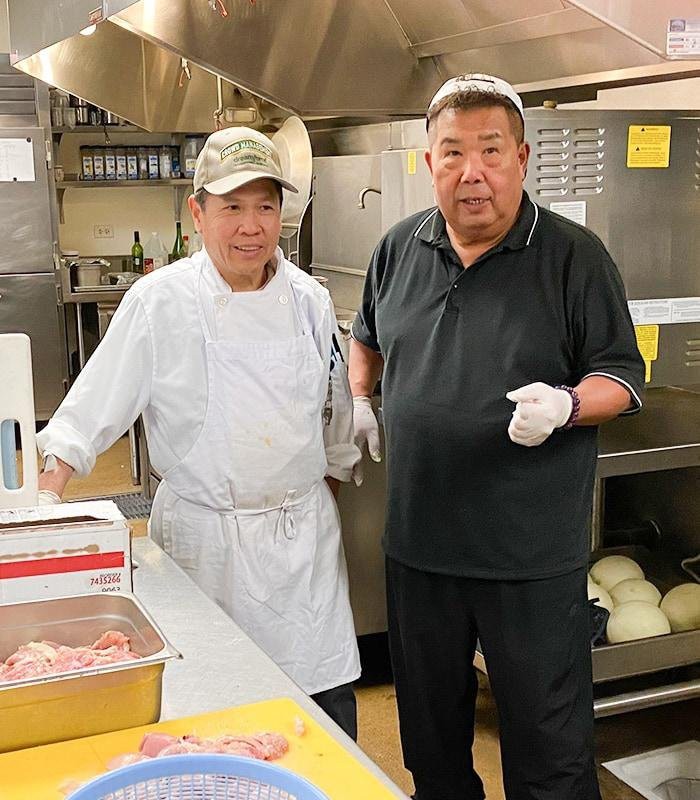
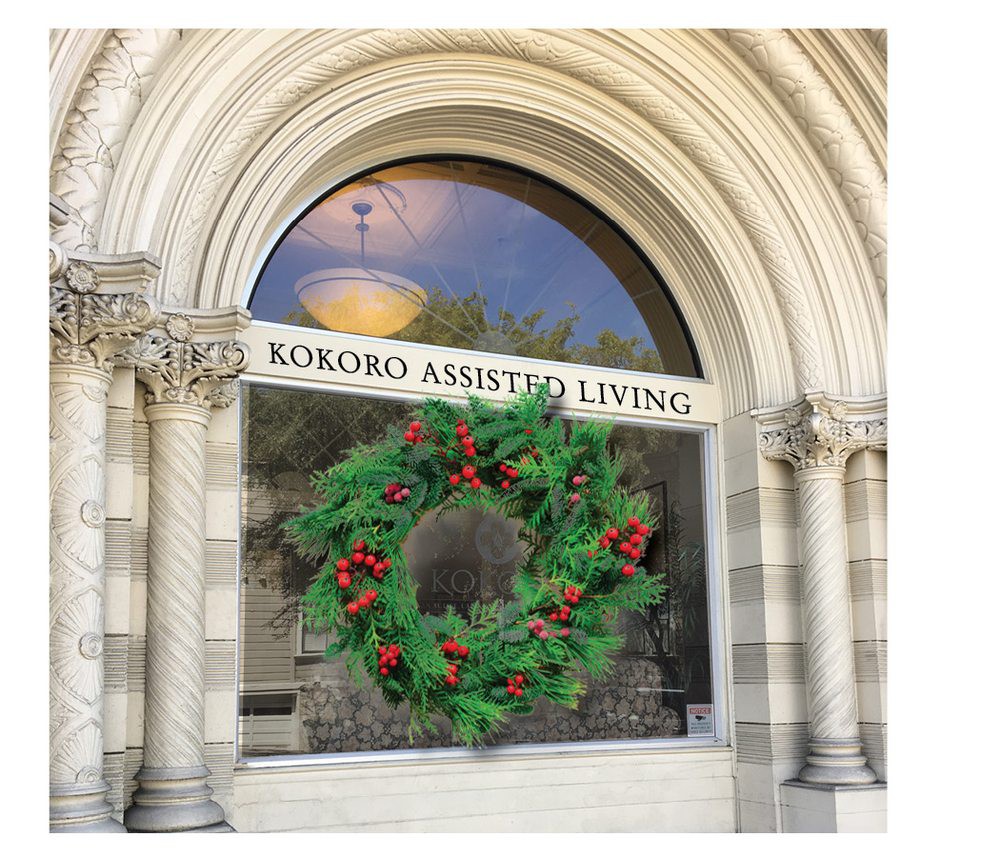
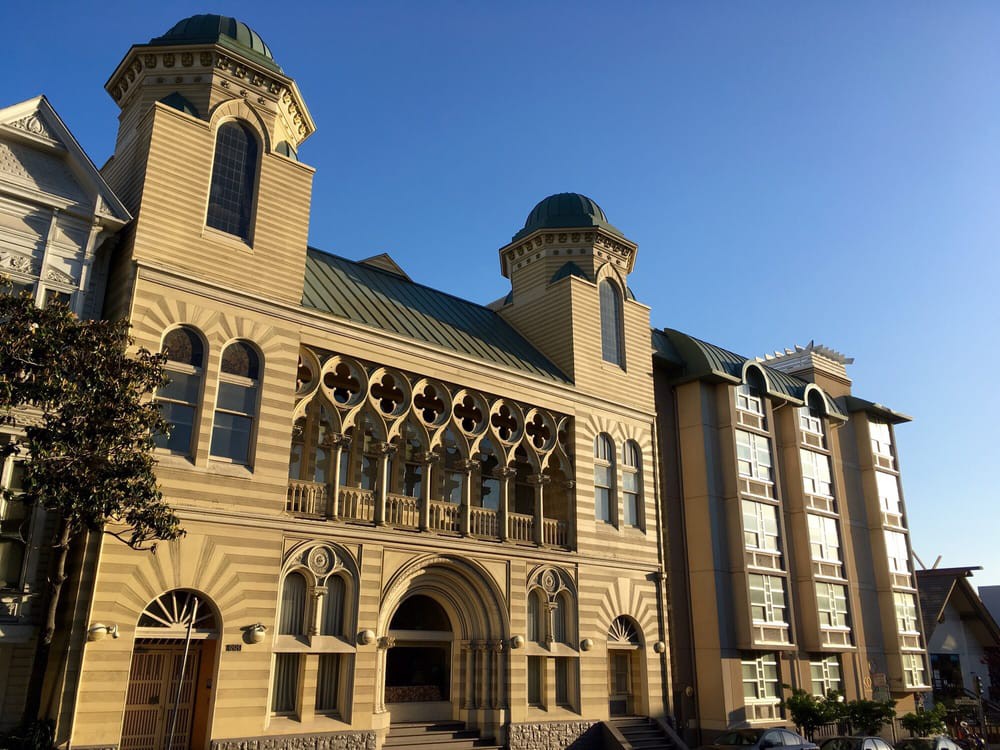
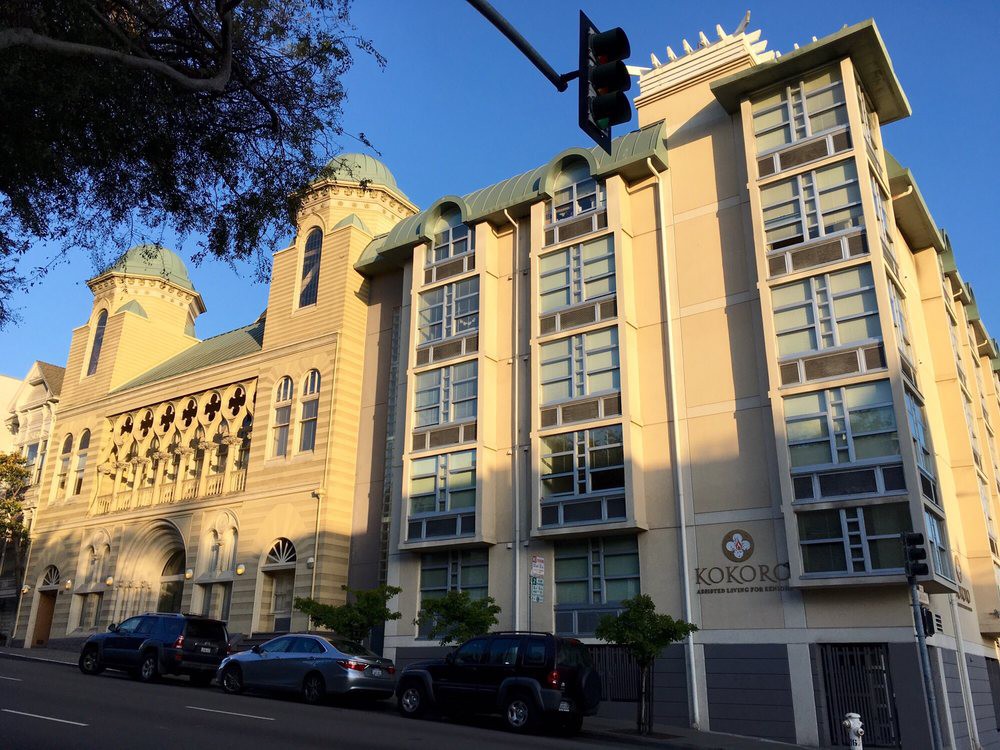
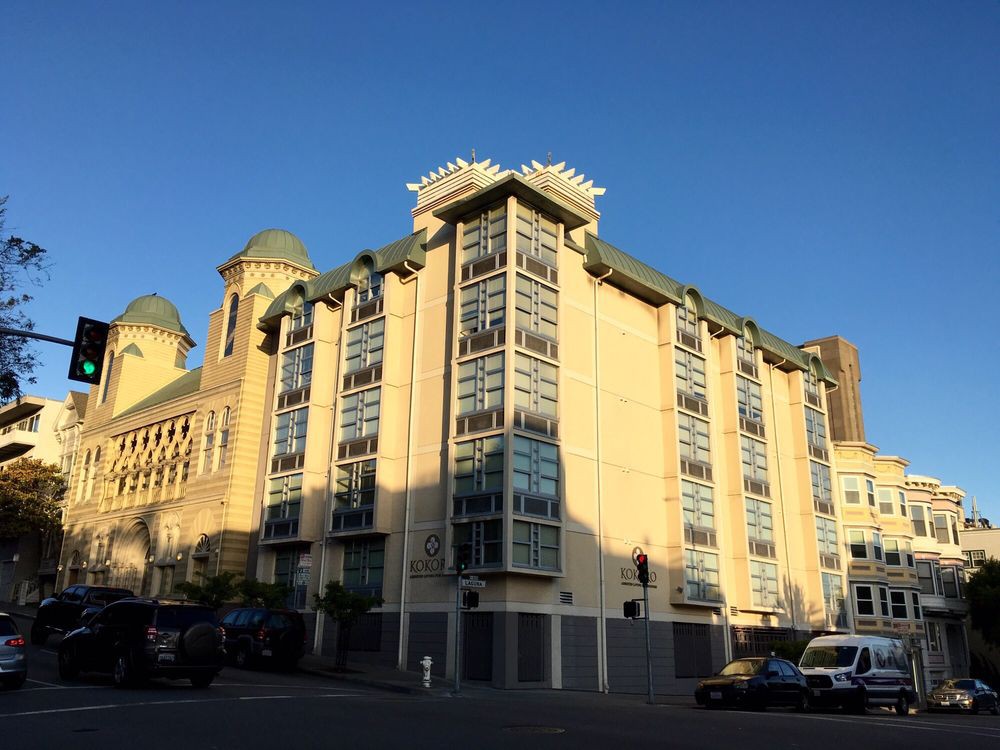
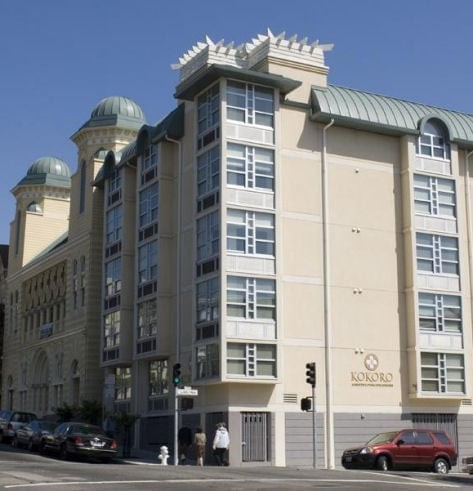
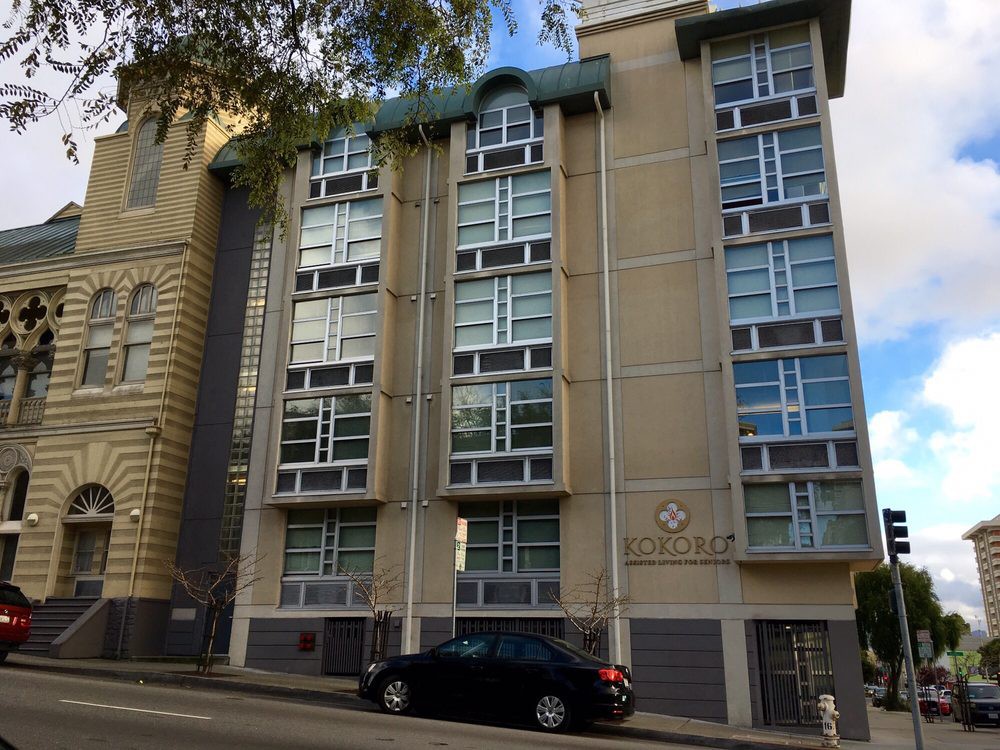
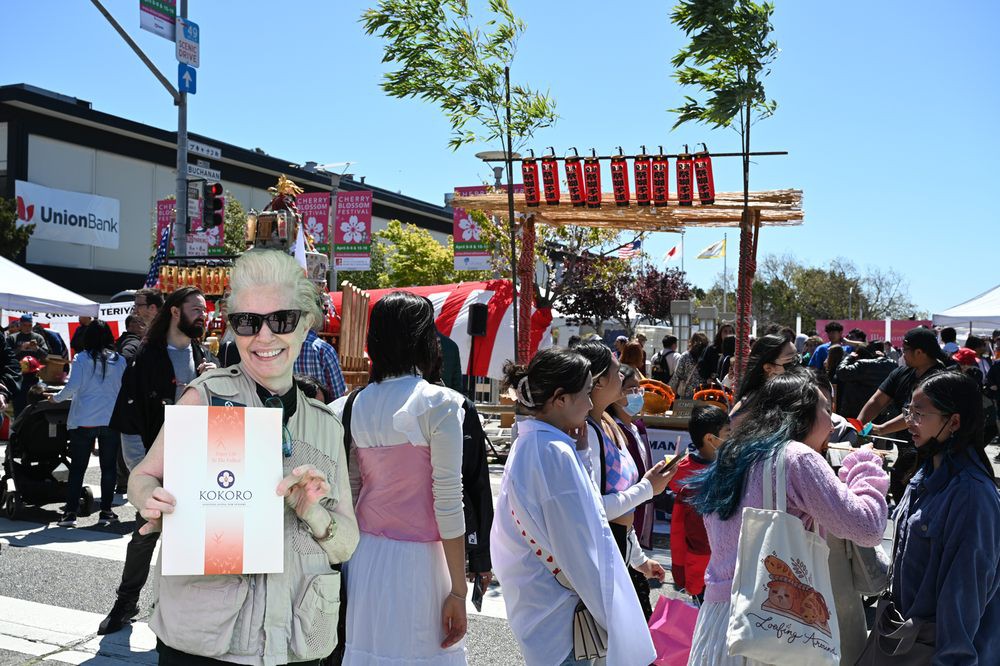
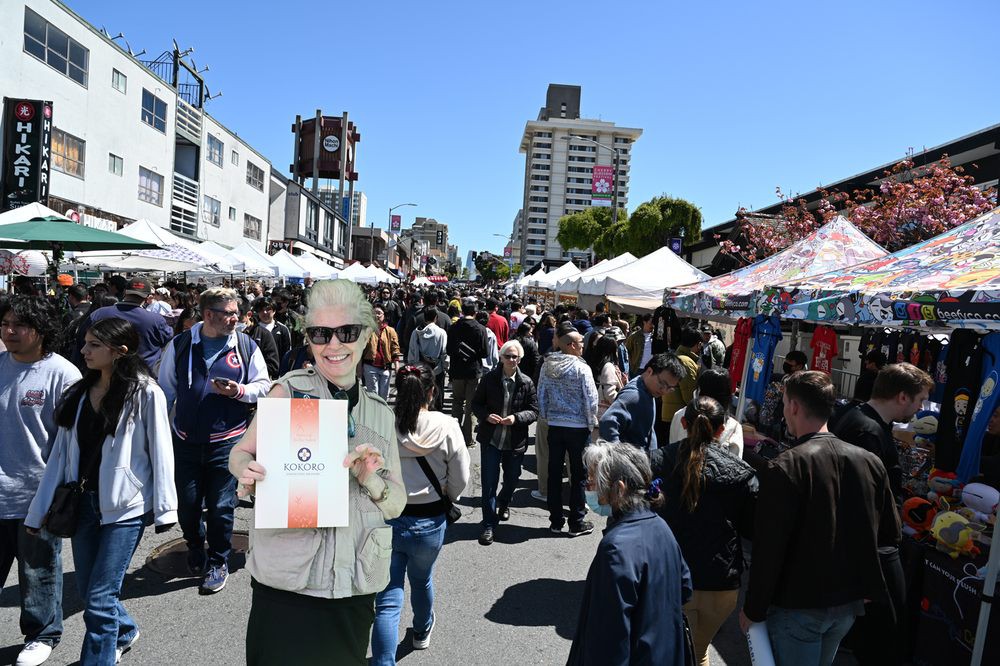
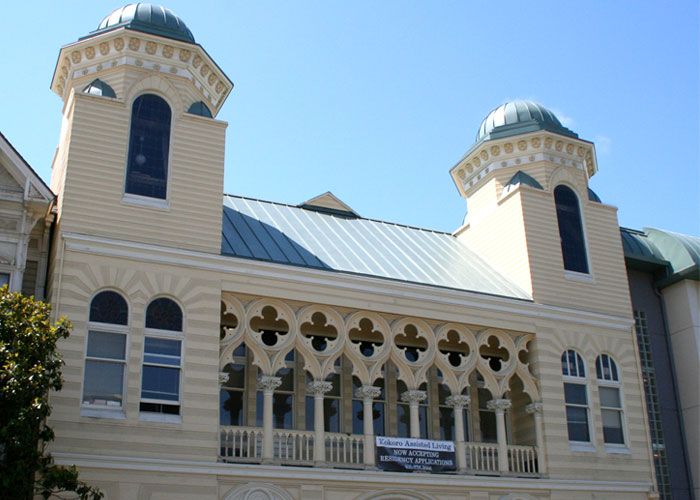
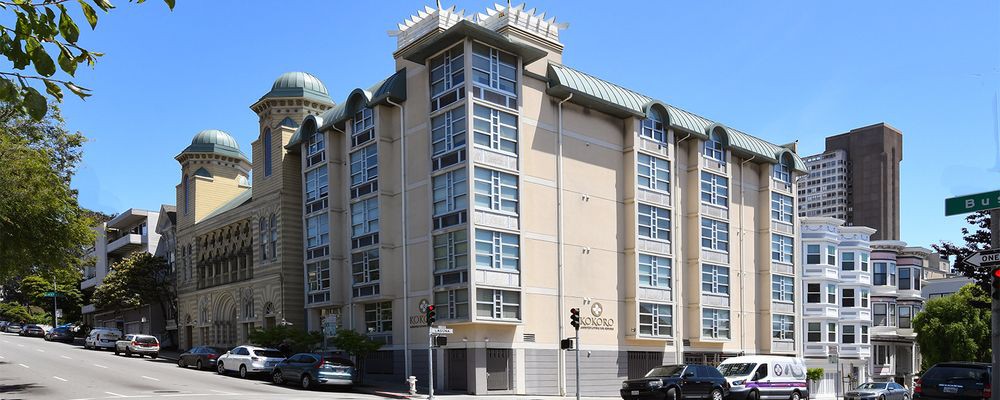
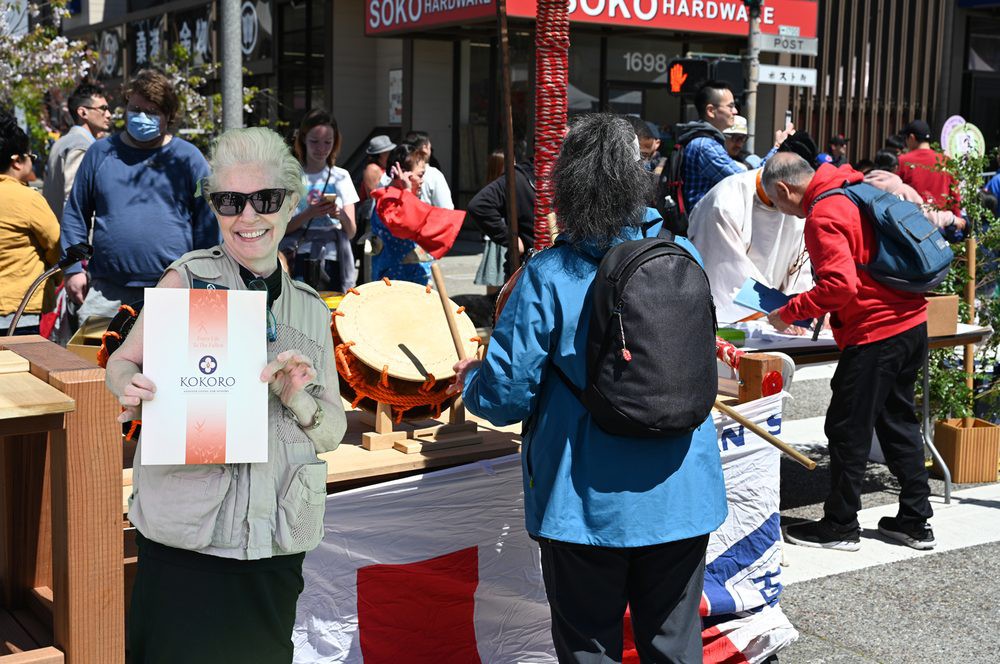
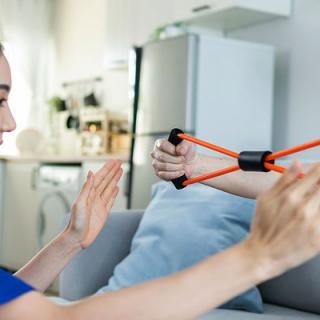
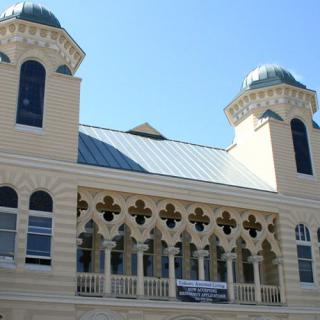
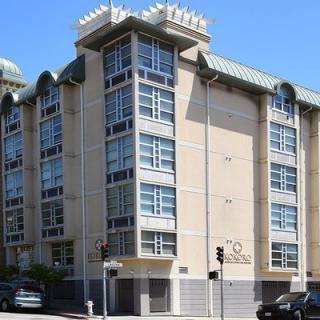
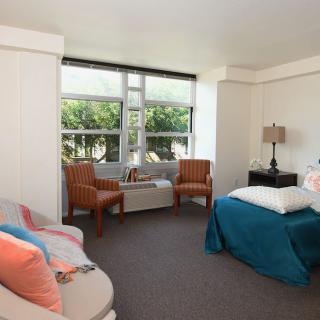
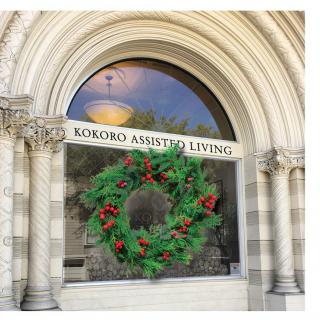
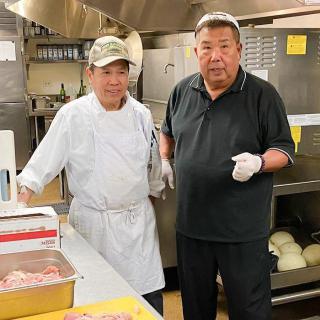
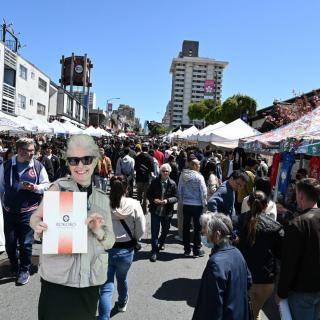
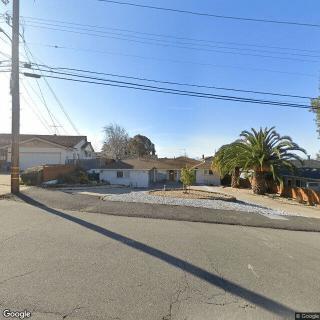
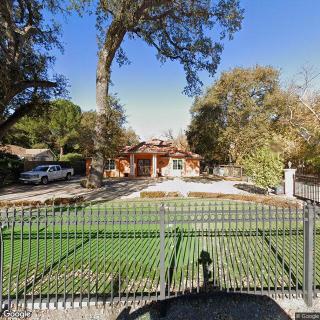
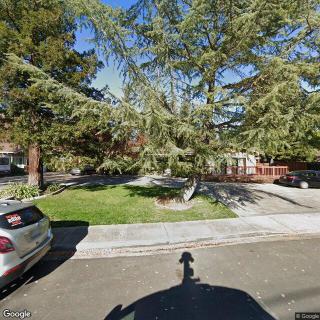
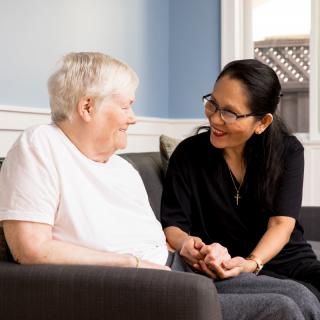
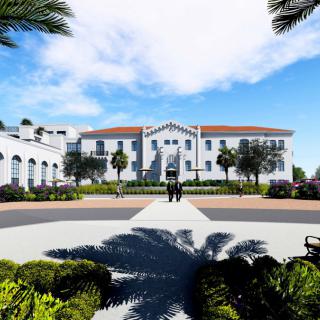
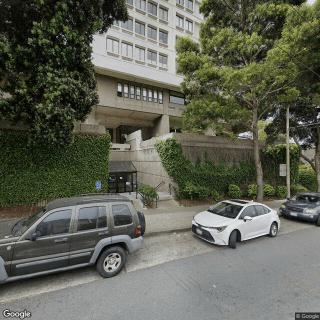
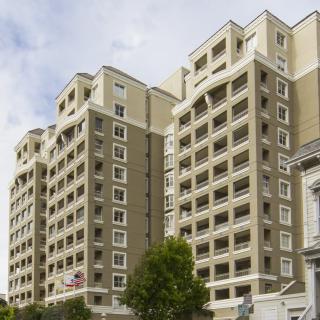
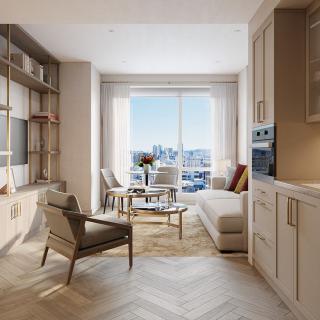
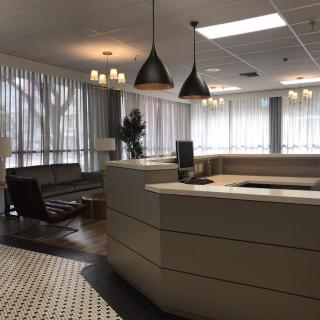
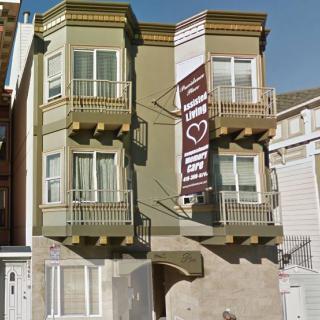
Kokoro Assisted Living on seniors.fyi includes 23 photos including images showing architecture, building, urban, interior, windows, outdoor, outdoors, nature, and more.
Nearby Communities
Namiki Apartments
San Francisco, CA
Great access to cafes, parks, pharmacies, restaurants, theaters, and transit.
Kimochi Home
San Francisco, CA
4.6 from 12 reviews
$3,200 / month
Culturally tailored care with Japanese-speaking staff and authentic meals.
Ivy Park At Cathedral Hill
San Francisco, CA
4.1 from 49 reviews
Beautiful, clean facility with friendly staff, diverse activities, and a convenient SF location.
The Sequoias
San Francisco, CA
4.6 from 14 reviews
Wide range of care options and premium amenities.
Sequoias-Portola Valley
San Francisco, CA
4.6 from 24 reviews
$68,000 / month
Modern, spacious units with friendly staff and a robust activities and dining program.
The Carlisle
San Francisco, CA
4.6 from 27 reviews
$7,000 to $12,000 / month
Warm, attentive staff; friendly residents; engaging activities and attractive facilities.
Coterie Cathedral Hill
San Francisco, CA
4.9 from 137 reviews
$7,900 to $15,100 / month
Compassionate, communicative staff and strong memory care leadership create a luxurious, engaging, and supportive environment.
Pacific Heights Transitional Care Center
San Francisco, CA
4.7 from 128 reviews
Professional, attentive staff delivering personalized care and strong rehabilitation support.
Providence Place
San Francisco, CA
4.4 from 46 reviews
$7,600 to $15,200 / month
Attentive staff with personalized care, excellent meals, and a warm, homelike atmosphere with engaging activities.
Activities of Daily Living (ADLs) are fundamental tasks vital for an individual's independence, particularly in older adults over 85, and include functions like bathing and dressing; assessing ADLs alongside Instrumental Activities of Daily Living (IADLs) helps determine the level of required assistance due to age-related health challenges. Tailored support plans, involving family and community resources, are essential for maintaining dignity and autonomy in assisted living environments.
Medicare does not cover assisted living costs, as it focuses on acute medical needs and short-term care, with exceptions for certain medically necessary services like physical therapy. Individuals must explore other options such as Medicaid, veterans' benefits, or long-term care insurance to manage these expenses effectively.
Choosing between assisted living and nursing homes involves evaluating emotional and financial factors, with assisted living offering independence and support for daily activities at a lower cost, while nursing homes provide intensive medical care for individuals with significant health needs. The decision is influenced by personal preferences, health status, cognitive function, and varying Medicaid coverage across states.
Get PricingAsk A QuestionSchedule A TourContact Senior Advisor
By clicking submit, you agree to our Partner's Terms of Use. You
also consent to receive calls and texts, which may be autodialed, from our Partner. Your consent is not a condition to
using our Partner's service. Please visit our Partner's Privacy Policy for information about their privacy practices.









 52 resident community capacity
 1-bedroom apartments
 Assisted Living
 Cats allowed
 Dogs allowed
 Activities on-site
 Air-conditioning
 Beauty salon
 Cable or satellite TV
 Computer center
 Devotional services off-site
 Dining room
 Financial aid
 Fitness room
 Fully furnished
 Gaming room
 Garden
 Housekeeping services
 Indoor common areas
 Kitchenette
 Laundry
 Move-in coordination
 Outdoor space
 Overnight guests
 Private bathrooms
 Respite or short term stays offered
 Restaurant-style dining
 Small library
 Telephone
 Wellness center
 Wi-Fi/high-speed internet available
 San Francisco International (12 miles away)
 Community operated transportation
 12-16 hour nursing
 24-hour call system
 Ambulatory care
 Assistance with bathing
 Assistance with dressing
 Assistance with transfers
 Diabetes diet
 High acuity care
 Incontinence care
 Medication management
 Mental wellness program
 Physical therapy
 Special dietary restrictions
 Arts and crafts
 Concierge services
 Educational speakers / life long learning
 Games
Games Live musical performances
 Planned day trips
 English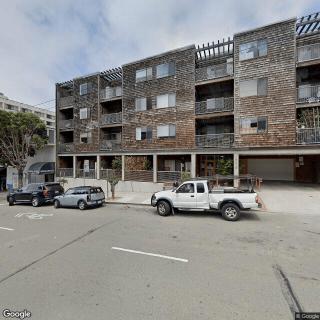
 Great access to cafes, parks, pharmacies, restaurants, theaters, and transit.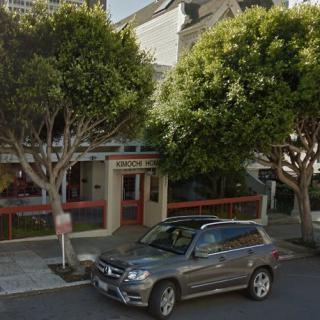

 Comprehensive Insights into Activities of Daily Living (ADLs) and Their Assessment
 Medicare Coverage for Assisted Living: An In-Depth Exploration
 Choosing the Right Senior Care: A Detailed Exploration of Assisted Living and Nursing Homes