
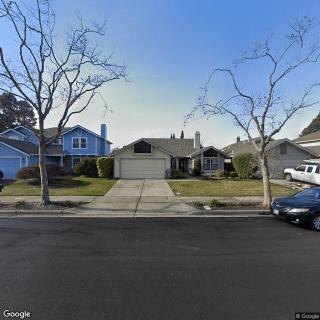
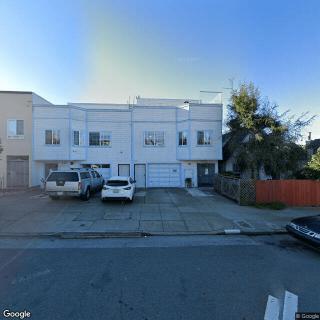
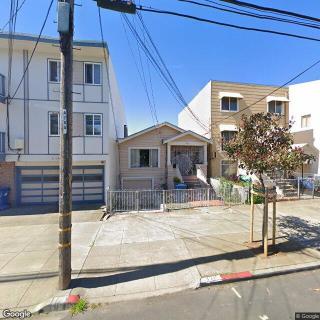
51 De Long Street, San Francisco, CA 94112
For more information about senior living options: (866) 208-4318
Bestudio's Care Home For The Elderly Costs & Pricing
Bestudio's Care Home For The Elderly offers competitive pricing for its services compared to both San Mateo County and the broader California region. For a studio room, residents can expect to pay $3,595 per month, significantly lower than the county average of $5,178 and also below the state average of $4,145. When it comes to one-bedroom accommodations, Bestudio's rate is set at $6,195, which is higher than the San Mateo County average of $5,821 but still remains more affordable than the statewide figure of $4,340. This pricing structure reflects Bestudio's commitment to providing quality care while ensuring affordability for families seeking supportive living arrangements for their elderly loved ones.
| Floor plans | Bestudio's Care Home For The Elderly | San Mateo County | California |
|---|---|---|---|
| Studio | $3,595 | $5,178 | $4,145 |
| 1 Bedroom | $6,195 | $5,821 | $4,340 |
Assisted Living communities with a similar price nearby
-
from -$400 / mo
Harbor Bay Assisted Living
$3,195 to $5,000 / month11.6 miles away -
from +$405 / mo
Golden Age Of Channing Way
$4,000 to $5,000 / month11.8 miles away -
from -$595 / mo

Eden Assisted Living
$3,000 / month19.8 miles away -
About the same
Blossom Garden Senior Home
$3,500 to $4,800 / month19.7 miles away -
About the same
East Bay Assisted Living
$3,500 to $5,000 / month13.8 miles away
Overall Review of Bestudio's Care Home For The Elderly
Pros
 They took in a resident with three days' notice and provided loving, attentive care for his final month.
- They treat every resident with love and care, across the board.
- The staff, including Yelka and her fabulous daughters, are compassionate and dedicated.
- They provide the highest level of care available, delivered with a big heart.
- The atmosphere is loving and positive, offering families relief and confidence.
- The owners and team bring knowledge, compassion, and outstanding care to residents and their families.
Review
Bestudio's Care Home For The Elderly in San Francisco is best suited for families that prize a warm, hands-on, family-led atmosphere where residents are cared for as if they were kin. It shines for elders who need steady, compassionate support, especially those living with dementia or chronic illness, delivered in a small, tightly knit setting. The narrative from families emphasizes a rapid, practical ability to welcome new residents, sometimes within days, which is a critical factor for households facing urgent transitions. The environment is consistently described as loving and positive, with staff across the board focused on each resident’s dignity and daily comfort. For families seeking a place where owners are visibly involved and the care philosophy centers on personal connection, this community stands out as a strong match.
Those weighing alternatives should consider whether the resident’s needs extend beyond what a smaller, family-operated home can offer. For residents requiring intensive medical oversight, highly structured rehabilitation programs, or access to a broader team of specialists, larger facilities, especially hospital-affiliated or high-acuity SNFs, may provide a level of clinical resources that this setting does not claim to guarantee. If a family prioritizes expansive therapy options, rigorous care coordination with multiple specialists, or a more formalized routine backed by a bigger administrative footprint, it would be prudent to explore other options. In short, for highly medicalized or highly standardized needs, alternatives may deliver greater assurance of constant, around-the-clock clinical capacity.
The strongest draws here lie in the combination of attentive, compassionate leadership and hands-on care. Reviewers repeatedly credit the owners and the care team for deep knowledge, genuine kindness, and a willingness to go the extra mile. The positioning of Yelka and her daughters as central figures, together with a staff that is described as loving and consistent, creates an atmosphere where residents feel personally valued and fears about separation or neglect can be alleviated. The facility’s care is framed as comprehensive, with residents receiving thoughtful attention to daily routines, nutrition, and comfort. When care quality is measured by the heart and continuity of relationships, the pros clearly offset the realities of operating on a smaller scale.
Where potential gaps might be found, the practical effect is tempered by the same strengths that drive trust here. The most salient consideration is that a smaller, owner-led operation may not always match the breadth of services or the formal structures found in larger centers. However, the reviews reveal a track record of reliable, high-caliber care and a consistent sense of equity, residents across the spectrum are treated with respect and warmth. Family reviewers note that care is not sporadic or transactional but anchored in ongoing engagement and moral commitment. In this light, any reasonable concern about scale is offset by the clarity of mission, the personal accountability of leadership, and the visible investment in residents’ daily lives.
One caution to acknowledge is that the overall impression is overwhelmingly positive, but a mixed rating exists within the review set. A 2-star rating in the mix signals that experiences can vary, and that expectations around scope of services or administrative processes may differ from family to family. The antidote to this variability is straightforward: prospective families should conduct direct conversations with the leadership, tour the facility, observe daily interactions, and request a detailed care plan that aligns with the resident’s specific needs. This due diligence helps ensure that the warmth and responsiveness described in representative accounts translate into a predictable, well-managed routine for each resident.
In the end, the decision hinges on prioritizing intimate, value-driven caregiving versus broader clinical infrastructure. For families seeking a warm, personally led environment where a skilled, compassionate team treats residents like family, and where placement can occur with short notice, Bestudio's Care Home For The Elderly offers a compelling, credible option. For those who must insist on expansive medical programming, complex rehabilitation options, or a larger clinical apparatus, alternatives may deliver a more familiar level of clinical certainty. The prudent path is a thorough visit accompanied by clear questions about dementia care approaches, end-of-life planning, staffing patterns, and transparent pricing. With those inputs, families can determine whether this home aligns with their care philosophy and practical needs.
 6 resident community capacity
 Assisted Living
 Board and Care Home
 Cable or satellite TV
 Dining room
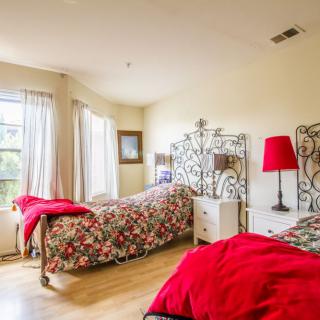
 Fully furnished
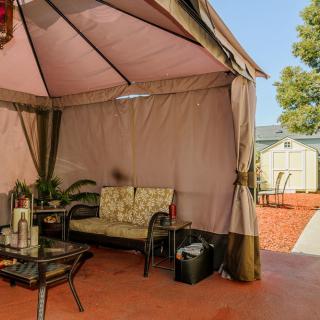
 Garden
 Housekeeping services
 Move-in coordination
 Outdoor space
 Telephone
 Wi-Fi/high-speed internet available
 San Francisco International (8 miles away)
 24-hour supervision
 Activities of daily living assistance
 Assistance with bathing
 Assistance with dressing
 Assistance with transfers
 Diabetes diet
 Meal preparation and service
 Medication management
 Special dietary restrictions
 Transportation arrangement (medical)
 Transportation to doctors appointments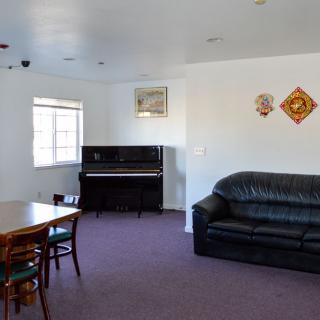

 Assisted Living Support for Veterans: A Complete and Detailed Overview
 Exploring the Contrasts Between Assisted Living and Skilled Nursing
 8 Key Indicators That Suggest It May Be Time to Transition from Assisted Living to Skilled Nursing Care