
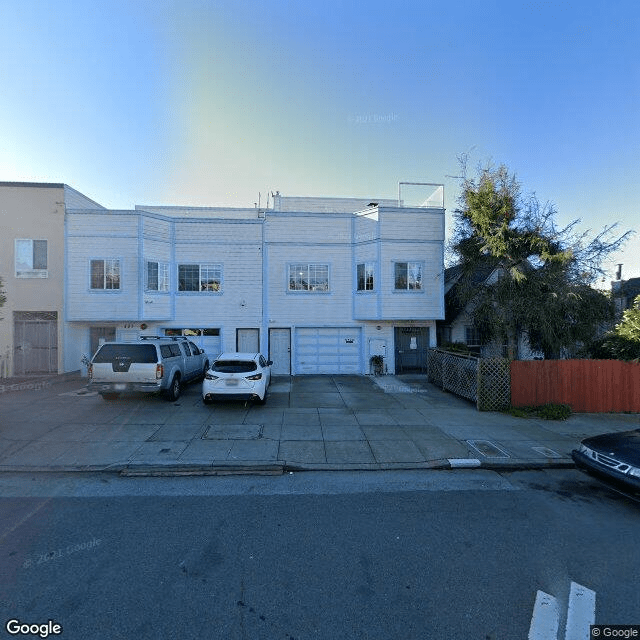
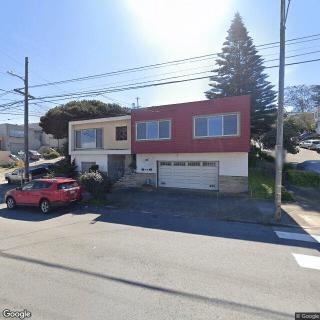
259 Broad Street, San Francisco, CA 94112
To contact a resident: (416) 585-6112
For more information about senior living options: (866) 208-4318
Merced Care 1 & 2 Costs & Pricing
Merced Care 1 & 2 offers a semi-private room at a competitive monthly rate of $3,600, positioning itself favorably compared to San Mateo County's average of $3,830 and the broader California state average of $3,333. This pricing reflects Merced Care's commitment to providing quality care while remaining accessible within the regional market. Although slightly higher than the California average, Merced Care 1 & 2 maintains a value-driven approach in its offerings, emphasizing both comfort and comprehensive service for residents seeking long-term care options.
| Floor plans | Merced Care 1 & 2 | San Mateo County | California |
|---|---|---|---|
| Semi-Private | $3,600 | $3,830 | $3,333 |
Memory care communities with a similar price nearby
-
from -$405 / mo
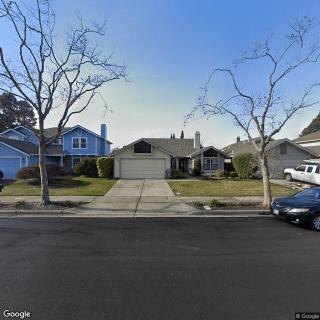
Harbor Bay Assisted Living
$3,195 to $5,000 / month11.7 miles away -
from +$400 / mo

Golden Age Of Channing Way
$4,000 to $5,000 / month11.9 miles away -
About the same
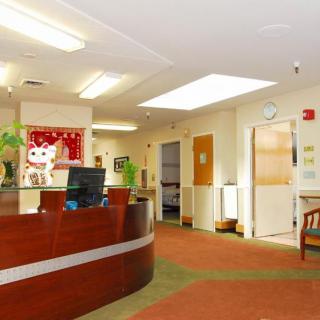
East Bay Assisted Living
$3,500 to $5,000 / month13.8 miles away -
from +$375 / mo
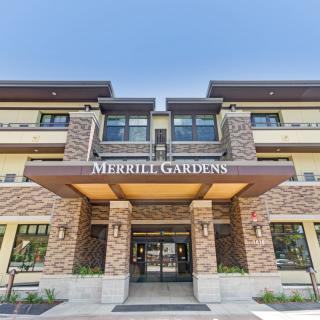
Merrill Gardens at Lafayette
$3,975 to $8,995 / month22.7 miles away -
from +$395 / mo
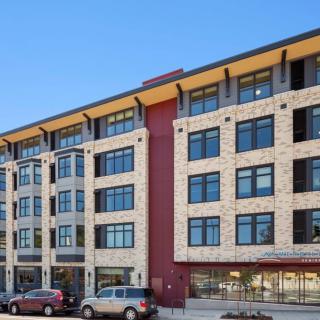
Merrill Gardens at Rockridge
$3,995 to $8,500 / month14.2 miles away
Overall Review of Merced Care 1 & 2
Pros
 They have been very accommodating.
- The establishment is ethnically oriented, with a strong Chinese focus that works well for families.
- It is a good fit for families.
Cons
 No negative statements detected in the provided reviews.
Review
Merced Care 1 & 2 in San Francisco is best suited for families prioritizing culturally familiar surroundings and responsive, accommodating care for an elderly loved one who benefits from a Chinese-speaking environment. The community’s strength lies in its ability to provide a setting where language, customs, and daily routines align with expectations of many Chinese American families, reducing friction in daily care and helping relatives feel connected rather than distant. For residents who value personal attention, predictable routines, and staff who can navigate language barriers without fatigue, Merced Care 1 & 2 offers practical advantages that translate into less stress during transitions into assisted living.
Those who should consider alternatives are those who need broad English-speaking staff across shifts, more extensive clinical oversight, or a non-ethnically specific atmosphere. The public feedback is limited and uneven: two five-star ratings contrast with one one-star rating, leaving real questions about consistency, staffing levels, and the scope of services. Families aware of the importance of transparent outcomes and robust medical management may prefer facilities with more documented performance and a larger footprint to compare.
The main pros center on accommodation and cultural alignment. The staff’s willingness to adapt and the clear ethnic orientation create a home-like feel where meal plans, celebrations, and daily routines can reflect familiar traditions. For caregivers, this reduces the burden of language barriers and helps establish trust quickly, which can translate into more cooperative care and smoother emergencies. These positives matter especially when a loved one relies on consistent communication, familiar terminology, and a sense of belonging, factors that often determine how well seniors settle in. The cultural edge can offset some concerns about medical capacity by improving day-to-day satisfaction and ease of use of services.
Nevertheless, the limited review data means risk remains. A single negative rating without detail leaves unanswered questions about staffing consistency, responsiveness across shifts, and the scope of clinical services. In practical terms, a prospective resident may encounter variability if the routine depends heavily on a particular caregiver or a small staff team. Families should probe for specifics: nurse availability, medication management protocols, response times, and how language access is handled during nights and weekends. The cultural alignment helps, but it does not automatically guarantee comprehensive medical support.
To decide, conduct a structured visit: observe language capacity on the floor, request sample menus and activity calendars centered on Chinese holidays, and meet the administrator to discuss care plans, escalation procedures, and family involvement. Compare with other San Francisco options that offer broader English-language programming, larger facilities, and more explicit care metrics. If cultural fit is primary, Merced Care 1 & 2 can be a strong choice; if medical complexity or social variety across demographics is higher priority, alternatives may deliver more peace of mind.
In the end, Merced Care 1 & 2 serves a specific niche well: families seeking a home-like environment where culture and accommodating staff are the core strengths. The decisive trade-off is accepting a more limited public track record in exchange for language-aligned care and a warm, responsive atmosphere. With disciplined due diligence, tours, direct conversations with caregivers in Chinese, and clarity on care plans, families can determine whether this community's benefits align with their priorities or whether elsewhere offers a better balance of medical robustness and broad social engagement.
 Assisted Living
 Memory Care
 Activities on-site
 Devotional services off-site
 Indoor common areas
 Respite or short term stays offered
 Wheelchair accessible showers
 San Francisco International (8 miles away)
 Ambulatory care
 Meals provided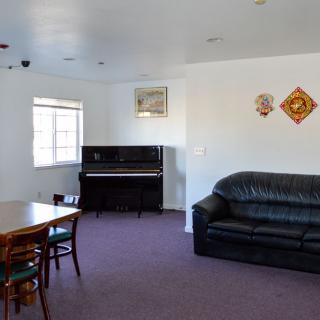



 Guiding Your Journey: Understanding Power of Attorney for Elderly Parents
 22 Remarkable Caregiver Support Groups Available Online and In-Person
 Understanding Medicaid Coverage for Assisted Living: A Comprehensive Guide