
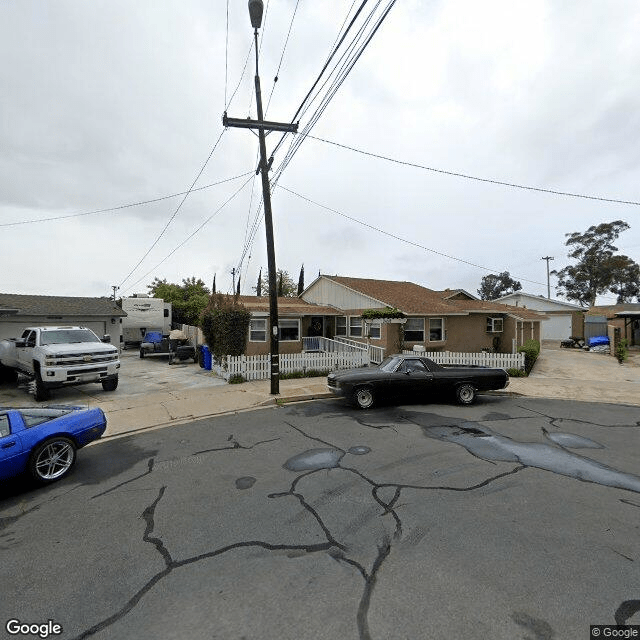
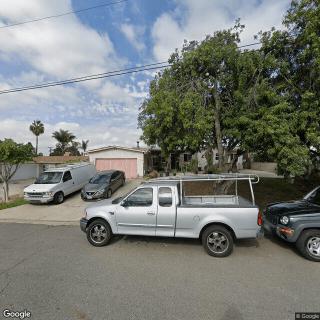
2650 Teal Place, San Diego, CA 92123
To contact a resident: (858) 836-2188
For more information about senior living options: (866) 208-4318
Sugar Estates Costs & Pricing
At Sugar Estates, the monthly costs for accommodation reflect a robust pricing structure when compared to broader benchmarks in both San Diego County and the state of California. For semi-private rooms, residents at Sugar Estates are charged $3,750, which is slightly higher than the county average of $3,518 and notably exceeds the state average of $3,333. This suggests a premium experience or enhanced amenities offered by Sugar Estates. In terms of private rooms, the cost stands at $4,500 - this aligns with the San Diego County average but is significantly higher than what one would typically find across California overall. Such pricing indicates that while Sugar Estates may be positioned as a more expensive option locally, it aims to provide quality features and services that justify their rates in this competitive market.
| Floor plans | Sugar Estates | San Diego County | California |
|---|---|---|---|
| Semi-Private | $3,750 | $3,518 | $3,333 |
| Private | $4,500 | $3,939 | $3,939 |
Senior living communities with a similar price nearby
-
from -$250 / mo
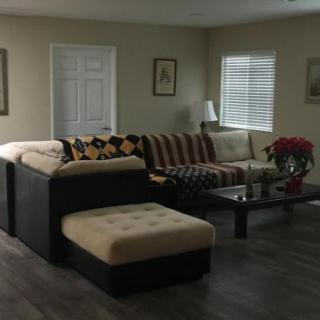
Gold Coast Senior Care
$3,500 to $4,500 / month8.2 miles away -
from -$550 / mo

Wellspring Assisted Living
$3,200 to $4,000 / month8.2 miles away -
from +$550 / mo
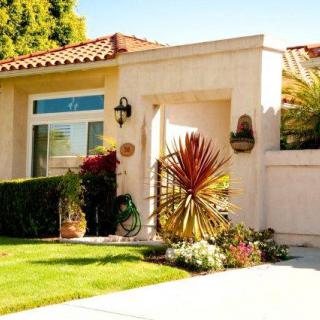
Vintage Residential 1
$4,300 to $5,500 / month12.6 miles away -
from -$250 / mo
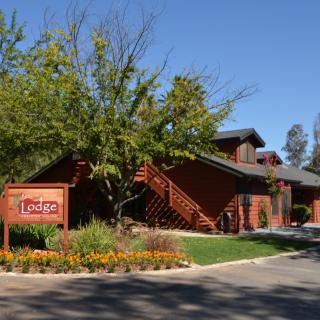
Ramona Senior Lodge Assisted Living
$3,500 to $5,500 / month20.2 miles away -
About the same
Casa Primavera
$3,800 to $4,800 / month10.6 miles away
Overall Review of Sugar Estates
Pros
 Reviewers are very happy with Sugar Estates.
- Caregivers are friendly and helpful, going out of their way to keep residents happy.
- The facilities were clean and friendly, with people out and about.
- The initial visit left the reviewers with a good feeling.
Cons
 They wished there was more interaction between residents.
- They felt nobody was out and about and the atmosphere felt colder.
- They perceived the second visit as feeling different and less welcoming than the first.
Review
Sugar Estates in San Diego is best suited for seniors who want dependable, compassionate caregiving in a clean, respectful setting, with a calm, orderly daily rhythm. It serves families who prize reliable staff attention, consistent routines, and a well-maintained environment over high-energy social programming. Those who must have a bustling resident community, frequent group activities, or expansive common spaces may want to explore alternatives. The quiet vibe can be a deliberate strength for some, but it means social engagement may evolve more slowly and require proactive family involvement to keep a resident connected.
The standout positives here are obvious and meaningful: the care team is consistently described as friendly and helpful, with staff going out of their way to keep a loved one comfortable and content. Cleanliness and a welcoming initial impression also stand out, reinforcing confidence that daily life will feel orderly and respectful. This combination translates into reliable assistance with routines, medication reminders, and practical support that families depend on when choosing a residence for a parent or spouse. In short, Sugar Estates delivers care you can trust on a day-to-day basis.
Yet the social fabric within the community is uneven, and that is the primary drawback to weigh carefully. Several visits reveal a noticeable variability in how lively the residents are at any given time. One strong first impression, where people were out and about, gave way to later visits that felt cooler and quieter, with “nobody out” and a sense that the space could lean toward a less engaging atmosphere. The recurring lesson is clear: the atmosphere shifts by moment of day and day of week, making it essential to tour multiple times to gauge whether the culture aligns with a resident’s social needs.
These pros offset the cons most effectively for families prioritizing dependable care and a serene setting over a thriving social scene. The high-quality caregiving, paired with cleanliness and a respectful staff culture, means a resident can thrive on predictable routines and steady companionship from caregivers rather than from large numbers of peers. The quieter environment can actually be a comfort for those who prefer deep, one-on-one connections or private downtime between activities. Still, potential residents should be prepared to supplement social life through family-led visits, outside outings, or targeted requests to staff for small, resident-friendly gatherings.
Sugar Estates tends to fit better with seniors who are self-sufficient or gradually mobile, and who appreciate a warm caregiver presence more than a constant, structured social calendar. Couples or individuals who value privacy, intimate conversation, and a gentle pace will likely feel content and secure here. Those who rely on a busy, always-active community to stay engaged may feel the gap more acutely and should consider facilities that advertise a robust activity slate, more frequent resident-led events, or larger, more communal spaces.
In sum, Sugar Estates is a solid, care-forward option in San Diego for families seeking trustworthiness, cleanliness, and a devoted caregiving team. The main caveat is a quieter social atmosphere that doesn’t always match expectations for lively resident interaction. If priorities center on dependable daily care and a calm environment, Sugar Estates earns strong consideration. If the must-have is high-energy social life and abundant resident-to-resident engagement, that is a reasonable reason to look elsewhere. Plan multiple tours at different times, ask about social programming and resident-led activities, and observe caregiver interactions in a relaxed setting to confirm this community truly fits the resident’s temperament and goals.
 Board and Care Home
 Cats allowed
 Dogs allowed
 Activities on-site
 Devotional services off-site
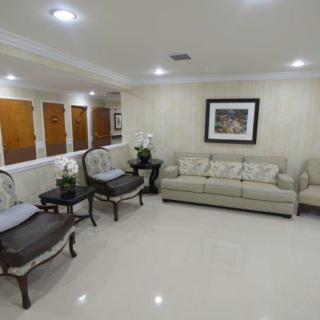
 Indoor common areas
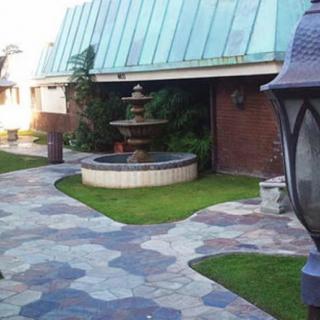
 Outdoor common areas
 Private
 Private bathrooms
 Respite or short term stays offered
 Wheelchair accessible showers
 San Diego International-Lindbergh (4 miles away)
 Diabetic care
 High acuity care
 Incontinence care
 Medication management
 Kosher



 6 Crucial Ways an Elder Law Attorney Assists Families
 Navigating the Tax Landscape of Caregiving: Credits, Deductions, and Beyond
 Highly Beneficial Low-Impact Exercises for Senior Living Residents