At San Diego Healthcare Center, the monthly cost for a semi-private room is $5,425, which exceeds both the San Diego County average of $3,518 and the overall California average of $3,333. This pricing reflects the center's commitment to providing high-quality care and specialized services tailored to meet the needs of its residents. While it is positioned at a premium compared to local and state averages, many families find value in the enhanced amenities and dedicated staff that contribute to a supportive environment for recovery and wellness.
Floor plans
San Diego Healthcare Center
San Diego County
California
Semi-Private
$5,425
$3,518
$3,333
Skilled Nursing Facilities with a similar price nearby
Many reviewers describe staff who are attentive, knowledgeable, and quick to respond.
Across the reviews, residents and families frequently describe nurses, CNAs, therapists, and physicians as attentive and engaged in day-to-day care. Several say staff were communicative, knew who they were, and followed through after concerns were raised. A number of reviewers also mention staff being professional and kind even during challenging transitions like post-hospital rehab.
common7 reviews mention this
Cleanliness stands out to visitors
Clean rooms and a well-kept feel come up often in the reviews.
Multiple reviewers specifically call out cleanliness during visits, including rooms that appear well maintained and facilities that feel clean overall. Some describe daily room cleaning, while others mention the building smells good. There are also opposing comments about unpleasant odors and cleanliness problems, which suggests results may vary by area and time.
differentiator10 reviews mention this
Rehab therapy helps with mobility
Reviews repeatedly connect the rehab program with real mobility improvements.
Several families describe physical therapy and rehab as a major part of the experience, including therapists working with residents after surgery or hospitalization. A few reviewers say therapy led to meaningful progress, such as improved walking and regaining strength. Not every review is positive about rehab frequency or outcomes, but therapy is a recurring focus of both praise and criticism.
caveat10 reviews mention this
Care can feel inconsistent or understaffed
Some reviews describe inconsistent care and concerns about staffing levels.
A recurring criticism is that care and organization can feel uneven, with reviewers describing chaos, delays, or feeling that concerns were not addressed until the situation escalated. Several comments also point to understaffing or overwhelmed CNAs, including call-button response problems and difficulty getting help when needed. A few reviewers contrast this with times when care went smoothly, but the negative pattern is strong enough to be mentioned directly in multiple reviews.
caveat7 reviews mention this
The building feels older and well used
Some reviewers say the building and rooms feel outdated or run down.
Some residents and families describe an older, aging facility, mentioning issues like broken fixtures, maintenance needs, and rooms that feel small. Others specifically describe call buttons not working well and limited responsiveness. On the other hand, some reviewers say the facility is clean and well maintained, so condition appears to vary across reviews and possibly across parts of the building.
common2 reviews mention this
Nearby hospitals and clinics are close
Medical facilities nearby may help with easier access to care.
While reviews are not focused on travel logistics, the location is near multiple hospitals and physician offices. Nearby options include a radiology clinic within about 0.2 miles and hospital options within roughly 0.3–0.4 miles, based on the listed nearby places.
How we summarize
Counts show how many written reviews mention each theme; a review can touch several themes, and only frequently mentioned themes are displayed.
Features
Types of Care
Memory Care
Skilled Nursing Facility
Transportation
San Diego International-Lindbergh (5 miles away)
MC Clellan-Palomar Airport (24 miles away)
Nearby Places of Interest
This area of San Diego, California, offers a variety of healthcare options with nearby physicians, hospitals, pharmacies, and mental health services. The close proximity to Rady Children's Hospital and Sharp Memorial Hospital provides peace of mind for any medical needs that may arise. In addition, there are several parks nearby such as Civita Park and Lindbergh Park for leisurely strolls or outdoor activities. Transportation is convenient with Montgomery Field Airport and various trolley stations nearby for easy access to other parts of the city. There are also a variety of restaurants, cafes, and theaters in the area for entertainment and dining options. Overall, this part of San Diego offers a well-rounded community with essential amenities for senior living.
Physicians
Sharp Rees-Stealy San Diego Radiology (0.2 miles)
Kaiser Permanente Viewridge Medical Offices 2 (3.1 miles)
San Diego Mental Health Services (3.2 miles)
Kaiser Permanente Vandever Medical Offices (3.2 miles)
Internal Medicine Associates (3.8 miles)
Hospitals
Rady Children's Hospital (0.3 miles)
Kearny Mesa Convalescent and Nursing Home (0.4 miles)
Sharp Memorial Hospital (0.4 miles)
Rady's Children's Hospital San Diego Large Waiting Room, Frost Street, Entrance 8 (0.4 miles)
Sharp Soc (1.7 miles)
UC San Diego Medical Center (2.8 miles)
Kaiser Permanente San Diego Medical Center/Kaiser Foundation Hospital (3.5 miles)
Pharmacies
CVS Pharmacy (1.1 miles)
Rite Aid (1.1 miles)
CVS Pharmacy (1.4 miles)
Walgreens (2.4 miles)
Walmart Pharmacy (2.4 miles)
Walmart Pharmacy (2.5 miles)
CVS Pharmacy (3.1 miles)
Parks
Civita Park (1.2 miles)
Lindbergh Park (1.8 miles)
Cal's Point (2.3 miles)
Mission Bay Park (3.2 miles)
Balboa Park (4.4 miles)
Crown Point (4.4 miles)
Balboa Park South Loop (4.8 miles)
Transportation
Montgomery Field Airport (MYF) (1.5 miles)
Fashion Valley Trolley Station and Transit Center (2.1 miles)
Balboa Avenue Transit Center (3.5 miles)
Old Town Trolley Station and Transit Center (3.8 miles)
Firefly Car Rental (4.2 miles)
San Diego International Airport (SAN) (4.9 miles)
Terminal 2 (5.2 miles)
Restaurants
Chick-Fil-A (1.6 miles)
In-N-Out Burger (1.8 miles)
North Italia San Diego (1.8 miles)
In-N-Out Burger (1.8 miles)
The Cheesecake Factory (1.8 miles)
True Food Kitchen (1.9 miles)
Shake Shack (1.9 miles)
Theaters
AMC Mission Valley 2 (1.9 miles)
AMC Fashion Valley 18 (2 miles)
Cafes
Starbucks (2.4 miles)
The Coffee Bean and Tea Leaf (3 miles)
Communal Coffee (3.3 miles)
Ghirardelli Ice Cream And Chocolate Shop (5.7 miles)
At San Diego Healthcare Center, the monthly cost for a semi-private room is $5,425, which exceeds both the San Diego County average of $3,518 and the overall California average of $3,333. This pricing reflects the center's commitment to providing high-quality care and specialized services tailored to meet the needs of its residents. While it is positioned at a premium compared to local and state averages, many families find value in the enhanced amenities and dedicated staff that contribute to a supportive environment for recovery and wellness.
The article highlights eight indicators that a loved one with dementia may require specialized memory care, emphasizing the emotional and logistical challenges families encounter in this decision. It discusses signs such as difficulties with daily tasks, safety concerns, and caregiver burnout, suggesting that memory care facilities can provide the necessary support and structured environments for those experiencing cognitive decline.
Dementia, primarily caused by Alzheimer's disease but also linked to other conditions, leads to cognitive decline impacting memory and daily functioning, with individuals experiencing varied awareness of their impairments. Despite memory loss, emotional connections persist, enabling responses to familiar stimuli, highlighting the need for caregivers to provide compassionate support that recognizes both limitations and retained emotional depth.
The article presents five subtle indicators of dementia, such as memory lapses and mood swings, to help families assess cognitive decline in loved ones. It emphasizes early detection, open communication, and seeking professional help while providing practical support steps.
Get PricingAsk A QuestionSchedule A TourContact Senior Advisor
By clicking submit, you agree to our Partner's Terms of Use. You
also consent to receive calls and texts, which may be autodialed, from our Partner. Your consent is not a condition to
using our Partner's service. Please visit our Partner's Privacy Policy for information about their privacy practices.


 Memory Care
 Skilled Nursing Facility
 San Diego International-Lindbergh (5 miles away)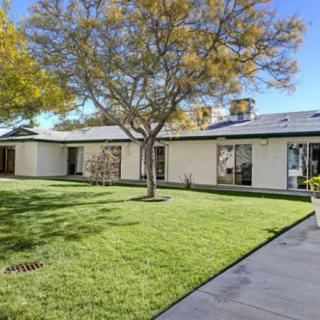
 Extensive on-site amenities and comprehensive care options.


 8 Important Indicators That Memory Care May Be Necessary
 Delving into the Inner World of Dementia: Insights into Thoughts and Awareness
 Five Subtle Dementia Indicators to Observe: An In-Depth Guide to Understanding “Does My Mom Have Dementia?”