
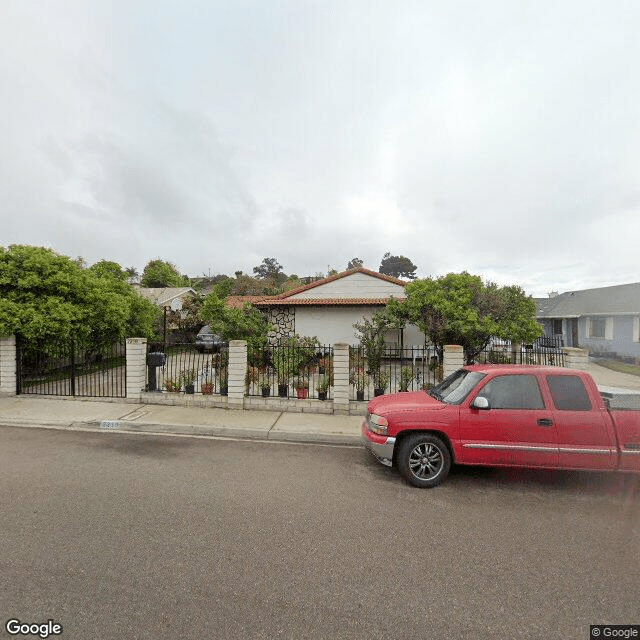
2239 Crandall Drive, San Diego, CA 92111
For more information about senior living options: (866) 208-4318
Golden Care Facility Costs & Pricing
Golden Care Facility offers competitive pricing for its residents, with monthly costs significantly lower than the averages for both San Diego County and California as a whole. For semi-private accommodations, Golden Care charges $2,000 per month, well below the county average of $3,518 and the state average of $3,333. In the case of private rooms, Golden Care's fee is also advantageous at $3,000 compared to both San Diego County and statewide rates of $3,939. This makes Golden Care an appealing option for individuals seeking quality care in a cost-effective manner without compromising on comfort or services.
| Floor plans | Golden Care Facility | San Diego County | California |
|---|---|---|---|
| Semi-Private | $2,000 | $3,518 | $3,333 |
| Private | $3,000 | $3,939 | $3,939 |
Assisted Living communities with a similar price nearby
-
from -$150 / mo
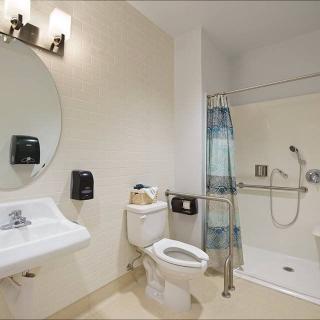
Paradise Valley Manor
$1,850 to $2,800 / month8.5 miles away -
About the same
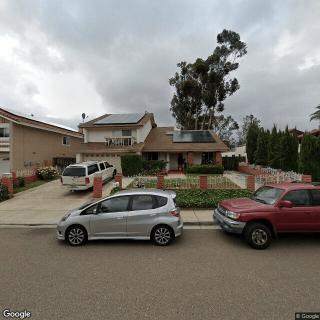
Tierrasanta Vernanel Care Home
$2,000 to $2,500 / month5.3 miles away -
About the same
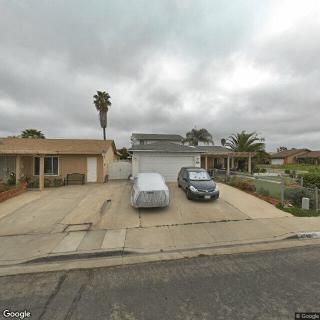
Emmaus Care II
$2,000 to $2,500 / month8.5 miles away -
from +$180 / mo

Monte Vista Village
$2,180 to $3,530 / month8.0 miles away -
from +$310 / mo
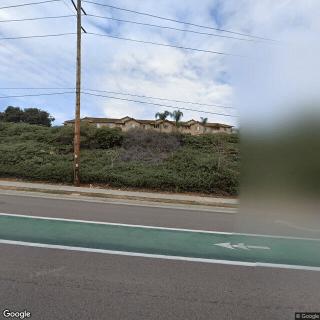
Canyon Villas
$2,310 to $3,880 / month2.8 miles away
Overall Review of Golden Care Facility
Pros
 The reviewer had a positive first impression of Golden Care Facility.
- The reviewer described the facility as a good place to visit.
- The community was clean and looked nice.
- Everything seemed to be fine there.
Cons
 They would not want a family member or anyone they know to live there.
- The person visited was filthy and stinky due to a lack of cleanliness and neglect.
- There were no activities other than TV, with minimal interaction with the staff.
Review
Golden Care Facility in San Diego is best suited for seniors and families who prioritize a clean, orderly, and visually appealing environment over high-energy programming or aggressively proactive caregiving. The property presents well from the first impression, with tidy common areas and well-kept rooms that convey a sense of safety and maintenance. For those who want a low-visibility, low-stress setting where daily life feels orderly and predictable, Golden Care offers a calm option. This is not a community built around an expansive activity calendar or intensive care routines; instead, it appeals to families seeking a straightforward, manageable environment where appearances and upkeep are reliable.
The most tangible positives center on cleanliness and presentation. A reviewer noted the facility as clean and nicely presented, with “everything seems fine here.” That matters, because a fresh, well-maintained campus reduces concerns about basic hygiene, safety, and the everyday discomforts that can accompany aging in place. For visitors, these cues can translate into confidence about housekeeping practices, maintenance responsiveness, and the overall atmosphere residents will inhabit day to day. In a market flooded with variable environments, that baseline of polish can be a meaningful differentiator when initial impressions matter in the decision process.
Yet, the strongest caution comes from the stark contrast between appearance and lived experience in another account. One visitor described a resident who arrived at the facility in a state of neglect, with poor cleanliness and little staff interaction or meaningful activities beyond passive television viewing. That single, explicit negative report cannot be dismissed lightly, because it points to potential gaps in daily care, supervision, and social engagement. When a community falters in basic caregiving tasks or fails to provide meaningful interaction, even a pristine campus cannot compensate for the risk of decline, isolation, or discomfort for a resident who needs regular assistance.
How the positives line up against the negatives, the decision becomes a matter of weighing risk versus reassurance. The clean, orderly setting reduces concerns about housekeeping lapses and facility wear, which is a meaningful offset for families that want predictable upkeep and a presentable living space. However, the absence of robust activities and demonstrated staff engagement undermines quality-of-life potential, especially for residents who require ongoing social interaction or who benefit from structured programming. In short, the pros deliver a tangible sense of safety and comfort on the surface, but the cons strike at core expectations for daily care and resident well-being.
Certain families should explicitly consider alternatives. If a loved one needs consistent, hands-on assistance, frequent check-ins, and a full schedule of social and cognitive activities, Golden Care may prove inadequate. Similarly, families with heightened sensitivity to rumored or reported care lapses should treat this community as a tentative option rather than a go-to choice. Prospective residents who thrive in quieter environments with limited programming may tolerate or even appreciate the pace, but those prioritizing engagement, proactive caregiving, and prompt responsiveness will want to investigate other San Diego communities with stronger staffing metrics and richer activity calendars.
For decision-makers, a disciplined next step plan is essential. Schedule a thorough, in-depth tour focused on day-to-day care routines: staffing patterns, response times, and how activities are actually delivered across a typical week. Ask to speak with current residents or families about ongoing care experiences, request licensing and inspection records, and request a trial stay or day-pass if offered. Confirm staffing ratios and turnover rates, and probe management about how cleanliness and resident well-being are monitored and addressed when concerns arise. Golden Care can meet basic expectations around a clean, calm environment, but the mixed feedback, balanced by a strong cleanliness signal and a clearly problematic care report, means this community should be evaluated against stronger options before any long-term commitment.
 6 resident community capacity
 Assisted Living
 Board and Care Home
 Respite Care
 Cable or satellite TV
 Dining room
 Fully furnished
 Garden
 Housekeeping services
 Move-in coordination
 Outdoor space
 Private
 Telephone
 Wi-Fi/high-speed internet available
 San Diego International-Lindbergh (4 miles away)
 24-hour supervision
 Activities of daily living assistance
 Ambulatory care
 Assistance with bathing
 Assistance with dressing
 Assistance with transfers
 Diabetes diet
 Meal preparation and service
 Medication management
 Special dietary restrictions
 Transportation arrangement (medical)
 Transportation to doctors appointments


 Assisted Living Expenses and Long-Term Care Insurance: A Comprehensive Exploration
 Securing Financial Support for Assisted Living: A Comprehensive Overview
 Social Security Benefits and Assisted Living: Navigating Options Across the U.S.