
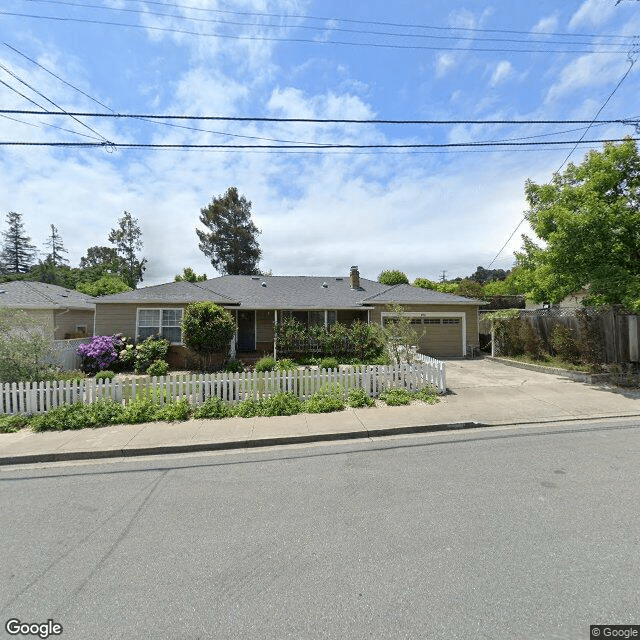
1110 Dayton Ave, San Carlos, CA 94070
To contact a resident: (415) 216-6494
For more information about senior living options: (866) 208-4318
Dayton Home Care Costs & Pricing
Dayton Home Care presents a compelling option for individuals seeking assisted living services, though its costs are notably higher than both the county and state averages. For a semi-private room, the monthly fee at Dayton Home Care is $5,500, significantly exceeding the San Mateo County average of $3,830 and California's statewide average of $3,333. Similarly, the pricing for private rooms at Dayton stands at $7,000 per month, which again surpasses local and state figures - $4,281 in San Mateo County and $3,939 across California. While these costs may reflect enhanced quality of care or specialized services offered by Dayton Home Care, prospective residents should weigh these expenses against their specific needs and budgetary considerations.
| Floor plans | Dayton Home Care | San Mateo County | California |
|---|---|---|---|
| Semi-Private | $5,500 | $3,830 | $3,333 |
| Private | $7,000 | $4,281 | $3,939 |
Senior living communities with a similar price nearby
-
from -$500 / mo
Blessing Home
$5,000 to $6,000 / month18.8 miles away -
from -$1000 / mo
Pleasanton Senior Care Villa
$4,500 / month23.2 miles away -
from +$300 / mo
East West Care
$5,800 / month2.1 miles away -
from +$500 / mo
Sunflower Care Home
$6,000 to $7,000 / month15.5 miles away -
from -$400 / mo

Aegis of Moraga
$5,100 to $6,150 / month24.6 miles away
Overall Review of Dayton Home Care
Pros
 The facility is excellent, with very caring staff.
- It feels like living in someone's home.
- The reviewer holds it in high regard.
Review
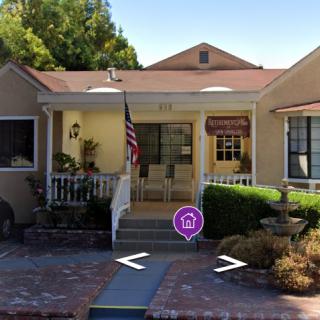
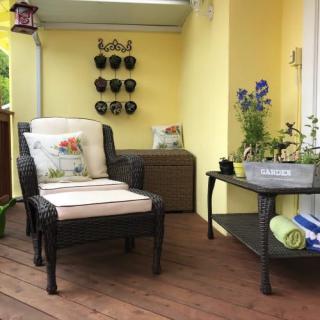
Dayton Home Care in San Carlos is best suited for seniors and families who prize a warm, home-like atmosphere where caregivers treat residents with genuine, individualized attention. This community appears to shine when the goal is a less institutional feel, where daily life resembles living in a family setting rather than a traditional assisted living campus. For someone who wants familiar rhythms, intimate interactions, and the sense that staff know and anticipate needs on a personal level, Dayton Home Care stands out as a natural fit.
Those weighing alternatives should consider residents with higher medical acuity or the need for robust, around-the-clock nursing oversight. If 24/7 medical monitoring, complex therapies, or a wide range of on-site clinical services are non-negotiable, other models, larger communities or facilities specifically geared toward medical fragility, may offer more comprehensive coverage. Families should also assess whether they prefer a more structured activities calendar, a broader social milieu, or transportation options that accompany larger campuses; those elements often distinguish alternative options from intimate, home-tinged settings like this one.
The primary strengths are clear in the qualitative imprint left by the review. An excellent facility combined with very caring staff creates an environment where residents likely experience less anxiety and more consistent reassurance. The “like living in someone’s home” descriptor captures both the physical ambiance and the relational climate: familiar routines, familiar faces, and a sense that care is delivered with warmth rather than formality. This dynamic can offset concerns about independence and companionship by delivering predictable, compassionate support in a setting that respects dignity, privacy, and personal history. In practical terms, such a climate often translates to better mood stability, easier family involvement, and smoother day-to-day management of life tasks that matter most to everyday comfort.
Yet, the single-review data point also signals caution. The lack of additional perspectives means potential residents should not assume problem-free operation in every domain. Questions about meal quality and flexibility, activity offerings, transportation, housekeeping consistency, and the degree of clinical oversight remain unanswered by this snapshot. Prospective families must verify these operational touchpoints in person, because the favorable tone around staff warmth does not automatically guarantee comprehensive support for every health or lifestyle need. In other words, the pros, home-like ambiance and caring staff, are compelling, but they require corroboration across practical facets that affect daily living.
From a decision-making standpoint, the offset between pros and potential gaps hinges on resident priorities. If the primary objective is to maximize comfort, continuity of caregiver relationships, and a non-institutional daily routine, Dayton Home Care delivers with convincing credibility. The downsides to probe include the scope of medical services on site, responsiveness during off-hours, and the availability of specialized therapies without relying on external providers. To quantify this fit, families should seek precise details: typical caregiver-to-resident ratios at various shifts, the process for escalating medical concerns, menu flexibility, accessibility features, and the policy for family involvement in care planning. These data points will determine whether the home-like benefits persist under evolving health needs.
In its essence, Dayton Home Care presents a practical, candid option for seniors who value relational warmth and a domestic living milieu over clinical formality. For families prioritizing dignified, personalized attention and a rhythm of life that feels intimate rather than industrial, this community is worth serious consideration. Conversely, if the care plan anticipates heavy medical reliance or a broader spectrum of on-site amenities, it is prudent to compare with alternatives that foreground medical capacity and larger-scale programming. The prudent course is to visit, meet the caregiving team, and request firsthand demonstrations of daily routines, meal service, and activity participation, ensuring the promise of a home-like atmosphere aligns with concrete, ongoing support.
 Board and Care Home
 Activities on-site
 Cable or satellite TV
 Devotional services on-site
 Indoor common areas
 Outdoor common areas
 Private
 Private bathrooms
 Wheelchair accessible showers
 Wi-Fi/high-speed internet available
 San Francisco International (11 miles away)
 High acuity care
 Medication management
 Gluten-free
 Gardening club
 Live dance or theater performances
 Live musical performances
 Live well programs
 Trivia games

 6 Crucial Ways an Elder Law Attorney Assists Families
 Navigating the Tax Landscape of Caregiving: Credits, Deductions, and Beyond
 Highly Beneficial Low-Impact Exercises for Senior Living Residents