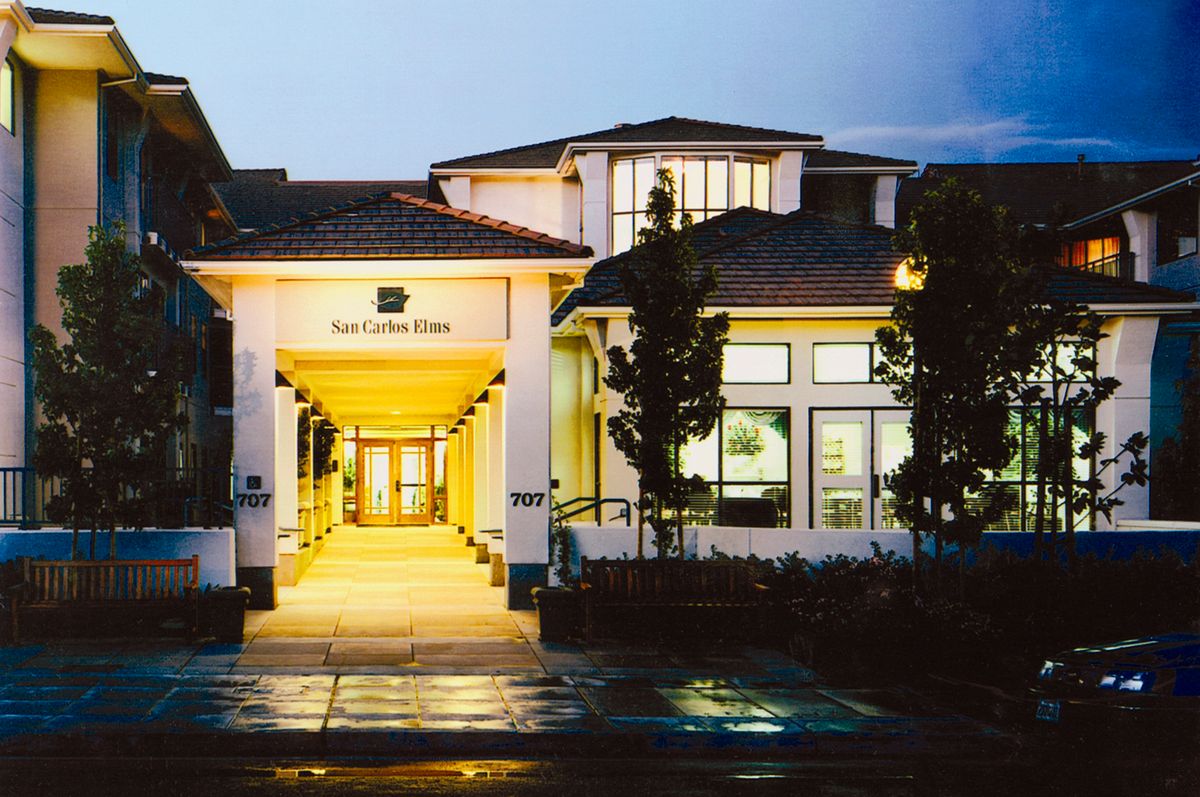
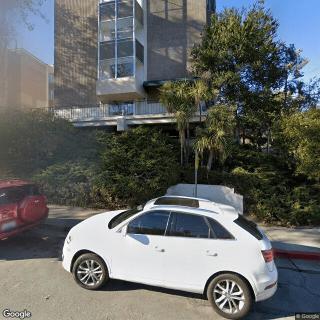
707 Elm Street, San Carlos, CA 94070
For more information about senior living options: (866) 208-4318
San Carlos Elms Costs & Pricing
San Carlos Elms offers a compelling value proposition for prospective residents when compared to the broader costs associated with living in San Mateo County and California as a whole. For instance, the monthly rate for a studio apartment at San Carlos Elms is $2,500, significantly lower than the county average of $5,178 and the state average of $4,145. Similarly, one-bedroom units at San Carlos Elms are priced at $4,650, which remains competitive against both county and state averages of $5,821 and $4,340 respectively. Even two-bedroom accommodations at $5,620 present an appealing alternative to the higher costs typical in the area. However, it's worth noting that while semi-private rooms are priced at $5,880 - exceeding both the county's ($3,830) and state's ($3,333) averages - they may offer unique advantages worth considering. Overall, San Carlos Elms stands out as a well-priced option in a challenging real estate landscape.
| Floor plans | San Carlos Elms | San Mateo County | California |
|---|---|---|---|
| Studio | $2,500 | $5,178 | $4,145 |
| 1 Bedroom | $4,650 | $5,821 | $4,340 |
| 2 Bedrooms | $5,620 | $6,605 | $5,270 |
| Semi-Private | $5,880 | $3,830 | $3,333 |
Assisted Living communities with a similar price nearby
-
About the same
Ava Bella Care Home
$2,500 to $3,000 / month13.0 miles away -
from -$200 / mo
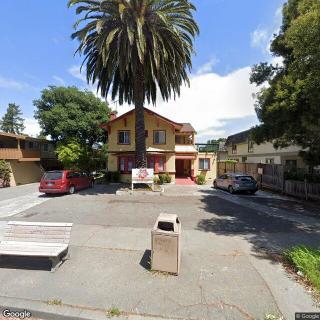
Jla Healthcare Services
$2,300 to $3,200 / month7.8 miles away -
from -$278 / mo
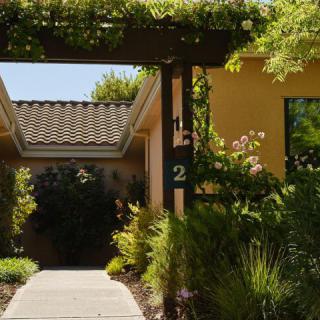
The Forum At Rancho San Antonio
$2,222 / month15.0 miles away -
from +$300 / mo
Peninsula Reflections
$2,800 to $9,040 / month16.0 miles away -
About the same
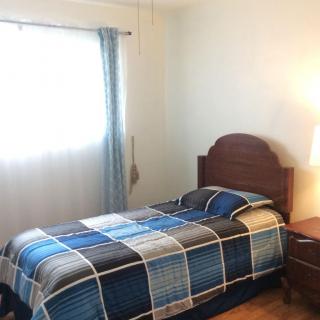
Isherwood Care III
$2,500 to $3,500 / month15.8 miles away
Overall Review of San Carlos Elms
Pros
 The staff are kind and welcoming to all, and residents feel cared for.
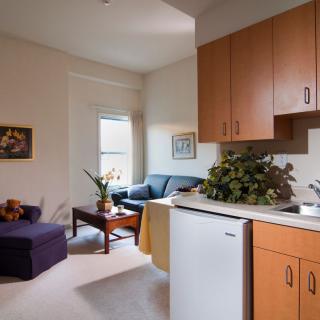
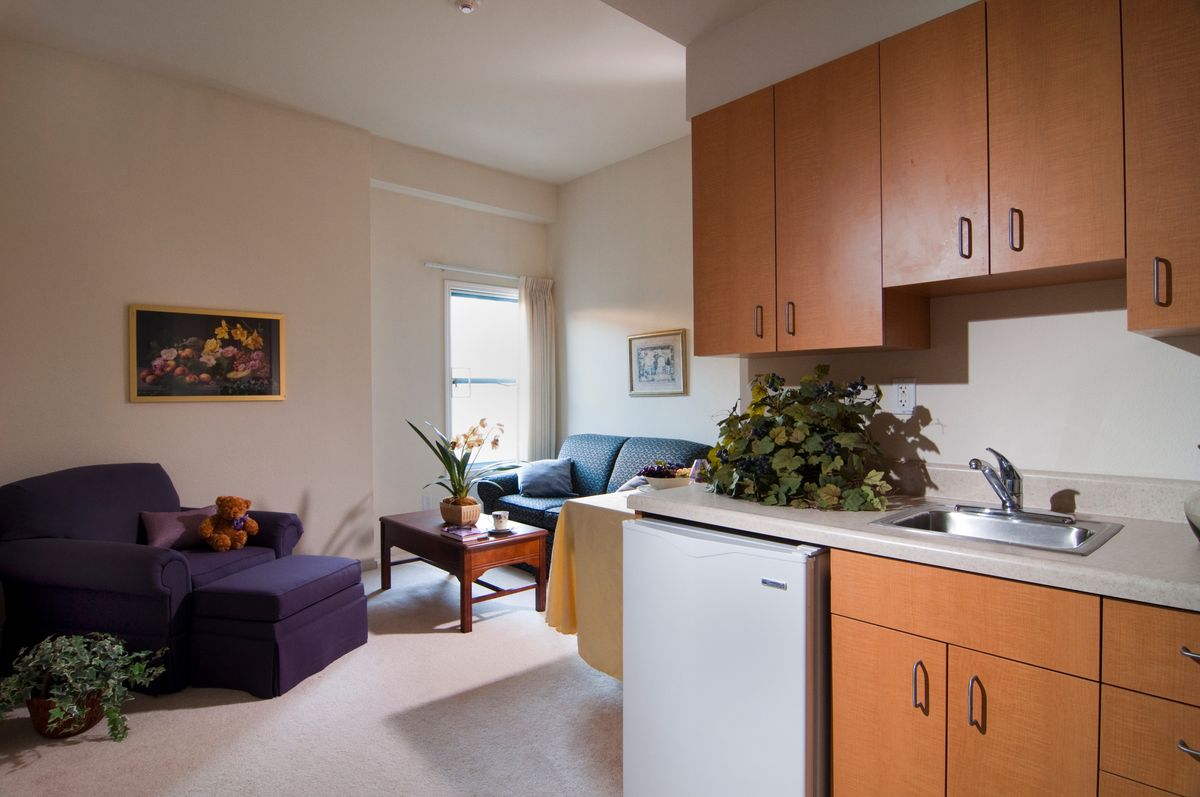
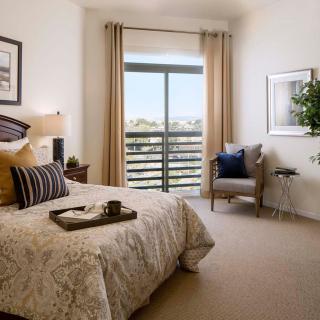
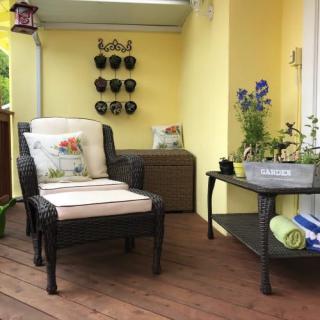
- The Elms offers spacious one-bedroom apartments with a sunny balcony and ample wall space for art.
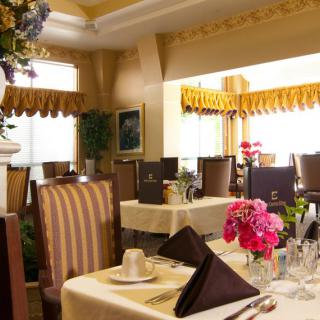
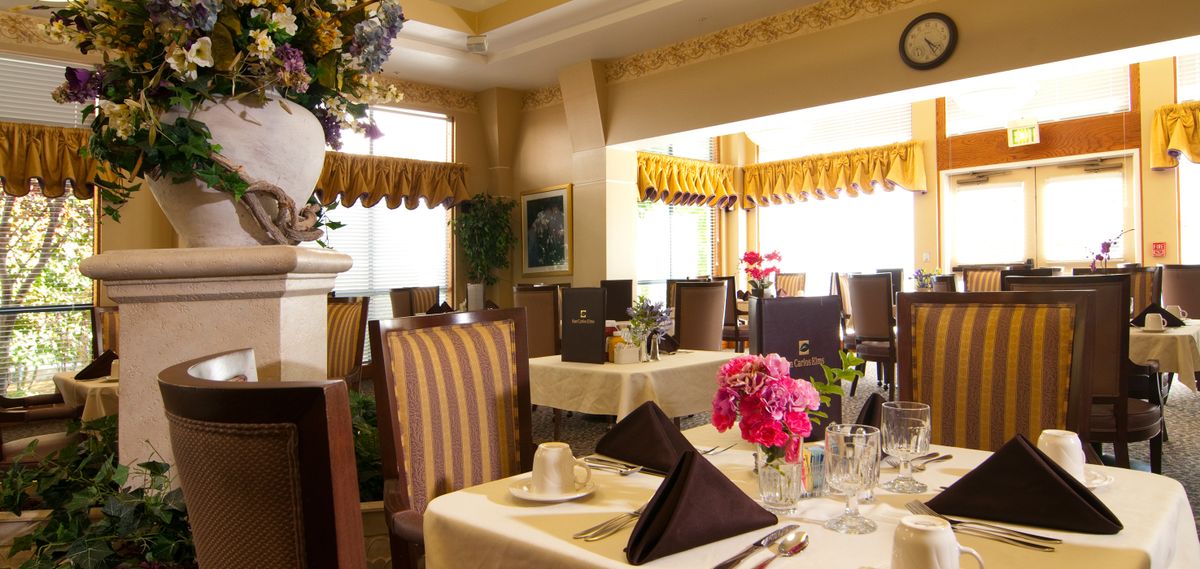
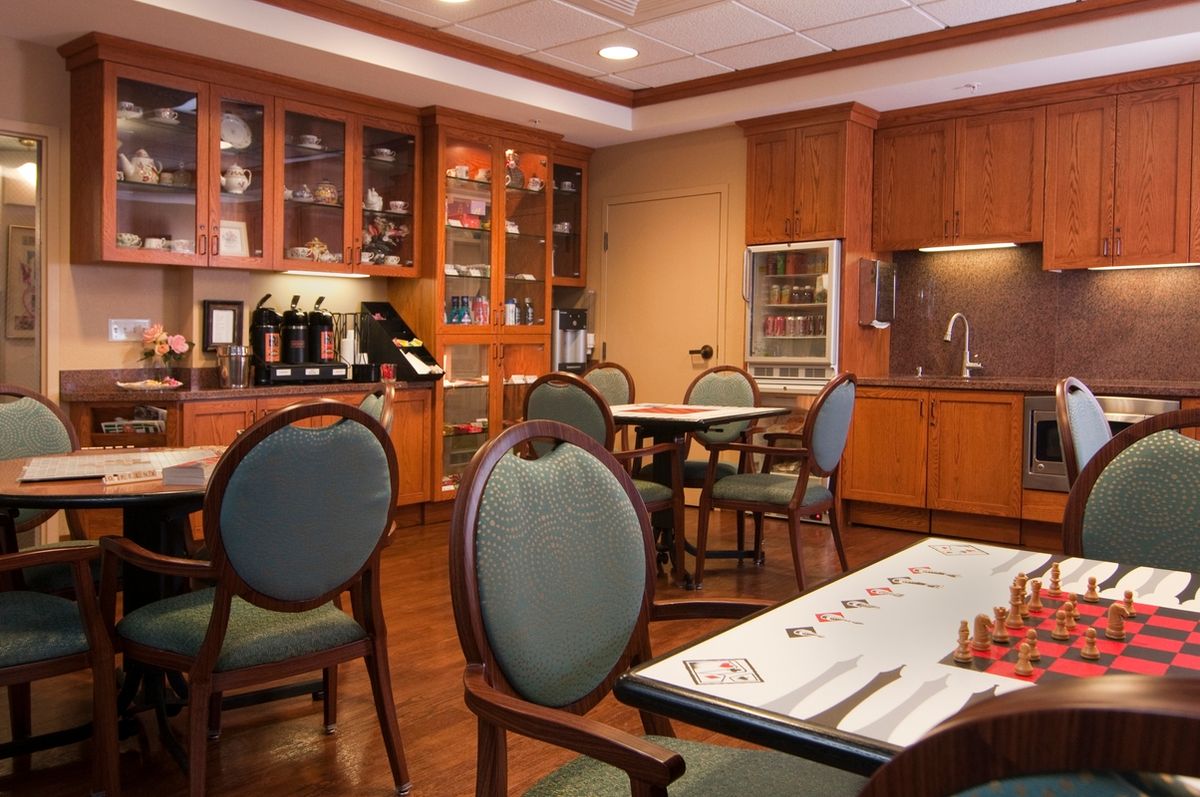
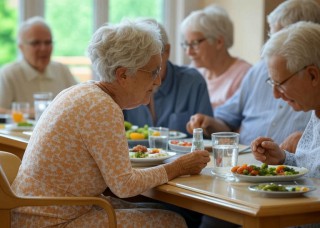
- The dining room serves delicious, home-cooked meals that residents love.
- The activities staff are wonderful and always engage residents with smiles.
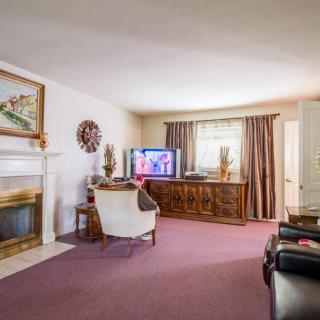
- The lobby and common areas are warm and inviting, and the rooms are spacious.
- The community provides a wide range of activities and performances in a clean, well-maintained setting.
- The Elms is life-changing for families, making residents’ lives easier and more comfortable.
- It is located in a walkable, friendly downtown area with convenient nearby amenities.
Cons
 The facility has some room for improvement.
- It seemed a little dark inside the building and could use brighter lighting.
- The rooms were smaller.
- The whole setup felt very locked down, and there wasn’t a space to walk outside.
- The rooms were pretty much standard without a lot of space.
Review
San Carlos Elms is best suited for seniors who want a warm, socially active, care-inclusive environment in a walkable downtown setting, with the comfort of knowing care can scale up without uprooting. It works especially well for ambulatory residents who anticipate needing assisted living or memory care later, and for couples or individuals who value stability, staying in the same residence as needs evolve. The community shines when there is a preference for a home-like, hospitality-forward atmosphere: attentive staff, a robust menu, and a wide slate of activities that keep residents engaged. The one-bedroom apartments, with sun-filled balconies, ample wall space for personal art, and practical layouts, set a tone of comfort that supports independent living within a supported framework. In short, this is a place built for ease of daily life, companionship, and predictable continuity of services as health needs shift.
Those weighing alternatives should recognize who may not be the best fit. Independent-living-only seekers will likely want something with fewer built-in care options or a longer horizon of autonomy before assistance is required. Families prioritizing expansive floor plans, modern design upgrades throughout, or abundant outdoor space may find some rooms and common areas feel compact or darker than imagined. For seniors who insist on bright interiors or large, condo-style layouts, a few reviewers flag a sense of coziness that verges on intimate rather than expansive. Also, while San Carlos Elms offers a continuum of care, it does not present as a high-end, all-indoor-outdoor campus with acres of grounds; those needing extensive, brush-clear outdoor therapy or a non-stop resort-like ambiance might prefer a different model. Finally, families aiming for a facility without a waitlist could be disappointed, as interest here translates into notable demand and, at times, a lengthy enrollment process.
The strongest pro-arguments line up with the core mission: compassionate, capable caregiving married to a high-quality, engaging resident life. Families repeatedly credit staff for kindness, empathy, and genuine, ongoing connection with both residents and families. The care routines, such as medication administration overseen by attentive leadership, provide a sense of reliability that reduces family worry. Food consistently earns praise: menus feel restaurant-caliber, with home-cooked options and dining service that rivals a hotel experience, complete with a well-appointed dining room and attentive servers. Activities are not an afterthought but a central feature: daily programming, musical performances, animal visits, exercise rooms, and a calendar of outings keep residents socially connected and mentally engaged. The physical setting reinforces these strengths: a lobby and common spaces described as warm and inviting, rooms that can accommodate personal belongings, and practical amenities like a beauty parlor, a small store, and a well-stocked library. The location amplifies these positives: downtown San Carlos is within easy stroll reach, with the library across the street, the Senior Center a couple of blocks away, essential services like a pharmacy and post office nearby, and multiple dining and shopping options in walking distance. The continuum of care, assisted living and memory care, offers the advantage of aging in place, avoiding disruptive moves as care needs evolve, which is a decisive factor for many families.
However, several meaningful cons merit attention, and they should shape the decision process. A not-insignificant number of reviews note that some living spaces are smaller and more compact than what certain families expect, with limited space for larger furniture or expansive personal setups. A few observers describe interiors that feel a bit darker or less bright than ideal, which can matter to residents who value luminous common areas and entryways. For memory-care or more controlled settings, there is a sense in some accounts that outdoor access can be constrained, which can be a drawback for residents who prize easy, open-air movement. The practical implication is clear: for families prioritizing generous square footage, abundant private outdoor space, or a boldly modern aesthetic, alternatives with larger suites and brighter design may be preferable. And while the community’s waiting list speaks to popularity and demand, it also means timing becomes a real variable in planning.
To make a well-founded decision, prospective families should approach San Carlos Elms with targeted questions and a plan for observation. Verify the exact floor plans available for each care level and how transitions between assisted living and memory care are managed, whether a resident can continue occupying the same apartment as needs evolve or if a move within the campus is expected. Ask to tour the dining room during peak hours to gauge service quality and ambience beyond the sample meals seen during a first visit. Inspect common areas and resident rooms for brightness, noise levels, and how personalization is supported, are wall spaces, art, and family photos easily accommodated? Discuss transportation logistics, including schedules for local outings and any on-site medical or therapeutic services. Finally, compare price points and what is included in base rates, and explore whether special programs or subsidies exist to ease budgeting, especially for couples who may require different levels of care over time.
In the end, San Carlos Elms delivers a compelling blend of compassionate care, strong programming, and a walkable, interconnected neighborhood that supports independence within a supportive framework. It is an especially strong fit for families seeking a seamless aging-in-place path where care levels can rise without the upheaval of relocation, all within a community that feels like a caring, well-coordinated village. For those whose priorities include independent living with ample space, opt for brighter interiors, or require large private outdoor areas, it pays to explore alternatives that emphasize those specific design and lifestyle preferences. Yet for many families facing the realities of aging, with the desire for trustworthy staff, robust daily activities, excellent dining, and easy access to community amenities, San Carlos Elms stands out as a pragmatic, results-driven choice.
 130 resident community capacity
 1-bedroom apartments
 Assisted Living
 Independent Living
 Memory Care
 Skilled Nursing Facility
 Cats allowed
 Dogs allowed
 Activities on-site
 Air-conditioning
 Beautician on-site
 Cable or satellite TV
 Computer center
 Devotional services off-site
 Dining room
 Fitness room
 Fully furnished
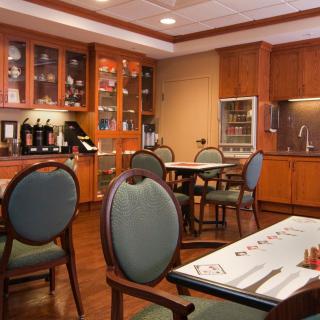
 Gaming room
 Garden
 Hiking trails
 Housekeeping services
 Indoor common areas
 Kitchenette
 Laundry
 Move-in coordination
 Outdoor space
 Overnight guests
 Party space
 Private bathrooms
 Restaurant-style dining
 Small library
 Telephone
 Wellness center
 Wi-Fi/high-speed internet available
 San Francisco International (10 miles away)
 Community operated transportation
 12-16 hour nursing
 24-hour call system
 Ambulatory care
 Assistance with bathing
 Assistance with dressing
 Assistance with transfers
 Blood work
 Diabetes diet
 Incontinence care
 Medication management
 Mental wellness program
 Special dietary restrictions
 Arts and crafts
 Book club
 Concierge services
 Cooking club
 Games
Games Live musical performances
 Planned day trips
 Wii bowling
 English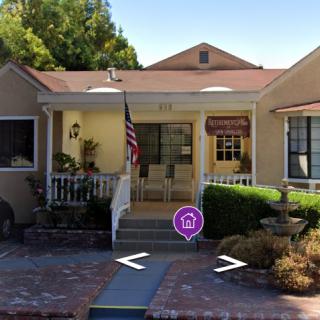

 Nourishing the Mind: Essential Dietary Approaches for Dementia
 Understanding Dementia Behaviors: Practical Insights and Strategies for Caregivers
 When Dementia Sparks Anger and Aggression: Understanding the Connection and Ways to Cope