Carlton Senior Living Sacramento offers competitive pricing for its various room types when compared to Sacramento County and the broader California market. For instance, a studio apartment at Carlton is priced at $3,095, which is significantly lower than the county average of $3,865 and the state average of $4,145. Similarly, their one-bedroom units are available for $3,695, slightly higher than the county's rate but still below the state average. The two-bedroom option stands at $5,595, which aligns closely with California's standard while surpassing the county's price point. Notably, Carlton's semi-private rooms are positioned at $5,795 - considerably above both regional and state averages - indicating a unique offering that may cater to specific resident needs. Overall, Carlton Senior Living provides value while maintaining comfort and quality in an increasingly competitive landscape.
Floor plans
Carlton Senior Living Sacramento
Sacramento County
California
Studio
$3,095
$3,865
$4,145
1 Bedroom
$3,695
$3,758
$4,340
2 Bedrooms
$5,595
$4,303
$5,270
Semi-Private
$5,795
$3,106
$3,333
Memory care communities with a similar price nearby
Overall Review of Carlton Senior Living Sacramento
common16 reviews mention this
Staff feels attentive and caring
Residents and families consistently describe staff as attentive, kind, and responsive.
Across multiple reviews, families highlight staff who are friendly, caring, and willing to answer questions and keep them updated. Several residents’ relatives say communication and follow-through felt strong, including support during move-in and ongoing daily assistance. A few reviewers also mention specific staff members being especially helpful or quick to respond.
differentiator10 reviews mention this
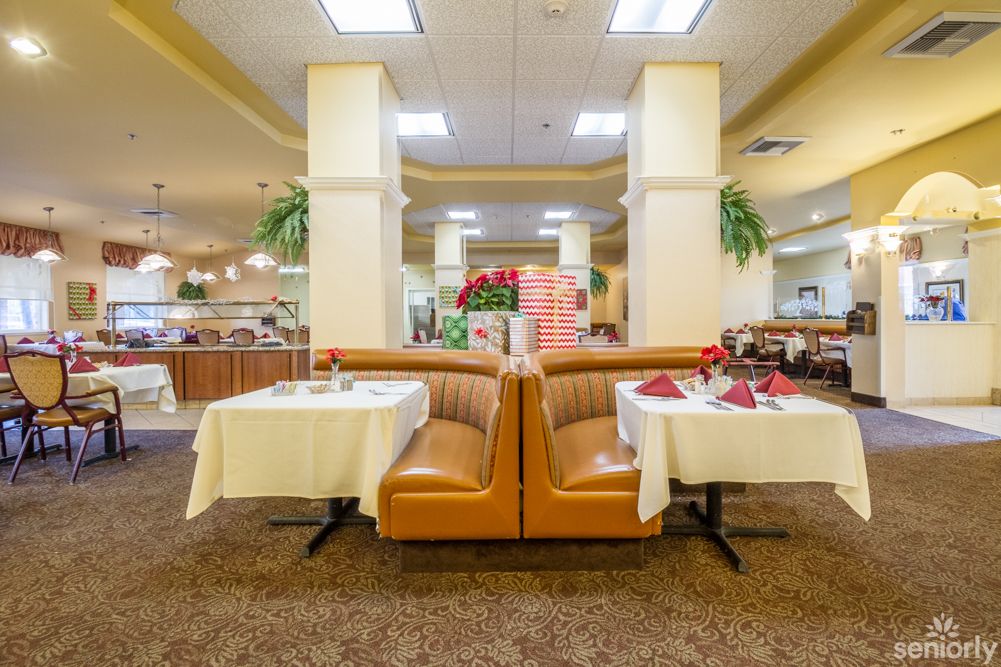
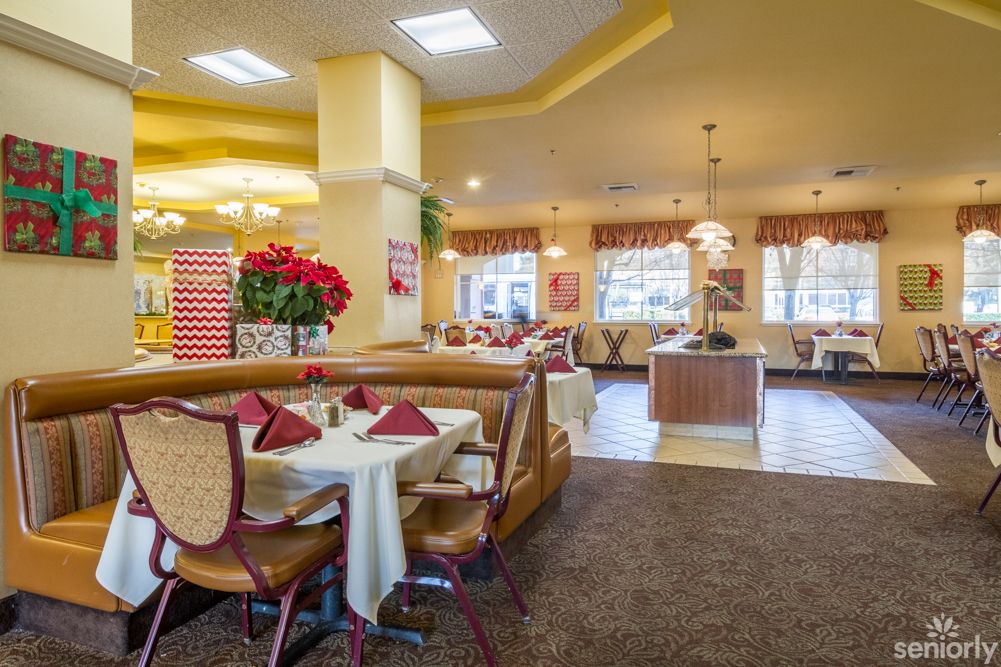
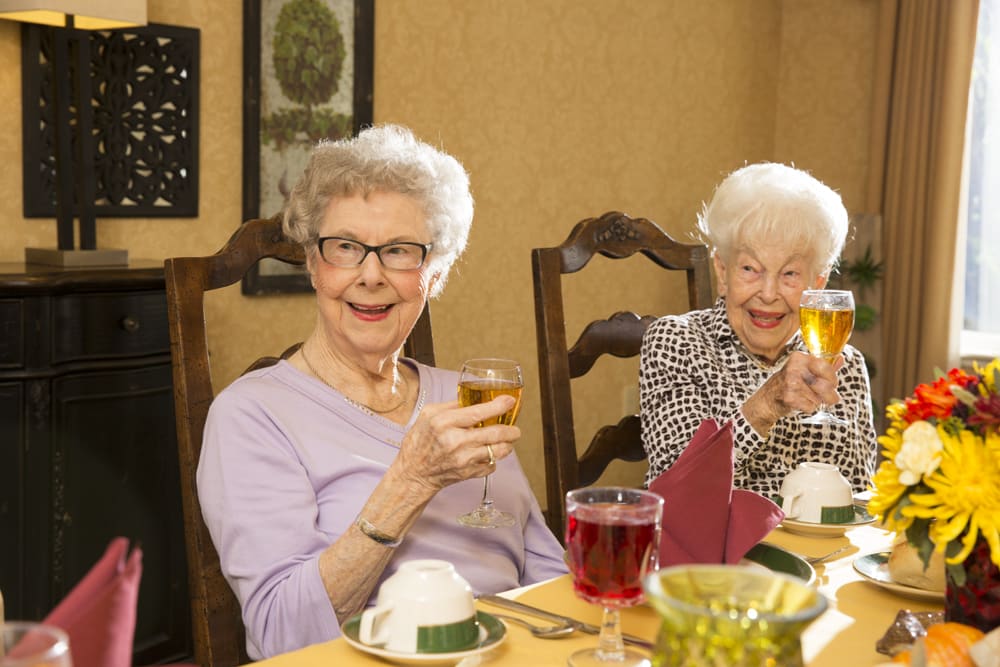
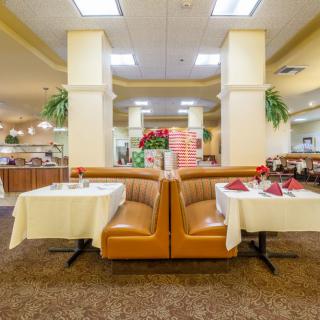
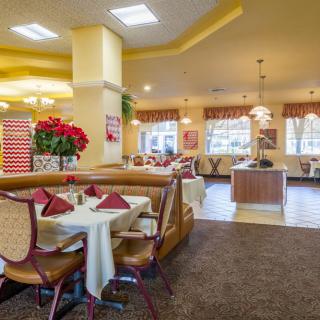
Dining is a major draw
Restaurant-style dining and good meals come up repeatedly in resident experience.
Dining is one of the most consistent positives in the reviews, with residents and families describing the food as excellent and the dining setup as more like a restaurant than a cafeteria. Some reviews also connect meal service to improved satisfaction day to day, while others note the menu and meal timing being easier for residents. A small number of reviews are negative about food quality or service consistency, including complaints about meals being cold or running out.
common8 reviews mention this
Care levels and memory support
The community’s care options and memory-focused programming are a key factor for families.
Several reviews emphasize that Carlton offers multiple care types, including support for memory needs, and that families liked having a pathway without immediately jumping to memory care when a loved one was not ready. Residents’ relatives mention being able to receive the right level of support as needs change, including dementia-related programming and assistance. One reviewer who was considering placement for dementia also cites the ability to transition between assisted living and memory care.
caveat5 reviews mention this
Pricing is a frequent concern
Many families find the overall cost and add-on charges difficult to manage.
Cost comes up repeatedly, with reviewers describing the community as expensive compared with what they expected or compared with alternatives they considered. One review criticizes the pricing and add-on approach, describing feeling charged for services and meals depending on the situation. Even some otherwise positive reviewers still call out that pricing is the main drawback.
common4 reviews mention this
Transportation support reduces stress
Transportation planning and escort support are described as helpful for appointments.
A few reviews specifically mention transportation support that makes it easier to keep up with appointments and daily routines, including how drivers and liaisons help make rides feel dependable. Some families say this support is especially valuable when they cannot be onsite due to travel. The community also highlights transportation-related options in its offering list.
How we summarize
Counts show how many written reviews mention each theme; a review can touch several themes, and only frequently mentioned themes are displayed.
Features
Housing
185 resident community capacity
1-bedroom apartments
2-bedroom apartments
Studio apartments
Types of Care
Assisted Living
Independent Living
Memory Care
Respite Care
Pets
Cats allowed
Dogs allowed
Amenities
Activities off-site
Activities on-site
Air-conditioning
Beautician on-site
Beauty salon
Cable or satellite TV
Computer center
Devotional services off-site
Devotional services on-site
Dining room
Fitness room
Fully furnished
Gaming room
Garden
Housekeeping services
Indoor common areas
Kitchenette
Laundry
Move-in coordination
Outdoor common areas
Outdoor space
Pet friendly
Private bathrooms
Respite or short term stays offered
Restaurant-style dining
Small library
Telephone
Wellness center
Wheelchair accessible showers
Wi-Fi/high-speed internet available
Transportation
Sacramento International (13 miles away)
Community operated transportation
Transportation & parking
Transportation arrangement
Transportation arrangement (non-medical)
Transportation to doctors appointments
Care Services
12-16 hour nursing
24-hour call system
24-hour supervision
Activities of daily living assistance
Assistance with bathing
Assistance with dressing
Assistance with transfers
Coordination with health care providers
Dementia waiver
Diabetes diet
Diabetic care
High acuity care
Hospice waiver
Incontinence care
Meal preparation and service
Medication management
Mental wellness program
Mild cognitive impairment
Physical therapy
Special dietary restrictions
Specialized memory care programming
Transportation arrangement (medical)
Transportation to doctors appointments
Dining
Diabetes diet
Kosher
Meals provided
Room service
Special dietary restrictions
Vegetarian
Activities
Activities off-site
Activities on-site
Community-sponsored activities
Concierge services
Devotional activities offsite
Devotional activities on-site
Fitness programs
Planned day trips
Resident-run activities
Scheduled daily activities
Languages Spoken
English
Videos
Nearby Places of Interest
This part of Sacramento, California, offers convenient access to essential amenities such as pharmacies, physicians, restaurants, cafes, parks, theaters, hospitals, and places of worship. The proximity of Rite Aid, CVS Pharmacy, and Kaiser Morse Pharmacy ensures easy access to medical supplies and prescription medications. Physicians like Griffin & Reed Eye Care and Sacramento Heart & Vascular Medical Associates are close by for comprehensive healthcare services. The variety of dining options including Jack's Urban Eats and In-N-Out Burger provide plenty of choices for dining out. Parks like Oak Meadow Park and Sutter's Landing Park offer opportunities for outdoor recreation and relaxation. The presence of theaters like Country Club Cinema provides entertainment options within a short distance. Hospitals such as Sutter Center for Psychiatry are nearby in case of medical emergencies. Places of worship like St Francis of Assisi cater to spiritual needs. Overall, this area provides a well-rounded environment for senior living with convenient access to essential services and recreational activities.
Pharmacies
Rite Aid (0.3 miles)
Save Mart Supermarkets (0.7 miles)
CVS Pharmacy (1 miles)
Walgreens (1.1 miles)
Kaiser Morse Pharmacy (1.3 miles)
Rite Aid (1.4 miles)
Kaiser Pharmacy (1.7 miles)
Physicians
Griffin & Reed Eye Care (0.5 miles)
Diagnostic Radiological Imaging (0.9 miles)
Joseph R Coscia (1 miles)
Sacramento Heart & Vascular Medical Associates (1.4 miles)
Alocozy, M Nadir MD: M Nadir Alocozy, MD (1.7 miles)
Carlton Senior Living Sacramento offers competitive pricing for its various room types when compared to Sacramento County and the broader California market. For instance, a studio apartment at Carlton is priced at $3,095, which is significantly lower than the county average of $3,865 and the state average of $4,145. Similarly, their one-bedroom units are available for $3,695, slightly higher than the county's rate but still below the state average. The two-bedroom option stands at $5,595, which aligns closely with California's standard while surpassing the county's price point. Notably, Carlton's semi-private rooms are positioned at $5,795 - considerably above both regional and state averages - indicating a unique offering that may cater to specific resident needs. Overall, Carlton Senior Living provides value while maintaining comfort and quality in an increasingly competitive landscape.
The features offered by Carlton Senior Living Sacramento play a crucial role in enhancing the quality of life for residents experiencing dementia or Alzheimer's disease. The 24-hour supervision ensures that residents are always safe and monitored, which is vital given the unpredictability associated with these conditions. Assistance with activities of daily living, including bathing, dressing, and transfers, promotes dignity while addressing physical challenges that may arise as cognitive abilities decline. Coordination with healthcare providers allows for tailored medical care, while services such as medication management ensure compliance and safety in pharmacological regimens. Incontinence care maintains comfort and hygiene, whereas customized meal preparation caters to nutritional needs, aiding overall health. Additionally, mental wellness programs and specialized memory care programming focus on cognitive stimulation and emotional well-being. Transportation arrangements for medical appointments further facilitate access to necessary healthcare resources, enabling a holistic approach to their memory care needs.
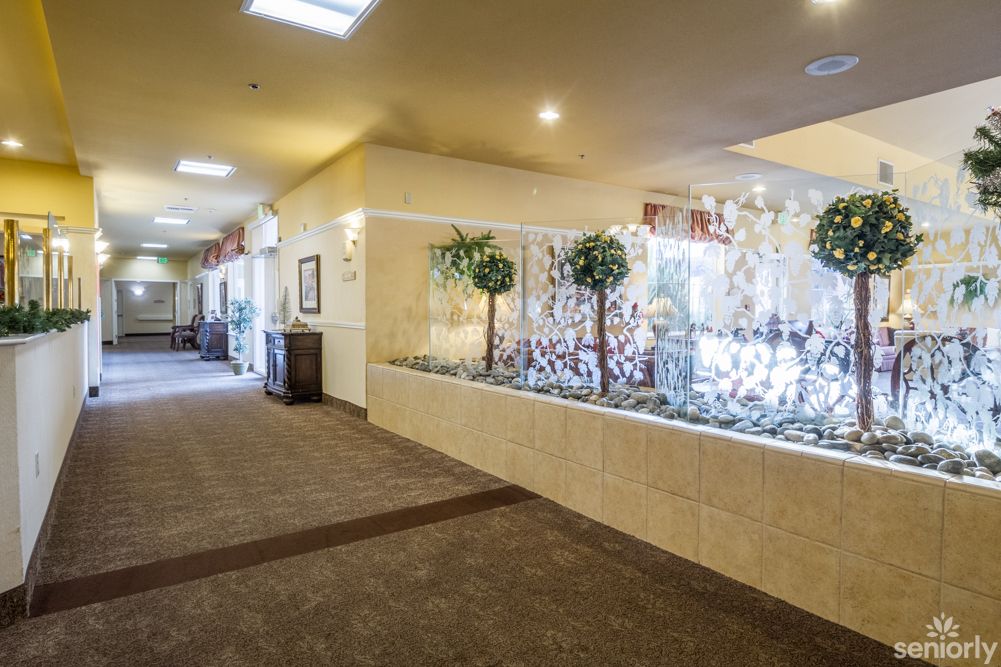
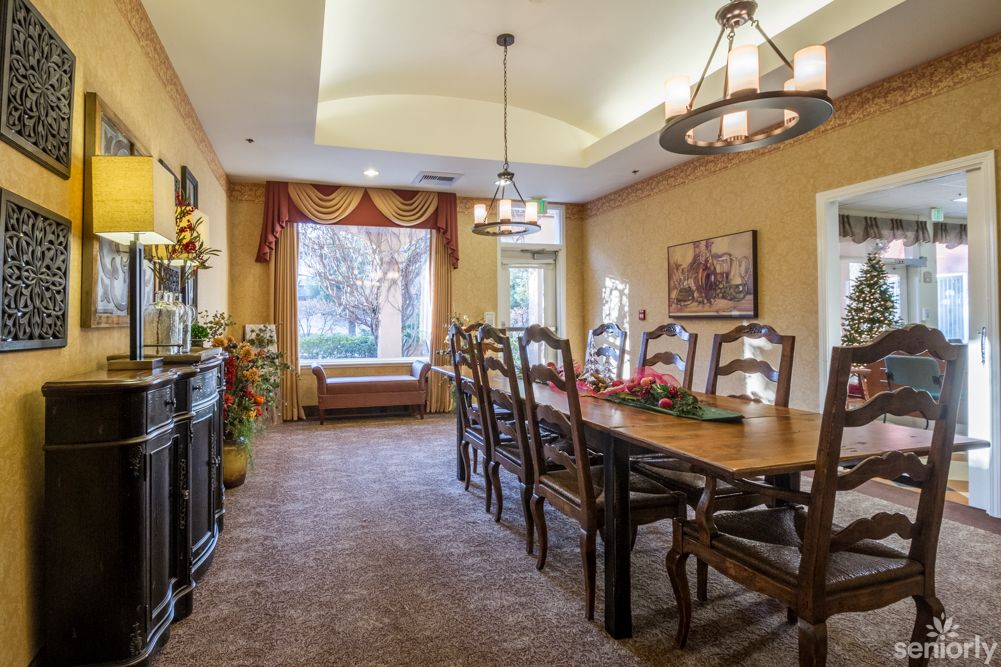
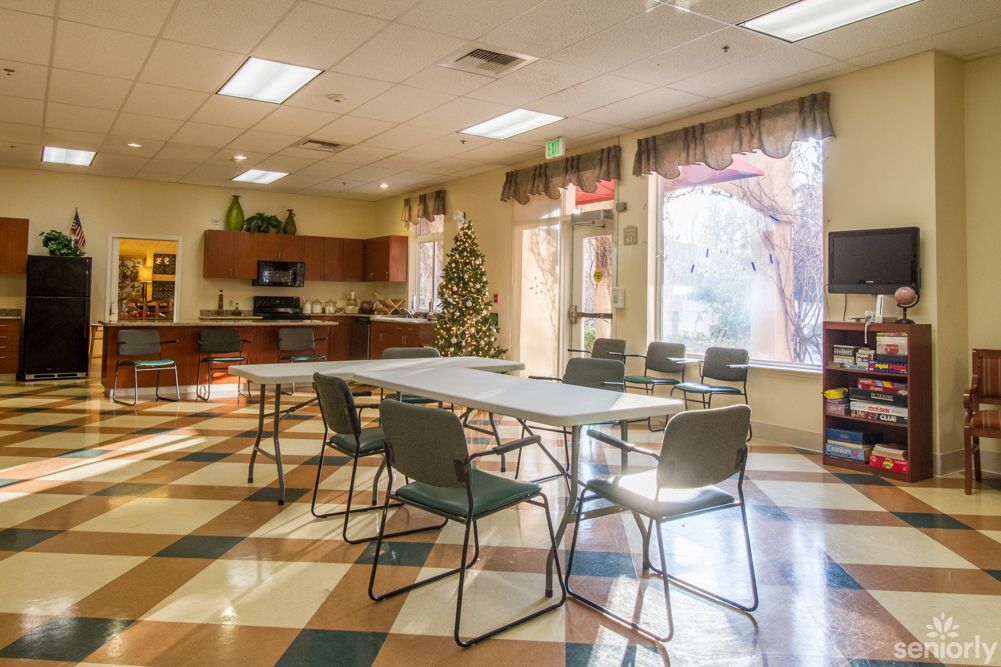
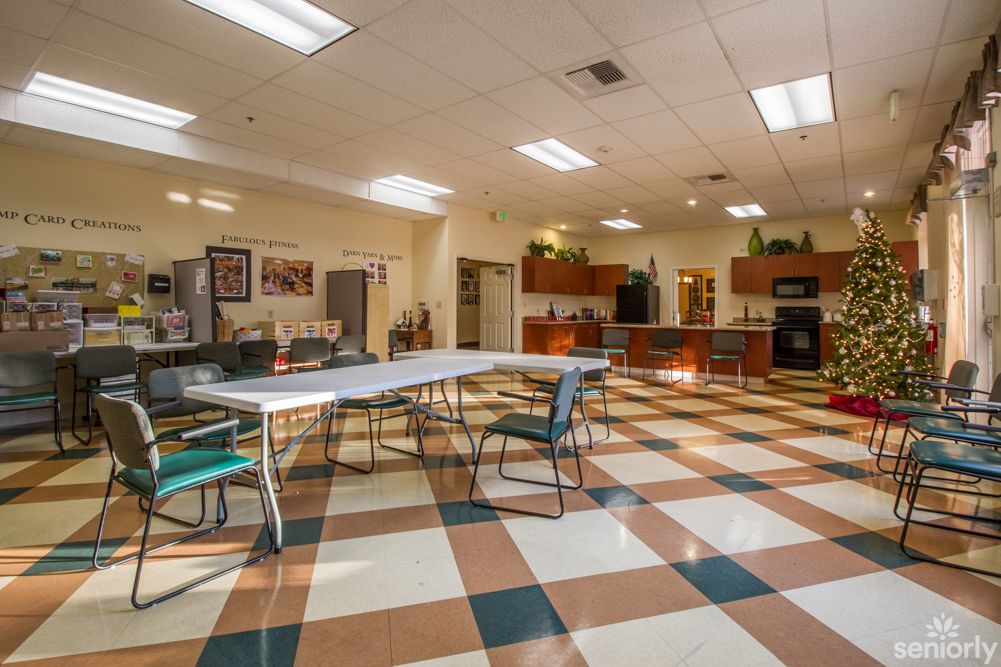
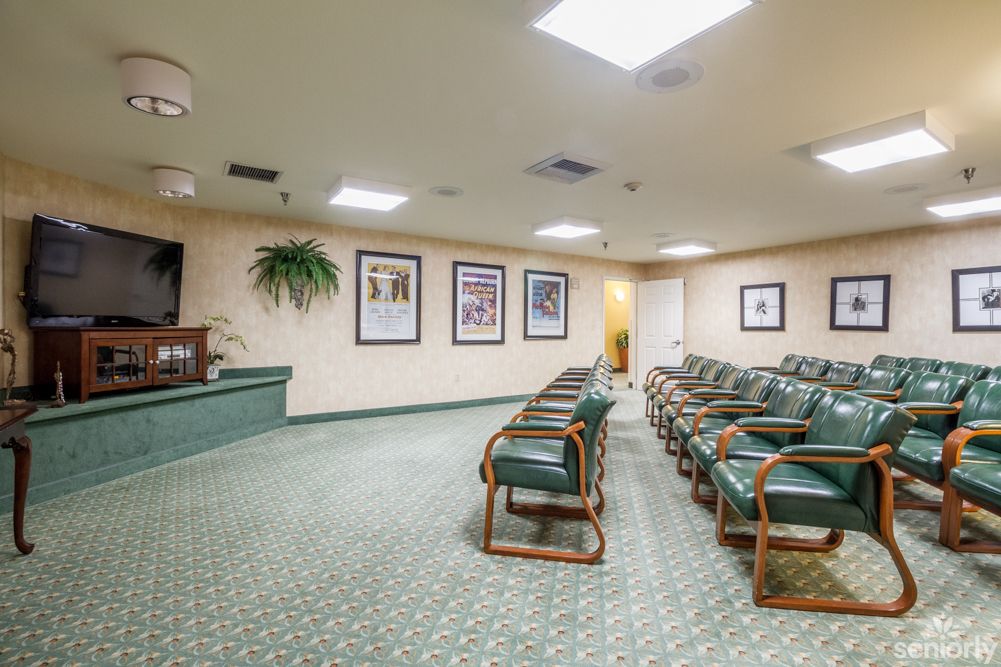
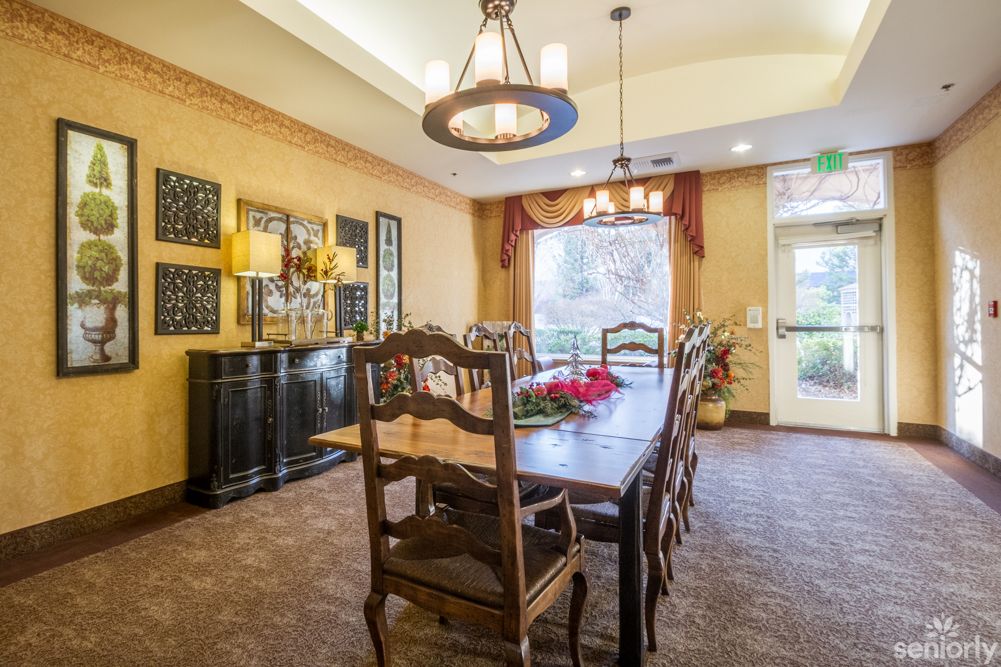
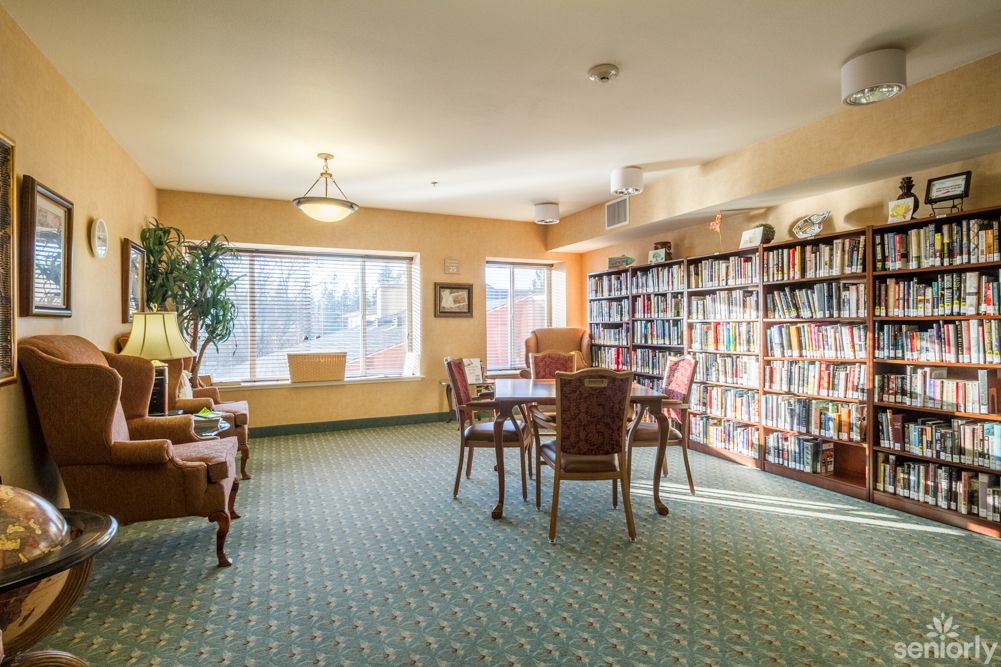
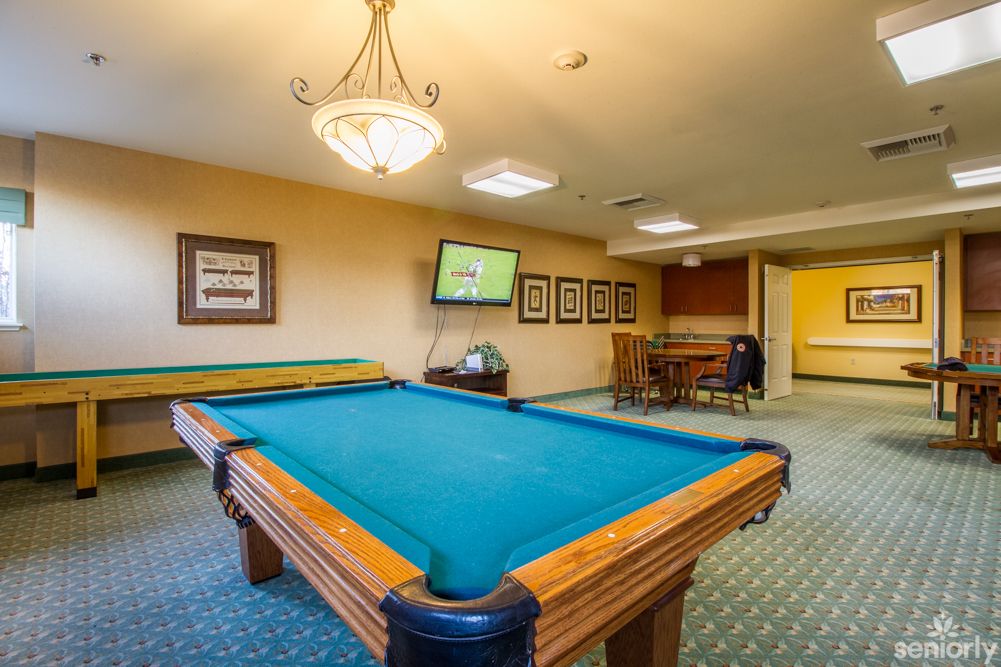
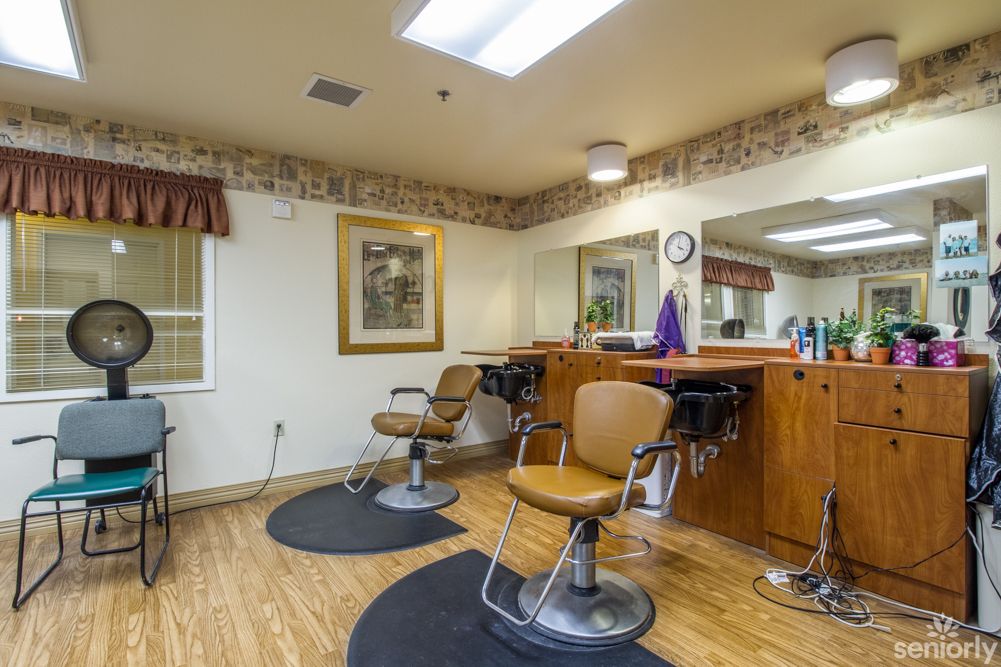
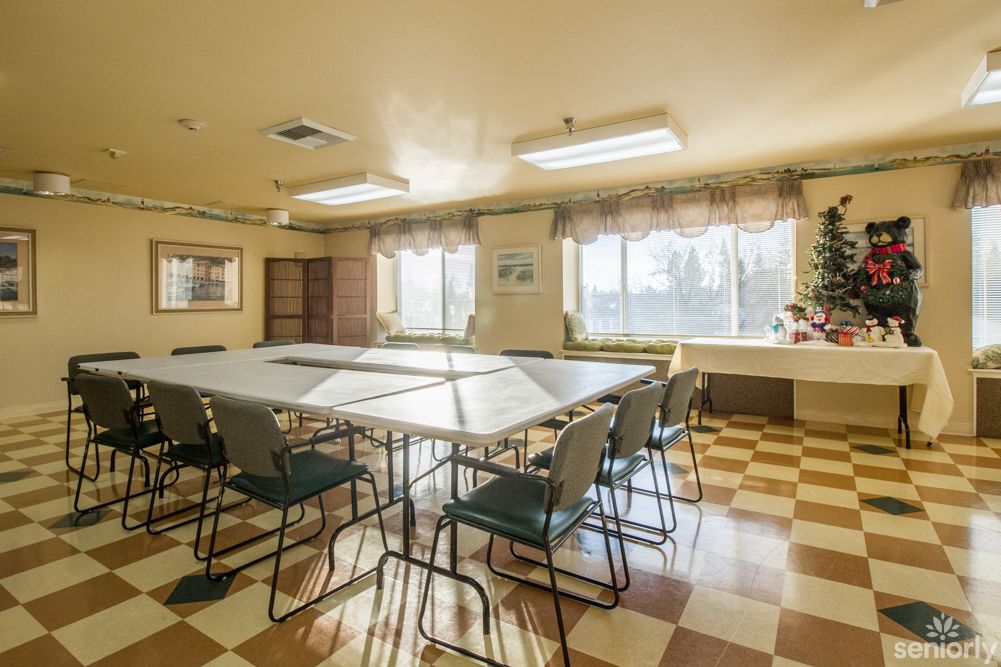
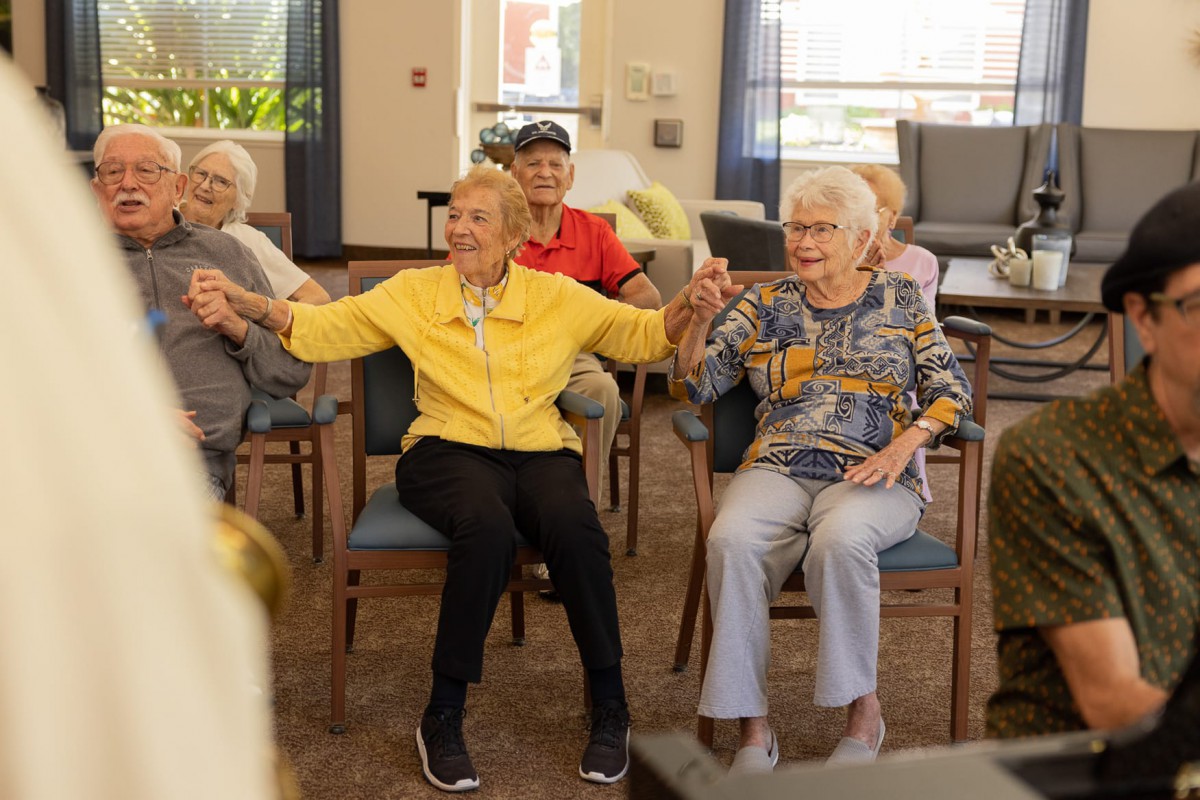
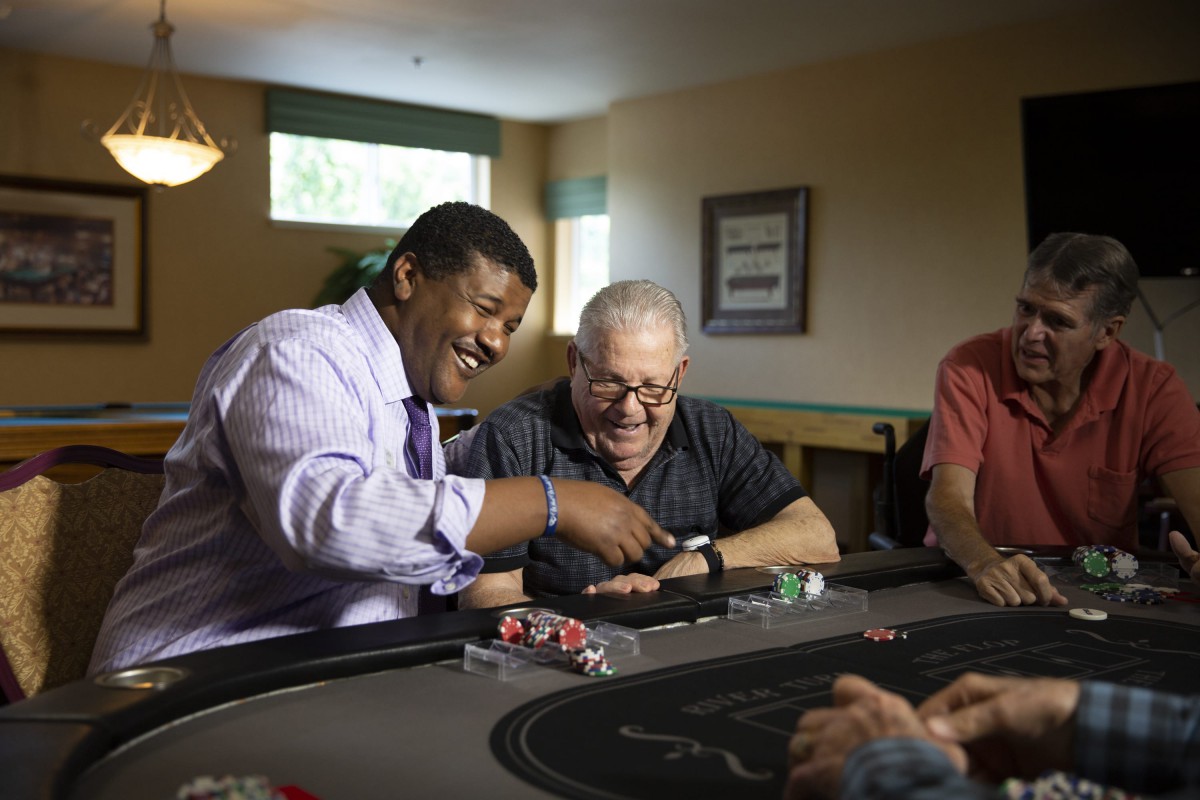
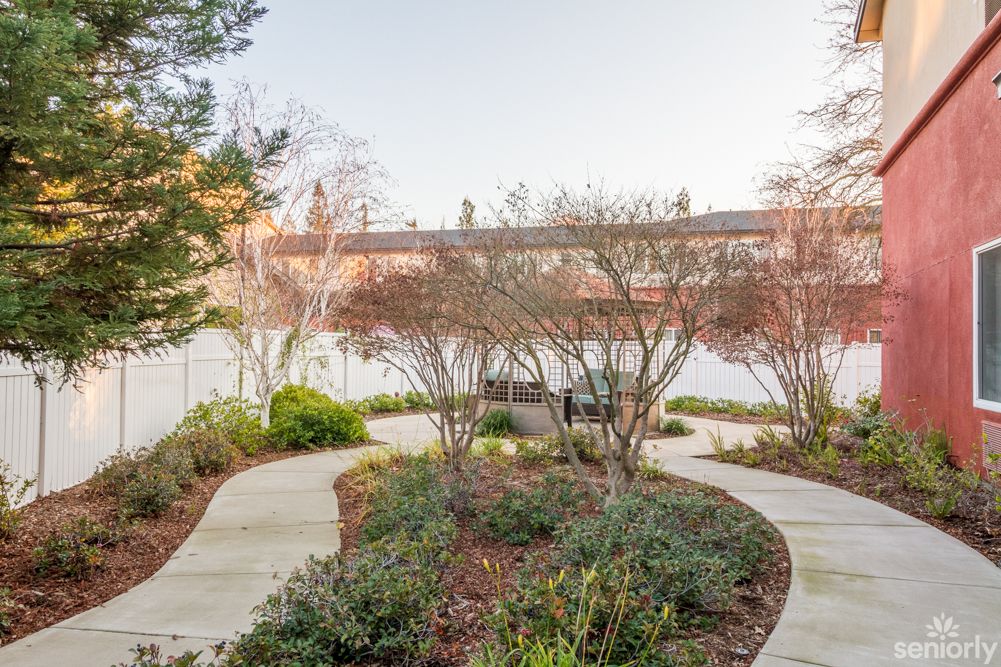
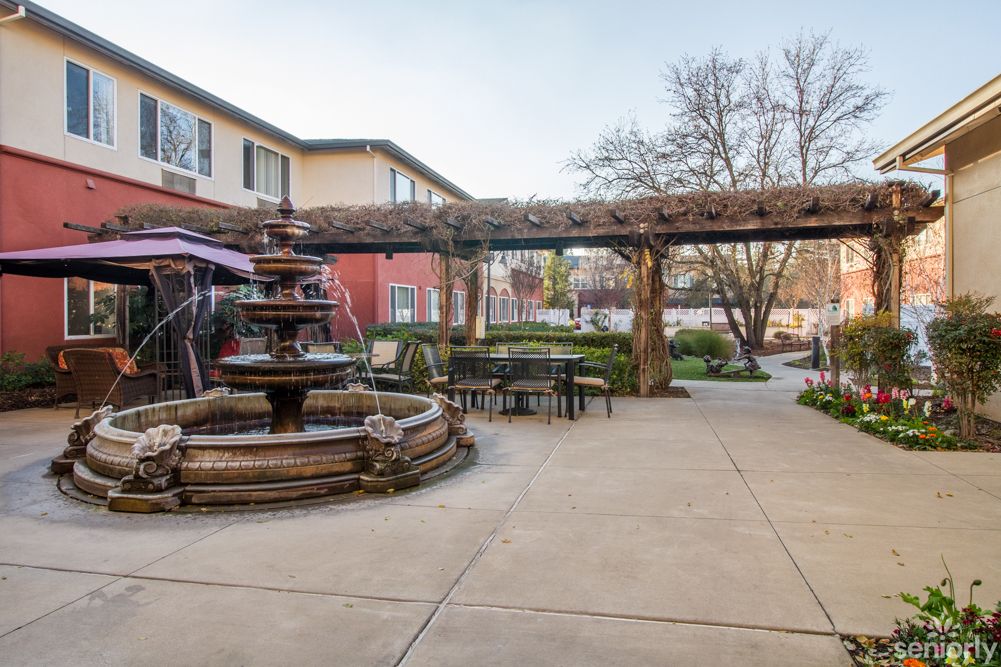
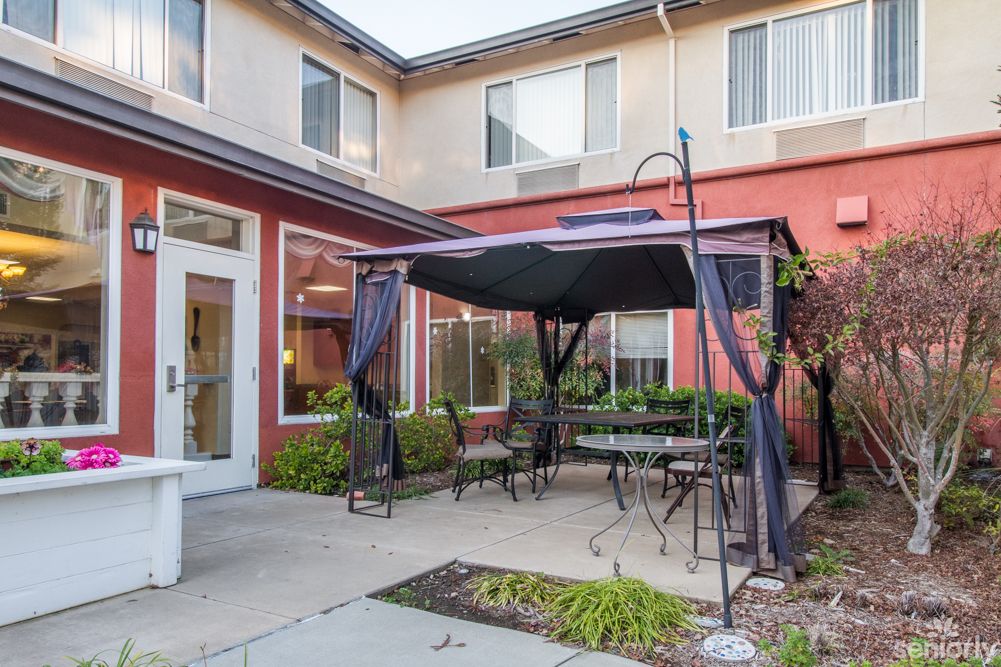
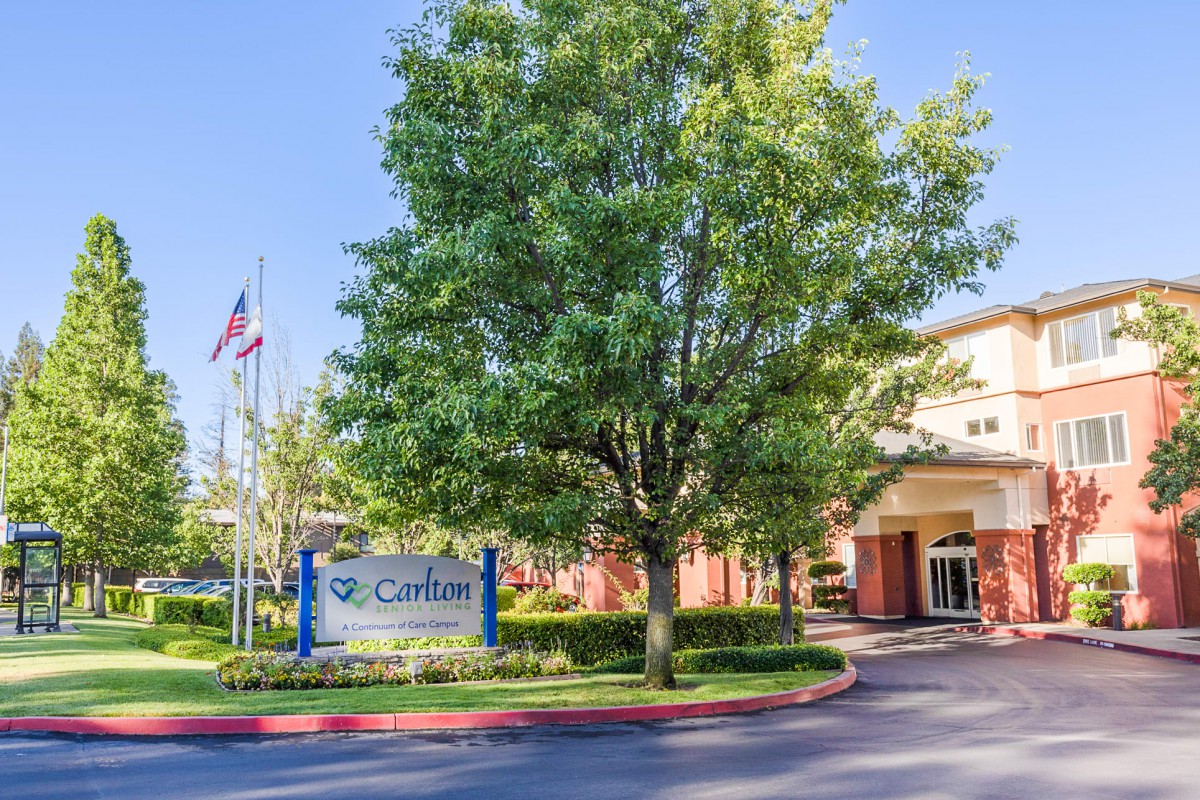
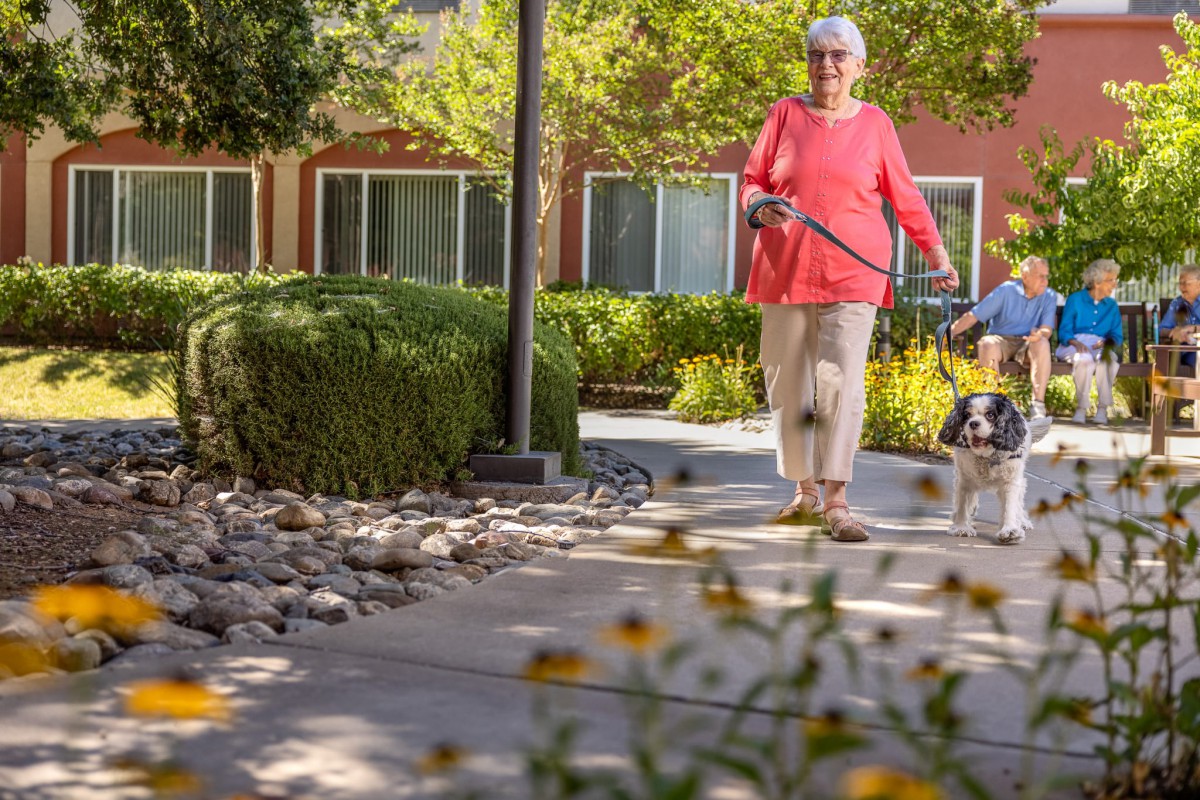
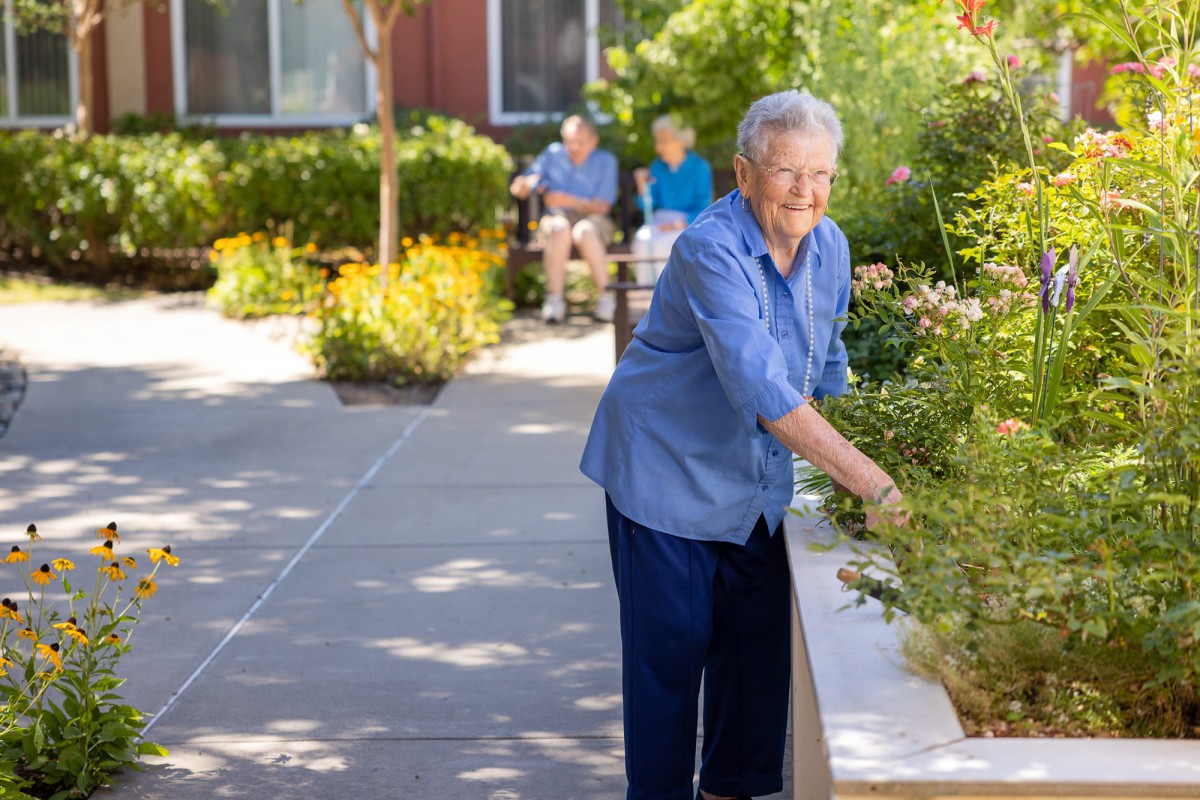
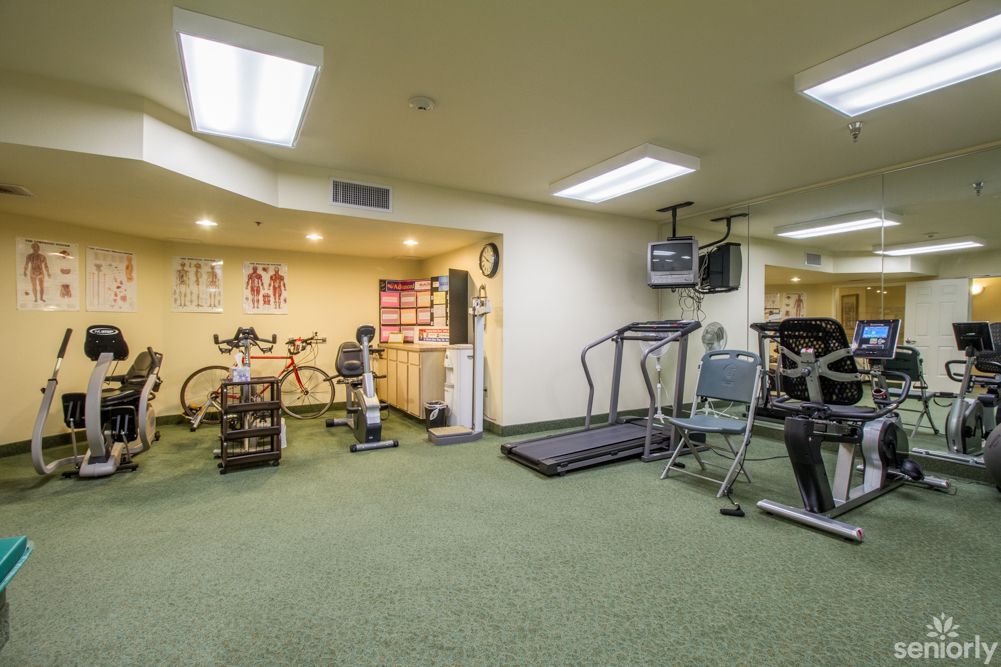
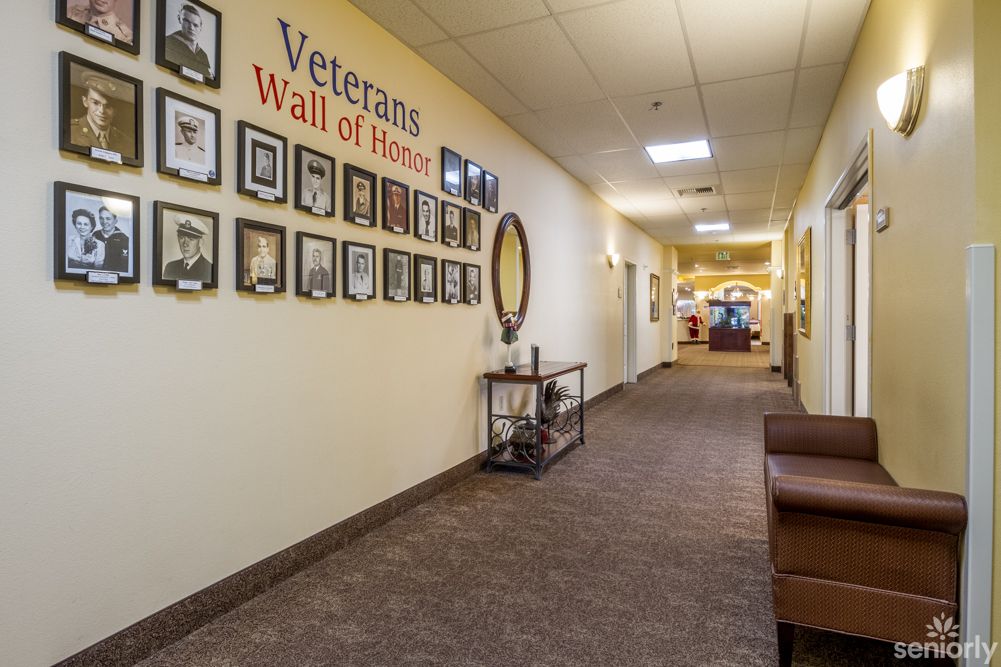
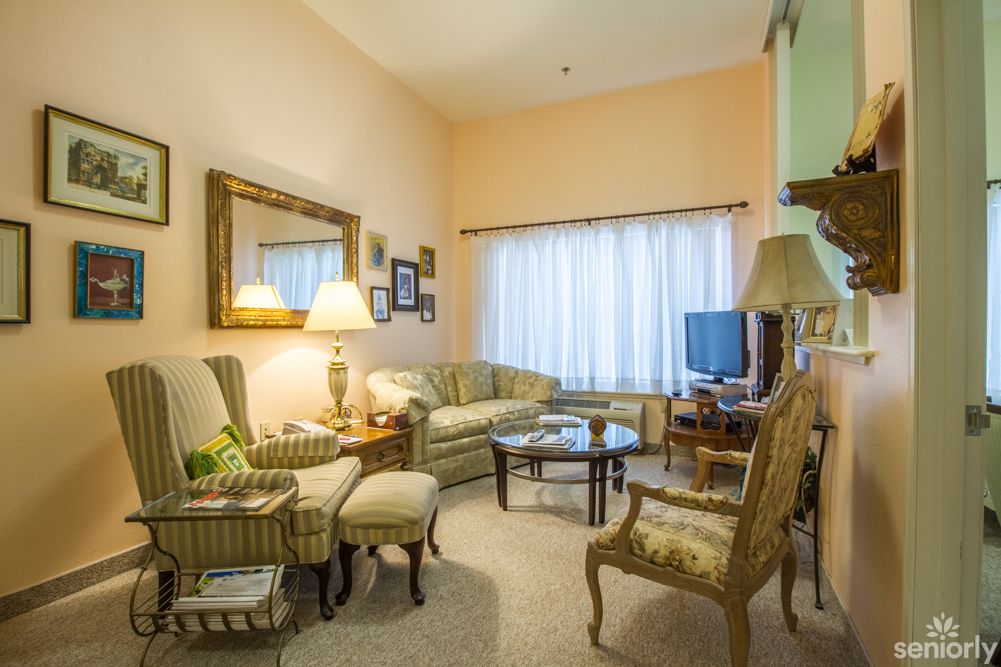
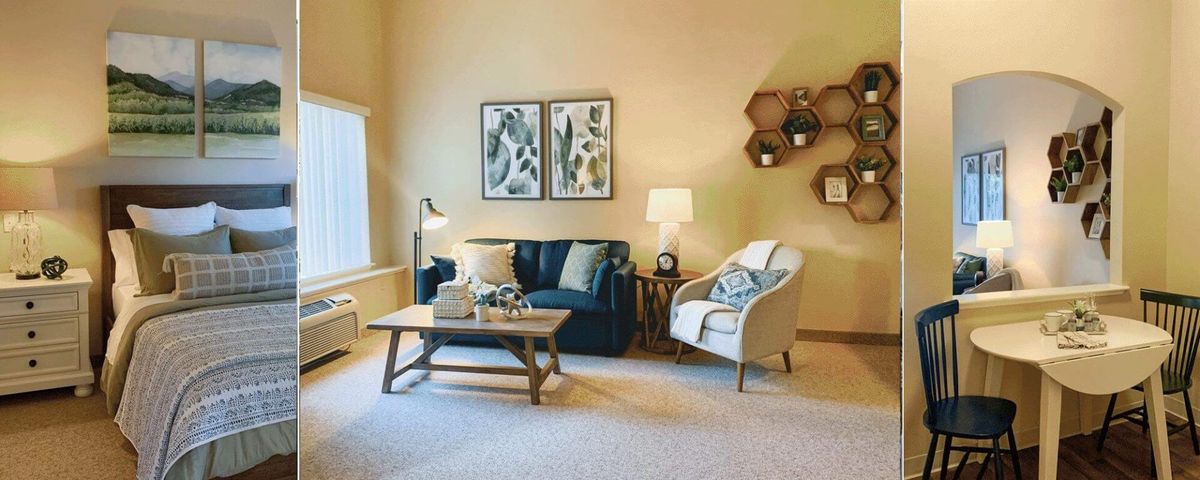
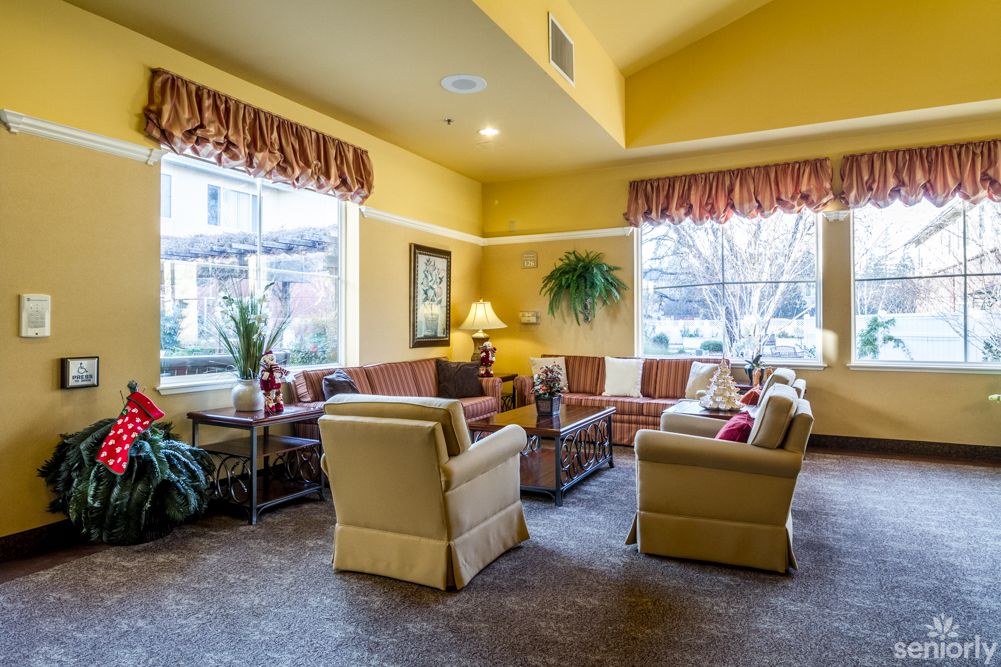
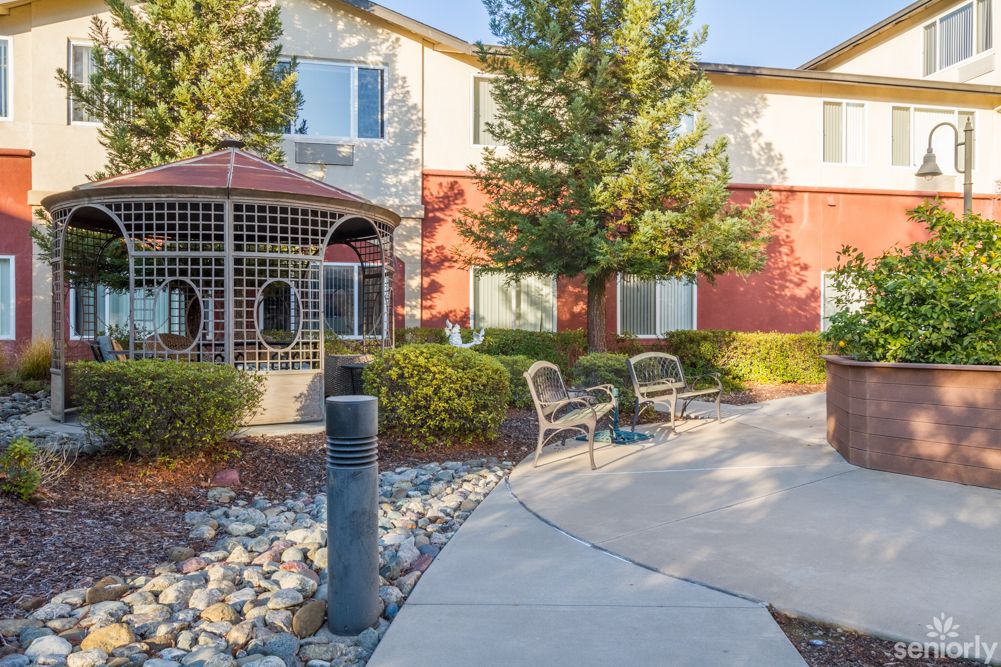
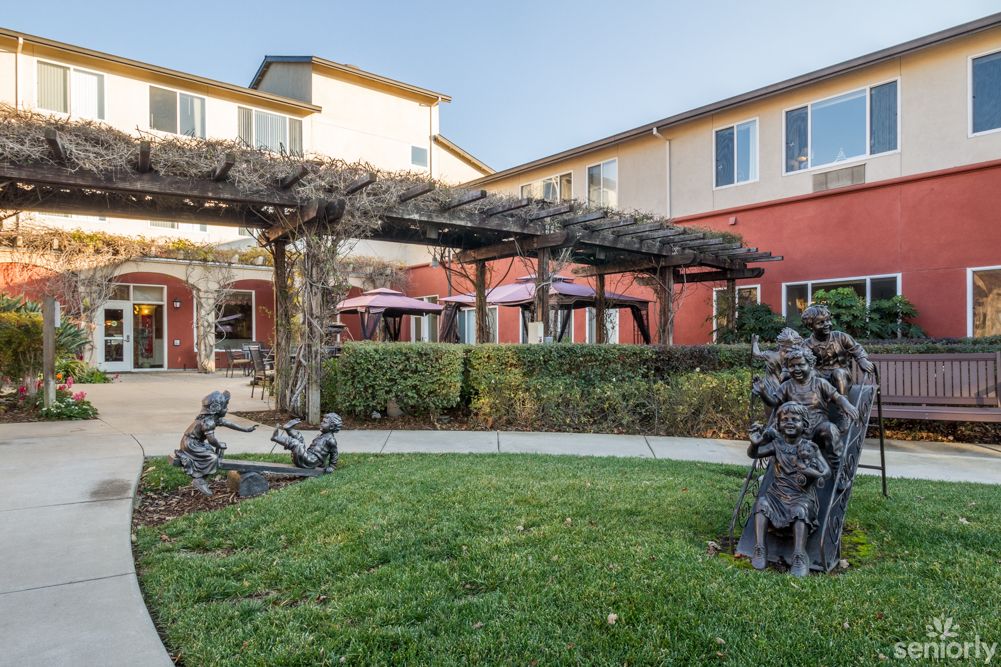
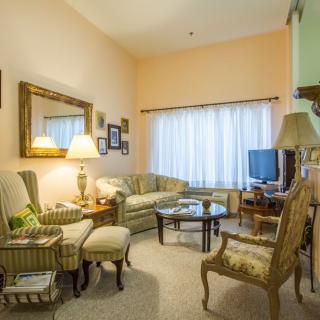
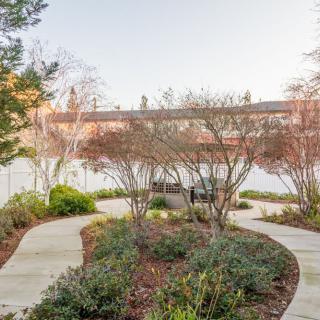
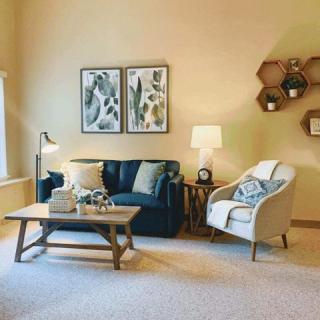
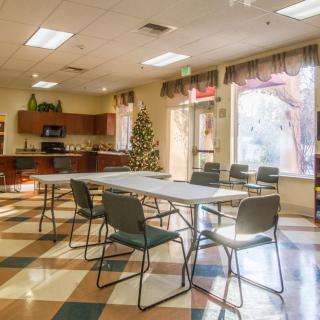
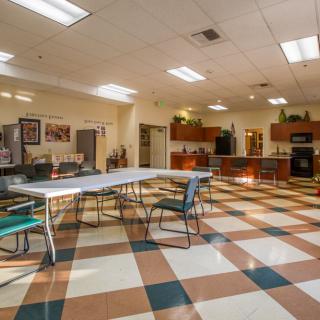
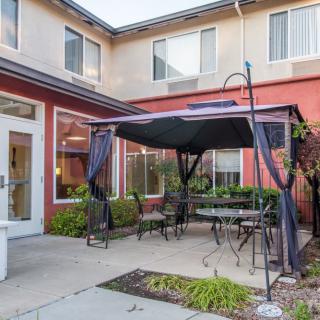
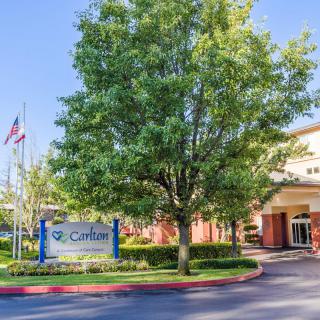
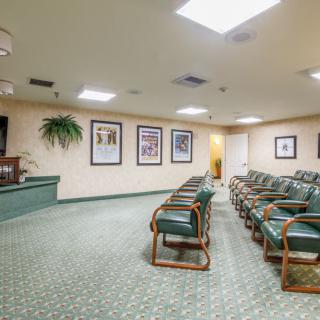
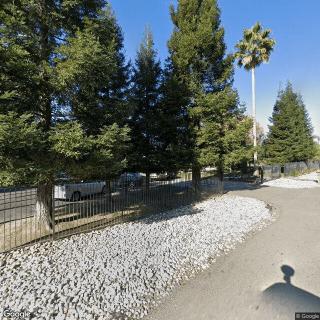
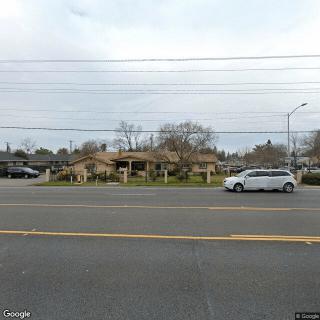
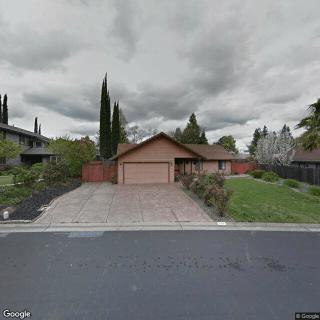
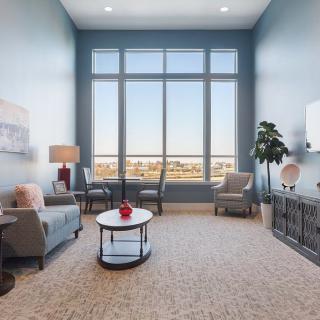
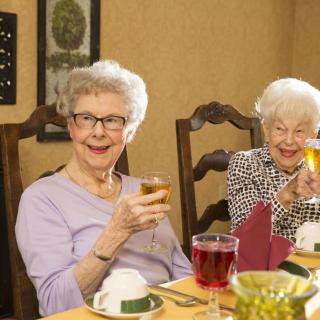
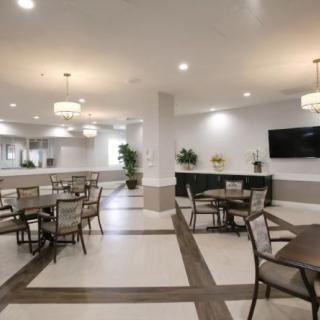
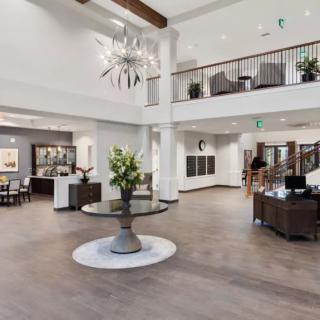
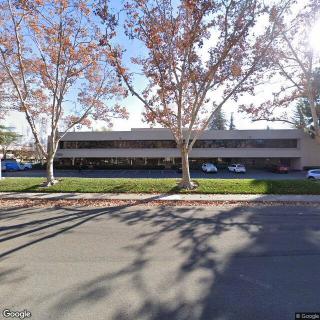
Carlton Senior Living Sacramento on seniors.fyi includes 30 photos including images showing interior, dining, garden, decor, building, windows, trees, exercise equipment, and more.
Nearby Communities
Carlton Senior Living Sacramento Enhanced Assisted Living
Sacramento, CA
4.4 from 14 reviews
$1,995 to $3,695 / month
Friendly, attentive staff in a clean, activity-rich environment.
Maxim of Sacramento - Companion Services
Sacramento, CA
3.5 from 58 reviews
Vibrant neighborhood with extensive nearby amenities and healthcare access.
Dementia affects memory and cognitive function in older adults, presenting challenges for caregivers due to behavioral changes such as confusion and mood swings. Compassionate, person-centered care that considers individual history and preferences, along with effective communication and environmental modifications, is essential for supporting both patients and their caregivers.
Dementia leads to cognitive impairment and can cause emotional and behavioral changes, including aggression that arises from frustration, confusion, or fear. Effective coping strategies for caregivers include understanding dementia's nature, recognizing triggers, using empathetic communication, and employing non-pharmacological interventions like music and art therapy.
Dementia causes cognitive decline and challenging behaviors that caregivers must manage, necessitating an understanding of the neurological basis of these issues. Effective strategies and self-care for caregivers can enhance support for those with dementia and improve their daily lives.
Exercise Equipment, Treadmill, Exercise Room, and Fitness Room
Pathway
Outdoor Seating, Courtyard, Fountain, and Pergola
Salon and Mirrors
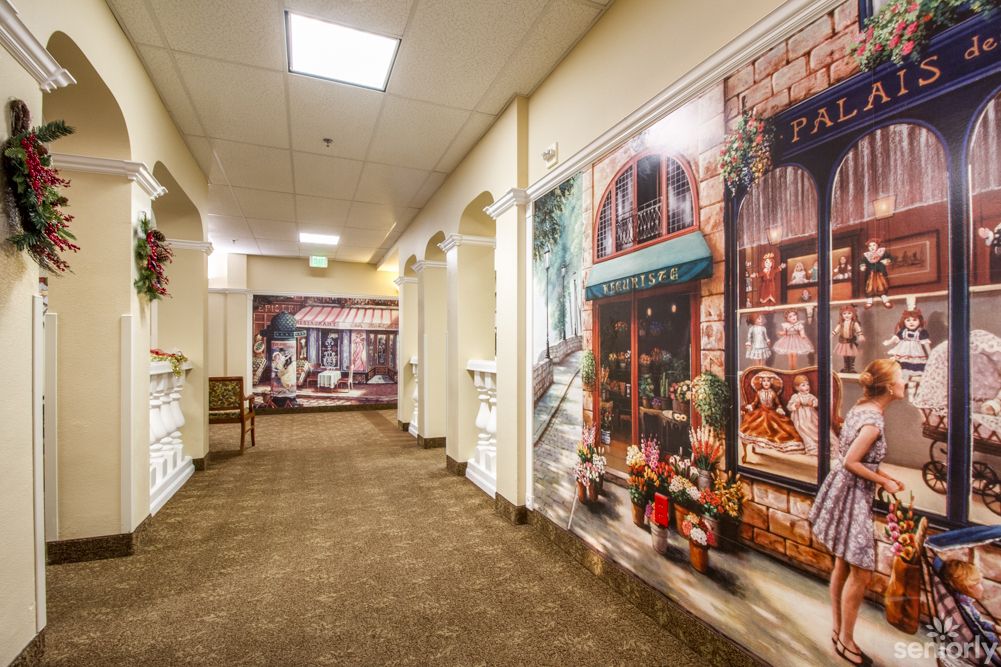
Wall Art
Nature and Shrubs
Hallway
Library and Reading Room
Plant
Gazebo
Lights and Decorative Plants
Conference Room, Bright Lighting, and Meeting Space
Lighting Fixtures
Traditional Decor
Gardening
Get PricingAsk A QuestionSchedule A TourContact Senior Advisor
By clicking submit, you agree to our Partner's Terms of Use. You
also consent to receive calls and texts, which may be autodialed, from our Partner. Your consent is not a condition to
using our Partner's service. Please visit our Partner's Privacy Policy for information about their privacy practices.

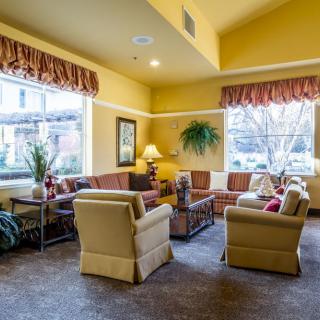
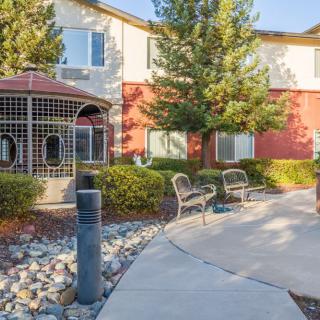
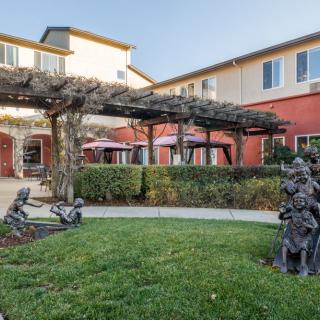
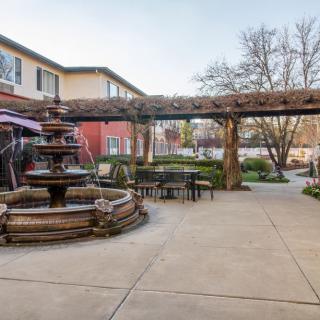
 185 resident community capacity
 1-bedroom apartments
 Assisted Living
 Independent Living
 Memory Care
 Respite Care
 Cats allowed
 Dogs allowed
 Activities off-site
 Air-conditioning
 Beautician on-site
 Cable or satellite TV
 Computer center
 Devotional services off-site
 Dining room
 Fitness room
 Fully furnished
 Gaming room
 Garden
 Housekeeping services
 Indoor common areas
 Kitchenette
 Laundry
 Move-in coordination
 Outdoor common areas
 Pet friendly
 Private bathrooms
 Restaurant-style dining
 Small library
 Telephone
 Wellness center
 Wheelchair accessible showers
 Wi-Fi/high-speed internet available
 Sacramento International (13 miles away)
 Community operated transportation
 12-16 hour nursing
 24-hour call system
 Assistance with bathing
 Assistance with dressing
 Assistance with transfers
 Diabetes diet
 Diabetic care
 High acuity care
 Hospice waiver
 Incontinence care
 Medication management
 Mental wellness program
 Physical therapy
 Special dietary restrictions
 Transportation arrangement (medical)
 Concierge services
 Planned day trips
 English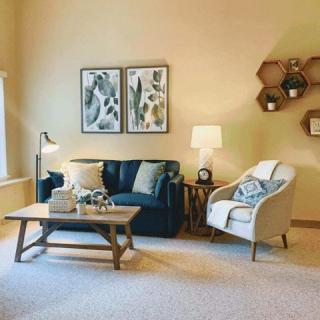
 Friendly, attentive staff in a clean, activity-rich environment.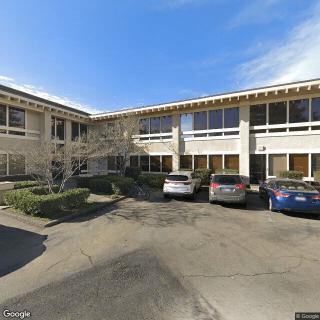

 Understanding Dementia Behaviors: Practical Insights and Strategies for Caregivers
 When Dementia Sparks Anger and Aggression: Understanding the Connection and Ways to Cope
 Dementia Behaviors: In-Depth Understanding and Effective Coping Strategies