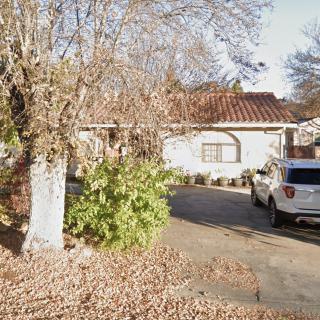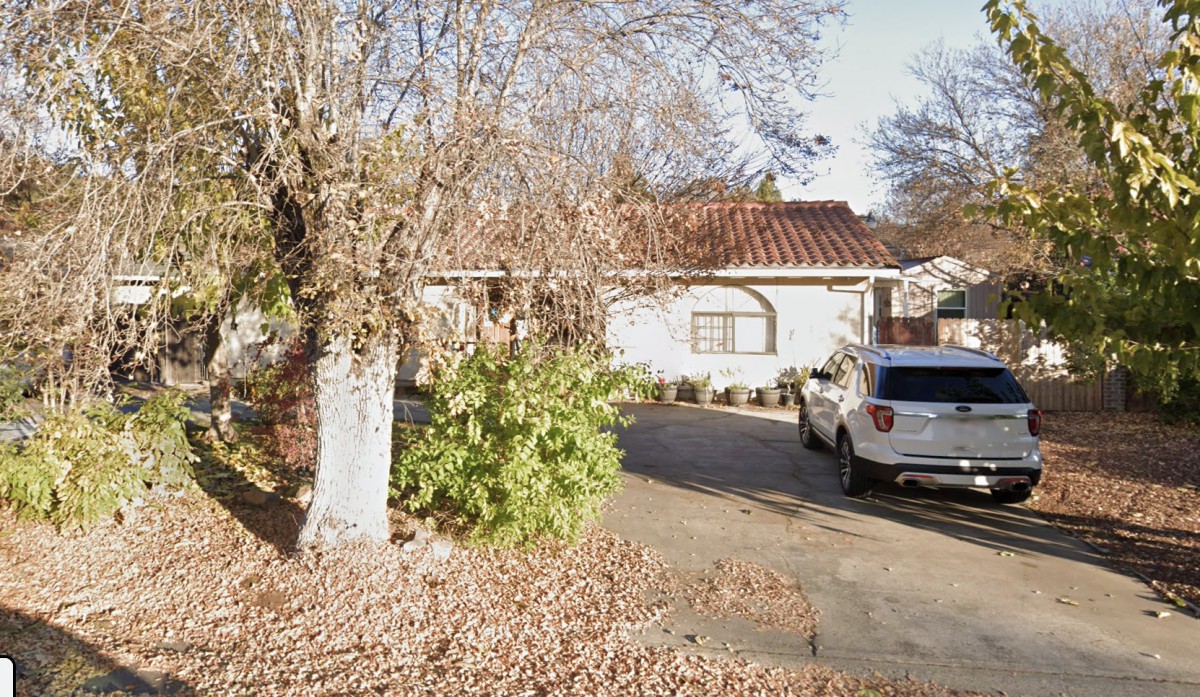
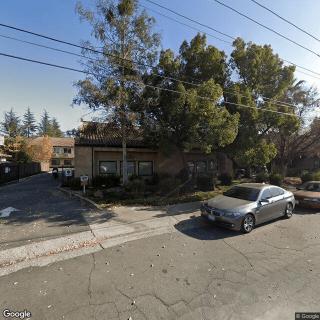
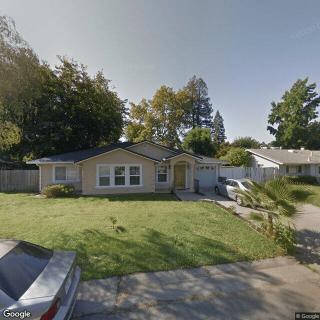
2801 Tioga Way, Sacramento, CA 95821
For more information about senior living options: (866) 208-4318
Overall Review of American River Care Home 2
Pros
 The staff at American River Care Home are consistently kind, caring, and attentive.
- The home honors residents' Japanese language needs and cultural preferences, helping them feel at ease.
- Residents settle in well and enjoy conversations with the care team.
- Families feel relieved knowing their loved ones are in capable, compassionate hands.
- The environment feels like a family home, with warmth and mutual respect between staff and residents.
- The meals are tasty, healthy, and reminiscent of home cooking.
- Harue and Nori are compassionate, knowledgeable leaders who go above and beyond for families and residents.
- The staff communicate clearly with families and keep them informed about health concerns.
- The home maintains a clean, safe, and comfortable living environment.
- Engaging activities and outings help residents stay active and connected.
- Visits are welcomed, and the staff make time for family involvement.
- Care is described as humane, patient, and respectful, even during challenging times.
Cons
 The process was long and painful to find an acceptable, qualified place for their father in his condition.
- They faced a horrible predicament because their father was actively in the dying stages.
- They were in a scramble after plans fell through and they were under contract with another home.
Review
American River Care Home 2 is best suited for families seeking a small, home-like assisted-living option that treats residents like family, with a clear emphasis on language and culture. The community shines for Japanese-speaking seniors or those who feel most at ease when staff can converse in Japanese and share familiar foods and routines. It is especially compelling for residents with memory challenges or dementia who benefit from a calming, intimate setting, where staff know each resident’s history, preferences, and daily rhythms. The owners-operators, Nori and Harue, are repeatedly described as deeply invested, creating a warm, respectful environment where residents are encouraged to participate, socialize, and stay engaged.
Those who should consider alternatives fall into a few practical categories. If language support beyond Japanese is essential, or if a resident requires a broader medical staff and more expansive clinical resources, a larger or more diverse facility may be a better fit. Families seeking a wide range of on-site medical specialists or a more cafeteria-style menu with non-Japanese options might prefer other residences. Also, for seniors who value a more institutional setting with formalized programs, strict schedules, or higher staffing ratios aimed at more intensive oversight, ARCH 2’s intimate, family-driven model may feel undersized or less comprehensive.
The strongest pros cohere into a consistently high-quality, person-centered experience. The staff’s attentiveness and kindness are repeatedly cited as the core drivers of satisfaction: caregivers who speak Japanese, understand cultural expectations, and treat each resident with dignity. The family’s perspective is prioritized through open, ongoing communication, families can visit anytime and are kept informed about health concerns and daily happenings. The meals stand out as a distinctive benefit, with Japanese staples that residents not only enjoy but often eat with gratitude, contributing to weight stability and overall well-being. Beyond meals, the home operates like a small, active family: exercises, games, birthdays, crafts, and occasional outings create meaningful continuity and a sense of independence within a guided framework.
The model’s strengths do offset the more limited scope that comes with a smaller, independently run operation. The intimate setting means less of a clinical, institutional feel and more of a personalized care team that knows each resident’s story. This translates into vigilant, proactive care planning, seamless coordination with hospice and medical professionals when needed, and a level of emotional support that families repeatedly describe as exceptional. For dementia care, the combination of language comfort, social connection, and familiar routines helps residents settle in and maintain quality of life. The trade-off is clear: a less expansive footprint may limit access to a wider array of on-site specialists or high-volume activity programming that larger facilities offer, but the near-constant, hands-on engagement from Harue, Nori, and their staff often compensates with depth over breadth.
For families evaluating options, the decision often comes down to language, culture, and the ability to view caregiving as an extended family affair. If these align with the resident’s preferences and the family’s expectations, ARCH 2 provides a compelling match: a home with a consistent, bilingual staff, culturally familiar meals, and a transparent care approach. Prospective entrants should still verify that the specific level of medical oversight available meets the resident’s needs, and that the expected balance of independence versus supervision aligns with long-term goals. Visiting experiences, observing mealtime dynamics, and assessing how staff handle health updates will reveal whether the “life with miso soup” environment truly fits the intended care trajectory.
In the end, ARCH 2 is a strong pick for Japanese-speaking seniors and their families who prize warmth, cultural resonance, and a tightly knit caregiver team. It represents a rare combination of homey atmosphere, genuine relational care, and attentive family partnership. Those whose priorities include broader language access, larger-scale programs, or a more conventional corporate-styled setting may want to look elsewhere. For families seeking a place that feels like a well-loved aunt’s or grandmother’s home, where residents are treated as members of the family, American River Care Home 2 stands out as a best-fit choice.
 6 resident community capacity
 Assisted Living
 Board and Care Home
 Respite Care
 Cable or satellite TV
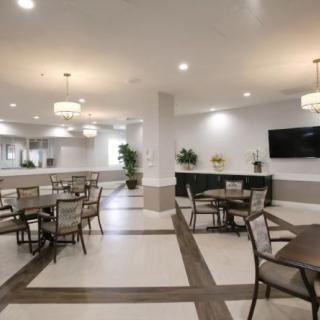
 Dining room
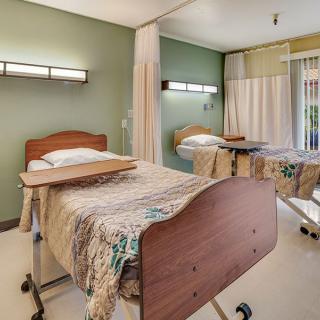
 Fully furnished
 Garden
 Housekeeping services
 Move-in coordination
 Outdoor space
 Telephone
 Wi-Fi/high-speed internet available
 Sacramento International (12 miles away)
 24-hour supervision
 Activities of daily living assistance
 Assistance with bathing
 Assistance with dressing
 Assistance with transfers
 Diabetes diet
 Meal preparation and service
 Medication management
 Special dietary restrictions
 Transportation arrangement (medical)
 Transportation to doctors appointments



 How and When Medicaid May Cover Assisted Living Costs
 A Detailed Exploration of Assisted Living Medicaid Waivers Across the United States
 Comprehensive Residential Support and Assisted Living Solutions for Individuals with Disabilities