
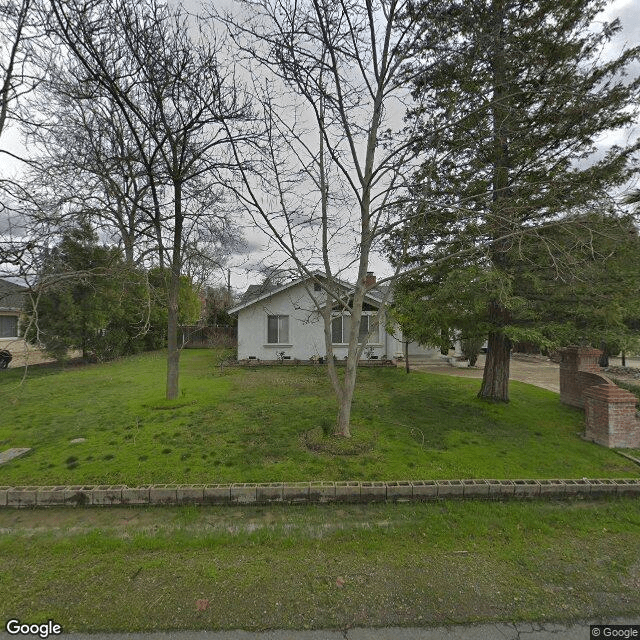
3160 Shasta Way, Sacramento, CA 95821
To contact a resident: (916) 481-7317
For more information about senior living options: (866) 208-4318
Mia's Care Home Costs & Pricing
Mia's Care Home offers competitive pricing for its services, with monthly rates that are notably lower than both Sacramento County and the broader California averages. For a semi-private room, Mia's Care Home charges $2,500, which is significantly more affordable than the county rate of $3,106 and the statewide average of $3,333. Similarly, the cost for a private room at Mia's is set at $3,500, outpacing both Sacramento County's average of $3,686 and California's statewide average of $3,939. This pricing structure not only reflects Mia's commitment to providing quality care but also positions it as an attractive option for potential residents seeking value without compromising on service.
| Floor plans | Mia's Care Home | Sacramento County | California |
|---|---|---|---|
| Semi-Private | $2,500 | $3,106 | $3,333 |
| Private | $3,500 | $3,686 | $3,939 |
Senior living communities with a similar price nearby
-
About the same
Sunrise Senior Care
$2,500 to $3,500 / month8.0 miles away -
About the same

Gina's Home Care
$2,500 / month5.2 miles away -
About the same
Lucian Home
$2,500 / month10.0 miles away -
from +$152 / mo

All Care Home Health Svc
$2,652 / month7.2 miles away -
About the same
A Five Star Residence for Seniors
$2,500 to $3,200 / month9.2 miles away
Overall Review of Mia's Care Home
Pros
 Mia's Care Home has exceeded expectations and is regarded as the golden standard in residential care.
- Mia and her husband Cordel care for the residents 24/7 and are very caring.
- They have instilled their passion for caregiving into their children, who also work in healthcare.
- Mia cooks every meal and the laundry is done daily.
- The home features a garden with a gazebo where residents can sit, relax, and enjoy the weather.
- The environment is family-like and inviting, and they welcome lots of phone calls and visits.
Cons
 The care started out decent and then deteriorated.
- The aunt had to lie in her wet diaper from 6:30 pm to 8 am.
- There was never more than one caregiver on duty at a time, except when DHS visited.
- It was all for show and very disgusting.
- Mia hired a caregiver who stole money from the aunt.
- The new caregiver would tell the aunt she was out cleaning her car just to poop on her diaper.
- The reviewer warned others to save their family member and themselves.
Review
Mia’s Care Home in Sacramento is best suited for families seeking a small, family-run residential option where the senior is treated as part of a household rather than merely a resident of a facility. This community excels for someone who wants daily life to resemble a home setting: home-cooked meals prepared on site, laundry handled each day, and a staff that is accessible and involved in ordinary routines. The garden, the gazebo, and the overall homelike atmosphere are particularly appealing to seniors who value outdoor time, predictable daily rhythms, and the comfort of a familiar, intimate environment. For residents who thrive on direct personal attention and a strong sense of family involvement, Mia’s Care Home offers a compelling match.
Those who should consider alternatives are those with higher needs for clinical supervision or who require consistent, multi-staff coverage around the clock. A standout caution comes from a negative account describing severe staffing gaps, specifically, a single caregiver on duty for long stretches, with no timely assistance overnight and a troubling allegation of financial impropriety by a caregiver. While other reviews paint a different picture, this lone negative report raises legitimate concerns about staffing reliability, accountability, and safeguards against misconduct. Families prioritizing formal nursing oversight, robust emergency response coverage, or specialized memory-care protocols may find a larger, licensed facility better aligned with those requirements.
The strongest and most persuasive advantages hinge on ownership and hands-on, constant involvement. The owners, Mia and Cordel, are repeatedly described as the backbone of daily life, personally overseeing care 24/7, cooking meals, and managing essential tasks such as medication dispensing with precision. Guests note a willingness to accommodate unexpected issues, welcome frequent family calls and visits, and provide a truly home-like cadence to daily life. The practical upside is substantial: consistent, accessible supervision from the people who live and work in the home, a culture of warmth, and tangible demonstrations of care through everyday actions, meal preparation, laundry, and even assistance with moving personal belongings when a new resident settles in.
The positive reviews consistently emphasize a few nonnegotiable comforts that offset the inherent limitations of a small-setting model. A clean, well-kept house, a peaceful yard, and a garden that doubles as both beauty and a source of fresh ingredients for meals create a reassuring backdrop for daily living. The narrative of a “family-like and inviting” environment is reinforced by specifics, careful medication management, intuitive responsiveness to evolving needs, and a readiness to adapt to a resident’s changing circumstances. The presence of two friendly cats and a welcoming, home-centered vibe adds to the sense that this is not merely an institution but a lived-in space designed to support dignity and comfort in senior years.
Yet the dynamics of a small, owner-operated home inevitably surface trade-offs. The most obvious con is staffing flexibility: the absence of a larger team can translate into real-world gaps if a caregiver is unavailable, particularly during night hours. This is precisely where the conflicting reviews diverge: while several families describe around-the-clock visibility and prompt intervention from Mia and Cordel, the negative account highlights a scenario where help was not immediately available, with a reliance on DHS visits as the only external check. Weighing these viewpoints, the asymmetry becomes the central decision point: the strength of personal oversight that comes with a family-owned model versus the reliability of a larger operation with formalized shift patterns and nursing staff.
From a practical standpoint, the facility’s licensing narrative offers both reassurance and a caveat. One favorable account cites a prior licensing check with no violations, and the home’s interior and exterior are described as clean and well-maintained. The asset here is transparency and a defensible record of compliance, paired with a setting that invites family involvement and frequent visits. However, the reference to a 2012 inspection in one review means current status should be independently confirmed. Prospective families should request the latest licensing report, confirm any recent corrective actions, and tour the home with specific questions about staff-to-resident ratios, night coverage, and how emergencies are managed when a sole caregiver is unavailable.
In sum, Mia’s Care Home stands out for families who value a warm, intimate, home-based living arrangement with strong, hands-on leadership from owners who are genuinely invested in day-to-day quality of life. For residents who can thrive with abundant personal attention, predictable routines, and active caregiver presence in a small setting, the positives strongly outweigh the potential downsides. The major caveat is the staffing model: if reliability and robust overnight coverage are non-negotiables, or if there is a need for ongoing, formal nursing oversight, it is prudent to compare with larger assisted living environments that guarantee multi-person shifts and on-call nursing support. The prudent path is clear, arrange a visit, speak directly with Mia and Cordel about night-time coverage and safety protocols, review the most recent licensing documents, and request candid references from current families. If those align, Mia’s Care Home can deliver a remarkably humane, engaged, and nourishing senior-living experience. If not, alternatives that emphasize scale, redundancy, and clinical capacity may offer greater peace of mind.
 Board and Care Home
 Activities on-site
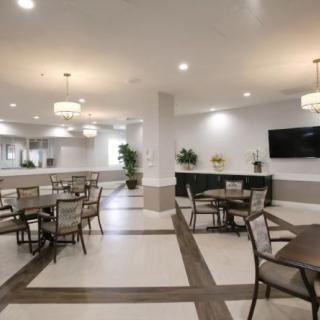
 Indoor common areas
 Outdoor common areas
 Private
 Private bathrooms
 Wheelchair accessible showers
 Sacramento International (12 miles away)
 Ambulatory care
 High acuity care
 Incontinence care
 Medication management
 Meals provided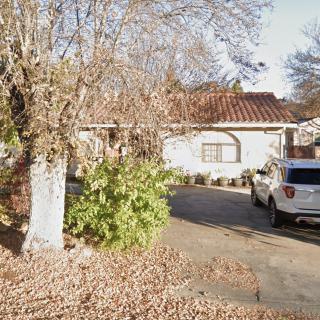




 9 Stimulating Memory Activities for Seniors: Puzzles, Cards, and Much More
 Managing Nursing Home Expenses After Medicare Coverage Ends
 Is a Geriatric Care Manager the Right Choice for Your Family?