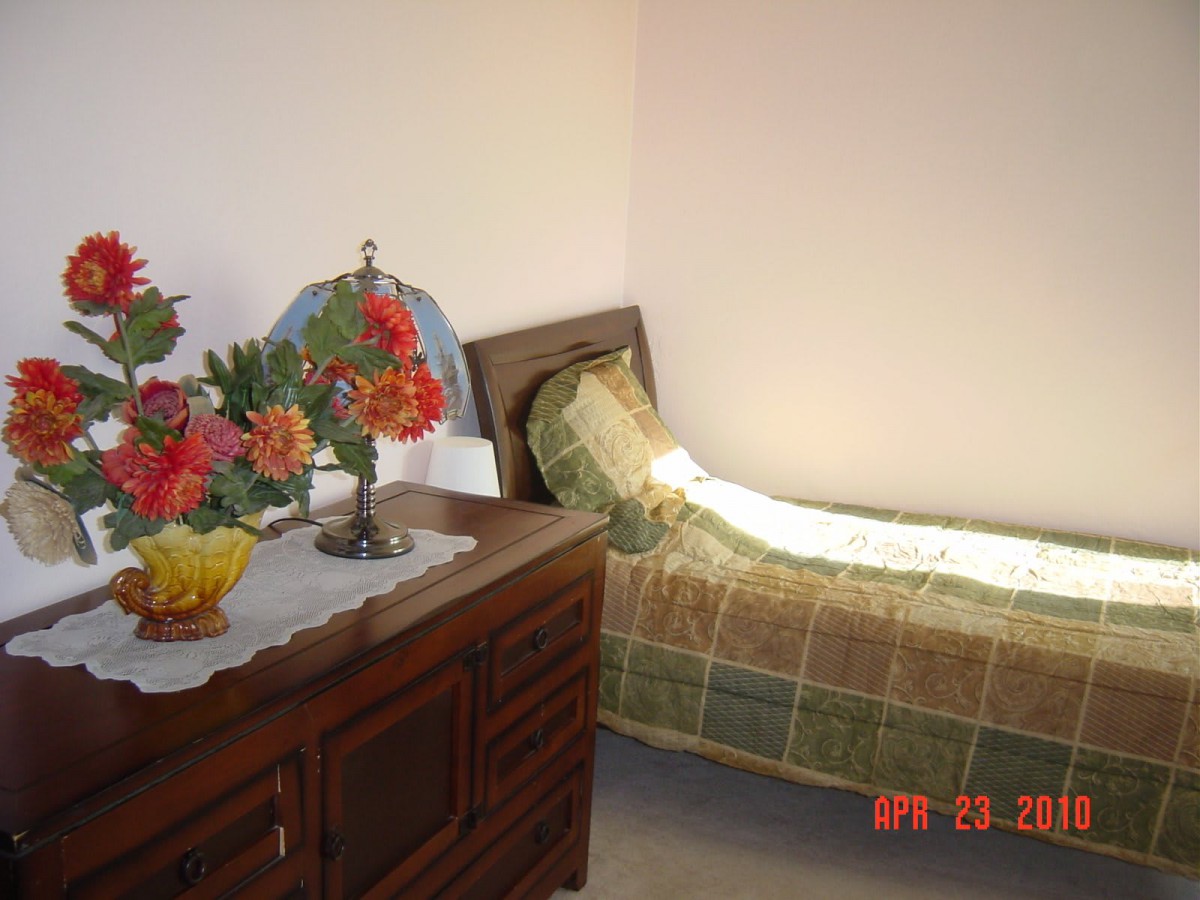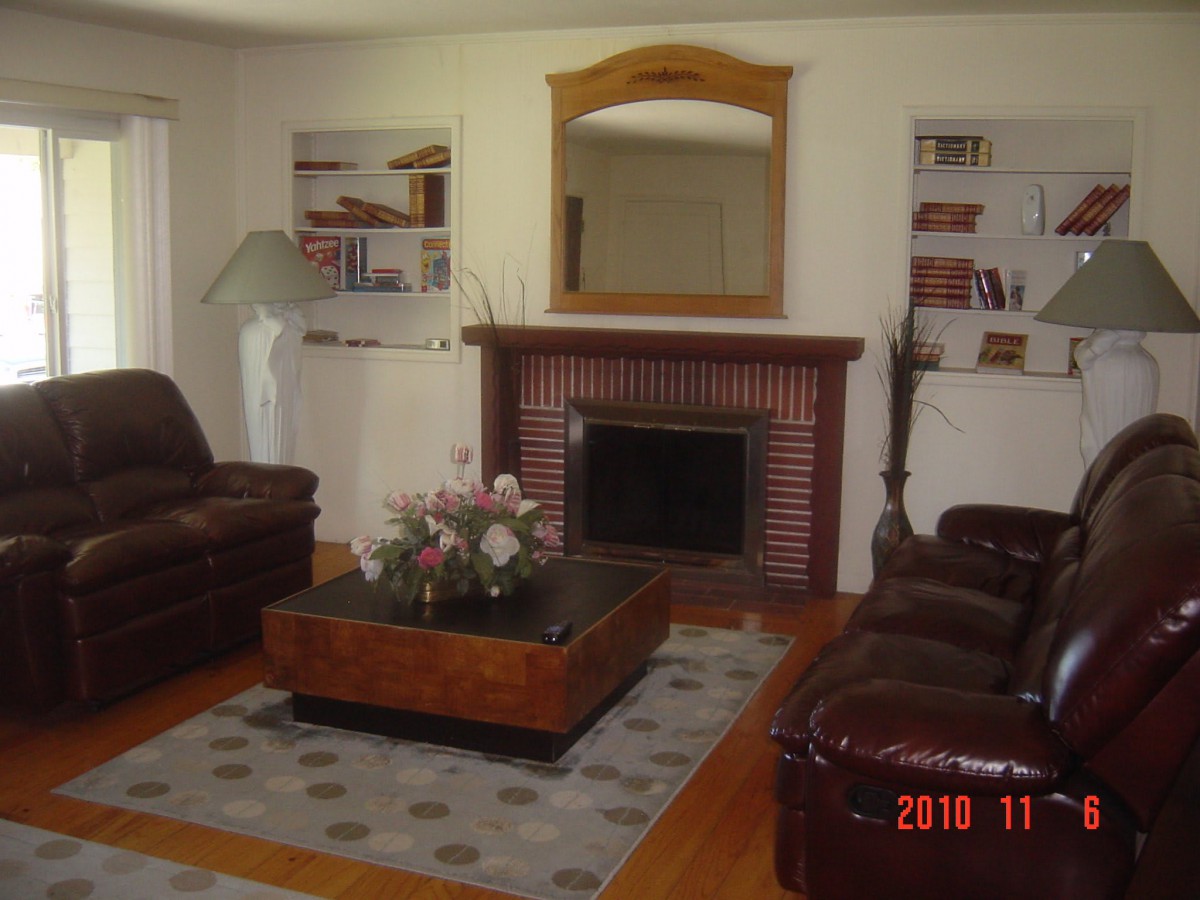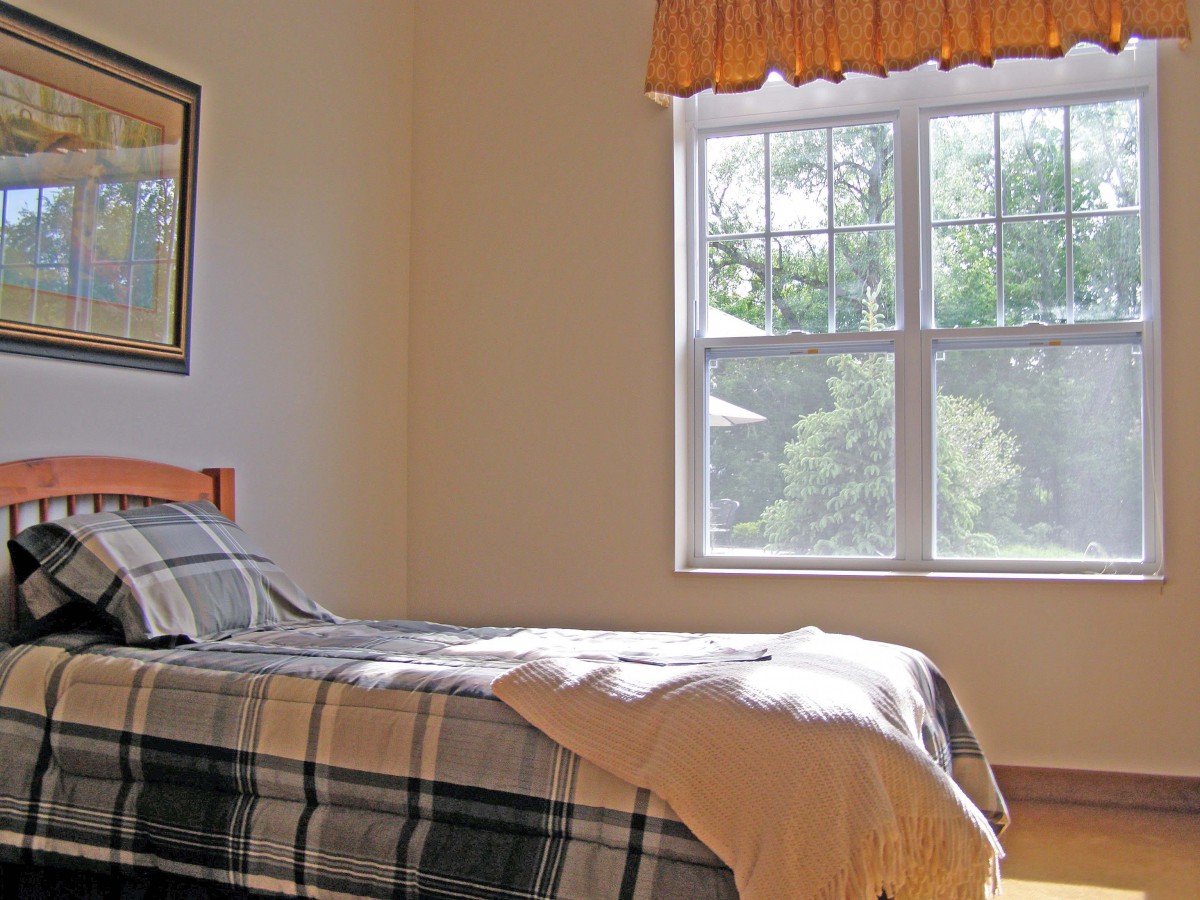

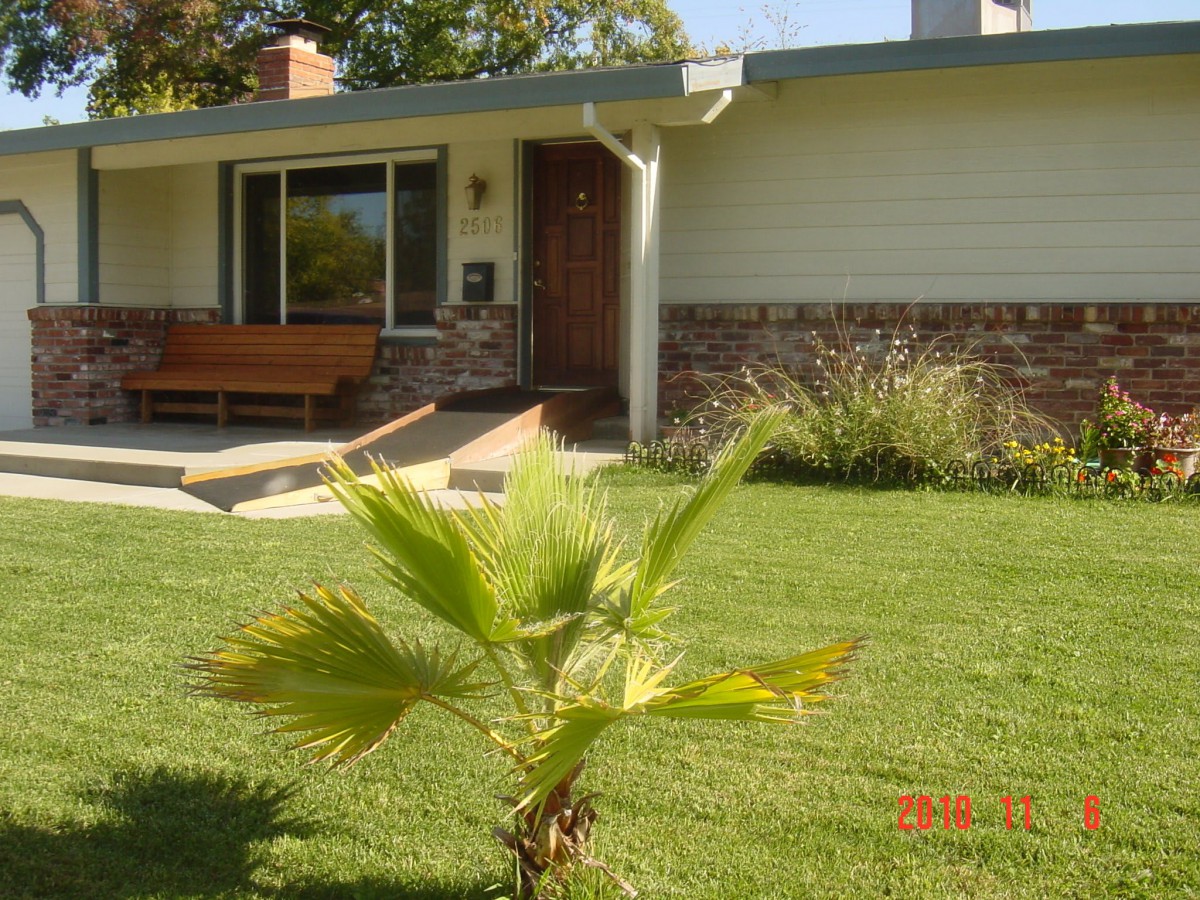
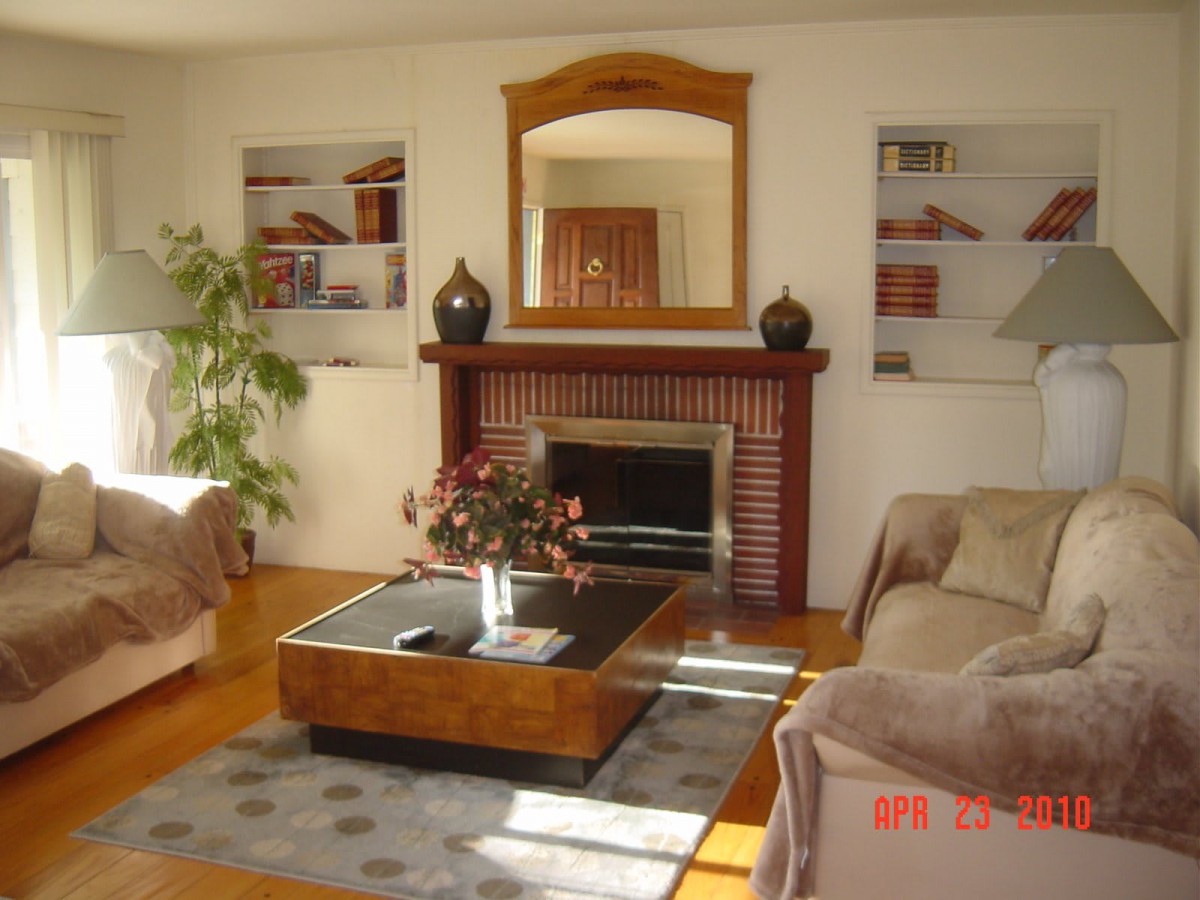
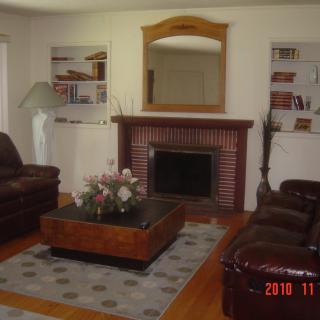
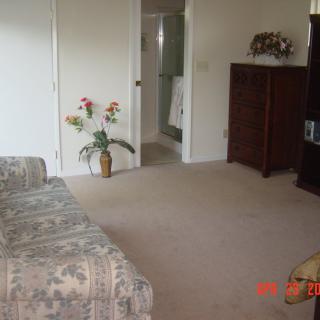
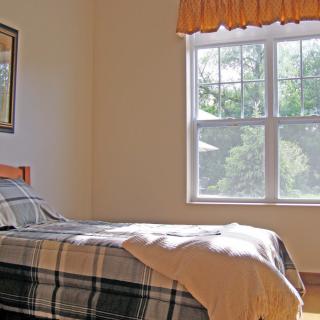
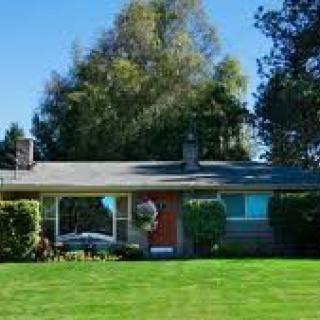
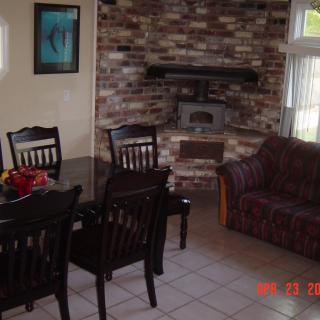

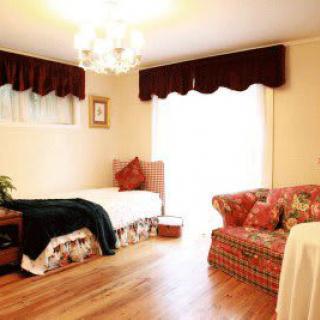
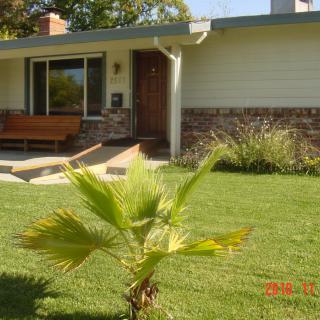
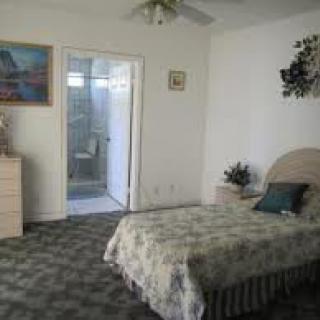
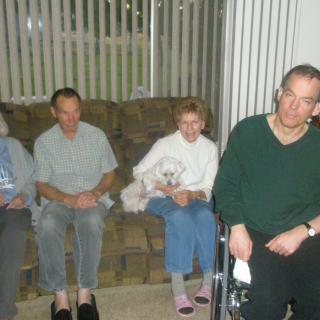
2506 Castlewood Drive, Sacramento, CA 95821
For more information about senior living options: (866) 208-4318
Sunny Beach Villa Costs & Pricing
Sunny Beach Villa offers competitive pricing for its accommodations when compared to the broader Sacramento County and state averages. For a semi-private room, the cost is $2,500 per month, significantly undershooting the county's average of $3,106 and California's statewide average of $3,333. Similarly, the private room option at Sunny Beach Villa is priced at $3,000, which is notably lower than both the county's average of $3,686 and the state's average of $3,939. Even for those seeking a one-bedroom unit, Sunny Beach Villa remains appealingly priced at $3,500 compared to Sacramento County's average of $3,758 and California's higher average of $4,340. These figures illustrate that Sunny Beach Villa presents a financially attractive alternative for potential residents looking to balance quality care with cost-efficiency in their housing choice.
| Floor plans | Sunny Beach Villa | Sacramento County | California |
|---|---|---|---|
| Semi-Private | $2,500 | $3,106 | $3,333 |
| Private | $3,000 | $3,686 | $3,939 |
| 1 Bedroom | $3,500 | $3,758 | $4,340 |
Memory care communities with a similar price nearby
-
About the same
Eastern Manor
$2,500 to $3,000 / month1.3 miles away -
About the same
A.R.C. Manor of Folsom
$2,500 to $3,500 / month12.0 miles away -
from +$300 / mo

American River Care Home
$2,800 to $3,000 / month0.9 miles away -
About the same
Loomis Home Care
$2,500 to $4,000 / month19.0 miles away -
from +$300 / mo
Golden Girls
$2,800 to $3,000 / month11.1 miles away
Overall Review of Sunny Beach Villa
Pros
 They were the best group of people, including my mom's roommates.
- They were very caring and very knowledgeable.
- It felt very safe to leave my mom there.
- The place was the best.
- They would be highly recommended.
Cons
 The facility does not accept dementia residents.
- It was not interested in taking on a new resident during the pandemic, with one caregiver for three older women.
Review
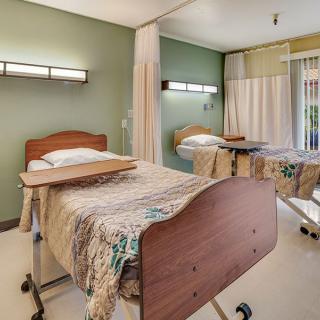
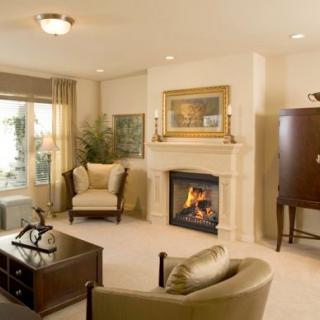
Sunny Beach Villa in Sacramento is best suited for families seeking a small, home-like assisted living option where residents receive highly personalized attention from a tight-knit staff. The community thrives when a senior is relatively independent but benefits from consistent daily support, companionship, and the reassurance that caregivers know each resident by name and routine. This setting works best for families who prize warmth, safety, and a sense of belonging over expansive programming or resort-like amenities.
Those with dementia or memory-care needs will want to consider alternatives. Not accepting dementia residents immediately rules out Sunny Beach Villa for anyone whose loved one is or may become memory-impaired. Similarly, families prioritizing robust clinical oversight, structured cognitive programming, or access to a wider network of specialists and activities may find the neighborhood feel limiting. This is a small, intimate operation, not a memory-care campus or a large, resource-rich community.
The strongest pros are the people who run and live at Sunny Beach Villa. Families repeatedly describe the staff and roommates as “the best,” highlighting care that feels knowledgeable, compassionate, and deeply dependable. The sense of safety is palpable; families express confidence leaving a loved one there, knowing the setting is intimate enough to allow attentive monitoring while still preserving autonomy. These relational strengths, trustworthy caregivers and a positive peer environment, offer clear advantages for residents who need daily help but do not require highly clinical management.
Yet the cons are concrete and shape the decision. A single caregiver in the mix suggests potential bottlenecks in responsiveness and limits on capacity, particularly during absences or high-demand moments. The admission policy is similarly constraining: the facility has maintained a stable population rather than integrating new residents, especially those with dementia. In practice, this translates to a community that feels steady and familial but may be inflexible for families hoping to place someone who will eventually need more specialized memory support or who anticipate future changes in care needs.
For families weighing options, the key trade-off is clear. If the prospective resident matches the current profile, a non-dementia senior who thrives on a homelike atmosphere and relies on steady, intimate caregiving, the pros strongly offset the main drawbacks. The emotional reward of a safe, beloved community where staff are described as caring and knowledgeable can outweigh the lack of memory-care services and the staffing constraints. On the other hand, if memory care, flexible admissions, or scalable staffing are non-negotiables, Sunny Beach Villa is likely not the right fit.
The practical conclusion is decisive. Sunny Beach Villa delivers a remarkable, intimate living experience with deeply personal attention and strong, affectionate peer relationships. The price of that strength is a narrow admissions path and a staffing model that cannot readily absorb residents with evolving dementia or significant clinical needs. Prospective families should verify current staffing ratios, confirm admission policies for memory-impaired residents, and probe the facility’s contingency plans for caregiver absences. If memory care or rapid scaling of services remains a possibility for the resident, alternatives such as larger assisted living communities or dedicated memory-care settings deserve serious consideration. For those aligned with a dementia-free, community-first model, this villa can be a standout choice, offering a trusted home where warmth and safety are the dominant currency.
 6 resident community capacity
 Assisted Living
 Board and Care Home
 Memory Care
 Cats allowed
 Dogs allowed
 Activities off-site
 Beautician on-site
 Cable or satellite TV
 Dining room
 Fully furnished
 Garden
 Housekeeping services
 Indoor common areas
 Move-in coordination
 Outdoor common areas
 Private
 Private bathrooms
 Respite or short term stays offered
 Telephone
 Wheelchair accessible showers
 Wi-Fi/high-speed internet available
 Sacramento International (12 miles away)
 24-hour supervision
 Assistance with bathing
 Assistance with dressing
 Assistance with transfers
 Diabetes diet
 Diabetic care
 High acuity care
 Incontinence care
 Meal preparation and service
 Medication management
 Special dietary restrictions
 Transportation arrangement (medical)
 Transportation to doctors appointments
 A Holistic Dementia Care Guide: Effective Strategies for Memory Support
 Memory Care Pathways: A Holistic Guide to Dementia Support
 Comprehending Evening Confusion in Dementia: Causes, Manifestations, and Support