
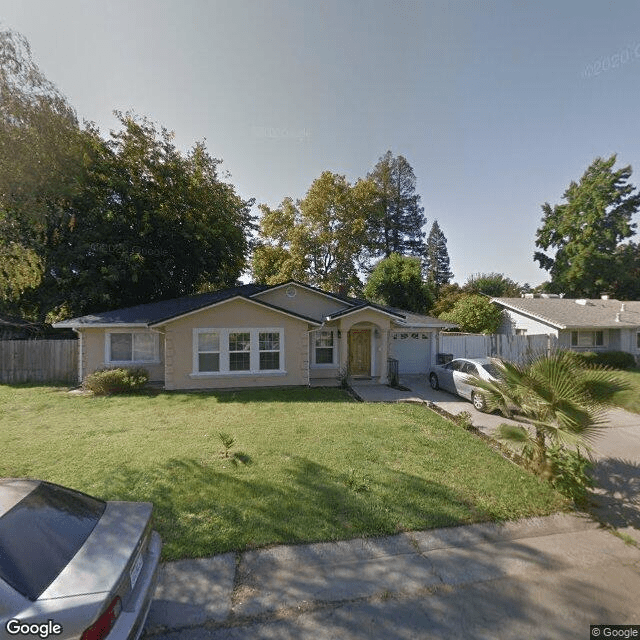
3630 West Way, Sacramento, CA 95821
For more information about senior living options: (866) 208-4318
Cali Care Retirement Home Costs & Pricing
Cali Care Retirement Home offers a premium experience with its monthly costs reflecting the higher end of the spectrum when compared to both Sacramento County and the broader California market. For a semi-private room, residents can expect to pay $4,000 per month, which is significantly above the county average of $3,106 and the state average of $3,333. Similarly, the private room option at Cali Care is priced at $5,800, markedly higher than the local county rate of $3,686 and the state average of $3,939. While these rates may seem elevated in comparison to regional norms, they likely correspond with enhanced services and amenities designed to provide an exceptional quality of life for residents.
| Floor plans | Cali Care Retirement Home | Sacramento County | California |
|---|---|---|---|
| Semi-Private | $4,000 | $3,106 | $3,333 |
| Private | $5,800 | $3,686 | $3,939 |
Assisted Living communities with a similar price nearby
-
from +$500 / mo
Montclair Villa
$4,500 / month13.9 miles away -
from +$500 / mo
Sunriver Senior Care
$4,500 / month6.1 miles away -
from +$150 / mo
Ferrari
$4,150 to $5,500 / month16.1 miles away -
from +$590 / mo

Immaculate Care Home
$4,590 / month13.8 miles away -
from +$500 / mo
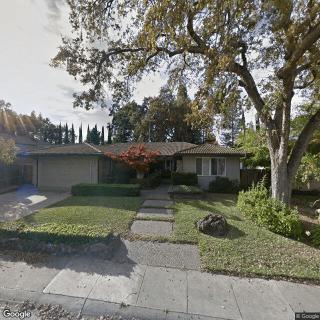
Century Care Home
$4,500 / month7.2 miles away
Overall Review of Cali Care Retirement Home
Pros
 The staff treated her with exceptional care.
- Residents were consistently well cared for and treated like family.
- Holidays and birthdays are always celebrated, and staff do their best to make everyone feel at home.
- The care provided makes residents feel valued and appreciated.
Review
Cali Care Retirement Home in Sacramento is best suited for seniors who prize a warm, home-like atmosphere and consistent, hands-on staff attention. The most compelling testament comes from a family member who appreciated how well the mother was treated, with care that extended beyond basic tasks to genuine belonging. For families, the emphasis on never missing special days , holidays and birthdays , signals a culture oriented toward emotional well‑being and social continuity. Residents are described as being treated “like a family,” which translates into safer, more confident daily living for those who rely on dependable, personable caregivers. In short, this community is ideal for seniors who value intimate, relational care over a transactional feel.
For those who need more formalized medical oversight, advanced memory care, or a larger, more expansive campus with a wide menu of services, alternatives should be considered. The review does not speak to the depth of clinical support, pain management protocols, or specialized programs that some families require. It also leaves questions about staffing ratios, the availability of on-site nursing, meal variety, and transportation options. If a resident requires frequent medical coordination, complex medication administration, or structured daily schedules beyond social engagement, exploring other communities may yield a better fit.
Yet the strongest pro , staff attentiveness that makes each resident feel seen and valued , can significantly offset potential drawbacks. When caregivers are consistent and friendly, the risk of isolation or neglect diminishes, and residents participate more willingly in routines, meals, and activities. The ability to celebrate birthdays and holidays in a way that feels meaningful also mitigates common concerns about boredom or loneliness in smaller settings. The home-like atmosphere reduces the emotional stress that often accompanies transitions into assisted living. For many families, these intangible benefits are as important as, or more important than, glossy amenities.
Without explicit data on activity calendars, meal quality, or safety features, the review still implies a coherent, resident-centered daily life. The kindness described by staff and the sense of family can translate into steadier mood, better cooperation with care plans, and fewer agitation episodes for residents with memory challenges. However, the lack of detail about medical services means that any resident with rising needs should verify the level of clinical support before moving in. Pros offset cons when the care experience is personal and reliable; cons become less daunting when the environment invites residents to engage at their own pace without feeling rushed.
Prospective buyers should prioritize visits with observation: watch how staff interact with residents, ask about emergency response times, review typical meal options, and confirm the availability of transportation and medication administration. Request a sample weekly schedule, a copy of the resident agreement, and a candid discussion about costs and what is included. Also clarify whether memory support, complex wound care, or on-call nursing are available, and who coordinates with outside physicians. By verifying these elements, families can determine whether the warmth translates into reliable, day-to-day competency.
Overall, Cali Care Retirement Home appears to offer a compelling choice for families seeking a small‑scale, people-first living experience in Sacramento. Its standout strength, genuine staff devotion and a homey culture that honors residents on their special days, can deliver meaningful quality of life for seniors who thrive on personal connection. If those factors align with a loved one’s priorities, this community warrants serious consideration. On the other hand, if medical intensity, robust programming, or broader amenities are nonnegotiable, exploring additional options is prudent. The next step is a guided tour combined with direct discussions about care plans, costs, and the specifics of daily life to confirm fit.
 6 resident community capacity
 Assisted Living
 Board and Care Home
 Respite Care
 Activities on-site
 Cable or satellite TV
 Dining room
 Fully furnished
 Garden
 Housekeeping services
 Move-in coordination
 Outdoor common areas
 Private
 Private bathrooms
 Telephone
 Wheelchair accessible showers
 Wi-Fi/high-speed internet available
 Sacramento International (12 miles away)
 24-hour supervision
 Assistance with bathing
 Assistance with dressing
 Assistance with transfers
 Diabetes diet
 High acuity care
 Incontinence care
 Meal preparation and service
 Medication management
 Special dietary restrictions
 Transportation arrangement (medical)
 Transportation to doctors appointments
 BBQs or picnics
 Birthday parties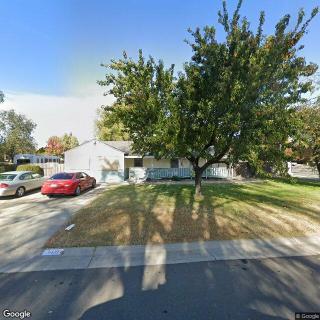

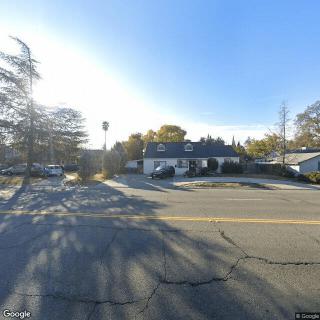

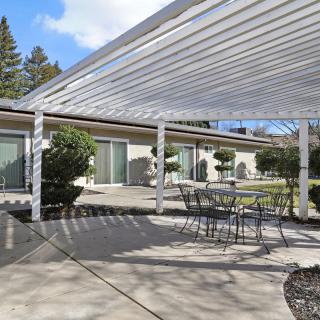

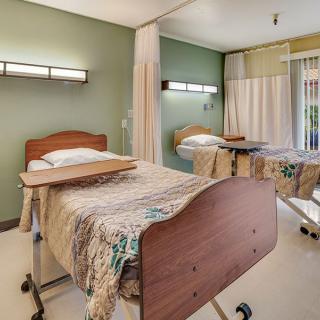

 Comprehensive Residential Support and Assisted Living Solutions for Individuals with Disabilities
 Comprehensive Supportive Living Arrangements for Adults with Disabilities
 Funding and Affording Assisted Living: A Thorough Overview