

3812 Whitney Ave, Sacramento, CA 95821
To contact a resident: (916) 723-8480
For more information about senior living options: (866) 208-4318
Overall Review of Aloha Board & Care
Pros
 Grandma feels at home.
- The food is very good.
- The staff is friendly and professional.
Review
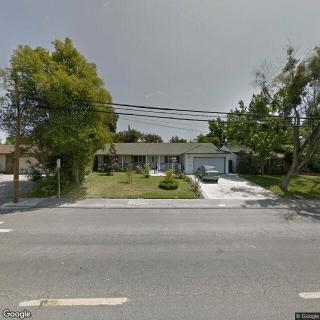
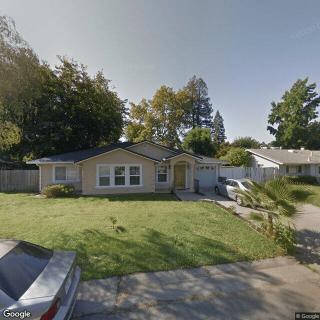
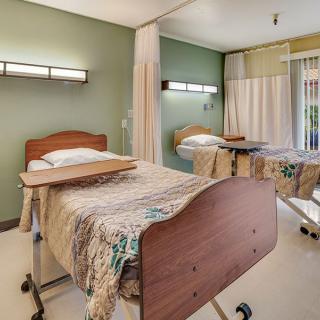
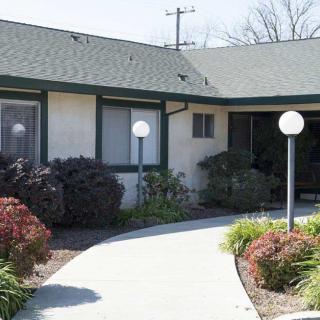
Aloha Board & Care in Sacramento is best suited for seniors who want a compact, home-like living environment where staff know residents well, daily life centers on warmth, and personal attention comes without the bustle of a large campus. This community fits families seeking an intimate, low-key setting rather than a resort-style experience, where routines feel predictable and caregiving feels personal. It works especially well for residents who thrive on a sense of belonging, straightforward meals, and direct, immediate access to caregivers without navigating a labyrinth of departments. The emphasis is on comfort, familiarity, and steady, hands-on support.
Those weighing alternatives should note that residents with higher medical needs or dementia requiring specialized programming may want to look elsewhere. If 24/7 licensed nursing oversight, memory-care specific environments, or robust on-site therapies are non-negotiable, larger assisted living facilities or dedicated memory care communities may deliver safer continuity of care. Transportation to varied appointments, structured activity calendars, and a wider array of clinical services are other areas where bigger communities often outperform smaller board-and-care homes. In short, the intimate format is ideal for steady, daily support, not for intensive clinical oversight.
The strongest positives, home-like belonging, high-quality meals, and friendly, professional staff, combine to create a living experience that feels reassuring and uncomplicated. Grandma’s sense of being “at home” translates into calmer days, lower friction with routine tasks, and more cooperative engagement in daily activities. Very good food removes a common stress point for families and residents alike, supporting appetite, nutrition, and mood. The staff’s friendly professionalism underpins reliable assistance, timely responds to requests, and a perception of safety. Taken together, these elements deliver predictable, dignified living that reduces the friction often found in more clinical environments.
Yet, the absence of explicit cons in a single review invites practical caution. The small, board-and-care model inherently carries trade-offs: service scope may be narrower than larger campuses, with fewer on-site health professionals and a less expansive activity calendar. For families monitoring ongoing medical needs, medication management, or mobility support beyond basic assistance, those gaps can matter. The upside, intimate attention and a homey atmosphere, does not fully compensate if the resident’s needs evolve into complex care, continuous nursing, or specialized behavioral programs. The key is to verify, up front, whether a resident’s care plan can be fully implemented within this setting without compromising safety or dignity.
To separate fit from misfit, pursue a focused due diligence routine. Inquire about staffing levels per shift, nurse availability, and whether a licensed clinician is on site or on call. Obtain a clear written care plan that aligns with the resident’s current and anticipated needs, and confirm the food program’s adaptability to dietary restrictions. Inspect safety systems, emergency call devices, fall-prevention features, mobility-accessible design, and verify what is included in the base rate versus add-ons for higher care needs. Ask for references and, if possible, request a short trial stay to observe interactions across various shifts and meal times. This practical vetting will reveal whether the warmth and appetite for daily life translate into reliable, sustained quality of care.
When a match is found, Aloha Board & Care offers a compelling combination of home-like warmth, good cuisine, and consistently pleasant staff dynamics. It stands as a strong choice for residents who prize intimate caregiving, predictable routines, and a peaceful daily rhythm. For families with residents who require ongoing medical attention beyond ADL support, or who crave a more diverse activity lineup, it is prudent to consider alternatives. The prudent path is a guided visit, a concrete care-and-cost checklist, and a plan for ongoing quality checks. With those checks in place, this community can serve as a durable, satisfying home base for the right senior.
 Board and Care Home
 Sacramento International (13 miles away)




 Is a Geriatric Care Manager the Right Choice for Your Family?
 Compassionate Conversations: How to Comfort Someone Who Is Grieving
 Home Health Care Aides: Understanding Their Role and Supporting Your Family