

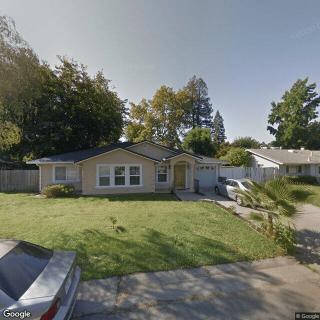
3933 Edison Ave, Sacramento, CA 95821
To contact a resident: (916) 487-9601
For more information about senior living options: (866) 208-4318
St. Peter's Guest Home Costs & Pricing
St. Peter's Guest Home offers competitive pricing for its accommodations when compared to both Sacramento County and the broader California market. For semi-private rooms, residents are charged $2,500 per month, which is significantly lower than the county average of $3,106 and the state average of $3,333. Similarly, the monthly rate for private rooms at St. Peter's stands at $3,000, again undercutting both Sacramento County's average of $3,686 and California's general average of $3,939. These rates reflect St. Peter's commitment to providing quality care at a more accessible price point for families seeking supportive living options in a comfortable environment.
| Floor plans | St. Peter's Guest Home | Sacramento County | California |
|---|---|---|---|
| Semi-Private | $2,500 | $3,106 | $3,333 |
| Private | $3,000 | $3,686 | $3,939 |
Senior living communities with a similar price nearby
-
About the same
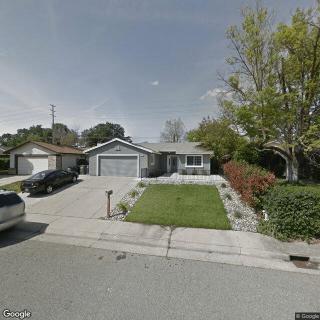
Sunrise Senior Care
$2,500 to $3,500 / month6.6 miles away -
About the same

Gina's Home Care
$2,500 / month3.9 miles away -
About the same

Lucian Home
$2,500 / month8.5 miles away -
from +$152 / mo

All Care Home Health Svc
$2,652 / month6.2 miles away -
About the same
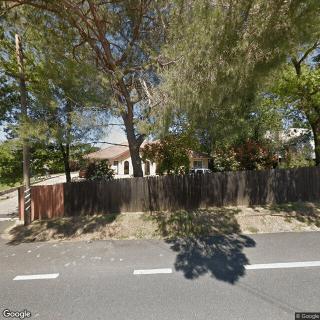
A Five Star Residence for Seniors
$2,500 to $3,200 / month7.7 miles away
Overall Review of St. Peter's Guest Home
Pros
 The home is beautiful and the staff are caring.
- Crisina Jackson is thorough and willing to assist as needed.
- The facility is very clean and friendly.
- The staff are accommodating and on top of everything.
- They notify families about medications ahead of time so refills can be arranged.
- The small size allows for extra personalized care.
- Residents receive good care, including daily exercise.
Cons
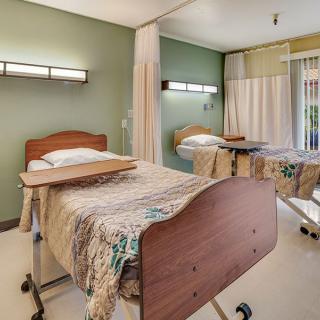
 The rooms were really small.
- The rooms were too small to fit any of his furniture.
- There were no openings at the time.
Review
St. Peter’s Guest Home is best suited for seniors who want a small, home-like setting with highly attentive, hands-on daily care. It works well for residents who need help getting out of bed, assistance with bathroom needs, and regular, proactive oversight of medications, all delivered in a intimate environment. With just five residents at a time, the community prioritizes personalized attention over breadth of services, making it ideal for families prioritizing safety, daily accountability, and a calm, homelike routine. Those who prize independence, expansive private rooms, or elaborate social programming may find this setting too constrained and should consider alternatives.
The strongest early impression is the quality of care delivered by a caring, professional staff. The home itself is described as beautiful, clean, and very friendly, with a culture of accommodation and responsiveness. Families reported being kept well informed about medications and refill timing, reducing the risk of lapses in treatment. A standout staff member is highlighted for thoroughness and a willingness to assist as needed, underscoring a level of attentiveness that stands apart in a small, intimate operation. In short, administrative and clinical oversight feels tight, and families feel confident in how daily needs are addressed.
Another clear advantage is the compact, low‑stress scale. With only a handful of residents, care spheres are narrow enough to allow daily routines to be customized and monitored closely. The facility’s small size translates into regular, visible oversight and a greater sense of security for anxious families. The care extends to routine exercise for residents, a practical and tangible benefit that supports mobility, mood, and overall health. The combination of cleanliness, friendliness, and proactive daily engagement creates a reliable support system that reduces the burden on relatives who might otherwise worry about missed tasks or forgotten medications.
However, the most salient drawbacks center on space and availability. Rooms are described as small, making it difficult to fit typical furniture or to recreate a resident’s preferred personal environment. For some, this could diminish comfort or a sense of belonging in a new home. Availability can be an issue as well; at times there are no openings, which complicates planning for families seeking a move-in timeline. These constraints matter when independence is a priority or when a resident requires a more expansive living area to feel truly at home.
These cons do not erase the strengths, but they do reframe the decision. The exceptional care, meticulous medication management, and daily exercise regime offset the trouble of limited space by delivering a level of reliability and peace of mind that larger communities may dilute. The intimate setting fosters an understanding of each resident’s routines and preferences, enabling precise adjustments that can improve daily quality of life. For families weighing options, the trade-off is clear: invest in a warm, attentive, and well-run small home at the expense of square footage and broad social programming.
Ultimately, St. Peter’s Guest Home serves as a practical, well‑targeted choice for seniors who need consistent assistance with daily activities and medications, while thriving in a quiet, homelike atmosphere. It is less suitable for those who require bigger rooms, more independence, or a wider array of social opportunities. For families deciding between options, this community stands out as a strong match when the priority is dependable daily care and a nurturing environment rather than volume of amenities. If those priorities align, St. Peter’s Guest Home delivers confident, compassionate support that can ease the transition and sustain comfort over time.
 Board and Care Home
 Private
 Sacramento International (13 miles away)




 Exploring Palliative Care in the Home: A Comprehensive Overview
 Comprehensive Insights into Palliative Home Care: What It Is and What to Expect
 Skilled Nursing Facilities vs. Nursing Homes: Making Sense of the Differences