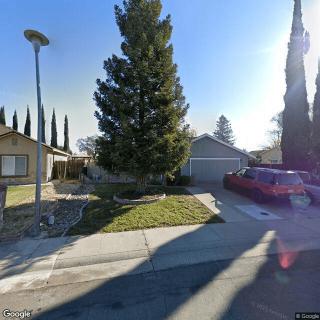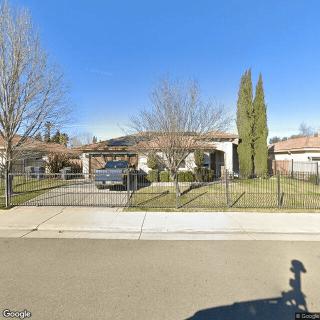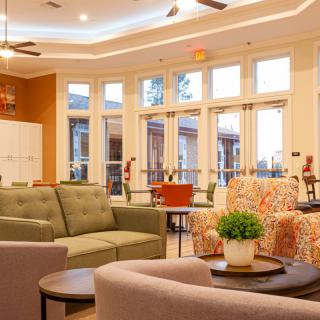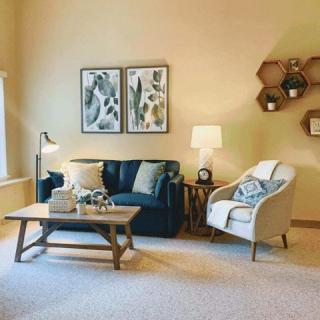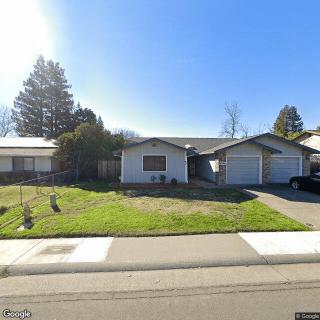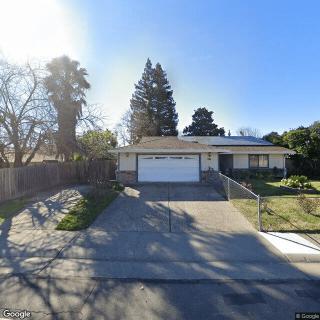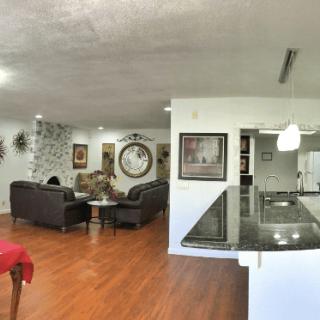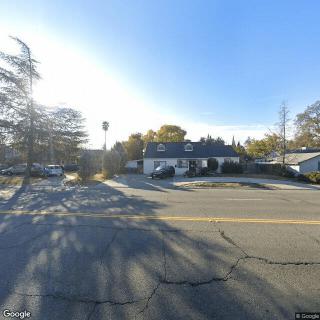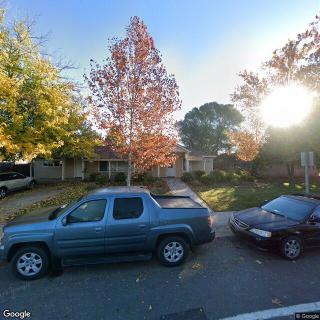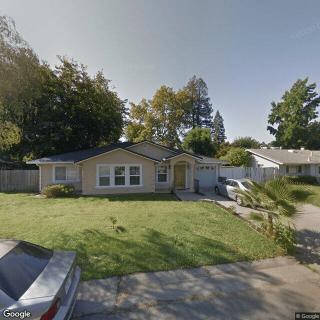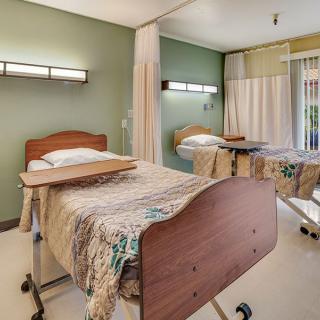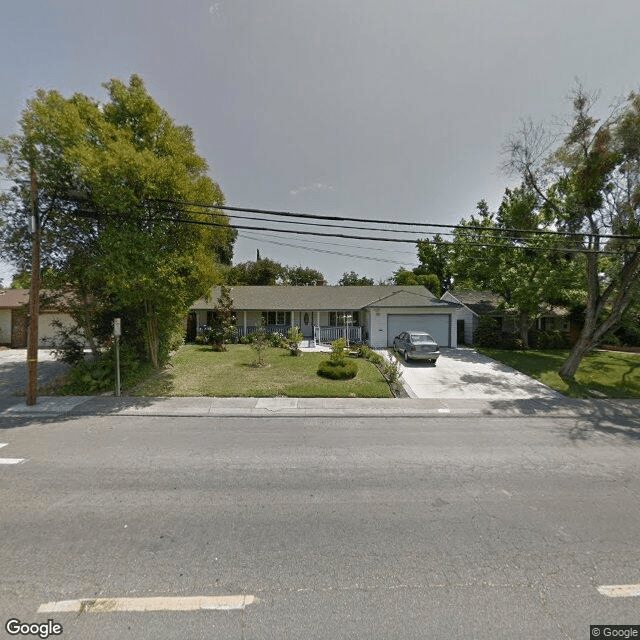
Rose Garden Care Home in Sacramento, CA

Save
Rose Garden Care Home

Rose Garden Care Home in Sacramento, CA

3442 Norris Avenue, Sacramento, CA 95821

For more information about senior living options: (844) 490-3973

1 from 1 review
Assisted Living Board and Care Home Memory Care Respite Care

Rose Garden Care Home Costs & Pricing

Rose Garden Care Home offers competitive pricing for its residents, particularly when compared to the broader market in Sacramento County and across California. For semi-private rooms, Rose Garden charges $2,000 per month, significantly lower than the county average of $3,106 and the state average of $3,333. Similarly, their private rooms are priced at $2,800, which is considerably more affordable than the county's average of $3,686 and the state average of $3,939. This cost structure not only reflects a commitment to accessibility but also positions Rose Garden Care Home as a financially attractive option for families seeking quality care in a supportive environment.

Floor plansRose Garden Care HomeSacramento CountyCalifornia
Semi-Private$2,000$3,106$3,333
Private$2,800$3,686$3,939

What level of care are you interested in?

Assisted Living

Memory Care

Independent Living

Skilled Nursing Facility

Continuing Care Retirement Community (CCRC)CCRC

Other


Request a tour at Rose Garden Care Home

    Overall Review of Rose Garden Care Home

    Pros

    • pro The reviewer described Rose Garden as perfect for her sister who has dementia.
    • pro The reviewer noted that the sister could bring her dog with her.
    • pro Daniel stated that the situation would not be a problem and that he had dealt with similar behavior before.
    • pro The reviewer highlighted Daniel's experience in handling such cases as a positive reassurance.

    Cons

    • pro The reviewer would have given no stars and urged others to stay far away from Rose Garden.
    • pro Rose Garden was deemed unsuitable for the sister with dementia, who was described as too hyper for the place.
    • pro The staff, especially Daniel, repeatedly claimed the sister's behavior would not be a problem, which the reviewer viewed as misleading.
    • pro The sister had to be moved out the same day because she upset other residents.
    • pro The family did not receive a refund for deposits and fees, even 17 days later.
    • pro They had to hire an attorney to obtain the refund.

    Review

    Rose Garden Care Home in Sacramento is best suited for seniors who are largely stable, do not require specialized dementia care, and for families who place some value on a small, pet-friendly setting. The facility's advertised openness to residents bringing a dog can feel attractive to families hoping to preserve that companionship, signaling a flexible, home-like atmosphere. Yet the practical takeaway is clear: this community appears to work best when behavioral and cognitive needs are minimal and predictable, and it struggles when those needs rise.

    Those considering alternatives should pay particular attention to residents with dementia or any tendency toward hyperactivity or aggressive behavior. The experience described here shows that even with assurances from staff, a resident with significant behavioral challenges can trigger rapid, chaotic changes in placement and safety. For families needing steadfast commitments, transparent eligibility criteria, and reliable refunds, Rose Garden is not the dependable option. Memory-care communities with proven dementia protocols and clearer, written guarantees are a more prudent target for this level of care.

    On the upside, the most tangible pro cited is the ability to accommodate a beloved pet, which reflects a genuine, if uneven, willingness to tailor to individual preferences. Staff claimed extensive experience with difficult behaviors, which could be interpreted as a potential strength in a calmer scenario. These elements, however, fail to offset the central risk demonstrated in the move-in episode: once the situation escalated, the facility could not sustain placement or honor financial commitments in a timely, trustworthy manner. The gap between verbal assurances and actual outcomes becomes the dominant factor for families evaluating this community.

    From a decision-making standpoint, prospective residents should seek concrete, written proof of all behavioral policies before any commitment. Insist on a formal, documented care plan that outlines how staff would handle dementia-related agitation, aggression, or extreme hyperactivity, and require an explicit acceptance criteria and trial period. Demand clarity on pet policies with reserved language about contingencies if behavior changes. Crucially, obtain a written refund policy and a named contact responsible for financial issues, to avoid a repeat of the experience where refunds were delayed or withheld.

    Financial and safety risk emerge as the decisive considerations. The family in the account faced a substantial financial commitment - a $3,450 move-in payment after an initial $500 deposit - and did not recover funds when the arrangement collapsed within hours. That kind of financial exposure, paired with the abrupt removal of a resident and its ripple effects on other residents, signals a fragile risk management posture. The episode points to potential gaps in communication, accountability, and preparedness to address unexpected behavioral escalations, all of which are unacceptable for families seeking stability and trust.

    In the end, Rose Garden Care Home is not a prudent choice for families facing dementia-related care needs or for those who demand reliable, enforceable commitments. The strongest recommendation is to pursue alternatives with documented success in managing cognitive impairment and behavior, with transparent contracts and a track record of honoring deposits and refunds. For families considering Rose Garden, separate the hopeful impression of a cozy, dog-friendly setting from the hard realities of behavior management and financial protections, and choose a community where policies, promises, and practice align under scrutiny before any move is made.

    Features

    Housing

    • 5 resident community capacity 5 resident community capacity

    Types of Care

    • Assisted Living Assisted LivingAssisted living facilities provide crucial support and care for seniors who may need help with daily tasks such as medication management, bathing, and meal preparation. These communities offer a safe and comfortable environment where seniors can maintain their independence while receiving the assistance they need to thrive in their golden years.
    • Board and Care Home Board and Care HomeBoard and care homes provide a smaller, more intimate setting for seniors who require assistance with daily tasks but do not need the level of care offered by a nursing home. They offer personalized care, meals, and social activities in a homelike environment, ensuring that seniors receive individualized attention and support in their golden years.
    • Memory Care Memory CareMemory care is crucial for seniors as it provides specialized support and services for individuals with dementia or Alzheimer's disease. These programs offer a safe and secure environment where residents receive personalized care, cognitive stimulation, and help with daily activities. Memory care helps seniors maintain their independence, quality of life, and dignity while also providing peace of mind for their families.
    • Respite Care Respite CareRespite care provides temporary relief for caregivers, allowing them to recharge and attend to their own needs. It also gives seniors the opportunity to socialize, receive professional care, and experience a change of scenery, promoting overall well-being and reducing feelings of isolation.

    Pets

    • Cats allowed Cats allowed"Pet friendly" senior living communities are important for seniors because pets provide companionship, reduce feelings of loneliness and depression, promote physical activity and mental stimulation, and offer a sense of purpose and responsibility. Pets can improve overall well-being and quality of life for seniors in many ways.
    • Dogs allowed Dogs allowed"Pet friendly" senior living communities are important for seniors because pets provide companionship, reduce feelings of loneliness and depression, promote physical activity and mental stimulation, and offer a sense of purpose and responsibility. Pets can improve overall well-being and quality of life for seniors in many ways.

    Amenities

    • Activities off-site Activities off-siteEngaging in off-site activities is crucial for seniors to maintain social connections, stay active, and stimulate their minds. It promotes overall well-being and helps combat feelings of isolation and loneliness.
    • Cable or satellite TV Cable or satellite TVCable or satellite TV is important for seniors because it provides entertainment, news, and companionship, helping to combat loneliness and boredom. It also offers a wide range of programming options tailored to different interests and preferences.
    • Devotional services off-site Devotional services off-siteDevotional services off-site are important for seniors as they provide spiritual nourishment, social engagement, and a sense of community outside of the senior living facility. This can enhance overall well-being and help combat feelings of isolation and loneliness often experienced by older adults.
    • Dining room Dining roomDining rooms are important for seniors as they provide a space for socialization, connection, and nutritious meals. They offer opportunities for residents to bond over shared meals, foster a sense of community, and promote healthy eating habits. Dining rooms also ensure that seniors have access to well-balanced meals tailored to their dietary needs and preferences.
    • Fully furnished Fully furnishedFully furnished senior living communities are important for seniors because they provide convenience, comfort, and a hassle-free moving experience. Seniors can easily settle into their new living space without the stress of having to buy and move furniture. This allows them to focus on enjoying their new home and community.
    • Garden GardenGardens are important for seniors as they provide a peaceful and therapeutic environment for relaxation, physical activity, and socialization. Being in nature has been shown to reduce stress, improve mood, and promote overall well-being. Gardens also offer opportunities for seniors to engage in gardening activities, which can improve mobility, flexibility, and cognitive function. Additionally, gardens create a sense of community and connection with others who share a passion for plants and outdoor spaces.
    • Housekeeping services Housekeeping servicesHousekeeping services are important for seniors because they help maintain a clean and safe living environment, promote independence, and reduce the risk of accidents or illnesses. Additionally, having assistance with household chores can alleviate physical strain and allow seniors to focus on other aspects of their well-being.
    • Indoor common areas Indoor common areasIndoor common areas are crucial for seniors as they provide a space for socialization, recreation, and community engagement, promoting overall well-being and reducing feelings of isolation and loneliness.
    • Move-in coordination Move-in coordinationMove-in coordination is important for seniors because it helps ease the transition into their new living environment. It ensures that all logistics, such as packing, organizing movers, and setting up utilities are taken care of, allowing seniors to focus on settling in and adjusting to their new home. Having a smooth move-in process can alleviate stress and anxiety, making the transition smoother and more enjoyable for seniors.
    • Outdoor common areas Outdoor common areasOutdoor common areas are important for seniors as they provide a space for socialization, physical activity, and relaxation. Being outside in nature can improve mood and overall well-being, while also encouraging movement and engagement with others. These spaces can help combat feelings of isolation and promote a sense of community among residents.
    • Outdoor space Outdoor spaceOutdoor spaces are important for seniors as they provide opportunities for physical activity, social interaction, exposure to natural light and fresh air, and a sense of connection to nature. Having access to outdoor spaces can improve overall well-being and quality of life for older adults living in senior communities.
    • Private PrivatePrivacy is important for seniors as it allows them to maintain their independence, dignity, and sense of control over their own lives. It also gives them the space and freedom to relax, reflect, and engage in activities that bring them joy and fulfillment. Creating private spaces within senior living facilities is crucial for promoting overall well-being and quality of life.
    • Telephone TelephoneTelephones are important for seniors as they provide a lifeline for communication with loved ones, emergency services, and healthcare providers. They offer a sense of security and independence, enabling seniors to stay connected and access assistance when needed.
    • Wheelchair accessible showers Wheelchair accessible showersWheelchair accessible showers are crucial for seniors as they provide a safe and independent bathing option for those with mobility challenges. These showers help prevent falls and allow seniors to maintain their dignity and autonomy while ensuring they can bathe comfortably.
    • Wi-Fi/high-speed internet available Wi-Fi/high-speed internet availableWi-Fi/high-speed internet is important for seniors to stay connected with loved ones, access online resources, and participate in virtual activities to combat feelings of loneliness and isolation. It also allows them to easily manage healthcare needs, access entertainment, and engage in lifelong learning opportunities.

    Transportation

    • Sacramento International (13 miles away) Sacramento International (13 miles away)

    Care Services

    • 24-hour supervision 24-hour supervision24-hour supervision is important for seniors to ensure their safety, well-being, and access to immediate assistance in case of emergencies or health issues. This constant support provides peace of mind for both seniors and their loved ones, allowing them to age in place with dignity and security.
    • Activities of daily living assistance Activities of daily living assistanceActivities of daily living assistance are important for seniors because they provide essential support with tasks such as eating, bathing, dressing, and mobility. This assistance helps seniors maintain their independence, dignity, and overall quality of life as they age.
    • Ambulatory care Ambulatory care"Ambulatory care services provide essential medical support and treatment to seniors without requiring hospitalization, allowing them to maintain their independence and quality of life while managing chronic conditions or receiving routine medical care."
    • Assistance with bathing Assistance with bathingAssistance with bathing is crucial for seniors as it helps maintain personal hygiene, prevents infections, and ensures their overall well-being and comfort. It also provides a sense of dignity and independence for seniors who may struggle with this task on their own.
    • Assistance with dressing Assistance with dressingAssistance with dressing is important for seniors because it helps maintain their independence, promotes personal hygiene, prevents accidents and injuries, and improves overall quality of life. This service ensures that seniors can continue to dress comfortably and confidently, despite any physical limitations they may have.
    • Assistance with transfers Assistance with transfersAssistance with transfers is crucial for seniors as it helps prevent falls and injuries, maintains their independence, and ensures they can safely navigate their living environment. It also provides peace of mind for both seniors and their loved ones.
    • Coordination with health care providers Coordination with health care providersCoordination with health care providers is crucial for seniors to ensure proper medical care, medication management, and overall well-being. This collaboration helps prevent overlapping treatments, track progress more effectively, and provide comprehensive support tailored to individual needs.
    • Diabetes diet Diabetes dietA diabetes diet is crucial for seniors as it helps manage blood sugar levels, reduce risks of complications, and improve overall health and well-being. By following a balanced and nutritious diet tailored to their specific needs, seniors can better control their diabetes and enhance their quality of life.
    • Incontinence care Incontinence careIncontinence care is essential for seniors to maintain their dignity, hygiene, and overall quality of life. By addressing incontinence issues promptly and effectively, seniors can enjoy a sense of independence and comfort in their daily activities.
    • Meal preparation and service Meal preparation and serviceMeal preparation and service are crucial for seniors as they may have limited mobility or energy to cook nutritious meals. Having access to healthy and convenient food options can ensure they are getting the proper nutrition needed to maintain their overall health and well-being.
    • Medication management Medication managementMedication management is crucial for seniors to ensure they are taking the right medications at the correct dosages and times. This helps prevent adverse drug interactions, reduces the risk of medication errors, and promotes overall health and well-being. Proactive management also allows for adjustments as needed based on changing health conditions or new prescriptions.
    • Special dietary restrictions Special dietary restrictionsSpecial dietary restrictions are important for seniors because age-related changes in metabolism and health conditions can make it difficult for their bodies to process certain foods. By following a diet tailored to their specific needs, seniors can maintain their overall health and well-being, manage chronic conditions, and reduce the risk of complications such as malnutrition or food interactions with medications.
    • Transportation arrangement (medical) Transportation arrangement (medical)Transportation arrangements for medical purposes are essential for seniors as they may have difficulty driving themselves to appointments or accessing public transportation. Having reliable and safe transportation options ensures that seniors can receive timely medical care and maintain their health and well-being.
    • Transportation to doctors appointments Transportation to doctors appointmentsTransportation to doctors' appointments is crucial for seniors as it ensures they have access to necessary medical care and support for their health needs. Without reliable transportation, seniors may struggle to attend important appointments, leading to potential delays in treatment and health complications. Providing transportation services helps seniors maintain their overall well-being and quality of life.

    Dining

    • Diabetes diet Diabetes dietA diabetes diet is crucial for seniors as it helps manage blood sugar levels, reduce risks of complications, and improve overall health and well-being. By following a balanced and nutritious diet tailored to their specific needs, seniors can better control their diabetes and enhance their quality of life.
    • Meals provided Meals provided"Meals provided" are crucial for seniors in assisted living communities as it ensures they have access to nutritious, balanced meals without the stress of meal planning and preparation. This can help promote overall health and well-being for seniors who may have limited mobility or cognitive abilities.
    • Special dietary restrictions Special dietary restrictionsSpecial dietary restrictions are important for seniors because age-related changes in metabolism and health conditions can make it difficult for their bodies to process certain foods. By following a diet tailored to their specific needs, seniors can maintain their overall health and well-being, manage chronic conditions, and reduce the risk of complications such as malnutrition or food interactions with medications.

    Activities

    • Activities off-site Activities off-siteEngaging in off-site activities is crucial for seniors to maintain social connections, stay active, and stimulate their minds. It promotes overall well-being and helps combat feelings of isolation and loneliness.
    • Christian services Christian servicesChristian services are important for seniors because they provide a sense of community, spiritual support, and opportunities for connection with others who share their faith. These services can offer comfort, hope, and guidance as seniors navigate the challenges of aging and find meaning and purpose in their lives.
    • Community-sponsored activities Community-sponsored activitiesCommunity-sponsored activities are important for seniors as they provide opportunities for social interaction, mental stimulation, and physical activity. These activities can help improve overall well-being, combat loneliness and isolation, and promote a sense of belonging and purpose among older adults.
    • Devotional activities offsite Devotional activities offsiteDevotional activities offsite are important for seniors because they provide social engagement, spiritual growth, and a sense of community outside of their living environment. This can improve overall well-being, mental health, and combat feelings of isolation or loneliness.
    • Scheduled daily activities Scheduled daily activitiesScheduled daily activities are important for seniors because they provide structure, socialization, mental stimulation, and physical activity. Engaging in regular activities can improve overall well-being and quality of life for seniors living in a community setting.

    Description

    Rose Garden Care Home in Sacramento, CA is an exceptional assisted living community that offers a range of care services tailored to meet the unique needs of its residents. With a homely atmosphere and compassionate staff, this care home provides a comforting environment for individuals seeking board and care, memory care, or respite care.

    The amenities at Rose Garden Care Home are designed to ensure optimal comfort and convenience for residents. Each room comes fully furnished and equipped with cable or satellite TV and telephone services. The facility also offers high-speed internet access, allowing residents to stay connected with their loved ones. Residents can enjoy spending time in the well-maintained garden or indoor common areas which provide opportunities for socializing and relaxation.

    At Rose Garden Care Home, caring staff members take pride in assisting residents with activities of daily living, such as bathing, dressing, and transfers. They also work closely with healthcare providers to coordinate any necessary medical appointments or treatments. For individuals with specific dietary needs, the facility offers specialized meal preparation and service. Medication management and incontinence care are provided by skilled professionals ensuring resident safety and well-being.

    The community at Rose Garden Care Home embraces spirituality by offering devotional services off-site and Christian services on-site for those who wish to participate. Additionally, various community-sponsored activities are organized regularly to encourage social engagement among residents.

    Located in close proximity to numerous amenities, Rose Garden Care Home provides easy access to cafes, parks, pharmacies, physicians, restaurants, places of worship, theaters, and hospitals. This ensures that residents have convenient options for dining out or accessing healthcare services.

    Rose Garden Care Home prides itself on providing personalized care that allows residents to maintain their independence while receiving the assistance they need. With its comprehensive amenities, dedicated staff members, and prime location near essential facilities within Sacramento's vibrant community – this assisted living community is an ideal choice for seniors seeking a comfortable and fulfilling lifestyle.

    Nearby Places of Interest

    This part of Sacramento, California, offers a variety of amenities and services that may be appealing to seniors looking for a convenient and comfortable living environment. With multiple pharmacies such as Rite Aid and CVS nearby, access to necessary medications is easily attainable. Additionally, there are several parks in the area including Mission North Park and Ancil Hoffman Park, providing opportunities for outdoor recreation and leisurely walks. For medical needs, there are hospitals like Walnut Whitney and Greater Sacramento Surgery Center close by. Places of worship such as Slavic SDA Church and Crossroads Christian Fellowship Wesleyan Church offer spiritual support. Cafes like Dutch Bros Coffee and Starbucks provide spaces for socializing or enjoying a quiet cup of coffee. Various dining options like In-N-Out Burger and Jack's Urban Eats offer convenient meal choices. The presence of theaters like Country Club Cinema offers entertainment options, while physicians' offices like Alocozy, M Nadir MD provide quality healthcare services within proximity. Overall, this area of Sacramento provides a range of conveniences that could suit seniors seeking a well-rounded living environment.

    Pharmacies

    • Rite Aid (0.7 miles)
    • CVS Pharmacy (1.3 miles)
    • CVS Pharmacy (1.9 miles)
    • Kaiser Morse Pharmacy (2.3 miles)
    • Rite Aid (2.3 miles)
    • Walgreens (2.3 miles)
    • Walgreens (2.3 miles)

    Parks

    • Mission North Park (0.8 miles)
    • Carmichael Park (2.1 miles)
    • Ancil Hoffman Park (2.3 miles)
    • William B Pond Recreation Area (3.1 miles)
    • Effie Yeaw Nature Center (3.2 miles)
    • Freedom Park (3.4 miles)
    • Oak Meadow Park (4.4 miles)

    Hospitals

    • Walnut Whitney (1.2 miles)
    • Greater Sacramento Surgery Center (2.3 miles)
    • San Juan Surgery Center (4.2 miles)
    • Sacramento VA Medical Center (5.5 miles)

    Places of Worship

    • Slavic SDA Church (1.2 miles)
    • SDA Ukrainian Church (4.1 miles)
    • Crossroads Christian Fellowship Wesleyan Church (4.1 miles)
    • St Mel's Catholic Church (5.4 miles)

    Cafes

    • Dutch Bros Coffee (1.3 miles)
    • Starbucks (2.2 miles)
    • Dutch Bros Coffee (3.7 miles)
    • Starbucks (4.1 miles)
    • Dutch Bros Coffee (4.9 miles)
    • KP International Market (5.1 miles)
    • Starbucks (5.1 miles)

    Restaurants

    • McDonald's (1.4 miles)
    • In-N-Out Burger (2.3 miles)
    • Chick-Fil-A (2.4 miles)
    • Taco Bell (2.8 miles)
    • Leatherby's Family Creamery (3.1 miles)
    • In-N-Out Burger (3.4 miles)
    • Jack's Urban Eats (4 miles)

    Theaters

    • Country Club Cinema (1.5 miles)
    • Century Theatre (4 miles)

    Physicians

    • Alocozy, M Nadir MD: M Nadir Alocozy, MD (1.8 miles)
    • Eye Designs Optometry - Arden (3.7 miles)
    • Griffin & Reed Eye Care (4 miles)
    • Mercy San Juan Hospital (4.1 miles)
    • Sacramento Eye Consultants (4.2 miles)
    • Diagnostic Radiological Imaging (4.4 miles)
    • Joseph R Coscia (4.5 miles)

    Frequently Asked Questions

    How much does it cost to live at Rose Garden Care Home in Sacramento, CA?
    Where is Rose Garden Care Home?
    Does Rose Garden Care Home provide care for residents with dementia or Alzheimer's disease?
    Does Rose Garden Care Home allow residents to have pets?

    Nearby Communities

    • Timeless Treasures

      Timeless Treasures

      Sacramento, CA

      4.4 from 59 reviews
      $3,500 / month

      pro Caring owner and staff in a beautiful, intimate six-bedroom home with a warm, welcoming atmosphere.

    • Norris Senior Home

      Norris Senior Home

      Sacramento, CA


      pro Cozy, fully furnished board-and-care with 24/7 supervision, ADL support, diabetes-friendly meals, and on-site amenities.

    • Marylou's Home Care

      Marylou's Home Care

      Sacramento, CA

       
      $2,000 to $2,800 / month

      pro Competitive pricing with comprehensive amenities and dementia-focused care.

    • Bella Villa Elderly Care II

      Bella Villa Elderly Care II

      Sacramento, CA

       
      $3,500 to $4,000 / month

      pro Intimate 6-resident community with personalized care, rich activity calendar, and diverse dietary and devotional options.

    • Aloha Board & Care

      Aloha Board & Care

      Sacramento, CA


      pro Nearby amenities include cafes, parks, pharmacies, physicians, restaurants, theaters, and hospitals.

    • Sky Senior Care

      Sky Senior Care

      Sacramento, CA

      4 from 12 reviews
      $2,000 / month

      pro Responsive caregivers, broad care services, and healthy, varied meals.

    • Cali Care Retirement Home

      Cali Care Retirement Home

      Sacramento, CA

      5 from 1 review
      $4,000 to $5,800 / month

      pro Exceptional, family-like care in a welcoming environment.

    • Mission Carmichael Healthcare Center

      Mission Carmichael Healthcare Center

      Carmichael, CA

      3.1 from 73 reviews
       

      pro Some dedicated staff members genuinely care; flexible family visiting.

    • Oakmont Of Carmichael

      Oakmont Of Carmichael

      Carmichael, CA

      4.6 from 104 reviews
      $3,795 to $8,295 / month

      pro Warm staff, engaging activities, and a well-kept, amenity-rich community.

    Related Resources

    • how to talk to someone with dementiaHow to Communicate with a Loved One Living with Dementia: 10 Supportive Strategies
      The article outlines effective communication strategies for interacting with loved ones with dementia, highlighting the need for empathy, patience, and understanding while emphasizing supportive approaches like using simple language, minimizing distractions, and focusing on feelings over facts to maintain dignity and foster connection. It also suggests seeking professional guidance when needed as communication challenges evolve.

    • va nursing homeComprehensive Guide to VA Nursing Homes: A Crucial Long-Term Care Resource for Veterans

      VA nursing homes, or Community Living Centers (CLCs), offer tailored long-term care for veterans, featuring medical attention and rehabilitation in a supportive environment. The guide covers facility types, eligibility criteria, financial assistance options, quality of care standards, and alternatives to full-time nursing home placement.

    • in home dementia care costsEstimating the Expenses of At-Home Dementia Care: A Detailed Exploration

      At-home dementia care expenses vary widely based on care levels, location, and caregiver expertise, with monthly costs for home health aides exceeding $4,500 and specialized care potentially surpassing $100,000 annually. While families favor in-home care for its comfort and personalized attention, they must consider financial planning and the challenges of caregiver fatigue.


    Get Pricing Ask A Question Schedule A Tour Contact Senior Advisor