
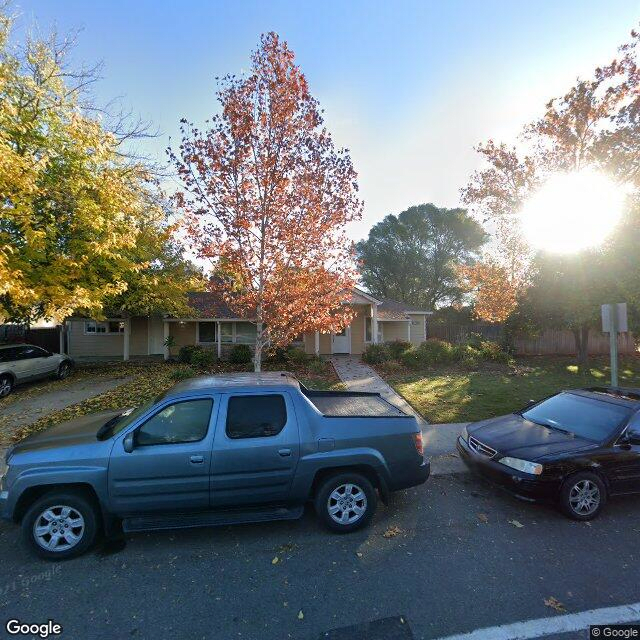
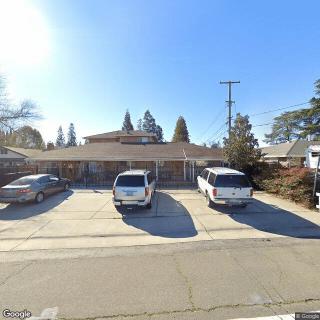
3700 Eastern Ave, Sacramento, CA 95821
To contact a resident: (916) 978-0888
For more information about senior living options: (866) 208-4318
Sky Senior Care Costs & Pricing
Sky Senior Care offers competitive pricing for its services, with monthly costs significantly lower than both Sacramento County and the broader California market. For instance, their private rooms, studio apartments, and one-bedroom units are all priced at $2,000 each month, providing a substantial savings compared to Sacramento County's average of approximately $3,686 to $3,758 and California's state averages ranging from $3,939 to $4,340. This pricing strategy illustrates Sky Senior Care's commitment to delivering high-quality care while ensuring affordability for families seeking reliable senior living options.
| Floor plans | Sky Senior Care | Sacramento County | California |
|---|---|---|---|
| Private | $2,000 | $3,686 | $3,939 |
| Studio | $2,000 | $3,865 | $4,145 |
| 1 Bedroom | $2,000 | $3,758 | $4,340 |
Memory care communities with a similar price nearby
-
from -$100 / mo
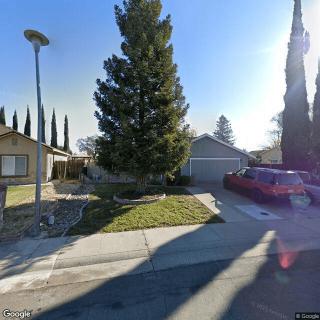
Bloomfield Hills Assisted Living
$1,900 to $2,400 / month6.9 miles away -
from -$200 / mo
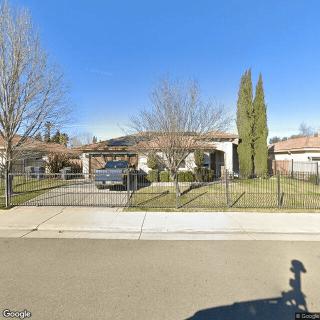
Ciric Care Home
$1,800 to $2,800 / month6.9 miles away -
About the same
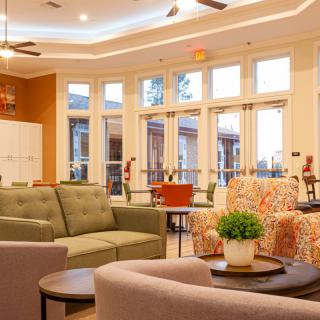
Blissful Gardens
$1,995 to $3,500 / month22.3 miles away -
About the same
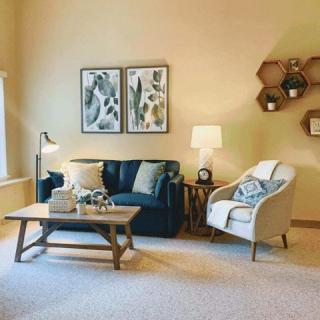
Carlton Senior Living Sacramento Enhanced Assisted Living
$1,995 to $3,695 / month3.9 miles away -
from +$200 / mo

Tina's Home Care
$2,200 to $2,500 / month3.6 miles away
Overall Review of Sky Senior Care
Pros
 The caregivers are very responsive and kind with the residents.
- They seem to balance the activities and the rest of the residents very well.
- The meals served are healthy and offer a variety.
- Kay couldn't have been more professional, caring, patient and understanding.
- She went over and beyond the call of duty to assist.
- The value for care services, cleanliness, and kindness is top notch.
Cons
 The reviewer felt that more help was needed for residents in wheelchairs.
- There was only one caregiver—the owner's mother—leaving residents needing more assistance.
- Messages left on the general phone were not being returned.
- The temporary fill-in caregiver wasn’t very aware of the routine for the residents.
- There was an overwhelming smell of urine in the hall most of the time.
- There were two open licensing cases classified as serious "A" complaints, with guidance to wait and see if they are investigated and closed.
Review
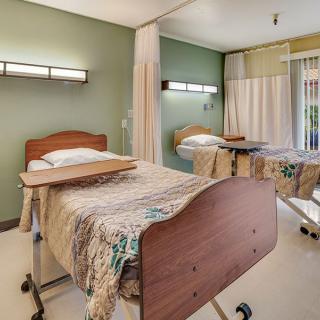
Sky Senior Care in Sacramento is best suited for seniors who want a small, home-like setting where a steady, personable staff handles daily routines, meals, and social activities without the bustle of a large campus. It fits residents who are relatively independent but need some assistance and value genuine human interaction over glossy amenities. Families that prize a private room with a decent amount of personal space, predictable meal options, and a community that communicates relatively well will find this community appealing. The caveat is staffing reality: the model has relied heavily on the owner’s mother as a caregiver at times, which can translate into limited coverage during shifts and raise questions for those needing more constant hands-on attention.
On the positive side, the strongest asset is the caregivers’ responsiveness and kindness. Residents seem to benefit from staff who are patient, attentive, and capable of balancing activities with rest. The schedule feels workable for most days, and meals are described as healthy with enough variety to satisfy different tastes. The combination of a clean environment and a private bathroom in decent-sized rooms also contributes to a comfortable daily living experience. Communication is generally solid, and when a staff member such as Kay steps in, the care and coordination can rise to a notably professional level. In short, the core caregiving experience is compassionate and reliable when staff are present.
Yet the community bears notable drawbacks that families must weigh carefully. The most persistent concern is staffing. With the owner’s mother often serving as the primary caregiver, there is an undeniable risk of insufficient coverage, especially during daytime shifts or overload periods. One inescapable question is whether the home can sustain the same level of hands-on attention on weekends, holidays, or during staff turnover. Another practical shortfall is related to routine familiarity: a fill-in caregiver who is less aware of a resident’s specific patterns can disrupt the consistency that families rely on for a loved one with routine needs. A separate but related issue is cleanliness and odor; reviewers report an overpowering smell of urine in the hall near bedrooms, which undermines the otherwise clean impression and can affect the resident’s daily comfort.
Compounding these concerns are licensing questions. Two open cases on the facility’s license, described as serious “A” complaints by state inspectors, introduce a degree of uncertainty that families cannot ignore. Licensing findings matter, particularly for residents who require reliable oversight and predictable safety standards. While one family member emphasizes strong personal care and a generally positive experience, the existence of unresolved regulatory matters signals the need for careful due diligence and ongoing monitoring. Finally, there are small but real friction points around communication, instances of a general phone line not being promptly responsive to messages, and occasional inconsistencies in how routines are followed across staff shifts. Taken together, these issues temper otherwise favorable impressions.
This mix of strengths and weaknesses can be meaningfully weighed by considering what the pros do to offset the cons. The warmth and responsiveness of the caregiving team, along with healthy meals and a comfortable living space, provide a solid baseline of quality that many families prioritize over more institutional settings. When staff coverage holds, residents experience meaningful engagement, balanced daily activities, and a sense of security from what feels like a close-knit, family-focused environment. However, the durability of these benefits rests on reliable staffing and transparent, proactive licensing status. If staffing becomes patchy or if licensing concerns escalate, the positives can quickly be outweighed by safety and continuity risks.
For families evaluating Sky Senior Care, a structured, discovery-driven approach is essential. Schedule on-site visits during multiple shifts to observe how care is delivered when regular staff are present and when gaps arise. Speak directly with front-line caregivers about daily routines and how they handle wheelchair assistance or more intensive needs. Request the most current licensing report and the facility’s plan for addressing any open complaints, along with a clear outline of who handles medical coordination, emergency responses, and family communications. Check the cleanliness around common walkways and, if possible, assess odor control and housekeeping practices in person. Having candid conversations about staffing continuity, the role of the owner’s family in day-to-day care, and the current status of any regulatory investigations will provide a clearer sense of risk versus reward.
Overall, Sky Senior Care can be a solid choice for families seeking a warm, intimate setting with dependable caregivers, decent meals, and reasonable room options for a senior who does not require round-the-clock medical staffing. The decision hinges on tolerance for potential staffing gaps and the implications of open licensing matters. For those whose priority is a high staff-to-resident ratio, stringent oversight, or a flawless regulatory record, alternatives with larger teams and more formalized governance should be explored. When due diligence confirms stable staffing and favorable licensing status, this community offers a practical, compassionate environment that many families will find well-suited to their loved one’s everyday needs.
 Board and Care Home
 Memory Care
 Activities off-site
 Bath tubs
 Beautician on-site
 Devotional services off-site
 Indoor common areas
 Outdoor common areas
 Private
 Private bathrooms
 Respite or short term stays offered
 Wheelchair accessible showers
 Sacramento International (13 miles away)
 Diabetic care
 High acuity care
 Incontinence care
 Medication management
 Kosher
 Adventist services
 Buddhist services
 Islamic services


 Medications Associated with Dementia Risk: A Comprehensive Overview
 Guiding Your Journey: Understanding Power of Attorney for Elderly Parents
 22 Remarkable Caregiver Support Groups Available Online and In-Person