
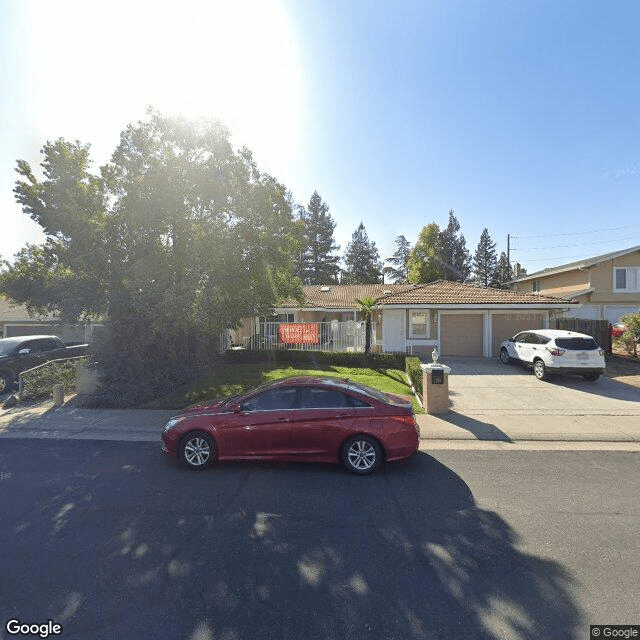
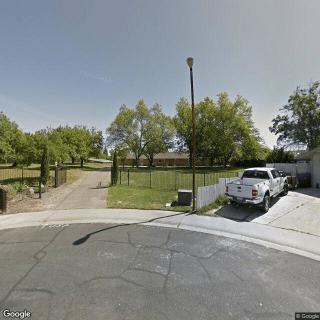
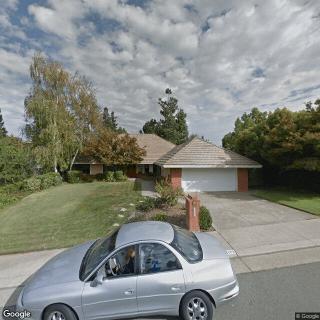
1203 Hampshire Court, Roseville, CA 95661
For more information about senior living options: (866) 208-4318
Hampshire Manor Costs & Pricing
Hampshire Manor's pricing for various room types reflects a premium positioning within both Placer County and the broader California market. For instance, the semi-private rooms at Hampshire Manor are priced at $4,900 per month, significantly higher than the county average of $3,489 and the statewide average of $3,333. Similarly, studio and one-bedroom accommodations also carry a monthly cost of $5,800, which stands in sharp contrast to Placer County's rates of $4,311 for studios and $4,777 for one-bedrooms. Even private rooms at Hampshire Manor are priced at $5,800 compared to lower averages of $4,026 in Placer County and $3,939 across California. While these costs indicate that Hampshire Manor may be on the higher end of the scale relative to its regional counterparts, they may also suggest enhanced services or amenities that justify this premium investment in quality care.
| Floor plans | Hampshire Manor | Placer County | California |
|---|---|---|---|
| Semi-Private | $4,900 | $3,489 | $3,333 |
| 1 Bedroom | $5,800 | $4,777 | $4,340 |
| Private | $5,800 | $4,026 | $3,939 |
| Studio | $5,800 | $4,311 | $4,145 |
Memory care communities with a similar price nearby
-
from -$900 / mo
Sungarden Villa II
$4,000 / month2.2 miles away -
from -$400 / mo
Sunriver Senior Care
$4,500 / month7.0 miles away -
from -$750 / mo
Ferrari
$4,150 to $5,500 / month9.2 miles away -
from -$900 / mo

Ashley Villa
$4,000 / month6.6 miles away -
from -$900 / mo
A Bright Future
$4,000 / month5.3 miles away
Overall Review of Hampshire Manor
Pros
 Cathy, the administrator, is absolutely amazing and makes the move-in process easy and stress-free.
- The staff genuinely care about residents and are kind, supportive, and caring.
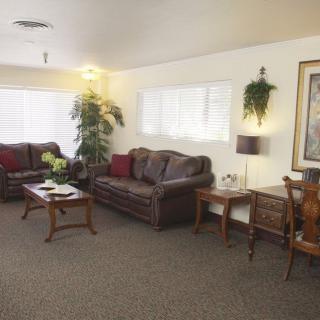
- Hampshire Manor is always clean, comfortable, and welcoming.
- The meals are home-cooked and delicious, and communication with families is excellent.
- The home is highly recommended for a loving, supportive environment.
- Grandmothers love Hampshire Manor and are happy and thriving there.
- Cathy and the care staff are professional, well-trained, and truly caring, going above and beyond to assist with daily tasks and treat residents with kindness and respect.
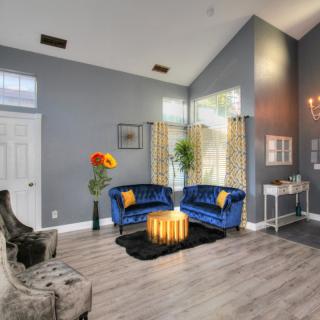
- The home has a beautiful open layout and a family-like atmosphere.
Cons
 The management constantly watches employees on cameras and micromanages everything they do—not to support them, but to find reasons to criticize.
- There is no appreciation; employees face only pressure and blame.
- The workplace is described as toxic and anxiety-inducing.
- It is not a healthy, supportive workplace for staff.
Review
Hampshire Manor in Roseville is best suited for families seeking a warm, intimate, residential-care setting where privacy, personal attention, and a homelike atmosphere take priority over institutional scale. The community shines for seniors who want private rooms, a connected common space, and a caregiving team that consistently demonstrates kindness and attentiveness. It is particularly well-matched for those who prize transparent, proactive communication with families and a leadership presence that is described as caring and capable. For households prioritizing a clinical, high-acuity environment, or a highly structured program with a larger campus feel, alternatives may serve better. The recurring praise for Cathy, the administrator, anchors a sense that steady leadership and a supportive culture are the defining strengths here.
The strongest positives center on the caregiving team and the environment. Across multiple accounts, staff are described as genuinely caring, well-trained, and dedicated to daily tasks and resident well-being. Cathy is repeatedly singled out as a standout administrator who makes the move-in process smooth and maintains a strong, personal connection with families. The facility itself earns praise for cleanliness, a welcoming ambiance, and home-cooked meals that residents and families alike regard as excellent. Communication with families is consistently labeled as excellent, with families feeling informed and included in care decisions. These factors, caregiver dedication, transparent leadership, and a clean, homey setting, create a daily experience that frequently translates into residents thriving and feeling secure.
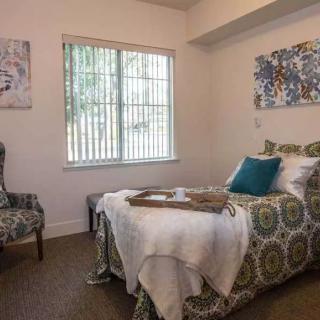
Further strengths lie in the home’s design and social fabric. The property’s open layout, private rooms for residents, and a connected dining kitchen area reinforce a family-like atmosphere where privacy and sociability coexist. The sense of community is echoed in observations that the environment is very much like a close-knit family home, with staff who know residents well and respond with individualized attention. Several families report that their loved ones are not merely cared for but are happier and more engaged since moving in, reinforcing the conclusion that the living experience is resonant with residents’ preferences for dignity, warmth, and personal connection.
A notable caveat emerges from one dissenting voice among the staff-oriented feedback. That review condemns a management style characterized by constant surveillance, micromanagement, and unrealistic expectations that produce a toxic, anxiety-inducing workplace. It warns of a lack of appreciation and a blame-oriented atmosphere for employees. While this perspective is explicitly about staff morale and working conditions, it signals a potential risk: if such a culture persists, it could threaten staff retention and consistency of care over time. However, the resident-focused testimonials paint a different picture in practice, suggesting that, for residents, day-to-day care remains attentive and loving despite broader internal tensions some may perceive.
For families weighing Hampshire Manor against alternatives, the most meaningful distinction is likely the balance between intimate, home-like care and the need for formalized, higher-acuity supports. Those who require frequent medical oversight, memory-specific programming, or a campus with a wider spectrum of clinical services may want to explore other options. Conversely, households seeking privacy, strong family communication, and a tightly knit, transparent leadership culture will find Hampshire Manor compelling. The positive resident outcomes described, happiness, engagement, and improved quality of life, serve as a practical testament to the value of the model here, even as one cautionary review invites diligence.
The recommended course is clear for decision-makers who want a practical, people-centered living arrangement. Hampshire Manor delivers a compelling package for seniors who appreciate personal attention, consistent leadership, home-like meals, and an open, connected floor plan that supports family involvement. For families prioritizing a more scaled, clinical environment or who have concerns about staff culture and turnover, it is wise to schedule a direct visit, speak with multiple staff members, and review how care plans are executed day to day. See private accommodations in person, examine meal quality and activity programming, and confirm that the resident’s specific needs, medical, cognitive, or social, align with what Hampshire Manor consistently delivers. In short, this is a strong, practical choice for a certain kind of elder care, with a clear reminder to probe any red flags about staff culture as part of a thorough due diligence process.
 6 resident community capacity
 Assisted Living
 Board and Care Home
 Memory Care
 Activities on-site
 Bath tubs
 Cable or satellite TV
 Devotional services off-site
 Dining room
 Fully furnished
 Garden
 Housekeeping services
 Indoor common areas
 Move-in coordination
 Outdoor space
 Private
 Respite or short term stays offered
 Telephone
 Wheelchair accessible showers
 Wi-Fi/high-speed internet available
 Sacramento International (17 miles away)
 24-hour supervision
 Ambulatory care
 Assistance with bathing
 Assistance with dressing
 Assistance with transfers
 Diabetes diet
 Diabetic care
 Meal preparation and service
 Medication management
 Special dietary restrictions
 Transportation arrangement (medical)
 Transportation to doctors appointments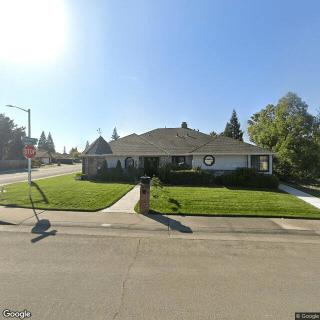
 Exploring the Power of Reminiscence Therapy for Individuals With Dementia
 An In-Depth Look at Reminiscence Therapy in Dementia Care
 Dementia-Related Hallucinations: Causes, Experiences, and Practical Approaches