
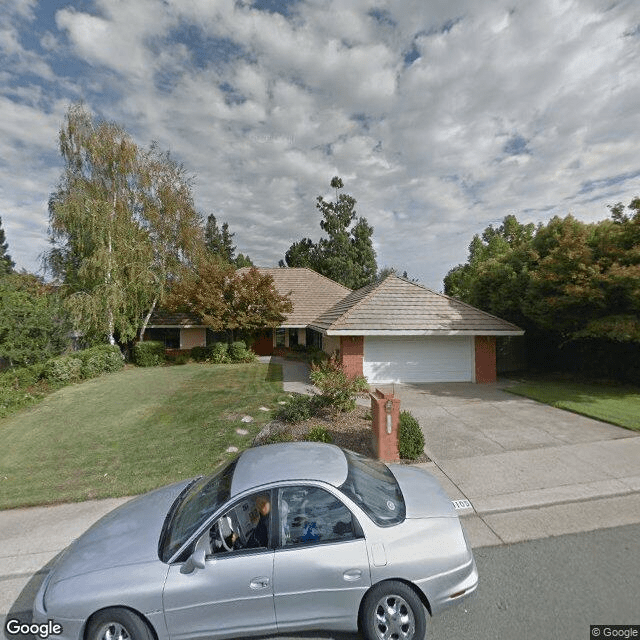
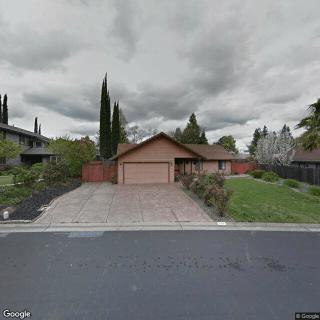
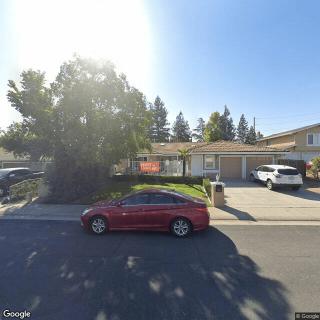
1105 Nob Hill Court, Roseville, CA 95661
For more information about senior living options: (866) 208-4318
Agape Villa Costs & Pricing
Agape Villa offers a competitive pricing structure compared to its surrounding areas, with a monthly cost of $2,500 for private rooms. This rate is significantly lower than the average costs in Placer County, which stands at $4,026, and California as a whole, where the average is approximately $3,939. By providing an affordable option without compromising on the quality of care and services, Agape Villa positions itself as an appealing choice for those seeking assisted living solutions in a market characterized by higher price points.
| Floor plans | Agape Villa | Placer County | California |
|---|---|---|---|
| Private | $2,500 | $4,026 | $3,939 |
Assisted Living communities with a similar price nearby
-
About the same
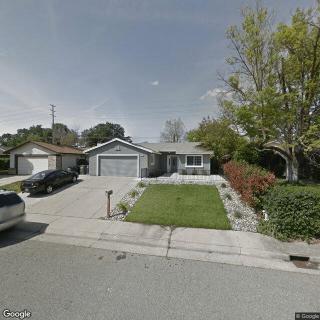
Sunrise Senior Care
$2,500 to $3,500 / month2.6 miles away -
About the same

Gina's Home Care
$2,500 / month6.6 miles away -
About the same
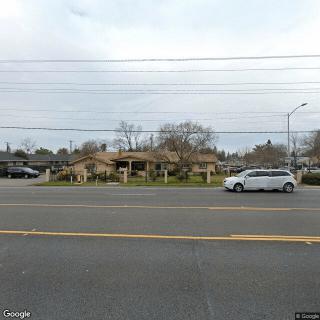
Eastern Manor
$2,500 to $3,000 / month9.1 miles away -
About the same
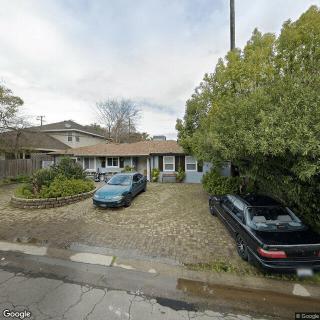
Hempstead Home
$2,500 to $6,930 / month11.7 miles away -
About the same
A.R.C. Manor of Folsom
$2,500 to $3,500 / month5.0 miles away
Overall Review of Agape Villa
Pros
 They were drawn to Agape Villa because its name conveys love.
- Touring the facility, they felt warmth, caring, calmness, and love.
- Toly helped with the evaluation and completed the paperwork.
- Moving their father there was easy, and the staff supported them every step of the way.
- The compassion and dedication of everyone at Agape made the process easier to handle.
- Agape Villa Senior Living is a place to call home for loved ones.
- The caring and loving staff provide top-notch service.
- They offer home-cooked nutritious meals and snacks in a warm, cozy environment.
Cons
 They speak Russian and it can be hard to understand them sometimes.
- The father's stay lasted only a week before he passed.
Review
Agape Villa Senior Living in Roseville is best suited for families seeking a warm, home-like 24/7 care setting where compassionate, personalized attention is the priority and transitions from hospital or rehab are handled with real ease. The culture here reads as genuine care delivered with a sense of family, not corporate efficiency. Residents appear to benefit from staff who are consistently attentive, patient, and willing to go the extra mile to make daily living feel familiar and comfortable. The name carries cultural resonance that translates into a relational, nurturing atmosphere, which often helps families feel that their loved one is truly valued and protected during a vulnerable time.
Those who should consider alternatives are families facing needs beyond what this community emphasizes. If memory-care programming with specialized dementia care protocols is essential, or if English-only communication and explicit medical oversight are non-negotiables, other options may serve better. A language caveat also appears in the feedback: some staff members speak Russian, which can complicate interactions for families prioritizing consistent English-language communication. For residents with very high acuity medical needs or nuanced clinical requirements, communities with more formal clinical offerings might be a more reliable fit.
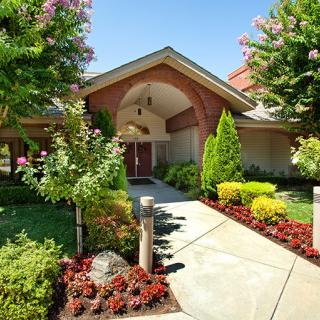
The strongest pros, genuine warmth, dedicated staff, and a homey, upscale ambiance, largely offset the potential concerns. Families repeatedly note immediate, practical help during transitions, including hands-on support with evaluations and paperwork by a staff member who takes ownership of the process. The daily environment is described as clean and welcoming, with a predictable level of attentiveness that makes residents feel seen. Nutritious, home-cooked meals and a willingness to accommodate dietary preferences reinforce a sense of autonomy and dignity that often outstrips the anxiety of moving to a care setting.
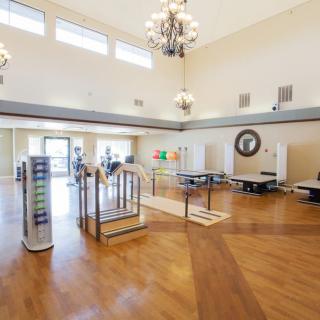
Another clear advantage is the rehab integration. The presence of a rehabilitation facility within or alongside Agape Villa means skilled care is readily available as needed, a critical factor for families managing post-hospital recovery trajectories. The staff’s readiness to coordinate care plans, monitor progress, and maintain continuity from acute care to ongoing daily living reduces friction and helps preserve momentum for residents during recovery. This practical continuity helps families sleep a little easier, knowing that medical oversight and daily support aren’t treated as separate silos.
Readiness to deliver on a luxury-leaning, home-forward experience is consistently highlighted, with cleanliness and a calm, accommodating vibe described as defining strengths. Residents are treated with respect and given choices that preserve dignity, and staff appear committed to making accommodations to individual preferences. The emotional side of care, compassion during difficult moments and a respectful, thoughtful approach to end-of-life transitions, resonates with families who have observed the staff’s steady presence during tough times. Such reliability underpins trust, a crucial factor when evaluating whether to place a loved one in a new living arrangement.
The bottom-line takeaway is practical and direct. Agape Villa works best for families prioritizing warmth, a tangible sense of home, and hands-on, people-first caregiving, with an onboarding process that moves swiftly and smoothly. It excels when the goal is daily living shaped by attentive staff, flexible meal planning, and a culture that emphasizes love and respect. Those seeking rigorous dementia-focused programming, English-only communication, or intense clinical hyper-specialization should actively explore alternatives. In short, the pros, empathy, ease of transition, and a luxe-but-cozy environment, tend to outweigh the noted language caveat and broader comparisons, guiding a confident choice for the right household and care needs. Schedule a direct visit to verify fit, particularly around language comfort, specific care requirements, and the daily routine that would shape the loved one’s life.
 6 resident community capacity
 Assisted Living
 Board and Care Home
 Respite Care
 Cats allowed
 Activities off-site
 Beautician on-site
 Cable or satellite TV
 Devotional services on-site
 Dining room
 Fully furnished
 Garden
 Housekeeping services
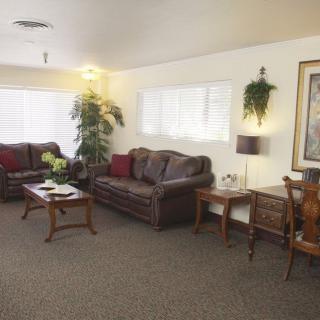
 Indoor common areas
 Move-in coordination
 Outdoor common areas
 Private
 Private bathrooms
 Telephone
 Wheelchair accessible showers
 Wi-Fi/high-speed internet available
 Sacramento International (17 miles away)
 24-hour supervision
 Ambulatory care
 Assistance with bathing
 Assistance with dressing
 Assistance with transfers
 Diabetes diet
 Diabetic care
 High acuity care
 Incontinence care
 Meal preparation and service
 Medication management
 Special dietary restrictions
 Transportation arrangement (medical)
 Transportation to doctors appointments

 Understanding the Distinctions: Assisted Living and Memory Care Explained
 Guiding Elderly Parents Who Refuse Assisted Living: 6 Practical Steps
 Your Comprehensive Guide to Luxury Assisted Living: Elevated Facilities, Amenities, and Costs