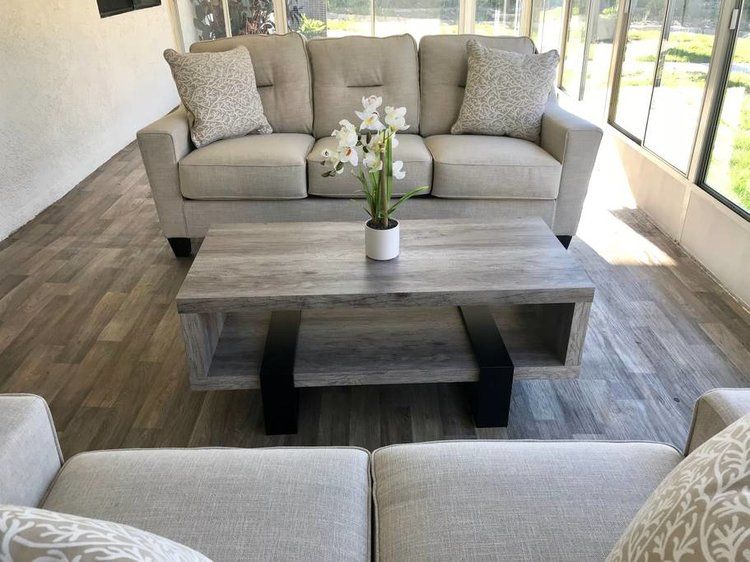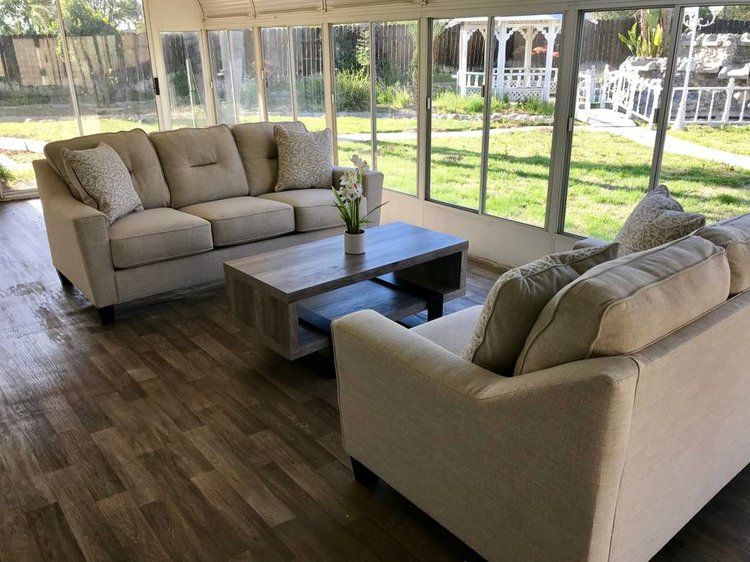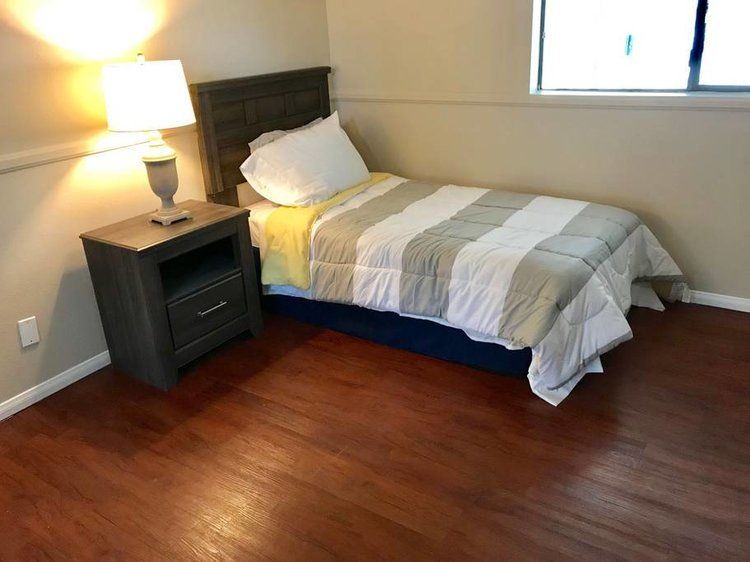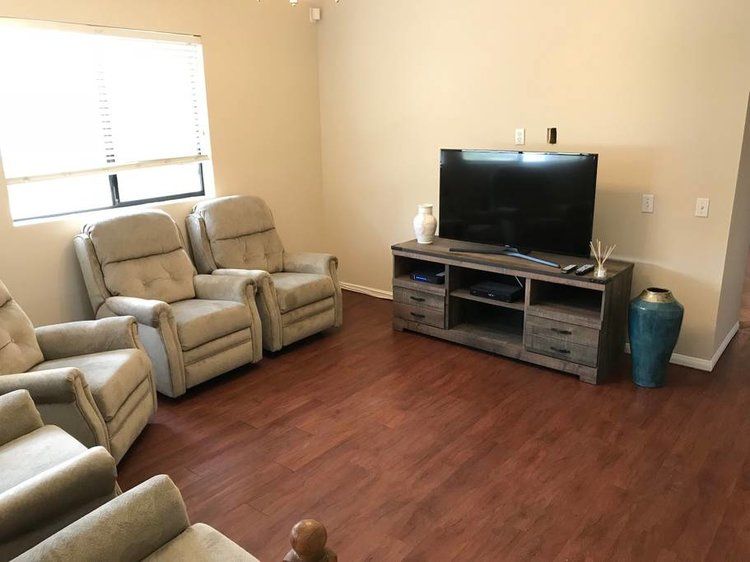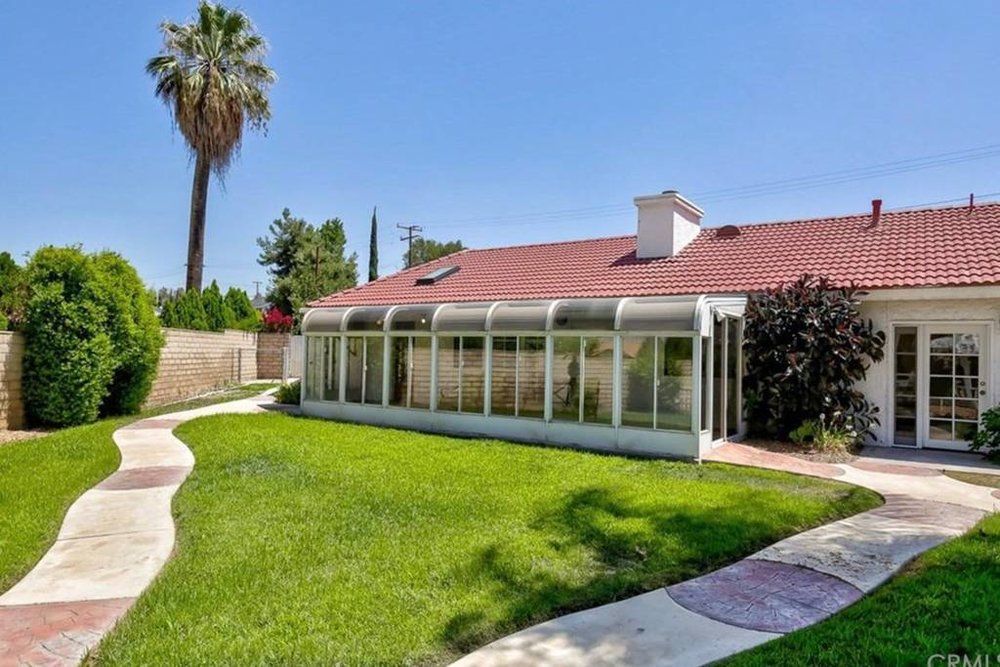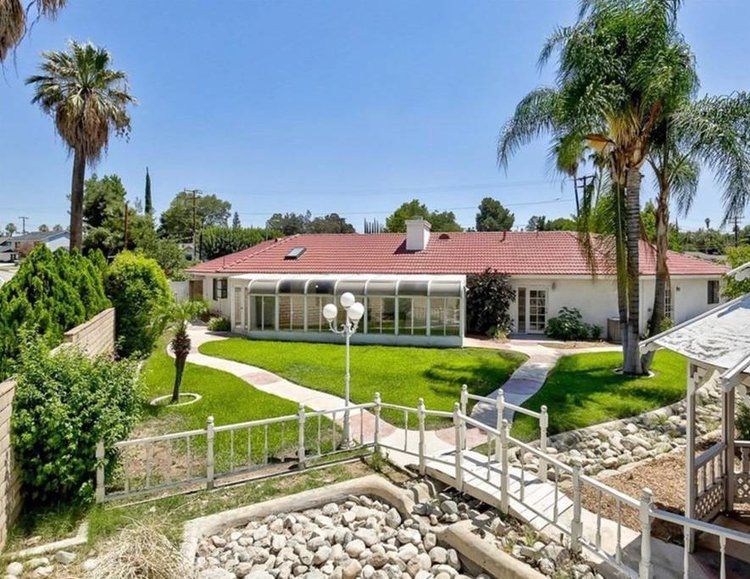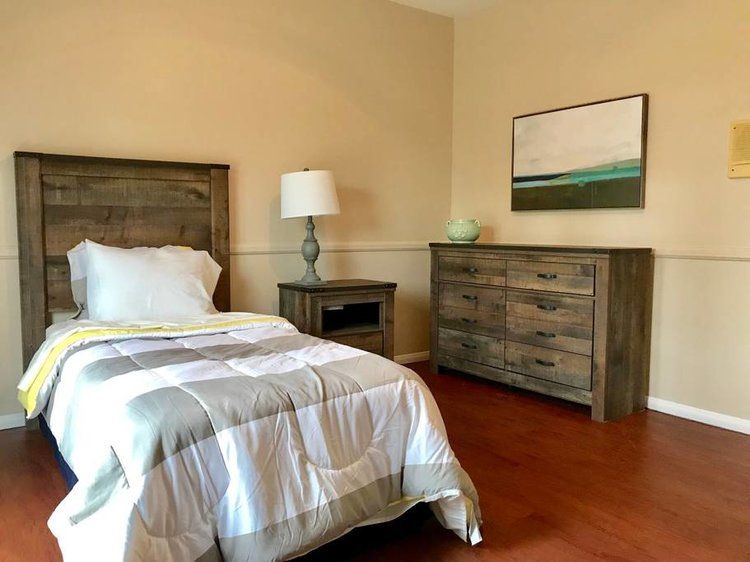
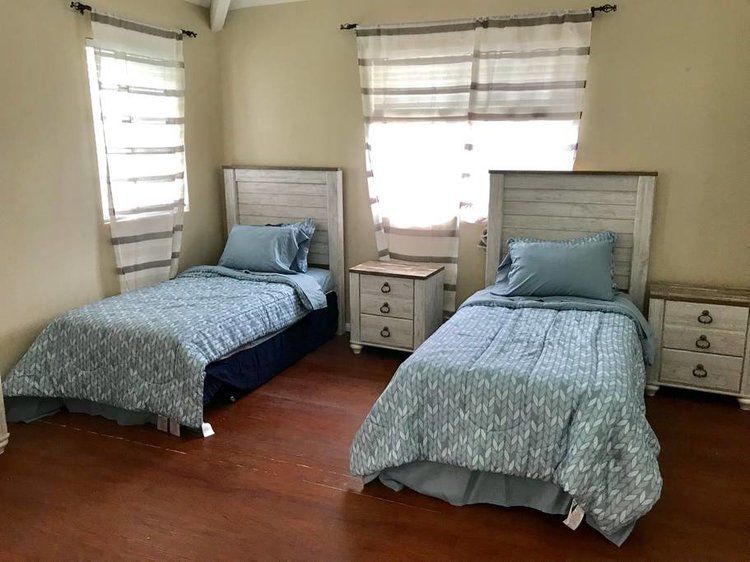
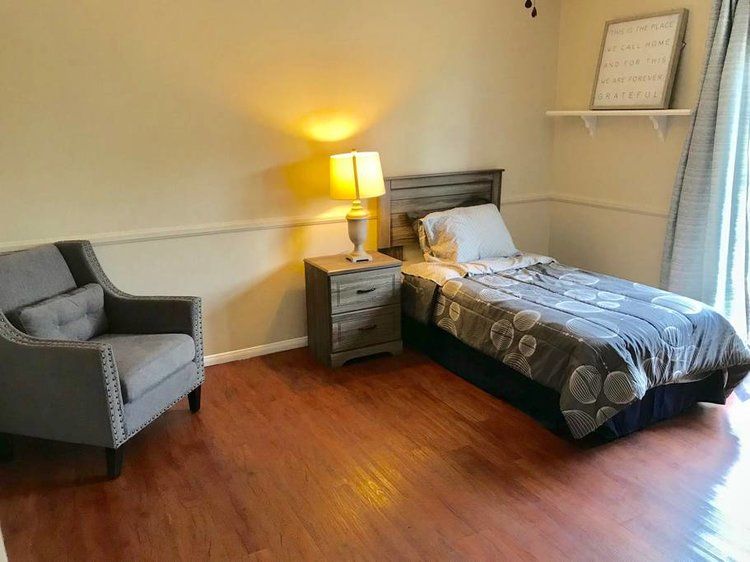
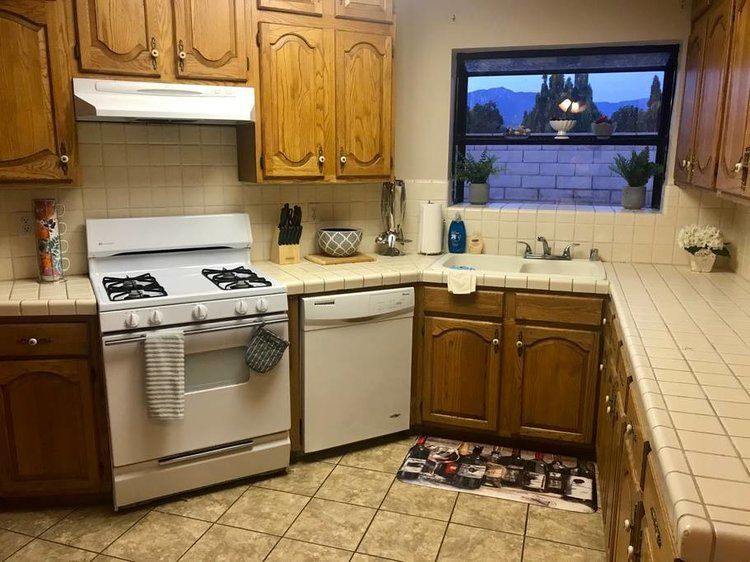
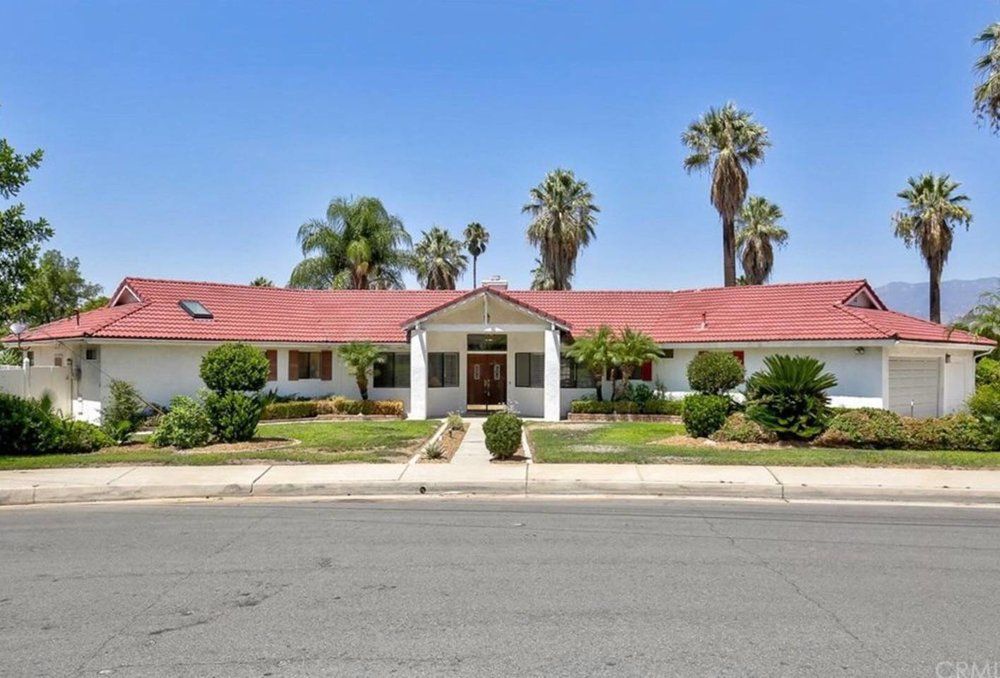
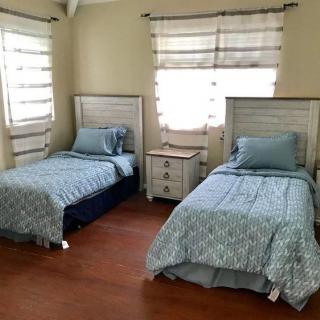
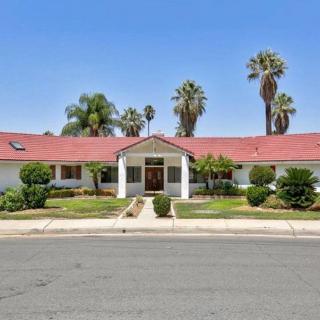
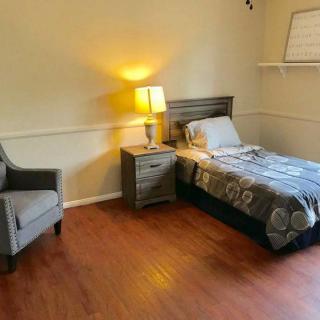
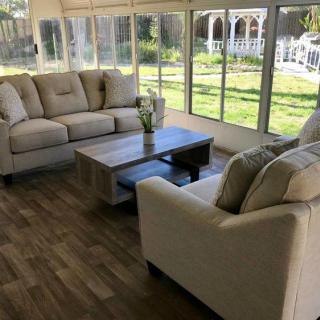
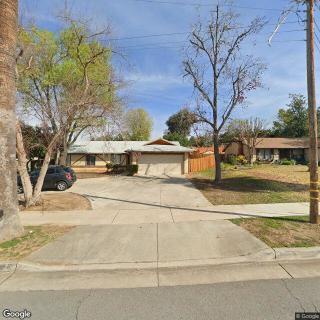
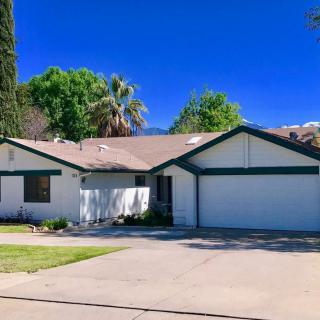
1309 Farview Lane, Redlands, CA 92374
For more information about senior living options: (866) 208-4318
Rose Valley Redlands II Costs & Pricing
Rose Valley Redlands II offers competitive pricing for its accommodations when compared to the broader market in both San Bernardino County and the state of California. The monthly cost for a semi-private room at Rose Valley Redlands II is $2,400, which is notably lower than the county average of $2,958 and significantly more affordable than the state average of $3,333. For those seeking private accommodations, Rose Valley's rate stands at $2,900, again providing a more budget-friendly option compared to the county's average of $3,561 and California's overall average of $3,939. These pricing structures not only reflect value but also demonstrate Rose Valley Redlands II's commitment to affordability while maintaining quality care within a supportive community environment.
| Floor plans | Rose Valley Redlands II | San Bernardino County | California |
|---|---|---|---|
| Semi-Private | $2,400 | $2,958 | $3,333 |
| Private | $2,900 | $3,561 | $3,939 |
Memory care communities with a similar price nearby
-
from +$100 / mo
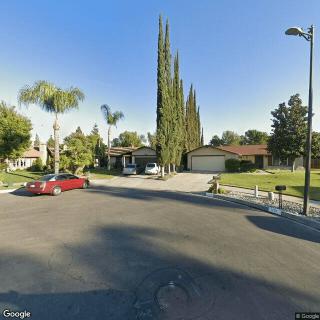
Valley Spring Elderly Care
$2,500 to $3,000 / month8.0 miles away -
from +$400 / mo

Bianca's Home Care
$2,800 to $3,400 / month21.1 miles away -
from -$400 / mo
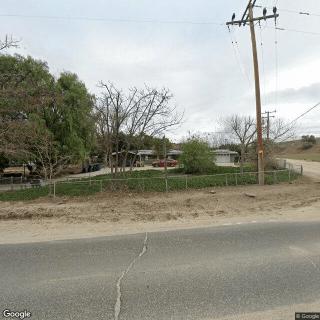
Milam Manor
$2,000 to $3,600 / month7.0 miles away -
from +$100 / mo
Golden Horizon Home I
$2,500 to $2,800 / month17.7 miles away -
from +$400 / mo
Hillcrest Cottage
$2,800 to $3,200 / month7.8 miles away
Overall Review of Rose Valley Redlands II
Pros
 Emily is especially wonderful and treats each resident with respect, love, and care.
- The caregivers Emily and Ellen are wonderful, each in their own way.
- Rose Valley feels like a home away from home, with a welcoming atmosphere.
- Emily brings a lively energy to the home.
- Ellen's quiet, calm approach brings a sense of peace to residents.
- The caregivers at Rose Valley take care of concerns promptly, making the stay peaceful and relaxing.
- The staff are friendly, and residents are cheerful and in good spirits.
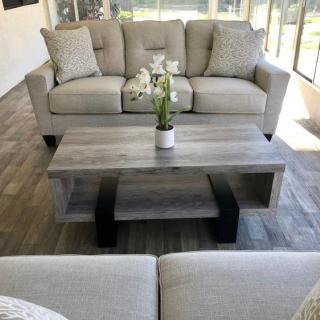
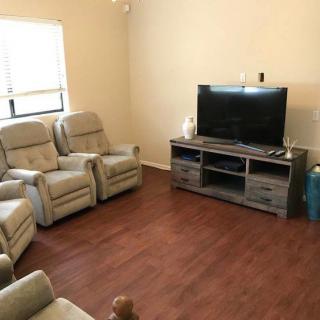
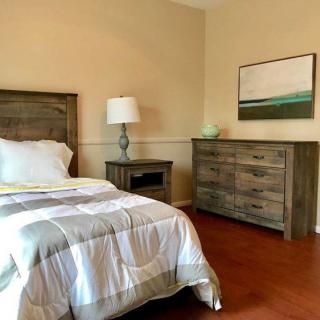
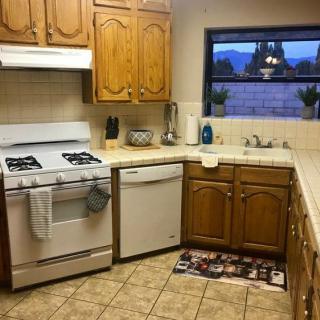
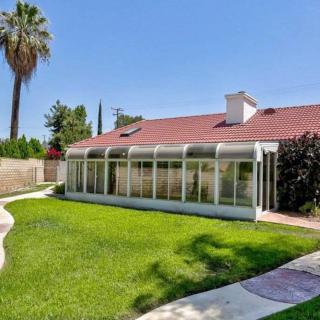
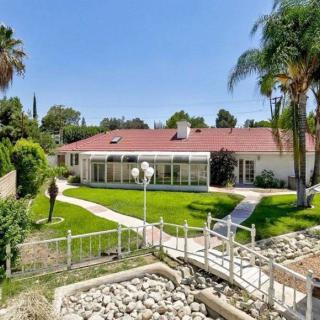
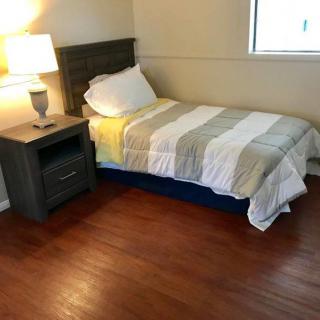
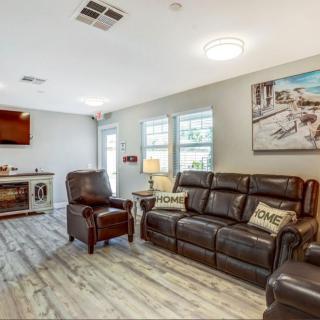
- The home is thoughtfully designed, well-kept, and offers private rooms for all residents.
- Angel, the administrator, is generous and kind, taking care of everything.
- The facility is clean, bright, and offers a homely feel that puts families at ease.
- The home setting includes a nice yard, TV, and dining area that support comfort and community.
- Meadowbrook is a clean home with home-cooked meals and compassionate staff loved by families.
Cons
 They would not recommend the facility due to rude interactions with staff.
- A staff member yelled at them and hung up, and follow-up calls were not answered until they were yelled at again.
- They no longer trust the board-and-care facility to care for their loved ones.
- They caution others about the new ownership listed on Google.
- They allege the administrator failed to ensure proper care, which contributed to their mother’s death.
- They report there was only one caregiver on staff the day of the death, despite promises of two.
- They point to the breakfast menu as a factor in their mother’s decline and death.
Review
Rose Valley Redlands II is best suited for families seeking a warm, home-like assisted living experience in a small, intimate setting. It works well for seniors who value private rooms, easy access to shared dining and kitchen areas, and a caregiving team that builds personal relationships. The environment feels less institutional and more like a family home, where daily routines are predictable, visits are welcomed, and staff make a point of engaging residents in meaningful ways. For families prioritizing comfort, personal connection, and the sense of belonging that supports ongoing well-being, this community stands out.
Those weighing alternatives should consider options with more formal medical oversight or clearly defined memory-care programming, especially if the loved one needs steady clinical management. While Rose Valley’s warmth is undeniable, intake experiences can be uneven, and one reviewer described abrupt, inconsistent communication during placement. Ownership changes are also mentioned in reviews, signaling potential shifts in leadership or policy. For families seeking crystal-clear eligibility criteria, predictable admission processes, and consistent administrative responsiveness, exploring other small- or mid-sized communities with documented leadership stability is prudent.
Pros are concrete and compelling. The home-like design and private rooms preserve autonomy and dignity, and cleanliness is repeatedly highlighted. The setting minimizes the clinical feel of larger facilities, which helps residents settle in and maintain a sense of normalcy. Caregivers such as Emily and Ellen receive frequent praise for warmth, respect, and genuine attentiveness, with stories of treating loved ones as if family. Administration, notably Angel, is portrayed as generous and responsive, guiding families through transitions with a personal touch. Residents stay engaged, and families appreciate being able to participate in meals, social visits, and everyday activities, reinforcing a sense of community and belonging.
The main drawbacks to weigh include the risk of uneven intake experiences and occasional communication friction. A reviewer’s tale of rude placement interactions and a misdirected call underscores the need to confirm precisely who handles admissions, verify contact details, and secure a clear, written care plan before admission. The mention of ownership changes further suggests a need for current information about leadership and policies. While the care staff excels in daily interactions, prospective families should assess whether the administrative layer provides consistent, professional responsiveness, particularly at the critical moment of placement.
When the strong caregiving relationships and homey atmosphere are present, they can offset the drawbacks and deliver a reliable, comforting living experience. The private rooms and emphasis on routine reduce stress and help preserve independence, while intimate staffing fosters trust and accountability. The daily interactions, caregivers learning preferences, families being welcomed, and staff taking time to listen, translate into more stable moods and smoother transitions as health needs evolve. The small-scale, relationship-driven model often yields quicker responsiveness and a sense of security for both residents and their families, making Rose Valley a durable choice for those who prize connection and dignity.
Bottom line: Rose Valley Redlands II is a solid match for families prioritizing a warm, person-centered, home-like atmosphere with private rooms and highly caring staff. It is especially well-suited for residents who thrive in intimate settings, value ongoing engagement, and prefer less clinical surroundings. Those who require rigid medical oversight, a strictly defined intake process, or stable, widely documented leadership may want to compare alternatives with firmer policies and clearer continuity. For a well-informed decision, schedule a focused visit, meet Emily, Ellen, and Angel, confirm current ownership and staffing, and walk through the admission process to ensure expectations align with actual practice.
 9 resident community capacity
 Assisted Living
 Board and Care Home
 Memory Care
 Cable or satellite TV
 Dining room
 Fully furnished
 Garden
 Housekeeping services
 Move-in coordination
 Outdoor space
 Private
 Telephone
 Wi-Fi/high-speed internet available
 24-hour supervision
 Activities of daily living assistance
 Assistance with bathing
 Assistance with dressing
 Assistance with transfers
 Diabetes diet
 Meal preparation and service
 Medication management
 Special dietary restrictions
 Transportation arrangement (medical)
 Transportation to doctors appointments
 Vibrant Senior Living: A Comprehensive Guide for Active Older Adults
 Assisted Living and Memory Care: Understanding Their Core Differences
 Choosing the Right Senior Care: A Detailed Exploration of Assisted Living and Nursing Homes