

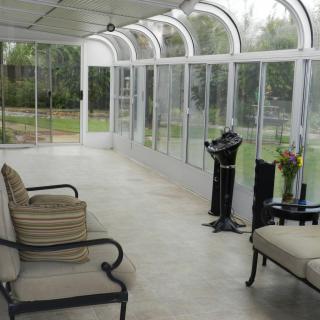
1309 Farview Lane, Redlands, CA 92374
To contact a resident: (909) 793-0231
For more information about senior living options: (866) 208-4318
Meadow Brook Homes Costs & Pricing
Meadow Brook Homes offers competitive pricing for its various accommodations, particularly when compared to the broader market in San Bernardino County and the state of California. For instance, a semi-private room at Meadow Brook is priced at $2,800 per month, which is more affordable than the county average of $2,958 and significantly less than the statewide average of $3,333. Similarly, private rooms and one-bedroom units at Meadow Brook are both set at $3,200 - again lower than the county's averages of $3,561 and $3,548 respectively, as well as California's higher benchmarks of $3,939 and $4,340. This pricing strategy not only positions Meadow Brook Homes as an economical choice within the local market but also underscores its commitment to providing quality living arrangements without compromising on comfort or care.
| Floor plans | Meadow Brook Homes | San Bernardino County | California |
|---|---|---|---|
| Semi-Private | $2,800 | $2,958 | $3,333 |
| Private | $3,200 | $3,561 | $3,939 |
| 1 Bedroom | $3,200 | $3,548 | $4,340 |
Memory care communities with a similar price nearby
-
from -$300 / mo
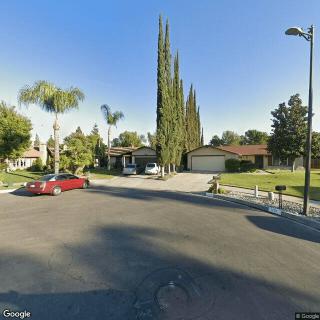
Valley Spring Elderly Care
$2,500 to $3,000 / month8.0 miles away -
About the same

Bianca's Home Care
$2,800 to $3,400 / month21.1 miles away -
from +$200 / mo
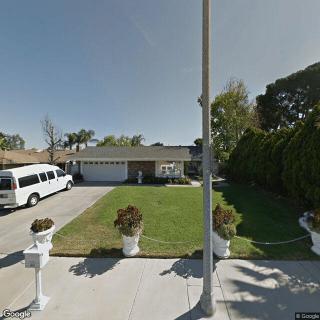
Villa Anne
$3,000 to $4,500 / month15.6 miles away -
from -$300 / mo

Golden Horizon Home I
$2,500 to $2,800 / month17.7 miles away -
from +$400 / mo
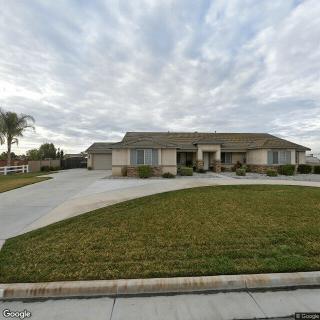
Live In Comfort Care
$3,200 to $3,500 / month20.0 miles away
Overall Review of Meadow Brook Homes
Pros
 Meadowbrook is described as a wonderful community with very positive feedback overall.
- The staff are described as very nice and caring.
- The environment is noted as peaceful and calming and it’s working well.
- The owner is an experienced RN, which adds to confidence in the care provided.
- The home features a beautiful backyard and a country atmosphere.
- Meadowbrook is described as clean and providing home-cooked meals.
- Families express happiness with the care and note their loved ones are doing well.
Cons
 The review notes that the mother died within 13 hours of being placed there.
- The reviewer describes finding the mother propped in front of a TV, eyes open, slumped over, and unresponsive.
- The administrator allegedly claimed she had just been seen earlier and was fine, which contradicted the outcome.
- The mother died from aspiration pneumonia.
- There was only one caregiver on staff that day, despite being told there would be two.
- The breakfast served—peaches and chocolate pudding—was described as toxic and potentially fatal for someone with acid reflux.
- The reviewer implies the care did not include hospice or adequate end-of-life comfort.
- The medical records reportedly showed a reflux problem, raising questions about the breakfast given.
Review
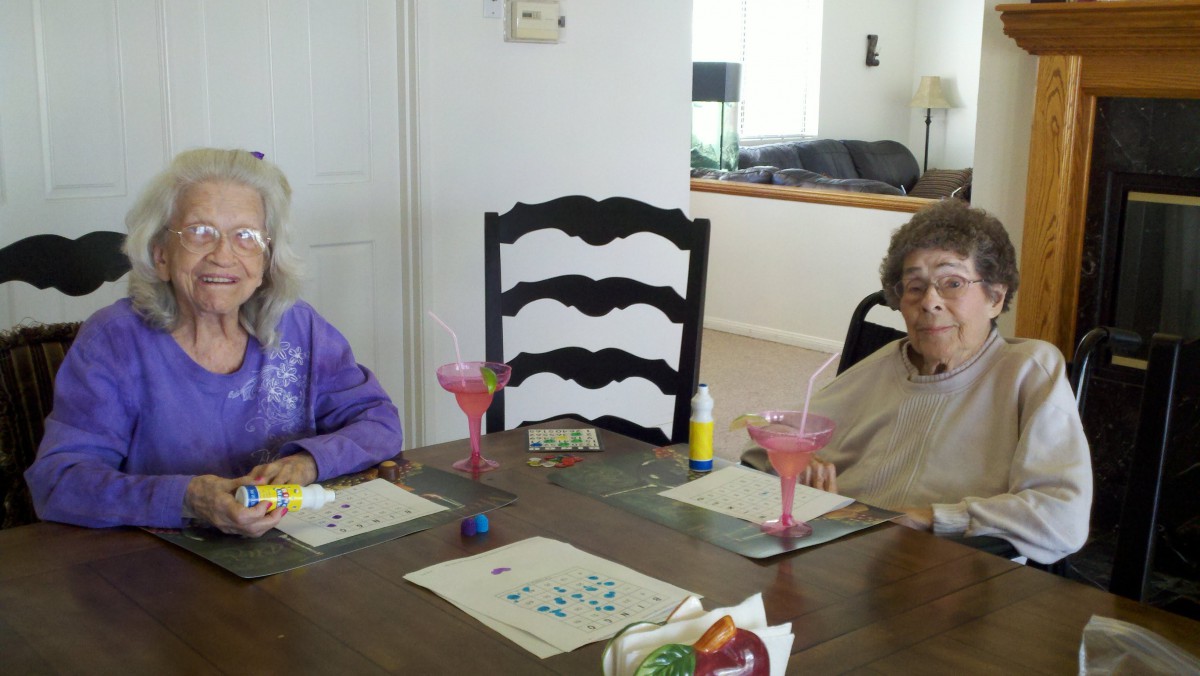
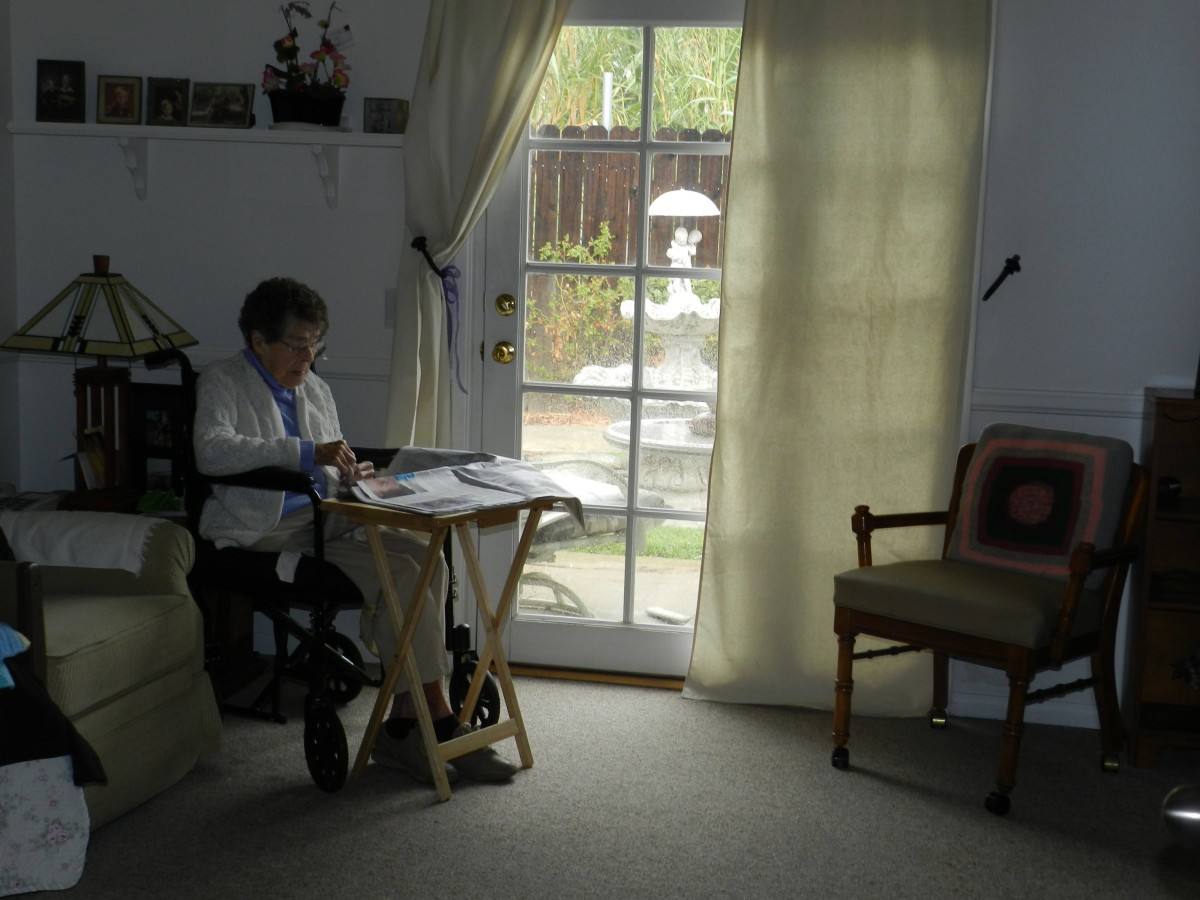
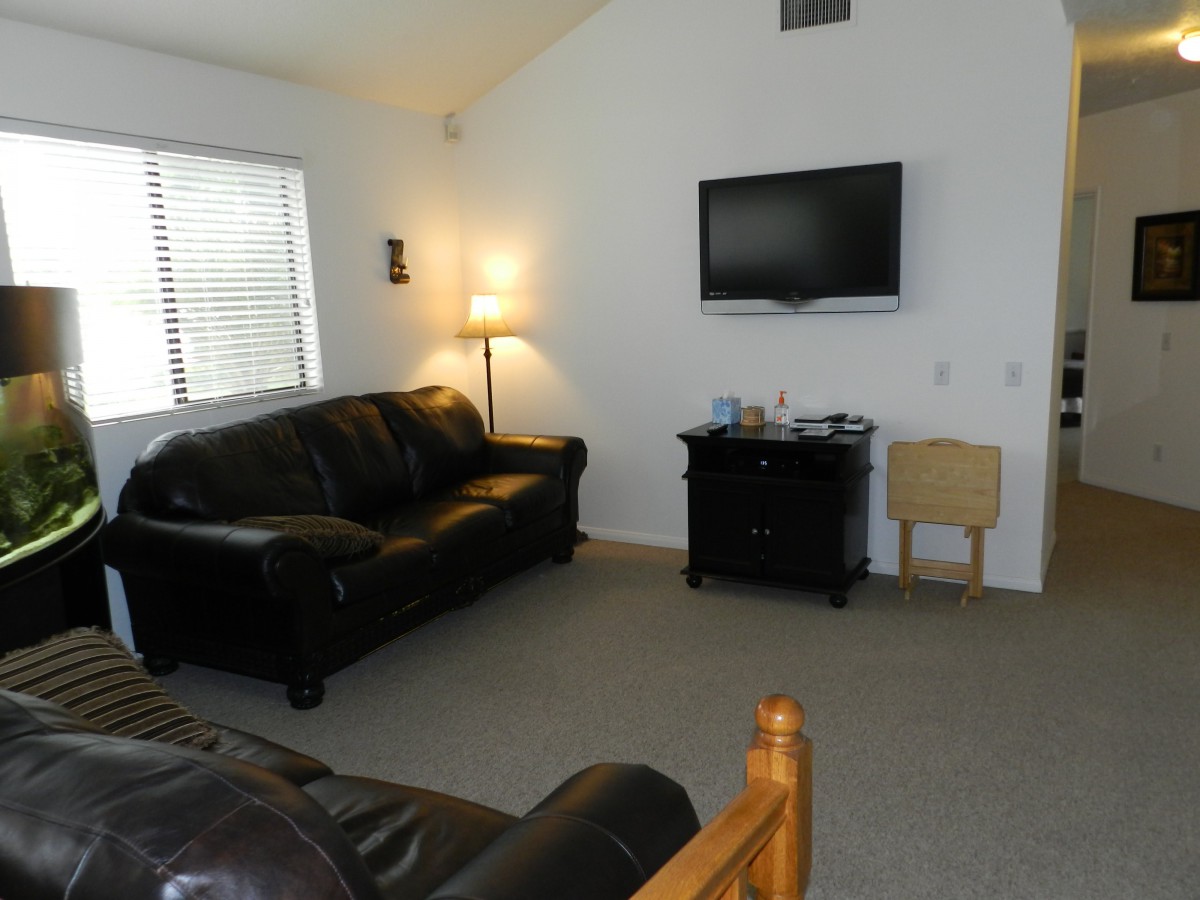
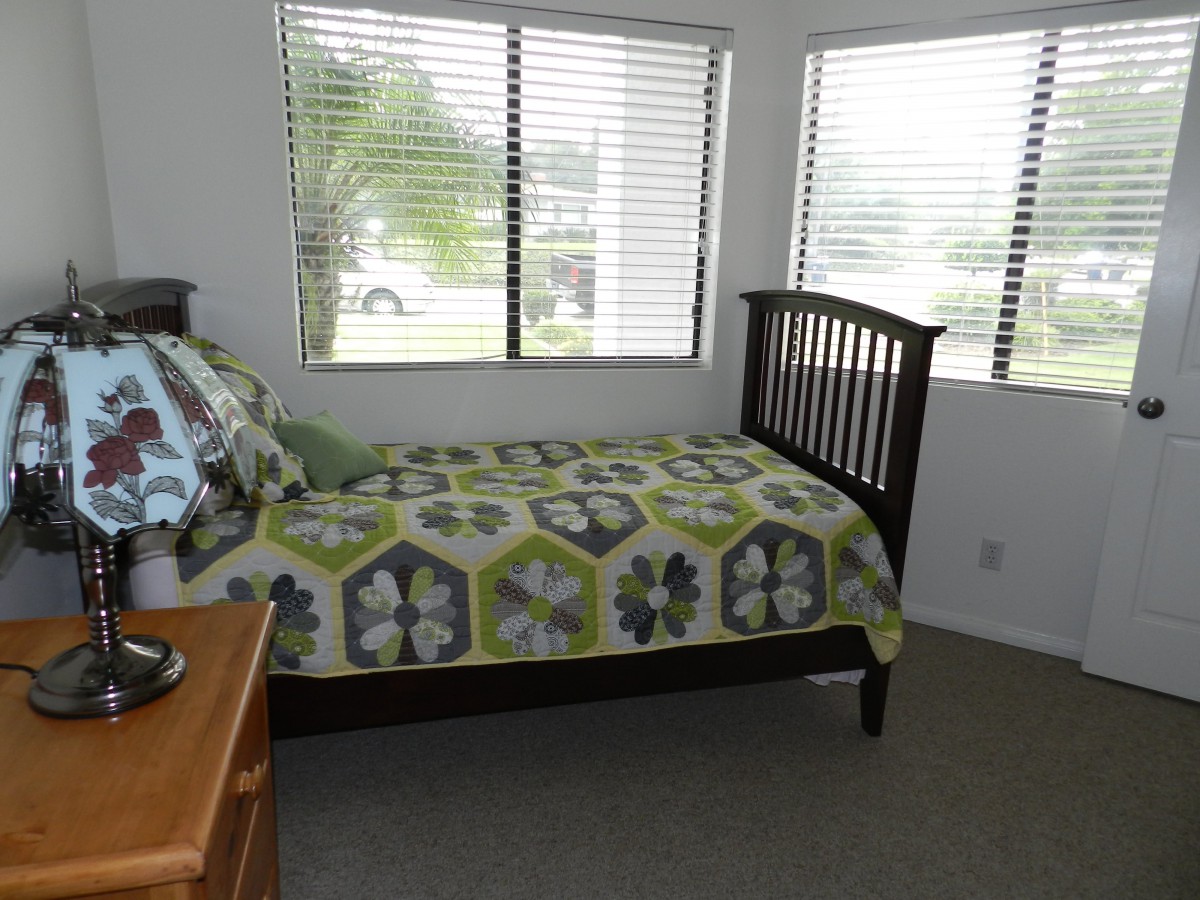
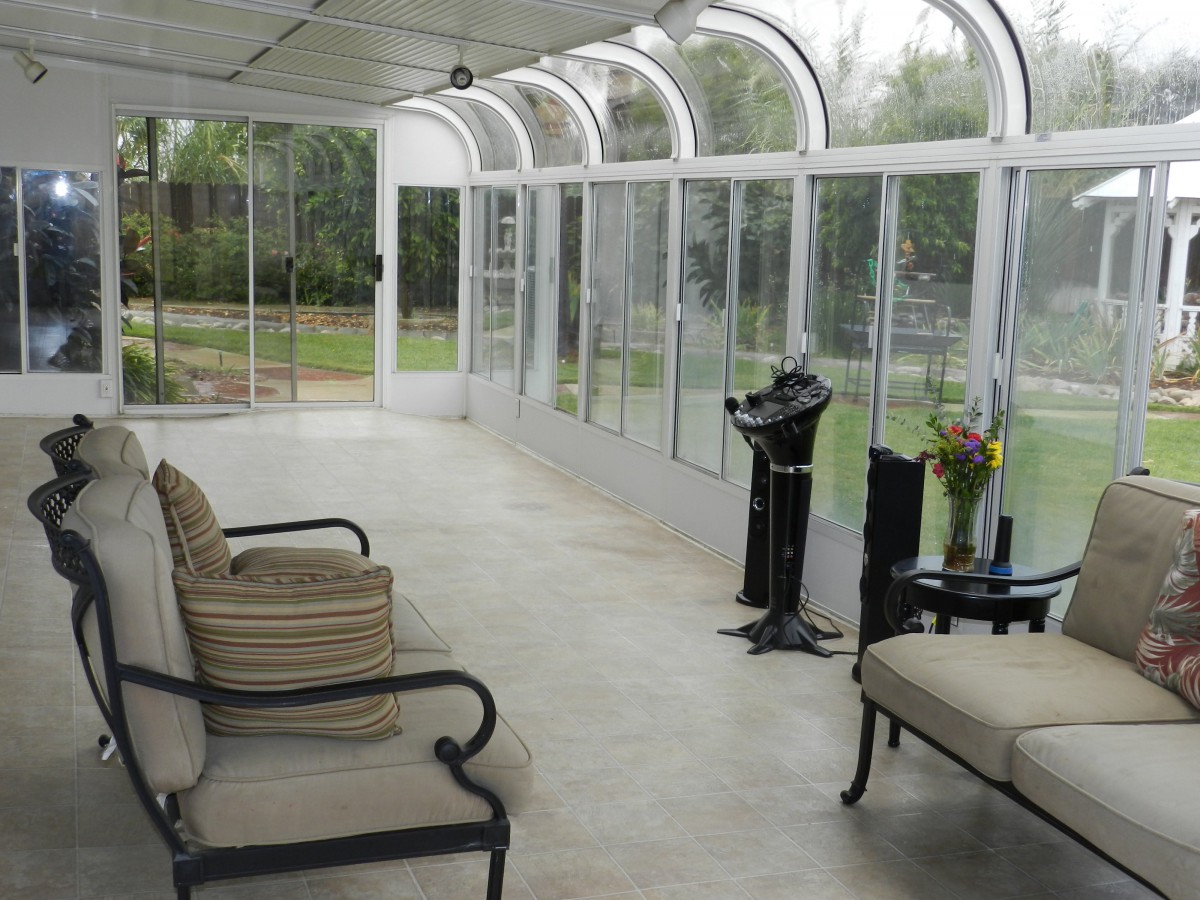
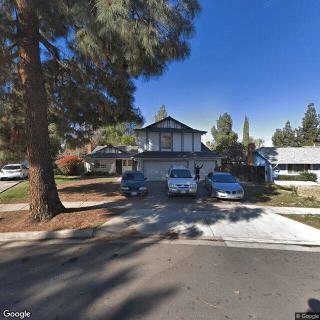
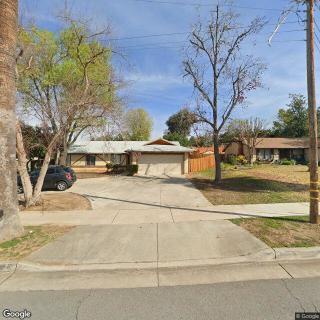
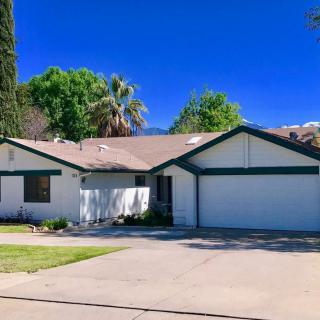
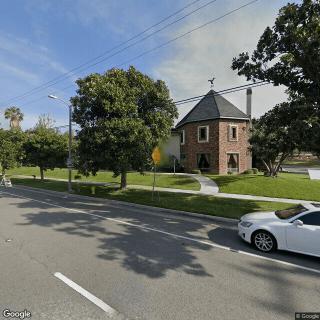
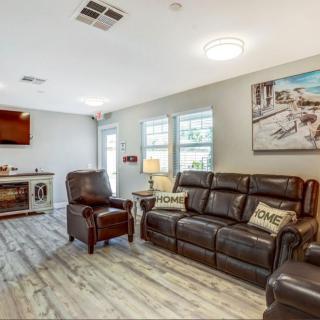
Meadow Brook Homes in Redlands is best suited for seniors who want a warm, intimate, home-like setting where care feels highly personal and the pace is calm. It works well for residents who thrive on daily routines, home-cooked meals, and the sense that a small, family-operated environment is overseeing their well-being. The property’s one-story layout, bright and open rooms, and a pleasant backyard contribute to a feeling of comfort and safety, making it a natural choice for residents who do not require intensive medical management but do benefit from attentive, hands-on supervision and a hospitable, neighborly atmosphere.
Those weighing alternatives should note that Meadow Brook Homes may not be ideal for individuals with high-acuity needs or complex medical regimens that demand robust, round-the-clock nursing oversight and formal programming. Families facing frequent medical transitions, or requiring strict, documented care protocols and rapid escalation in emergencies, may prefer a larger licensed facility with more defined staffing matrices and a broader clinical infrastructure. For residents who prize expansive activity calendars, facility-wide therapies, or highly structured social engagement, a bigger community could deliver more of what they expect.
The strongest advantages, personal attention, an evident commitment from the owners and staff, and the ability to accommodate hospice when needed, tend to offset the primary concerns that come with a smaller home. A hands-on administrator who is also a registered nurse helps secure a sense of accountability and clinical awareness that many small homes struggle to maintain. The environment is described as peaceful and calming, with caregivers who are consistently perceived as compassionate, approachable, and present. Cleanliness, homey meals, and visible care from the owners themselves create a reassuring backdrop for families prioritizing intimate oversight over institutional scale.
However, the contrast between the favorable day-to-day experience and the more troubling accounts cannot be ignored. One review recounts a distressing sequence surrounding a mother’s death shortly after placement, raising legitimate questions about medical oversight, handoffs, and the adequacy of on-site staffing during critical moments. A related concern points to inconsistent claims about caregiver coverage, whether two caregivers are always on duty versus occasional single-coverage days. Taken together, these episodes highlight a potential vulnerability in how medical needs are met during variable shifts and transitions, and they underscore the necessity for prospective families to insist on concrete, written care plans, clear staffing schedules, and explicit escalation protocols.
Practical next steps when evaluating Meadow Brook Homes include requesting a current staffing matrix for each shift, a copy of the most recent care plan for the intended resident, and a detailed description of the hospice waiver and how end-of-life needs are integrated into daily routines. Prospective residents should ask about medication administration policies, emergency transfer procedures, and the on-site availability of nursing oversight, especially after hospital discharges. A tour should focus not only on the ambiance and meals, but on how care decisions are communicated to families and how often staff interactions with residents are documented. Confirm whether the owner’s RN role translates into consistent bedside presence or a more ad hoc supervision pattern.
In the end, Meadow Brook Homes presents a clear value proposition for families seeking a small, affectionate setting with genuine owner involvement and hospice capabilities. It excels for residents who prioritize a warm, nonclinical atmosphere and steady, personalized attention over the breadth of services found in larger facilities. For those whose priorities include high-level medical management, robust staffing guarantees around the clock, or an extensive calendar of structured programs, the balance tips toward exploring alternatives. A thoughtful decision will hinge on matching the resident’s medical needs, safety expectations, and desired level of family engagement with the home’s demonstrated strengths and the explicit assurances obtained through a careful, candid inquiry during a formal visit.
 Board and Care Home
 Memory Care
 Activities on-site
 Bath tubs
 Devotional services on-site
 Indoor common areas
 Outdoor common areas
 Private
 Respite or short term stays offered
 Wheelchair accessible showers
 Ambulatory care
 Diabetic care
 High acuity care
 Incontinence care
 Medication management
 Meals provided
 When to Transition from Assisted Living to Memory Care: Key Indicators, Steps, and Finding the Right Community
 Understanding the Distinctions: Assisted Living and Memory Care Explained
 How to Communicate with a Loved One Living with Dementia: 10 Supportive Strategies