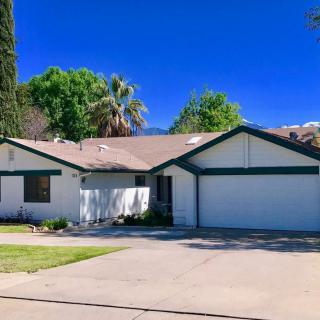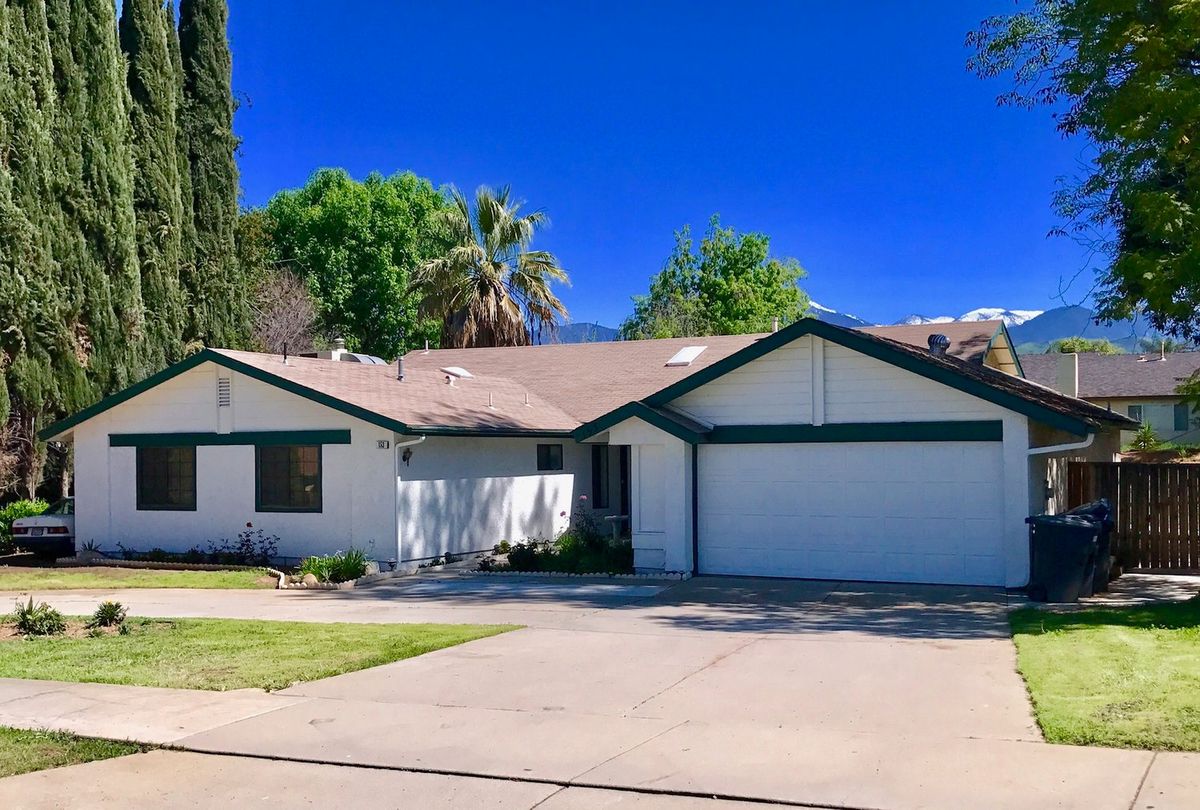
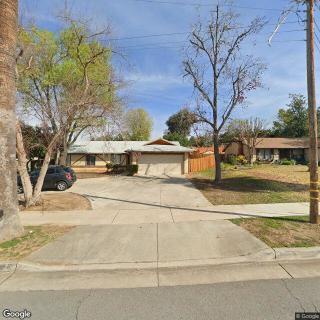
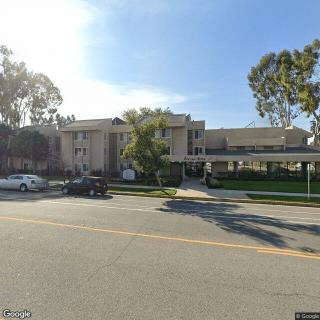
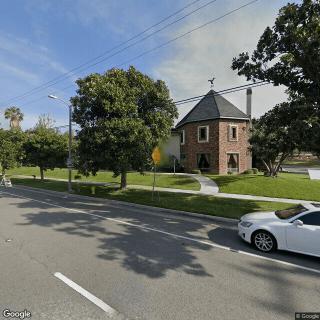
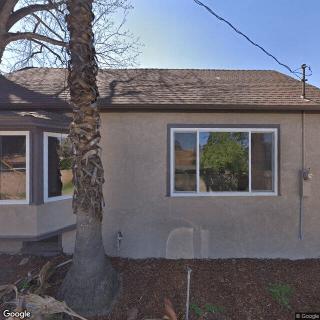
153 South Dearborn Street, Redlands, CA 92374
For more information about senior living options: (866) 208-4318
Overall Review of Rose Valley Redlands
Pros
 The facility is very clean, well run, and has a loving, caring staff.
- Emily is especially wonderful, treating residents with respect, love, and care.
- Emily and Ellen are wonderful caregivers who bring warmth and a welcoming atmosphere to the home.
- The caregivers treated my father-in-law as if he were their own father, making his stay peaceful and relaxing.
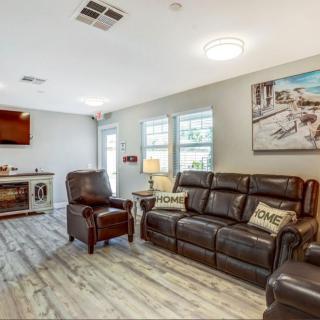
- The home feels warm and homelike, providing a comforting environment for residents and families.
- The staff are friendly, and residents are kept engaged and in good spirits.
- Angel, the administrator, is generous and kind, taking care of everything.
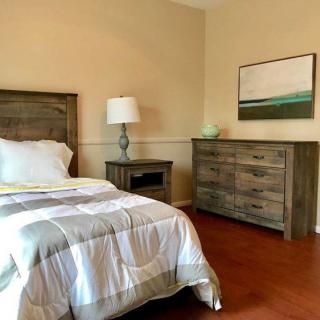
- Rose Valley is thoughtfully designed and well-kept, with private rooms for all residents.
- Families feel grateful for the care and would highly recommend Rose Valley.
Cons
 The reviewer notes that the line was disconnected and the number provided was wrong.
- The staff member yelled at the reviewer and then hung up.
- Follow-up calls were not answered until the staff member picked up and yelled again.
- The reviewer would not recommend the facility due to the rude interactions.
- The reviewer would not trust this person to care for patients.
- The reviewer feels compelled to warn others and no longer trusts the place.
Review
Rose Valley Redlands is best suited for families seeking a warm, home-like board-and-care environment where intimate staff-to-resident interactions drive daily life. This community shines when care is measured not by clinical heft but by relationships, attentiveness, and steadiness of routine. Residents who value private rooms, a calm, domestic setting, and caregivers who become familiar presences will find Rose Valley a comforting fit. The setting supports aging in place with a strong emphasis on dignity, gentle guidance, and everyday independence within a supportive, small-scale footprint.
That said, alternatives should be considered for families prioritizing a higher level of clinical oversight, a larger campus, or more specialized memory-care programming. Rose Valley’s strengths sit on a home-like model rather than a hospital-like operation, so families needing round-the-clock skilled nursing, intensive rehab, or highly structured programs may want to size up options elsewhere. A prior impression of uneven intake communication and a change in ownership also suggests that potential transience in administrative consistency could be a factor to verify before committing. Any family with essential needs for predictable front-desk responsiveness should test that channel during tours.
The strongest positives are clear and actionable: a consistently clean, well-kept environment with private rooms that feel like real bedrooms, not clinics. Families repeatedly highlight caregivers who treat residents with genuine warmth and respect, with Emily and Ellen singled out for their engaging, calming, and deeply attentive approaches. The administrator, Angel, is remembered as generous and capable, capable of aligning families and care in ways that minimize stress. The day-to-day life at Rose Valley centers on a homelike rhythm, meals in a shared dining area, opportunities to borrow kitchen items, the option to heat up a meal, and a yard that invites gentle outdoor time. This combination creates a sense of belonging that often translates into improved mood and stability for residents facing health or cognitive challenges.
Those advantages offset the cons by translating philosophy into practice. The deeply personal care model means distress signals from declining health or emotional upset are noticed quickly and addressed with a human touch, not a checklist. Narrative threads from families describe not only safe, clean spaces but also a culture where staff members go the extra mile to connect with residents, whether it’s Emily’s lively energy or Ellen’s quiet, reassuring walks and check-ins. For families navigating transitions after hospitalization or a sudden health shift, that steady presence reduces the fear of loss and helps a loved one regain a sense of normalcy. In cases of memory-related changes, the combination of a calm setting, attentive caregivers, and ongoing reassurance proves especially valuable.
The facility’s design and operations appeal most to seniors who value consistency, small-scale intimacy, and family-like engagement. Private rooms with ample personal space, a nonclinical atmosphere, and accessible common areas support autonomy while preserving safety. The social environment, resume-like stories of friendly residents and a welcoming staff, helps minimize isolation and fosters meaningful daily purpose. Prospective residents who enjoy a supervised yet homely routine will find this balance compelling, particularly when paired with caregivers who remember names, preferences, and histories. For those whose loved ones require a higher level of clinical intervention or a more aggressive memory-care approach, Rose Valley may still be a meaningful choice, but due diligence on care plans and staff availability is essential.
Before choosing, families should schedule a tour with a focus on consistency in communication and care management. Ask about current ownership and leadership structure, verify staff-to-resident ratios during peak hours, and request direct conversations with the caregivers who interact most with residents. Inspect room layouts, confirm private bathroom access, and assess the yard and kitchen-access features firsthand. Gather current references from families with loved ones at similar stages of health, and probe how quickly concerns are escalated and resolved. When warmth, personalized attention, and a homey setting are the priority, Rose Valley Redlands stands out as a practical, trusted option; if clinical intensity and large-scale operations are non-negotiable, exploration elsewhere is prudent.
 6 resident community capacity
 Assisted Living
 Board and Care Home
 Cable or satellite TV
 Dining room
 Fully furnished
 Garden
 Housekeeping services
 Move-in coordination
 Outdoor space
 Telephone
 Wi-Fi/high-speed internet available
 24-hour supervision
 Activities of daily living assistance
 Assistance with bathing
 Assistance with dressing
 Assistance with transfers
 Diabetes diet
 Meal preparation and service
 Medication management
 Special dietary restrictions
 Transportation arrangement (medical)
 Transportation to doctors appointments


 Comprehensive Supportive Living Arrangements for Adults with Disabilities
 Funding and Affording Assisted Living: A Thorough Overview
 Assisted Living Expenses and Long-Term Care Insurance: A Comprehensive Exploration