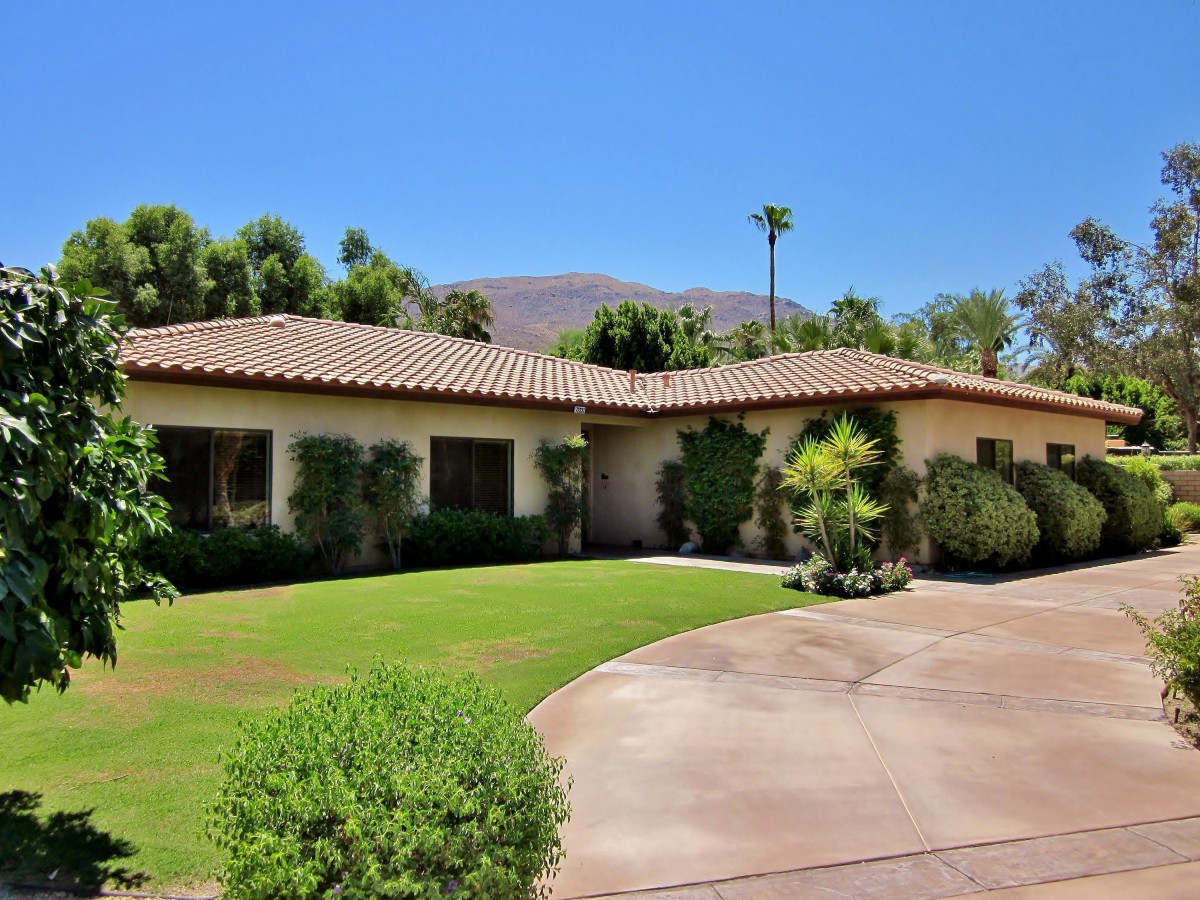
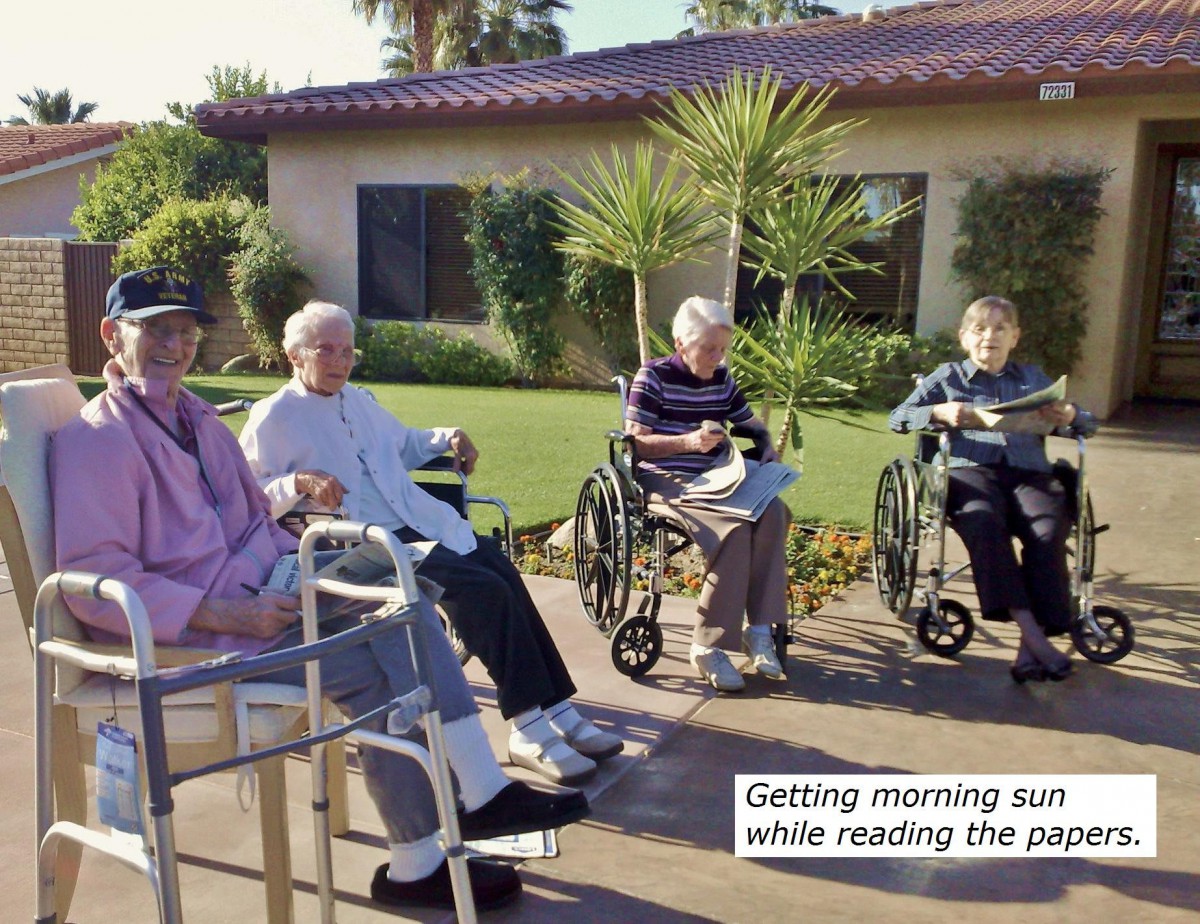
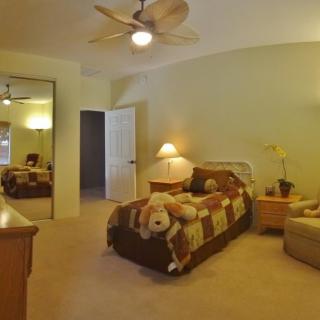
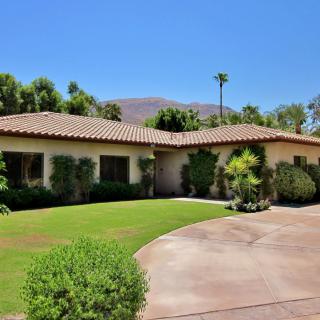
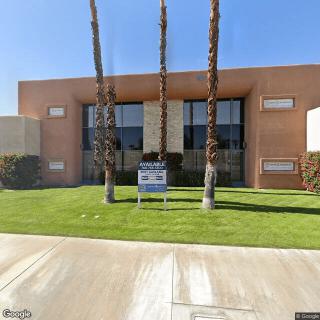
72331 Magnesia Falls, Rancho Mirage, CA 92270
For more information about senior living options: (866) 208-4318
La Bella Gardens Costs & Pricing
La Bella Gardens presents a compelling option for residents seeking semi-private and private accommodations, with costs positioned at $3,800 and $4,200 per month, respectively. In comparison to Riverside County's averages of $2,844 for semi-private and $3,474 for private rooms, La Bella Gardens is slightly higher in price. However, when viewed against the broader California landscape - where the average costs stand at $3,333 for semi-private and $3,939 for private options - La Bella Gardens remains competitively priced. This pricing reflects not only the quality of care and amenities offered but also aligns with the cost trends seen throughout the state, making it a noteworthy consideration for prospective residents and their families.
| Floor plans | La Bella Gardens | Riverside County | California |
|---|---|---|---|
| Semi-Private | $3,800 | $2,844 | $3,333 |
| Private | $4,200 | $3,474 | $3,939 |
Assisted Living communities with a similar price nearby
-
from +$695 / mo
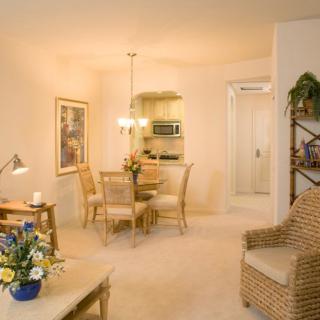
Segovia
$4,495 to $5,195 / month1.8 miles away -
About the same
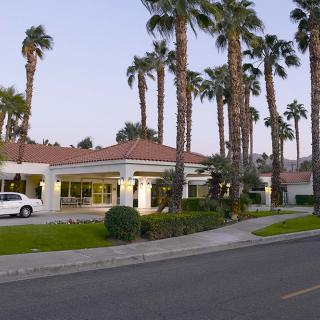
Atria Palm Desert
$3,895 to $5,195 / month1.6 miles away -
About the same
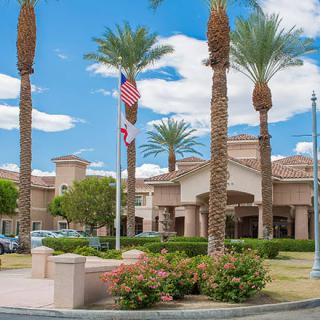
Brookdale Mirage Inn
$3,895 to $5,700 / month1.7 miles away -
from -$300 / mo
Shadow Palms Manor
$3,500 / month1.8 miles away -
from -$700 / mo

Pacifica Senior Living Palm Springs
$3,100 to $4,200 / month9.2 miles away
Overall Review of La Bella Gardens
Pros
 La Bella Gardens is described as excellent.
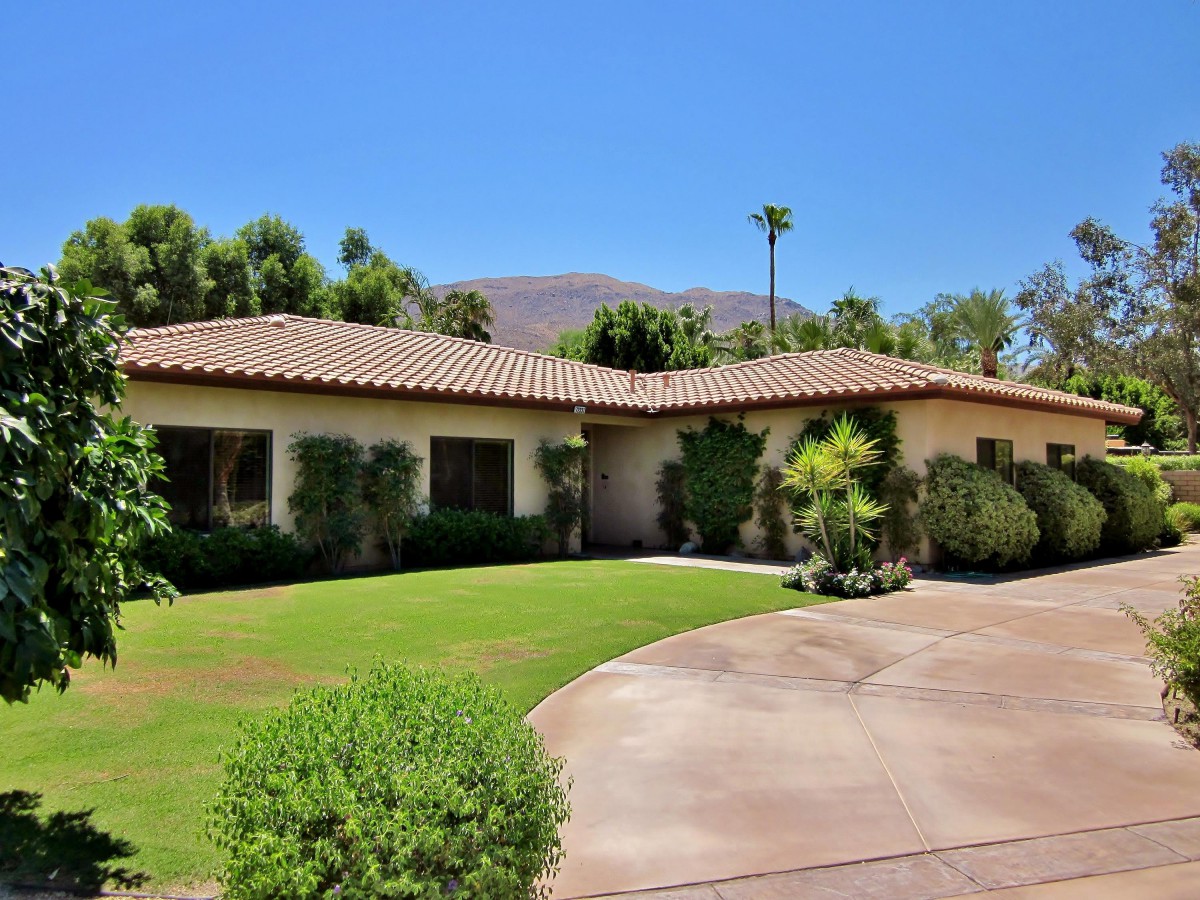
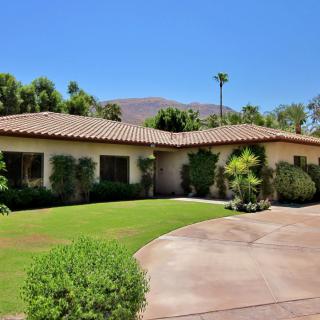
- The home is very nice looking and well set up for wheelchair access and moving beds.
- The caregivers are praised for doing a good job.
- The staff work very well with hospice services.
Review
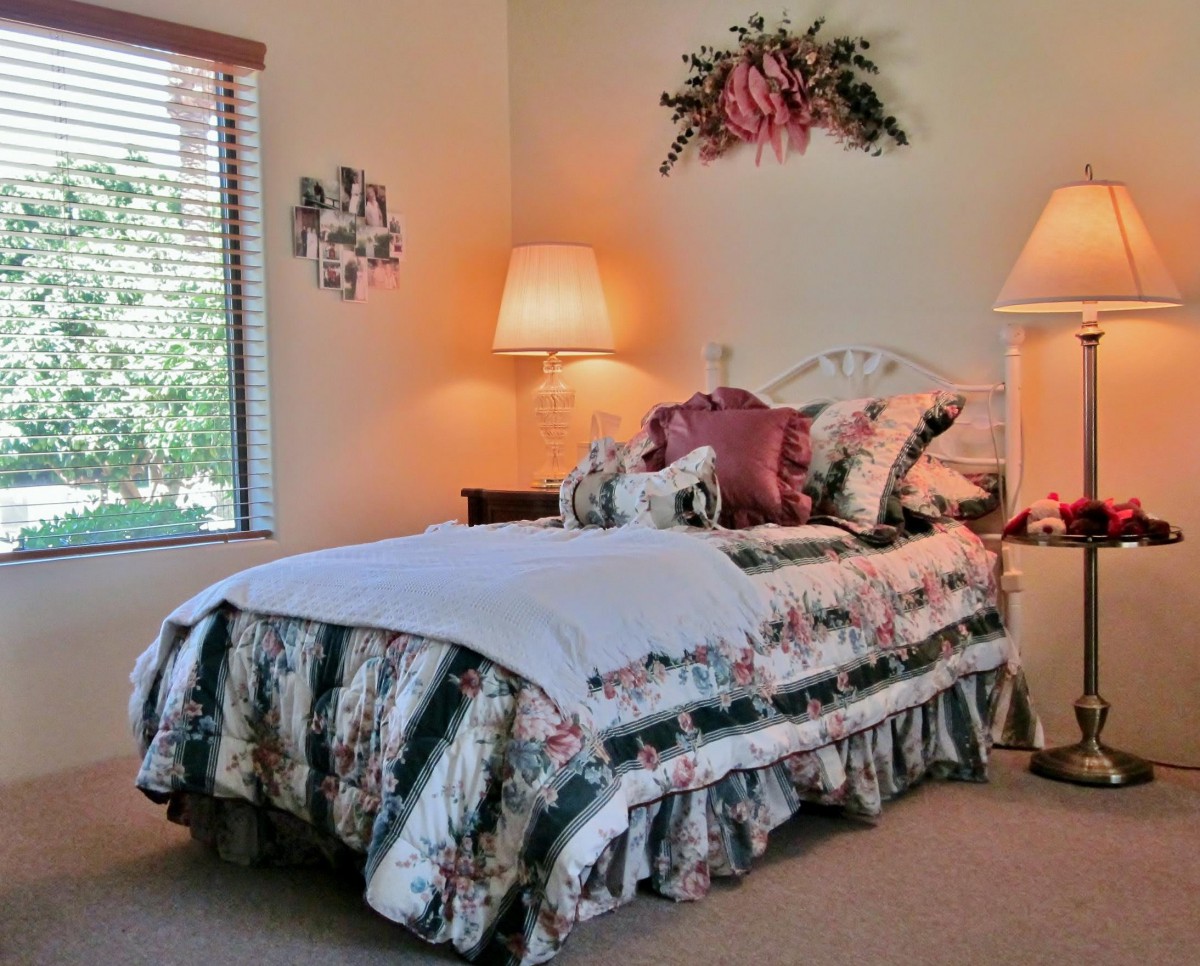
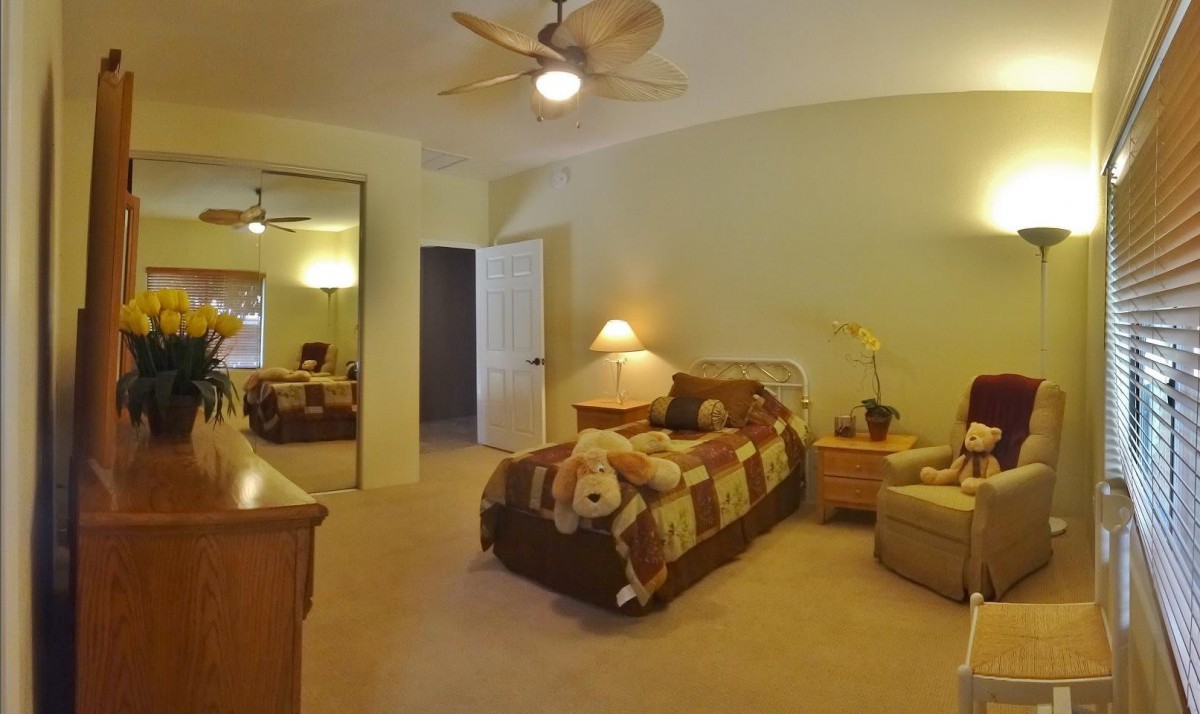
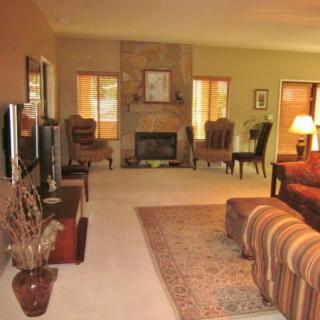
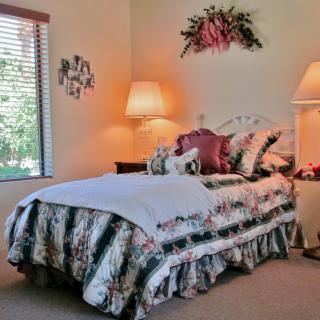
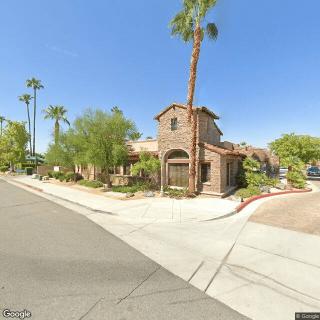
La Bella Gardens in Rancho Mirage is best suited for seniors who need practical, accessible care with strong coordination to hospice services. The house-like setting is clearly designed for mobility needs, offering space for wheelchairs and for maneuvering beds without crowding. Caregivers are described as capable and responsive, and their collaboration with hospice teams suggests a seamless, end-of-life care workflow. In short, this community delivers a calm, function-forward environment where daily routines can be managed with dignity and professional support.
Families weighing options should note that the reviews describe a short stay, which limits insight into longer-term outcomes such as sustained engagement, programming breadth, or dining variety. Those prioritizing a robust activities calendar, social opportunities, or a larger campus feel may want to explore alternatives with more visible activity schedules. Pricing, contract terms, and exact staffing ratios aren’t disclosed in the available feedback, so buyers should seek transparent information before committing. The absence of overt drawbacks in the reviews does not substitute for a full due diligence check.
Key advantages, an attractive, well-kept home; mobility-friendly design; caregivers who perform well; and strong hospice integration, create a compelling value proposition for end-of-life or short-to-mid-term care. These elements collectively offset typical concerns about privacy, personalization, or continuity of staff by ensuring functional comfort and coordinated medical support. The main risk, drawn from limited long-term data, is the potential for not fully understanding how programming, family communication, or nurse availability scales over time. Still, the evident alignment with hospice care cushions that risk for residents who need attentive, compassionate oversight.
From a practical standpoint, the beauty and layout of the home matter when daily living entails frequent transfers, medical equipment, or close caregiver-resident contact. The environment’s lack of clutter and clear pathways can reduce falls and frustration, while staff familiarity with hospice workflows can translate to smoother transitions, better symptom management, and timely responses. For families, this translates into fewer logistical battles and more assurance that comfort and safety are prioritized at every shift.
To assess fit, families should demand a candid tour focused on room configurations, maneuvering space, and accessibility features; inquire about staffing levels during peak hours; and confirm the on-site availability of licensed professionals versus on-call coverage. Ask for concrete details about meal service, daily activities, and family communication channels. Clarify how hospice partnerships operate in practice, including coordination with physicians, medication management, and end-of-life planning. The goal is a clear picture of whether La Bella Gardens can sustain the level of care required over the anticipated stay.
In closing, La Bella Gardens offers a pragmatic, caregiver-focused option for seniors who need accessible space and hospice-aligned support in a comfortable, well-maintained home. The reviews support confidence in the care team and the logistics of mobility and equipment management. Families who prioritize ease of movement, predictable routines, and gentle, coordinated care will find this community a sound choice. Those seeking a bustling social scene, extensive programming, or long-term independence should explore other communities to avoid underutilizing the strengths La Bella Gardens presents.
 6 resident community capacity
 Assisted Living
 Board and Care Home
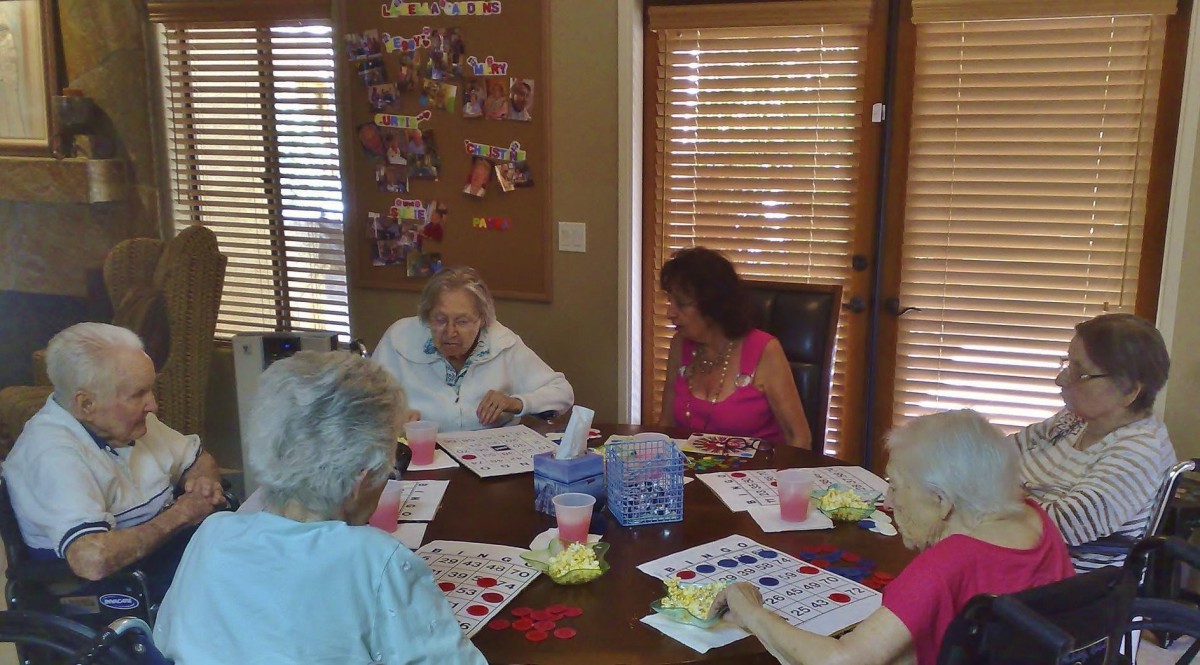
 Activities on-site
 Air-conditioning
 Cable or satellite TV
 Dining room
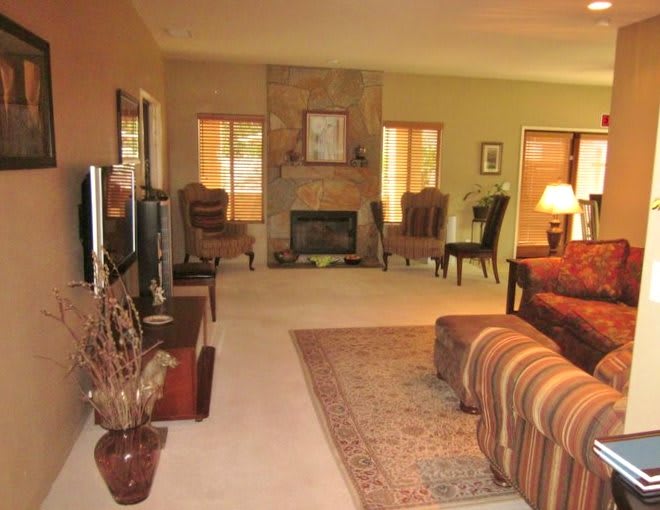
 Fully furnished
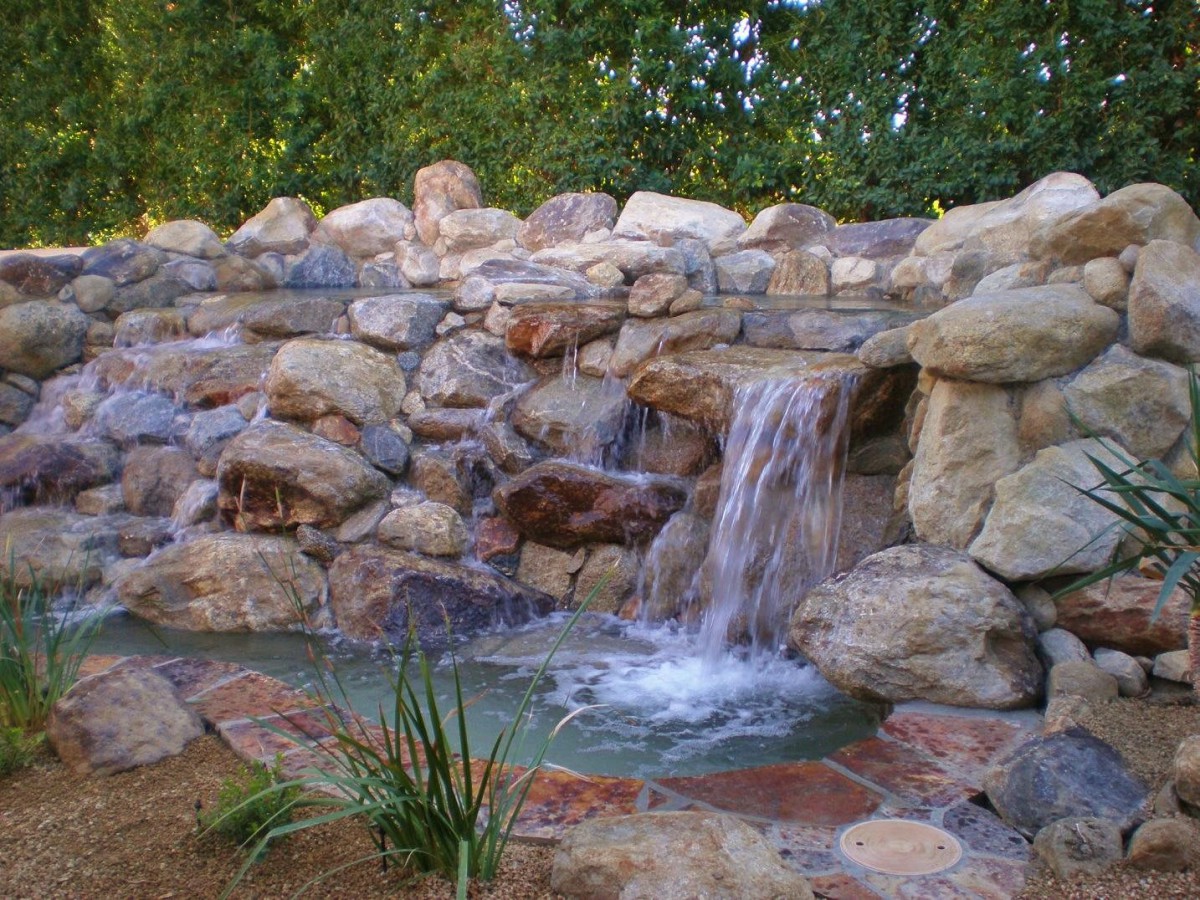
 Garden
 Housekeeping services
 Indoor common areas
 Move-in coordination
 Outdoor common areas
 Private
 Private bathrooms
 Telephone
 Wheelchair accessible showers
 Wi-Fi/high-speed internet available
 Palm Springs International (9 miles away)
 24-hour supervision
 Ambulatory care
 Assistance with bathing
 Assistance with dressing
 Assistance with transfers
 Diabetes diet
 Incontinence care
 Meal preparation and service
 Medication management
 Special dietary restrictions
 Transportation arrangement (medical)
 Transportation to doctors appointments
 Holiday parties



 A Detailed Exploration of Assisted Living Medicaid Waivers Across the United States
 Comprehensive Residential Support and Assisted Living Solutions for Individuals with Disabilities
 Comprehensive Supportive Living Arrangements for Adults with Disabilities