Atria Del Rey offers competitive pricing for its various room types, aligning closely with the costs observed in San Bernardino County and throughout California. For a studio apartment, residents can expect to pay $4,195 per month, which is slightly above the county average of $3,455 but shows a modest increase over the state average of $4,145. Semi-private accommodations are available at $6,195 per month, notably higher than both the county rate of $2,958 and the California average of $3,333. The one-bedroom option is priced at $6,295, again surpassing the county's typical cost of $3,548 and the state's average of $4,340. Overall, Atria Del Rey's pricing reflects its commitment to quality services and amenities while being positioned competitively within the local and state market landscape.
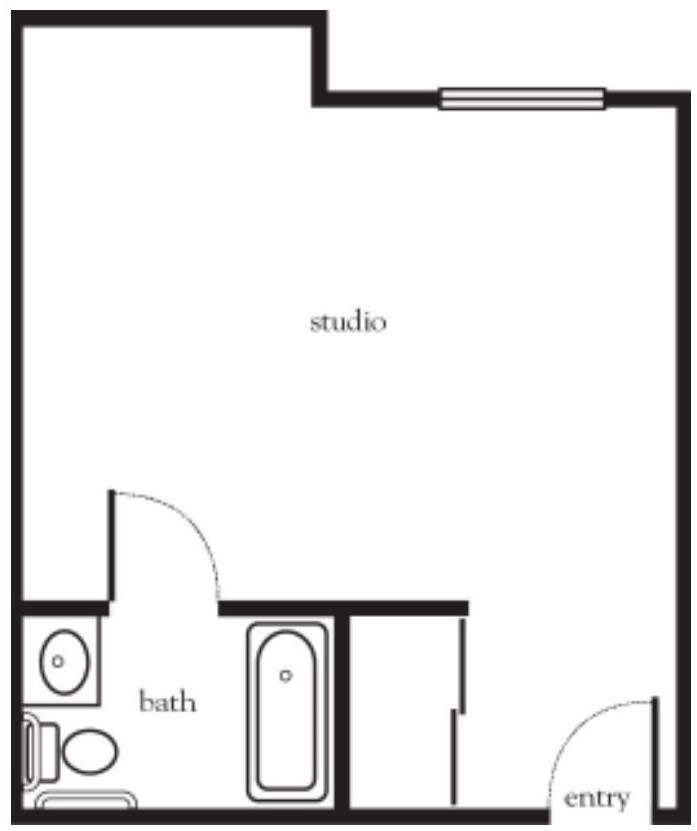
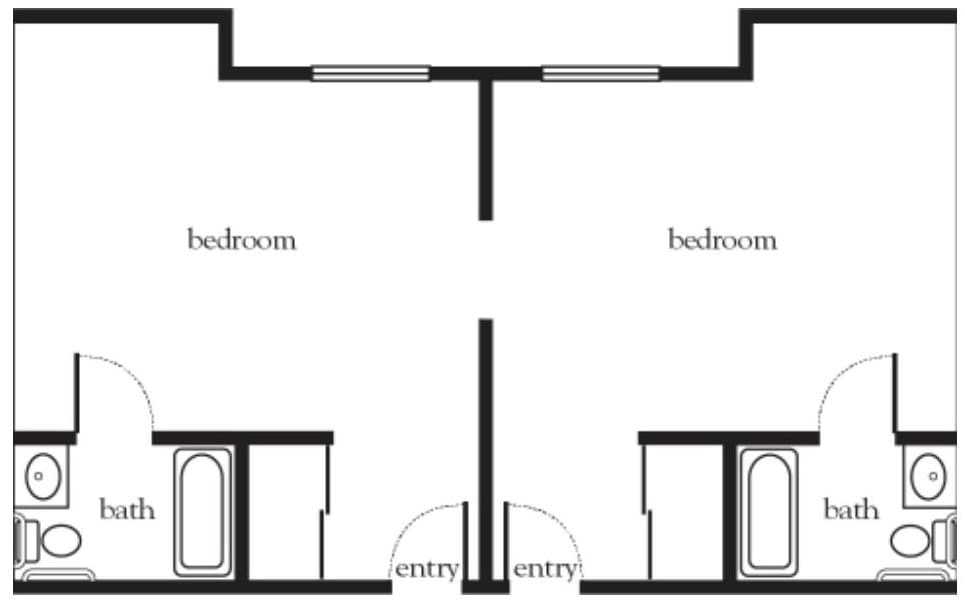
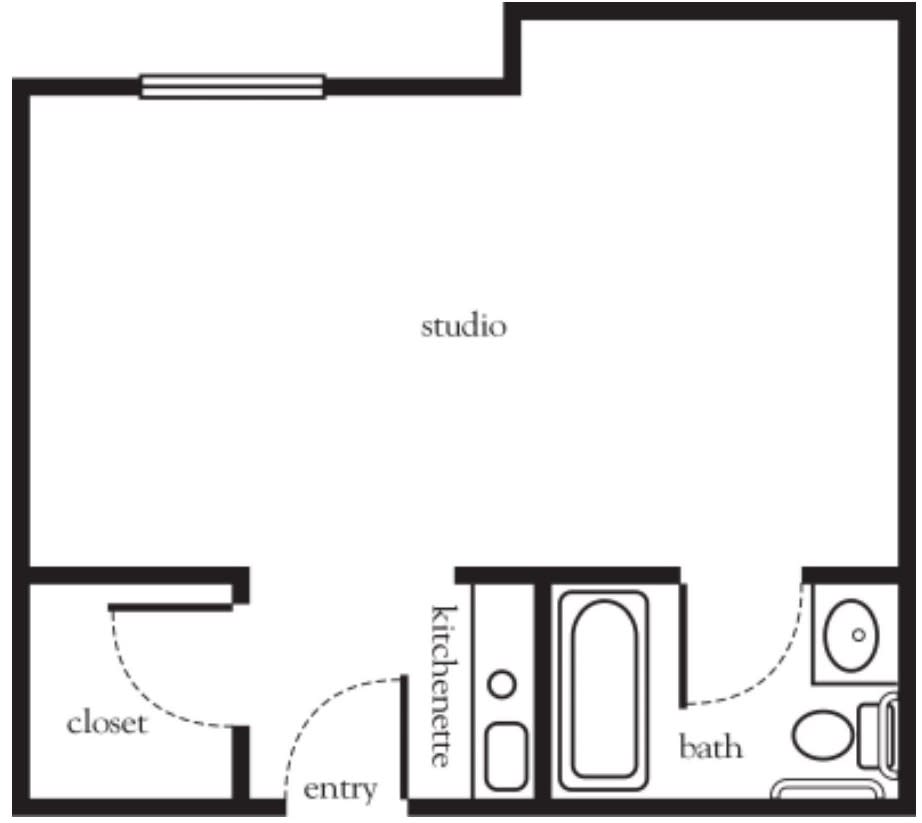
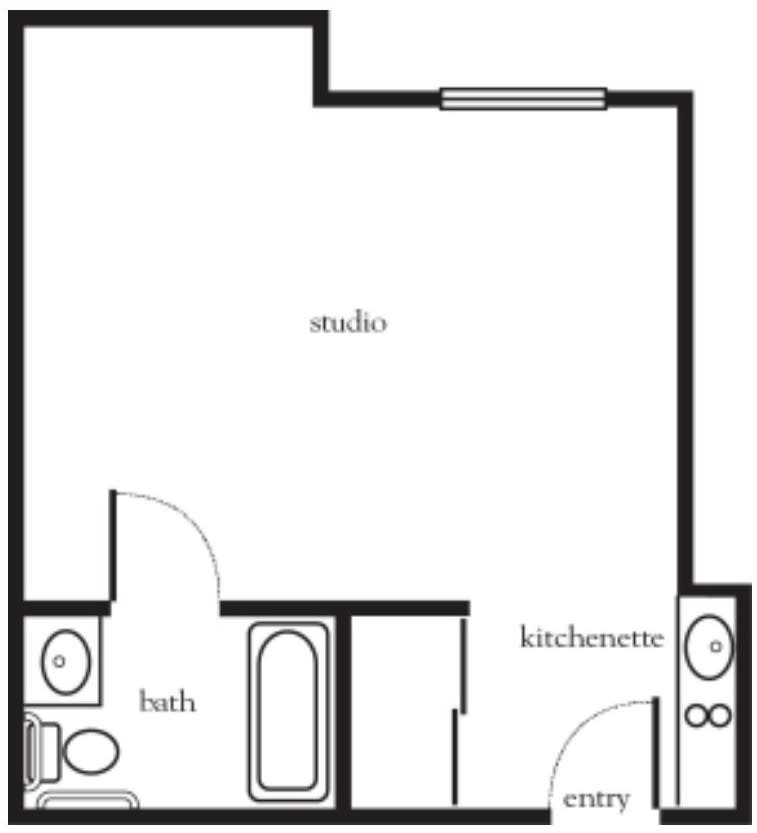
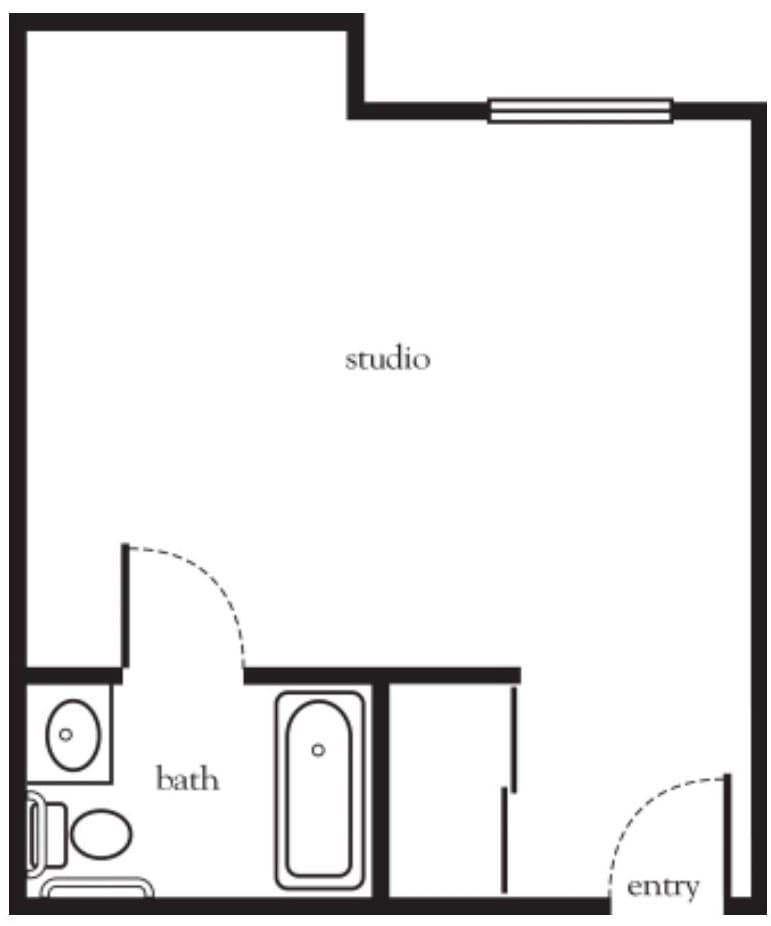
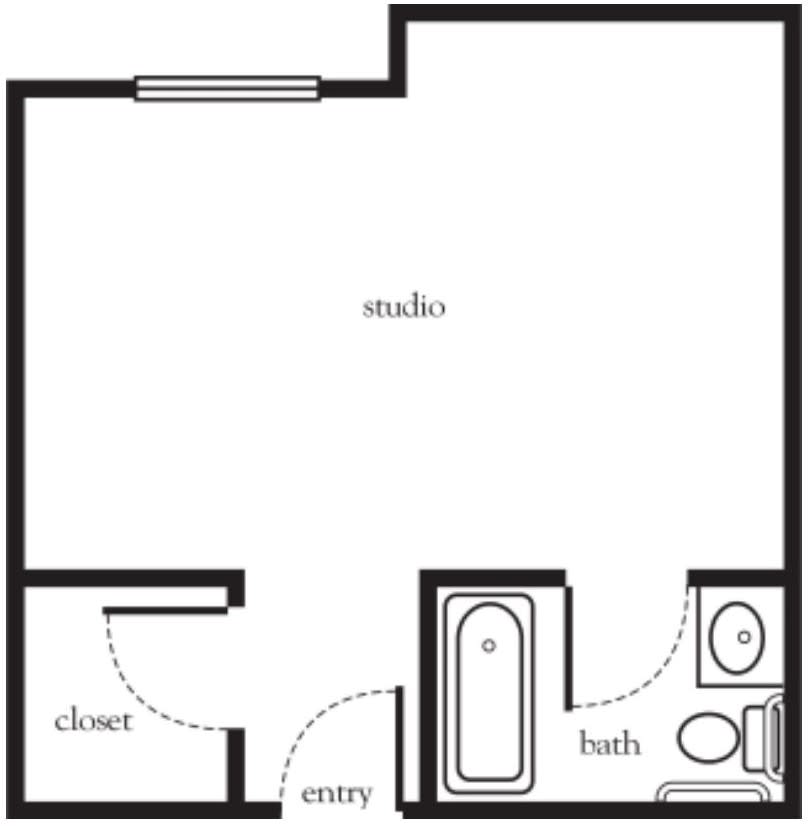
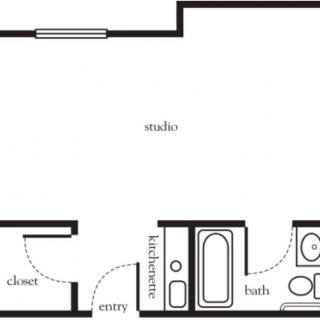
Floor plans
Atria Del Rey
San Bernardino County
California
Studio
$4,195
$3,455
$4,145
Semi-Private
$6,195
$2,958
$3,333
1 Bedroom
$6,295
$3,548
$4,340
Assisted Living communities with a similar price nearby
Residents and families consistently describe staff as friendly, kind, and quick to help.
Across many reviews, residents and families mention being greeted warmly and treated with compassion, patience, and respect. People also describe staff being attentive to needs as situations change, including when help is needed with daily tasks, comfort, and follow-ups. A smaller number of reviews add nuance, describing occasional staffing coverage concerns or challenges with communication and process.
common
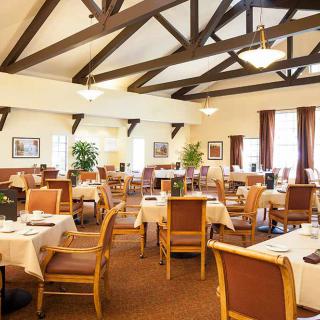
Restaurant-style dining and quality
Dining stands out for residents’ enjoyment of the food and flexible ordering.
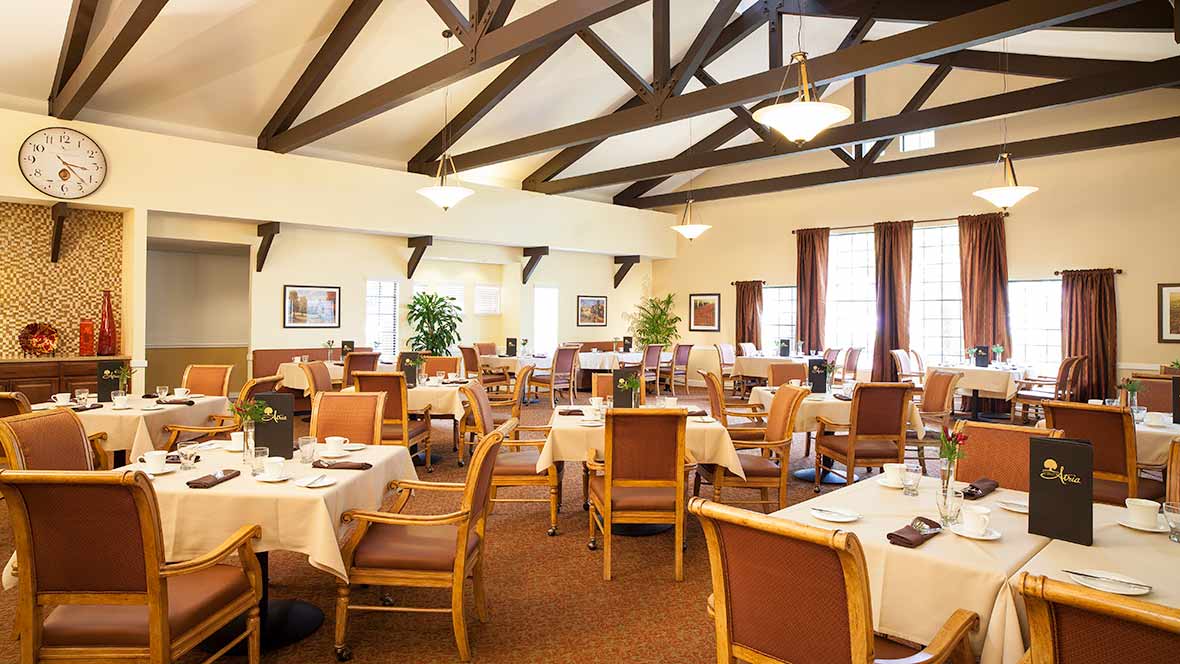
Many reviews praise the food quality and describe meals they enjoyed, including variety and the sense that dining feels more like a restaurant than a cafeteria. Several people also mention being able to order from a menu or get alternatives, and that the kitchen staff are helpful with meal planning. While most feedback is positive, there are also mentions of cost concerns that can make overall value feel tight.
common
Activities keep residents engaged
Residents describe frequent activities that help them stay social and active.
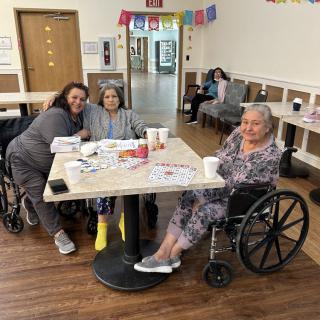
Reviews repeatedly mention bingo, music, outings, and daily scheduled activities that keep residents engaged. Families describe seeing their loved ones enjoy social time and special events, including weekly live entertainment and themed gatherings. Some residents note changes during restrictions, but even then reviews describe alternative ways staff tried to keep people active.
differentiator
Care support, including memory care
Residents in memory care describe strong support from caregivers in a stressful setting.
Multiple reviews speak directly to memory care, describing it as an excellent experience and highlighting how the care staff handle a demanding environment. Other reviews also mention medication management and help with daily living as needs increase over time. A minority of reviews raise concerns about the fit or staffing observation during tours, so it’s worth asking questions to make sure the care level and setting match expectations.
caveat
Pricing feels high for value
Pricing is a recurring concern, even among reviewers who like the facility.
Several reviews call out the cost as high or expensive, with at least one person directly linking value concerns to what they could get for the price. There are also mentions of pricing changes and expectations not always matching what families were told during short stays or planning. The pricing concern often appears alongside otherwise positive feedback about cleanliness, food, and activities, which suggests the main friction is affordability.
common
Clean, well-kept spaces
Reviews frequently mention a clean, well-kept facility environment.
Many reviews describe the community as clean, organized, and well maintained, including rooms and common areas. Families also mention that the facility appears carefully cared for day to day. A few reviews include smaller concerns, such as occasional process delays or short-handed coverage, but cleanliness is commonly cited as a consistent positive.
How we summarize
We summarize when many written reviews mention each theme; a review can touch several themes, and only frequently mentioned themes are displayed.
Features
Housing
145 resident community capacity
1-bedroom apartments
2-bedroom apartments
Studio apartments
Types of Care
Assisted Living
Independent Living
Memory Care
Skilled Nursing Facility
Pets
Cats allowed
Dogs allowed
Amenities
Activities off-site
Activities on-site
Air-conditioning
Beautician on-site
Beauty salon
Cable or satellite TV
Computer center
Devotional services off-site
Devotional services on-site
Dining room
Fitness room
Fully furnished
Gaming room
Garden
Ground floor units
Guasts at mealtime
Guest parking
Handicap accessible
Housekeeping services
Indoor common areas
Kitchenette
Laundry
Move-in coordination
Outdoor common areas
Outdoor space
Party space
Pet friendly
Private bathrooms
Resident parking
Respite or short term stays offered
Restaurant-style dining
Small library
Spa
Telephone
Wellness center
Wheelchair accessible showers
Wi-Fi/high-speed internet available
Transportation
Ontario International (5 miles away)
Community operated transportation
Transportation & parking
Transportation arrangement
Transportation arrangement (non-medical)
Care Services
12-16 hour nursing
24-hour call system
24-hour supervision
Activities of daily living assistance
Ambulatory care
Assistance with bathing
Assistance with dressing
Assistance with transfers
Coordination with health care providers
Dementia waiver
Diabetes diet
Hospice waiver
Incontinence care
Meal preparation and service
Medication management
Mental wellness program
Mild cognitive impairment
Special dietary restrictions
Specialized memory care programming
Transportation arrangement (medical)
Transportation to doctors appointments
Dining
Anytime dining
Diabetes diet
Gluten-free
Guest meals
International cuisine
Low / no sodium
Meals provided
No Sugar
Professional chef
Restaurant style dining
Room service
Special dietary restrictions
Special dining programs
Vegan
Vegetarian
Activities
Activities off-site
Art classes
Catholic services
Community-sponsored activities
Concierge services
Cooking classes
Day trips and outings
Devotional activities offsite
Devotional activities on-site
Educational speakers / life long learning
Fitness programs
Jewish services
Live well programs
Mormon/LDS services
Planned day trips
Protestant services
Religious services
Resident-run activities
Scheduled daily activities
Wine tasting
Languages Spoken
English
Nearby Places of Interest
This area of Rancho Cucamonga, California, offers a variety of conveniences and amenities that may be appealing for senior living. There are several pharmacies nearby such as Walgreens, Rite Aid, CVS Pharmacy, and Gemmel Pharmacy Group for easy access to medication and healthcare supplies. In terms of dining options, there are multiple restaurants including Vince's Spaghetti, The Habit Burger Grill, and several McDonald's locations for quick and convenient meals. For medical care, there are a number of physicians' offices and hospitals within a short distance. Places of worship such as First Presbyterian Church Upland and St Anthony's Catholic Church provide opportunities for spiritual fulfillment. Additionally, parks like Central Park and Citrus Park offer opportunities for outdoor recreation and relaxation. Transportation options including the Metrolink train stations and Ontario International Airport make it easy to travel in and out of the area. Overall, this part of Rancho Cucamonga provides a well-rounded environment with amenities suitable for senior living.
Restaurants
McDonald's (0.1 miles)
Vince's Spaghetti (1.3 miles)
McDonald's (1.5 miles)
K-Towne 88 (2.3 miles)
McDonald's (2.5 miles)
The Habit Burger Grill (2.8 miles)
McDonald's (3.2 miles)
Pharmacies
Walgreens (0.8 miles)
Alta Loma Square (0.9 miles)
Rite Aid (0.9 miles)
CVS Pharmacy (0.9 miles)
Gemmel Pharmacy Group (1.2 miles)
CVS Pharmacy (1.9 miles)
Ken Pharmacy (1.9 miles)
Cafes
Starbucks (1.5 miles)
Panera Bread (2.4 miles)
Starbucks (3.9 miles)
Starbucks (4.4 miles)
Starbucks (4.5 miles)
Physicians
Face And Body Cosmetic Surgery Upland (1.6 miles)
Care For Womens Medical Group (1.7 miles)
Children's Choice Pediatrics (1.8 miles)
Rancho Wellness: Ravinder Singh, MD (1.8 miles)
City Of Hope Upland (1.9 miles)
Dr Robert. Armada (1.9 miles)
Womens View Medical Group (2.5 miles)
Hospitals
San Antonio Medical Center (1.8 miles)
San Antonio Community Hospital Maternity Information Services (1.9 miles)
Places of Worship
First Presbyterian Church Upland (2.5 miles)
St Anthony's Catholic Church (3 miles)
Hillside Community Church (3.3 miles)
Charisma Life Church (7.8 miles)
Parks
Central Park (3 miles)
Citrus Park (3.6 miles)
Olive Grove Park (6.8 miles)
Transportation
Rancho Cucamonga Metrolink Train Station (3.7 miles)
Ontario International Airport - Terminal 2 (4.2 miles)
Atria Del Rey offers competitive pricing for its various room types, aligning closely with the costs observed in San Bernardino County and throughout California. For a studio apartment, residents can expect to pay $4,195 per month, which is slightly above the county average of $3,455 but shows a modest increase over the state average of $4,145. Semi-private accommodations are available at $6,195 per month, notably higher than both the county rate of $2,958 and the California average of $3,333. The one-bedroom option is priced at $6,295, again surpassing the county's typical cost of $3,548 and the state's average of $4,340. Overall, Atria Del Rey's pricing reflects its commitment to quality services and amenities while being positioned competitively within the local and state market landscape.
Atria Del Rey's comprehensive features are designed to effectively support residents with dementia or Alzheimer's disease by creating a safe and nurturing environment tailored to their unique needs. The 24-hour supervision ensures that residents receive constant monitoring, which is crucial for their safety and security. Assistance with activities of daily living--such as bathing, dressing, and transfers--promotes independence while alleviating stress and confusion associated with these tasks. Coordination with healthcare providers allows for personalized care plans that adapt to each resident's medical requirements, while the dementia waiver provides flexibility in addressing specific care needs. Incontinence care and meal preparation ensure dignity and proper nutrition, respectively, while medication management helps maintain health through adherence to prescribed treatments. The mental wellness program supports cognitive engagement and emotional well-being, complemented by specialized memory care programming that offers structured activities tailored to various cognitive levels. Additionally, transportation arrangements for medical appointments facilitate access to necessary healthcare services without added logistical burdens. Together, these features create an environment conducive to both physical safety and emotional stability for those living with cognitive impairments.
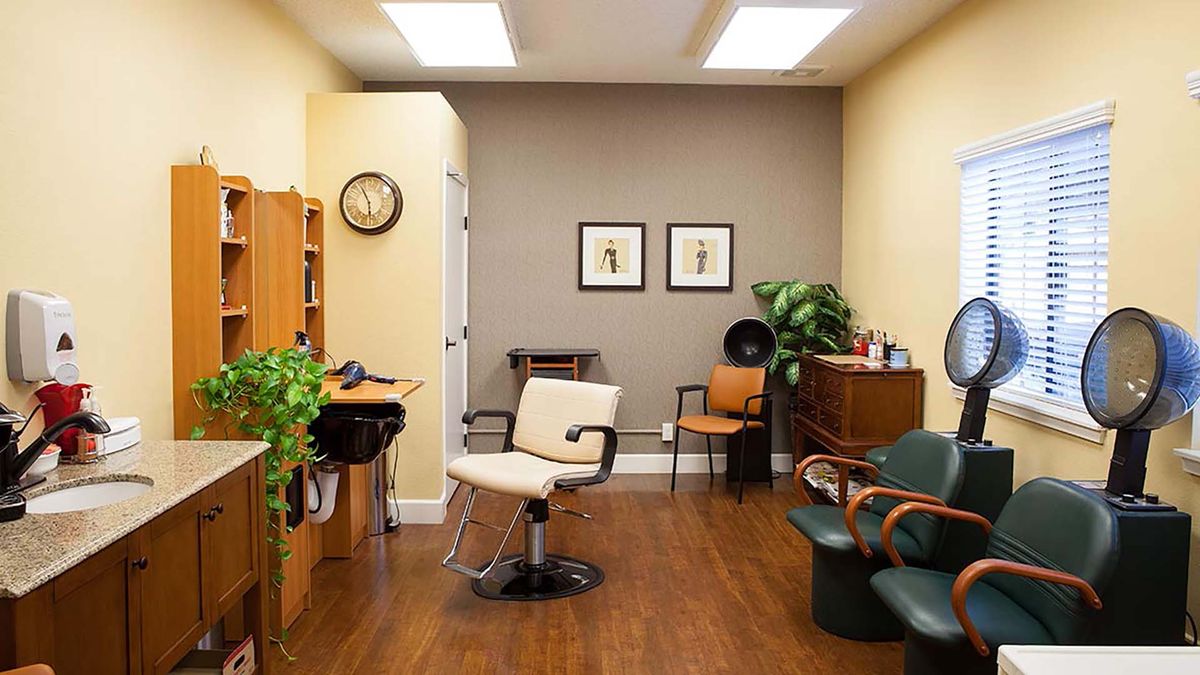
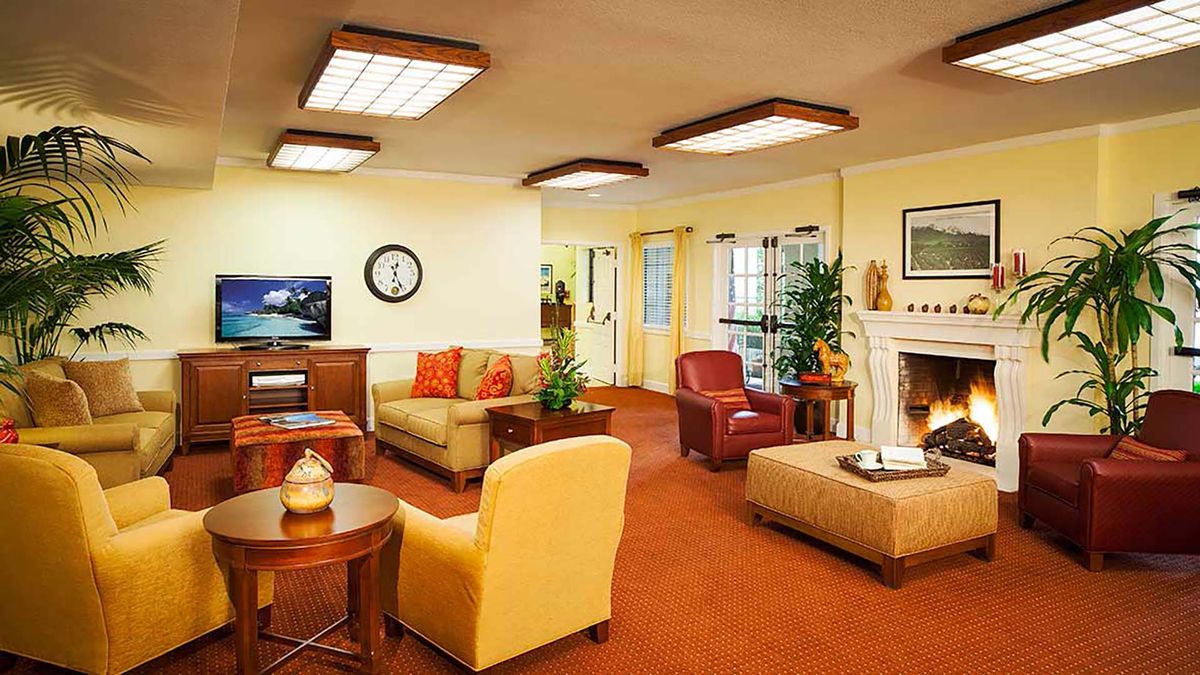
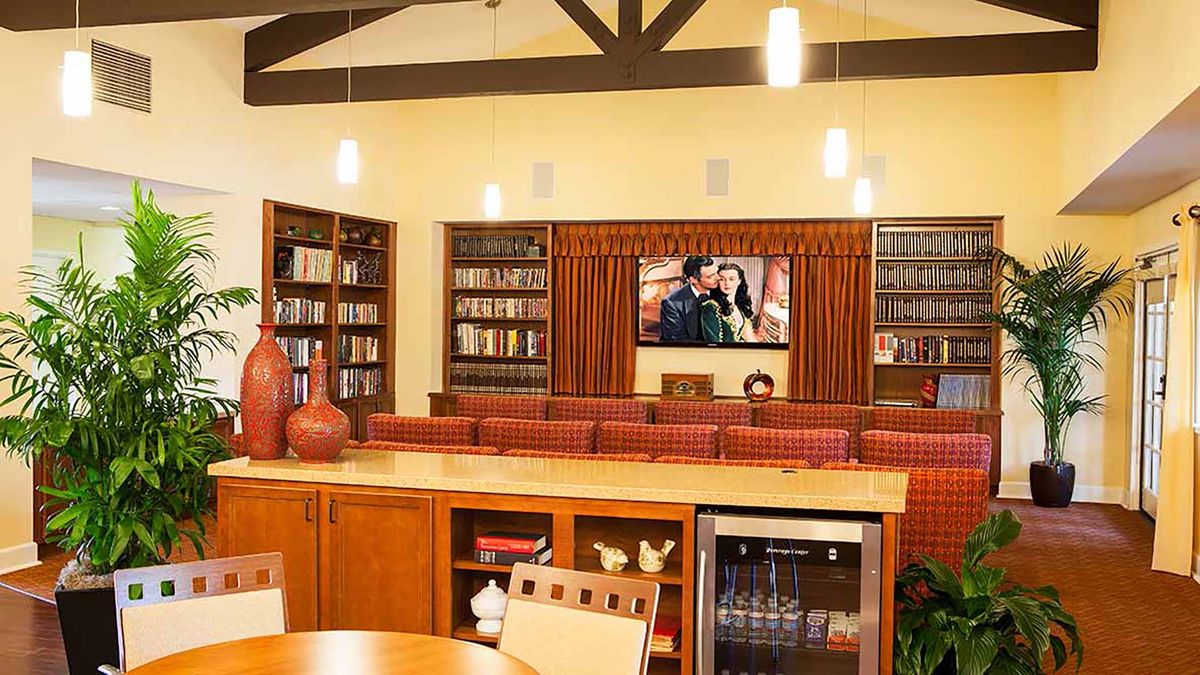
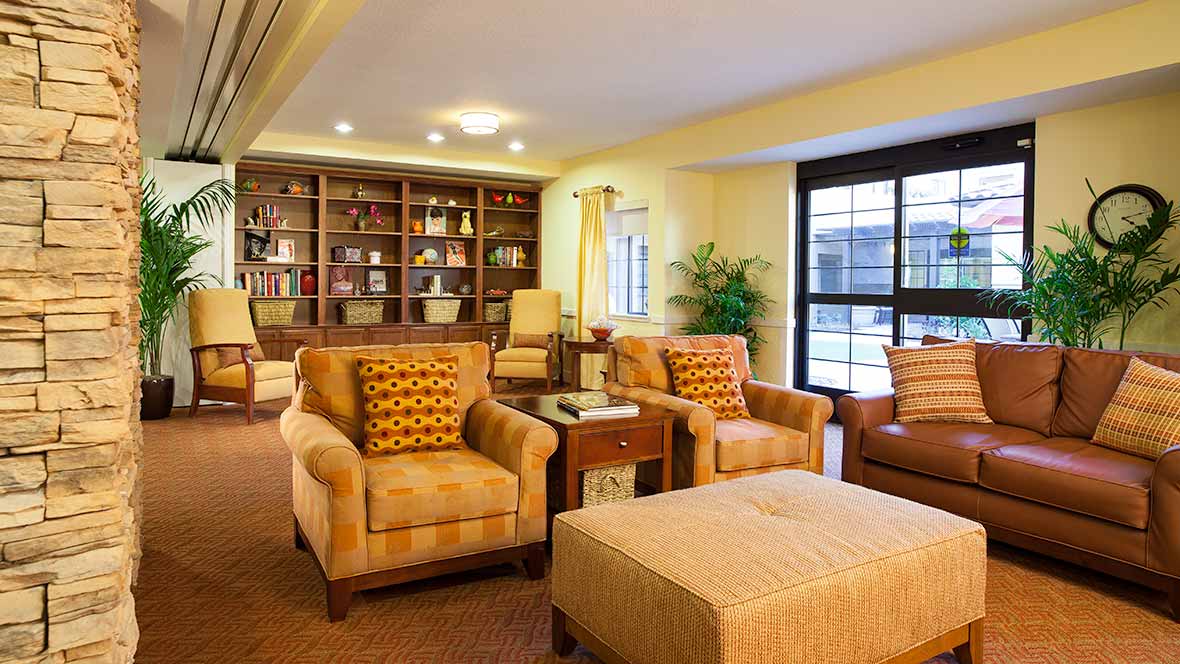
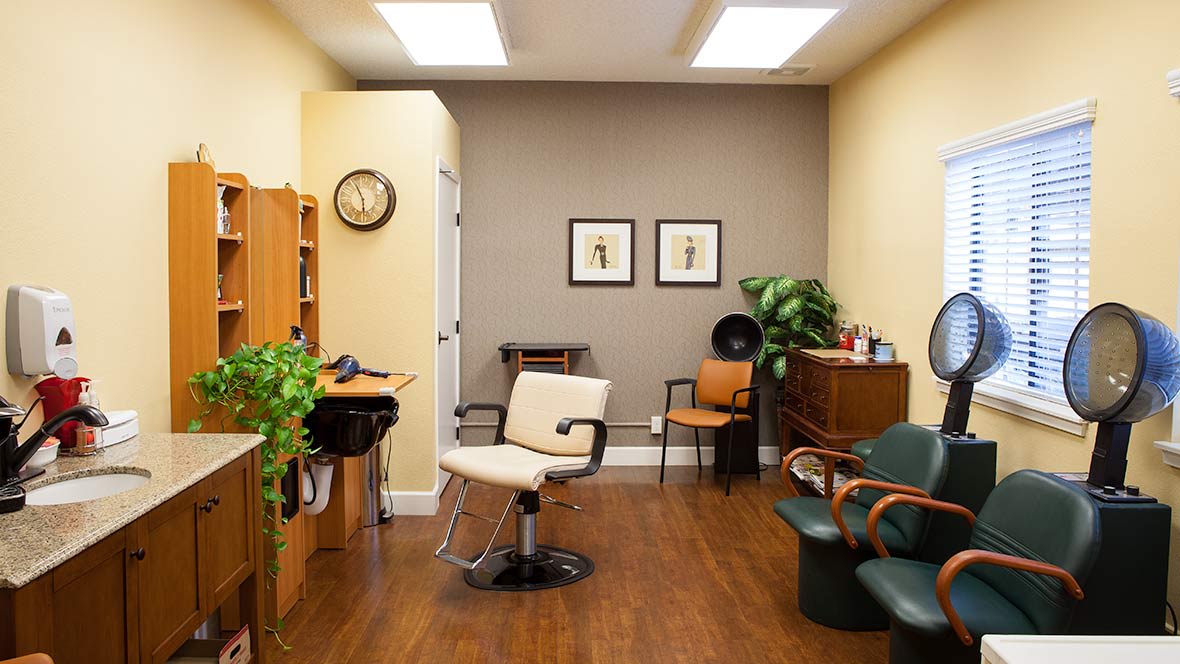
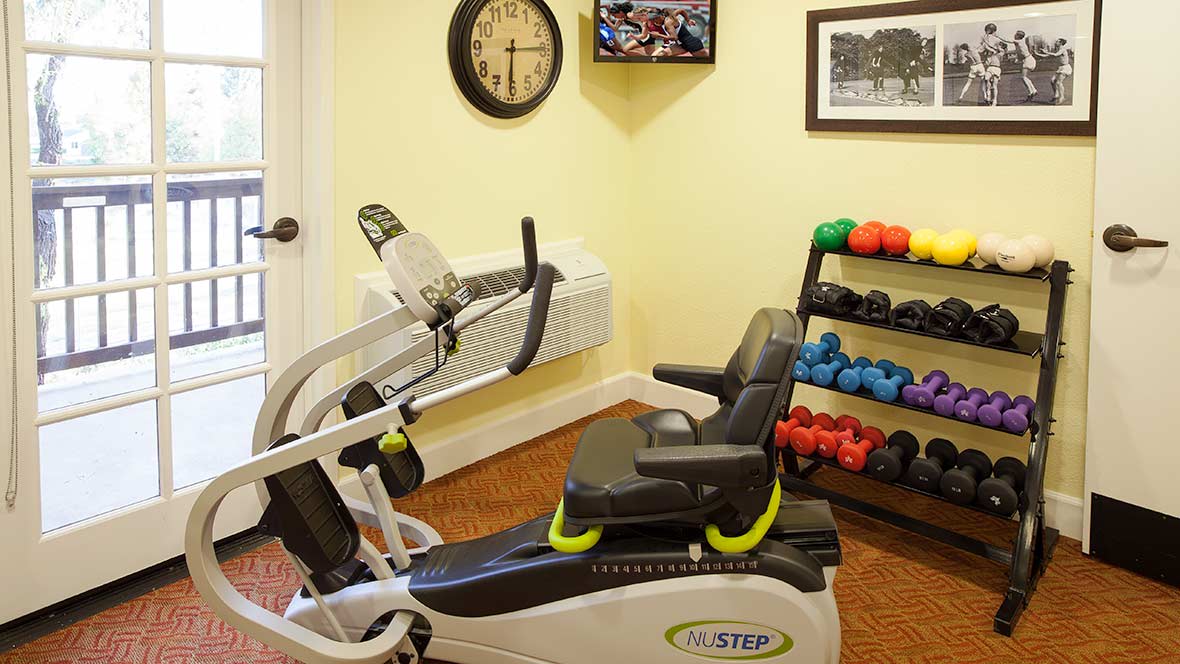
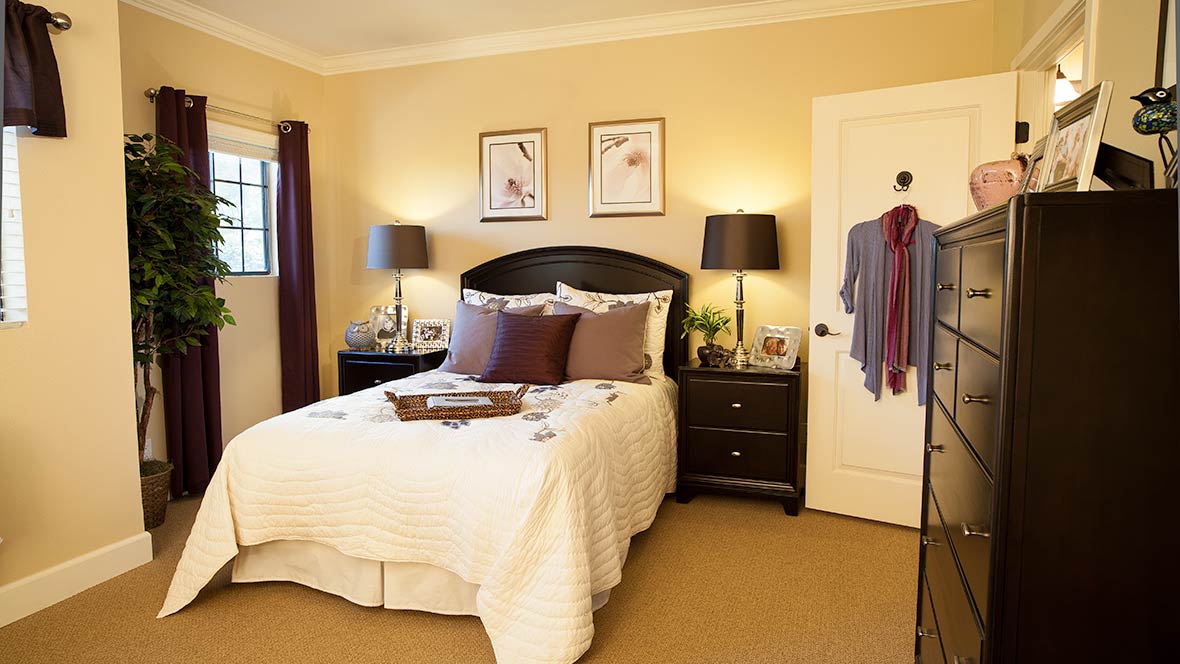
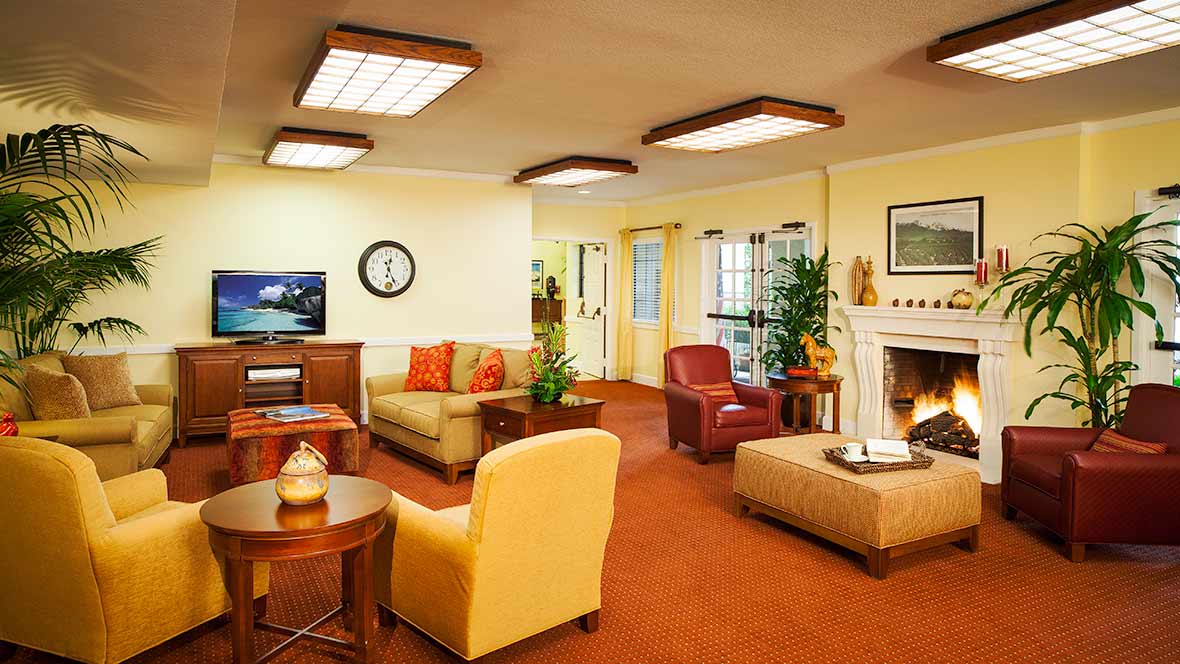
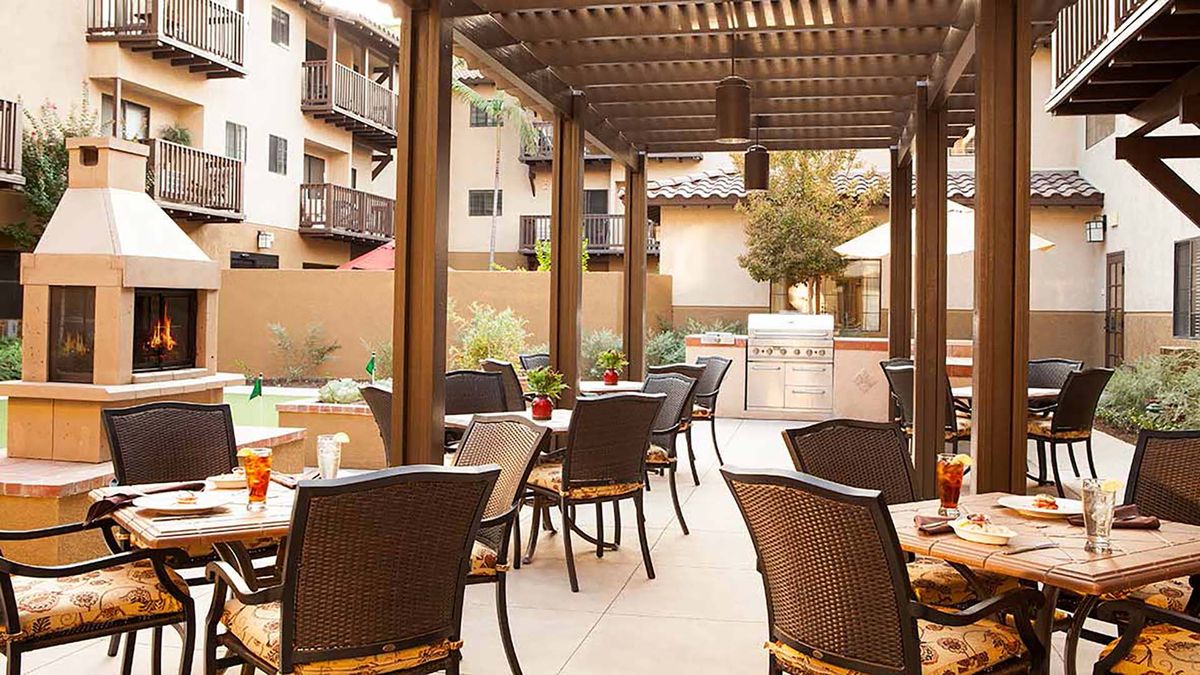
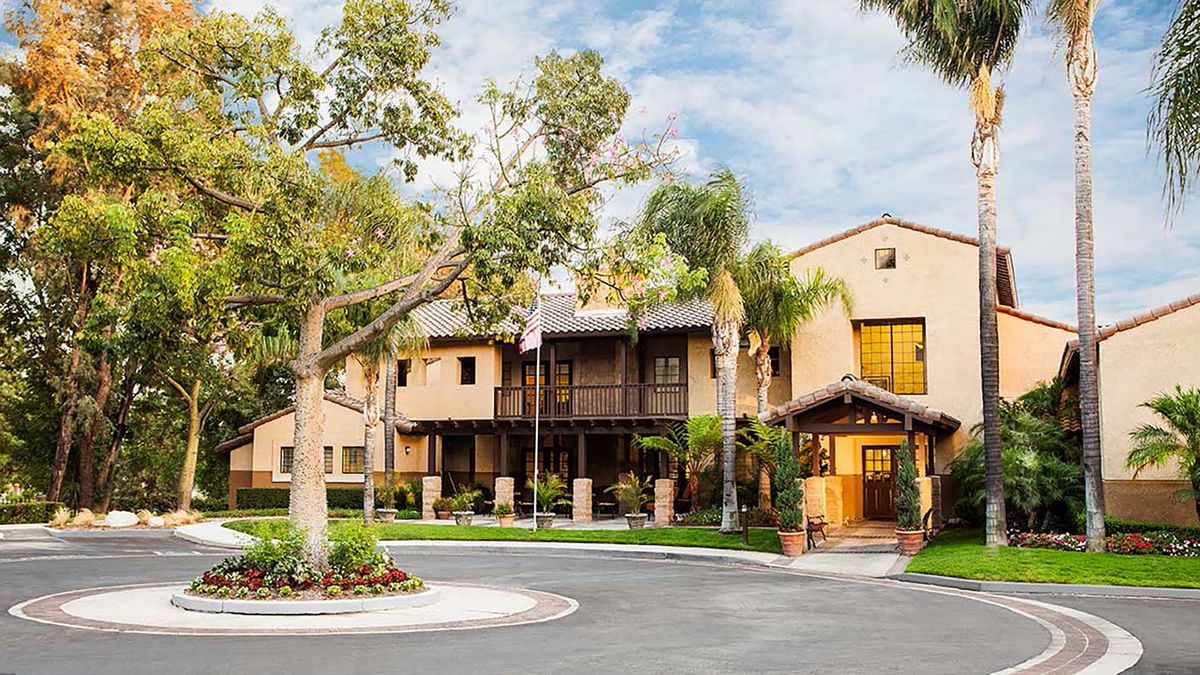
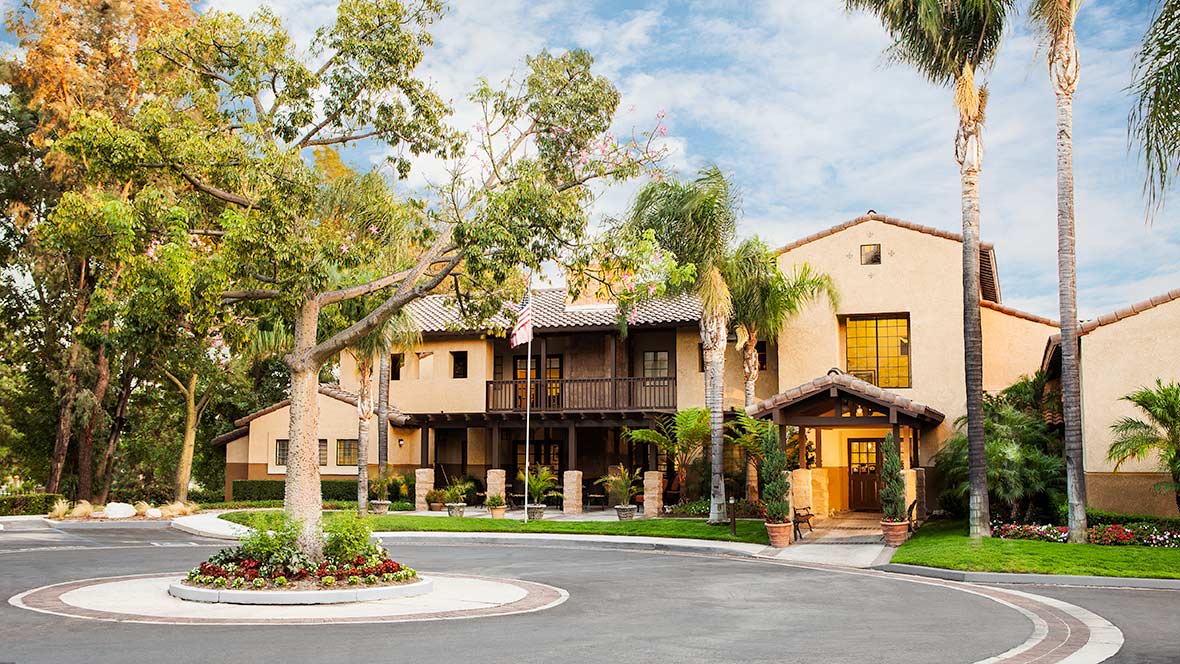
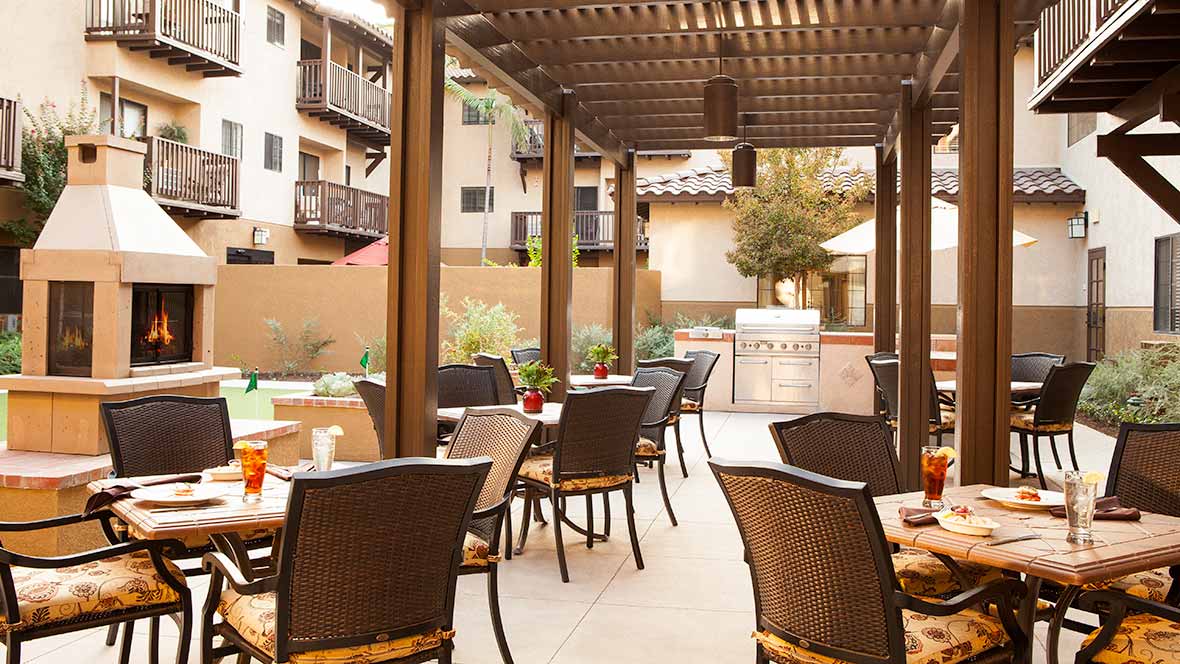
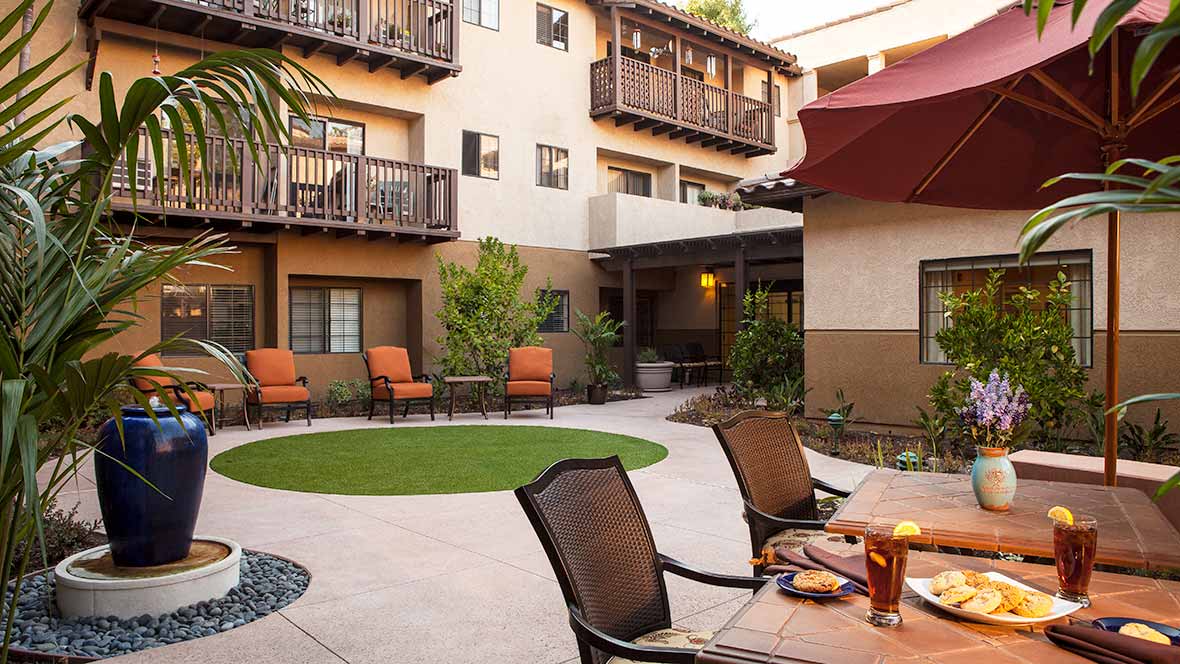
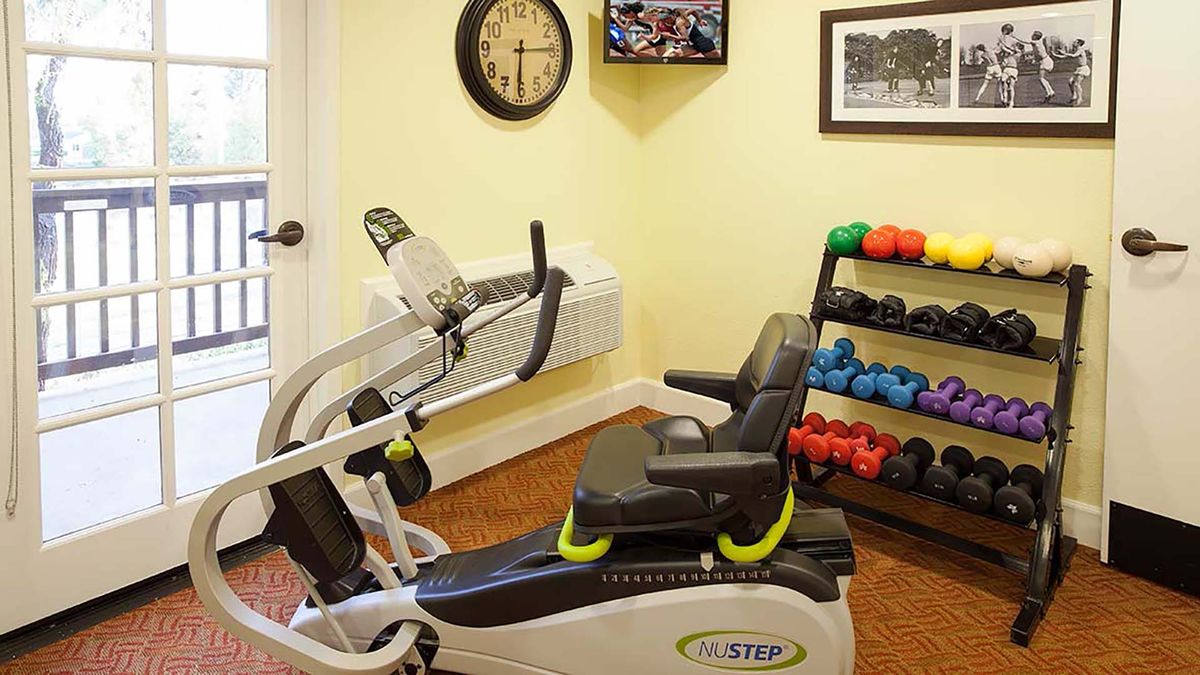
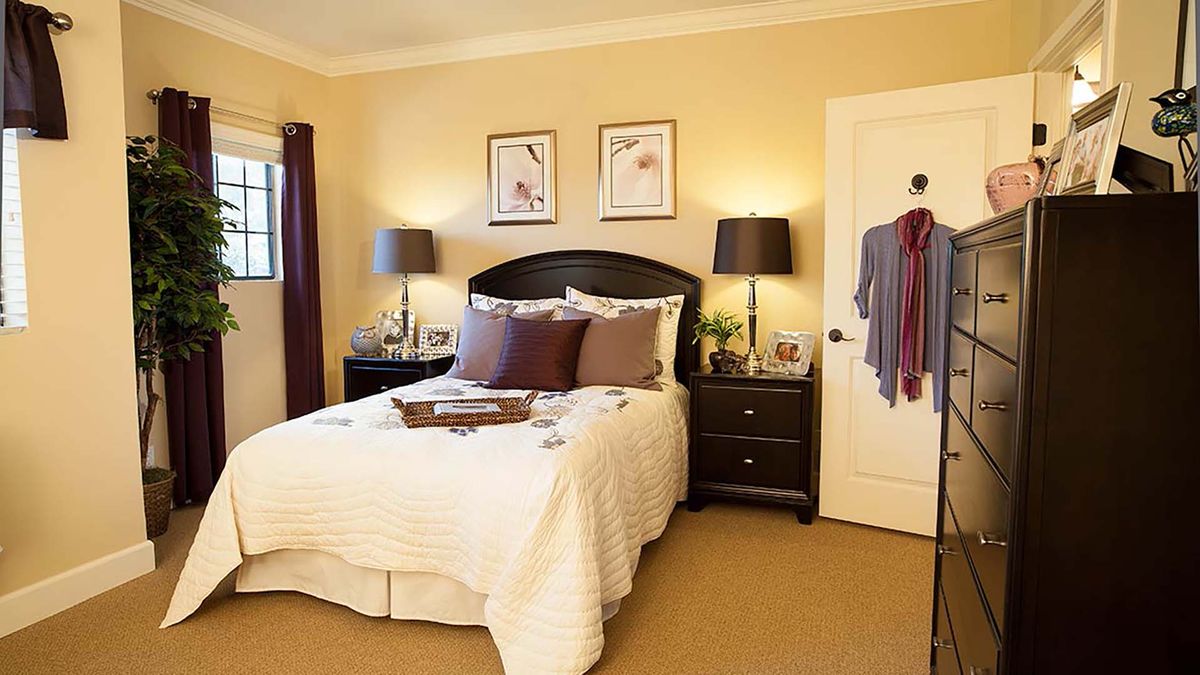
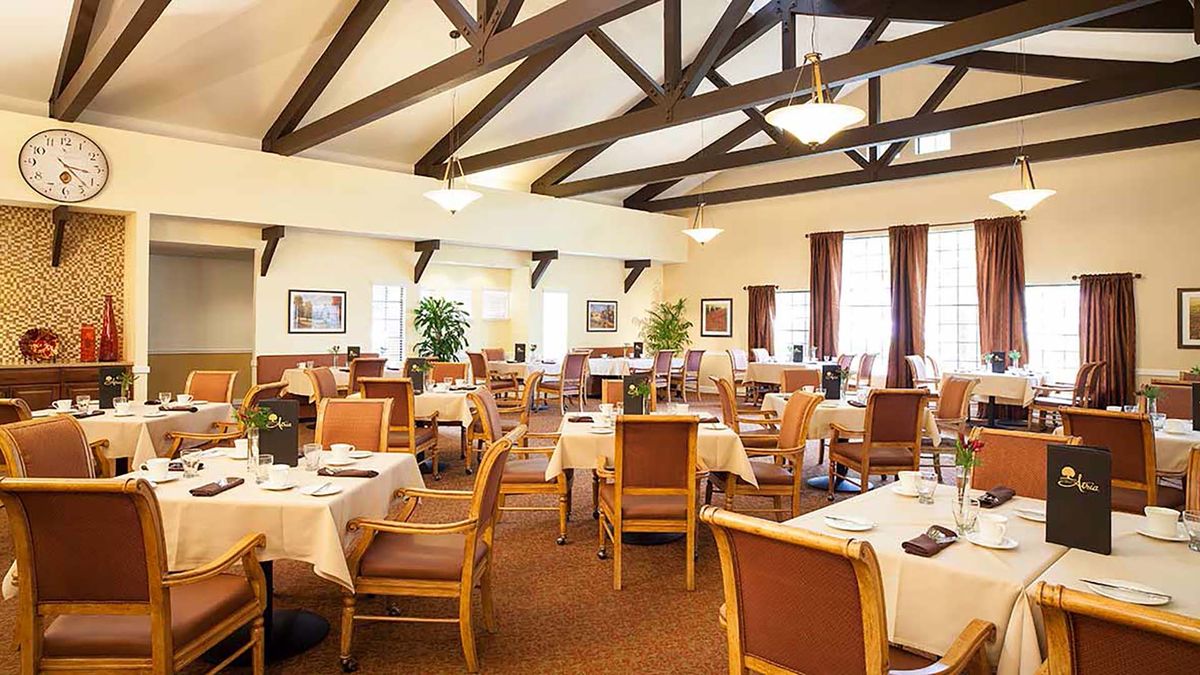
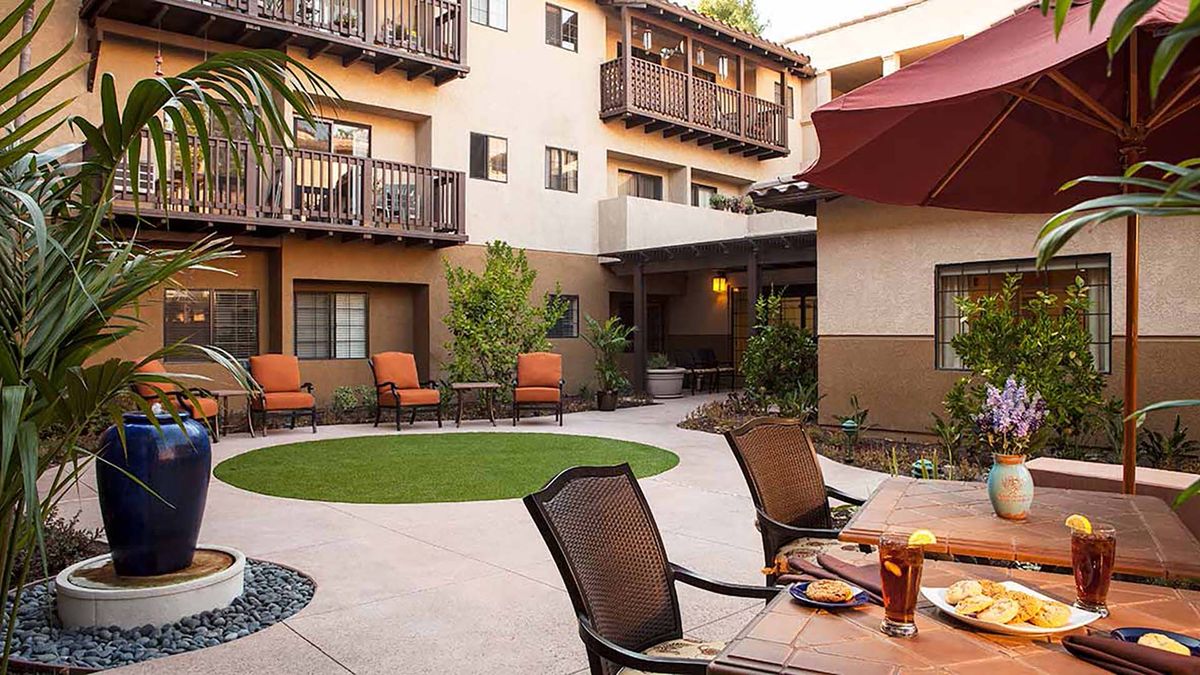
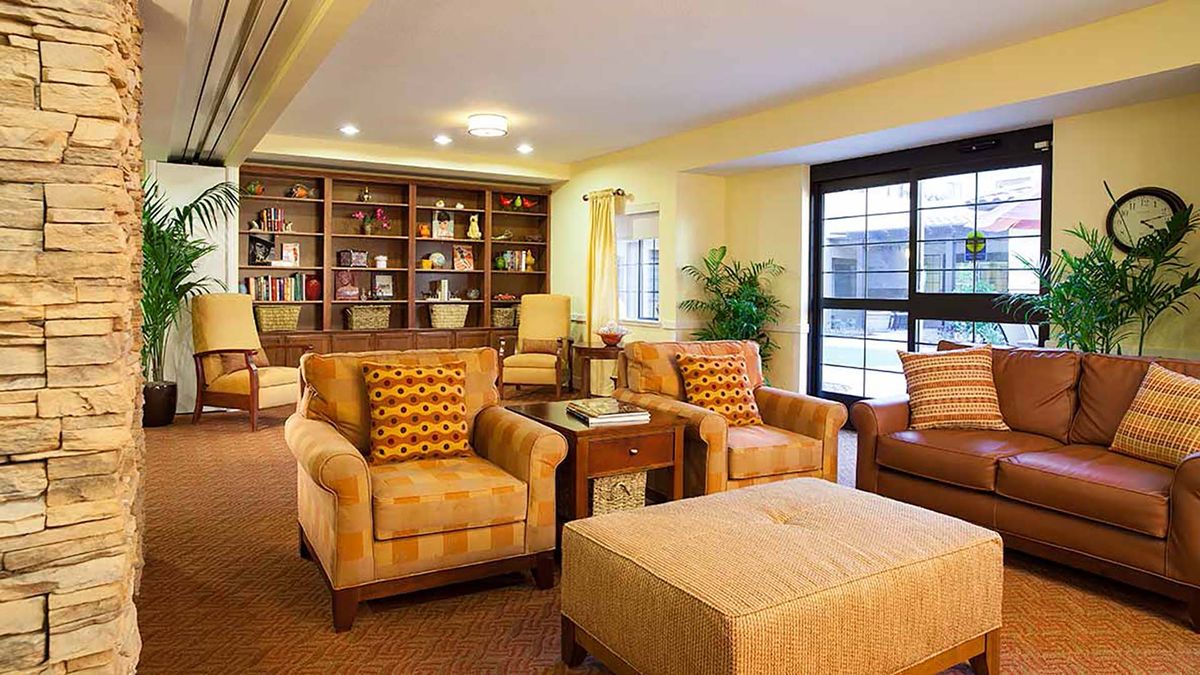
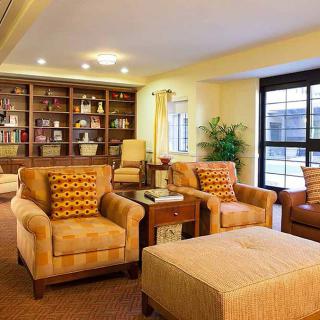
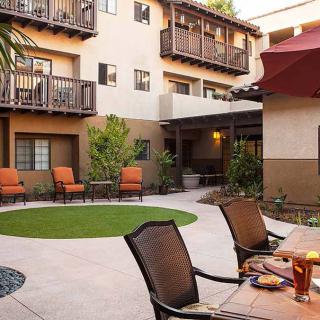
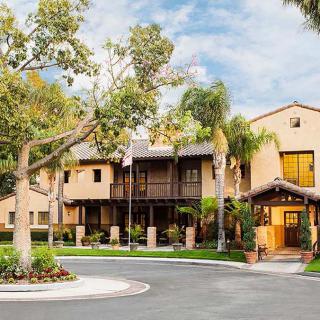
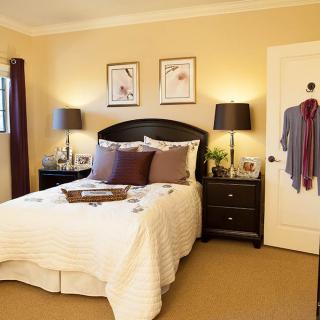
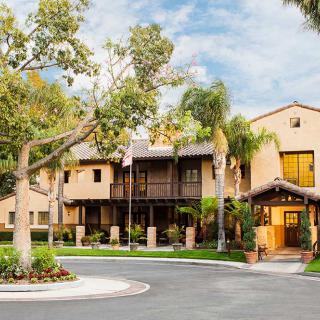
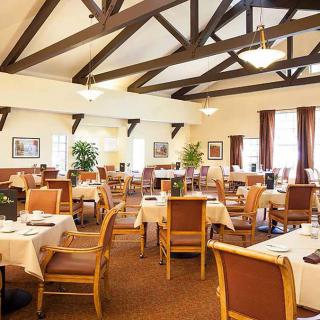
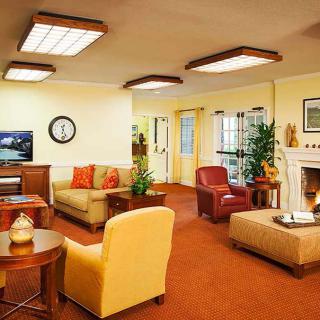
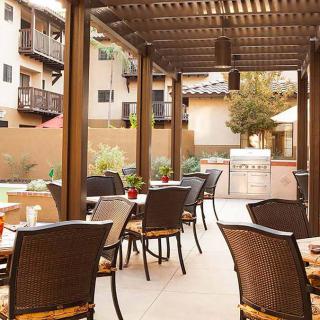
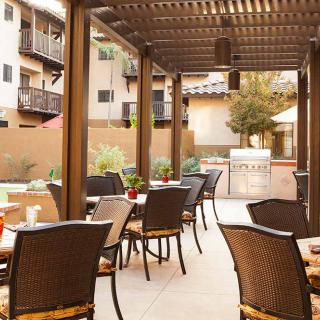
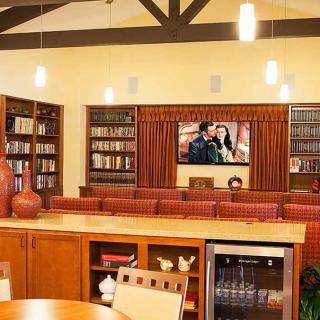
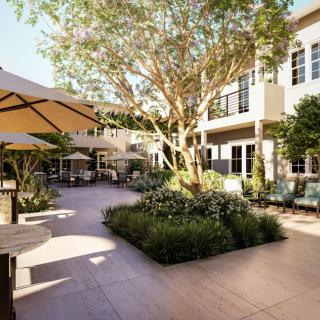
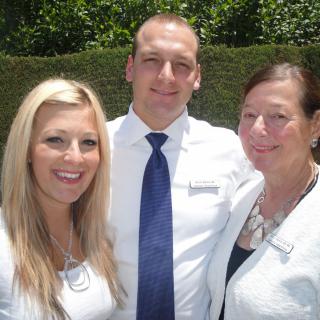
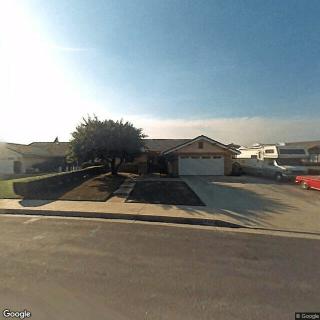
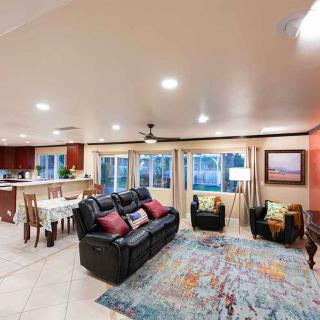
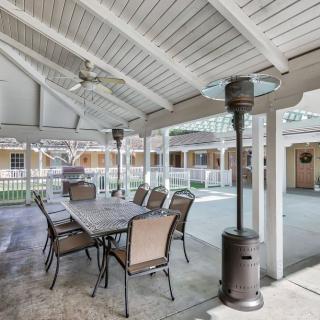
Atria Del Rey on seniors.fyi includes 30 photos including images showing floor plan, interior, exercise equipment, architecture, decor, dining, bedroom, studio apartment, and more.
Nearby Communities
Summer Dream Assisted Living II
Rancho Cucamonga, CA
1 from 1 review
Small, intimate board-and-care with 24/7 supervision and personalized ADL assistance.
Palm Delight Senior Care
Rancho Cucamonga, CA
$4,164 to $4,996 / month
Comprehensive care with diabetes support, medications, meals, and transportation.
Rancho Mesa Care Center
Alta Loma, CA
3.1 from 39 reviews
Restaurant-style dining with on-site amenities.
Cameo Elderly Care
Rancho Cucamonga, CA
5 from 5 reviews
$4,500 / month
Small, intimate board?and?care home with 24/7 supervision, ADL support, and extensive amenities.
Paradise For The Elderly 2
Rancho Cucamonga, CA
Comprehensive assisted living with 24-hour supervision, ADL support, diabetes-friendly dining, meal service, transportation, and care coordination.
Halcyon Place I
Rancho Cucamonga, CA
4.6 from 11 reviews
$2,900 / month
Personable staff with attentive care in a clean, quiet setting.
Allara Senior Living
Rancho Cucamonga, CA
4.7 from 98 reviews
$3,995 to $4,995 / month
Compassionate staff with modern, clean facilities and strong memory-care programming.
Sunlit Gardens
Alta Loma, CA
4.5 from 76 reviews
$3,043 to $4,500 / month
Caring staff with personalized attention in a warm, engaging environment and strong memory-care focus.
Las Colinas Post Acute
Ontario, CA
2.9 from 117 reviews
Caring staff, engaging activities, and spacious rooms with strong physical therapy.
Transitioning from assisted living to memory care is driven by an individual's cognitive decline and specific needs, requiring careful evaluation of indicators like increased confusion and wandering. The process involves consulting medical professionals, researching suitable communities, considering financial and legal aspects, and ensuring effective communication for personalized care plans.
The article differentiates between assisted living and memory care, explaining that assisted living supports seniors with daily activities while promoting independence, whereas memory care provides specialized services for individuals with dementia, focusing on secure environments and cognitive support. It also addresses staff training, safety considerations, costs, family involvement, and transition strategies for families navigating these care options.
The article outlines effective communication strategies for interacting with loved ones with dementia, highlighting the need for empathy, patience, and understanding while emphasizing supportive approaches like using simple language, minimizing distractions, and focusing on feelings over facts to maintain dignity and foster connection. It also suggests seeking professional guidance when needed as communication challenges evolve.
Get PricingAsk A QuestionSchedule A TourContact Senior Advisor
By clicking submit, you agree to our Partner's Terms of Use. You
also consent to receive calls and texts, which may be autodialed, from our Partner. Your consent is not a condition to
using our Partner's service. Please visit our Partner's Privacy Policy for information about their privacy practices.




 145 resident community capacity
 1-bedroom apartments
 Assisted Living
 Independent Living
 Memory Care
 Skilled Nursing Facility
 Cats allowed
 Dogs allowed
 Activities off-site
 Air-conditioning
 Beautician on-site
 Cable or satellite TV
 Computer center
 Devotional services off-site
 Dining room
 Fitness room
 Fully furnished
 Gaming room
 Garden
 Ground floor units
 Guest parking
 Handicap accessible
 Housekeeping services
 Indoor common areas
 Kitchenette
 Laundry
 Move-in coordination
 Outdoor common areas
 Party space
 Pet friendly
 Private bathrooms
 Respite or short term stays offered
 Restaurant-style dining
 Small library
 Spa
Spa Telephone
 Wheelchair accessible showers
 Wi-Fi/high-speed internet available
 Ontario International (5 miles away)
 Community operated transportation
 12-16 hour nursing
 24-hour call system
 Ambulatory care
 Assistance with bathing
 Assistance with dressing
 Assistance with transfers
 Diabetes diet
 Hospice waiver
 Incontinence care
 Medication management
 Mental wellness program
 Special dietary restrictions
 Transportation arrangement (medical)
 Art classes
 Catholic services
 Concierge services
 Cooking classes
 Day trips and outings
 Educational speakers / life long learning
 Jewish services
 Wine tasting
 English
 Small, intimate board-and-care with 24/7 supervision and personalized ADL assistance.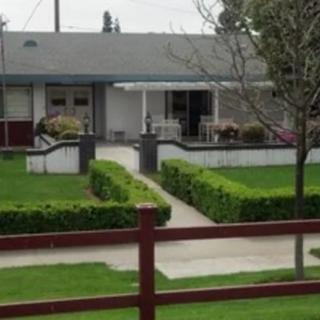
 When to Transition from Assisted Living to Memory Care: Key Indicators, Steps, and Finding the Right Community
 Understanding the Distinctions: Assisted Living and Memory Care Explained
 How to Communicate with a Loved One Living with Dementia: 10 Supportive Strategies