Creekview presents a unique pricing structure when compared to both Contra Costa County and the broader California market. For instance, residents can expect to pay $5,210 for a studio, which is notably higher than the county average of $4,358 and the state average of $4,145. The one-bedroom unit at Creekview costs $6,252, again surpassing both local and statewide benchmarks where prices stand at $5,008 and $4,340 respectively. Similarly, the two-bedroom option is priced at $8,440 - significantly above Contra Costa's average of $6,208 and California's average of $5,270. This trend indicates that while Creekview offers quality living options, it does come with a premium that reflects its specific amenities and location within the county.
Floor plans
Creekview
Contra Costa County
California
Studio
$5,210
$4,358
$4,145
1 Bedroom
$6,252
$5,008
$4,340
2 Bedrooms
$8,440
$6,208
$5,270
Memory care communities with a similar price nearby
Residents and visitors repeatedly describe the building as clean, well kept, and inviting.
Many reviewers say the facility is very clean and well maintained, using wording like organized, pristine, and always kept nice. A few also mention specific comfort touches tied to cleanliness, like pleasant scents and a pleasant atmosphere during visits. A smaller set of comments points to specific upkeep or comfort gaps, but the overall impression of cleanliness is consistent.
common
Staff and care feel attentive
Reviewers consistently describe staff as kind, responsive, and attentive to day-to-day needs.
Across assisted living and skilled nursing experiences, residents and families describe staff members as helpful, friendly, and professional. Several comments highlight responsiveness, including prompt help after call buttons and regular check-ins, along with staff following medication routines. A few reviews mention negative experiences with management decisions or outcomes, but even those reviews often acknowledge that parts of care or individual staff interactions were good.
differentiator
Medication management is highlighted
Families specifically praise medication management for refills, prescription changes, and timely dispensing.
Multiple reviewers call out medication management as a strong point, describing help with refills, doctor instructions, and timely delivery to residents. Some also describe nursing explanations and updates as part of care during rehab or transitions. A few negative reviews reference medication problems and communication issues, including concerns about what was billed or whether medication was handled correctly.
common
Dining is frequently mentioned
Residents and families often describe the meals positively, including variety and room for preferences.
Several reviews describe the food as good or even exceptional, with mentions of many choices and being able to find agreeable meals. Others add details like restaurant-style dining and room service as part of the dining experience. There are a couple of limited complaints tied to meal details, such as one visitor mentioning cold coffee, but positive food impressions are more common overall.
caveat
Some comfort and access issues
A handful of reviews mention comfort or access shortcomings that can affect daily experience.
A few reviewers point to practical issues that affect comfort or access, such as visitor seating feeling cramped and suggestions for better handicapped visitor parking closer to the entrance. Other comments mention physical setup concerns like lack of rails on beds and missing items like a television in one account. There are also isolated complaints involving day-to-day operational failures, including a report about inadequate cooling during summer and a separate report about issues with showers and laundry items.
common
Activities help residents stay engaged
Reviewers mention activities that keep residents involved and entertained.
Some reviewers say staff keep residents actively involved through activities, and others mention specific types of entertainment during visits. Structured amenities include a mix of on-site and off-site activities, along with things like trivia, karaoke, and music or dance events. While most feedback on activities is positive, a few visits focus more on care logistics than on programming.
How we summarize
We summarize when many written reviews mention each theme; a review can touch several themes, and only frequently mentioned themes are displayed.
Features
Types of Care
Assisted Living
Memory Care
Amenities
Activities off-site
Activities on-site
Air-conditioning
Beautician on-site
Devotional services off-site
Indoor common areas
Kitchenette
Outdoor common areas
Respite or short term stays offered
Wheelchair accessible showers
Transportation
Metropolitan Oakland International (18 miles away)
San Jose International (22 miles away)
Care Services
Ambulatory care
Diabetic care
High acuity care
Incontinence care
Medication management
Dining
Meals provided
Restaurant style dining
Room service
Vegetarian
Activities
Activities off-site
Activities on-site
Brain fitness
Day trips and outings
Devotional activities offsite
Gardening club
Happy hour
Karaoke
Live dance or theater performances
Live musical performances
Tai Chi
Trivia games
Wii bowling
Wine tasting
Nearby Places of Interest
This part of Pleasanton, California offers a variety of amenities and services that cater to senior living needs. Within close proximity, there are several parks where one can enjoy outdoor activities and stay active. There are also multiple medical facilities and physicians nearby for any healthcare needs. Additionally, there are pharmacies for convenient access to medications. A selection of cafes and restaurants provide dining options, while transportation options such as the BART station make it easy to get around. For entertainment, there are theaters within a short distance. Overall, this area of Pleasanton provides a mix of conveniences and recreational opportunities that may appeal to seniors looking for a comfortable and accessible community to reside in.
Creekview presents a unique pricing structure when compared to both Contra Costa County and the broader California market. For instance, residents can expect to pay $5,210 for a studio, which is notably higher than the county average of $4,358 and the state average of $4,145. The one-bedroom unit at Creekview costs $6,252, again surpassing both local and statewide benchmarks where prices stand at $5,008 and $4,340 respectively. Similarly, the two-bedroom option is priced at $8,440 - significantly above Contra Costa's average of $6,208 and California's average of $5,270. This trend indicates that while Creekview offers quality living options, it does come with a premium that reflects its specific amenities and location within the county.
Creekview's memory care services incorporate key features such as medication management, incontinence care, and brain fitness programs to effectively support residents with dementia or Alzheimer's disease. Medication management ensures that residents receive their prescribed medications on time and in the correct dosages, reducing the risk of complications associated with missed doses or misunderstandings regarding medication regimens. Incontinence care is vital for maintaining dignity and comfort, as it addresses both physical needs and emotional well-being, allowing residents to feel secure in their environment. Additionally, brain fitness activities are designed to engage cognitive functions through stimulating exercises tailored to individual abilities, promoting mental agility and enhancing overall quality of life. Together, these features create a comprehensive approach that addresses the multifaceted needs of individuals living with cognitive impairment.
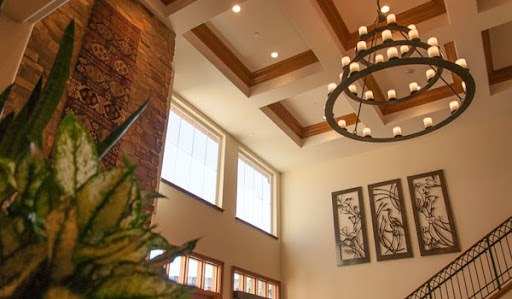
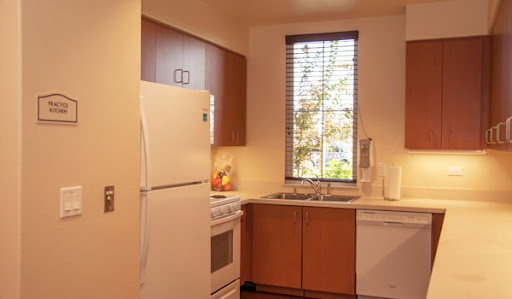
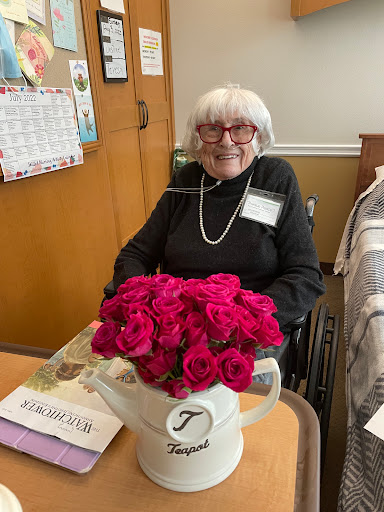
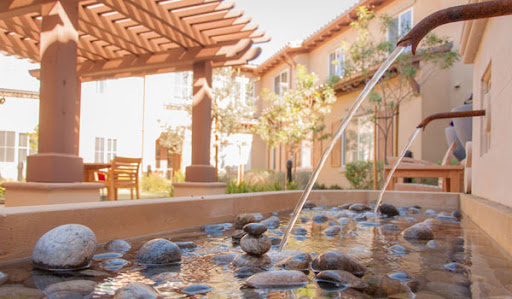
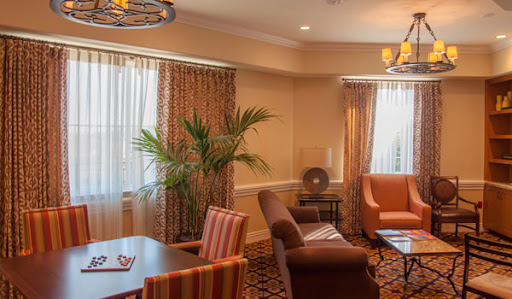
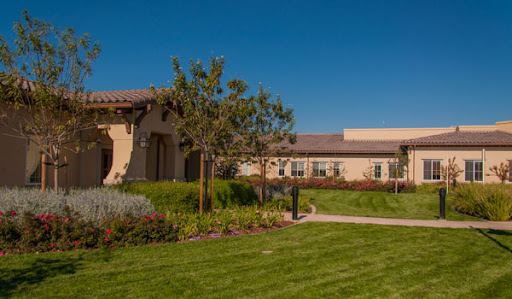
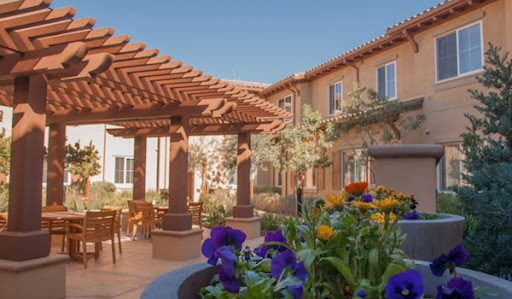
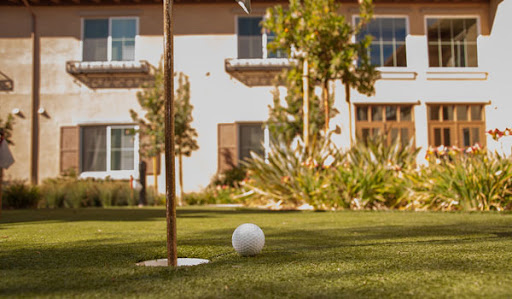
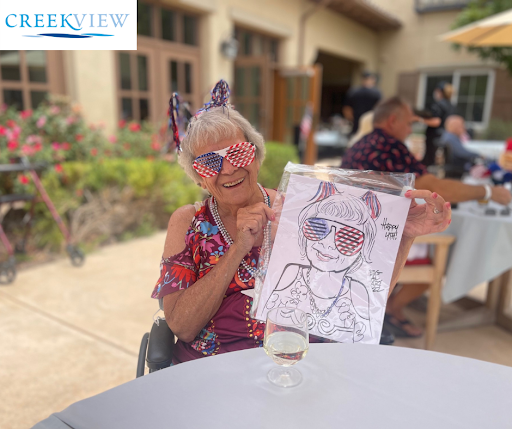
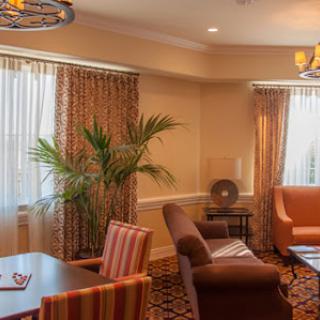
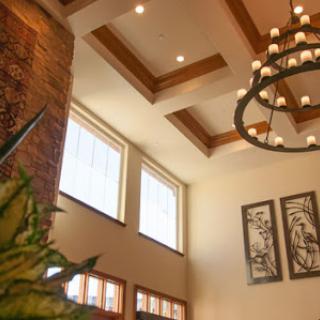
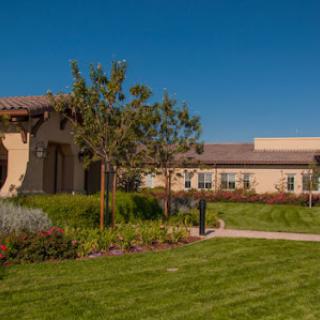
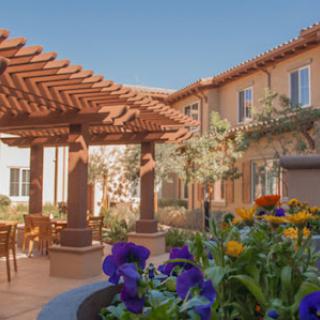
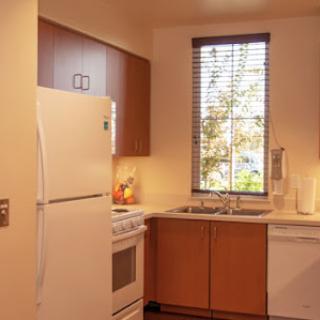
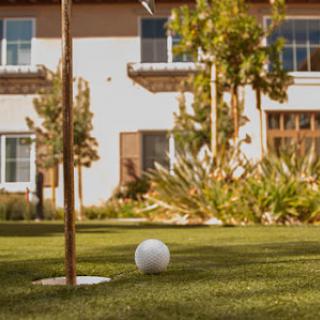
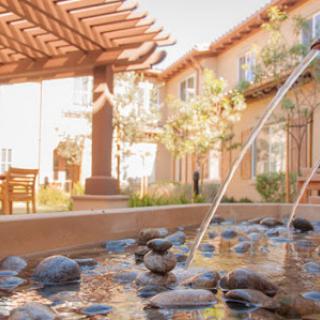
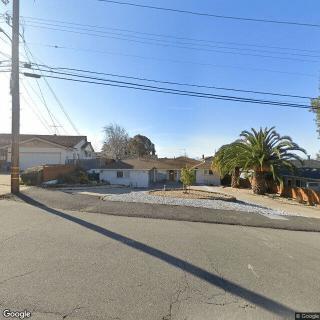
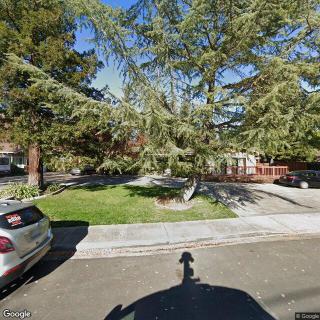
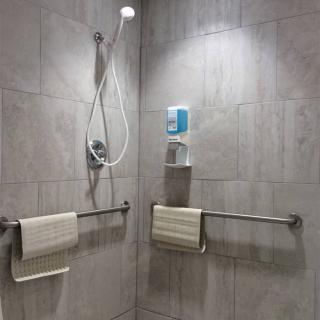
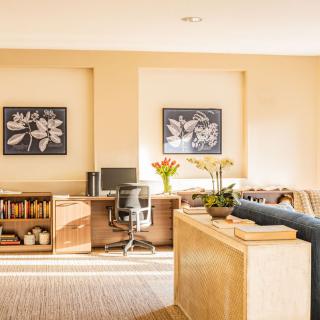
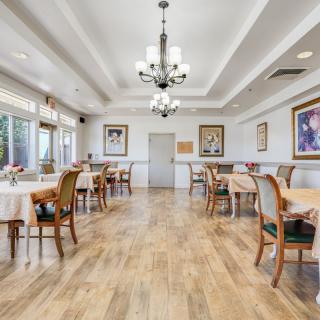
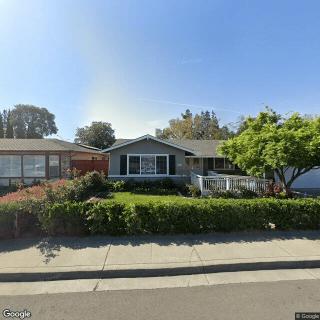
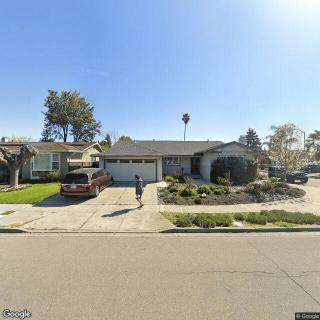
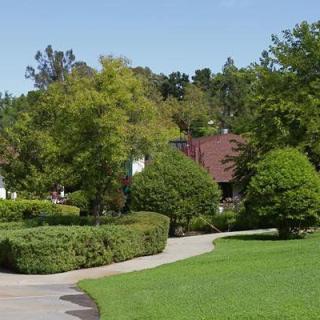
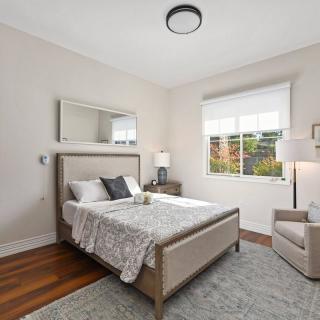
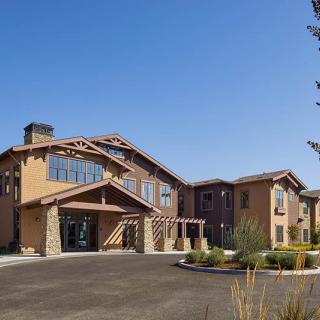
Creekview on seniors.fyi includes 10 photos including images showing interior, landscaping, outdoor, architecture, garden, lighting, chandelier, design, and more.
Nearby Communities
St. Juliana Homecare, LLC
San Ramon, CA
4.8 from 71 reviews
Experienced RN-led agency with compassionate staff, flexible, affordable care, and strong COVID-19 response.
Parkside Manor
Pleasanton, CA
4.8 from 18 reviews
Small, intimate 6-resident community with personalized care and comprehensive services (ADLs, medications, meals, activities, garden).
Parkside Manor
Pleasanton, CA
5 from 16 reviews
$2,900 to $3,600 / month
High-acuity, personalized care with affordable, pet-friendly accommodations near parks, dining, and healthcare.
Senior Helpers - Pleasanton, CA
Pleasanton, CA
4.9 from 9 reviews
Dependable, attentive care with caregiver background checks and regular updates.
Queens Care Home II
Pleasanton, CA
4 from 2 reviews
$5,000 / month
Personalized care in a peaceful, well-equipped setting.
Serene Care II
Pleasanton, CA
$2,000 / month
Affordable private room rate with high-acuity and specialized care (diabetic and incontinence care).
Pleasanton Nursing and Rehabilitation Center
Pleasanton, CA
4.8 from 100 reviews
Robust on-site care options and wide range of amenities (24/7 supervision, dining, wellness, transportation, activities).
Sunol Creek Memory Care
Pleasanton, CA
4.6 from 86 reviews
$5,859 to $7,413 / month
Compassionate staff with personalized memory-care activities in a clean, well-maintained setting.
The Watermark at San Ramon
San Ramon, CA
4.7 from 64 reviews
$5,695 to $8,795 / month
Exceptional, compassionate care with responsive management and high-quality dining/activities.
Memory care activities are essential for improving the quality of life of seniors with cognitive impairments, as they stimulate cognitive function, promote well-being, and encourage social interaction through tailored strategies. These activities combine structured exercises with spontaneous tasks, sensory engagement, physical workouts, creative pursuits, and intergenerational interactions to enhance emotional connection and a sense of purpose.
Transitioning from assisted living to memory care is driven by an individual's cognitive decline and specific needs, requiring careful evaluation of indicators like increased confusion and wandering. The process involves consulting medical professionals, researching suitable communities, considering financial and legal aspects, and ensuring effective communication for personalized care plans.
The article differentiates between assisted living and memory care, explaining that assisted living supports seniors with daily activities while promoting independence, whereas memory care provides specialized services for individuals with dementia, focusing on secure environments and cognitive support. It also addresses staff training, safety considerations, costs, family involvement, and transition strategies for families navigating these care options.
Get PricingAsk A QuestionSchedule A TourContact Senior Advisor
By clicking submit, you agree to our Partner's Terms of Use. You
also consent to receive calls and texts, which may be autodialed, from our Partner. Your consent is not a condition to
using our Partner's service. Please visit our Partner's Privacy Policy for information about their privacy practices.


 Assisted Living
 Memory Care
 Activities off-site
 Air-conditioning
 Beautician on-site
 Devotional services off-site
 Indoor common areas
 Kitchenette
 Outdoor common areas
 Respite or short term stays offered
 Wheelchair accessible showers
 Metropolitan Oakland International (18 miles away)
 Ambulatory care
 Diabetic care
 High acuity care
 Incontinence care
 Medication management
 Meals provided
 Brain fitness
 Day trips and outings
 Gardening club
 Happy hour
 Karaoke
 Live dance or theater performances
 Live musical performances
 Tai Chi
 Trivia games
 Wii bowling
 Wine tasting
 Experienced RN-led agency with compassionate staff, flexible, affordable care, and strong COVID-19 response.

 Engaging Memory Care Activities That Enhance Quality of Life
 When to Transition from Assisted Living to Memory Care: Key Indicators, Steps, and Finding the Right Community
 Understanding the Distinctions: Assisted Living and Memory Care Explained