

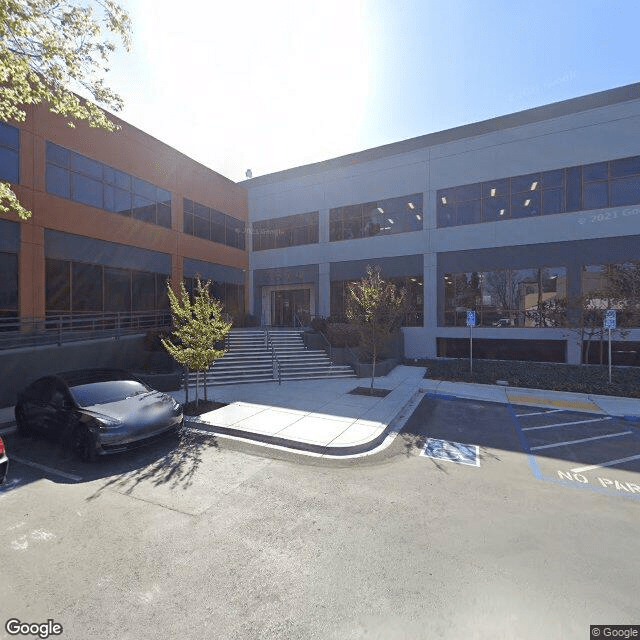
5674 Stoneridge Dr., Ste 108, Pleasanton, CA 94588
To contact a resident: (925) 460-9900
For more information about senior living options: (866) 208-4318
Overall Review of Senior Helpers - Pleasanton, CA
Pros
 Monica from Senior Helpers brings warmth, professionalism, and genuine compassion into the home.
 - She is dependable, punctual, and goes above and beyond to ensure comfort, dignity, and happiness.
- The Senior Helpers team is kind, caring, and always ready to offer support.
- They provide caregivers who treat loved ones as if they were part of their own family, with great personality and work ethic.
- The caregivers are patient and thoughtful, and the office staff are friendly and helpful.
- Senior Helpers is dependable and responsive, listening to needs and keeping families updated, with thorough background checks for caregivers.
Review
Senior Helpers in Pleasanton is best suited for families seeking deeply compassionate, consistently reliable in-home care for an aging loved one who values a personal, family-like caregiver relationship and is prepared to invest in high-quality non-medical support. The service model centers on keeping seniors at home with caregivers who treat them with dignity, patience, and genuine warmth. The strongest fit is for someone who wants regular, personalized attention, easy access to updates, and a caregiver who can partner with family members on daily routines, mobility work, and social engagement inside a familiar environment. Families that prioritize continuity, often through live-in arrangements, and a trusted, responsive care team will find this option especially compelling.
Those who should consider alternatives are those whose needs extend beyond caregiving support. If a loved one requires intensive skilled nursing, complex medical oversight, or specialized memory-care programming, a facility with licensed medical staff and structured clinical supervision may be more appropriate. Budget constraints can also tilt the decision toward more affordable options or different care models, as one reviewer noted that cost matters when weighing the value of highly personalized in-home care. Additionally, households seeking a traditional facility setting with built-in social programming and 24/7 on-site nursing might prefer senior living communities over an in-home caregiver service.
The most salient strengths lie in the caregiving relationship itself. Caregivers are described as warm, dependable, and genuinely devoted, with staff who listen closely to individual needs and adapt to preferences. The standout qualities, professionalism, punctuality, and a track record of treating clients like family, translate into tangible benefits: reduced family worry, consistent daily structure, and ongoing encouragement of dignity and happiness. Office staff receive praise for being helpful and responsive, and the agency’s emphasis on background checks adds a layer of reassurance for families entrusting a loved one to care. Beyond companionship, caregivers engage in practical health-support activities such as guided range-of-motion exercises, which helps preserve mobility and fosters proactive care without requiring a medical setting. The option for live-in service further enhances stability, allowing for uninterrupted care during extended periods and weekend coverage when needed.
Yet, the service is not without considerations. The most explicit potential drawback centers on cost. The sentiment that payment capability matters for access to their strongest offerings signals that this is a premium option, which can be a hurdle for tighter budgets. Another limitation of any in-home care model is dependence on the right caregiver match; while turnover appears mitigated by senior-level consistency in the reviews, variability in personalities or availability can impact how well a specific caregiver aligns with a loved one’s routines and temperament. For families seeking constant 24/7 nursing supervision or highly structured, facility-based programming, an alternative arrangement may deliver more predictability and medical oversight.
When weighing pros against cons, the balance tends to favor those who can invest in high-caliber, highly responsive in-home care. The advantages, empathic, dependable caregivers; meticulous vetting and transparent communication; potential for long-term live-in placement; and proactive mobility work, often offset higher costs with superior peace of mind and better day-to-day quality of life for seniors who resist institutional environments. The intimate, home-like setting makes it easier to maintain familiar routines, preserve autonomy, and receive consistent encouragement to stay active. Strong updates from office staff and a culture of listening to family requests further reduce the friction commonly associated with coordinating care, helping families feel informed and in control.
For families considering this option, a practical path to evaluation involves a few focused steps. Begin by clarifying the expected level of daily supervision, the availability of live-in arrangements, and how caregiver matching is conducted to align personalities and routines. Ask explicit questions about the care plan, including how mobility activities are integrated, how updates are communicated, and what happens if a preferred caregiver becomes temporarily unavailable. Inquire about rate structures, any minimum-hour requirements, and what’s included in the service package. Finally, arrange a trial period or scheduled time with a preferred caregiver to assess fit in real-life settings. This approach yields a reliable sense of whether Senior Helpers Pleasanton delivers the combination of warmth, reliability, and personal attention that families experience in the reviews, and whether that mix aligns with the elder’s evolving needs and the family’s budget.
 Metropolitan Oakland International (18 miles away)
 Anytime dining






 Understanding Home Health Care: A Comprehensive Guide
 Home Health Care Demystified: A Comprehensive Guide for Families and Caregivers
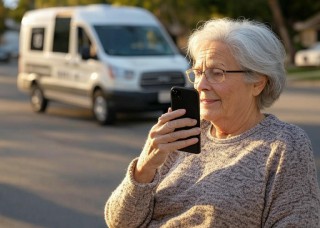 Seniors and Modern Transportation: Exploring Uber, Lyft, and Other Ride-Hailing Options