
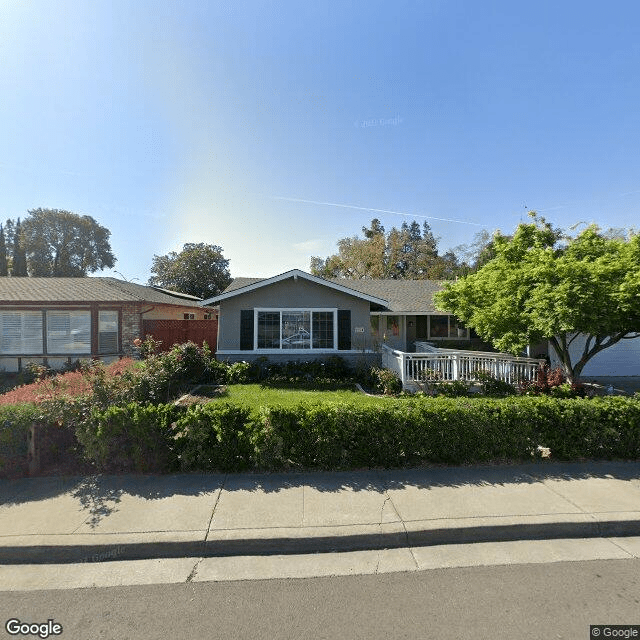
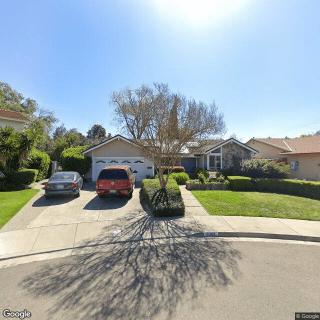
2724 Willowren Way, Pleasanton, CA 94566
For more information about senior living options: (866) 208-4318
Queens Care Home II Costs & Pricing
Queens Care Home II offers private room accommodations at a monthly cost of $5,000, positioning it above both the Alameda County average of $3,748 and the California state average of $3,939. This pricing reflects the premium services and amenities that residents can expect at Queens Care Home II, which may include personalized care plans, a comfortable living environment, and potentially enhanced social activities. While the costs are higher than regional and state benchmarks, they suggest a commitment to providing quality care tailored to individual needs in a supportive community setting.
| Floor plans | Queens Care Home II | Alameda County | California |
|---|---|---|---|
| Private | $5,000 | $3,748 | $3,939 |
Assisted Living communities with a similar price nearby
-
About the same
Blessing Home
$5,000 to $6,000 / month10.1 miles away -
from -$500 / mo
Pleasanton Senior Care Villa
$4,500 / month1.0 miles away -
from +$400 / mo
Bethel Care Home On Cottage
$5,400 / month17.6 miles away -
About the same
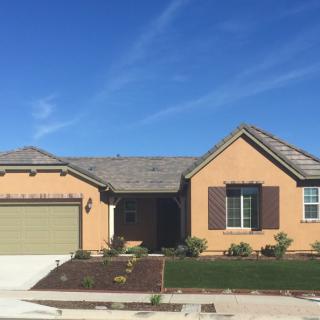
Harmony Care Home
$5,000 to $6,500 / month21.6 miles away -
from +$500 / mo
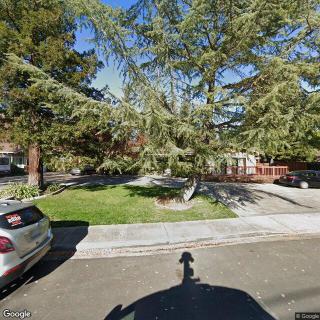
Carnelian III
$5,500 / month17.9 miles away
Overall Review of Queens Care Home II
Pros
 The facility is clean and the staff are nice.
- A relative lived there for several years and seemed happy there.
- The care provided there was awesome.
Review
Queens Care Home II in Pleasanton is best suited for seniors who value a clean, home-like atmosphere paired with steady, personable caregivers. The two 4-star reviews describe a facility that feels well cared for, with residents who appear content and well-attended. This setting works well for individuals who do not require intensive medical oversight on a daily basis and who benefit from a calm, predictable routine. Families should feel confident in basic daily care, safety, and cleanliness, and should expect a level of attentiveness that makes long days at home unnecessary.
Those evaluating alternatives should note that the available impressions do not depict a facility with robust medical programming, memory-care specialization, or a broad activity calendar. If a loved one has complex chronic conditions, requires frequent clinical monitoring, aggressive rehabilitation, or highly structured cognitive-stimulation therapies, a larger community with formal medical partnerships may prove more suitable. Additionally, families seeking expansive social programming or on-site specialized services may find the footprint of a care home like this more limited.
Pros such as meticulous cleanliness and genuinely kind, dependable staff translate directly into safer, more comfortable days. The warmth of caregivers reduces anxiety for residents and eases family concerns about daily routines. The fact that a resident stayed for years and reportedly remained happy supports the conclusion that staff stability and a low-stress environment are real strengths. Those positives, in turn, help offset the absence of flashy amenities or rapid, upscale programming that some families equate with higher-end assisted living.
However, the main trade-off appears to be scale and scope. A smaller, home-style setting often means fewer on-site activities, limited specialized services, and less formal oversight than larger facilities. For families, that translates into needing to be comfortable with a more intimate care rhythm, fewer transportation options, and a tighter menu of enrichment opportunities. The combination of a clean, well-staffed environment with a calmer daily life can be a big win, but it may also leave some residents longing for more social stimuli or medical resources.
Cost and care planning will determine overall value. Without explicit pricing data in the available impressions, it is essential to request a transparent care plan that details medications, assistance levels, and meals, plus an outline of staffing ratios across shifts. Prospective residents should verify what medical oversight looks like, whether a licensed nurse is on-site, how often physicians visit, and how care plans are updated. These details will reveal whether the favorable cleanliness and staff warmth translate into a sustainable, long-term solution that fits the family’s budget.
Bottom line: Queens Care Home II is well-positioned for families seeking a clean, neighborly, supportive environment in Pleasanton where daily life feels approachable and caregivers are consistently attentive. It shines for residents who thrive on stability, personal connections, and a low-stress setting. Those with higher medical needs, a demand for a busy activities calendar, or a desire for extensive memory-care services should explore alternatives with broader clinical offerings. A visit is warranted to verify daily rhythms, meet the caregiving team, review sample menus and activity calendars, and assess whether the setting aligns with the resident’s medical needs and family expectations.
 6 resident community capacity
 Assisted Living
 Board and Care Home
 Cable or satellite TV
 Dining room
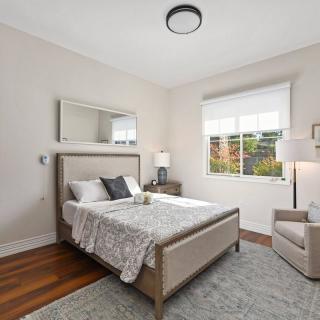
 Fully furnished
 Garden
 Housekeeping services
 Move-in coordination
 Outdoor space
 Private
 Swimming pool / hot tub
 Telephone
 Wi-Fi/high-speed internet available
 Metropolitan Oakland International (18 miles away)
 24-hour supervision
 Activities of daily living assistance
 Ambulatory care
 Assistance with bathing
 Assistance with dressing
 Assistance with transfers
 Diabetes diet
 Diabetic care
 High acuity care
 Incontinence care
 Meal preparation and service
 Medication management
 Special dietary restrictions
 Transportation arrangement (medical)
 Transportation to doctors appointments

 Vibrant Senior Living: A Comprehensive Guide for Active Older Adults
 When to Transition from Assisted Living to Memory Care: Key Indicators, Steps, and Finding the Right Community
 Assisted Living and Memory Care: Understanding Their Core Differences