
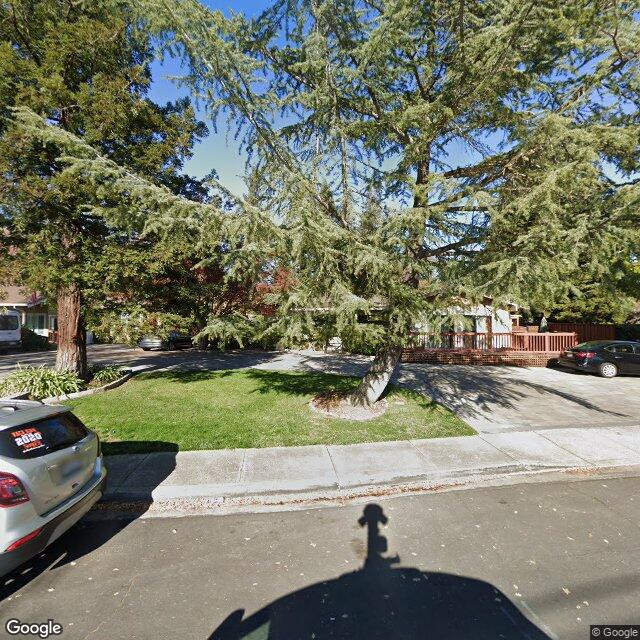
2374 Warren Road, Walnut Creek, CA 94595
For more information about senior living options: (866) 208-4318
Carnelian III Costs & Pricing
Carnelian III presents a compelling case for prospective residents with its monthly costs positioned above both Contra Costa County and California state averages. For private rooms, Carnelian III charges $5,500, which is significantly higher than the county's average of $4,088 and the state's average of $3,939. Similarly, the studio options at Carnelian III also reflect this trend, priced at $5,500 compared to Contra Costa County's $4,358 and California's $4,145. While these costs are elevated relative to regional benchmarks, they may be indicative of enhanced amenities or services that could justify the premium for those seeking an exceptional living experience.
| Floor plans | Carnelian III | Contra Costa County | California |
|---|---|---|---|
| Private | $5,500 | $4,088 | $3,939 |
| Studio | $5,500 | $4,358 | $4,145 |
Memory care communities with a similar price nearby
-
from -$500 / mo
Blessing Home
$5,000 to $6,000 / month12.1 miles away -
from -$900 / mo
Milan Villa Senior Living
$4,600 to $9,200 / month22.1 miles away -
from +$170 / mo
Carefield Pleasanton
$5,670 to $5,700 / month18.2 miles away -
from -$500 / mo
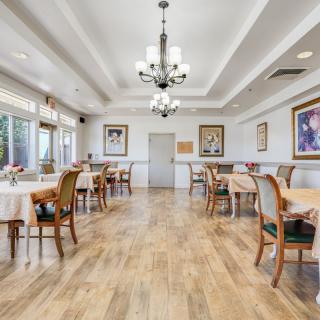
Tuscany Villa Senior Living
$5,000 to $10,000 / month22.1 miles away -
from -$1000 / mo
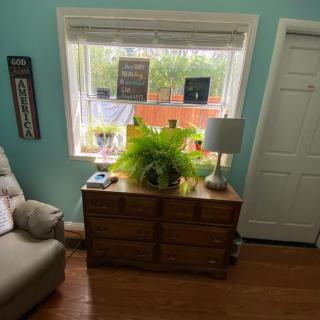
Lafayette Gardens
$4,500 to $5,000 / month2.2 miles away
Overall Review of Carnelian III
Pros
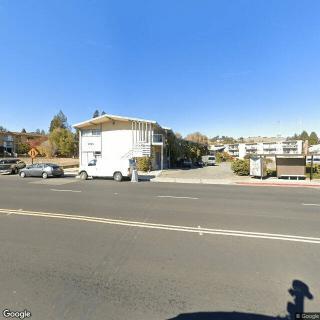
 The facility is small but clean, with street parking for everyone.
- The Carnelian is an exceptional care home where residents are treated like family.
- The care staff are attentive, compassionate, patient, knowledgeable, and personal with residents.
- Primary caregivers are assigned to residents, keeping relationships close and familiar.
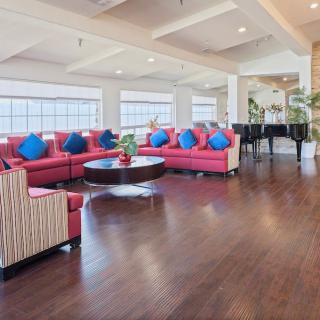
- The rooms and grounds are lovely, and the food is truly delicious (five-star gourmet).
- The care remains compassionate and high-quality, even when a resident is bed-bound.
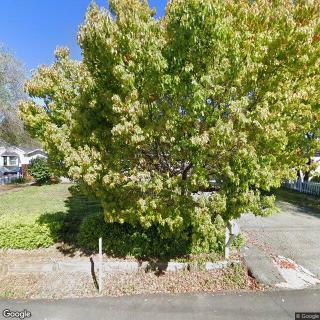
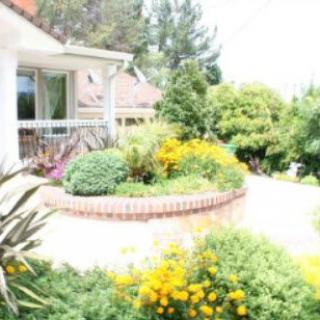
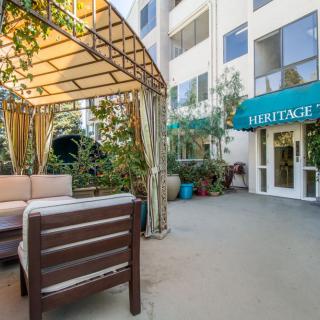
- The grounds are beautiful and inviting, with lush gardens and outdoor spaces.
- The activity program is excellent, featuring games, movies, live music, and major holiday celebrations.
- The experience feels like joining a loving, extended family, and many would benefit from more Carnelians.
Cons
 The decor is quite ornate and would not have suited the reviewer’s husband, who likes military-like neatness and simplicity.
- The father could be challenging and sometimes difficult.
- They caution against placing a loved one with dementia in a large assisted living place, suggesting it is not worth the effort.
Review
Carnelian III in Walnut Creek is best suited for families seeking dementia-focused care in a small, home-like setting where continuity and personal attention reign. It operates as a cluster of intimate houses with lush grounds, where residents are treated as family members and caregivers form enduring relationships. The strongest appeal is for loved ones who need steady, compassionate supervision, meaningful daily engagement, and high-quality meals delivered in a warm, non-institutional environment. For families watching a dementia trajectory unfold, the model that keeps primary caregivers assigned to each resident and preserves stable staff is a decisive advantage, especially when trust and familiarity become central to daily well-being.
That said, there are clear cases where alternatives deserve consideration. The Carnelian’s intimate, personalized approach may feel too small for those who expect a large, apartment-style campus with a broad social calendar or more formal, clinical oversight. Families seeking a more neutral, minimalist decor or a setting with milder architectural flair may not resonate with the ornate, cozy aesthetic described by residents and visitors. For individuals requiring a higher level of medical complexity, a larger facility with on-site specialists and structured programs beyond what a small home can routinely provide could be a better fit. Those prioritizing independence over close caregiver relationships might also want to look elsewhere.
The primary strengths, exceptional staff, a beautiful yard, and consistently excellent food, create a powerful offset to the few drawbacks. Caregivers are described as patient, attentive, and deeply personal, with each resident supported by dedicated caregivers rather than rotating teams. In dementia care, that continuity reduces confusion and agitation, helps track evolving needs, and fosters trust. The sensory-rich grounds, regular activities, live music, and festive gatherings contribute to meaningful days and a sense of belonging. When family members note that the environment feels like home, the impact on mood, engagement, and overall quality of life cannot be overstated, even if the decor is not to every taste.
The specific care culture at Carnelian III also matters in practical decision-making. Families repeatedly praise the manager and the staff’s hands-on, communicative approach, which translates into fewer care gaps and more predictable routines. For long-term residents, some of whom have advanced dementia, this model can stabilize behavior and reduce hospital or crisis-level events that often arise in less personalized settings. The trade-off is that opportunities for broader social exposure within a larger campus may be limited, and the ornate interior may not align with every preference. Yet the lived experience described by families suggests that warmth, attention, and a home feel often trump those limitations.
From a decision-making standpoint, Carnelian III earns strong consideration for dementia care in a tightly knit, caregiver-centered environment. Pros, retained staff, individualized attention, stimulating activities, exquisite food, and a comforting ambiance, predict sustained well-being and easier family involvement. The potential downsides are primarily stylistic and logistical rather than care-related: a decor sensibility that may not suit all tastes and a smaller footprint that can reduce the breadth of social options. For families emphasizing a stabilized daily routine, emotional security, and dependable caregiving relationships, these advantages clearly outweigh the caveats.
Ultimately, this community shines when the priority is a loving, manageable setting where residents are known well and cared for as individuals. It stands out for dementia care precisely because it preserves the human, relational core of caregiving: consistent caregivers, intimate spaces, and a culture that treats residents like family. If the goal is to protect independence with a large-scale social calendar or to access advanced medical services on-site, alternatives with bigger campuses or more intensive medical programs should be explored. For families prioritizing stability, warmth, and gourmet daily living in a small, serene environment, Carnelian III is a compelling, practically superior choice.
 6 resident community capacity
 Assisted Living
 Board and Care Home
 Memory Care
 Respite Care
 Cats allowed
 Dogs allowed
 Activities off-site
 Bath tubs
 Cable or satellite TV
 Dining room
 Fully furnished
 Garden
 Housekeeping services
 Indoor common areas
 Move-in coordination
 Outdoor common areas
 Private
 Private bathrooms
 Telephone
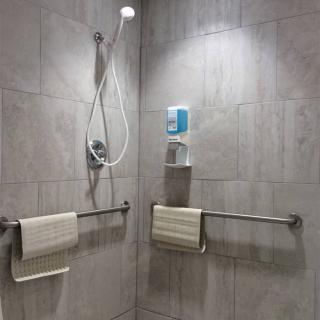
 Wheelchair accessible showers
 Wi-Fi/high-speed internet available
 Metropolitan Oakland International (14 miles away)
 24-hour supervision
 Assistance with bathing
 Assistance with dressing
 Assistance with transfers
 Diabetes diet
 High acuity care
 Incontinence care
 Meal preparation and service
 Medication management
 Special dietary restrictions
 Transportation arrangement (medical)
 Transportation to doctors appointments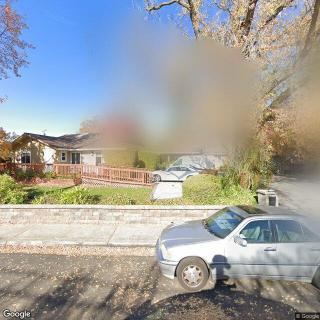


 Nourishing the Mind: Essential Dietary Approaches for Dementia
 Understanding Dementia Behaviors: Practical Insights and Strategies for Caregivers
 When Dementia Sparks Anger and Aggression: Understanding the Connection and Ways to Cope