
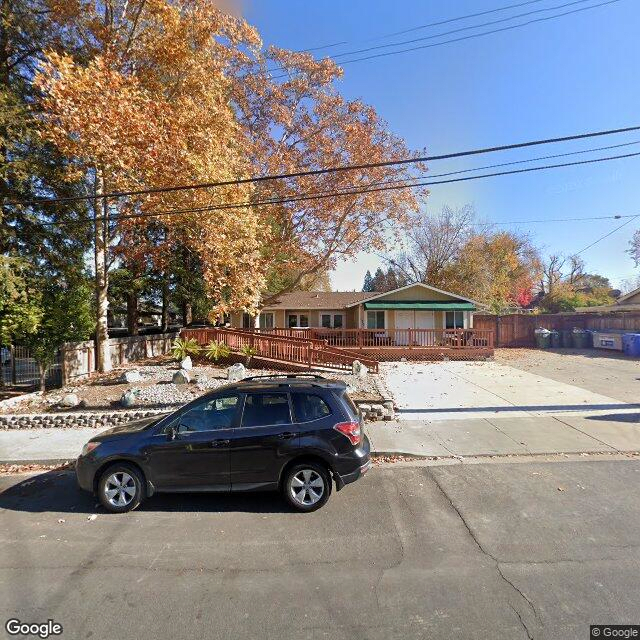
170 Flora Avenue, Walnut Creek, CA 94595
To contact a resident: (925) 938-0200
For more information about senior living options: (866) 208-4318
The Carnelian II Costs & Pricing
The Carnelian II presents a range of accommodation options that reflect a premium pricing structure compared to both Contra Costa County and the broader California state averages. For private rooms, costs at The Carnelian II span from $5,500 to $9,469, significantly higher than Contra Costa's average of $4,088 and California's statewide figure of $3,939. Semi-private rooms are similarly priced at $7,891, which far exceeds the local and state averages of $3,471 and $3,333 respectively. The studio accommodations stand out with a monthly rate of $10,258; this is notably elevated compared to Contra Costa's average of $4,358 and California's average of $4,145. While these rates may be above average for the area, they likely reflect enhanced services or amenities that The Carnelian II provides to its residents.
| Floor plans | The Carnelian II | Contra Costa County | California |
|---|---|---|---|
| Private | $5,500 to $9,469 | $4,088 | $3,939 |
| Semi-Private | $7,891 | $3,471 | $3,333 |
| Studio | $10,258 | $4,358 | $4,145 |
Memory care communities with a similar price nearby
-
from -$500 / mo
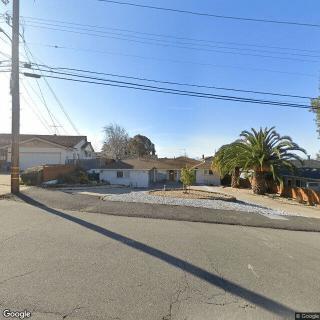
Blessing Home
$5,000 to $6,000 / month12.1 miles away -
About the same
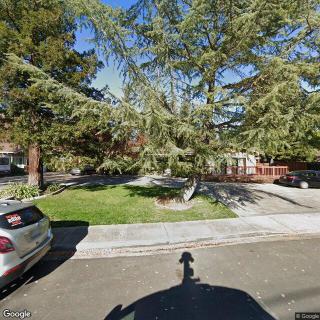
Carnelian III
$5,500 / month0.0 miles away -
from -$900 / mo
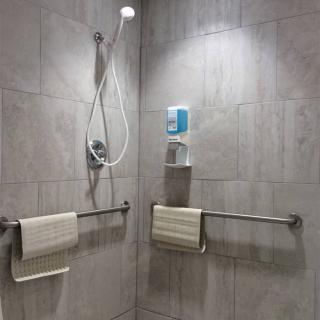
Milan Villa Senior Living
$4,600 to $9,200 / month22.1 miles away -
from +$170 / mo
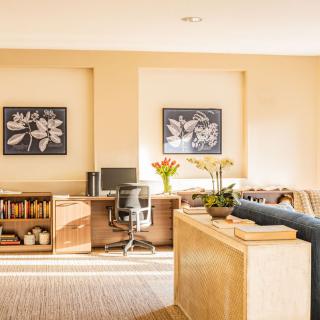
Carefield Pleasanton
$5,670 to $5,700 / month18.2 miles away -
from -$500 / mo
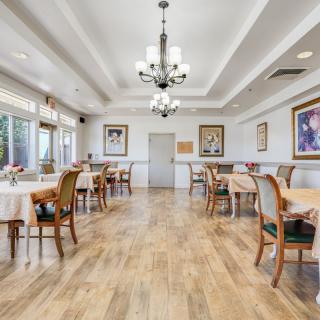
Tuscany Villa Senior Living
$5,000 to $10,000 / month22.1 miles away
Overall Review of The Carnelian II
Pros
 The Carnelian is an exceptional care home.
- The facility is small but clean.
- The facility offers street parking for everyone.
- The experience at The Carnelian feels like joining a loving, extended family.
- Caregivers are treated well, helping staff stay and preventing turnover.
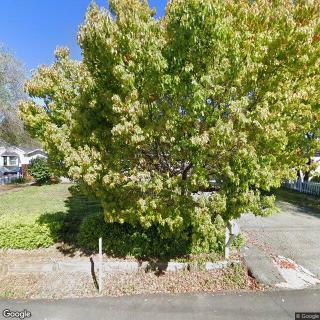
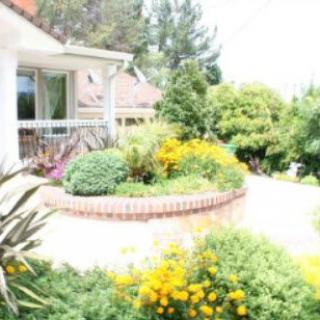
- The rooms and grounds are lovely, and the food is truly delicious.
- The care provided is compassionate and excellent, even for residents who are bed-bound.
- The care staff is excellent, the yard is beautiful, and the food is five-star gourmet.
Review
The Carnelian II in Walnut Creek is a standout choice for families facing advanced dementia and long-term care when warmth, continuity, and a home-like rhythm take precedence over institutional polish. The community reads as an extended family, with caregivers who stay in place rather than churn through rotations. For a loved one whose needs escalate, this setting delivers stable routines, attentive companionship, and real meals that matter. The physical environment reinforces the message: rooms and grounds are pleasant, and daily care carries a tone of genuine tenderness. It is a place where dignity and familiarity are the baseline, not merely a goal.
Explicitly, this community is most suitable for those who prize intimate, dementia-focused care and long residency where staff familiarity drives comfort and safety. It is less about flashy programming and more about reliable presence. Families seeking a smaller, quieter setting will find this strength, while those who demand a large campus with sprawling activities or aggressive on-site medical resources may feel constrained. For households prioritizing parking convenience or rapid access to a wide array of specialized services, it’s important to compare options, because the street-parking setup may not fit every visitor’s logistics.
The core pros here offset potential drawbacks in a meaningful way. The most persuasive strengths are the intimate, home-like atmosphere and remarkable caregiver continuity. With staff members who stay, residents avoid the disruption of constant caregiver changes, which is invaluable for someone managing dementia. The small footprint becomes a feature, enabling highly personalized attention rather than a generic, one-size-fits-all approach. Add a well-tended yard and meals described as five-star gourmet, and the daily experience shifts from routine safety to genuinely livable comfort. In practice, these positives largely outweigh concerns about size or parking by delivering consistent, high-quality care where it matters most.
Evidence from families and residents underscores the depth of commitment. One elder has remained here for seven years, with dementia progressing, and the family reports not only excellent clinical care but also sustained emotional well-being. The mother remained happy and engaged even in bed-bound stages, a testament to compassionate, patient-focused attention. Caregivers themselves are highlighted as a differentiator, supported by an environment in which staff are valued and retained. The combination of garden amenities, comfortable rooms, and standout dining reinforces the sense that daily life is dignified, enjoyable, and stable, an essential mix for long-term dementia care.
Practical considerations for families evaluating options should center on fit with advanced dementia needs, including 24/7 supervision, mobility support, and end-of-life considerations as appropriate. Inquiries should cover caregiver-to-resident ratios, the availability of accommodations for bed-bound residents, and the flexibility of visiting hours. Beyond atmosphere, the real test is whether the staff can sustain compassionate care over years. Prospective visitors should tour, meet several caregivers, observe meal service, and assess how the grounds and indoor spaces support safe movement and meaningful engagement. These checks help determine if The Carnelian II’s intimate, high-quality care aligns with the family’s expectations and the resident’s care trajectory.
Bottom line: The Carnelian II is a compelling fit for families prioritizing continuity of care, a homelike feel, and top-tier daily living for a loved one with dementia. The combination of engaged caregivers, a beautiful setting, and enjoyable meals creates a strong probability of a successful long-term residency where trust matters more than scale. For those seeking a larger campus, more aggressive medical programming, or extensive on-site services, alternatives should be explored. The next step is a structured tour with explicit questions about caregiver consistency, dementia-specific routines, and bed-bound accommodations to confirm whether this community fully meets the envisioned care trajectory.
 Board and Care Home
 Memory Care
 Cats allowed
 Dogs allowed
 Activities off-site
 Bath tubs
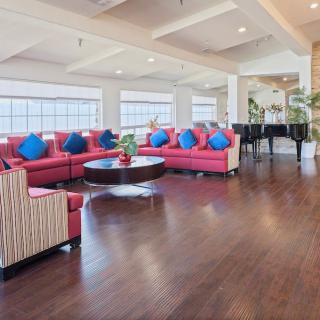
 Indoor common areas
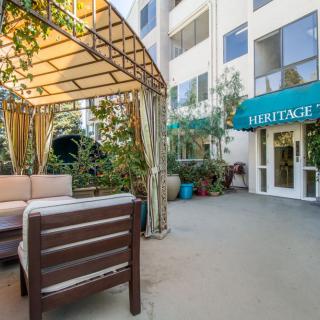
 Outdoor common areas
 Private
 Private bathrooms
 Wheelchair accessible showers
 Metropolitan Oakland International (14 miles away)
 High acuity care
 Incontinence care
 Medication management
 Meals provided


 Comprehensive Guide to VA Nursing Homes: A Crucial Long-Term Care Resource for Veterans
 Estimating the Expenses of At-Home Dementia Care: A Detailed Exploration
 Comprehensive Insights on the Late Stages of Dementia: What to Expect and How to Provide Care