

330 West Stevens Road, Palm Springs, CA 92262
For more information about senior living options: (866) 208-4318
Retreat Las Palmas Costs & Pricing
Retreat Las Palmas offers a compelling value for those seeking affordable senior living options, with costs significantly lower than the averages for Riverside County and the broader California region. For instance, their semi-private rooms are priced at $1,600 per month, in stark contrast to the county's average of $2,844 and the state average of $3,333. Similarly, private rooms at Retreat Las Palmas are available for $1,800, which is notably less than Riverside County's average of $3,474 and California's state average of $3,939. This pricing structure highlights Retreat Las Palmas as an attractive alternative for individuals looking for quality care without the financial strain typically associated with senior living facilities in California.
| Floor plans | Retreat Las Palmas | Riverside County | California |
|---|---|---|---|
| Semi-Private | $1,600 | $2,844 | $3,333 |
| Private | $1,800 | $3,474 | $3,939 |
Memory care communities with a similar price nearby
-
from -$100 / mo
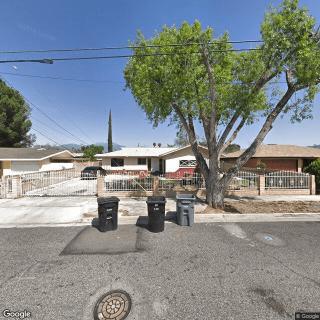
Diamond Crest Home Care
$1,500 to $2,500 / month24.9 miles away -
from +$200 / mo

Braswell's Santa Fe Assisted Living
$1,800 to $4,200 / month19.6 miles away -
from +$200 / mo
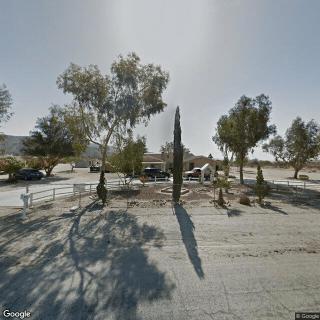
Paradise Guest Ranch
$1,800 to $4,000 / month9.8 miles away -
from -$100 / mo

Serrano Residential Care for the Elderly
$1,500 to $2,000 / month1.6 miles away -
from -$100 / mo

Mustard Seed Guest Home
$1,500 to $2,500 / month24.9 miles away
Overall Review of Retreat Las Palmas
Pros
 The staff was incredibly kind.
- John Rodrigo was the kindest person she had ever come to know.
- The place is absolutely wonderful.
- Loving, caring people surrounded her.
Cons
 The reviewer considers it the worst place to leave a loved one who needs any type of assisted living.
- The reviewer states that the people running the facility are the worst.
Review
Retreat Las Palmas in Palm Springs is best suited for families who value quiet proximity and deeply personal caregiving over clinical polish. It works best for a loved one who benefits from a small-community feel, close-knit aides, and staff who can translate daily routines into comforting rituals. In practice, the care tends to shine most when caregivers form consistent relationships and take time to address emotional needs, especially as a resident nears the end of life. The reviews reveal a sharp contrast: some residents and families experience exceptionally compassionate service, while others question the consistency and leadership that set the tone for everyday life.
Those for whom this community may not be the right fit include families who need steady, institution-wide standards and a transparent governance structure. If reliable administration, clear escalation processes, and uniform staffing are non-negotiable, alternatives with proven track records may be wiser. For residents requiring intensive medical oversight, complex memory care, or broad amenities and programs, this setting may feel insufficient. The mixed signals in the feedback suggest a risk that experiences could swing from warmly supportive to frustratingly inconsistent, depending on who is on duty and who is managing the house.
On the positive side, the caregiving staff can be genuinely extraordinary when all the pieces align. A notable instance from feedback described a staff member who made itself available in a crisis, creating a bridge between the resident and family that mattered profoundly. The warmth of the team around a resident in distress can translate into peaceful, undisturbed moments and a sense of security for loved ones. When family members observe staff taking the initiative to facilitate conversations and attend to small but meaningful comforts, the overall experience shifts from routine to meaningful support.
Yet the strongest warning from the reviews centers on leadership and consistency. One account harshly characterizes the place as the worst possible option and questions the competence of those running it. While such speak often reflects a moment in time, it cannot be dismissed as mere noise in a setting where governance shapes staffing, training, and accountability. The risk is real: if administrative direction is unclear or uneven, even exceptional individual caregivers may not be able to sustain a consistently positive environment, leaving families uncertain about what to expect day to day.
Against the bright spots, the downsides carry meaningful weight for decision-making. The emotional and near-end-of-life support offered by compassionate staff can be a decisive factor for some families, especially when secure, personal connections matter most. However, the potential for inconsistent management means that what works well today might not tomorrow, unless there is strong oversight, transparent communication, and a clear care plan. Prospective residents should push for a candid walk-through with leadership, request a written service plan, and seek references from families who have recent experience. Consider a trial stay if feasible, with explicit criteria for satisfaction and exit options.
In the final choice, Retreat Las Palmas should be weighed as a choice for those who prize intimate, compassionate care and are comfortable accepting some variability in operations. It is not a universal recommendation: the overriding concern is governance, without solid administration, even the most devoted caregivers can have a ceiling on what they can deliver. Families who want a stable, predictable experience and robust medical oversight will likely prefer alternatives. For others, the facility offers a rare combination of personal warmth and quiet dignity that can be a lifeline in difficult days, provided that clear expectations, oversight, and safeguards are in place.
 6 resident community capacity
 Assisted Living
 Board and Care Home
 Memory Care
 Cats allowed
 Dogs allowed
 Activities off-site
 Bath tubs
 Beautician on-site
 Cable or satellite TV
 Devotional services off-site
 Dining room
 Fully furnished
 Garden
 Housekeeping services
 Indoor common areas
 Move-in coordination
 Outdoor common areas
 Private
 Private bathrooms
 Respite or short term stays offered
 Swimming pool / hot tub
 Telephone
 Wheelchair accessible showers
 Wi-Fi/high-speed internet available
 Palm Springs International (3 miles away)
 24-hour supervision
 Ambulatory care
 Assistance with bathing
 Assistance with dressing
 Assistance with transfers
 Diabetes diet
 Diabetic care
 High acuity care
 Incontinence care
 Meal preparation and service
 Medication management
 Special dietary restrictions
 Transportation arrangement (medical)
 Transportation to doctors appointments






 A Thorough Discussion of Medications Potentially Linked to Dementia Risk
 Why Do Dementia Patients Sleep So Much? Understanding Oversleeping, Stages, and Care Approaches
 8 Key Indicators That Suggest It May Be Time to Transition from Assisted Living to Skilled Nursing Care