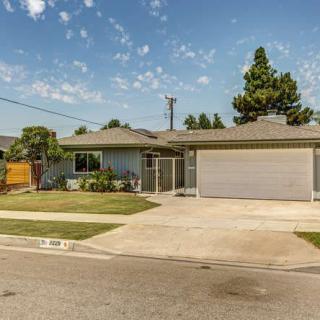
Alternative Senior Care - Lincoln in Orange, CA

Information last verified:

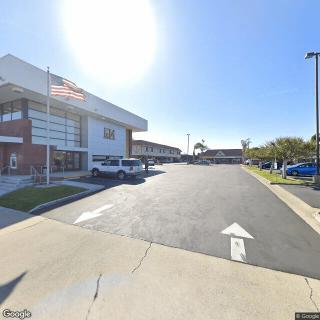
825 North Lincoln, Orange, CA 92867

For more information about senior living options: (844) 490-3973

5 from 39 reviews
5 stars
39
4 stars
0
3 stars
0
2 stars
0
1 stars
0

Seniors.FYI Elite Community Awards

Top 5% Senior Living Community in 2023Top 5% Senior Living Community in 2024Top 5% Senior Living Community in 2026

Add this award to your website

Overall Review of Alternative Senior Care - Lincoln

Pros

  • pro They are kind, patient, and incredibly accommodating.
  • pro The caregivers are wonderful, calm, patient, and highly skilled at caring for people with dementia.
  • pro The team deserves kudos for their outstanding work.
  • pro The mom is happy with the care and how things are going.
  • pro The home environment is clean and tidy, with meals prepared and laundry folded and clean.
  • pro The hands-on training is comfortable and safe.
  • pro The Virtual Dementia Tour is eye-opening, insightful, and helps people understand what someone with dementia experiences.
  • pro The tour is a great training tool for caregivers and highly recommended.
  • pro The experience is amazing and helps people understand what a dementia patient may feel or see daily.
  • pro The program is run by caring, passionate people who truly care about what they do.
  • pro Tracy is attentive, patient, and supportive, staying in touch with insights.
  • pro Senior Helpers North OC restores trust and peace in challenging caregiving situations.

Cons

  • pro They witnessed firsthand the harm caused by an unqualified, disorganized agency.
  • pro They knew they had to find a better, much better option.

Review

This community is best suited for families seeking dementia-focused, in-home care that preserves familiarity and everyday routines. The reviews consistently highlight a team that is kind, patient, and calm, with caregivers who are not only empathetic but highly skilled at supporting people with dementia. The agency demonstrates practical strengths in rapidly organizing coverage to meet grant hours, coordinating with family and case managers, and maintaining continuity in daily tasks, meals prepared, spaces clean, laundry folded. The net effect is tangible: a loved one who feels supported, a family that sleeps a little easier, and a care plan that feels doable rather than overwhelming. This is care that integrates into the home and life, rather than forcing a resident into a new, institutional rhythm.

Those wondering whether alternatives should be considered will find a clear bias toward campus-style living appealing only for certain needs. If a traditional assisted living or memory-care campus with 24/7 on-site nursing, structured social programs, and a defined community setting is a nonnegotiable requirement, broader options may be more appropriate. In-home care excels where the priority is preserving autonomy, familiar surroundings, and intimate family involvement, but it does not replicate the medical oversight and constant on-site services of a memory-care facility. Families pursuing a fixed environment with a robust social ecosystem should evaluate campus-based communities to determine if their loved one benefits more from a centralized, medically staffed setting.

The strongest positives center on staff capability and care culture. Caregivers are described as exceptionally compassionate, with hands-on training that directly improves daily life for clients living with dementia. Caregiver matching appears thorough, with careful onboarding to align temperament, routines, and care needs. The organization’s follow-through stands out, families report consistent communication, timely adjustments to care plans, and ongoing support beyond initial onboarding. An educational edge also emerges in the form of dementia-focused experiences, such as virtual tours, that deepen family understanding and empathy. When dementia expertise, practical daily care, and clear, ongoing communication are the baseline, the result is care that reduces crisis moments and preserves dignity in the home.

Yet no service operates without trade-offs, and a few real-world constraints warrant attention. In-home care cannot fully substitute for the medical oversight or campus-based programming some families associate with a memory-care setting, especially when around-the-clock nursing or highly structured group activities are essential. The model relies on a steady cadence of caregivers and careful scheduling; variability in caregiver availability or turnover can affect continuity. Funding logistics, while reportedly workable through grant hours and transparent billing, can still pose budgeting questions for families with tighter resources. These realities mean that while the model is excellent for many dementia-care scenarios, it may fall short for those demanding constant medical supervision or a highly regimented daily rhythm.

When the strengths are weighed against these constraints, the favorable balance becomes evident: a personalized, home-centered approach that emphasizes comfort, routine, and family involvement often delivers superior quality of life for people with dementia. The ability to maintain familiar meals, tidy spaces, and routine caregiving while delivering dementia-trained professionals creates a stable platform from which longer-term goals can be pursued, whether that means delaying relocation to a campus, extending respite periods, or achieving a smoother transition as needs evolve. The deliberate caregiver-matching process and proactive family communication further reduce the emotional toll of care, helping families stay engaged without becoming overwhelmed by unknowns.

Bottom line: this community is the prudent choice for families prioritizing expert dementia care delivered in the home, backed by a culture of kindness, reliability, and proactive planning. It is less suitable for those who require nonstop nursing, a campus lifestyle, or highly structured, facility-based programming as the core of daily life. Prospective clients should begin with a formal care assessment, insist on a clear explanation of caregiver matching, continuity, and scheduling, and interrogate how funding channels, like grant hours, will be managed over time. Ask about dementia-specific training, such as Teepa Snow-based programs, and the team’s process for adapting care as needs shift. With these checks in place, the decision becomes straightforward: a strong fit for in-home dementia care that preserves dignity, empowers families, and minimizes upheaval; consider alternatives if a communal living arrangement or continuous medical oversight is non-negotiable.

Features

Housing

  • 6 resident community capacity 6 resident community capacity

Types of Care

  • Assisted Living Assisted LivingAssisted living facilities provide crucial support and care for seniors who may need help with daily tasks such as medication management, bathing, and meal preparation. These communities offer a safe and comfortable environment where seniors can maintain their independence while receiving the assistance they need to thrive in their golden years.
  • Board and Care Home Board and Care HomeBoard and care homes provide a smaller, more intimate setting for seniors who require assistance with daily tasks but do not need the level of care offered by a nursing home. They offer personalized care, meals, and social activities in a homelike environment, ensuring that seniors receive individualized attention and support in their golden years.
  • Respite Care Respite CareRespite care provides temporary relief for caregivers, allowing them to recharge and attend to their own needs. It also gives seniors the opportunity to socialize, receive professional care, and experience a change of scenery, promoting overall well-being and reducing feelings of isolation.

Amenities

  • Cable or satellite TV Cable or satellite TVCable or satellite TV is important for seniors because it provides entertainment, news, and companionship, helping to combat loneliness and boredom. It also offers a wide range of programming options tailored to different interests and preferences.
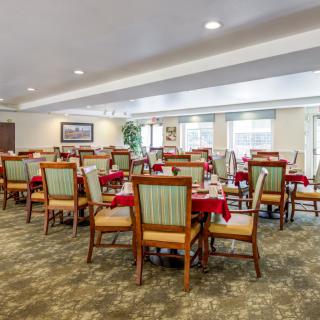
  • Dining room Dining roomDining rooms are important for seniors as they provide a space for socialization, connection, and nutritious meals. They offer opportunities for residents to bond over shared meals, foster a sense of community, and promote healthy eating habits. Dining rooms also ensure that seniors have access to well-balanced meals tailored to their dietary needs and preferences.
  • Fully furnished Fully furnishedFully furnished senior living communities are important for seniors because they provide convenience, comfort, and a hassle-free moving experience. Seniors can easily settle into their new living space without the stress of having to buy and move furniture. This allows them to focus on enjoying their new home and community.
  • Garden GardenGardens are important for seniors as they provide a peaceful and therapeutic environment for relaxation, physical activity, and socialization. Being in nature has been shown to reduce stress, improve mood, and promote overall well-being. Gardens also offer opportunities for seniors to engage in gardening activities, which can improve mobility, flexibility, and cognitive function. Additionally, gardens create a sense of community and connection with others who share a passion for plants and outdoor spaces.
  • Housekeeping services Housekeeping servicesHousekeeping services are important for seniors because they help maintain a clean and safe living environment, promote independence, and reduce the risk of accidents or illnesses. Additionally, having assistance with household chores can alleviate physical strain and allow seniors to focus on other aspects of their well-being.
  • Move-in coordination Move-in coordinationMove-in coordination is important for seniors because it helps ease the transition into their new living environment. It ensures that all logistics, such as packing, organizing movers, and setting up utilities are taken care of, allowing seniors to focus on settling in and adjusting to their new home. Having a smooth move-in process can alleviate stress and anxiety, making the transition smoother and more enjoyable for seniors.
  • Outdoor space Outdoor spaceOutdoor spaces are important for seniors as they provide opportunities for physical activity, social interaction, exposure to natural light and fresh air, and a sense of connection to nature. Having access to outdoor spaces can improve overall well-being and quality of life for older adults living in senior communities.
  • Telephone TelephoneTelephones are important for seniors as they provide a lifeline for communication with loved ones, emergency services, and healthcare providers. They offer a sense of security and independence, enabling seniors to stay connected and access assistance when needed.
  • Wi-Fi/high-speed internet available Wi-Fi/high-speed internet availableWi-Fi/high-speed internet is important for seniors to stay connected with loved ones, access online resources, and participate in virtual activities to combat feelings of loneliness and isolation. It also allows them to easily manage healthcare needs, access entertainment, and engage in lifelong learning opportunities.

Transportation

  • John Wayne Orange Co (9 miles away) John Wayne Orange Co (9 miles away)
  • Long Beach (Daugherty) (18 miles away) Long Beach (Daugherty) (18 miles away)
  • Ontario International (22 miles away) Ontario International (22 miles away)

Care Services

  • 24-hour supervision 24-hour supervision24-hour supervision is important for seniors to ensure their safety, well-being, and access to immediate assistance in case of emergencies or health issues. This constant support provides peace of mind for both seniors and their loved ones, allowing them to age in place with dignity and security.
  • Activities of daily living assistance Activities of daily living assistanceActivities of daily living assistance are important for seniors because they provide essential support with tasks such as eating, bathing, dressing, and mobility. This assistance helps seniors maintain their independence, dignity, and overall quality of life as they age.
  • Assistance with bathing Assistance with bathingAssistance with bathing is crucial for seniors as it helps maintain personal hygiene, prevents infections, and ensures their overall well-being and comfort. It also provides a sense of dignity and independence for seniors who may struggle with this task on their own.
  • Assistance with dressing Assistance with dressingAssistance with dressing is important for seniors because it helps maintain their independence, promotes personal hygiene, prevents accidents and injuries, and improves overall quality of life. This service ensures that seniors can continue to dress comfortably and confidently, despite any physical limitations they may have.
  • Assistance with transfers Assistance with transfersAssistance with transfers is crucial for seniors as it helps prevent falls and injuries, maintains their independence, and ensures they can safely navigate their living environment. It also provides peace of mind for both seniors and their loved ones.
  • Coordination with health care providers Coordination with health care providersCoordination with health care providers is crucial for seniors to ensure proper medical care, medication management, and overall well-being. This collaboration helps prevent overlapping treatments, track progress more effectively, and provide comprehensive support tailored to individual needs.
  • Diabetes diet Diabetes dietA diabetes diet is crucial for seniors as it helps manage blood sugar levels, reduce risks of complications, and improve overall health and well-being. By following a balanced and nutritious diet tailored to their specific needs, seniors can better control their diabetes and enhance their quality of life.
  • Meal preparation and service Meal preparation and serviceMeal preparation and service are crucial for seniors as they may have limited mobility or energy to cook nutritious meals. Having access to healthy and convenient food options can ensure they are getting the proper nutrition needed to maintain their overall health and well-being.
  • Medication management Medication managementMedication management is crucial for seniors to ensure they are taking the right medications at the correct dosages and times. This helps prevent adverse drug interactions, reduces the risk of medication errors, and promotes overall health and well-being. Proactive management also allows for adjustments as needed based on changing health conditions or new prescriptions.
  • Special dietary restrictions Special dietary restrictionsSpecial dietary restrictions are important for seniors because age-related changes in metabolism and health conditions can make it difficult for their bodies to process certain foods. By following a diet tailored to their specific needs, seniors can maintain their overall health and well-being, manage chronic conditions, and reduce the risk of complications such as malnutrition or food interactions with medications.
  • Transportation arrangement (medical) Transportation arrangement (medical)Transportation arrangements for medical purposes are essential for seniors as they may have difficulty driving themselves to appointments or accessing public transportation. Having reliable and safe transportation options ensures that seniors can receive timely medical care and maintain their health and well-being.
  • Transportation to doctors appointments Transportation to doctors appointmentsTransportation to doctors' appointments is crucial for seniors as it ensures they have access to necessary medical care and support for their health needs. Without reliable transportation, seniors may struggle to attend important appointments, leading to potential delays in treatment and health complications. Providing transportation services helps seniors maintain their overall well-being and quality of life.
Dining

  • Diabetes diet Diabetes dietA diabetes diet is crucial for seniors as it helps manage blood sugar levels, reduce risks of complications, and improve overall health and well-being. By following a balanced and nutritious diet tailored to their specific needs, seniors can better control their diabetes and enhance their quality of life.
  • Special dietary restrictions Special dietary restrictionsSpecial dietary restrictions are important for seniors because age-related changes in metabolism and health conditions can make it difficult for their bodies to process certain foods. By following a diet tailored to their specific needs, seniors can maintain their overall health and well-being, manage chronic conditions, and reduce the risk of complications such as malnutrition or food interactions with medications.

Activities

  • Community-sponsored activities Community-sponsored activitiesCommunity-sponsored activities are important for seniors as they provide opportunities for social interaction, mental stimulation, and physical activity. These activities can help improve overall well-being, combat loneliness and isolation, and promote a sense of belonging and purpose among older adults.
  • Scheduled daily activities Scheduled daily activitiesScheduled daily activities are important for seniors because they provide structure, socialization, mental stimulation, and physical activity. Engaging in regular activities can improve overall well-being and quality of life for seniors living in a community setting.

Description

Alternative Senior Care - Lincoln is an exceptional assisted living community located in Orange, CA. We offer a variety of care services including board and care home options as well as respite care for those in need of short-term support.

Our community provides a warm and welcoming atmosphere where seniors can feel right at home. Our fully furnished rooms ensure comfort and convenience, while our housekeeping services maintain a clean and tidy environment. Residents can enjoy the beauty of our outdoor space and garden where they can relax and engage with nature.

We understand the importance of staying connected, which is why we offer amenities such as Wi-Fi/high-speed internet and telephone services for our residents to stay connected with their loved ones.

At Alternative Senior Care - Lincoln, we prioritize the health and well-being of our residents. Our dedicated staff provides assistance with activities of daily living, bathing, dressing, and transfers to ensure that seniors receive the support they need. We also coordinate with healthcare providers to ensure comprehensive care for our residents.

Our dining services cater to individual needs, including special dietary restrictions. Meal preparation and service are provided, ensuring that our residents receive nutritious meals tailored to their specific dietary requirements.

We believe in promoting an active lifestyle for our residents. Our scheduled daily activities provide opportunities for socialization, engagement, and entertainment within the community. In addition, we are conveniently located near various cafes, parks, pharmacies, restaurants, transportation options, places of worship, theaters, and hospitals – ensuring that our residents have access to nearby amenities.

At Alternative Senior Care - Lincoln in Orange, CA, we strive to provide a comfortable and enriching living experience for seniors in need of assisted living or respite care services.

Nearby Places of Interest

Cafes

  • Starbucks (0.9 miles)
  • Tru Bru Organic Coffee (3.8 miles)
  • Kean Coffee (4.2 miles)
  • Hollywood Land (4.6 miles)
  • Jolly Holiday Bakery Cafe (4.8 miles)
  • Anaheim Packing District (4.8 miles)
  • La Brea Bakery Express (4.8 miles)

Pharmacies

  • Walgreens (1 miles)
  • CVS Pharmacy (1.8 miles)
  • Walmart Pharmacy (1.8 miles)
  • CVS Pharmacy (2.2 miles)
  • Walgreens (2.9 miles)
  • CVS Pharmacy (3 miles)
  • Walgreens (3.9 miles)

Theaters

  • Century Theatres (2 miles)
  • AMC Movie Theater (3.4 miles)
  • AMC DINE-IN Fullerton 2 (6.3 miles)
  • Regal Yorba Linda & Imax (6.4 miles)

Hospitals

  • Choc (2.2 miles)
  • Anaheim Regional Medical Center (6.4 miles)

Transportation

  • Artic (2.3 miles)
  • Hertz Rent A Car (4.1 miles)
  • Drr Tomorrowland Station (4.6 miles)
  • Disneyland Monorail (4.6 miles)
  • Drr Toontown Station (4.8 miles)
  • DLRR New Orleans Station (4.9 miles)
  • Disneyland Monorail - Downtown Disney District Station (5 miles)

Parks

  • Steve Ambriz Memorial Park (2.7 miles)
  • Peters Canyon (4.8 miles)
  • Irvine Regional Park (4.9 miles)
  • Tustin Sports Park (5.5 miles)
  • Resort at the Groves (5.8 miles)
  • Yorba Regional Park (5.9 miles)
  • Willow Park (6 miles)

Restaurants

  • Golden Road Brewing (2.8 miles)
  • McDonald's (2.9 miles)
  • Orange Hill Restaurant & Events (3 miles)
  • In-N-Out Burger (3.2 miles)
  • Bottle Logic Brewing (3.6 miles)
  • Green Burrito (3.6 miles)
  • Raising Cane's Chicken Fingers (4.3 miles)

Physicians

  • The 200 Building (3.3 miles)
  • Cardiology Specialists of Orange County (3.4 miles)
  • Kaiser Permanente Medical Building 1 (3.6 miles)
  • Kaiser Permenente Tustin Medical Offices (5.7 miles)
  • Hoag Tustin Legacy (6.1 miles)
  • Hoag Medical Group (6.1 miles)

Places of Worship

  • Chinese Baptist Church (4.7 miles)

Frequently Asked Questions

Where is Alternative Senior Care - Lincoln?

Nearby Communities

  • JC Cottages - Lincoln

    JC Cottages - Lincoln

    Orange, CA

    4.3 from 11 reviews
    $3,000 to $4,000 / month

    pro Clean facility with friendly staff and attentive caregivers; supportive move-in process.

  • Lomita Guest Home

    Lomita Guest Home

    Orange, CA


    pro Comprehensive care with 24/7 supervision and ADL support, diabetes-friendly dining, fully furnished rooms, housekeeping, move-in coordination, and medical transport.

  • Simon's Place

    Simon's Place

    Orange, CA

    4.5 from 33 reviews
    $3,500 / month

    pro Specialized memory care with private rooms at a competitive $3,500/month.

  • Colonial Home Care Services,  Inc.

    Colonial Home Care Services, Inc.

    Orange, CA

    4.5 from 19 reviews
     

    pro Helpful, attentive caregivers with flexible scheduling and strong communication.

  • The Magnolia Tree Board And Care Home

    The Magnolia Tree Board And Care Home

    Orange, CA


    pro 24/7 supervision and comprehensive care (medication management, diabetes diet) with transportation to medical appointments.

  • Amparo Elder Care Home

    Amparo Elder Care Home

    Orange, CA

    5 from 1 review
    $4,800 to $5,500 / month

    pro Small 6-bed board and care with comprehensive care and on-site amenities.

  • ELD Healthcare

    ELD Healthcare

    Orange, CA

    5 from 6 reviews
    $5,000 to $6,500 / month

    pro Immaculate cleanliness with compassionate, personalized care and flexible schedules.

  • Park Plaza

    Park Plaza

    Orange, CA

    4.7 from 113 reviews
    $3,795 to $5,225 / month

    pro Caring, attentive staff in a clean, welcoming community with engaging activities and fresh dining.

  • New Orange Hills

    New Orange Hills

    Orange, CA

    4.4 from 102 reviews
     

    pro Dedicated nursing staff and effective physical therapy.

Related Resources

  • senior move managementSenior Transition Services: Understanding Their Role, Cost, and Importance
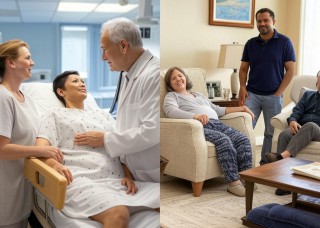
    Senior move management services assist older adults in the relocation process by providing emotional support and organizational help, addressing unique challenges like downsizing and moving from long-term homes. These specialists collaborate with real estate agents and manage logistics, making the transition smoother for seniors and their families.

  • independent living vs assisted livingExploring the Path to Senior Living: A Comprehensive Look at Independent Living and Assisted Living

    The article examines senior housing options, detailing the distinctions between independent living and assisted living, along with the emerging "independent assisted living" model that blends both approaches. It highlights the importance of assessing individual needs, preferences, and financial factors in making informed decisions about suitable living arrangements for seniors.

  • is assisted living tax deductibleIs Assisted Living Deductible on Your Taxes? Understanding the Complexities of Assisted Living Expenses and Deductions

    The deductibility of assisted living expenses on taxes hinges on factors like the individual's medical condition and service nature, typically requiring the resident to be "chronically ill" per IRS definitions. Taxpayers may deduct eligible medical expenses related to personal care services but generally not rent unless primarily for medical care, and they should maintain thorough documentation to support claims while considering itemizing versus standard deductions.