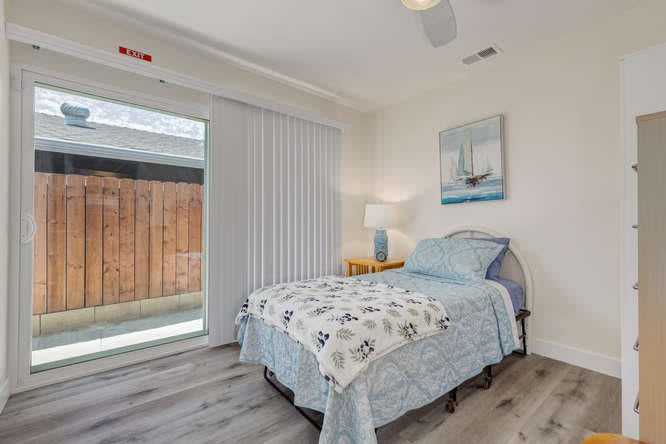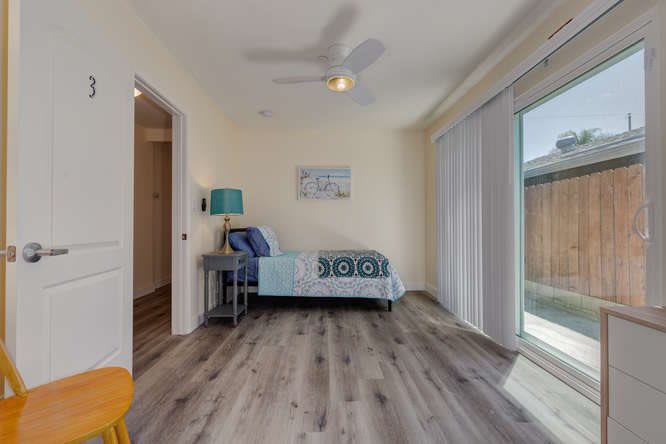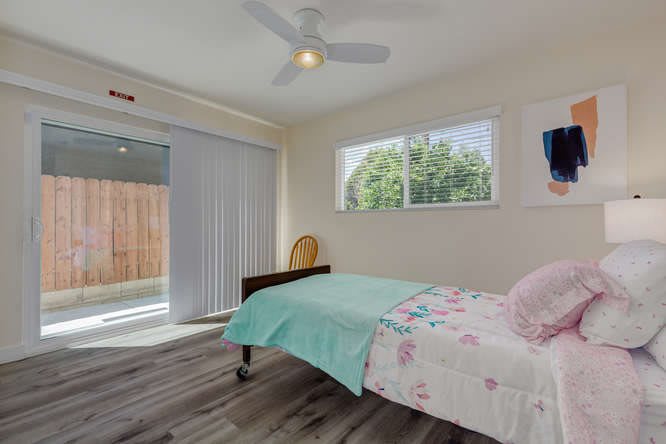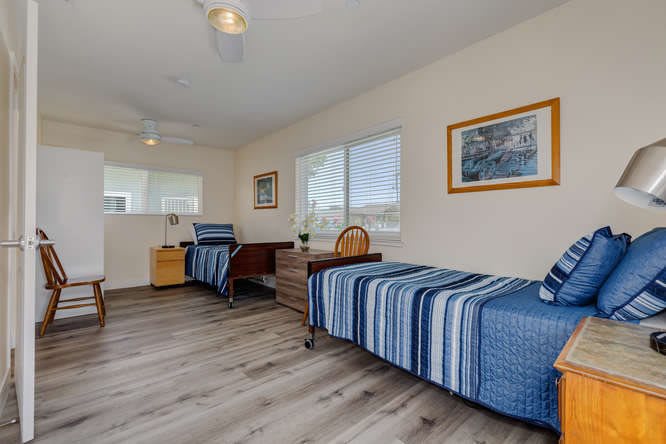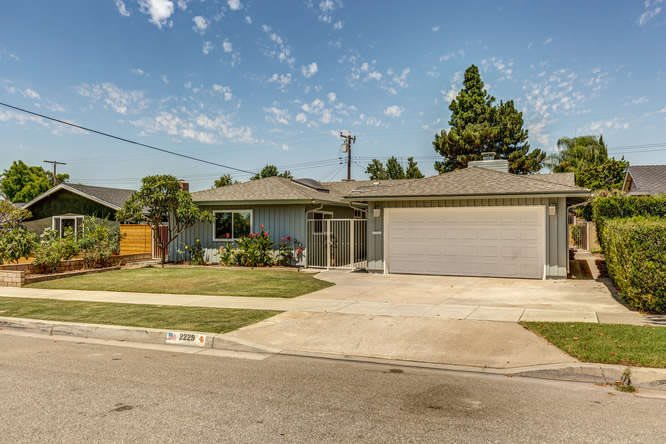
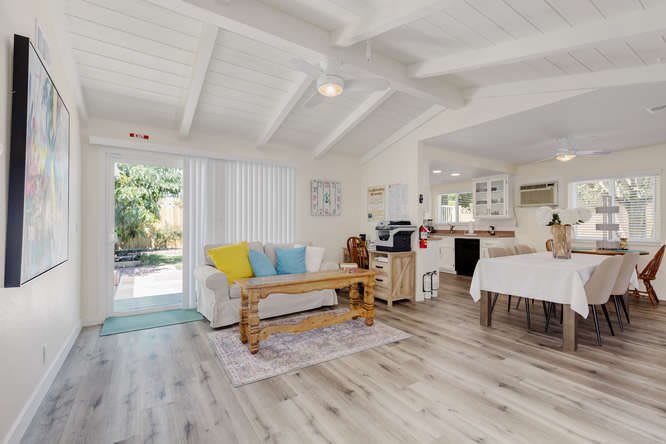
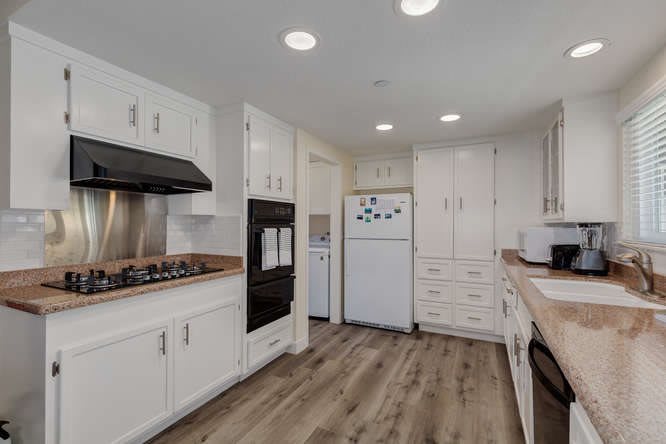
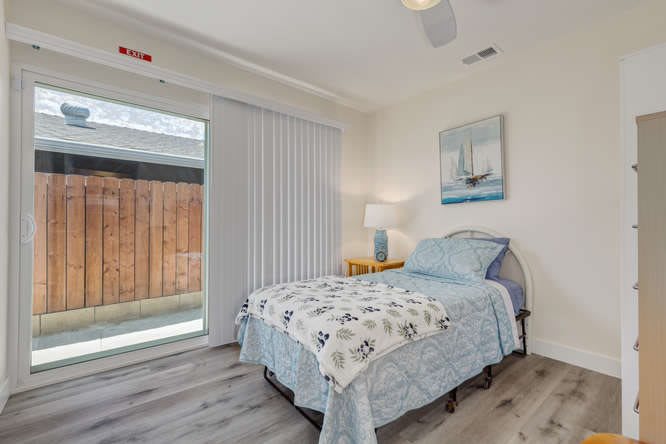

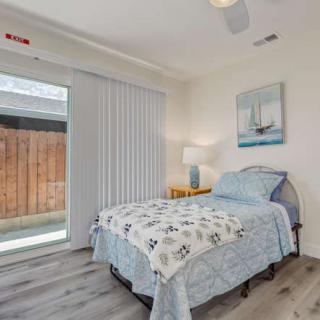
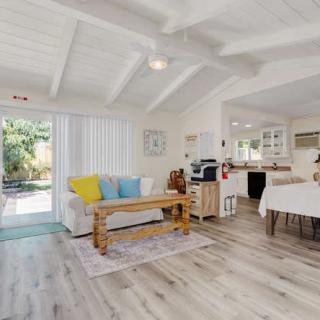
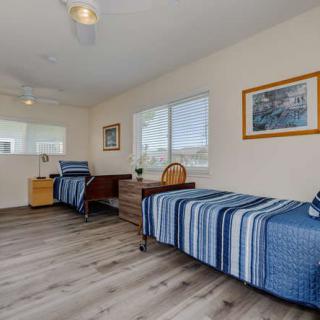
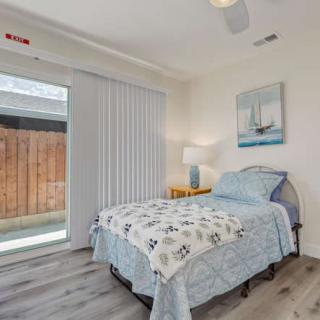
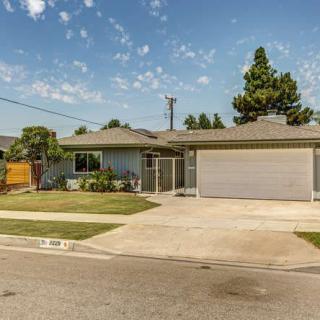
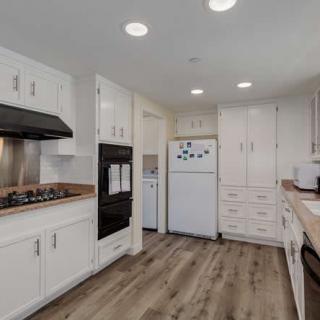
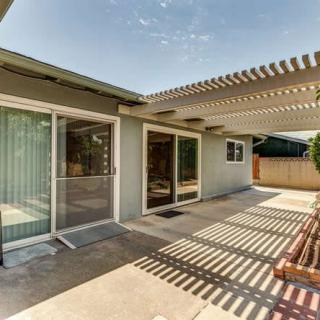
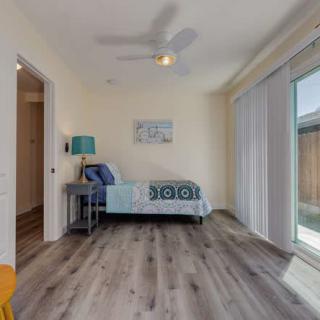
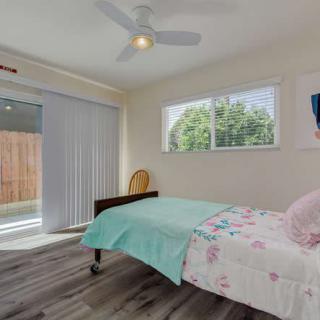
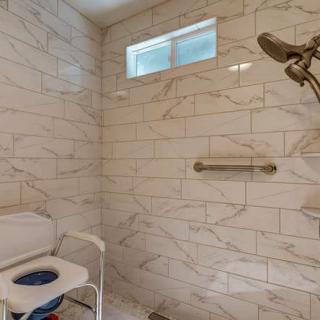
2229 East Hoover Avenue, Orange, CA 92867
For more information about senior living options: (866) 208-4318
Amparo Elder Care Home Costs & Pricing
Amparo Elder Care Home offers a range of monthly costs that reflect its commitment to providing quality care in an inviting environment. For a semi-private room, residents can expect to pay $4,800, which is notably higher than the average rates in Orange County at $3,431 and California overall at $3,333. If one prefers the privacy of a private room, the cost rises to $5,500 - again surpassing local averages with Orange County's rate at $4,104 and California's at $3,939. These figures highlight Amparo Elder Care Home's positioning as a premium option within the region, suggesting a focus on enhanced services and amenities tailored to meet the needs of its residents.
| Floor plans | Amparo Elder Care Home | Orange County | California |
|---|---|---|---|
| Semi-Private | $4,800 | $3,431 | $3,333 |
| Private | $5,500 | $4,104 | $3,939 |
Assisted Living communities with a similar price nearby
-
from -$805 / mo

Cadence Brea
$3,995 to $5,500 / month8.2 miles away -
from -$800 / mo
Palomino Residential Care
$4,000 to $6,000 / month24.0 miles away -
from -$300 / mo
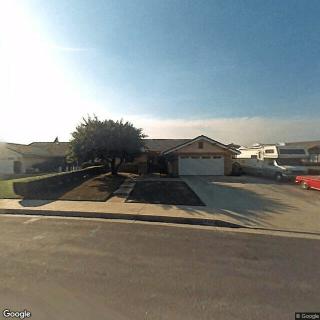
Heritage Senior Home Care
$4,500 to $4,800 / month21.1 miles away -
from -$300 / mo
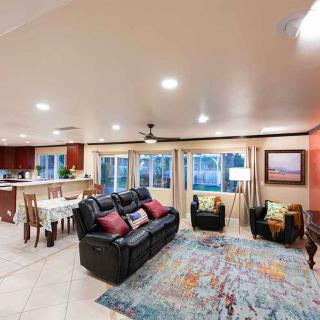
Casa Bella
$4,500 / month1.9 miles away -
from +$900 / mo

Mt. San Antonio Gardens
$5,700 to $8,550 / month20.7 miles away
Overall Review of Amparo Elder Care Home
Pros
 The staff at Amparo Senior Care is first class and provides excellent care.
- They communicated regularly with the family about the resident’s condition.
- Family members could visit the resident at any time.
- Amparo Senior Care is highly recommended for top-notch care for a family member.
- They cared for the resident for over a year and a half, showing sustained, attentive support.
Review
Amparo Elder Care Home in Orange, CA is best suited for families seeking a small, home-like environment where the care team delivers highly attentive, relationship-focused support and maintains open, regular communication with loved ones. This community appears ideal for residents who thrive under close staff-resident attention, appreciate frequent updates about day-to-day progress, and value the ability to have visiting family members at almost any time. The atmosphere implied by the reviews is one where personal connections matter and where families feel included in the ongoing care plan.
At the same time, those who need high-acuity medical oversight, a larger campus with a wider array of specialized services, or a more granular set of performance metrics may want to consider alternatives. The limited pool of feedback, one positive review, means there is less assurance about consistency across different residents, staff shifts, or changing circumstances. Prospective families should compare Amparo against other Orange County options to confirm that the level of medical support, activity programming, and overall reliability aligns with the specific needs and expectations for their loved one.
The strongest positives center on staff excellence and clear family communication. The reviewer highlights first-class staff delivering excellent care, paired with regular updates on the father’s condition and unfettered visiting access. These elements are not cosmetic; they translate into tangible advantages for decision-making and ongoing peace of mind. When care teams operate with attentiveness and honesty, the risk of miscommunication diminishes, and families can participate meaningfully in care decisions. In a setting where residents rely on consistent encouragement and supervision, such strengths often become the deciding factor for families weighing whether to commit to a home-style option over larger facilities.
Because the emphasis here is on a small, intimate model, the absence of published, broader data can also be viewed as a potential caveat. A single, strongly positive review does not prove uniform performance across all residents or over time. Without multiple testimonials or objective metrics, it remains prudent to probe questions about staffing continuity, caregiver-to-resident ratios, on-site medical oversight, and how care plans are updated in response to changing needs. The offset is that when the team is clearly capable and communicative, those questions tend to be answered with confidence through tour conversations and direct discussion with staff.
For families leaning toward choosing Amparo, practical due diligence should focus on understanding daily life and care processes. Prospective residents and families should request a detailed tour that reveals how care plans are constructed and revised, who signs off on medical decisions, and how emergencies are managed after-hours. It is also wise to inquire about the scope of services included in the base rate, the availability of on-site nursing or clinical support, and the cadence of family updates beyond regular conversations. Clarify visiting policies, activity calendars, and how resident preferences are honored in mealtime, routines, and social engagement.
Ultimately, Amparo Elder Care Home stands out for those prioritizing a high-touch, communicative, family-inclusive approach in a compact, home-like setting. The praise for staff quality and the openness to family involvement signals a compelling fit for families who want reassurance through transparent, ongoing dialogue and visible attentiveness. For those whose priorities include extensive medical oversight, larger-scale amenities, or a broader spectrum of clinical services, alternatives warrant careful comparison. In the end, the best fit hinges on whether the resident’s care needs align with a tightly coordinated, personally connected care model that keeps families engaged at every step.
 6 resident community capacity
 Assisted Living
 Board and Care Home
 Activities on-site
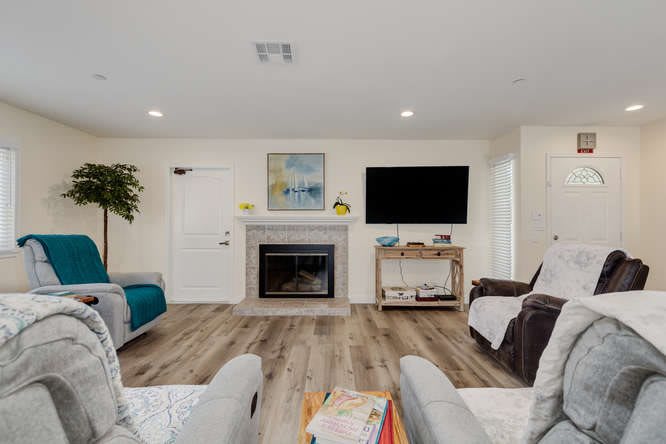
 Cable or satellite TV
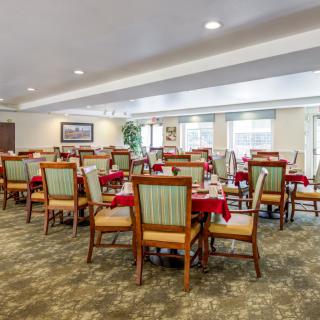
 Dining room
 Fully furnished
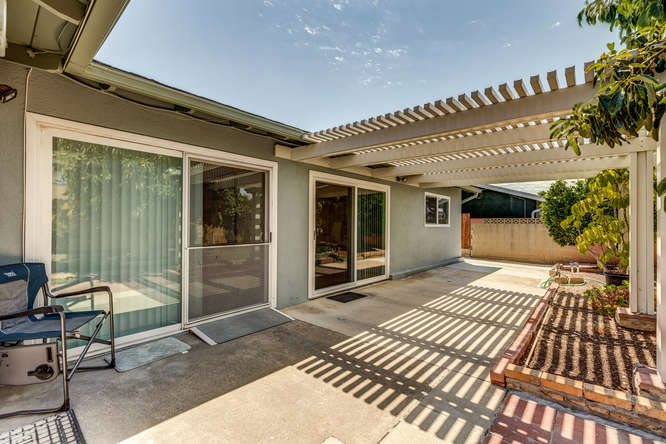
 Garden
 Housekeeping services
 Move-in coordination
 Outdoor space
 Private
 Respite or short term stays offered
 Telephone
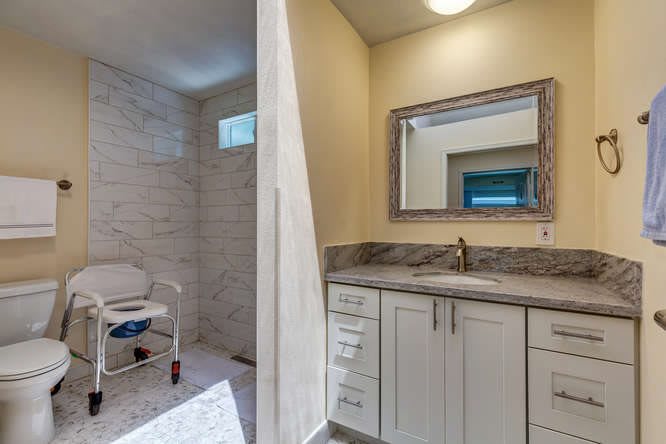
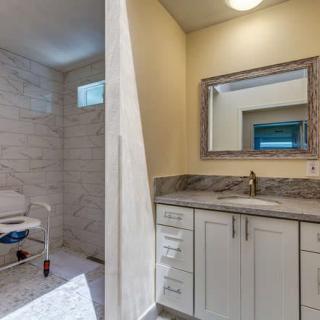
 Wheelchair accessible showers
 Wi-Fi/high-speed internet available
 John Wayne Orange Co (9 miles away)
 24-hour supervision
 Ambulatory care
 Assistance with bathing
 Assistance with dressing
 Assistance with transfers
 Diabetes diet
 Diabetic care
 Incontinence care
 Meal preparation and service
 Medication management
 Special dietary restrictions
 Transportation arrangement (medical)
 Transportation to doctors appointments
 BBQs or picnics
 Birthday parties
 Live dance or theater performances
 Live musical performances

 Social Security Benefits and Assisted Living: Navigating Options Across the U.S.
 An Extensive Exploration of the VA Aid and Attendance Benefit
 Senior Transition Services: Understanding Their Role, Cost, and Importance