
939 East Banyan Street, Ontario, CA 91761
For more information about senior living options: (866) 208-4318
Overall Review of Salverey Care
Pros
 Maria, Sale, and the staff are described as angels for the care they provided to loved ones.
- The care and comfort given to residents in the final stages of Alzheimer’s is exceptional.
- The staff consistently go above and beyond in caring for residents, making them feel at home.
- The facility is very clean and the staff are highly attentive, with residents often smiling.
- The home offers one-on-one care with 24/7 qualified and caring staff, creating a true home-like environment.
- The owner and staff welcome family visits and never make anyone feel like an interruption or inconvenience.
- The home is hospice-qualified with knowledge on the dying process, and families would readily recommend Salverey Care.
Cons
 The reviewer was very disappointed that the home accepted her mother.
- Her stay lasted only five days.
- She was too much trouble.
- The staff didn't seem to care and insisted the family pick her up.
- The reviewer warned others to be very cautious.
Review
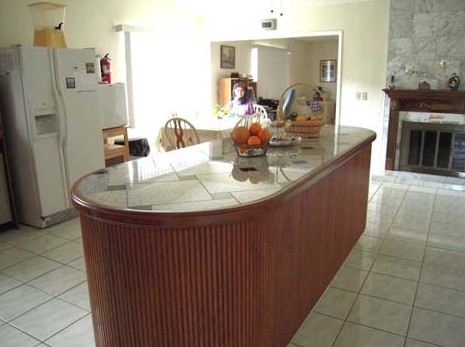
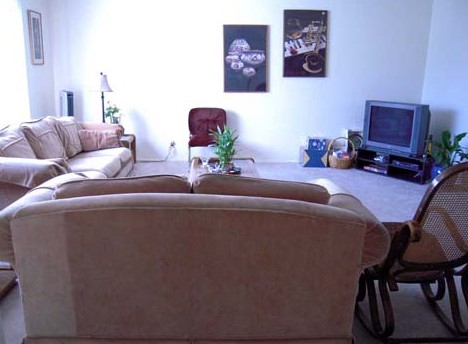
Salverey Care in Ontario, California, is best suited for families that prize a remarkably personal, home-like environment for a loved one who needs one-on-one attention, particularly in the final stages of dementia or for hospice-informed care. The strongest fit is a resident who benefits from close, continuous caregiver contact and a small, intimate setting where staff treat residents like family and where family members can visit freely without feeling like an interruption. The tone in the strongest endorsements is clear: this is a place where warmth, familiarity, and individualized attention matter, and where the care team emphasizes comfort and dignity above protocol.
The core positives center on a highly personalized care model. Residents receive one-on-one attention around the clock, with caregivers who become intimately familiar with routines, preferences, and needs. The staff and ownership are repeatedly described as accessible, welcoming families, and the setting is presented as clean and home-like. Key benefits cited include staff who go above and beyond in end-of-life care, a hospice-aware approach, and a culture that makes unannounced visits routine rather than disruptive. In the most resonant testimonials, Maria and the team are credited with stabilizing transitions, providing comfort, and helping families feel their loved ones are truly cared for in a near-home atmosphere.
However, there are meaningful caution flags. One negative voice describes an abrupt discharge scenario after a five-day stay, suggesting a potential mismatch between the resident’s needs and the home’s capacity or policies for continued placement. That account raises questions about admission criteria, crisis management, and discharge policies, areas where expectations should be clarified before committing. The small, intimate scale that makes Salverey Care appealing can also mean limited resources and a lower ceiling for handling sudden changes in acuity or behavior. Prospective families should verify how the facility handles residents whose needs escalate or who require longer-term, higher-acuity supervision.
When the strong points align with a resident’s profile, Salverey Care’s advantages can substantially offset the drawbacks. The exceptionally low caregiver-to-resident footprint allows for genuine attention, while 24/7 availability and hospice knowledge support a dignified, person-centered approach to end-of-life or advanced dementia care. The ability to welcome family visits at will, without interrupting meals or daily routines, adds a level of stability and emotional comfort that many facilities struggle to deliver. For families prioritizing emotional warmth, continuity of care, and a setting that feels almost like home, these elements can outweigh the risk of a sudden discharge if the resident’s needs fit what Salverey Care routinely provides.
For those weighing alternatives, the profile suggests considering options that offer more predictable admission and longer-term medical oversight. If a resident requires a larger campus, more structured daily programming, or clearer, written policies regarding admissions and discontinuations, a traditional assisted living or a memory-care unit with documented crisis-management protocols may be a better fit. In cases where a loved one needs sustained, high-acuity monitoring beyond a home-like, one-on-one model, a facility with broader medical support and a longer track record managing complex conditions could reduce the risk of abrupt discharges.
In the end, the decision comes down to match: Salverey Care excels for families seeking intense, personalized, at-home-style care with hospice wisdom and an open-door visitation philosophy. It is less suited for those who require ironclad guarantees around placement stability or a larger, more resource-rich environment. Prospective movers should pursue a thorough site visit, drill into the facility’s exact discharge criteria, and request a written outline of care plans, staffing ratios, and crisis-management procedures. With clear expectations and a deliberate fit, Salverey Care can deliver the compassionate, dedicated care that makes the intimate setting a genuine lifeline for both residents and families.
 6 resident community capacity
 1-bedroom apartments
 Assisted Living
 Board and Care Home
 Cable or satellite TV
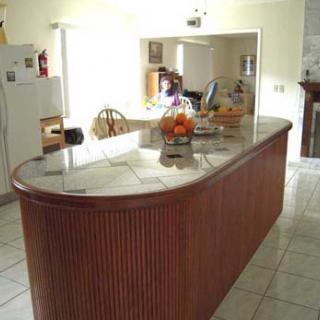
 Dining room
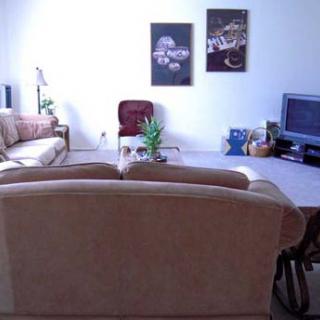
 Fully furnished
 Garden
 Housekeeping services
 Move-in coordination
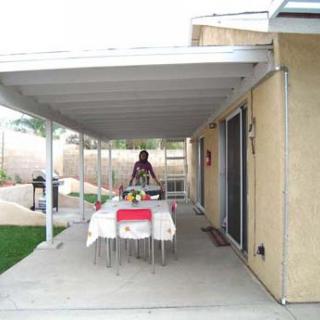
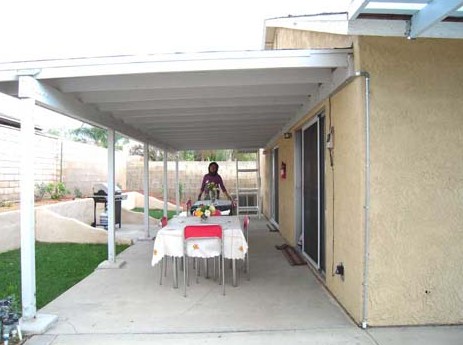
 Outdoor space
 Telephone
 Wi-Fi/high-speed internet available
 Ontario International (3 miles away)
 24-hour supervision
 Activities of daily living assistance
 Assistance with bathing
 Assistance with dressing
 Assistance with transfers
 Diabetes diet
 Meal preparation and service
 Medication management
 Special dietary restrictions
 Transportation arrangement (medical)
 Transportation to doctors appointments





 A Detailed Exploration of Assisted Living Medicaid Waivers Across the United States
 Comprehensive Residential Support and Assisted Living Solutions for Individuals with Disabilities
 Comprehensive Supportive Living Arrangements for Adults with Disabilities