
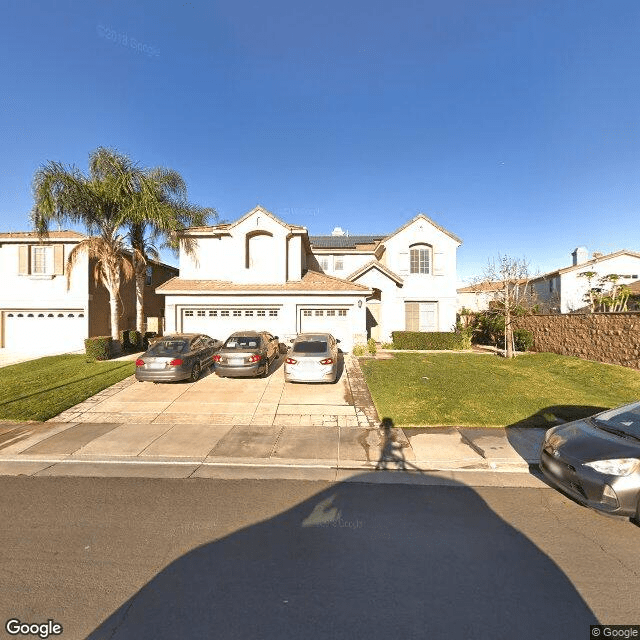
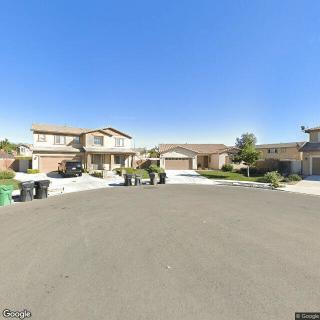
6943 Gypsum Creek Drv, Corona, CA 92880
For more information about senior living options: (866) 208-4318
Royal Palms Guest Home Costs & Pricing
Royal Palms Guest Home offers competitive pricing for its services, particularly when compared to the broader trends in San Bernardino County and California as a whole. For semi-private accommodations, residents pay $2,500 per month, significantly lower than the county average of $2,958 and the state average of $3,333. Likewise, private rooms at Royal Palms are priced at $3,500, which is more affordable than both the county's average of $3,561 and the state's average of $3,939. This positioning highlights Royal Palms as a cost-effective choice for quality care within a region where expenses can be quite elevated.
| Floor plans | Royal Palms Guest Home | San Bernardino County | California |
|---|---|---|---|
| Semi-Private | $2,500 | $2,958 | $3,333 |
| Private | $3,500 | $3,561 | $3,939 |
Assisted Living communities with a similar price nearby
-
About the same
Valley Spring Elderly Care
$2,500 to $3,000 / month18.6 miles away -
from +$300 / mo

Bianca's Home Care
$2,800 to $3,400 / month11.4 miles away -
from +$200 / mo
The Golden Years Guest Home
$2,700 to $3,500 / month19.1 miles away -
About the same
Golden Horizon Home I
$2,500 to $2,800 / month13.4 miles away -
About the same
Center Plaza Senior Living
$2,500 to $4,600 / month15.2 miles away
Overall Review of Royal Palms Guest Home
Pros
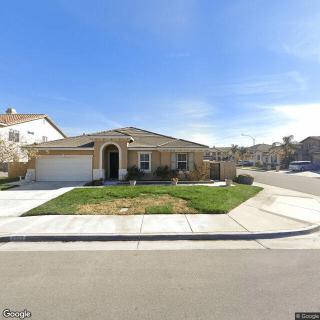
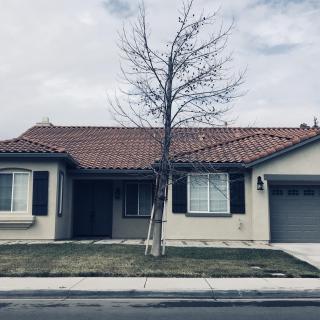
 The facility is nice, with a big house and yard.
- The facility is always clean.
- The home is beautiful and welcoming.
- The director provides excellent care to residents.
- The staff are super nice.
- The facility is great.
Cons
 It's just not like home.
- It is very hot inside.
- It's always an adjustment.
- The Royal Palms Guest Home could definitely improve on its social activities.
- Its activities get a zero.
- The place is nice, but it's a little too much for them.
Review
Royal Palms Guest Home in Corona is best suited for families needing a clean, intimate, residential-style assisted living setting where a small, steady caregiving team can deliver personalized attention. The property itself, large house with a generous yard, supports a calm daily rhythm that feels closer to home than a hospital campus. This community appears ideal for residents with moderate care needs who benefit from consistent supervision and meaningful caregiver relationships, particularly when dementia or memory concerns are present. The strongest signals from the reviews point to safety, cleanliness, and a warm, approachable staff and director, translating into real reassurance for families navigating a difficult transition.
Not every senior will thrive here. Families seeking a bustling social calendar or aggressive memory-care programming will likely want alternatives, since several reviewers flagged social activities as the facility’s main weakness. The small-house format can feel quiet or even sparse for residents who crave daily engagement, group outings, and structured events. Temperature comfort is another practical factor: at least one reviewer notes the interior can feel very hot, a concern for sensitive residents and their families. In short, this is a strong pick for those prioritizing gentle oversight and a low-key environment, but less ideal for those demanding high activity, routine events, or intense social stimulation.
On the upside, the pros hit home with tangible force. Cleanliness is repeatedly emphasized, the property looks well maintained, and the rooms feel cared for. The staff’s warmth comes through in multiple notes, people are super nice, and the director is described as an absolute doll who delivers attentive, individualized care. For residents with Alzheimer’s, the combination of a home-like setting, predictable routines, and nearby family access offers emotional stability that can outweigh a lack of campus-wide programming. The proximity to relatives also reduces travel stress and preserves family bonds, an attribute families rarely overlook when choosing placement.
That said, the social-deficit is real and cannot be ignored. If a resident relies on an active social life to maintain mood and cognitive engagement, this location may feel too quiet. The director’s leadership is a major strength, translating into consistent care and quick responsiveness, but it cannot fully substitute for structured activities and peer interactions that larger communities provide. The result is a thoughtful balance: reliable caregiving and a dignified living environment, offset by a lean schedule of resident engagement. For families evaluating risk, this means a clear trade-off between intimate oversight and opportunities for social vitality.
Financial and care-intensity considerations also shape the decision. Some families will perceive value in the intimate setting, the clean, well-kept space, and the direct access to caregivers, especially when travel time to a loved one matters. Others may feel the price and the more restrained activity slate offset the benefits, prompting exploration of alternatives with more robust programming or a more home-like ambiance. The key is aligning expectations: if the goal is peace of mind through steady supervision and easy visits, Royal Palms delivers; if the goal emphasizes social variety and immersive activities, alternatives warrant serious comparison.
Decision guidance comes down to a practical checklist. Schedule a live tour during various times of the day to observe temperature, staff interaction, and activity offerings, and ask to speak with staff about daily routines and mealtimes. Probe how memory-related needs are managed and whether the director’s hands-on approach remains consistent as resident acuity shifts. If possible, request informal conversations with current families about visits, transportation, and emergency planning. With the current balance of warmth and quiet, this community stands out for families prioritizing dependable care and proximity, while signaling clearly where alternative community types may better serve someone seeking more engagement or a more home-like pace.
 6 resident community capacity
 Assisted Living
 Board and Care Home
 Activities on-site
 Bath tubs
 Cable or satellite TV
 Dining room
 Fully furnished
 Garden
 Housekeeping services
 Indoor common areas
 Move-in coordination
 Outdoor common areas
 Private
 Respite or short term stays offered
 Telephone
 Wheelchair accessible showers
 Wi-Fi/high-speed internet available
 Ontario International (6 miles away)
 24-hour supervision
 Ambulatory care
 Assistance with bathing
 Assistance with dressing
 Assistance with transfers
 Diabetes diet
 Incontinence care
 Meal preparation and service
 Medication management
 Special dietary restrictions
 Transportation arrangement (medical)
 Transportation to doctors appointments

 Assisted Living Support for Veterans: A Complete and Detailed Overview
 Exploring the Contrasts Between Assisted Living and Skilled Nursing
 8 Key Indicators That Suggest It May Be Time to Transition from Assisted Living to Skilled Nursing Care