The Gardens at Northridge offers competitive pricing for its residential options, particularly when compared to both Los Angeles County and the broader California market. For a studio room, the monthly cost at Gardens is $3,800, which is notably lower than the county average of $4,172 and slightly below the state average of $4,145. In contrast, the semi-private room option is priced at $4,000, which is higher than the county rate of $3,349 and the state average of $3,333. This positioning reflects a commitment to providing quality care and accommodations in a desirable location while remaining mindful of cost considerations for potential residents and their families.
Floor plans
Gardens at Northridge
Los Angeles County
California
Studio
$3,800
$4,172
$4,145
Semi-Private
$4,000
$3,349
$3,333
Overall Review of Gardens at Northridge
common18 reviews mention this
Staff are consistently described as caring
Residents and families frequently describe staff as attentive and caring.
Many reviews say caregivers are kind, helpful, and responsive, including attention with bathing and dressing, and support when questions come up. Several residents and families also mention feeling confident in the level of care, describing staff as empathetic and engaged with residents during daily life. One review is much more negative about delayed response to call buttons and night coverage, but most comments focus on dependable, supportive interactions.
common12 reviews mention this
Activities and daily programming stand out
Daily activities are a recurring highlight in resident experiences.
Reviews repeatedly mention scheduled activities throughout the day, plus exercise and outings planned by the activities team. Families also describe an active community feel, with residents staying engaged through groups, events, and faith-related programming. The community offers both on-site and off-site activities listed in its activity options, aligning with what residents describe.
caveat8 reviews mention this
Dining and menu quality are mixed
Food is often described as good, but some residents want more variety.
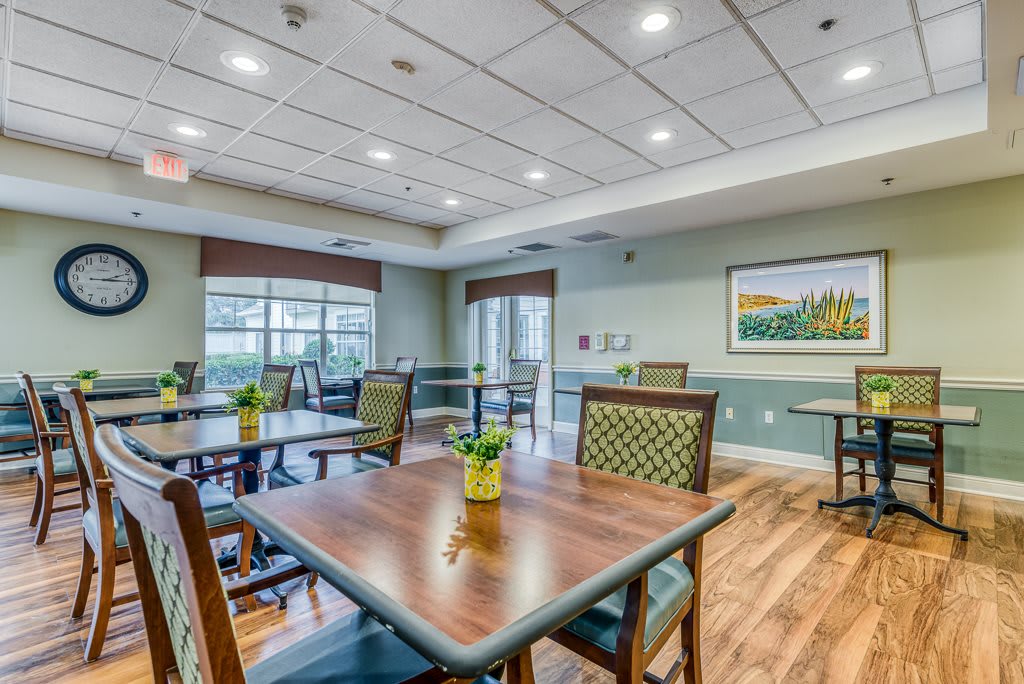
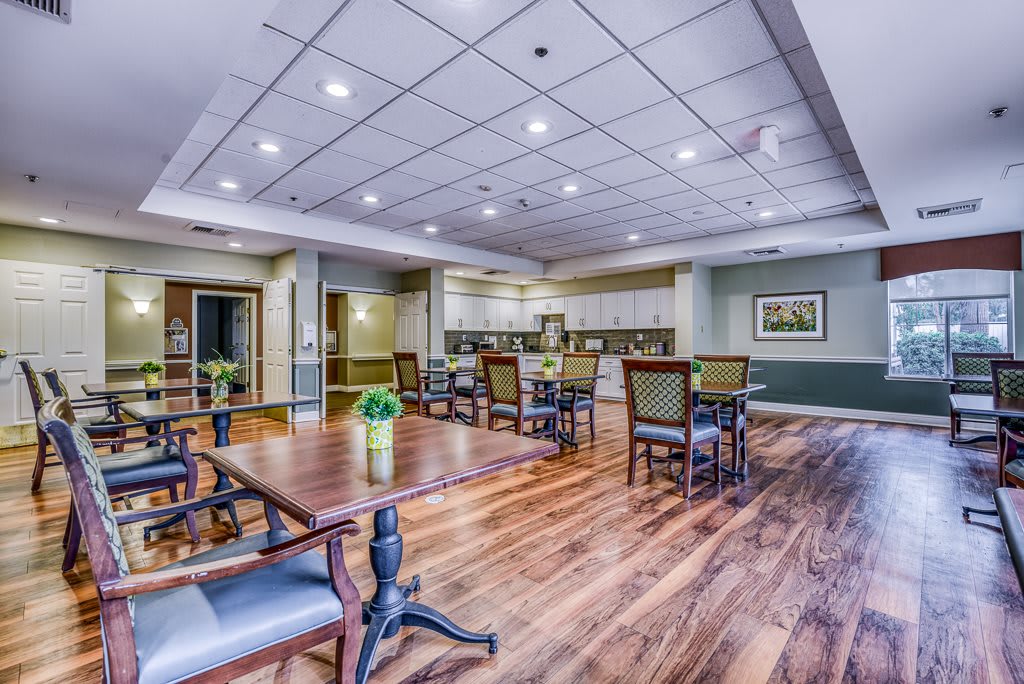
Several reviews describe food as reasonably good with clean dining spaces and enough portion size to be filling. Some also mention special dietary needs and diabetes support as part of meal planning. A few reviews focus on dislikes, including needing more selection or flavor, and one review suggests care boundaries for medication-related blood sugar checks differ by care area.
caveat4 reviews mention this
Pricing feels high for some families
Cost comes up as a concern for some families.
A handful of reviews call out that the price point is a bit high, even while noting other aspects they liked. Others say the community felt competitively priced or generally affordable, so experiences vary by budget. The listed pricing range for studios and semi-private rooms helps frame why some reviewers felt it could be expensive.
How we summarize
Counts show how many written reviews mention each theme; a review can touch several themes, and only frequently mentioned themes are displayed.
Features
Housing
1-bedroom apartments
2-bedroom apartments
Types of Care
Assisted Living
Memory Care
Skilled Nursing Facility
Pets
Cats allowed
Dogs allowed
Amenities
Activities off-site
Activities on-site
Air-conditioning
Beautician on-site
Cable or satellite TV
Devotional services off-site
Devotional services on-site
Dining room
Full kitchen
Fully furnished
Garden
Ground floor units
Guasts at mealtime
Handicap accessible
Housekeeping services
Indoor common areas
Kitchenette
Move-in coordination
Outdoor common areas
Outdoor space
Party space
Resident parking
Respite or short term stays offered
Security gate
Spa
Wheelchair accessible showers
Wi-Fi/high-speed internet available
Transportation
Burbank-Glendale-Pasadena (10 miles away)
Los Angeles International (23 miles away)
Transportation & parking
Care Services
24-hour supervision
Activities of daily living assistance
Assistance with bathing
Assistance with dressing
Assistance with transfers
Diabetes diet
Diabetic care
High acuity care
Incontinence care
Meal preparation and service
Medication management
Mental wellness program
Mild cognitive impairment
Special dietary restrictions
Specialized memory care programming
Dining
Diabetes diet
Guest meals
International cuisine
Low / no sodium
Meals provided
No Sugar
Restaurant style dining
Room service
Special dietary restrictions
Special dining programs
Vegetarian
Activities
Activities off-site
Art classes
Catholic services
Community-sponsored activities
Cooking classes
Devotional activities offsite
Devotional activities on-site
Educational speakers / life long learning
Fitness programs
Jewish services
Live well programs
Other religious services
Religious services
Scheduled daily activities
Visiting Rabbi
Visiting chaplain or priest
Languages Spoken
English
Spanish
Tagalog
Nearby Places of Interest
This part of Northridge, California offers a variety of amenities that can cater to your needs as a senior resident. With multiple pharmacies such as CVS, Rite Aid, and Walgreens within close proximity, accessing necessary medications is convenient. There are also several dining options including Del Taco and In-N-Out Burger for quick meals, as well as Wood Ranch BBQ & Grill and Yard House for more formal dining experiences. Nearby cafes like Starbucks provide opportunities for socializing or enjoying a cup of coffee. In terms of healthcare, there are hospitals such as Veterans Administration and Kaiser Permanente Emergency nearby, along with various physicians and medical centers for all your healthcare needs. Additionally, there are parks like O'Melveny Park and Lake Balboa Park where you can enjoy outdoor activities. Overall, this area provides a mix of essential services and recreational opportunities that may appeal to those considering senior living in Northridge.
Pharmacies
CVS Pharmacy (0.6 miles)
Rite Aid (0.8 miles)
Walgreens (1 miles)
CVS Pharmacy (1 miles)
Rite Aid (1.3 miles)
CVS Pharmacy (1.8 miles)
CVS Pharmacy (2.4 miles)
Restaurants
Del Taco (0.6 miles)
In-N-Out Burger (1.1 miles)
Sugar Suite (2.3 miles)
Wood Ranch BBQ & Grill (2.4 miles)
Yard House (2.4 miles)
In-N-Out Burger (2.6 miles)
McDonald's (3 miles)
Cafes
Starbucks (0.7 miles)
Starbucks (1.1 miles)
Porto's Bakery & Cafe (2.6 miles)
Starbucks (3.4 miles)
Starbucks (3.5 miles)
Winnetka Bowl (5.3 miles)
Starbucks (6.7 miles)
Hospitals
Rinaldi Convalescent Hospital (2.2 miles)
Veterans Administration (2.3 miles)
Tebi, Sina Dr - Providence Holy Cross Medical Center Diabetes Education (3.7 miles)
Kaiser Permanente Emergency (5.7 miles)
Olive View Ucla Medical Center (6.2 miles)
Theaters
AMC Porter Ranch 9 (3.3 miles)
Regal Sherman Oaks Galleria (7.6 miles)
Places of Worship
Immanuel Bible Church (3.3 miles)
Parks
O'Melveny Park (3.5 miles)
Holleigh Bernson Memorial Park (3.8 miles)
Lake Balboa Park (5 miles)
Parthenia Park (5 miles)
Encino Bike Path (5.2 miles)
Chatsworth Park North (5.3 miles)
Playground (7 miles)
Transportation
Van Nuys FlyAway Bus Terminal to LAX (3.9 miles)
Van Nuys Airport (VNY) (4.1 miles)
Physicians
Mid-Valley Comprehensive Health Center (5.3 miles)
Southern California Orthopedic Institute (5.4 miles)
UCLA Health Woodland Hills (6.9 miles)
Evan Bachner Evan J Bachner MD (7.3 miles)
Center For Orthopaedic Specialists (7.3 miles)
Providence Medical Institute West Hills OB-GYN (7.4 miles)
Liberty Pacific Advanced Imaging | West Hills (7.4 miles)
The Gardens at Northridge offers competitive pricing for its residential options, particularly when compared to both Los Angeles County and the broader California market. For a studio room, the monthly cost at Gardens is $3,800, which is notably lower than the county average of $4,172 and slightly below the state average of $4,145. In contrast, the semi-private room option is priced at $4,000, which is higher than the county rate of $3,349 and the state average of $3,333. This positioning reflects a commitment to providing quality care and accommodations in a desirable location while remaining mindful of cost considerations for potential residents and their families.
The comprehensive features at Gardens at Northridge are designed to support residents with dementia and Alzheimer's disease in a caring and structured environment. 24-hour supervision ensures that residents are continually monitored for their safety and well-being. Assistance with activities of daily living, including bathing, dressing, and transfers, promotes dignity while addressing the physical challenges these individuals may face. Incontinence care is provided with sensitivity to maintain personal comfort and hygiene. Meal preparation and service cater to individual dietary needs, ensuring proper nutrition that can benefit cognitive function. Medication management helps residents adhere to prescribed treatments effectively, while the mental wellness program focuses on maintaining cognitive engagement and emotional health. Specialized memory care programming incorporates tailored activities that stimulate memory retention and enhance social interaction, all of which contribute significantly to improving the quality of life for those in mild or advanced stages of cognitive decline.
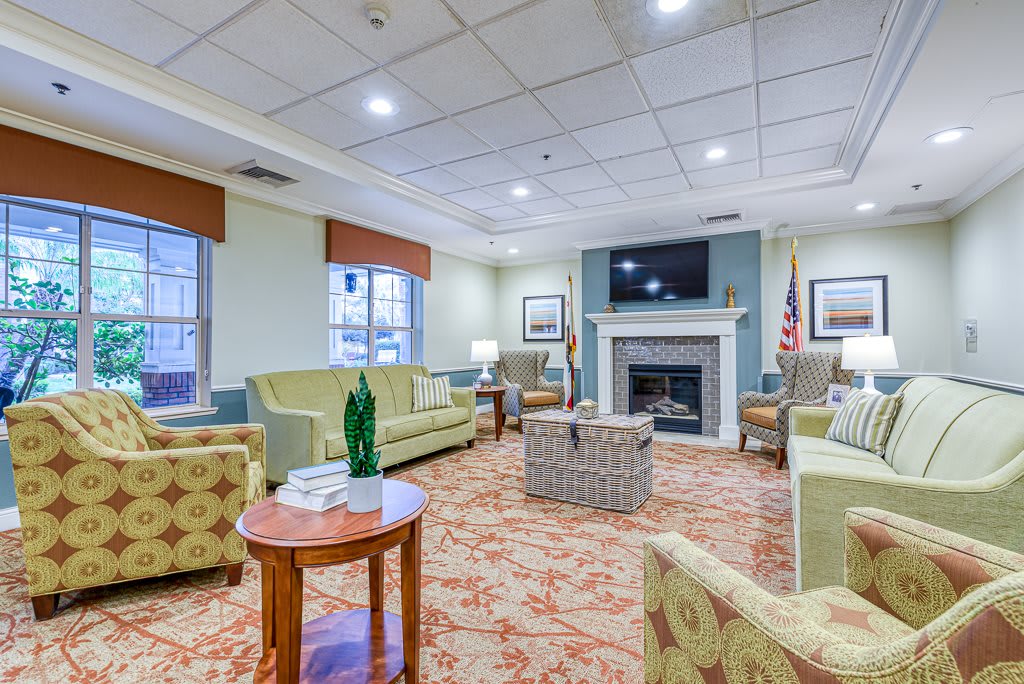
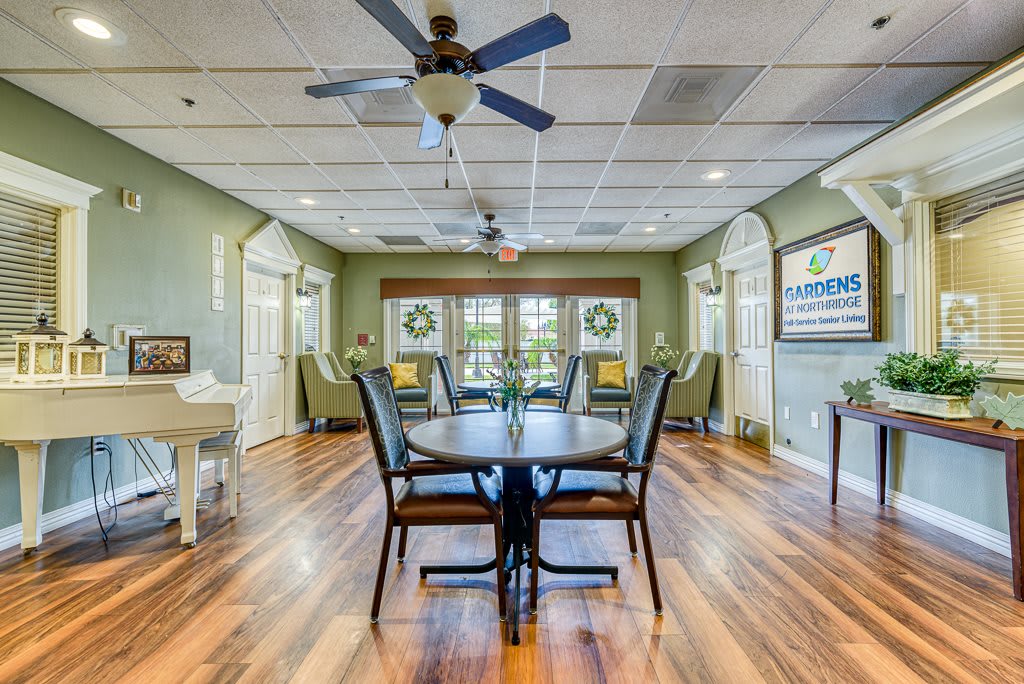
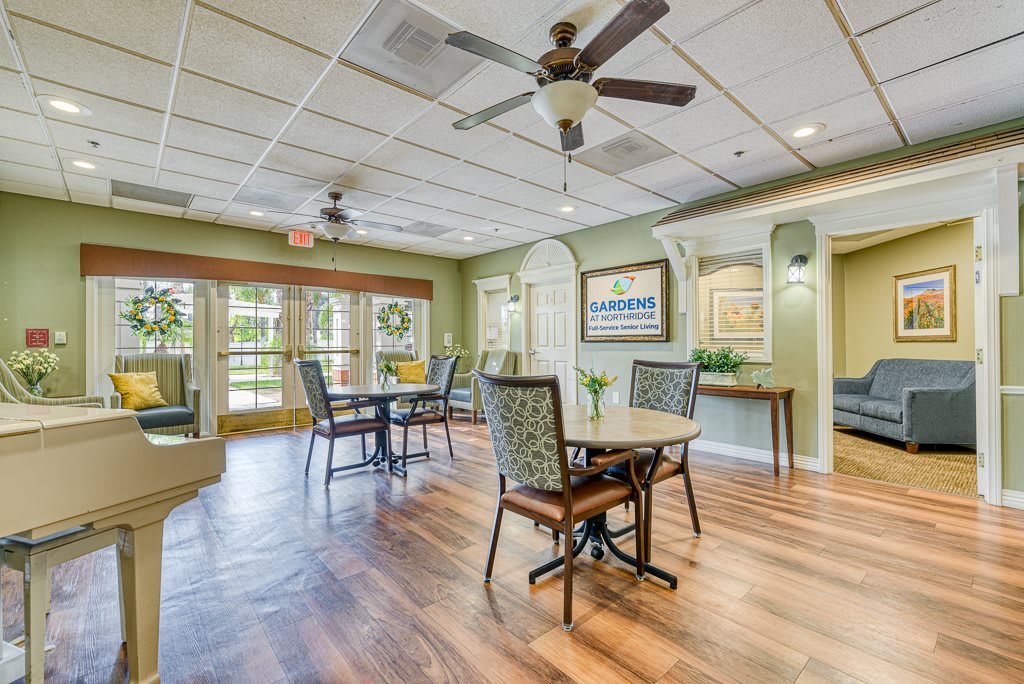
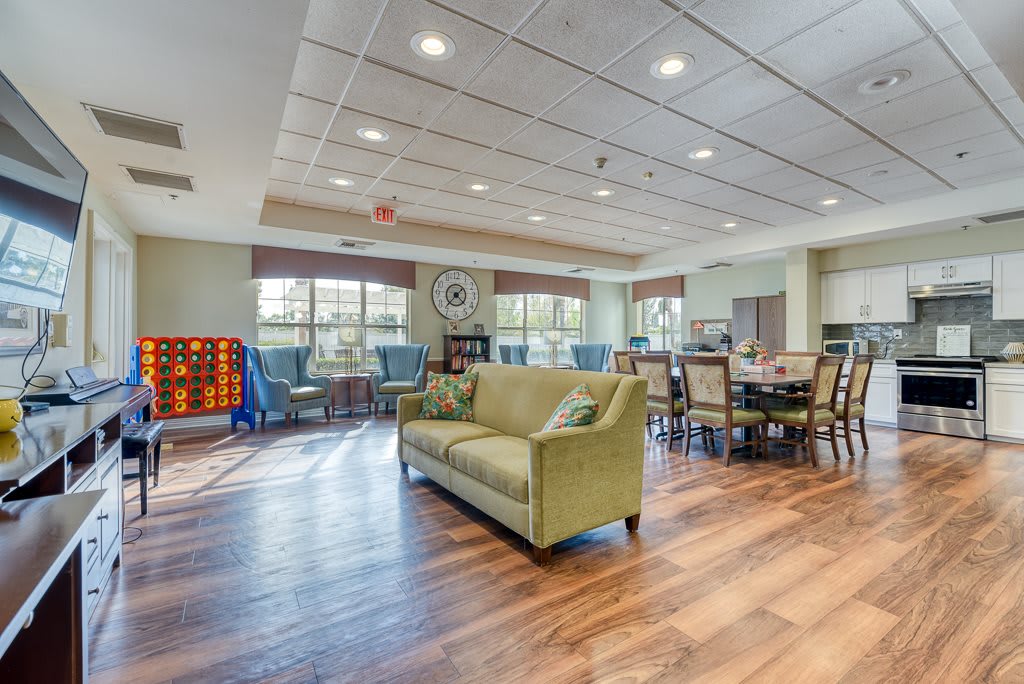
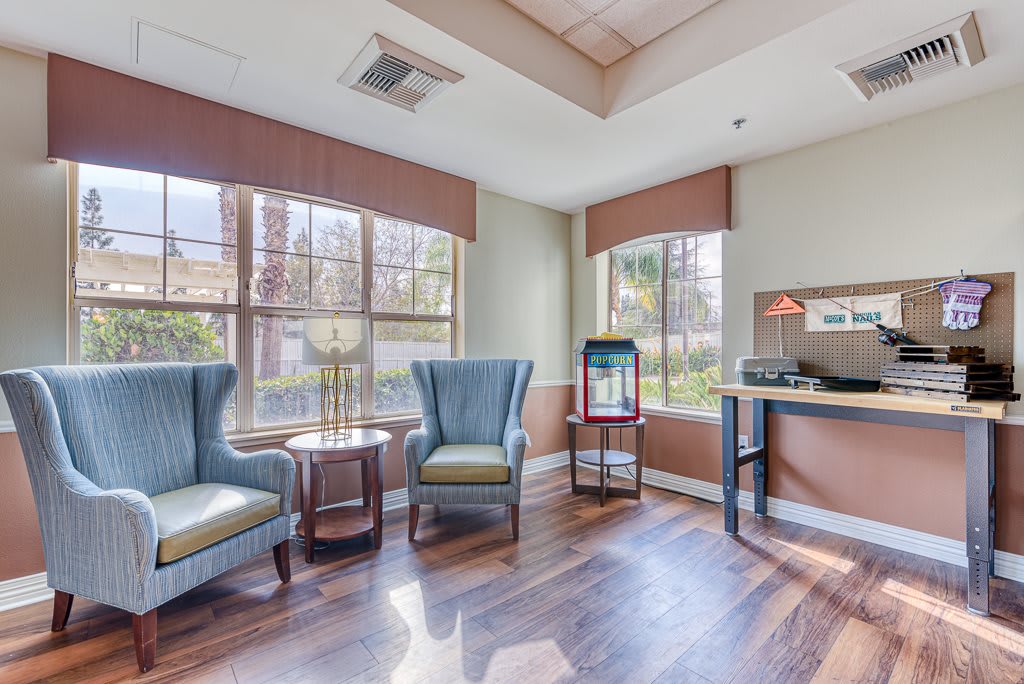
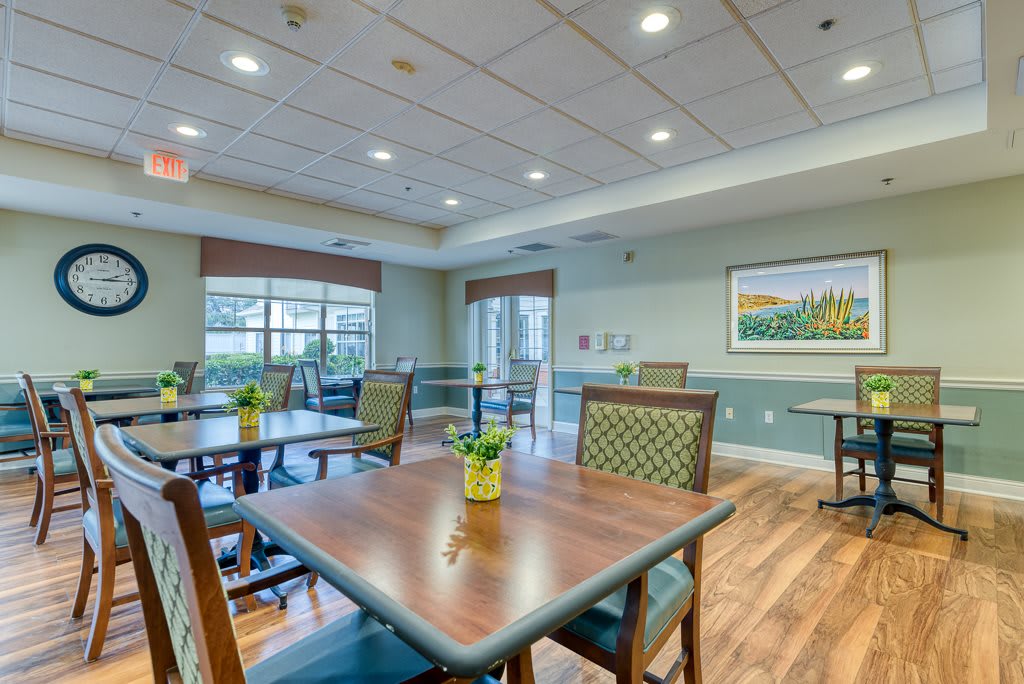
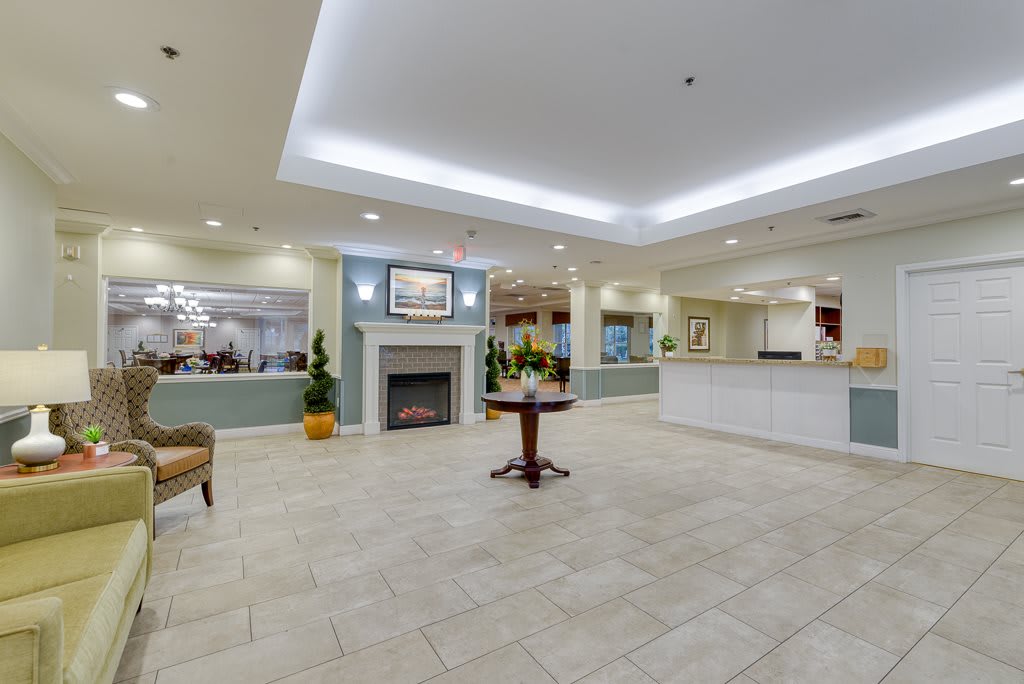
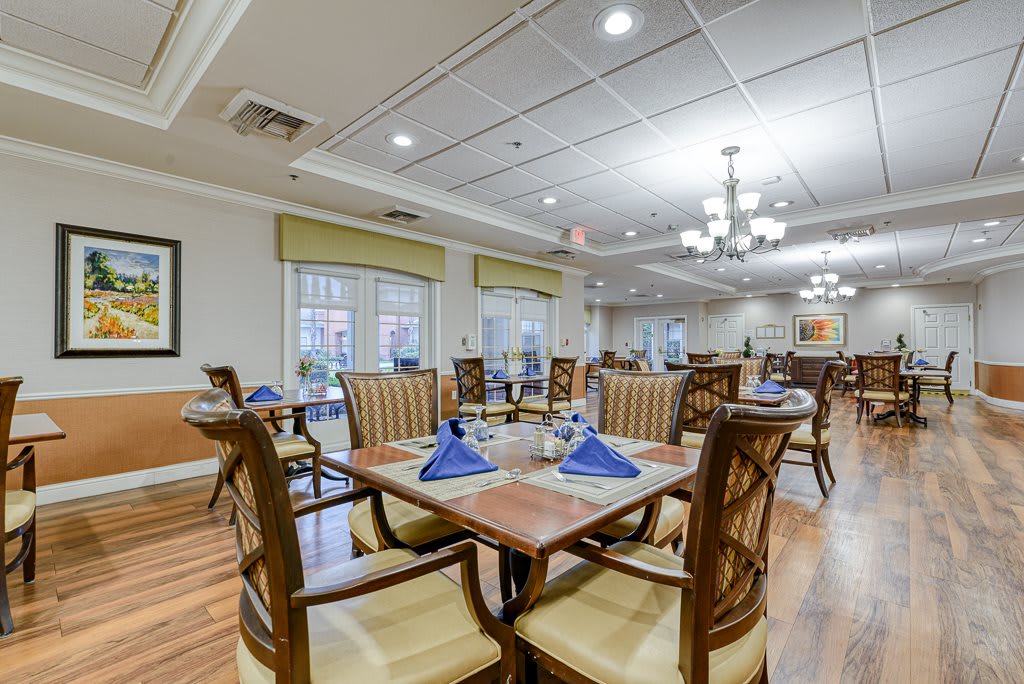
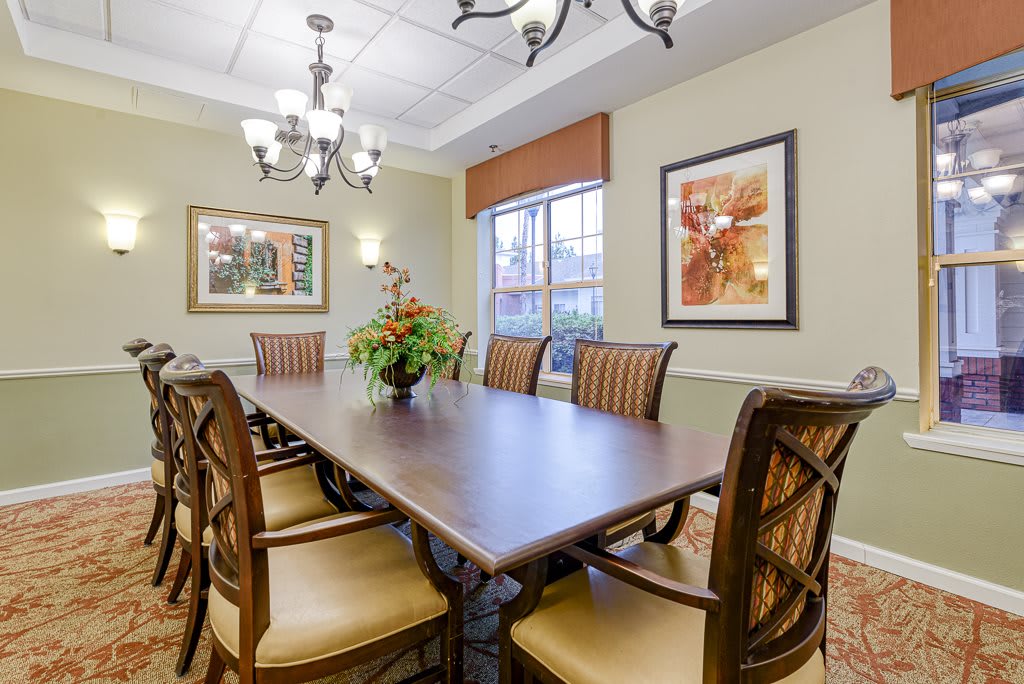
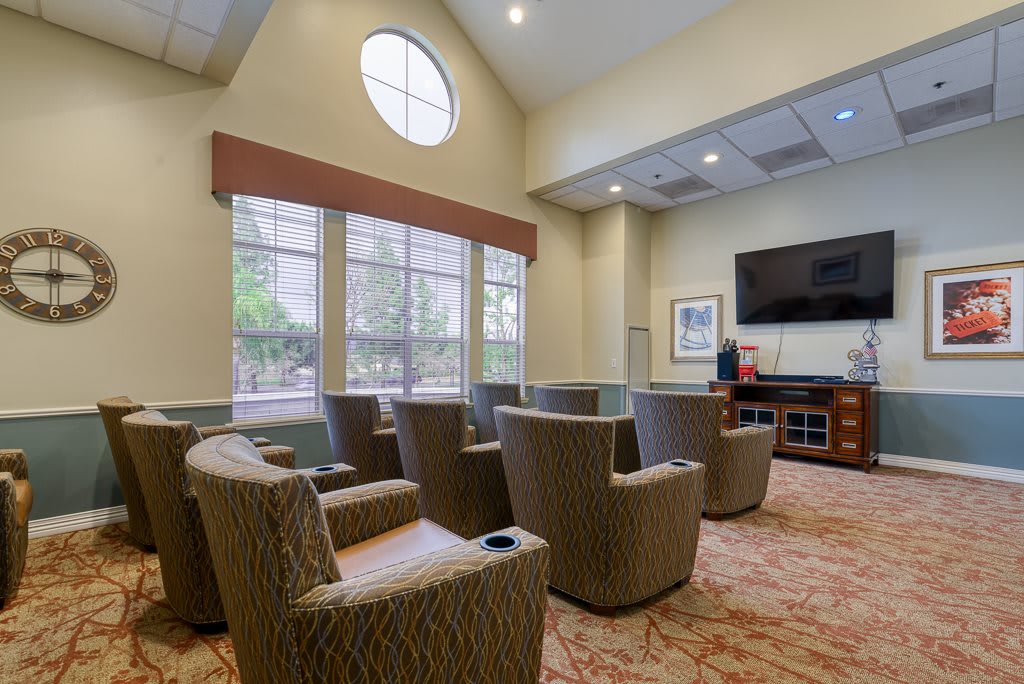
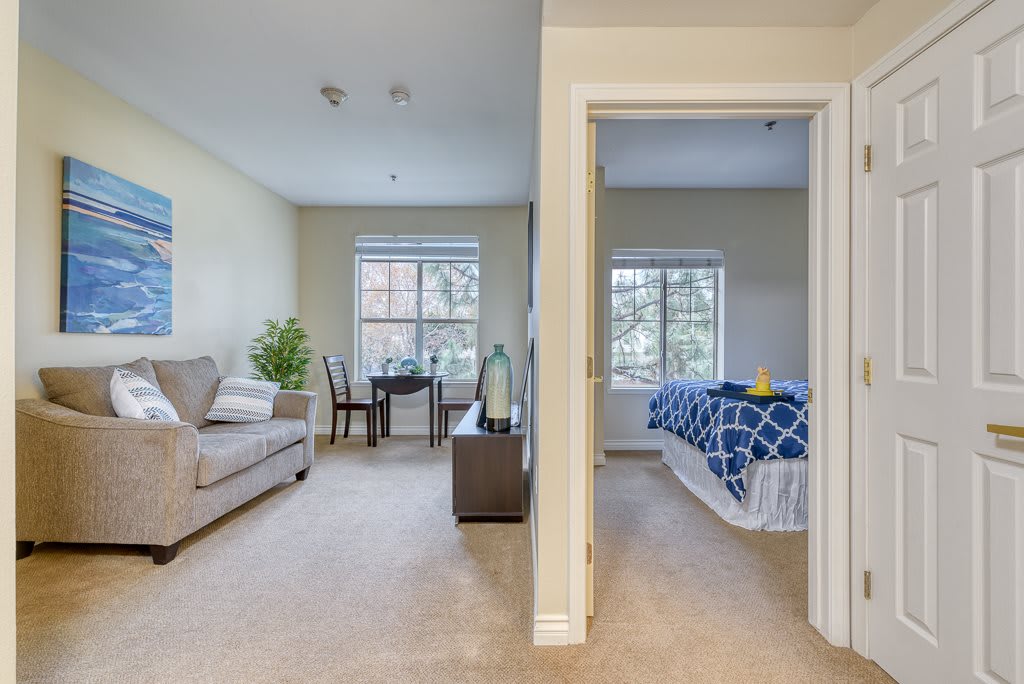
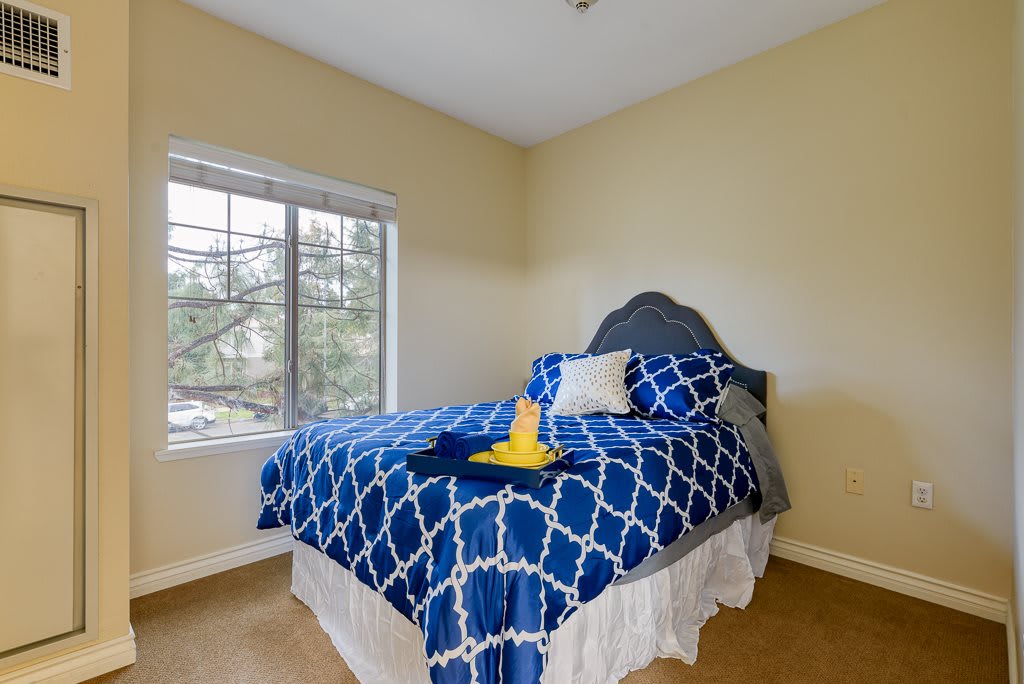
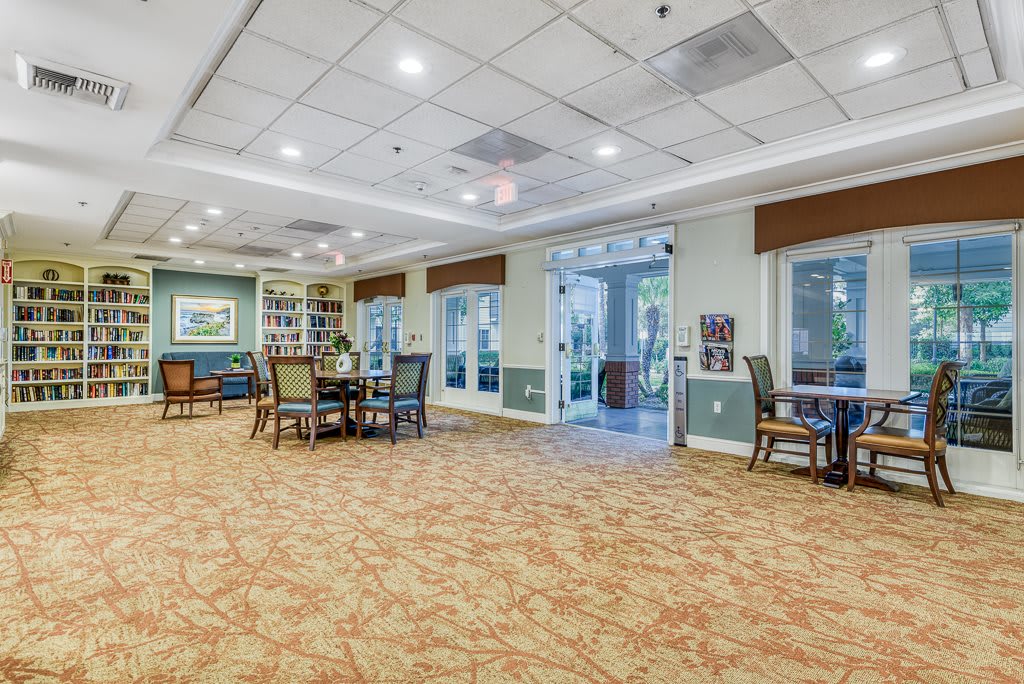
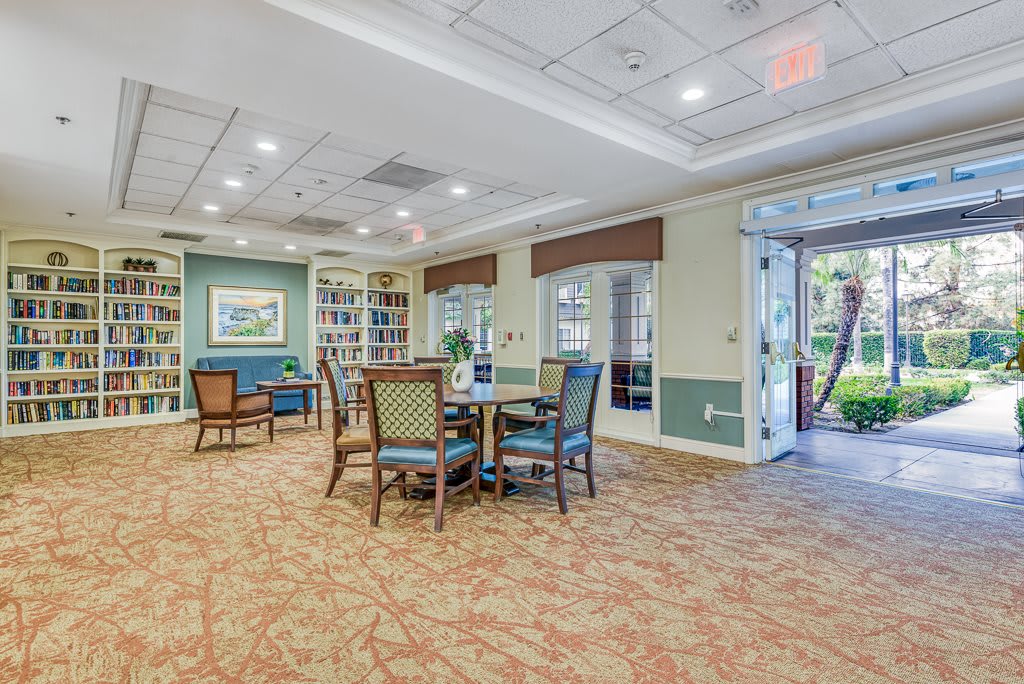
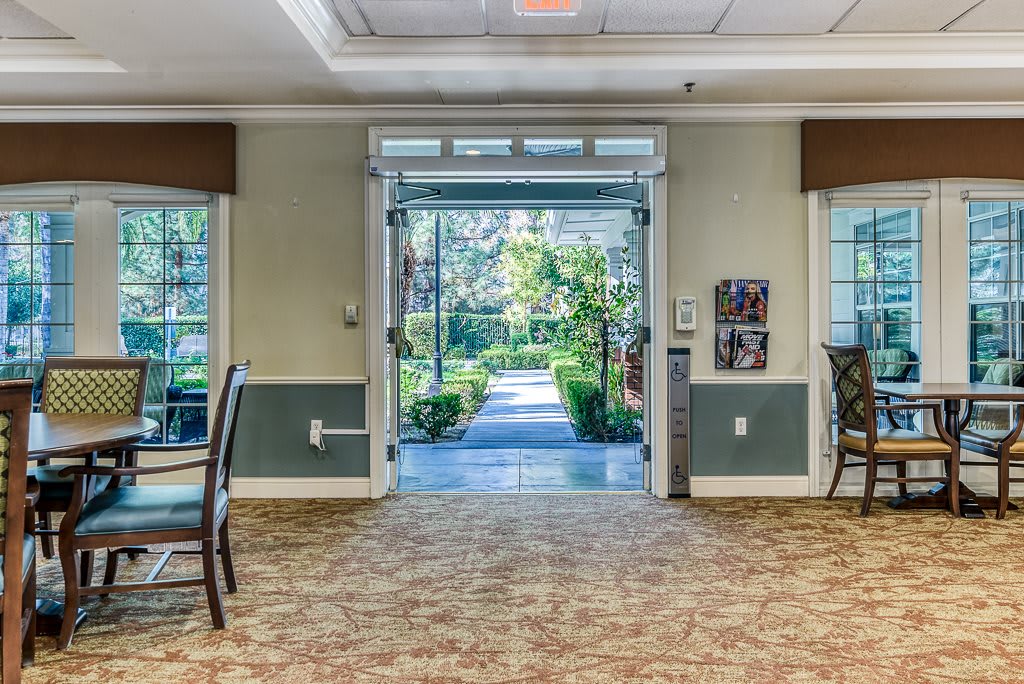
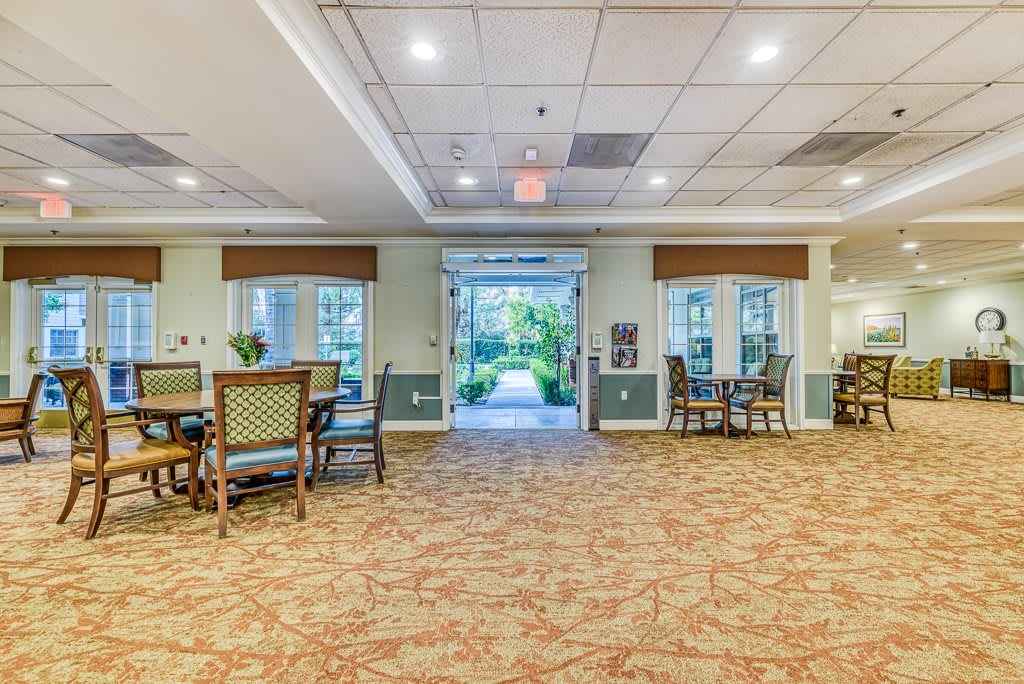
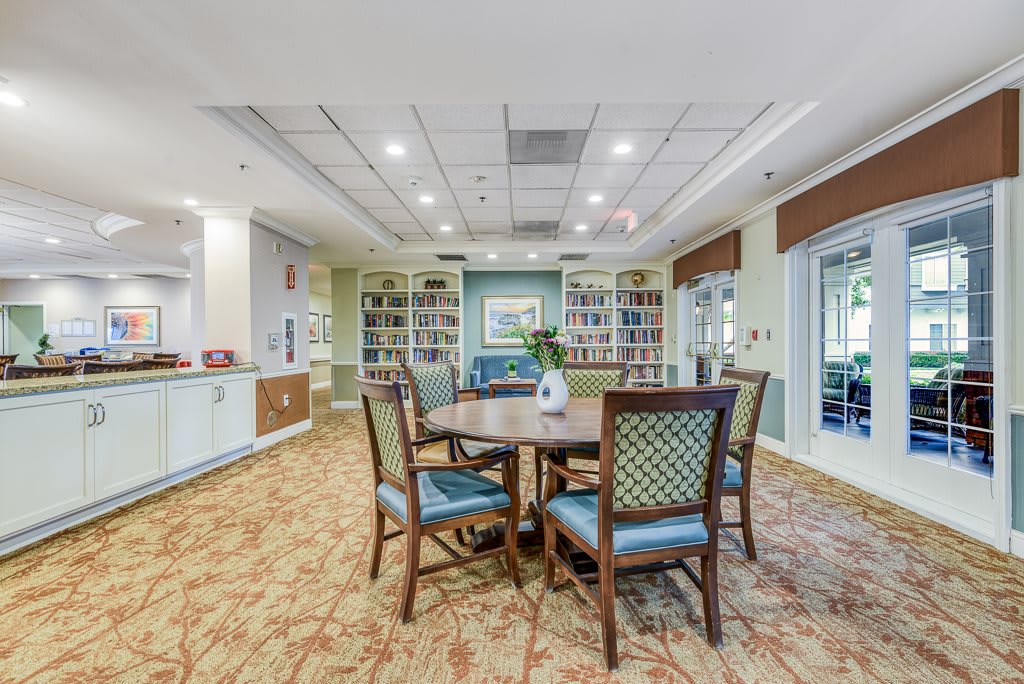
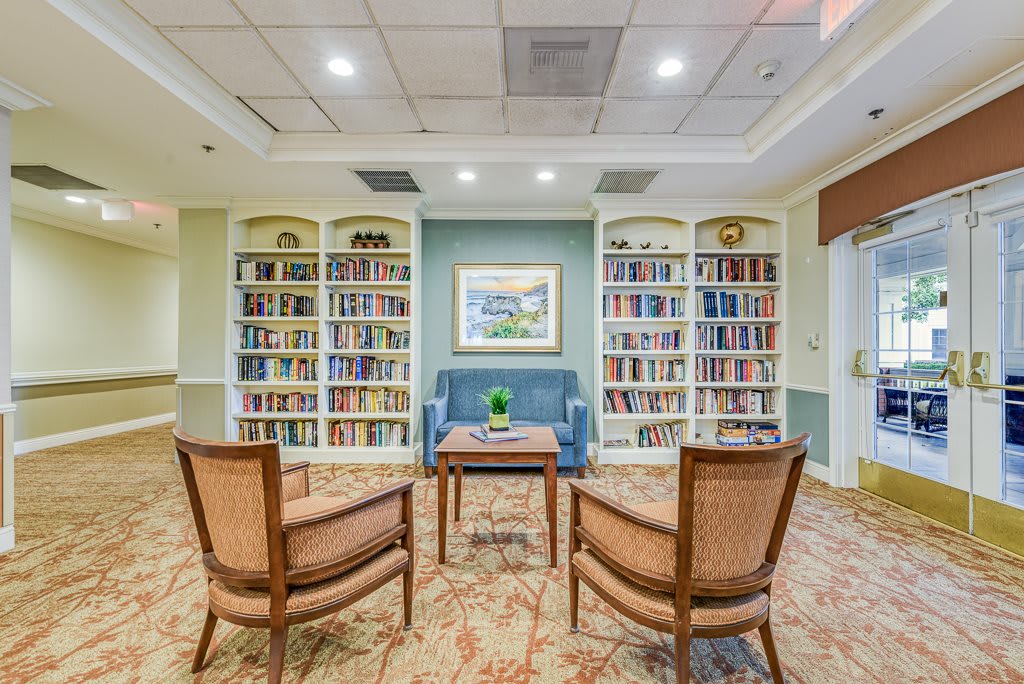
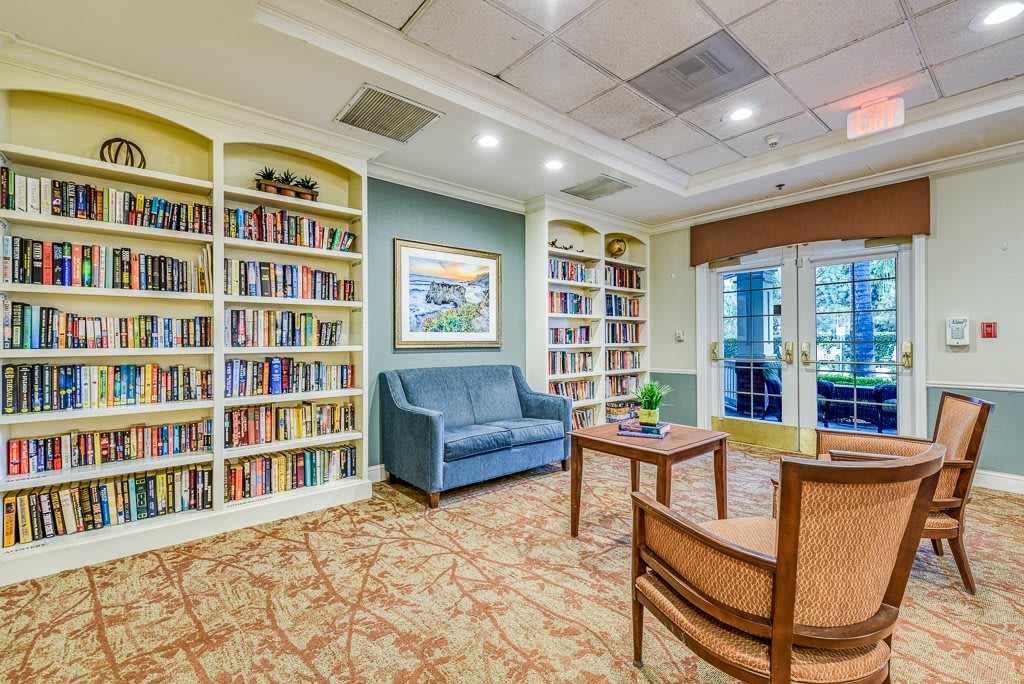
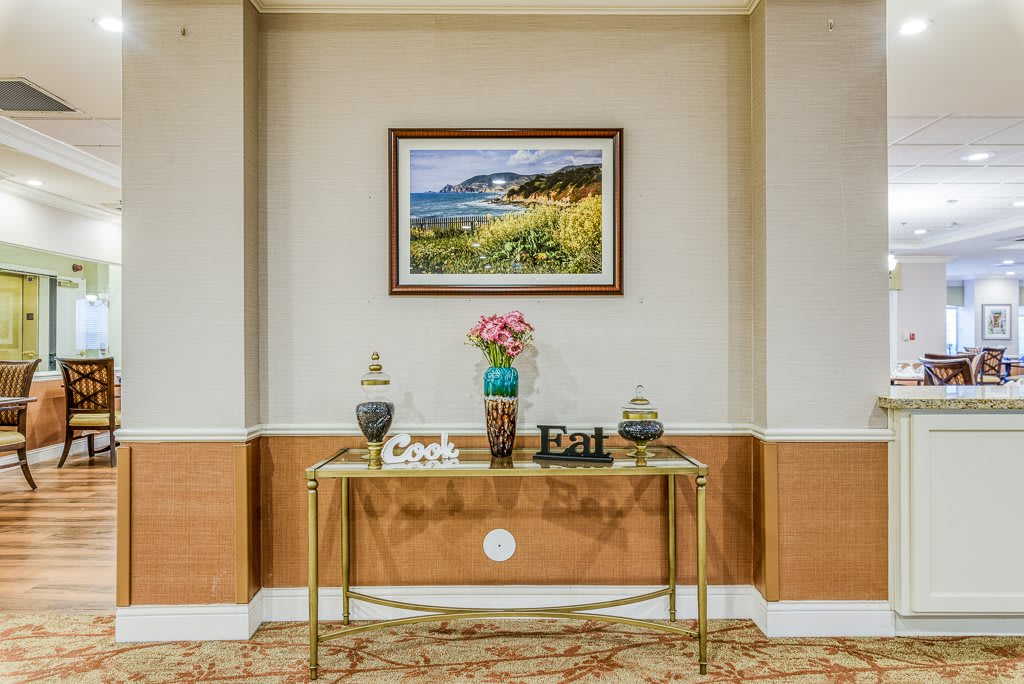
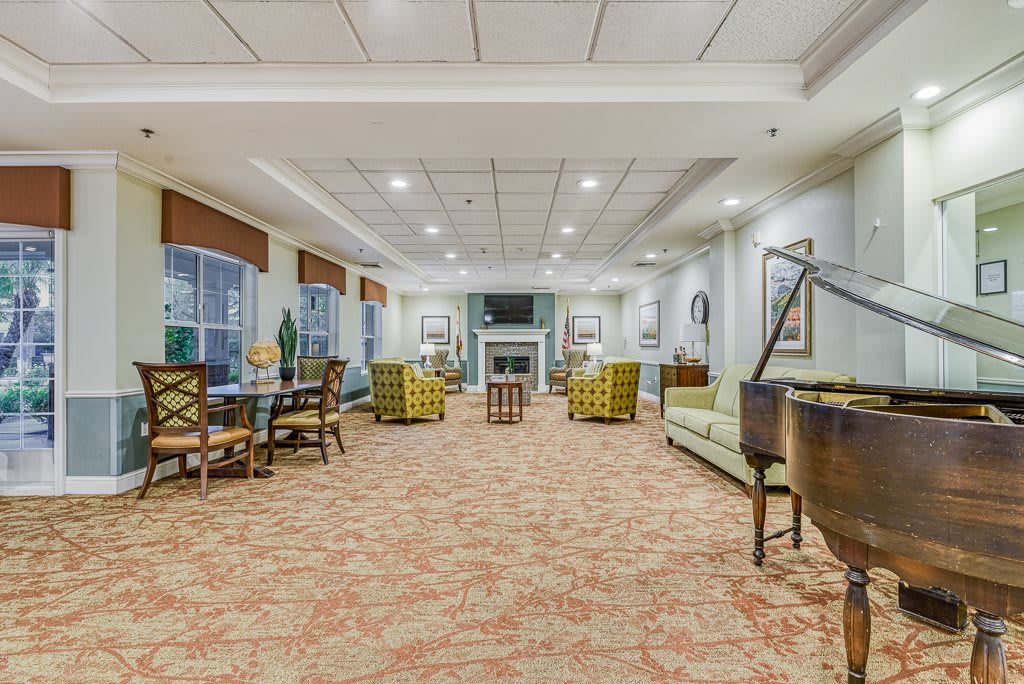
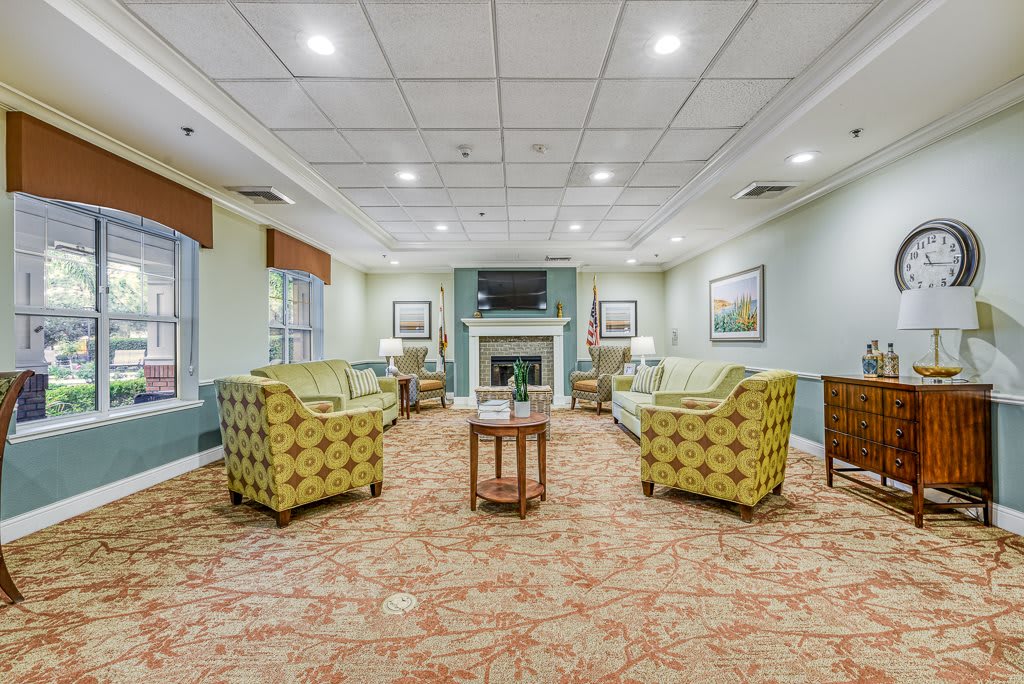
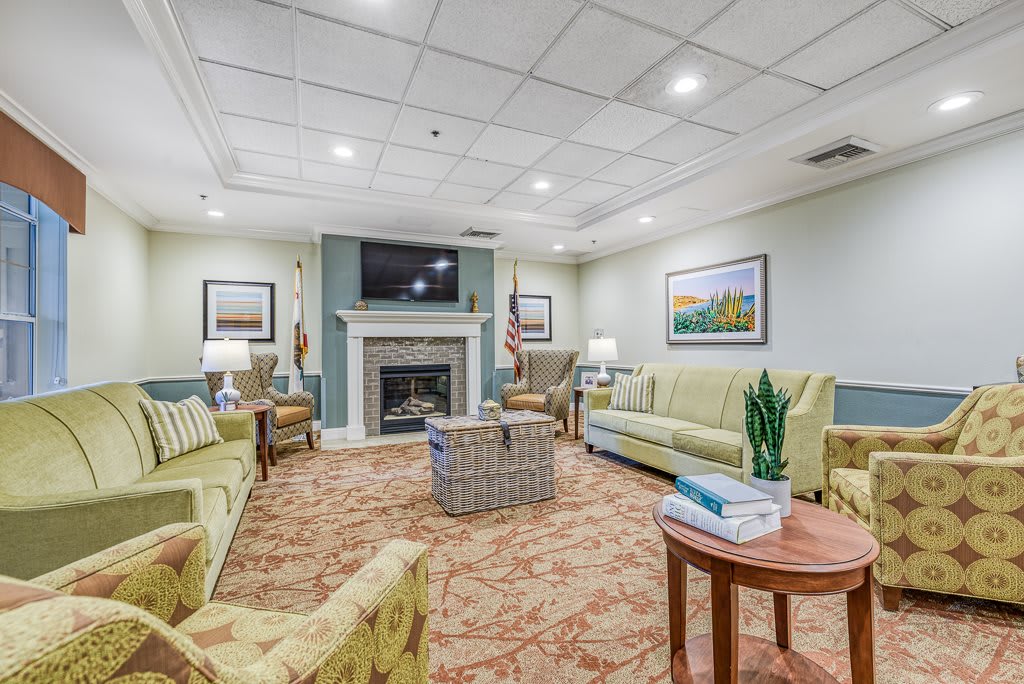
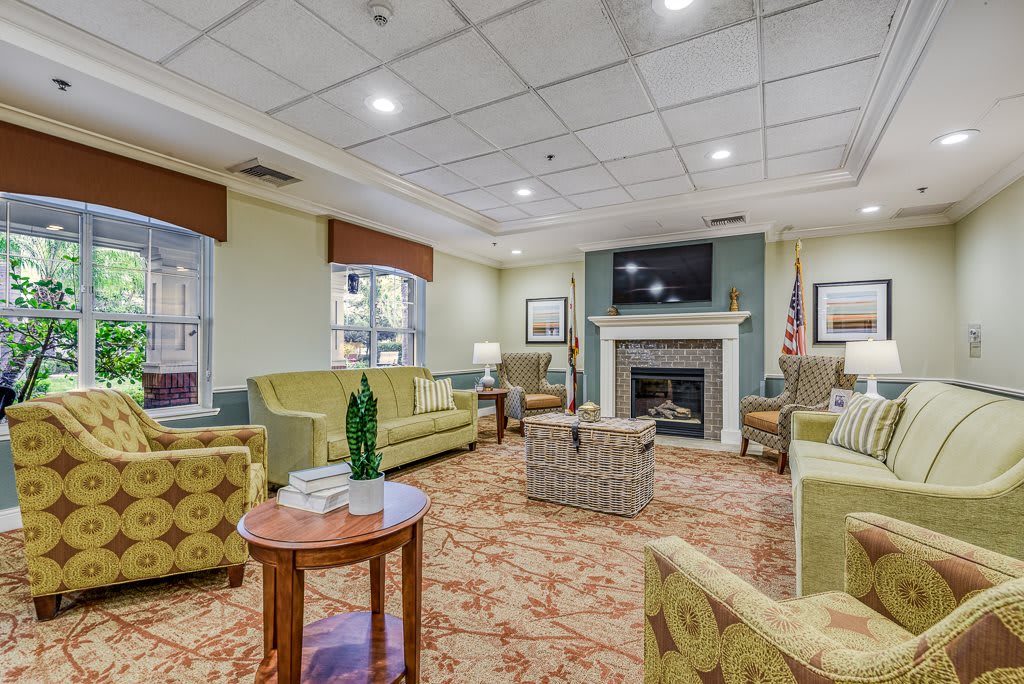
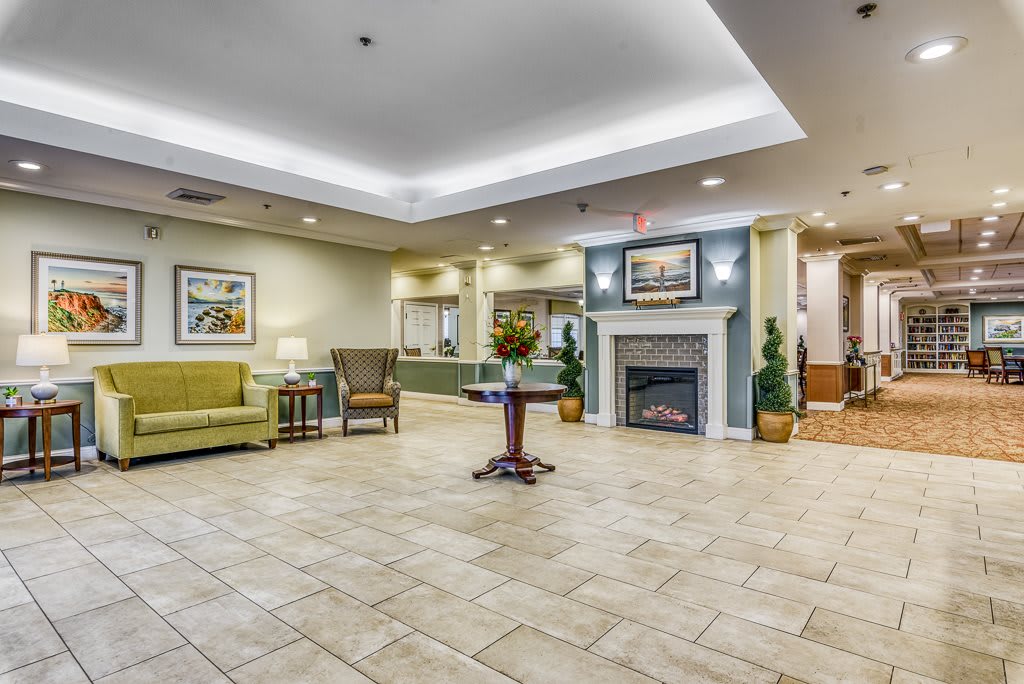
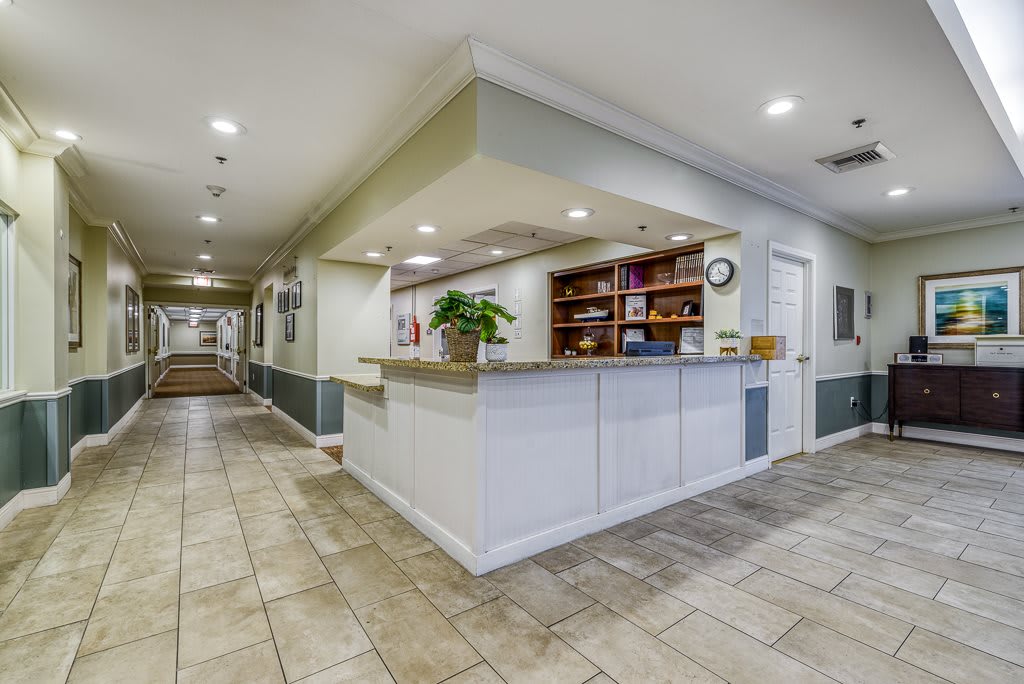
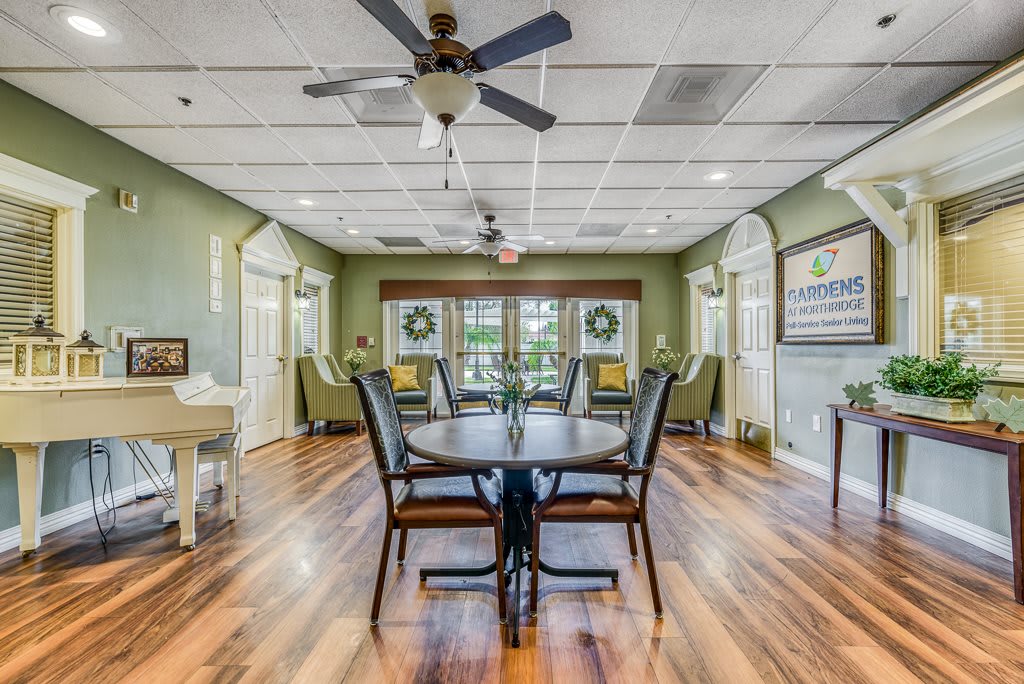
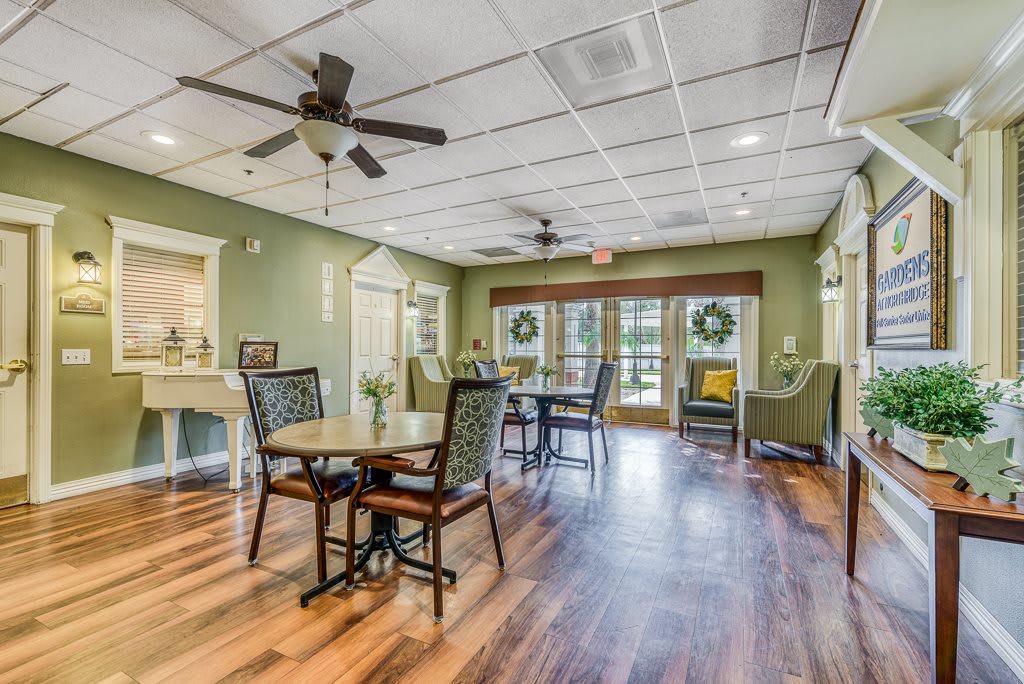
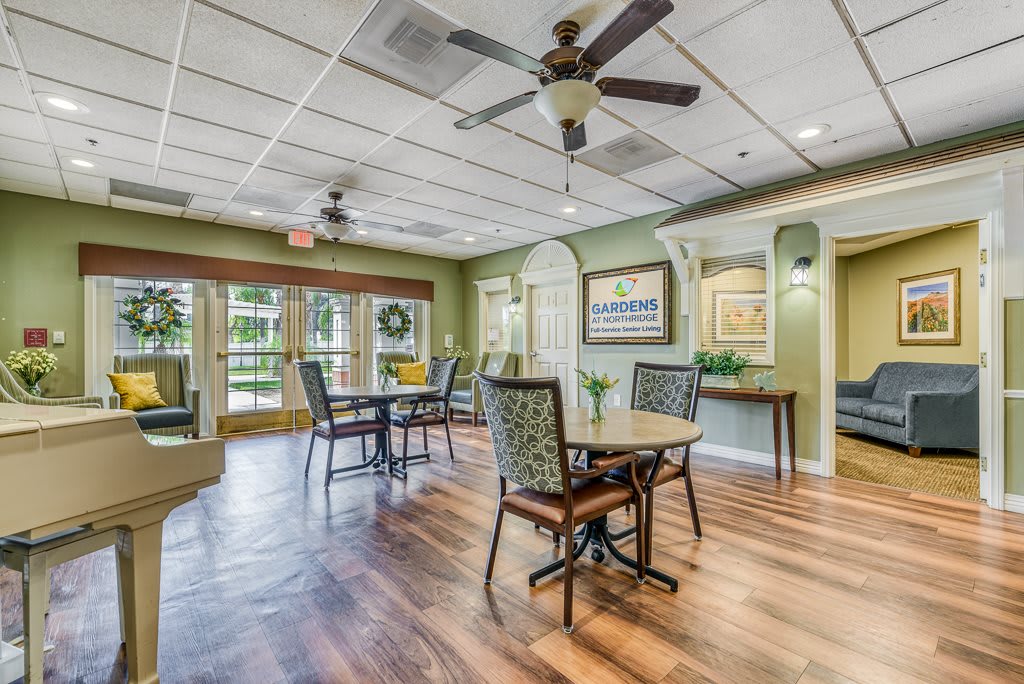
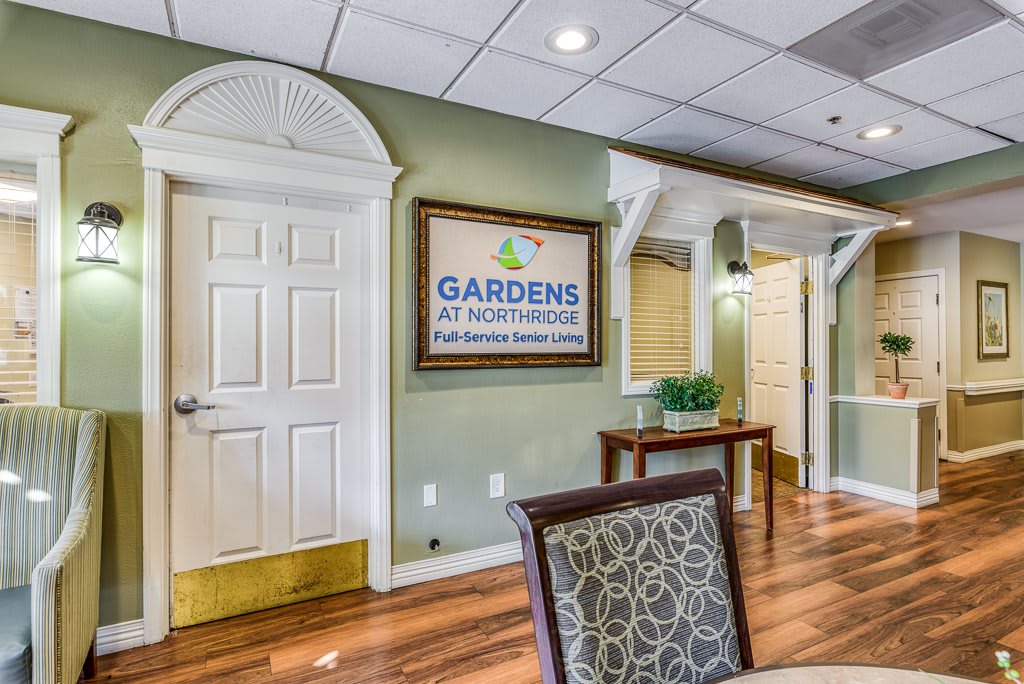
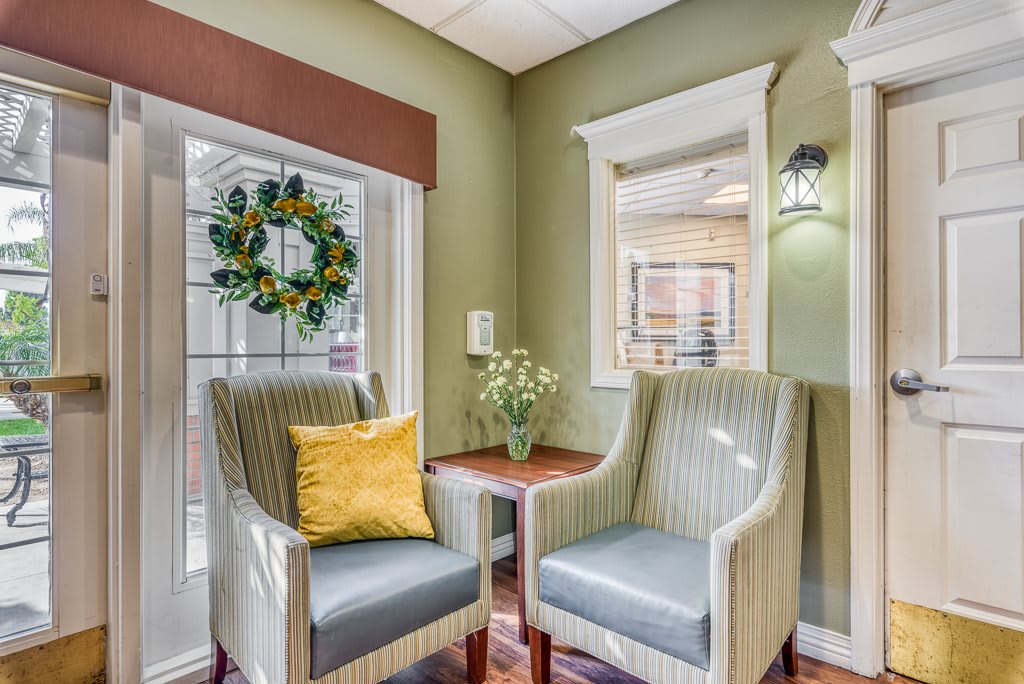
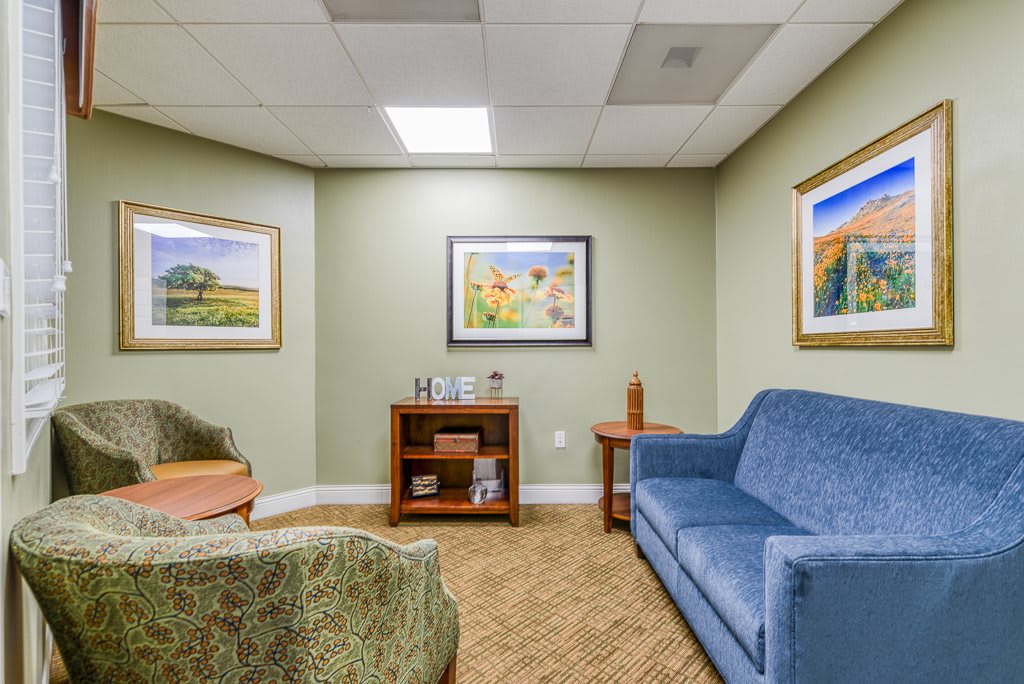
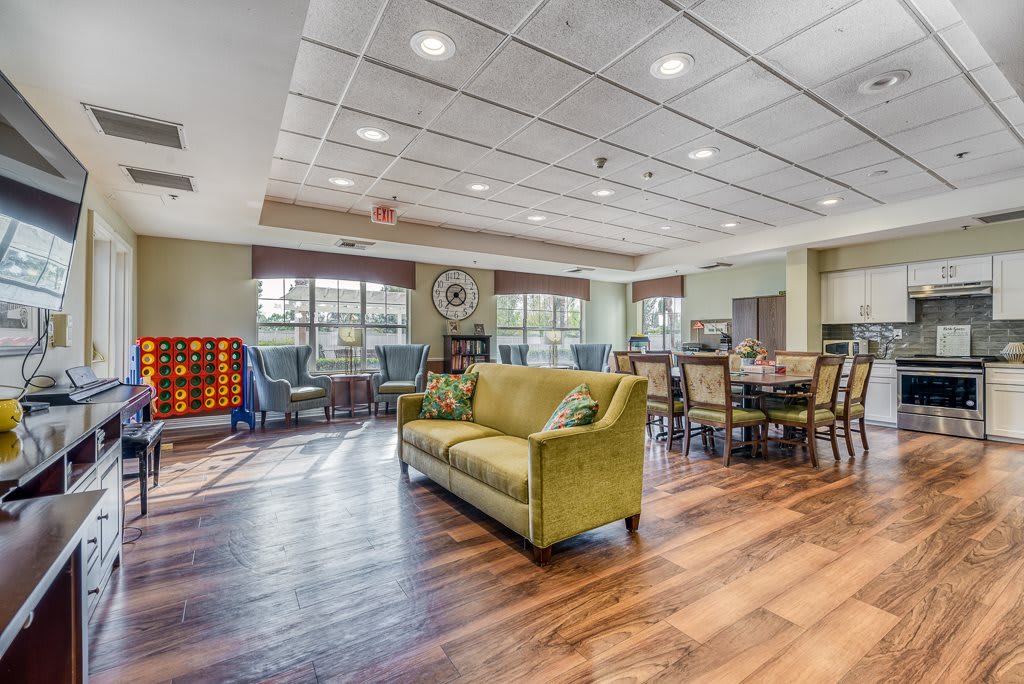
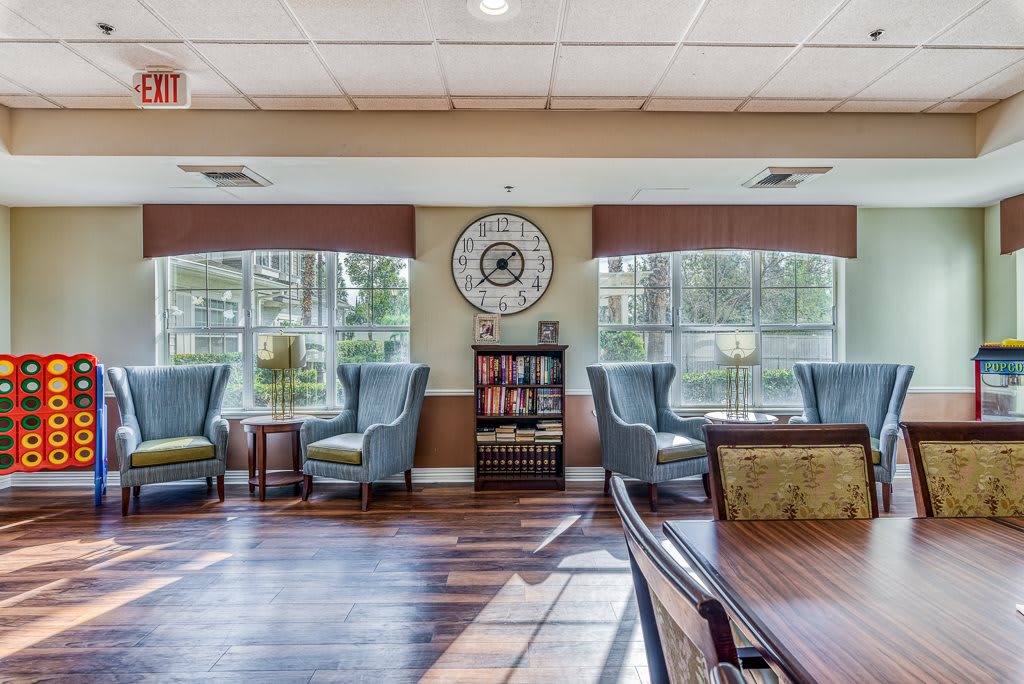
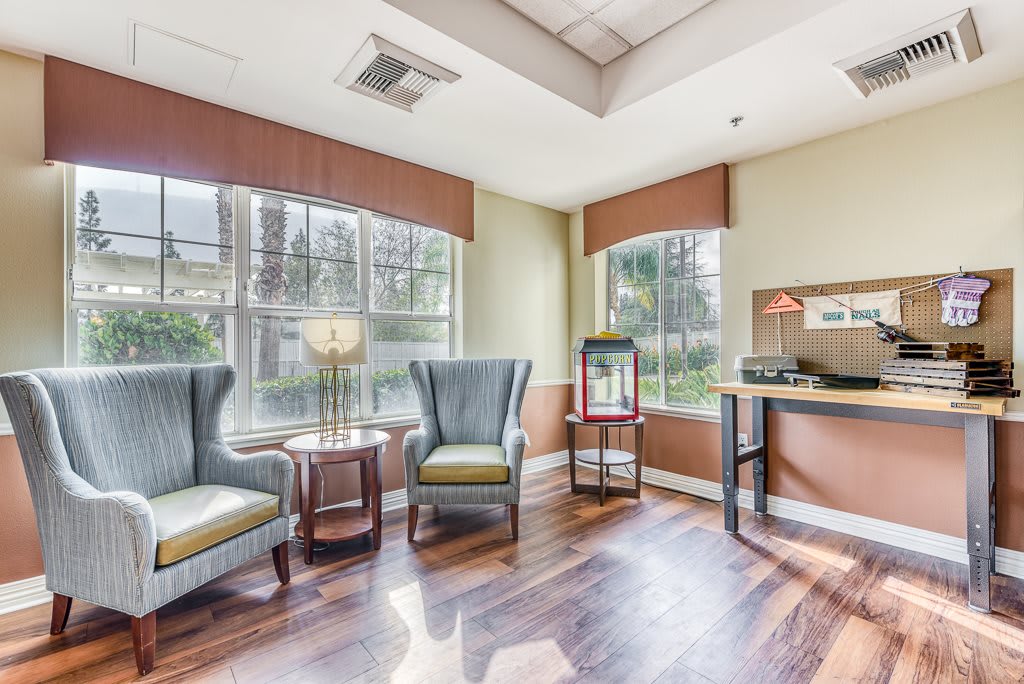
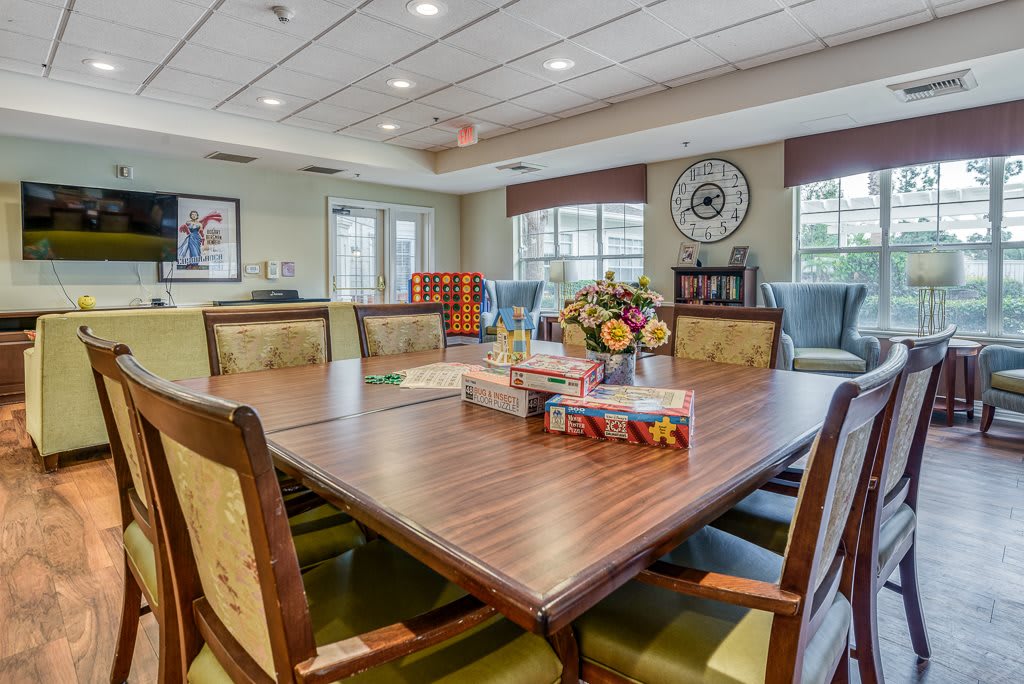
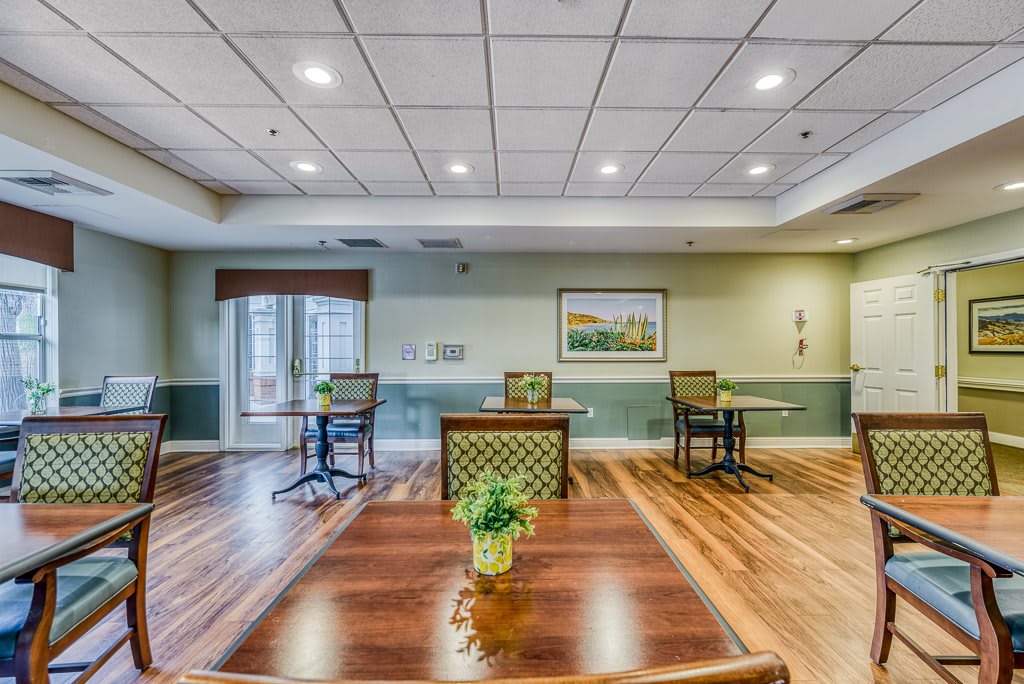
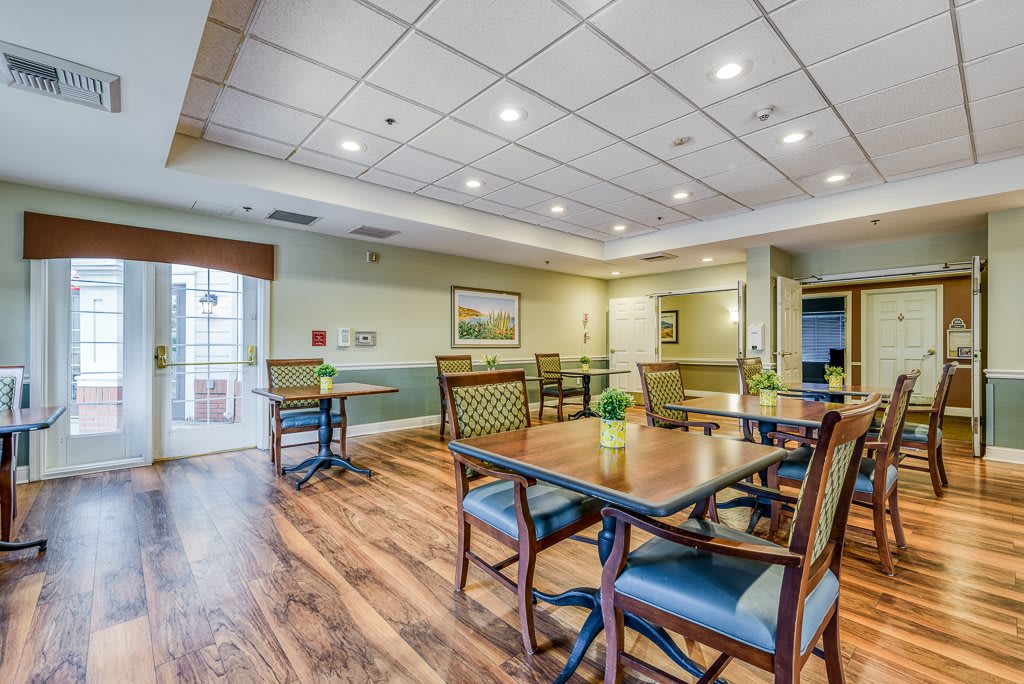
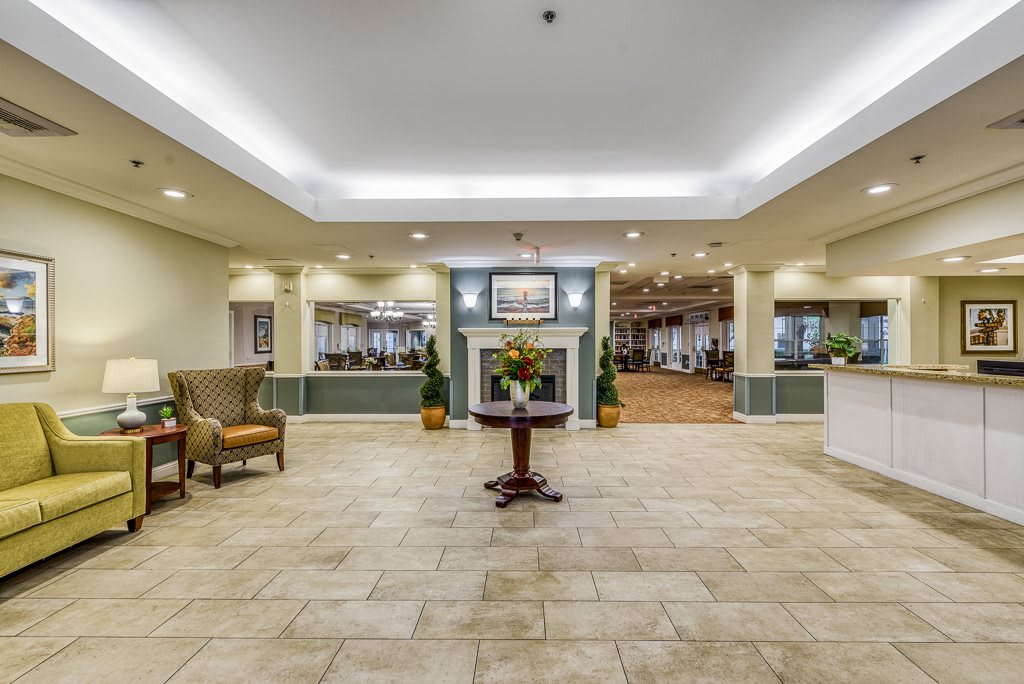
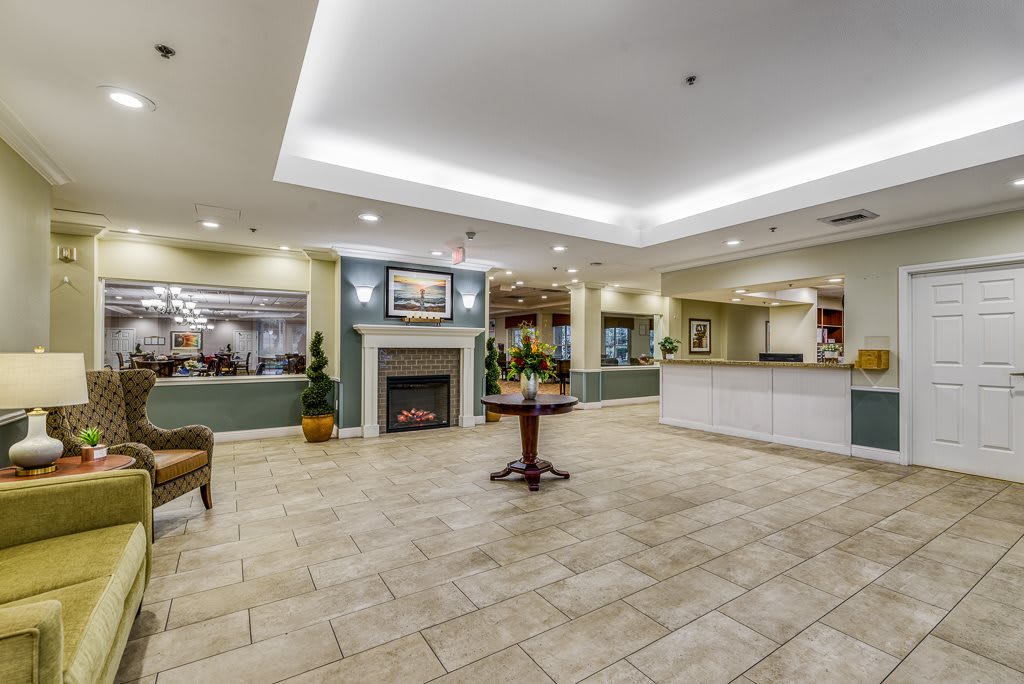
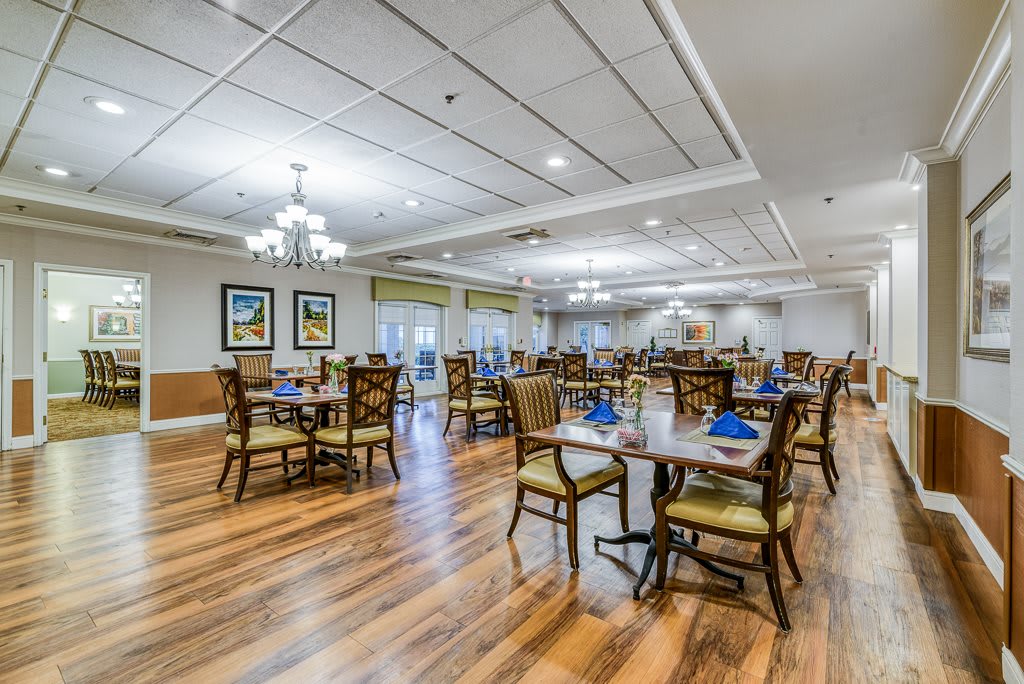
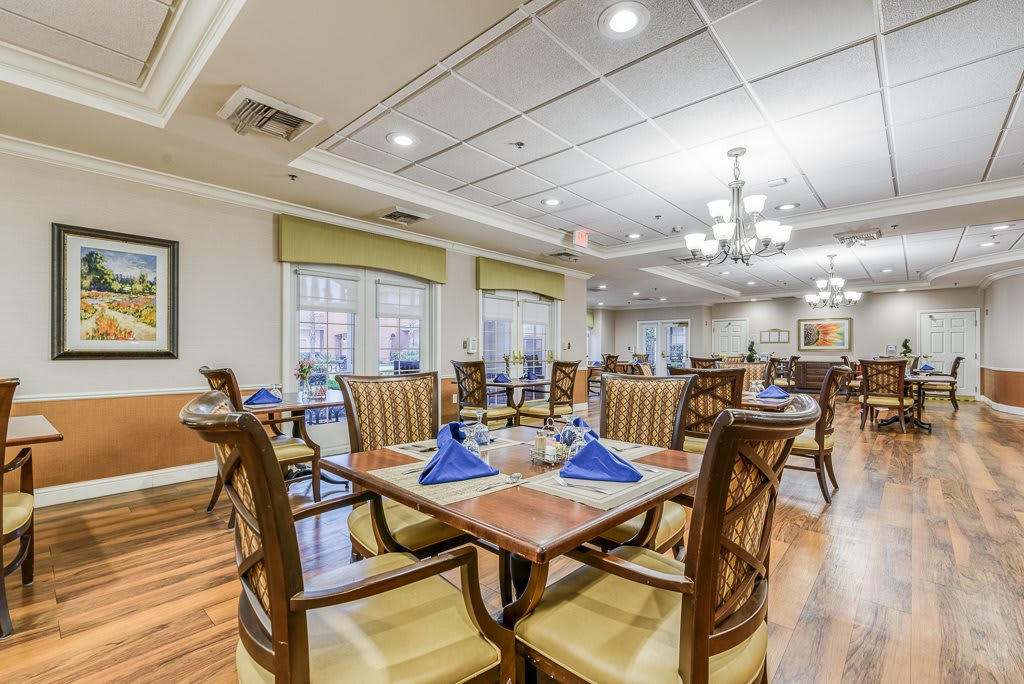
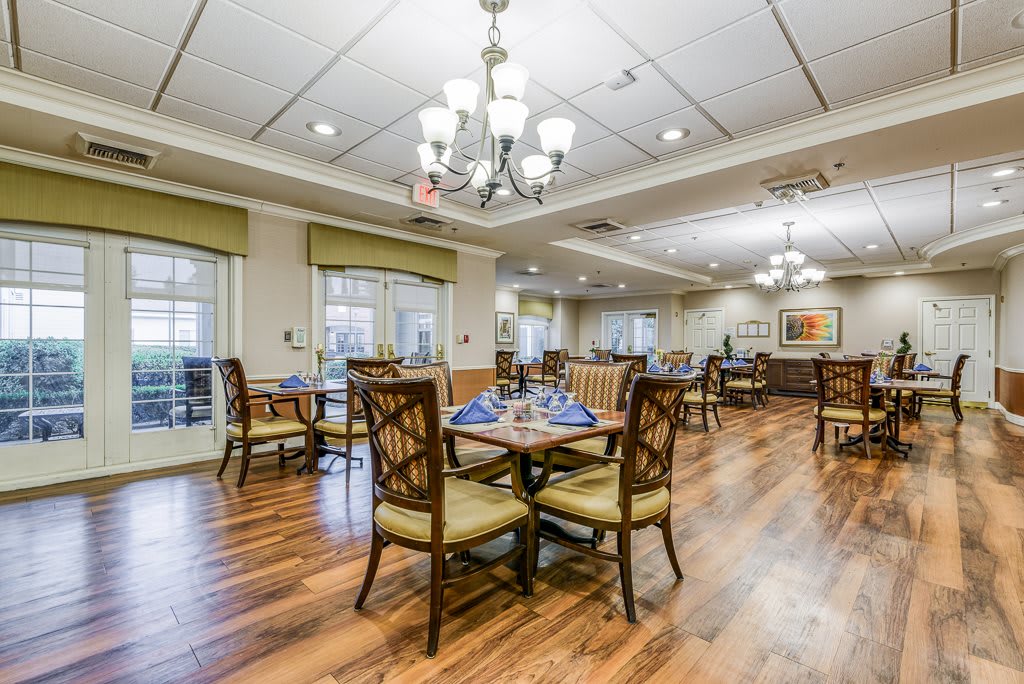
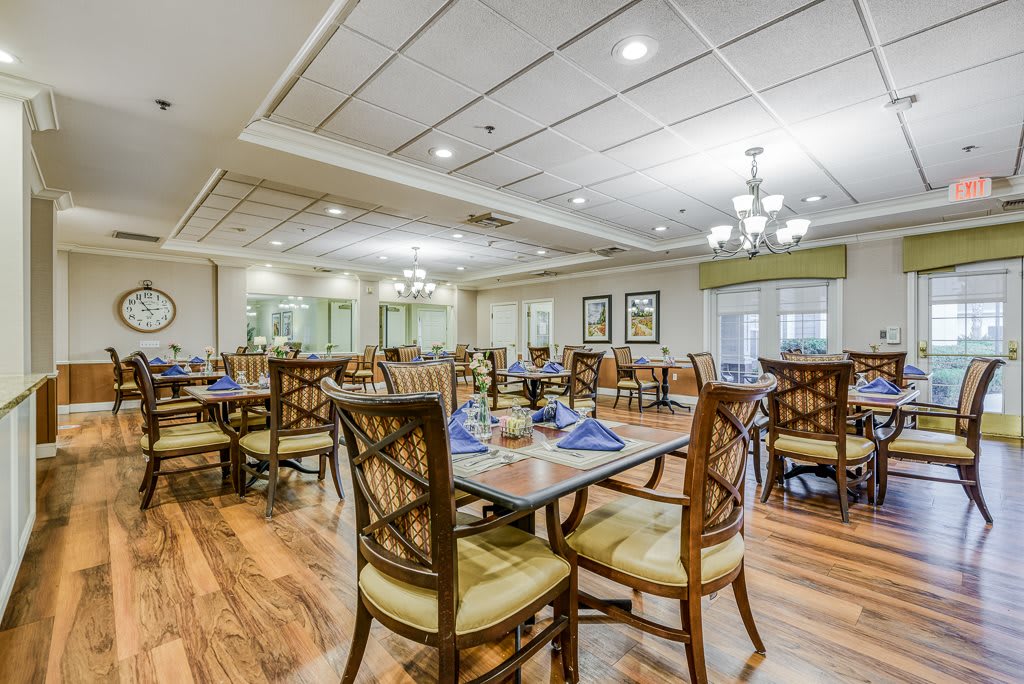
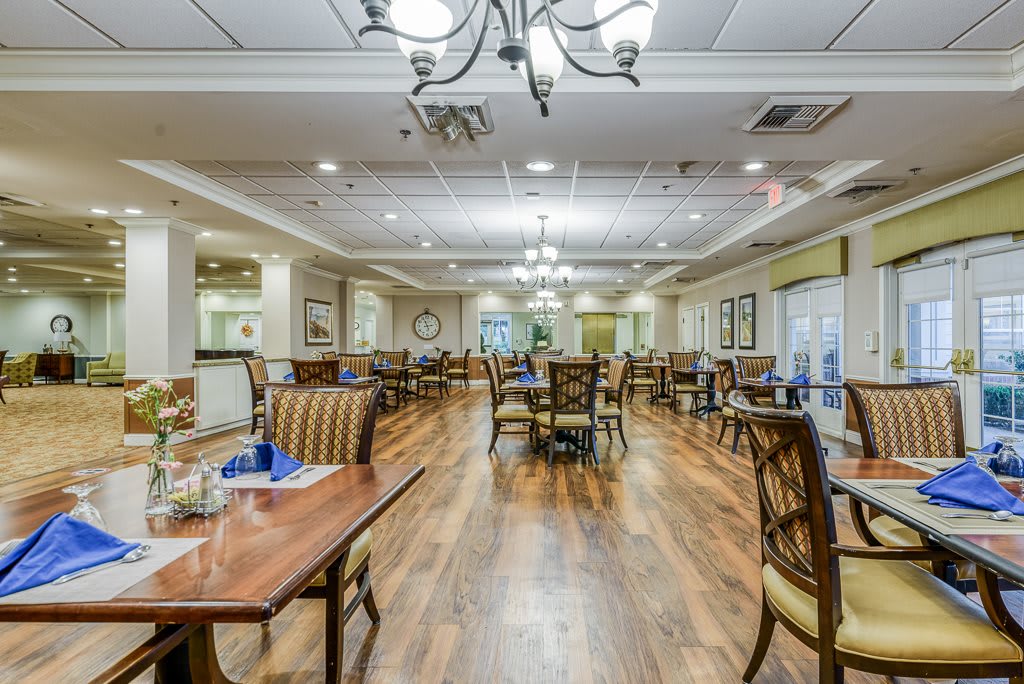
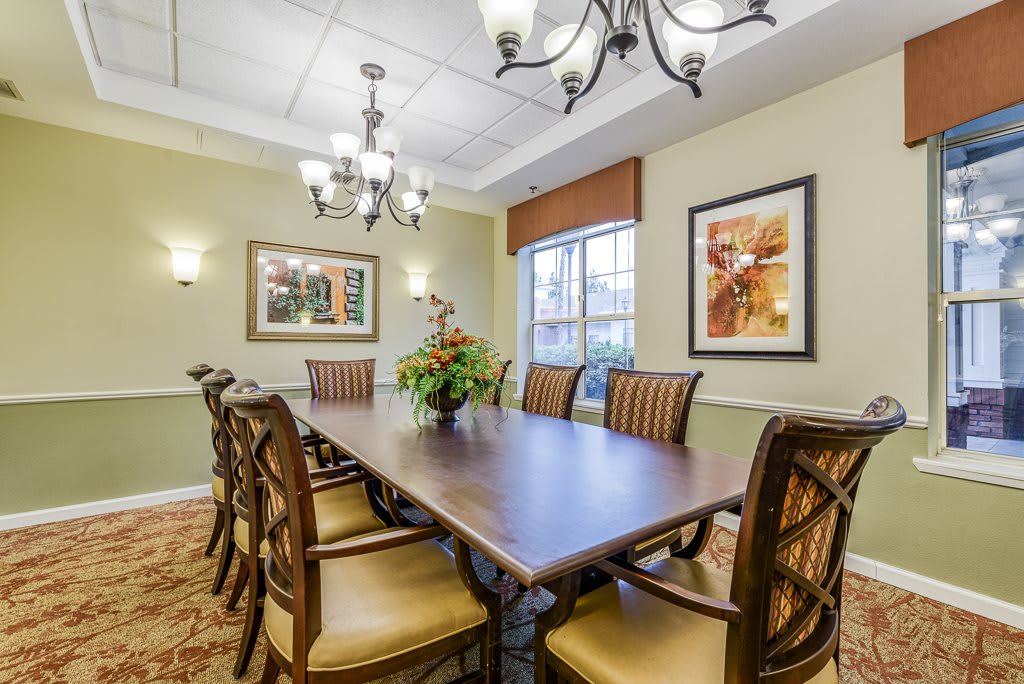
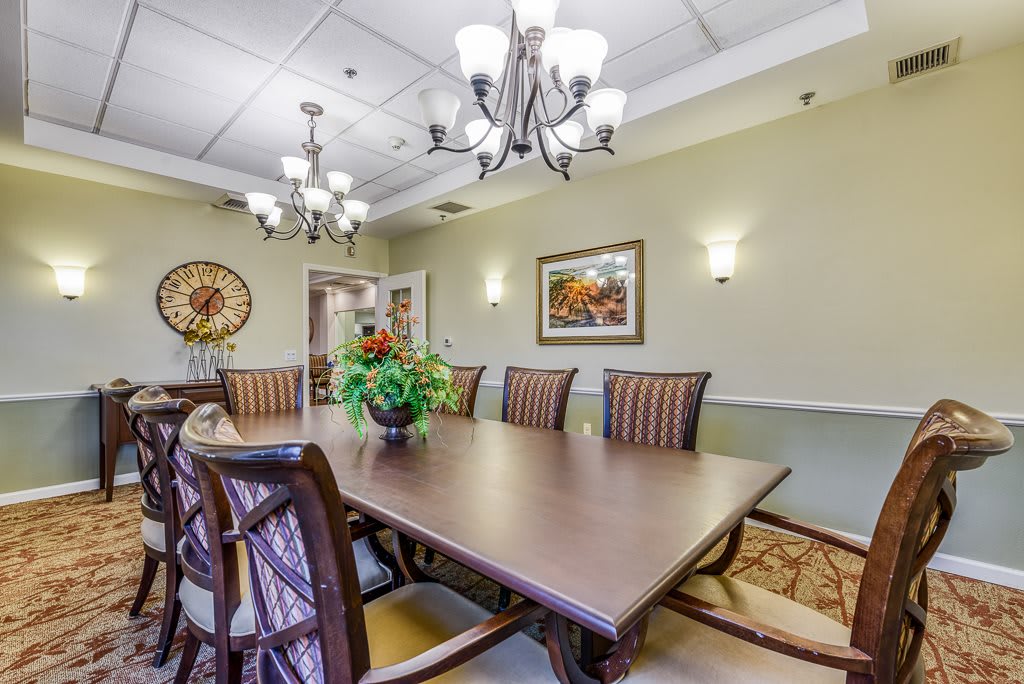
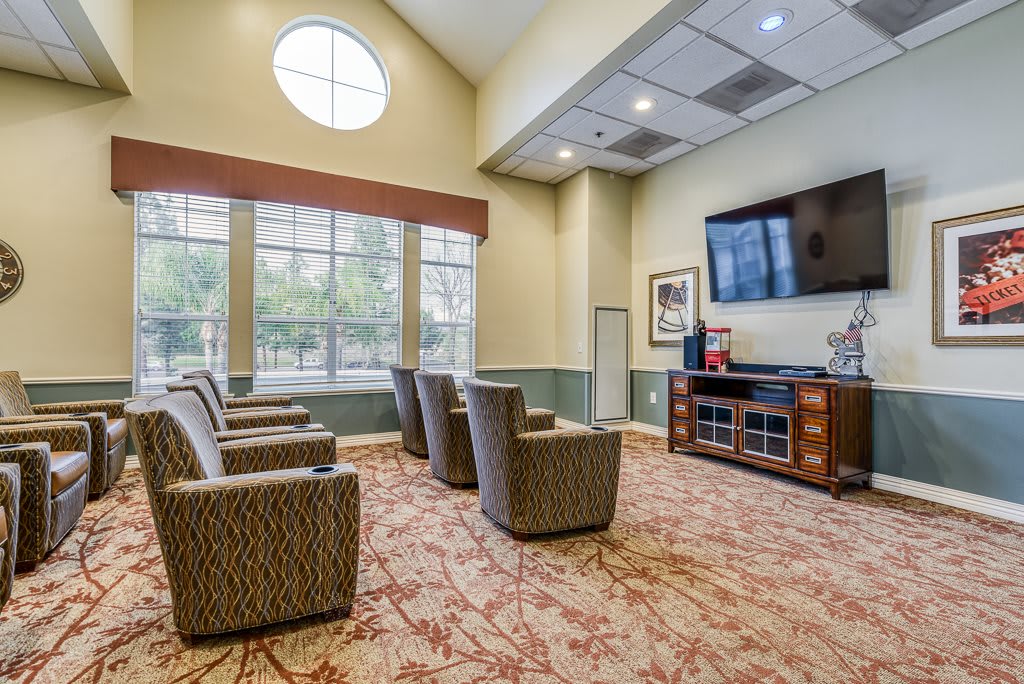
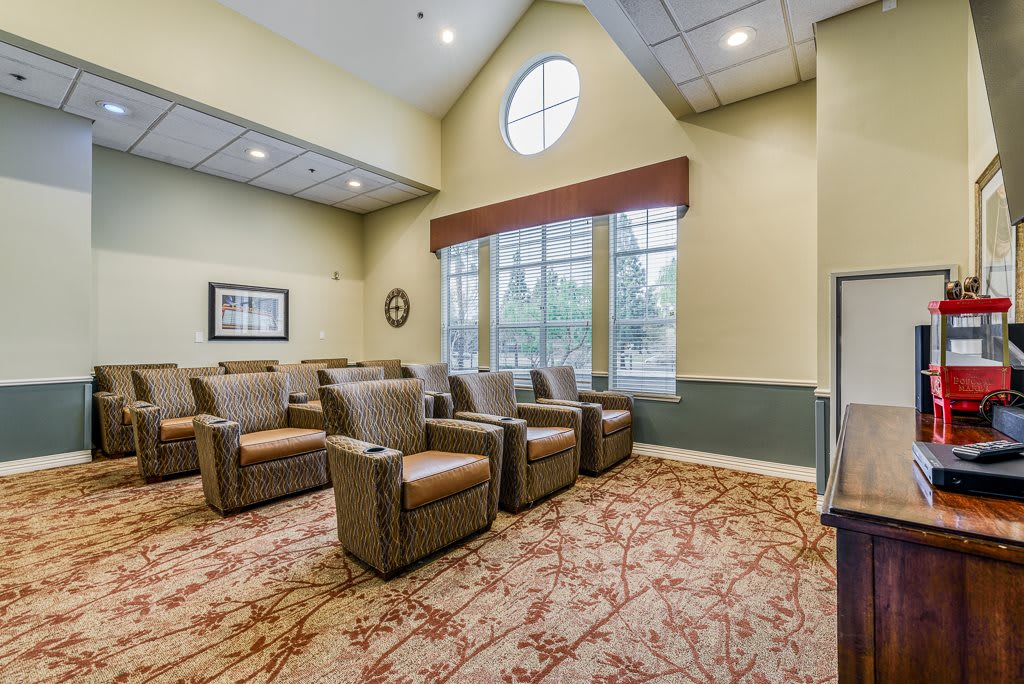
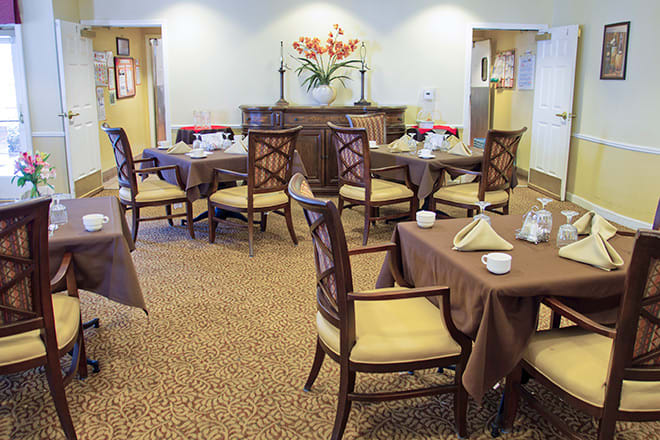
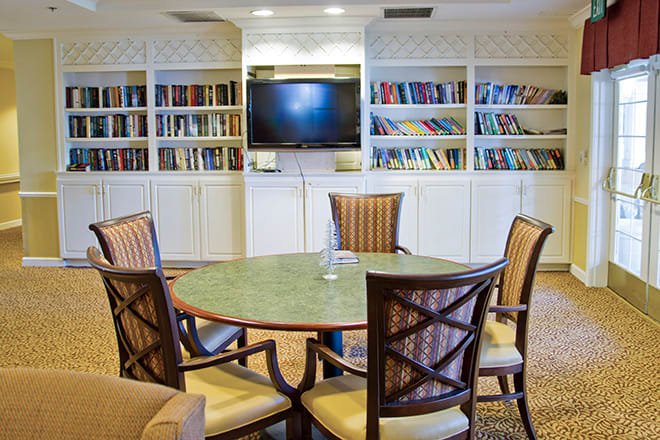
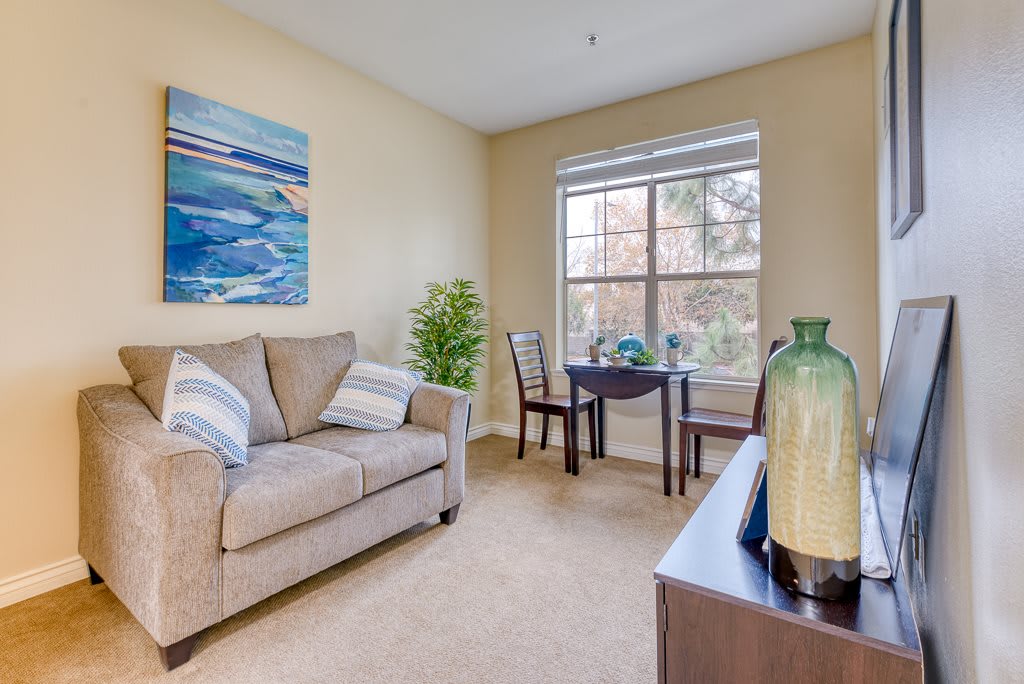
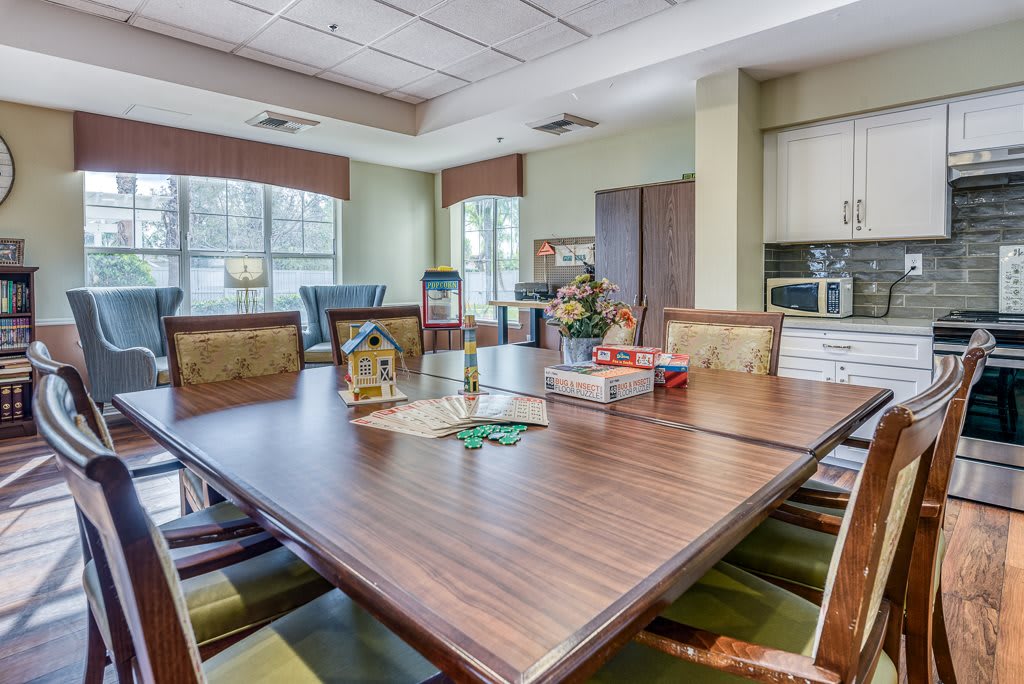
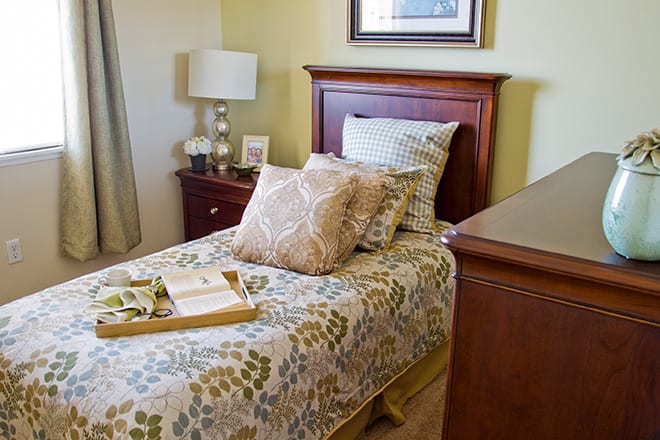
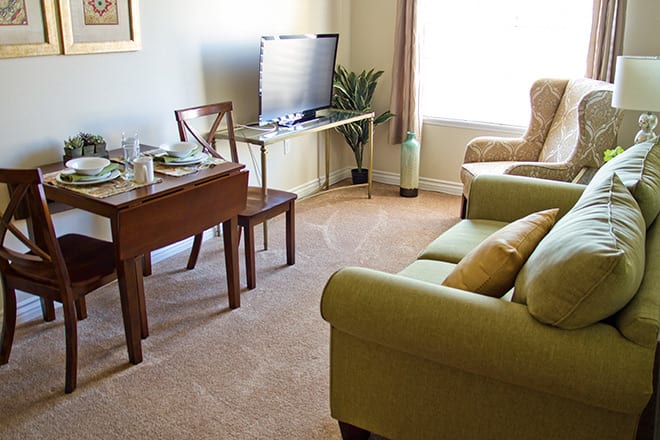
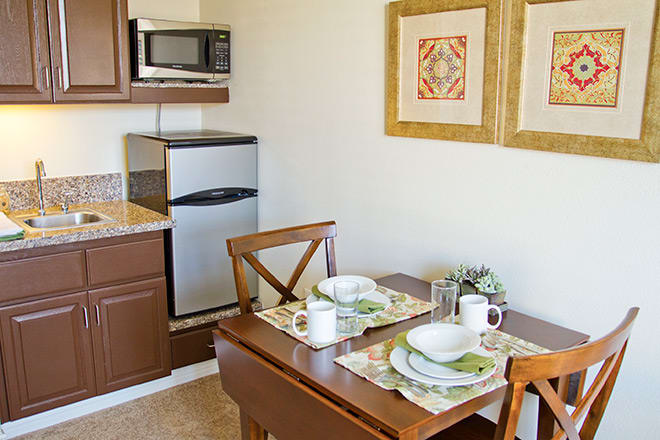
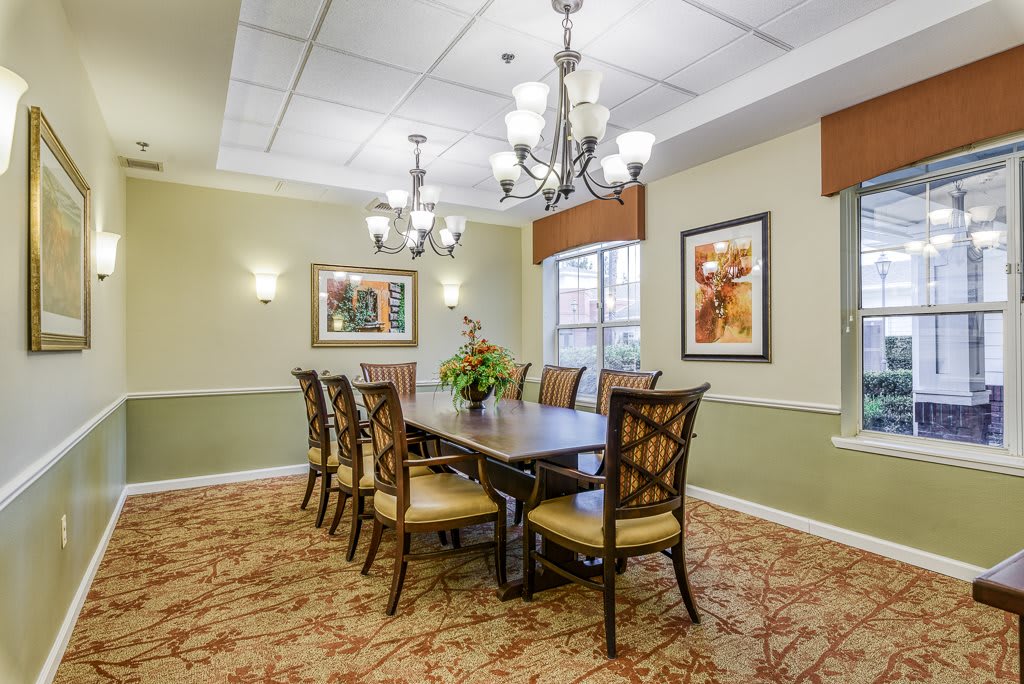
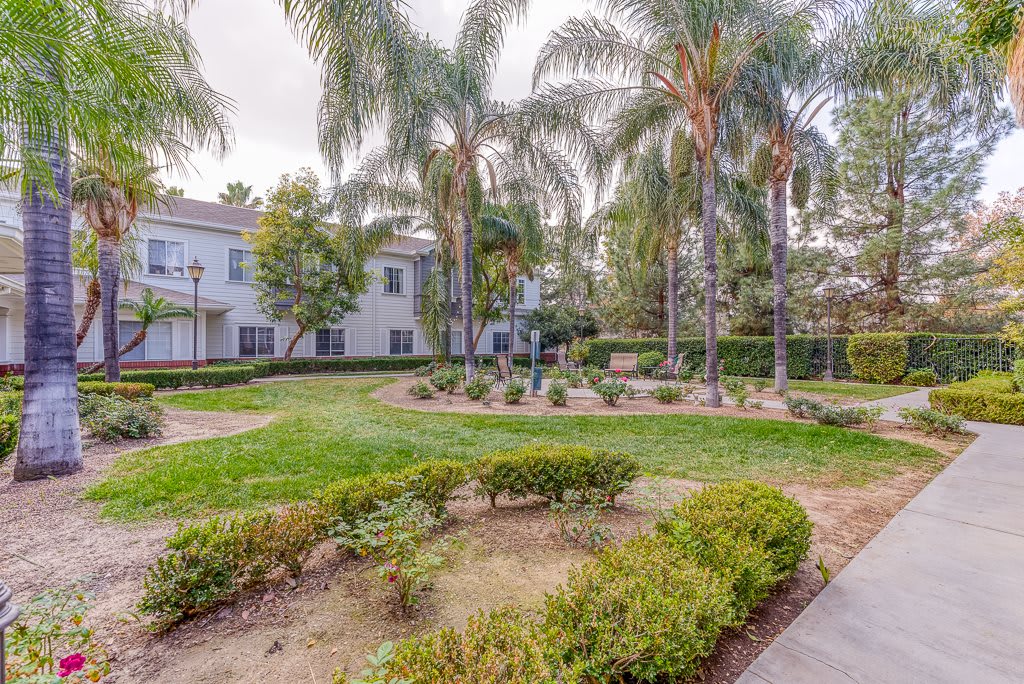
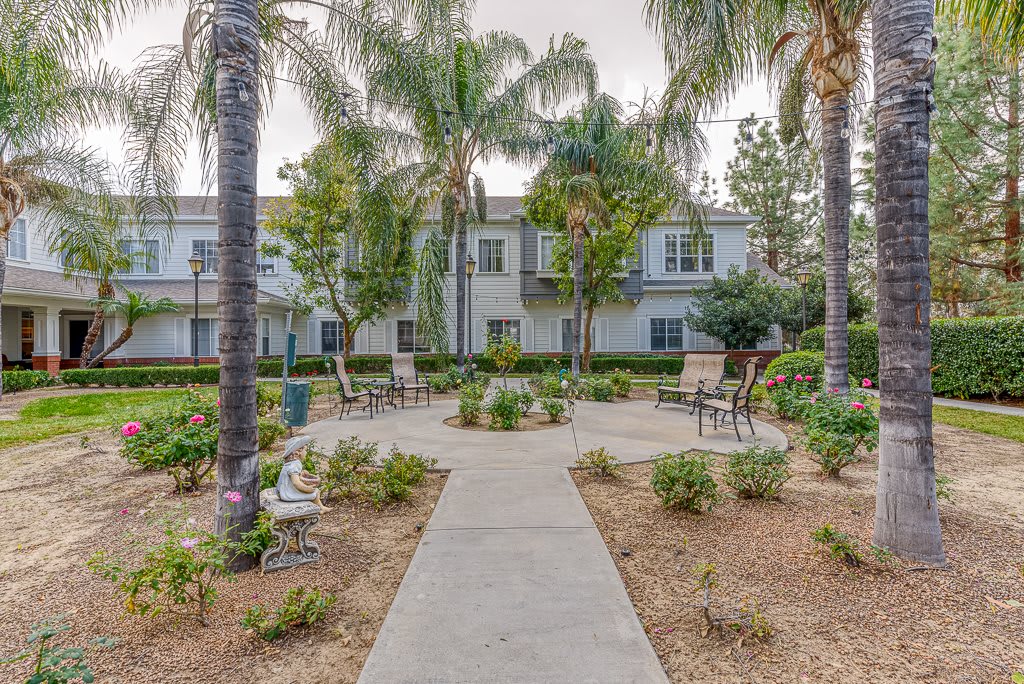
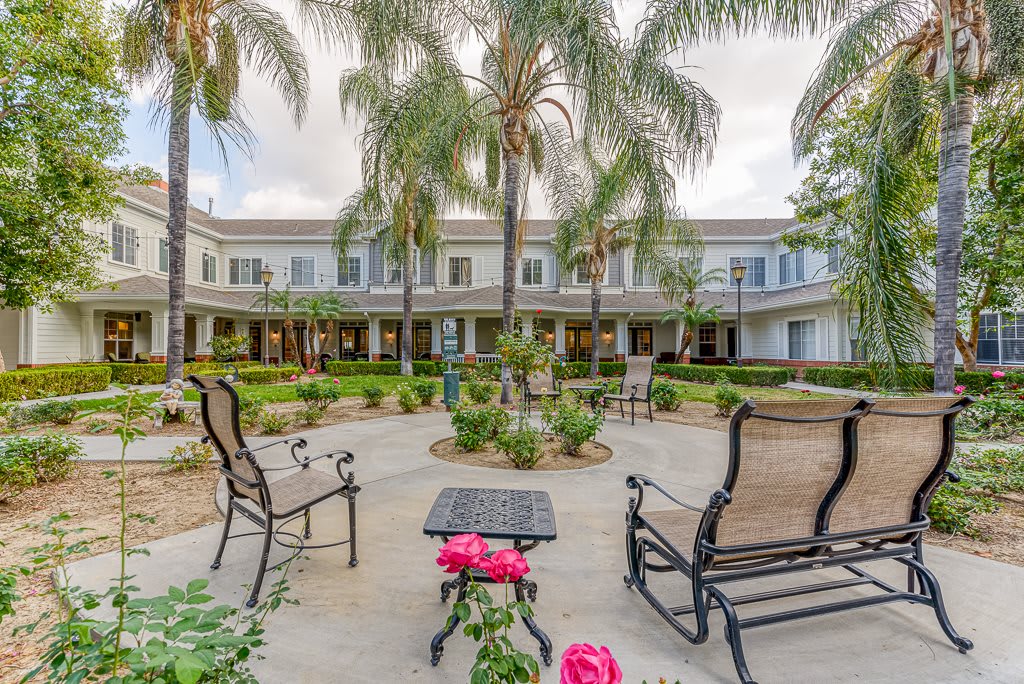
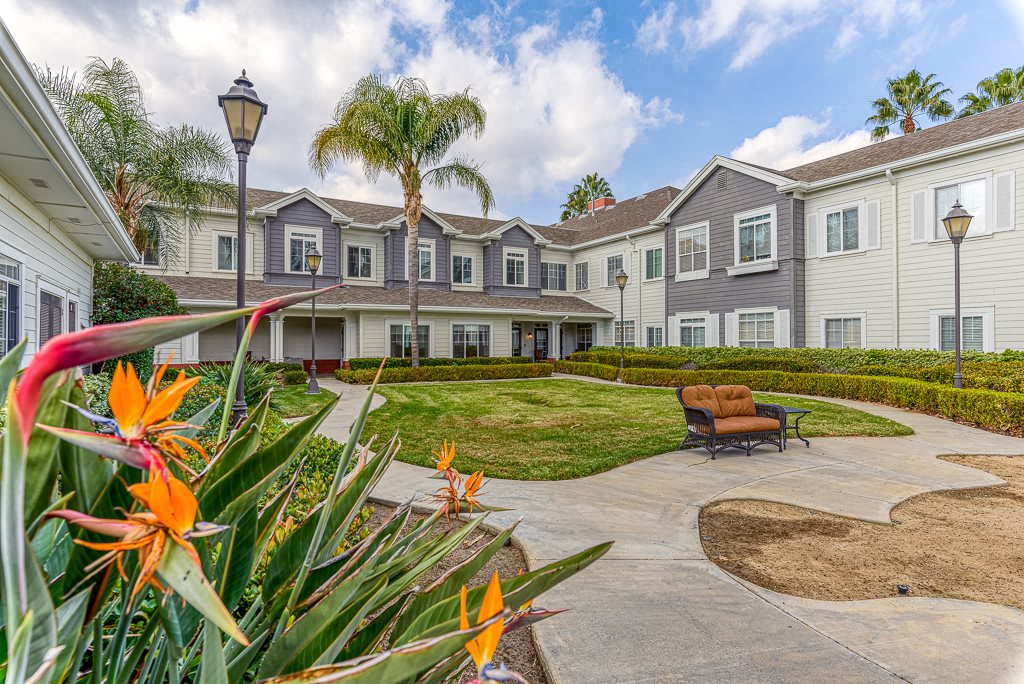
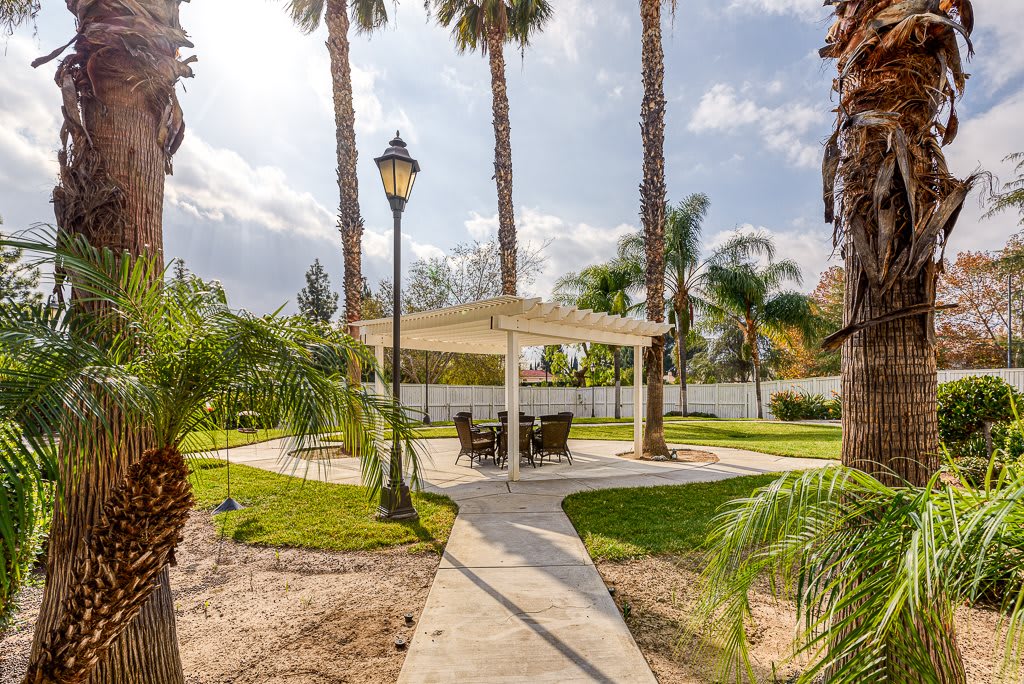
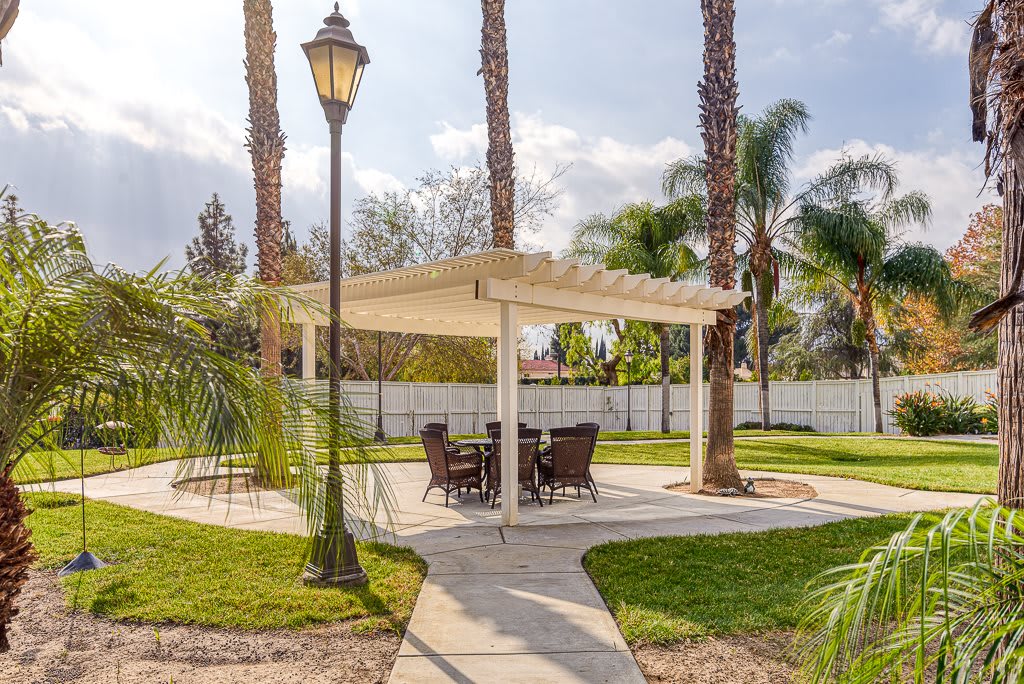
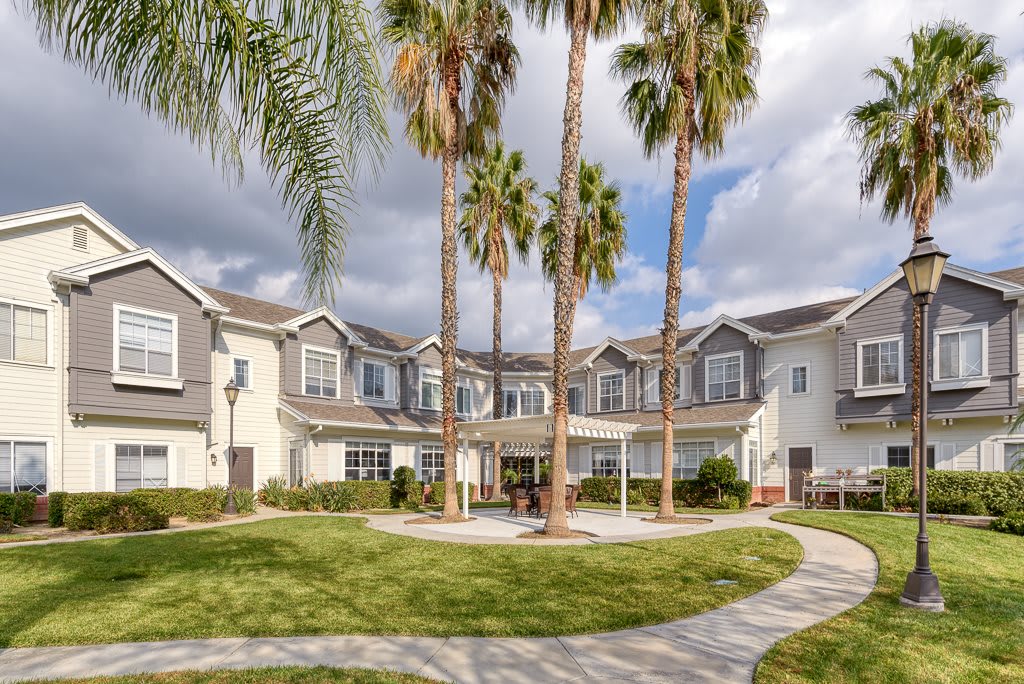
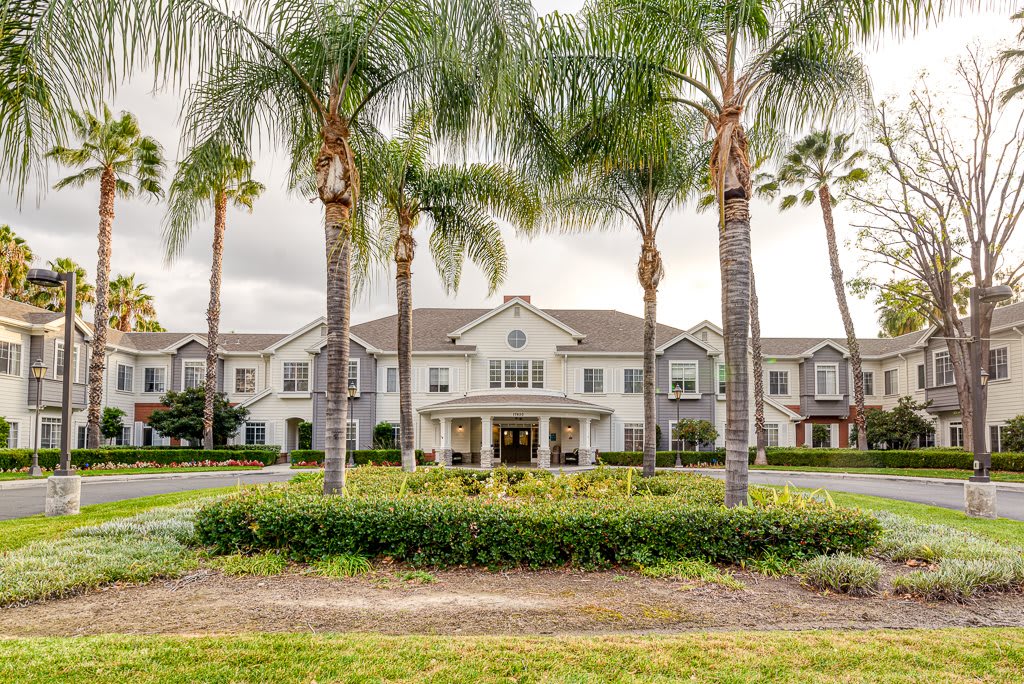
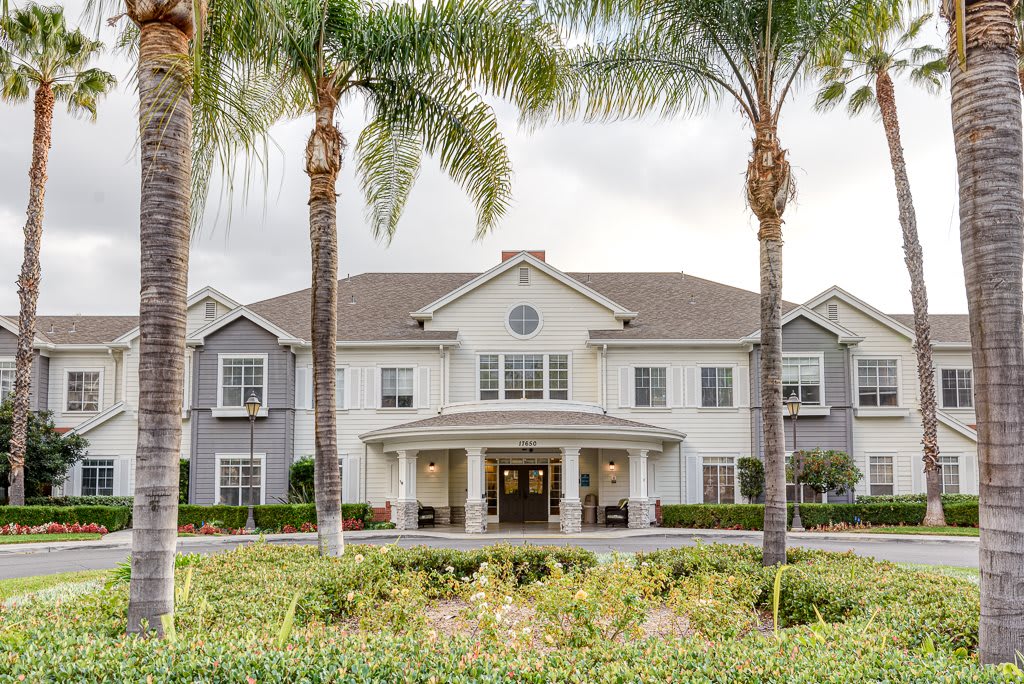
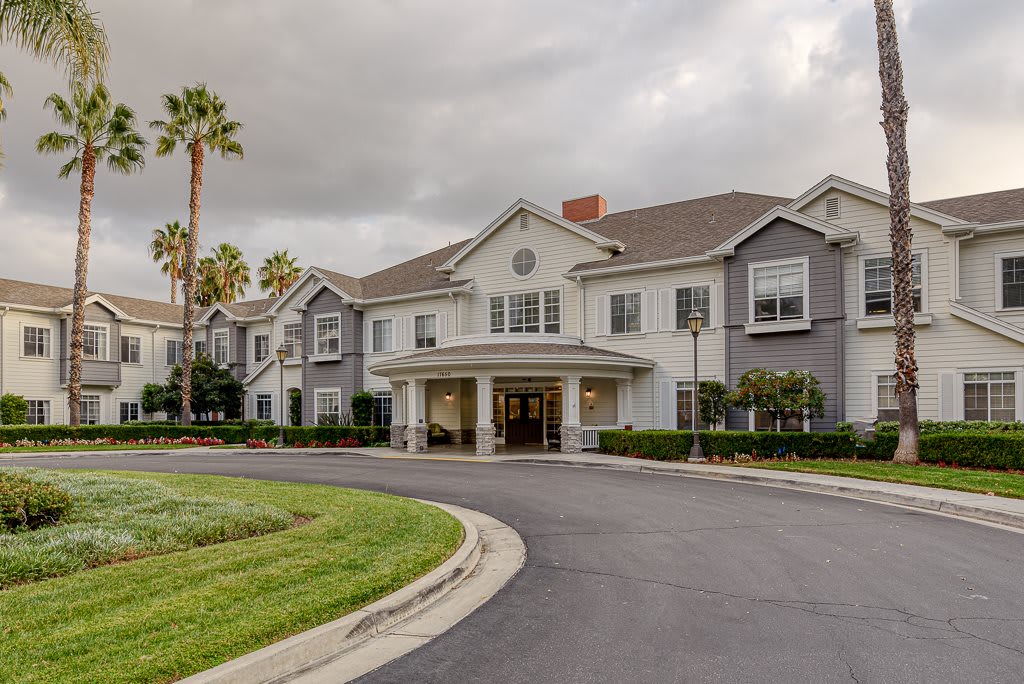
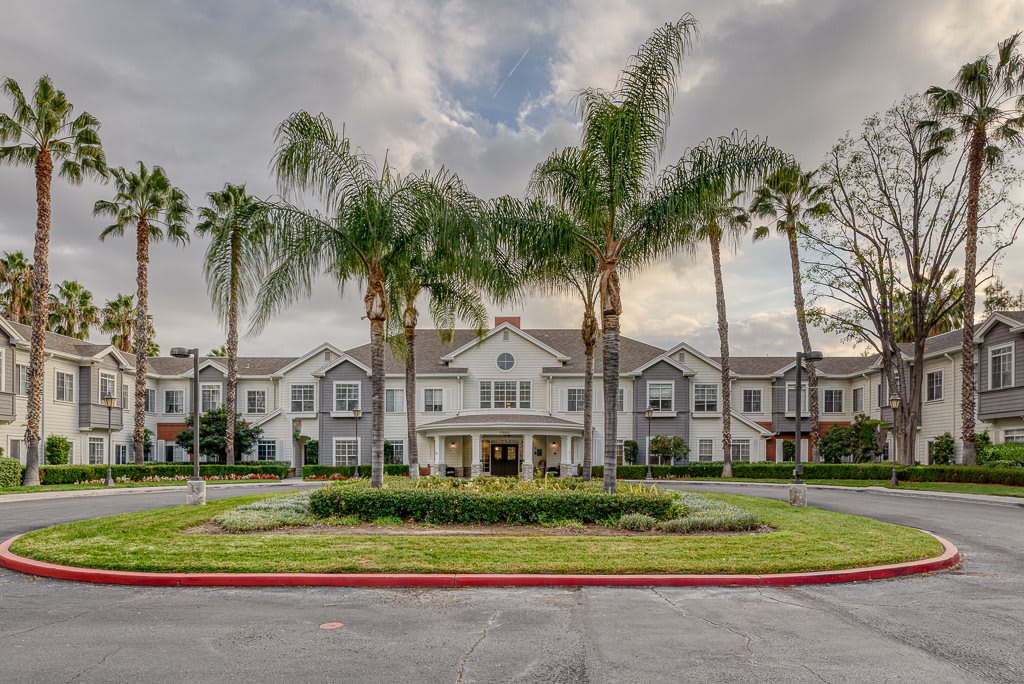
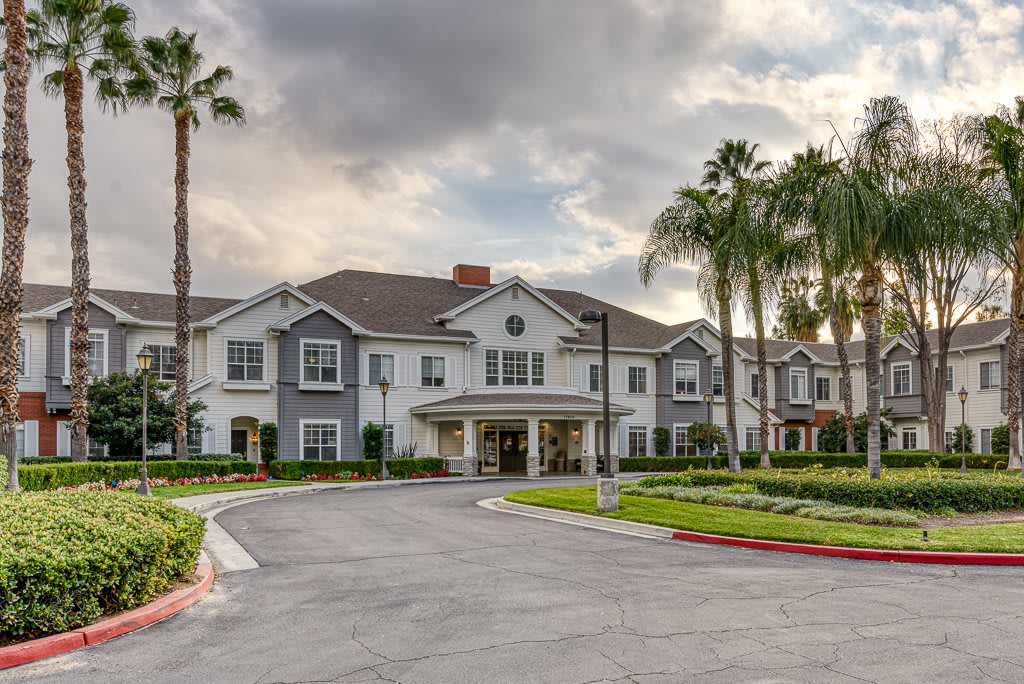
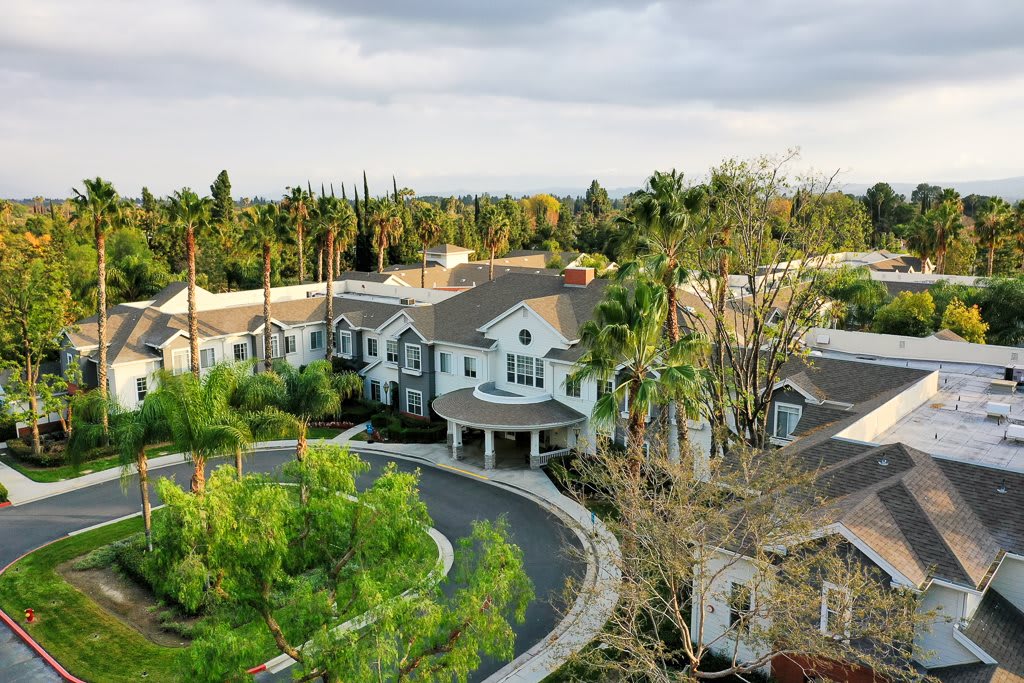
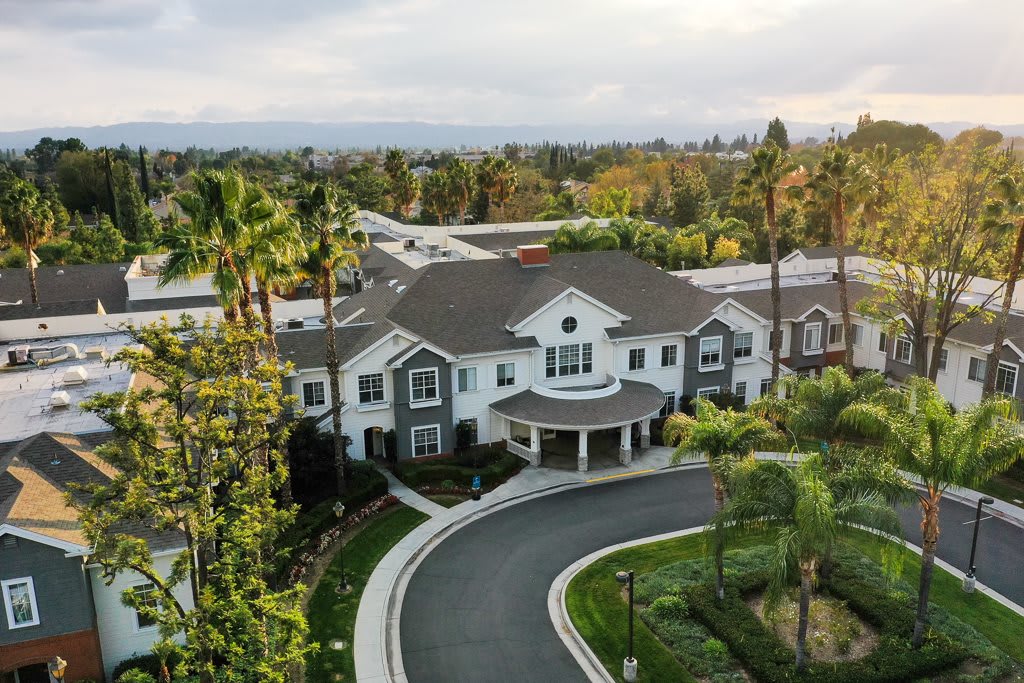
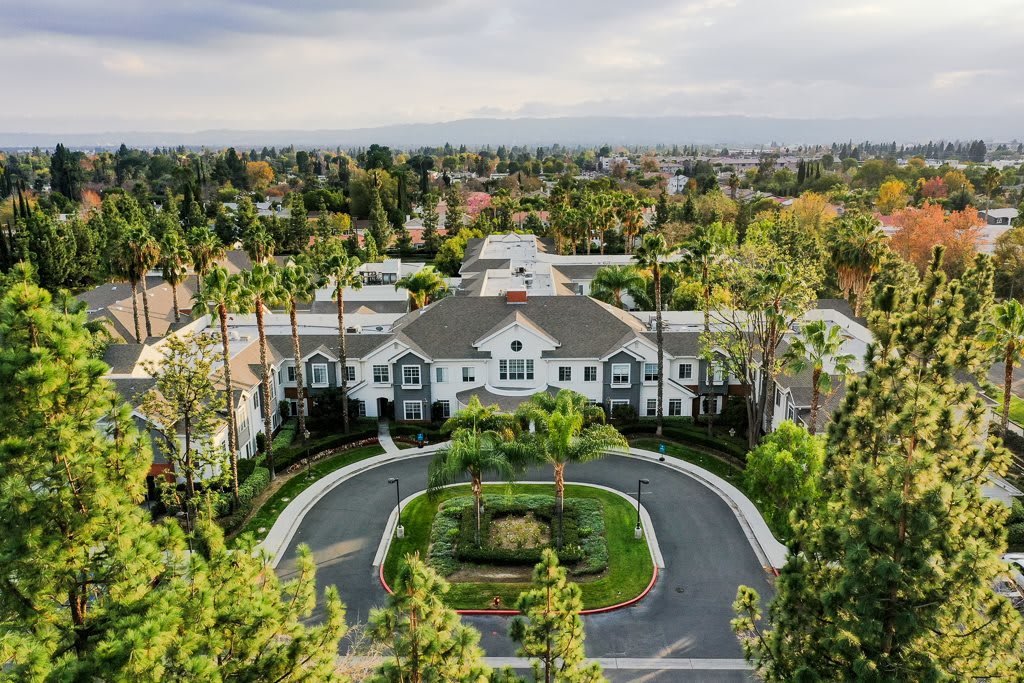
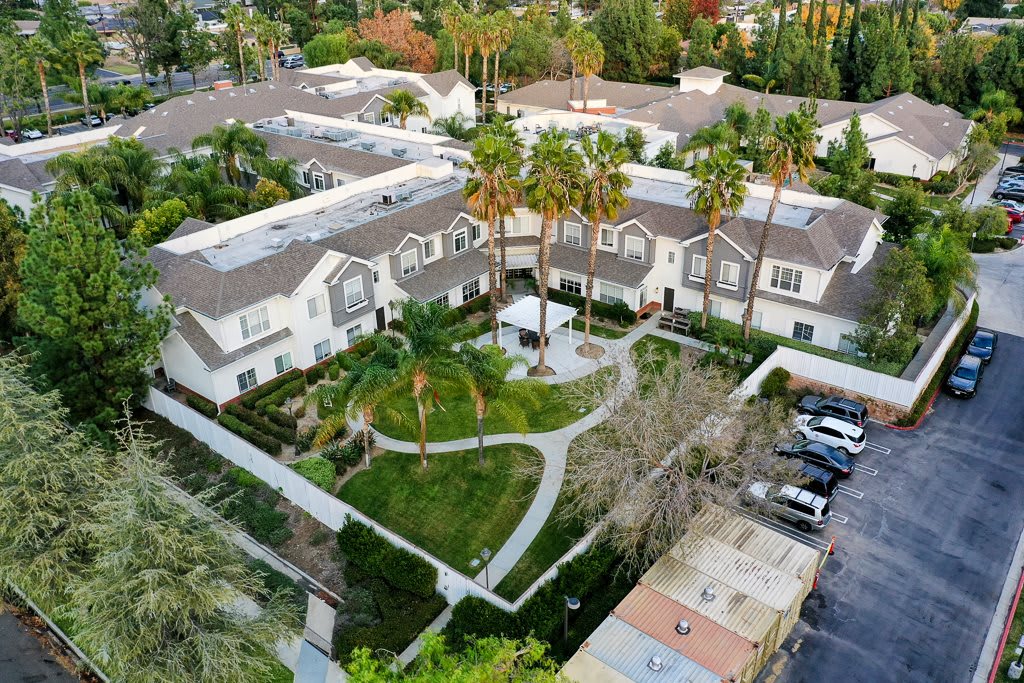
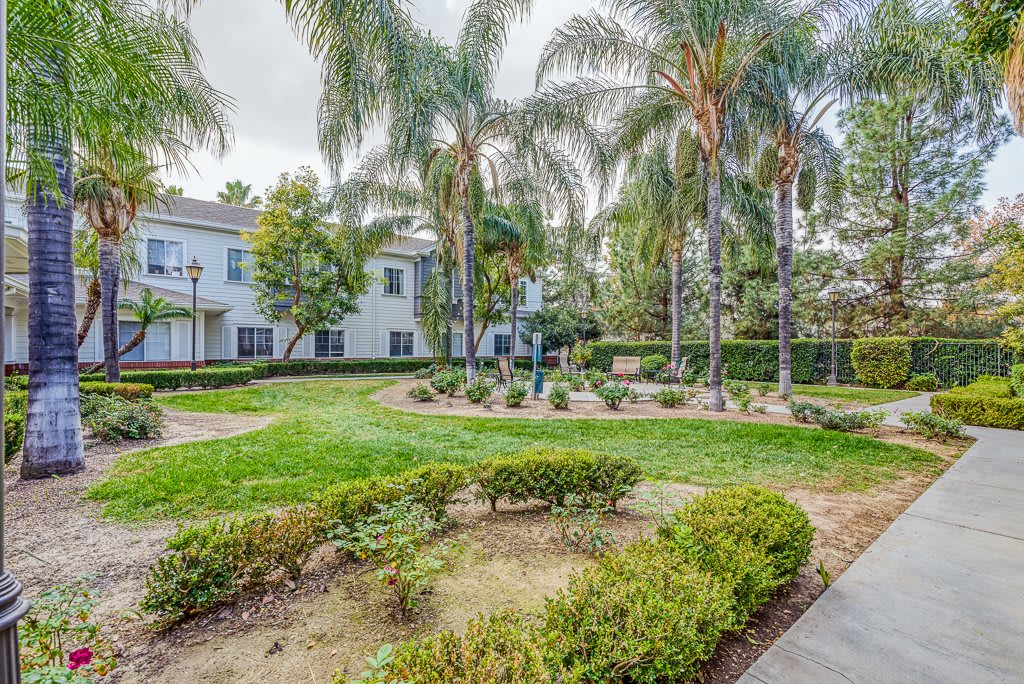
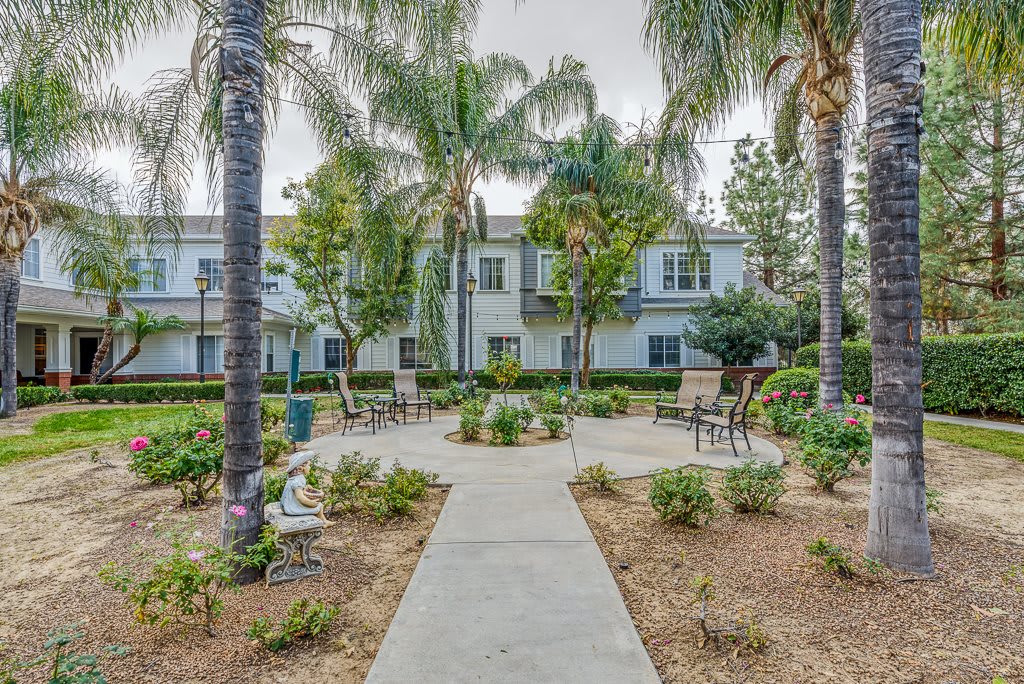
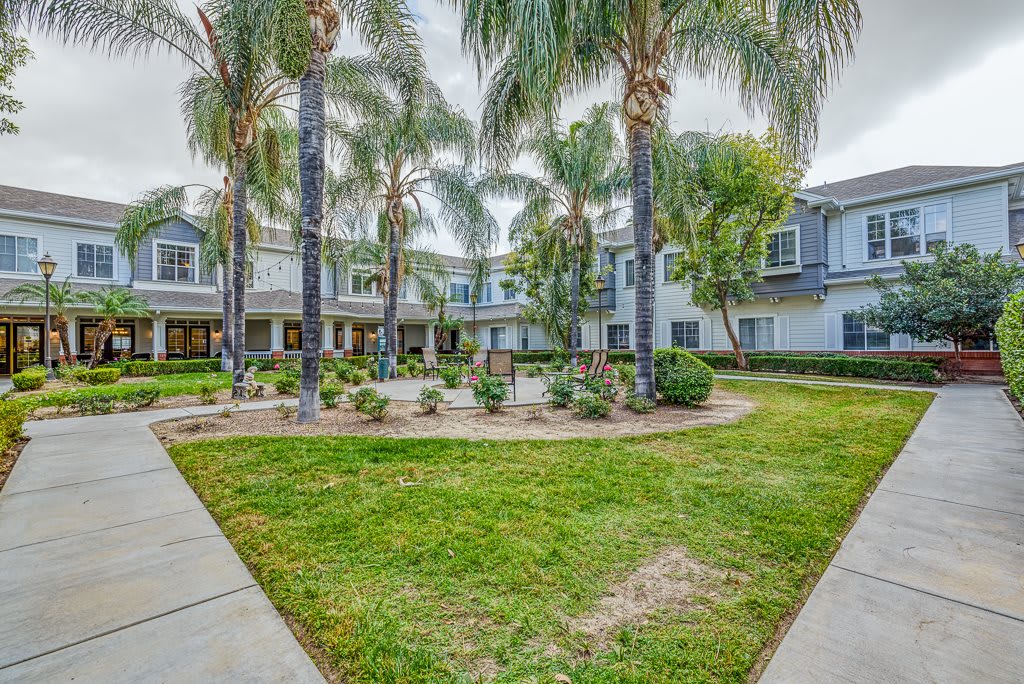
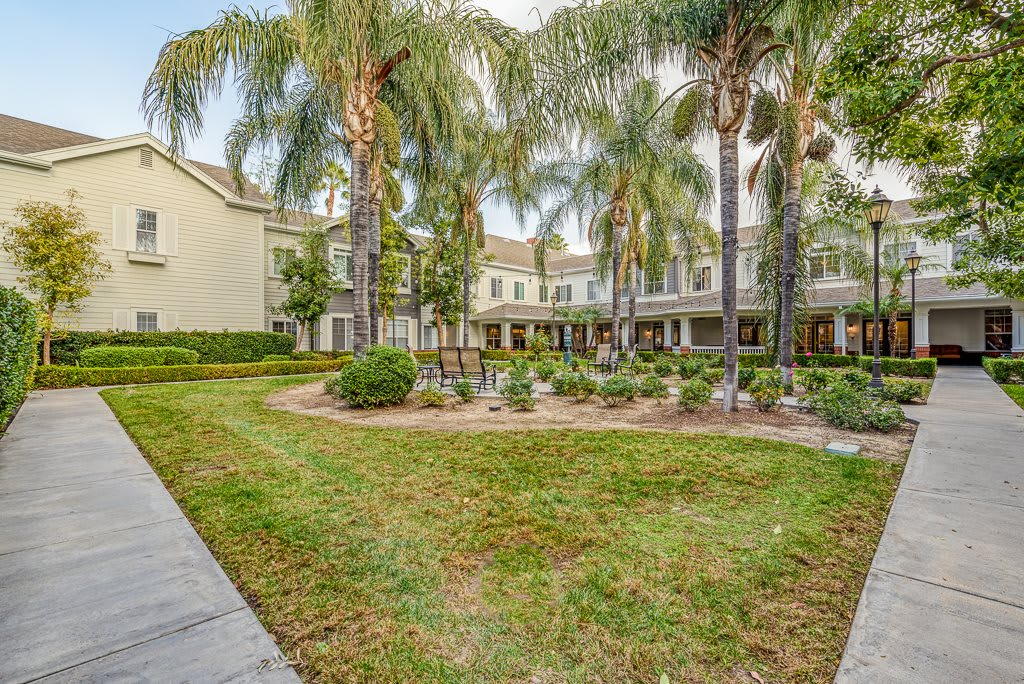
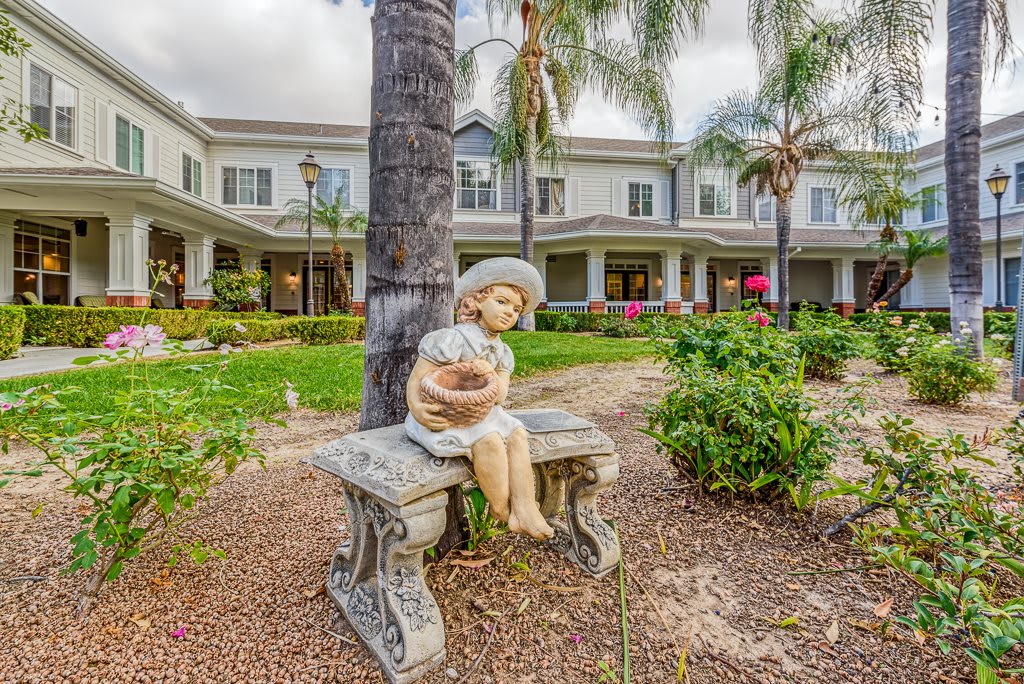
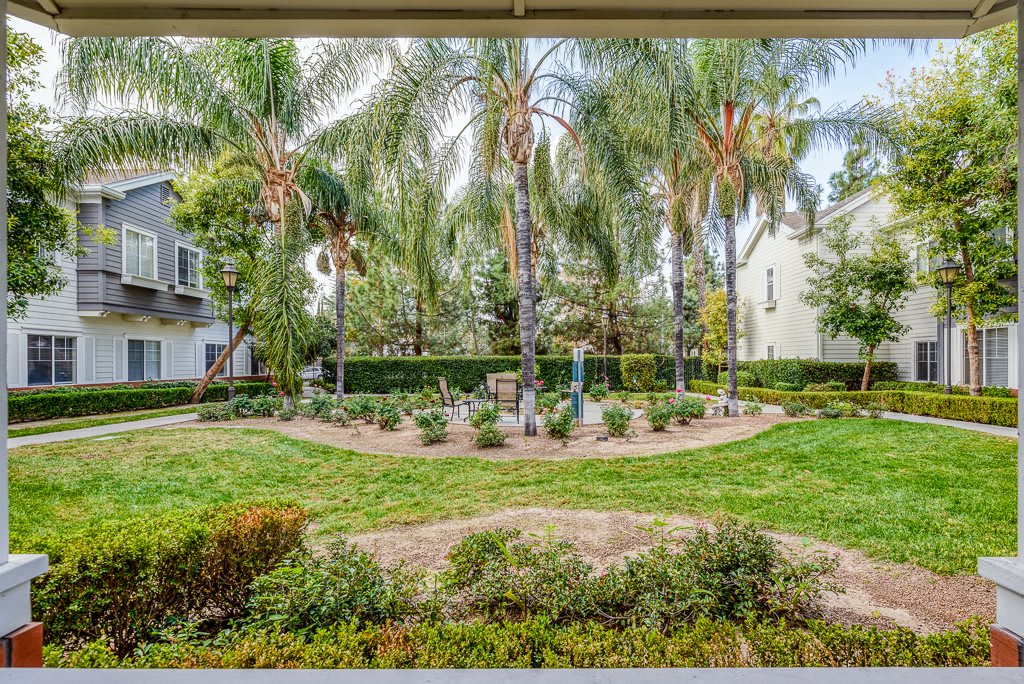
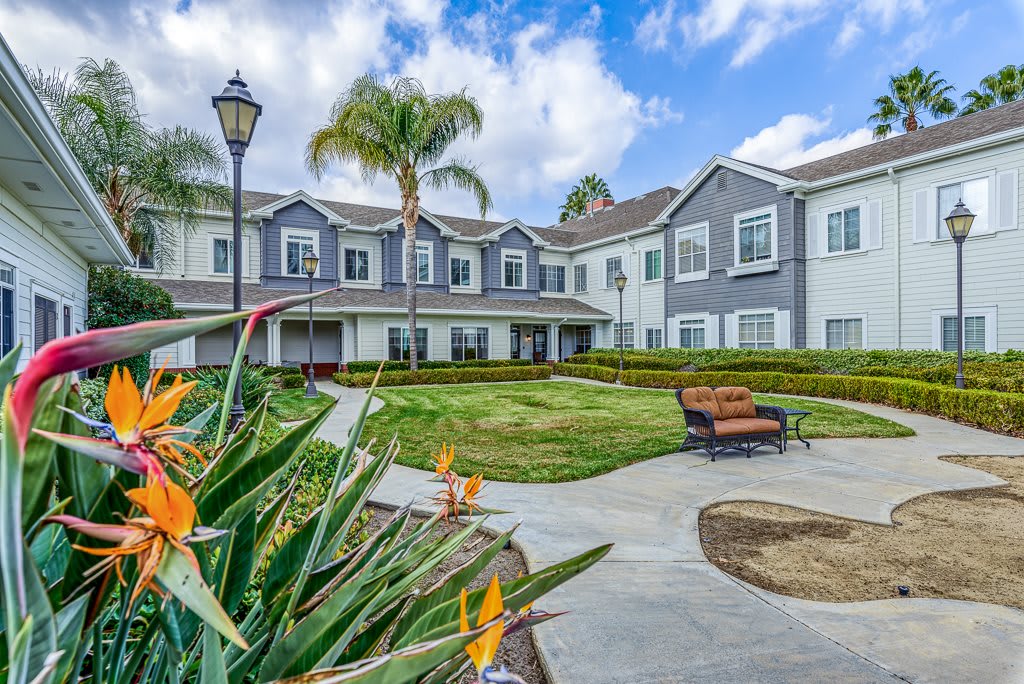
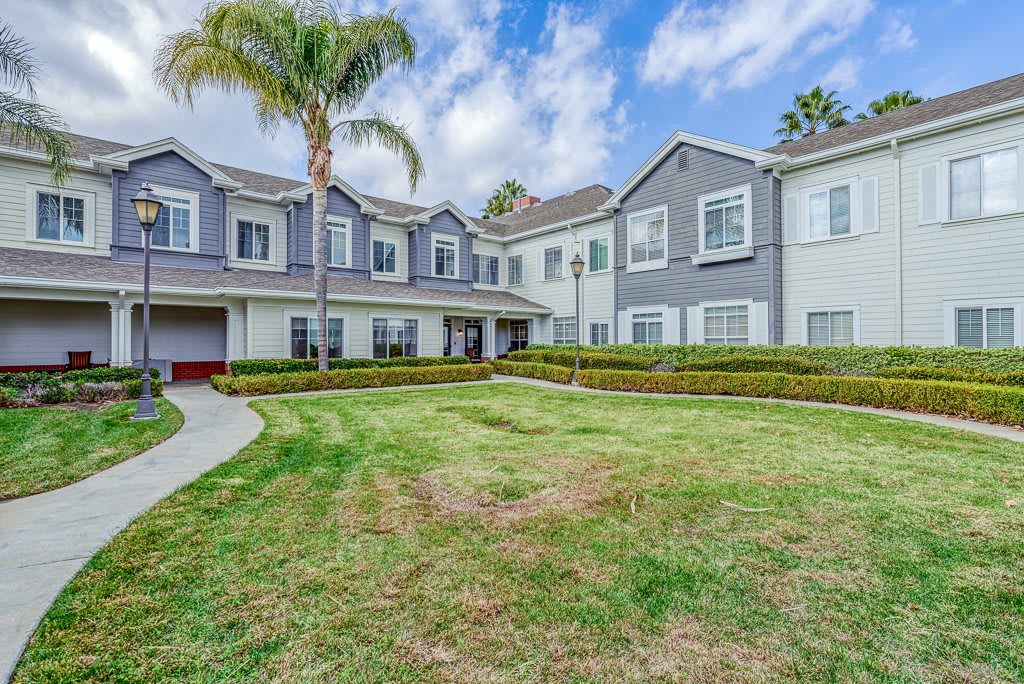
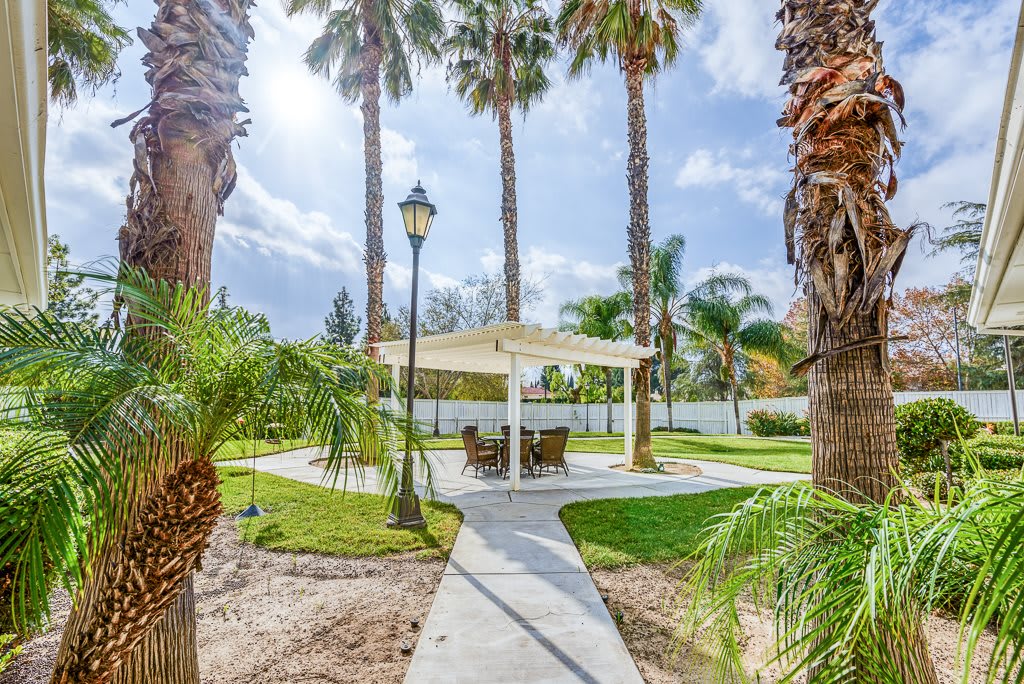
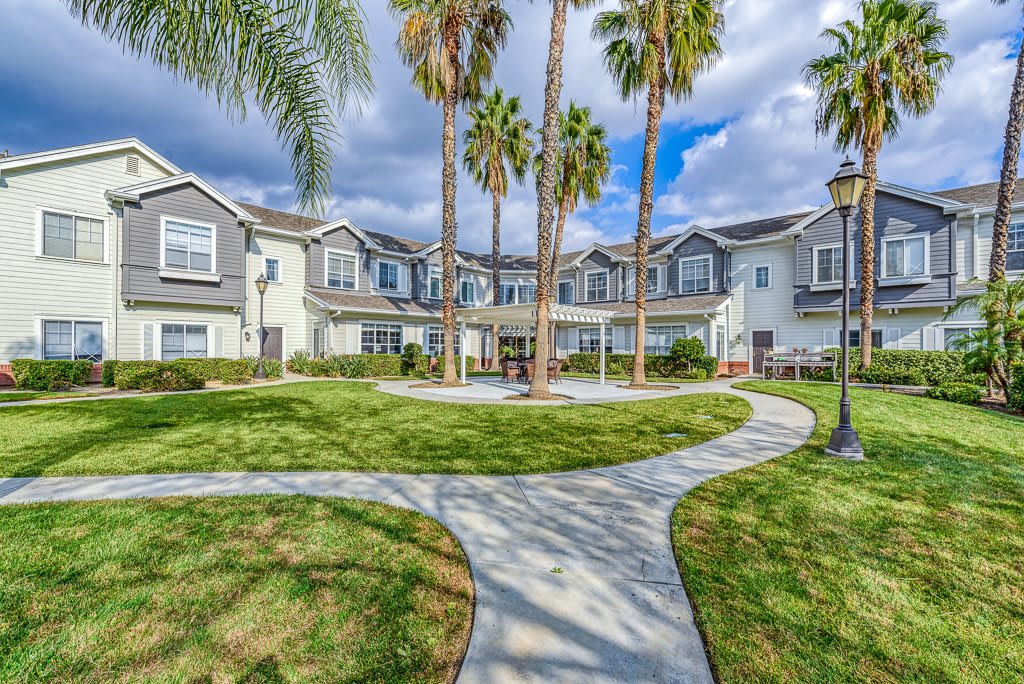
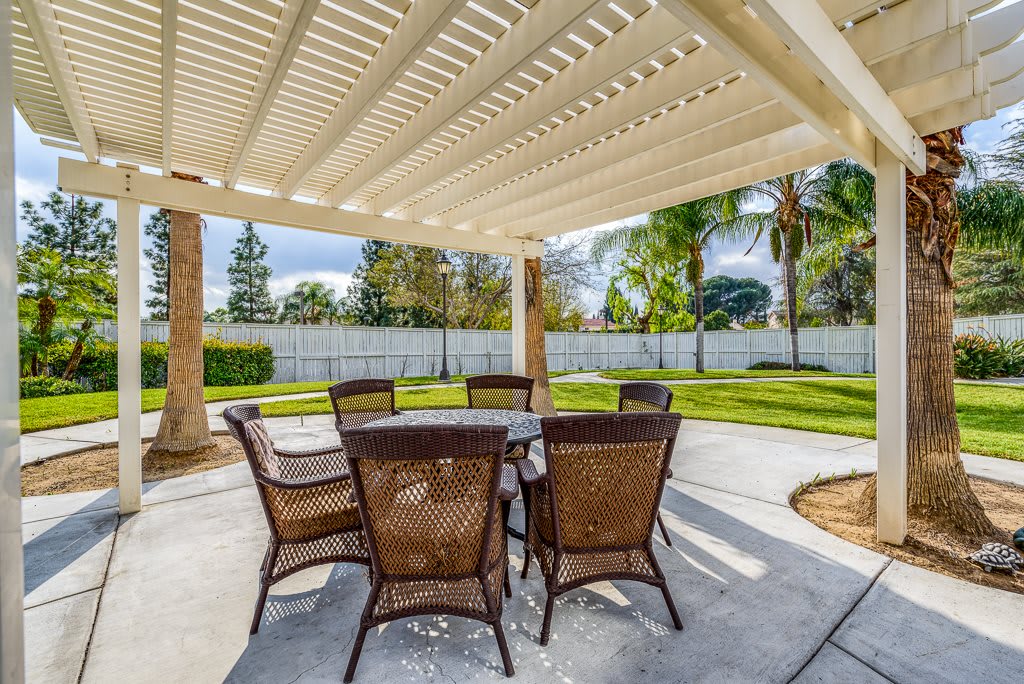
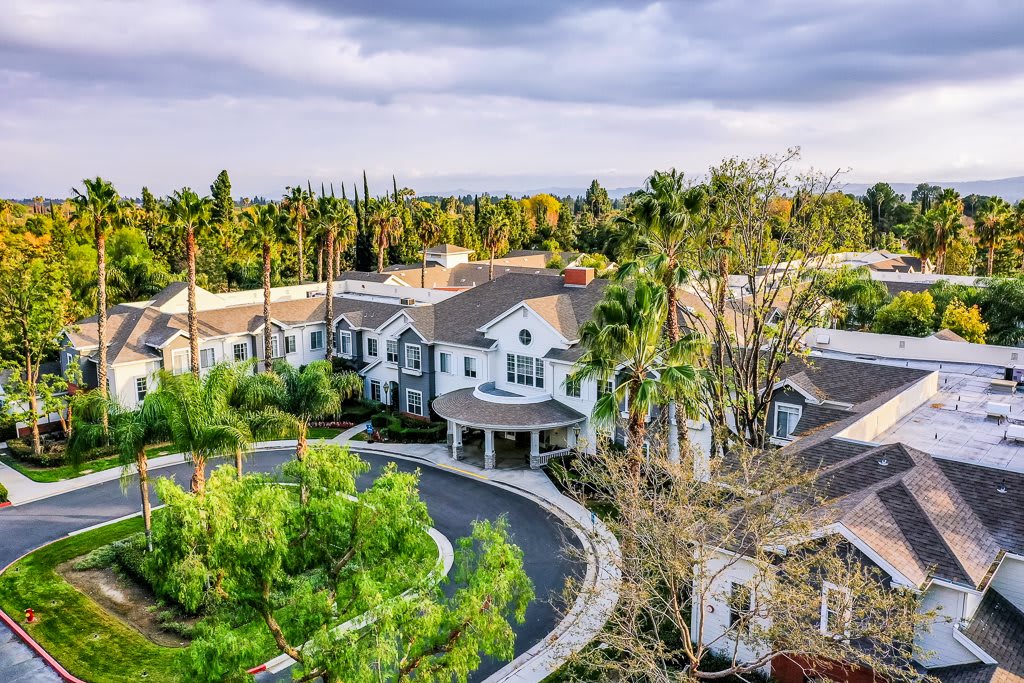
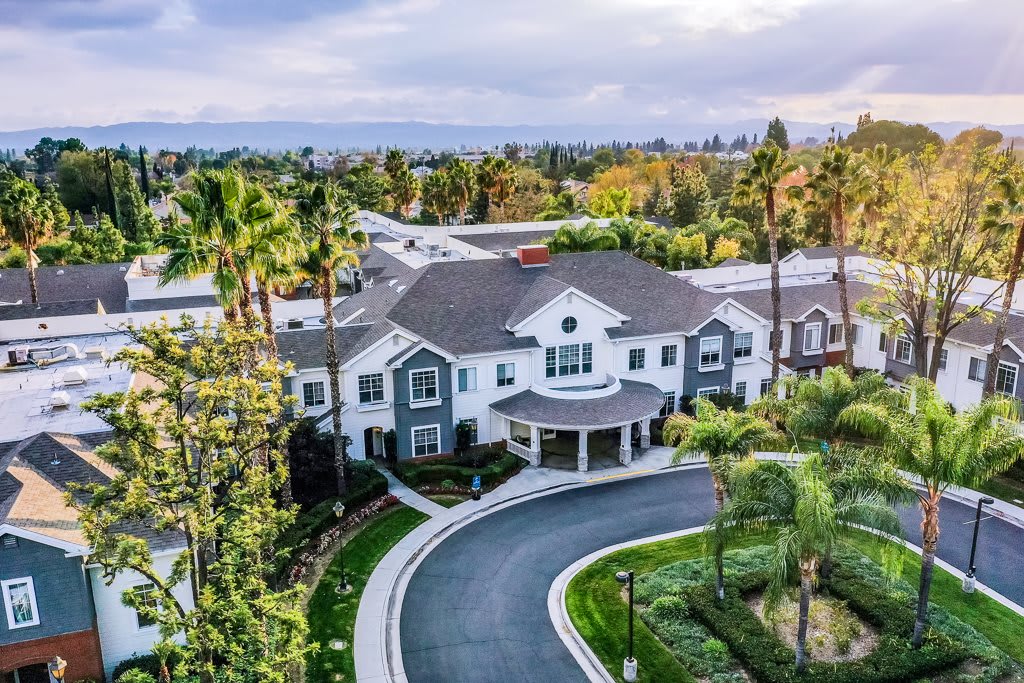
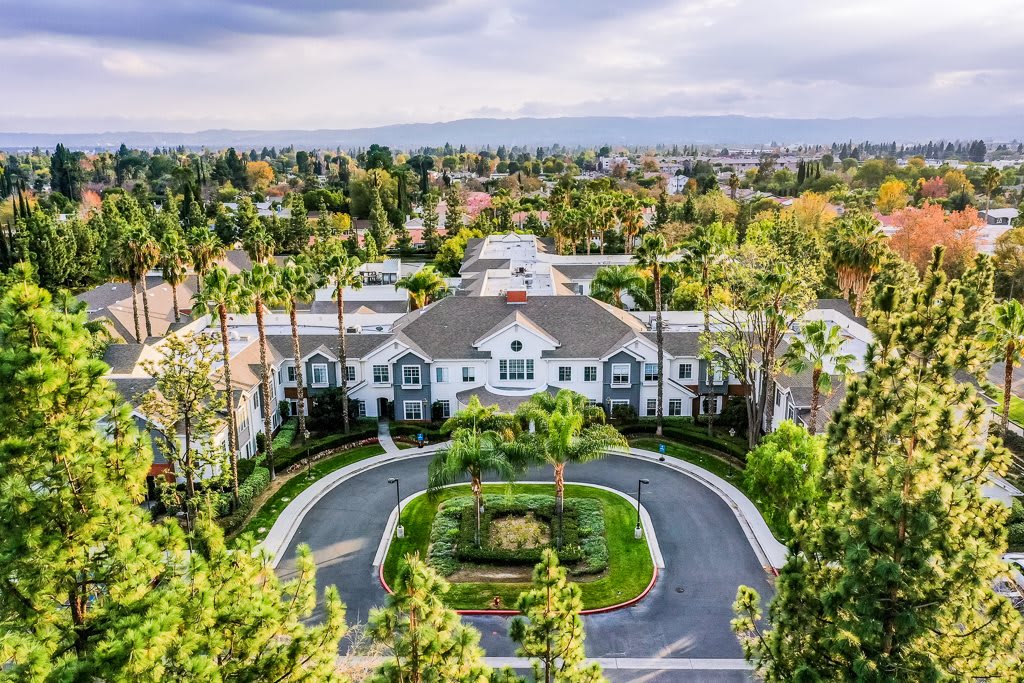
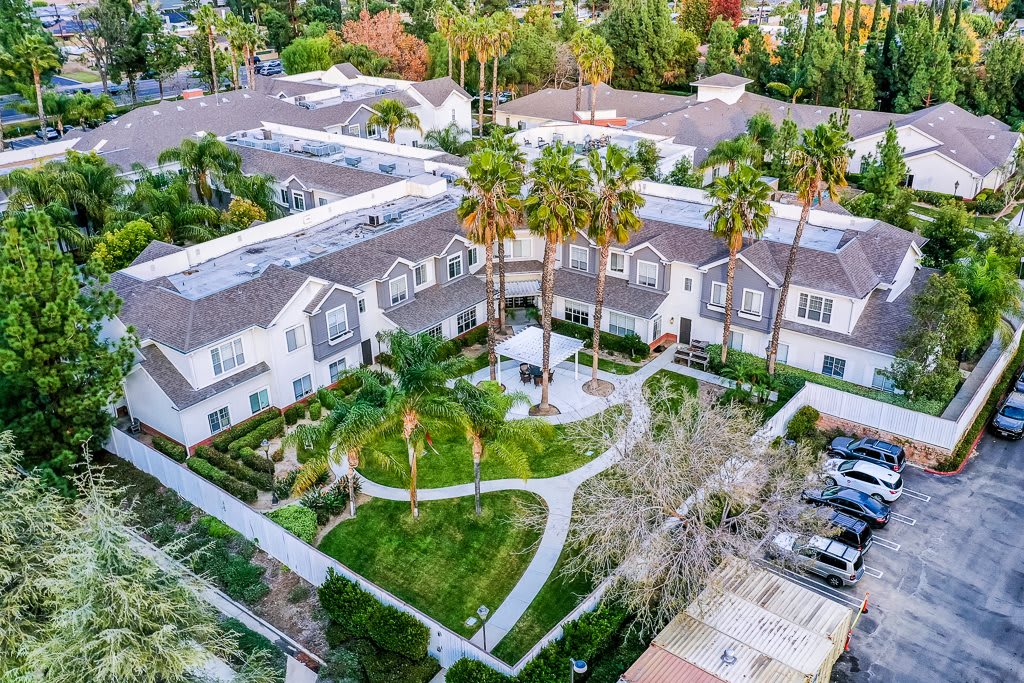
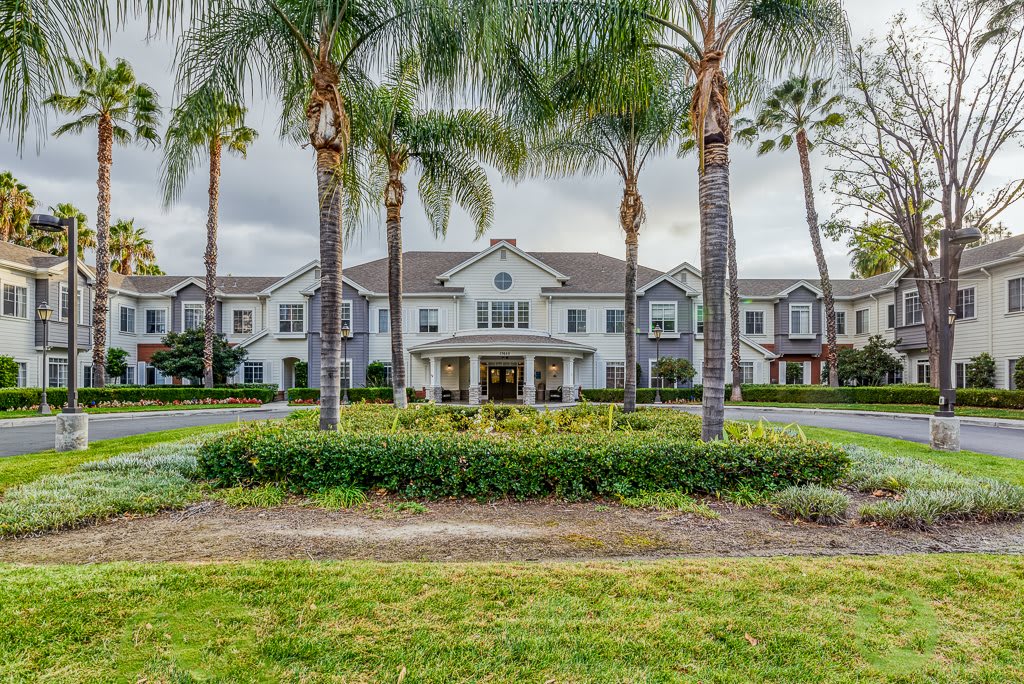
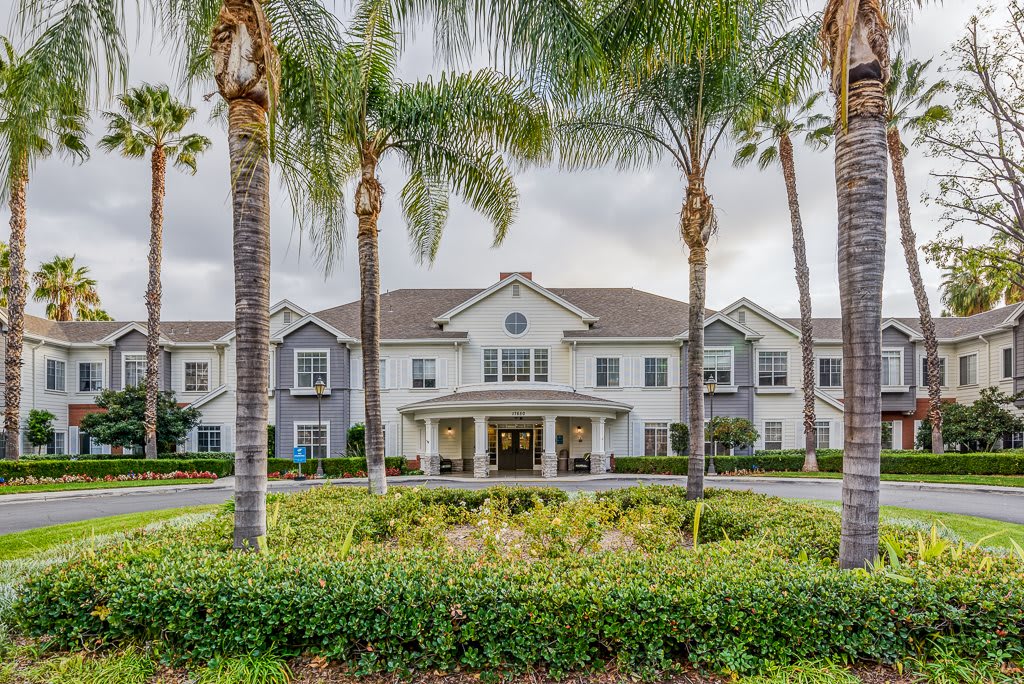
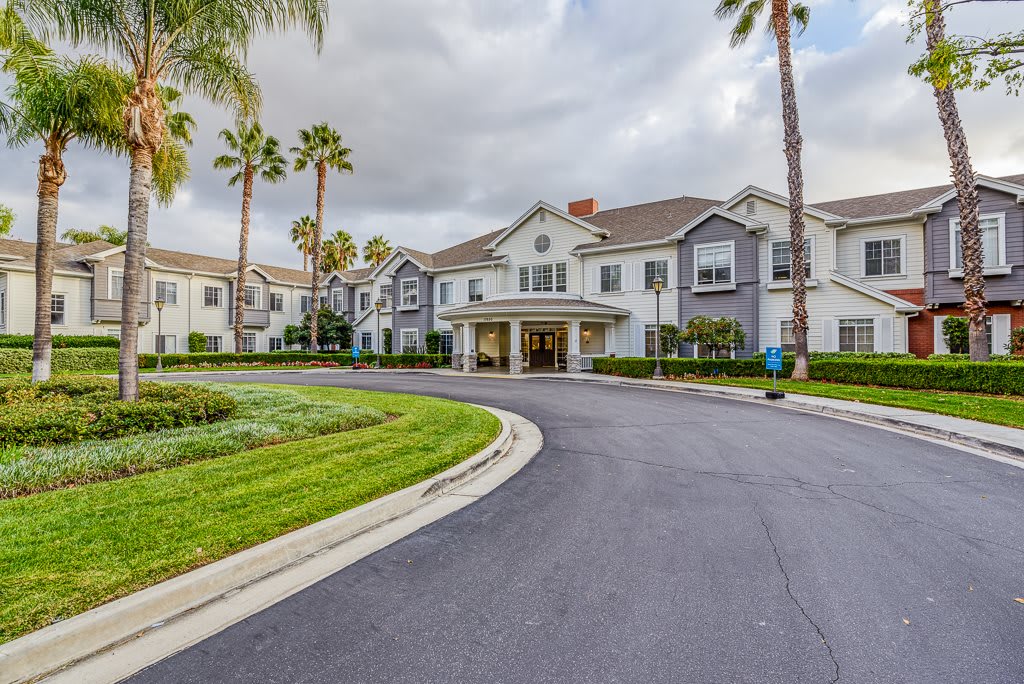
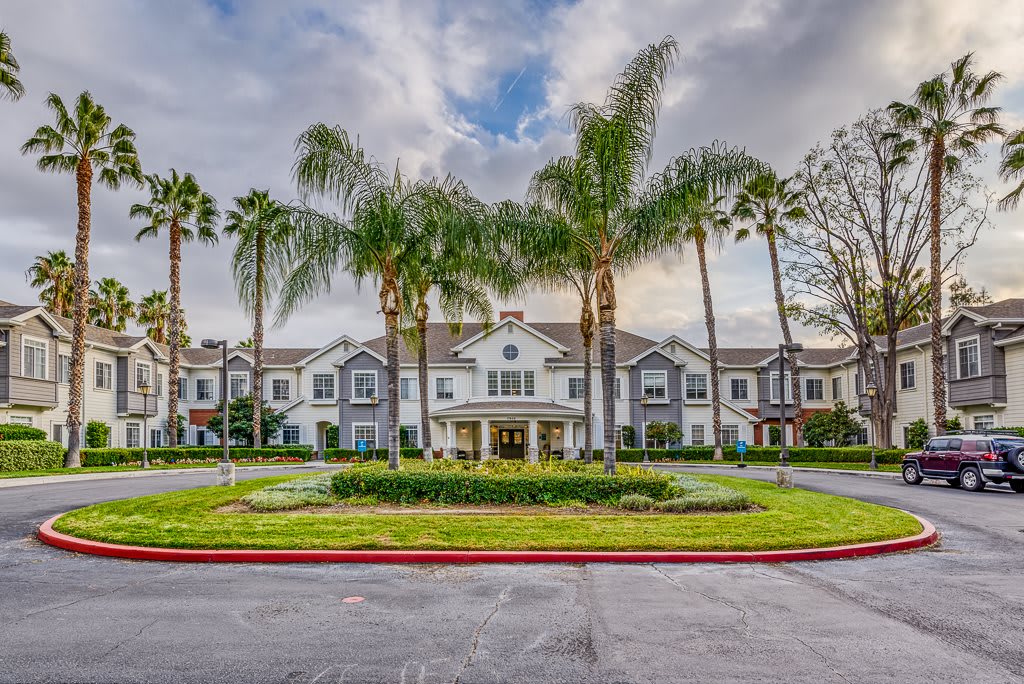
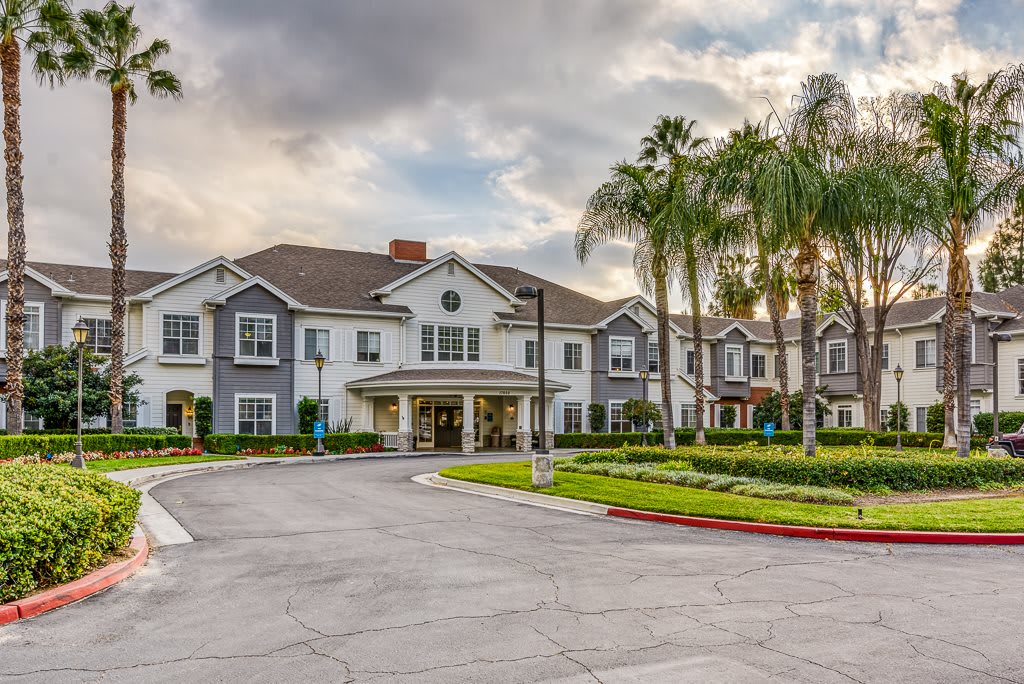
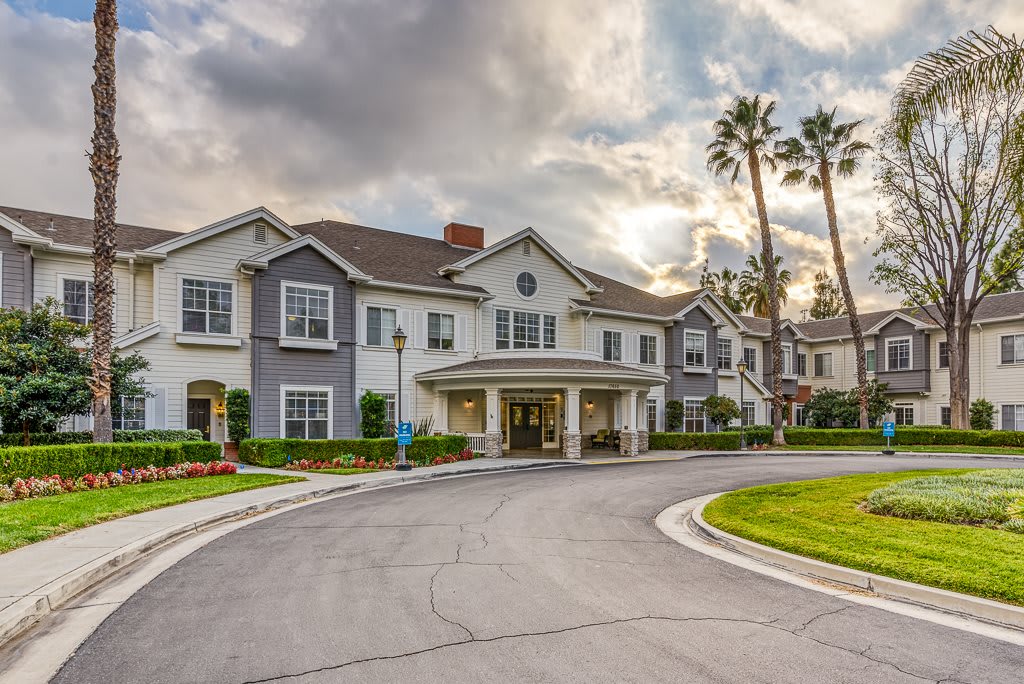
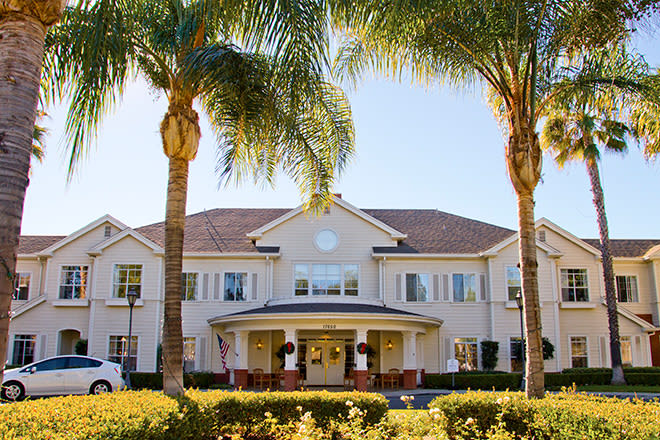
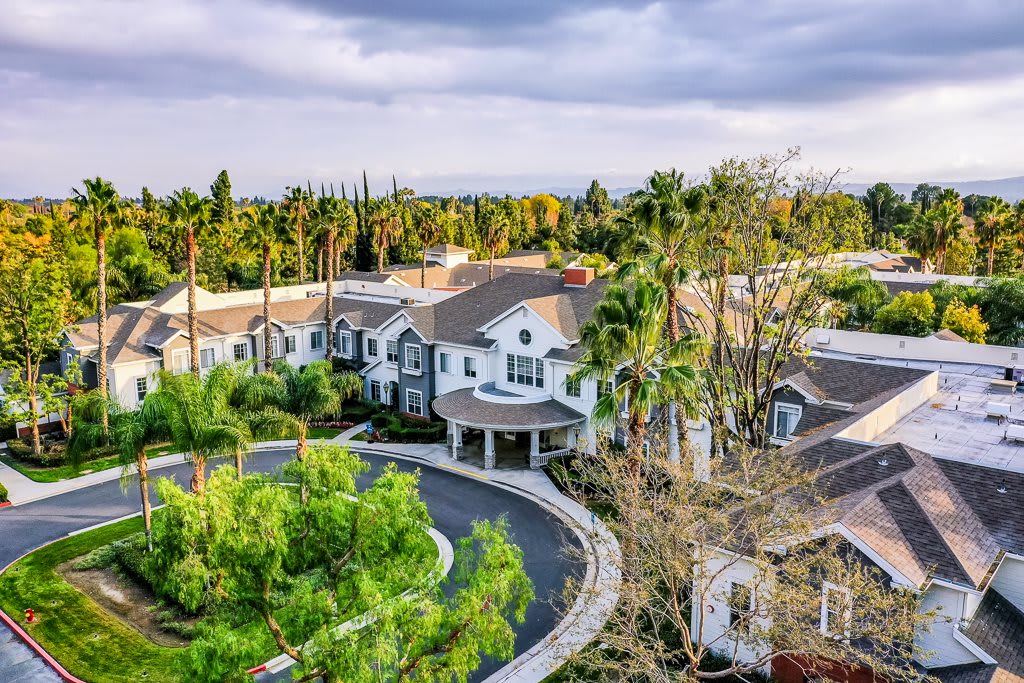
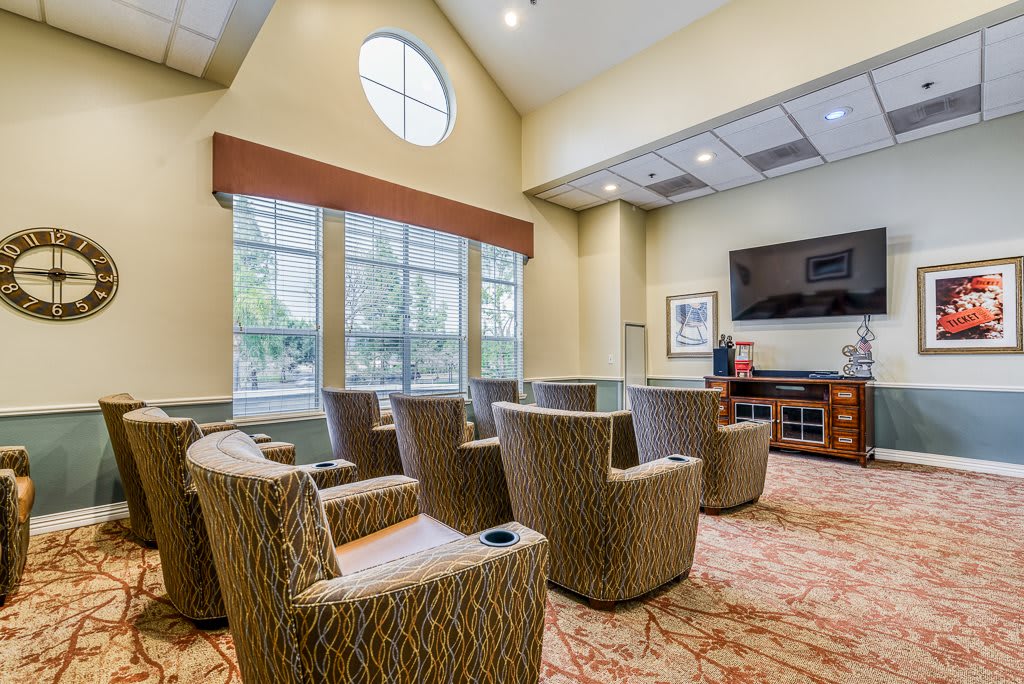
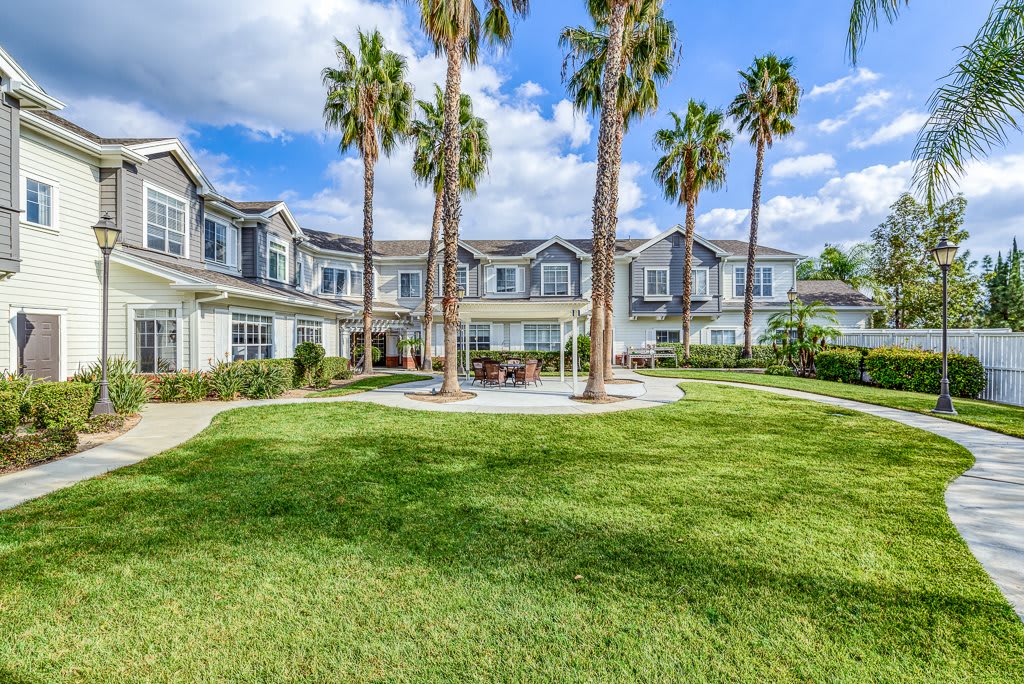
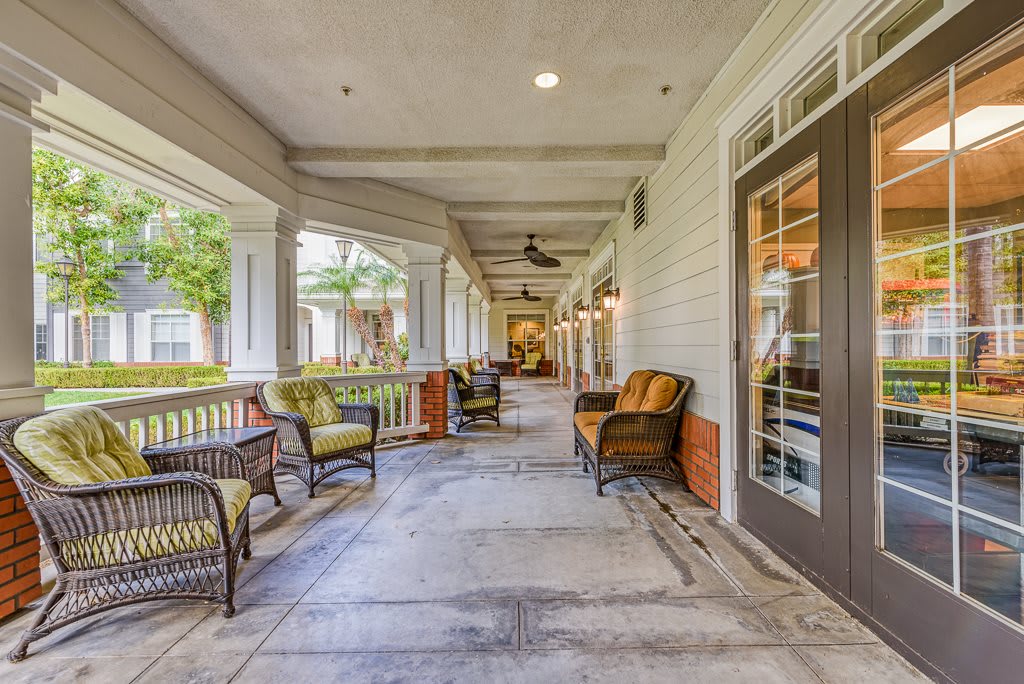
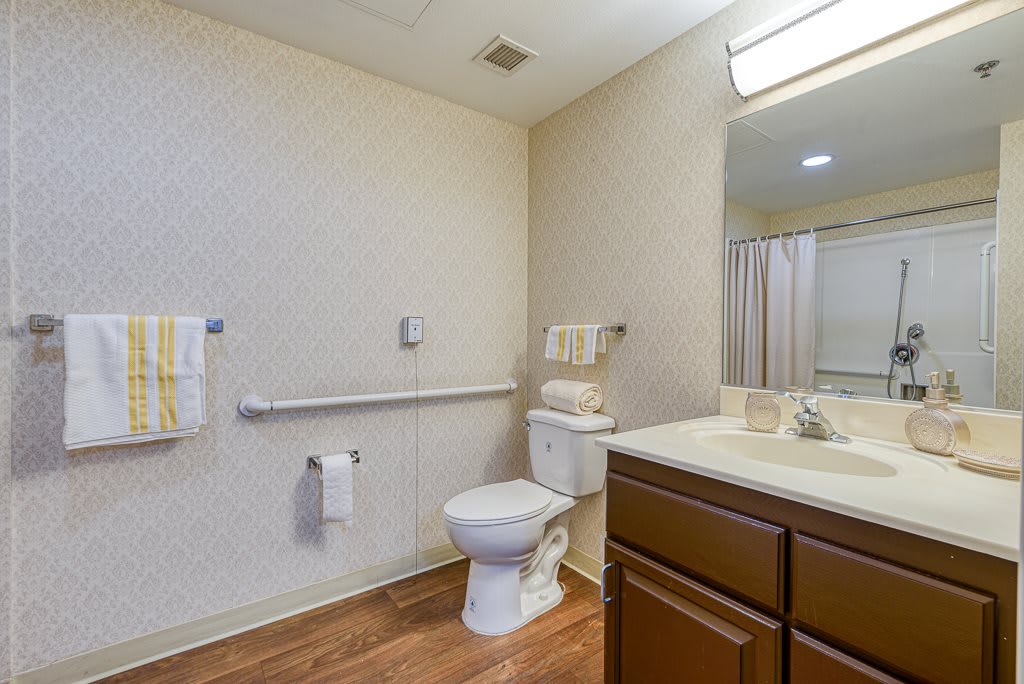
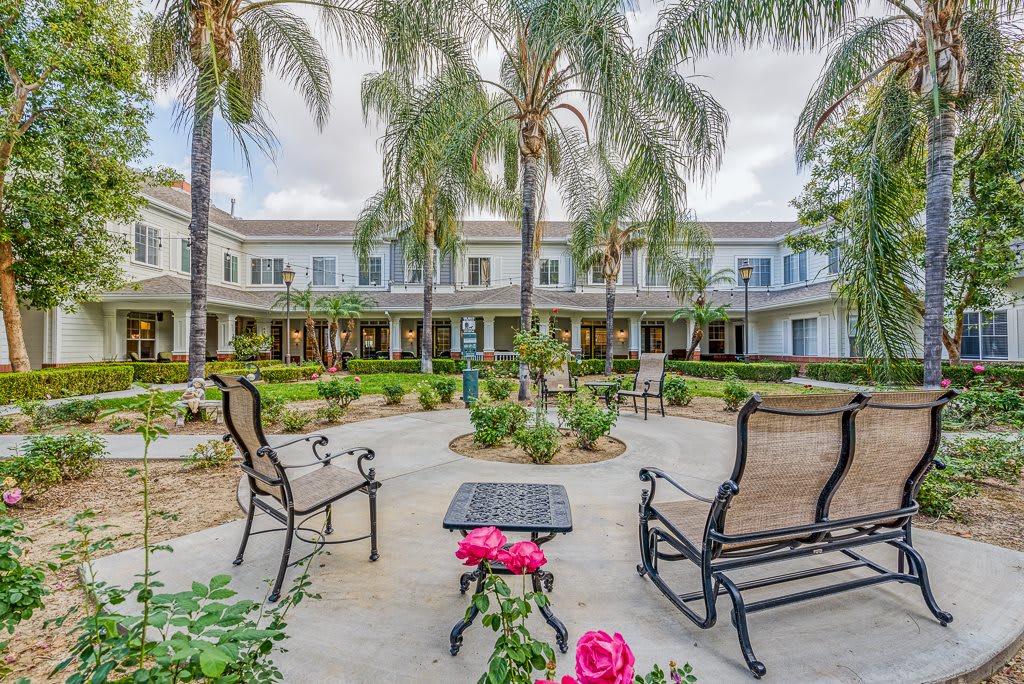
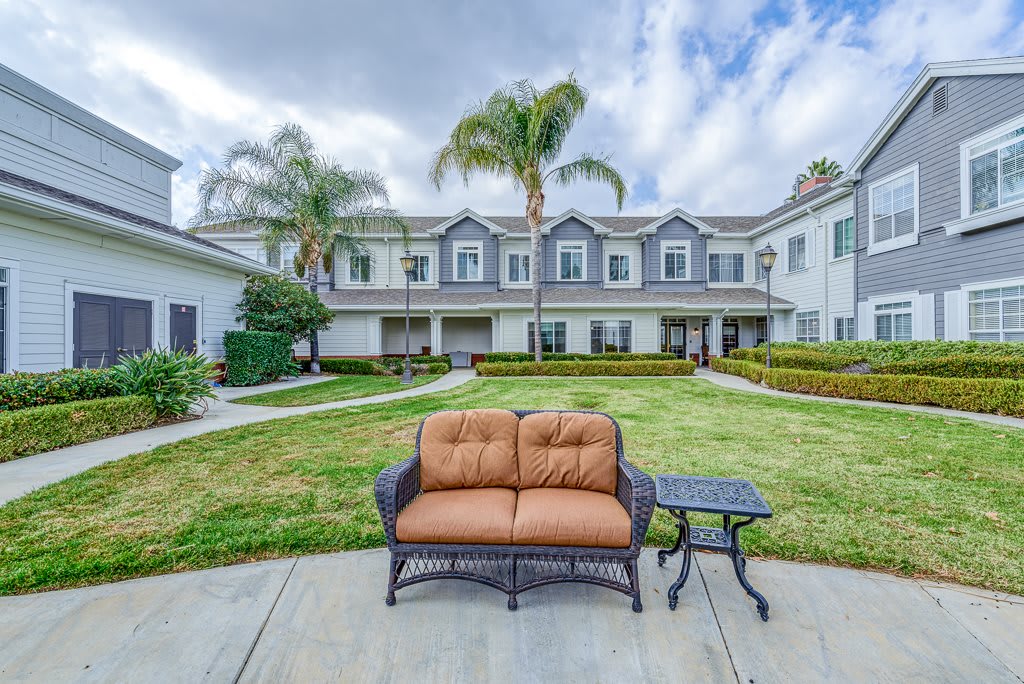
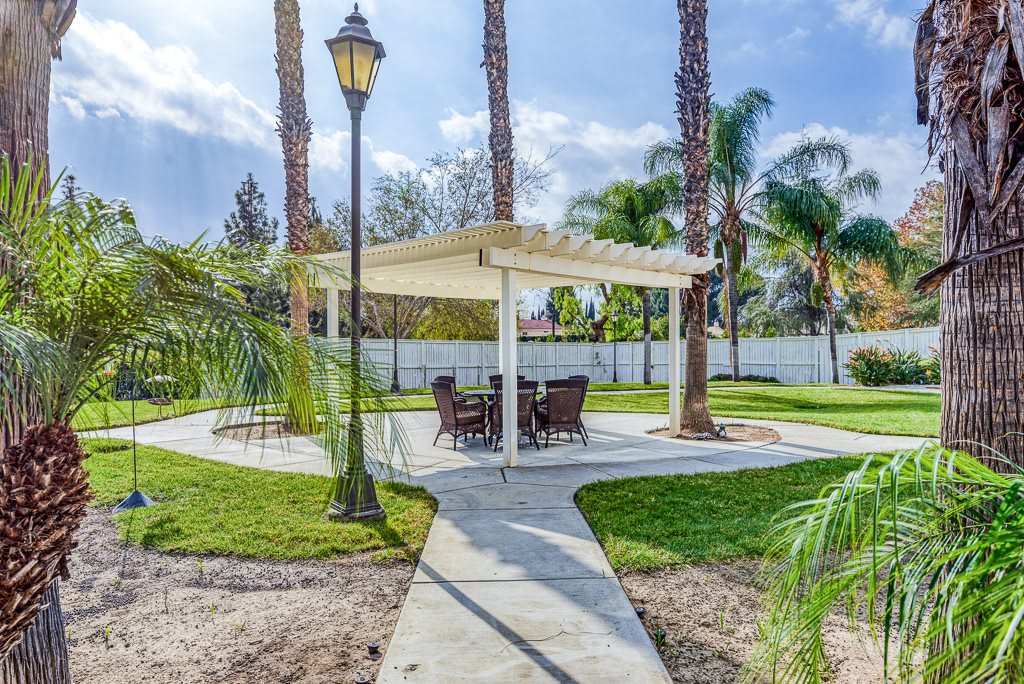
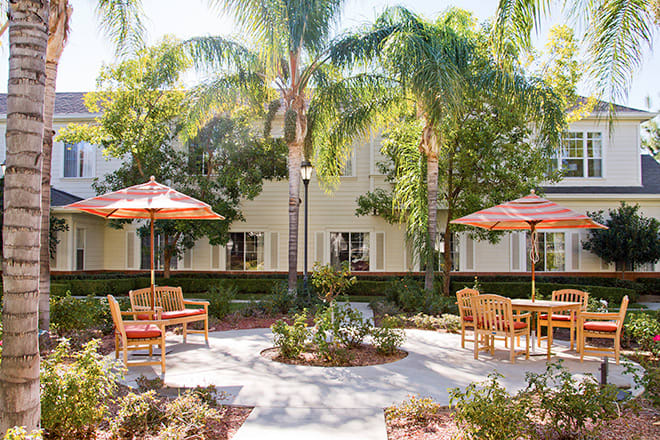
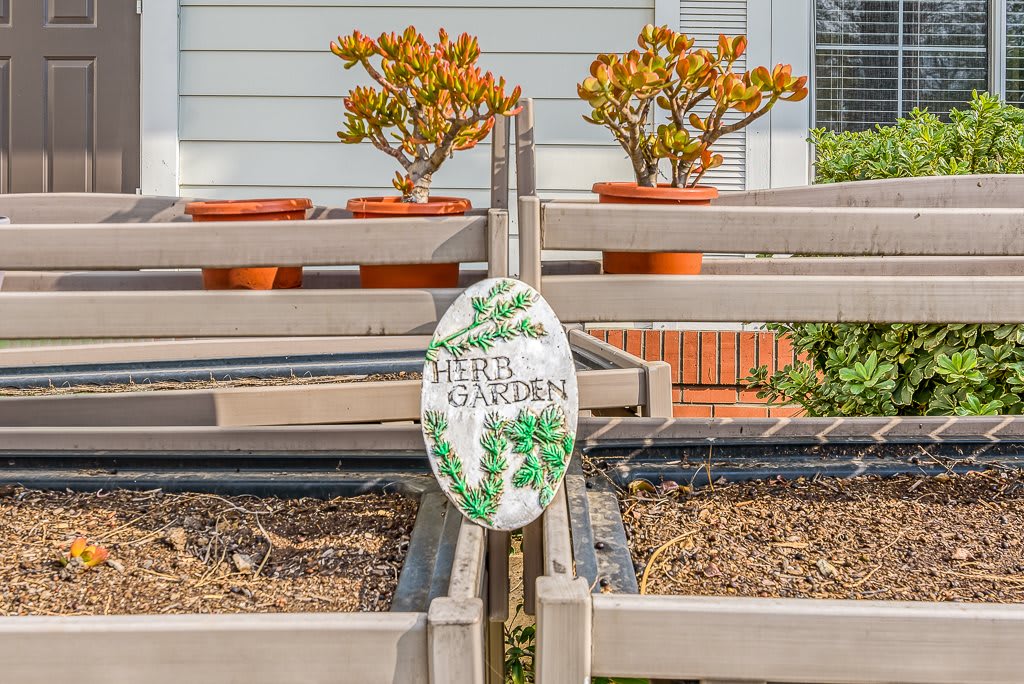
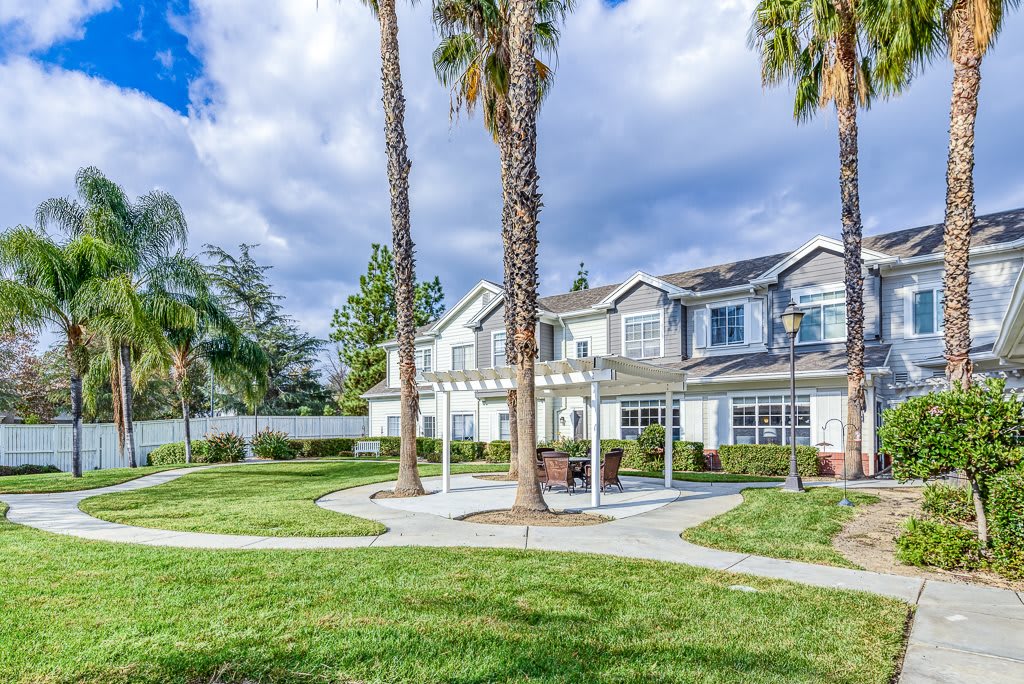
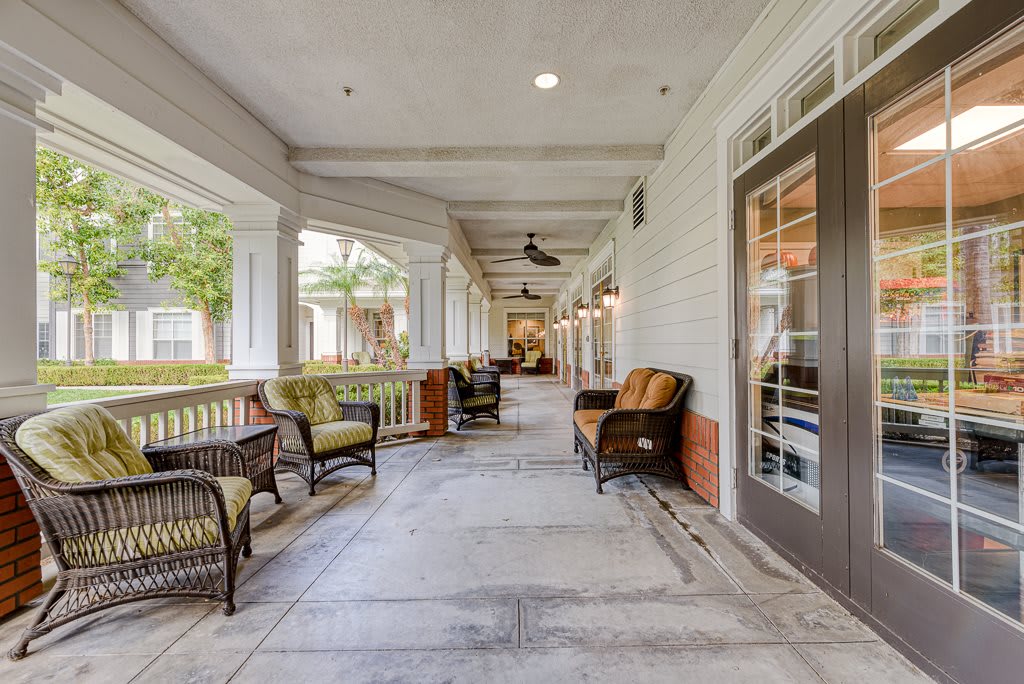
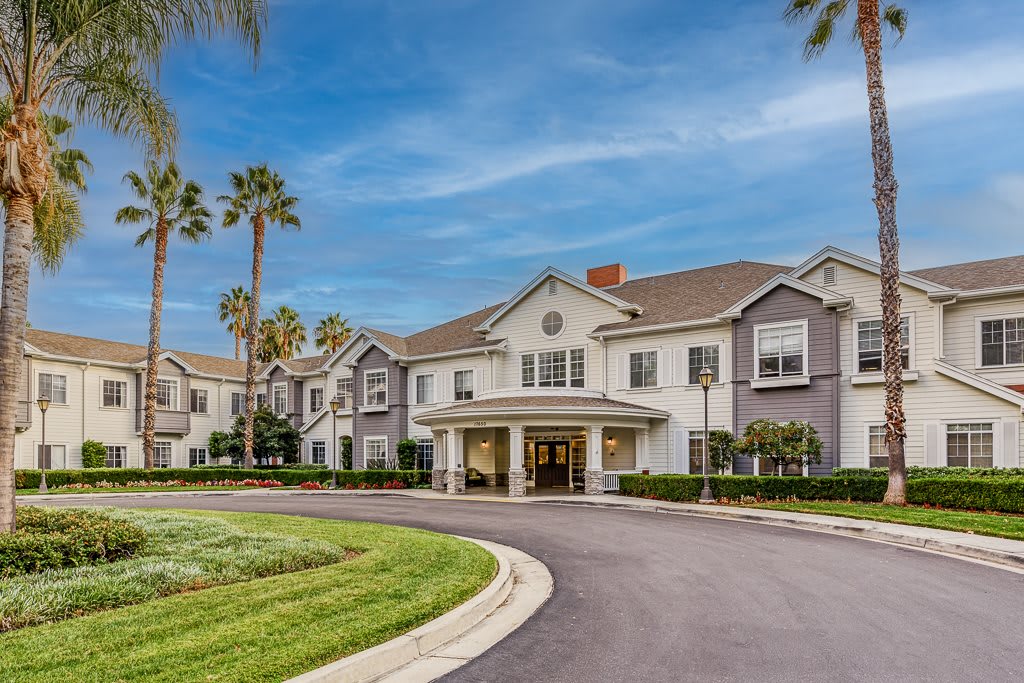
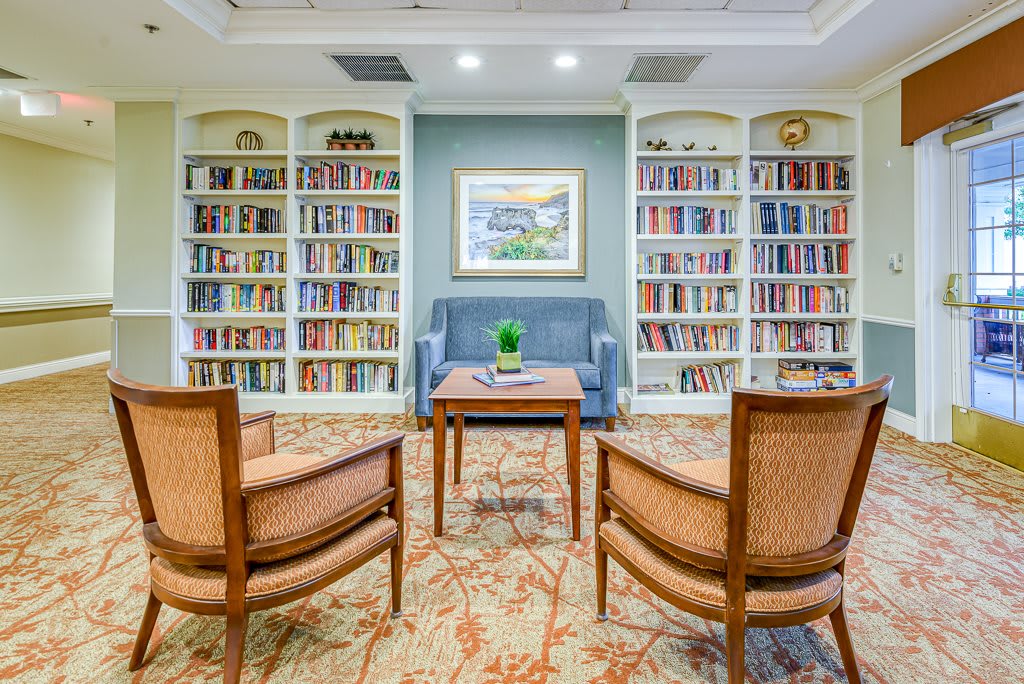
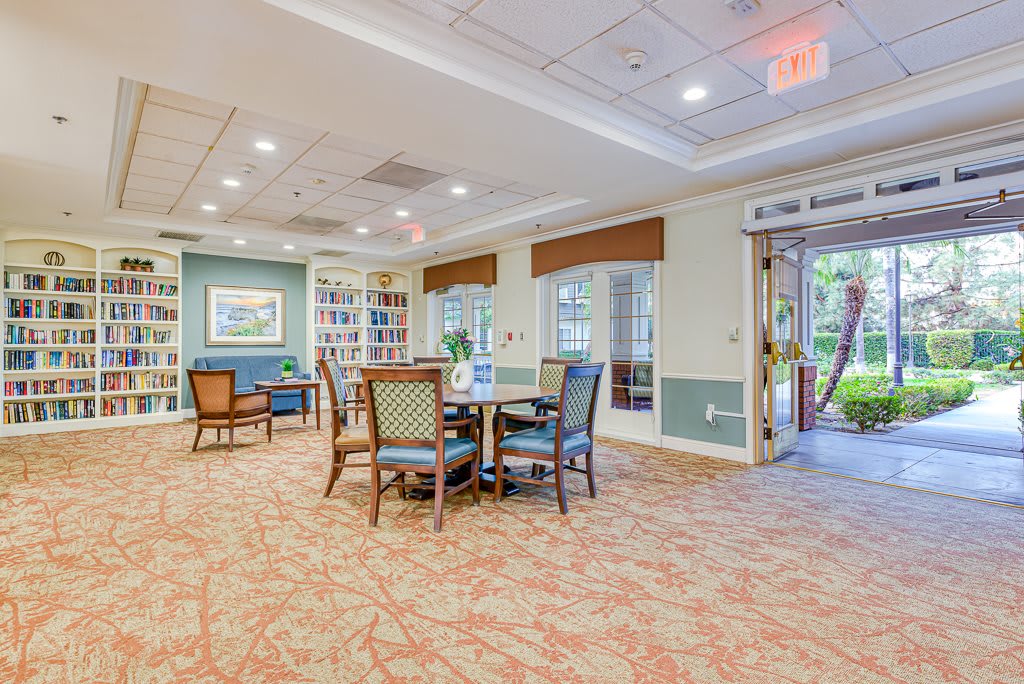
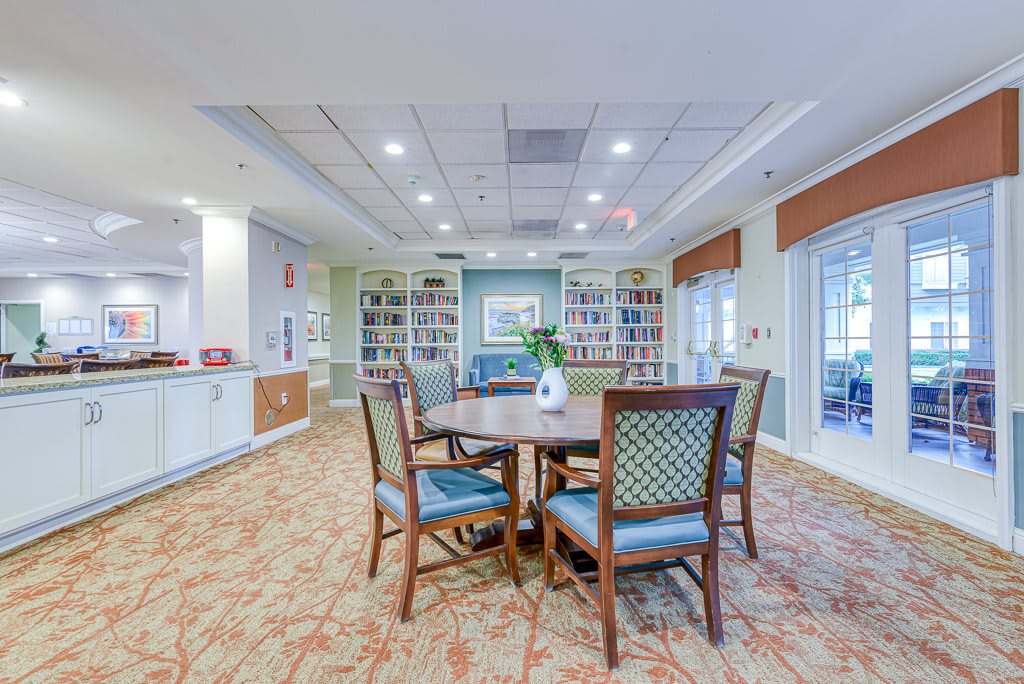
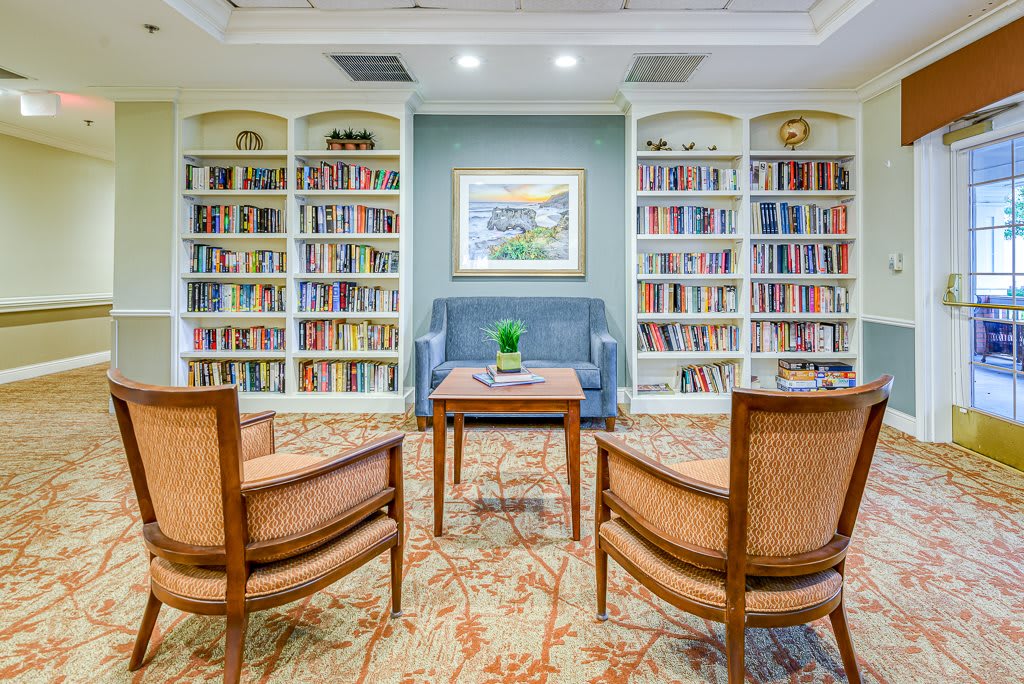
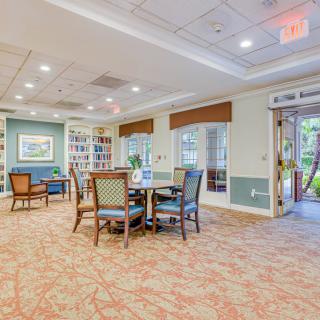
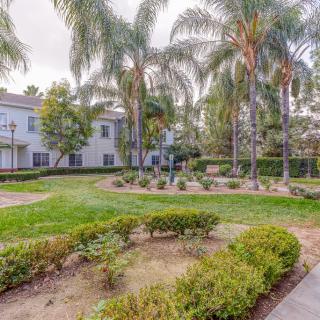
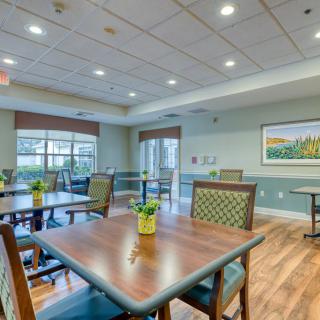
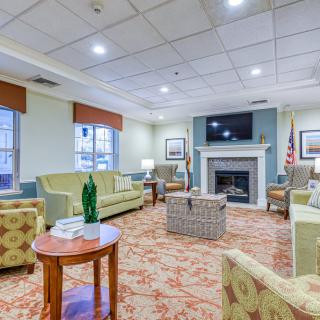
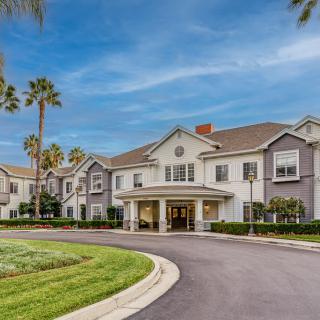
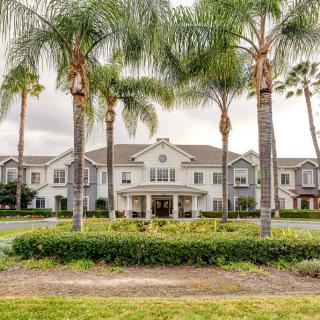
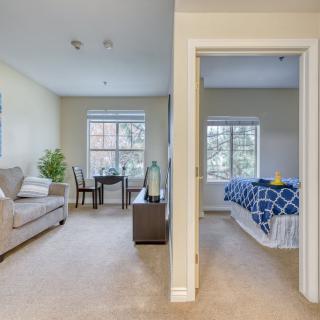
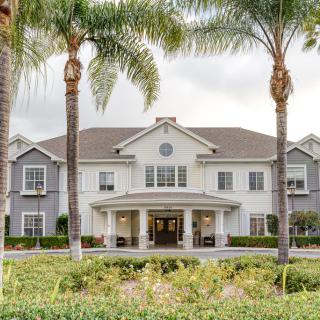
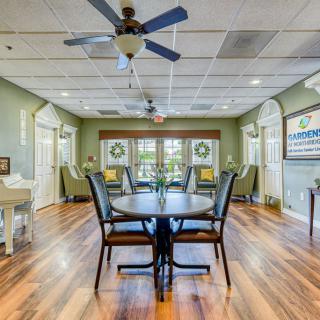
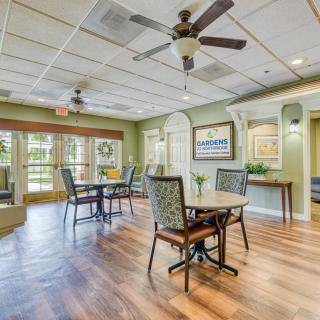
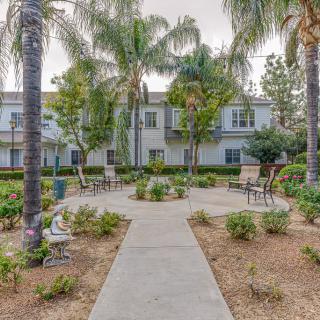
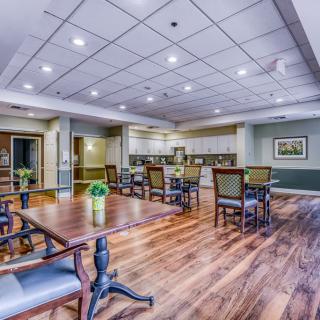
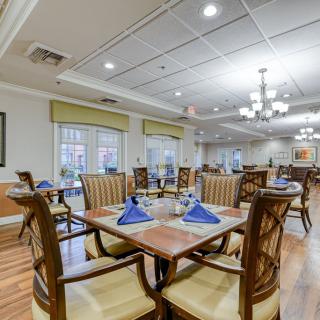
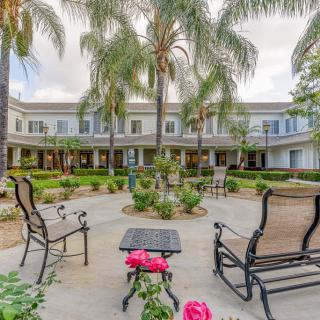
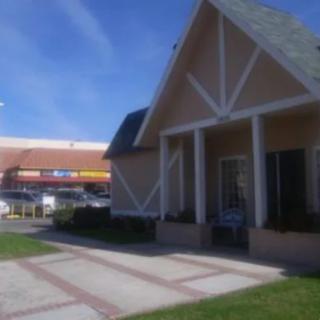
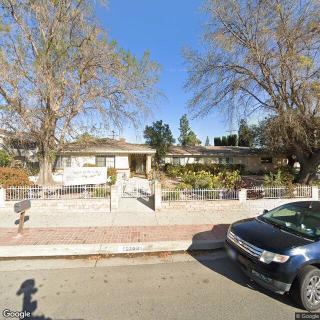
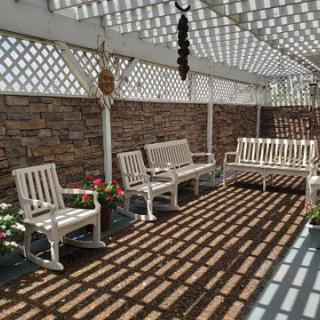
Gardens at Northridge on seniors.fyi includes 114 photos including images showing interior, landscaping, palm trees, windows, dining, building, decor, garden, and more.
Nearby Communities
Brookdale Northridge
Northridge, CA
4.3 from 32 reviews
Comprehensive care across multiple levels (assisted living, memory care, skilled nursing) with extensive on-site amenities and furnished private apartments.
Rose Senior Care #2
Northridge, CA
4 from 1 review
Intimate 6-resident community with comprehensive care and on-site amenities.
Palm Plaza Of Northridge
Northridge, CA
4.5 from 103 reviews
Extensive amenities and comprehensive care services.
Devonshire Elderly Care
Northridge, CA
4.5 from 2 reviews
Caring family-run staff with a safe, well-maintained environment.
Emerald Estate Senior Care
Granada Hills, CA
5 from 31 reviews
Personalized, comprehensive care with tailored meals and transportation coordination.
Saraf's Paradise Board Care
Northridge, CA
5 from 7 reviews
$2,500 to $3,000 / month
Competitive pricing with memory care focus and private-room options.
Casitas Care Center
Granada Hills, CA
3.1 from 47 reviews
Friendly staff and engaging activities with extensive on-site amenities.
Angels of the Valley Board & Care
Northridge, CA
4.9 from 8 reviews
$3,000 to $9,548 / month
Quality meals and friendly, reliable staff in a clean, well-maintained setting.
Dementia causes cognitive decline and challenging behaviors that caregivers must manage, necessitating an understanding of the neurological basis of these issues. Effective strategies and self-care for caregivers can enhance support for those with dementia and improve their daily lives.
The content outlines five key early indicators of dementia, including significant memory loss and confusion about time and place, while emphasizing the need for professional evaluation and emotional support for both individuals showing symptoms and their caregivers. It encourages family members to monitor these signs closely and use online quizzes for initial awareness.
The article highlights eight indicators that a loved one with dementia may require specialized memory care, emphasizing the emotional and logistical challenges families encounter in this decision. It discusses signs such as difficulties with daily tasks, safety concerns, and caregiver burnout, suggesting that memory care facilities can provide the necessary support and structured environments for those experiencing cognitive decline.
Get PricingAsk A QuestionSchedule A TourContact Senior Advisor
By clicking submit, you agree to our Partner's Terms of Use. You
also consent to receive calls and texts, which may be autodialed, from our Partner. Your consent is not a condition to
using our Partner's service. Please visit our Partner's Privacy Policy for information about their privacy practices.

 1-bedroom apartments
 Assisted Living
 Memory Care
 Skilled Nursing Facility
 Cats allowed
 Dogs allowed
 Activities off-site
 Air-conditioning
 Beautician on-site
 Cable or satellite TV
 Devotional services off-site
 Dining room
 Full kitchen
 Fully furnished
 Garden
 Ground floor units
 Handicap accessible
 Housekeeping services
 Indoor common areas
 Move-in coordination
 Outdoor common areas
 Party space
 Resident parking
 Respite or short term stays offered
 Security gate
 Spa
Spa Wheelchair accessible showers
 Wi-Fi/high-speed internet available
 Burbank-Glendale-Pasadena (10 miles away)
 Transportation & parking
 24-hour supervision
 Assistance with bathing
 Assistance with dressing
 Assistance with transfers
 Diabetes diet
 Diabetic care
 High acuity care
 Incontinence care
 Meal preparation and service
 Medication management
 Mental wellness program
 Special dietary restrictions
 Art classes
 Catholic services
 Cooking classes
 Educational speakers / life long learning
 Fitness programs
 Jewish services
 English
 Comprehensive care across multiple levels (assisted living, memory care, skilled nursing) with extensive on-site amenities and furnished private apartments.
 Dementia Behaviors: In-Depth Understanding and Effective Coping Strategies
 5 Early Indicators of Dementia and What You Can Do
 8 Important Indicators That Memory Care May Be Necessary