
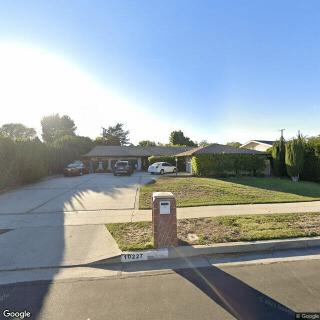
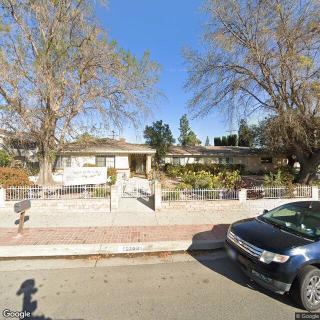
17611 Tuba Street, Northridge, CA 91325
For more information about senior living options: (866) 208-4318
Overall Review of Rose Senior Care #2
Pros
 Rose Senior Care is one of the better board-and-care facilities.
- It is a family-run business, and the owner seems to take an interest in residents’ well-being.
- It is better than average.
Cons
 It's not perfect by any means.
Review
Rose Senior Care #2 in Northridge is best suited for families seeking a tight-knit, home-like board-and-care setting where the operation is run by a family and the owner visibly takes responsibility for residents’ welfare. It works for seniors who can function with light daily assistance, regular meals, and steady supervision, yet still want a setting that feels personal and approachable rather than institutional. Prospective residents should value consistent, hands-on involvement from the owner and a community that treats residents as individuals rather than just occupants. It is a solid fit for those who don’t demand round-the-clock clinical care but want dependable daily oversight.
Alternatives are worth considering for anyone whose loved one needs more intensive medical support, constant monitoring, or a broader array of structured activities and amenities. If a fully hands-off, facility-wide caregiving model is essential, or if robust clinical staff, memory care specialization, or a larger staff roster is non-negotiable, a bigger assisted-living community may serve better. Families seeking formal care coordination from physicians, nurses, and therapists or a campus with expansive programming should evaluate other options. In short, Rose Senior Care #2 excels in personal touch but does not deliver scale on clinical oversight.
The strongest asset is the personal investment from a family-run operation. The owner’s hands-on involvement translates into attentiveness and accountability that frequently outpace what larger operators can offer. This translates into more responsive problem-solving, quicker communication, and a warmth that can ease transitions for residents and families alike. Yet the same scale that enables intimacy also creates limits: the setting cannot fully replicate a medicalized, 24/7 care model. It is not perfect, and the care depends heavily on ongoing family engagement. Families must be prepared to participate in daily oversight, coordinate external services, and advocate to ensure routines stay aligned with evolving needs.
During visits, focus on practical aspects and how issues are managed day-to-day. Inquire about staff turnover, who administers medications, how often care plans are updated, and what happens when a health change emerges after hours. Observe how autonomous residents are allowed to be, the clarity of household routines, meal quality, and the extent of social or recreational activities. Confirm the owner’s accessibility, the presence of backup plans for staffing gaps, and clear expectations about family involvement. Ask for a sample weekly schedule and a written policy on urgent medical situations, hospital transfers, and post-discharge coordination. A candid tour will reveal whether the promised personal touch aligns with practical capability.
For families weighing options, Rose Senior Care #2 is a strong choice when independence needs are modest and the priority is a closely supervised, person-centered environment. It suits seniors who welcome a small community vibe and are comfortable sharing some caregiving duties with the family. If the senior’s needs grow toward comprehensive, around-the-clock medical assistance, or if there is a preference for a structured, program-rich campus with expansive amenities, look elsewhere. Consider costs in relation to the level of oversight provided; the smaller setting often yields lower expenses than larger facilities, but the trade-off is capacity for clinical services. In Northridge, this option is a pragmatic compromise rather than a cure-all.
Overall, Rose Senior Care #2 delivers dependable, above-average care anchored by owner involvement and a family-oriented approach. It rewards families with clear communication, a welcoming home feel, and responsiveness that can ease daily management of aging concerns. The key is to enter with a plan: define necessary services, set expectations for family participation, and verify that the care structure can adapt as needs change. For those who can leverage a personal leadership style and do not require constant medical oversight, the balance of pros and cons tips in favor of choosing this community. It is a sound, practical match for the right senior and the right level of family engagement.
 6 resident community capacity
 Assisted Living
 Cable or satellite TV
 Dining room
 Fully furnished
 Garden
 Housekeeping services
 Move-in coordination
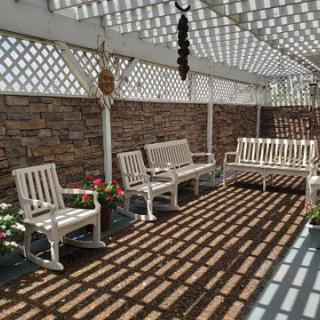
 Outdoor space
 Telephone
 Wi-Fi/high-speed internet available
 Burbank-Glendale-Pasadena (10 miles away)
 24-hour supervision
 Activities of daily living assistance
 Assistance with bathing
 Assistance with dressing
 Assistance with transfers
 Diabetes diet
 Meal preparation and service
 Medication management
 Special dietary restrictions
 Transportation arrangement (medical)
 Transportation to doctors appointments



 Comprehensive Supportive Living Arrangements for Adults with Disabilities
 Funding and Affording Assisted Living: A Thorough Overview
 Assisted Living Expenses and Long-Term Care Insurance: A Comprehensive Exploration