Heritage Royale in Millbrae, CA

Save

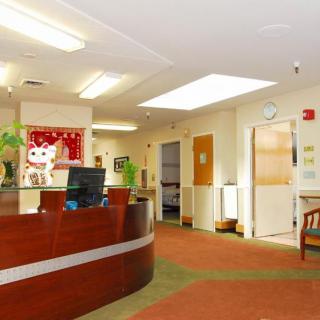
  • Interior

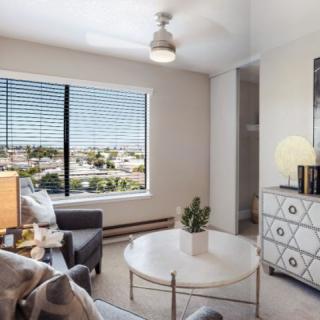
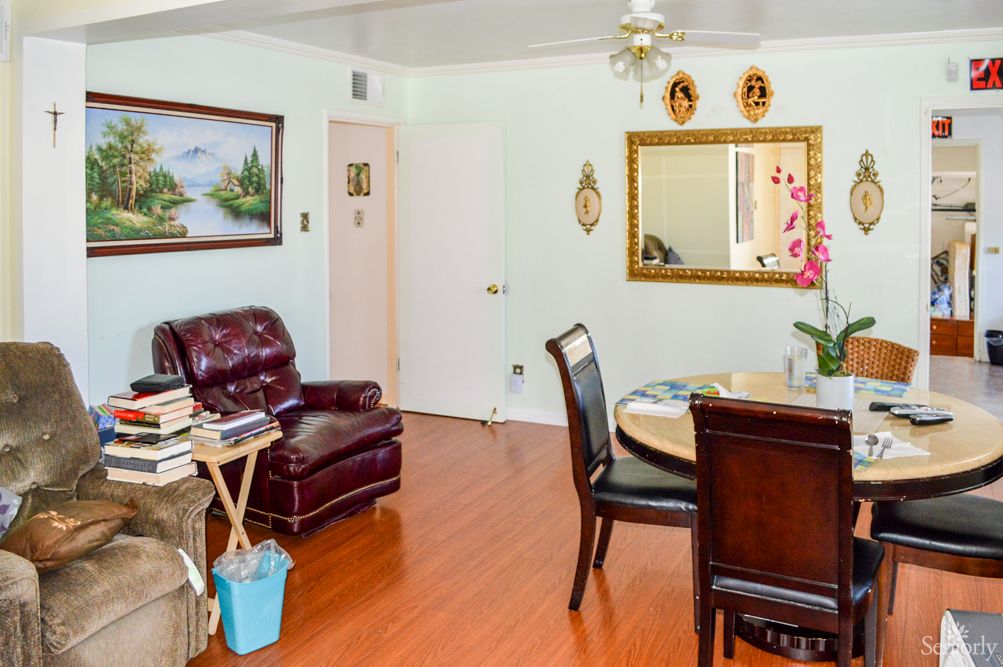
    Cozy living room with a leather chair, dining table, and decorative artwork.
  • Outdoors

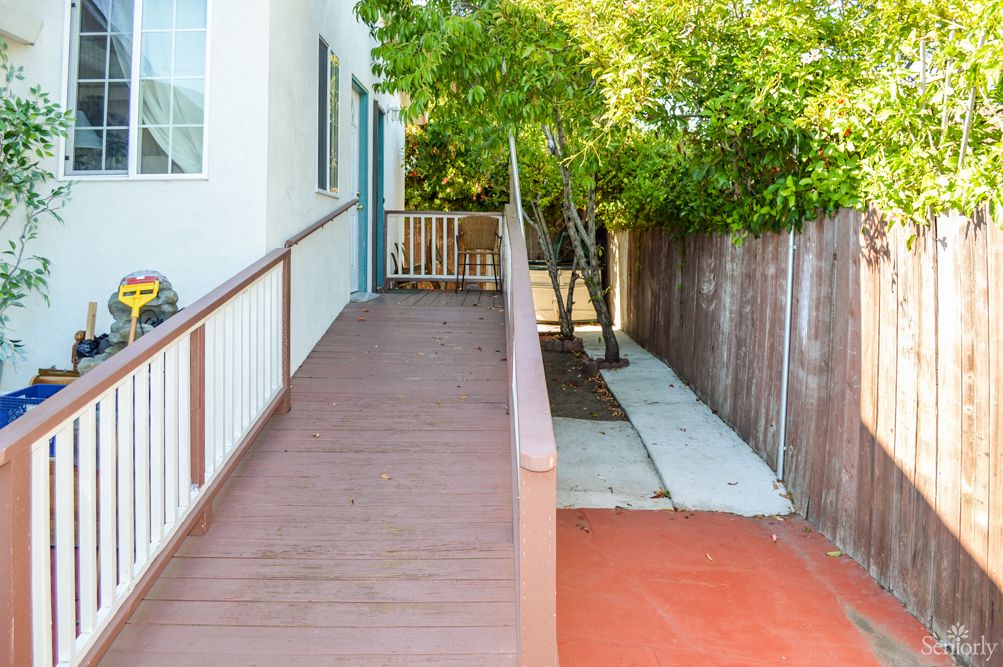
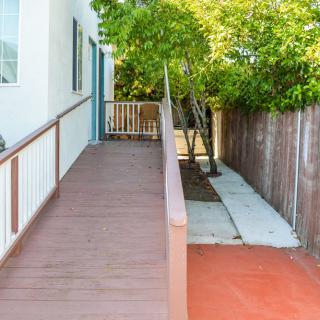
    An accessible ramp leading to the entrance of a house, surrounded by trees and a wooden fence.
  • Decor

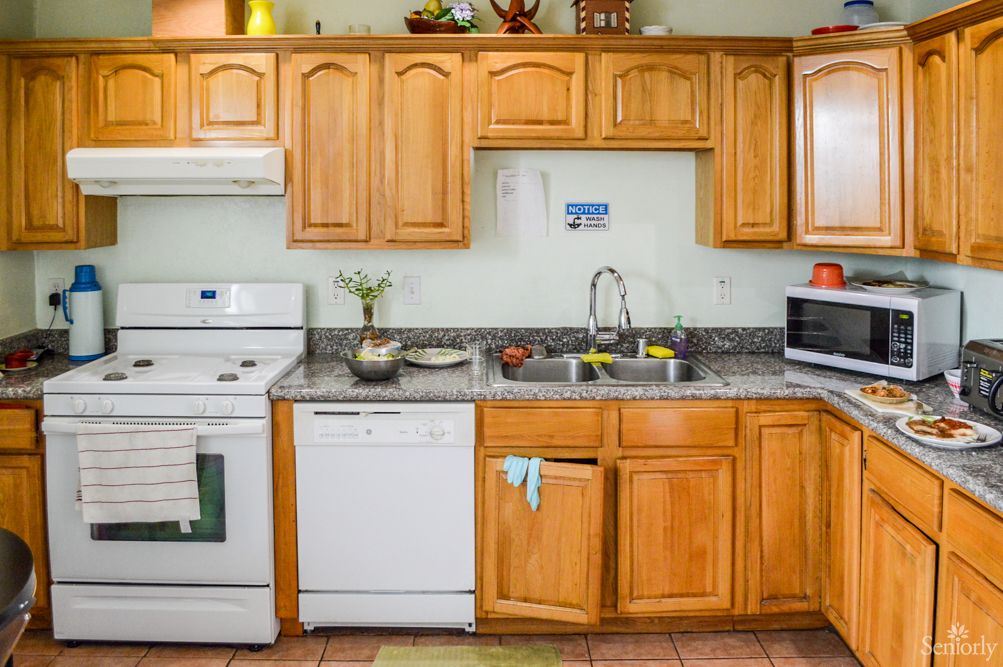
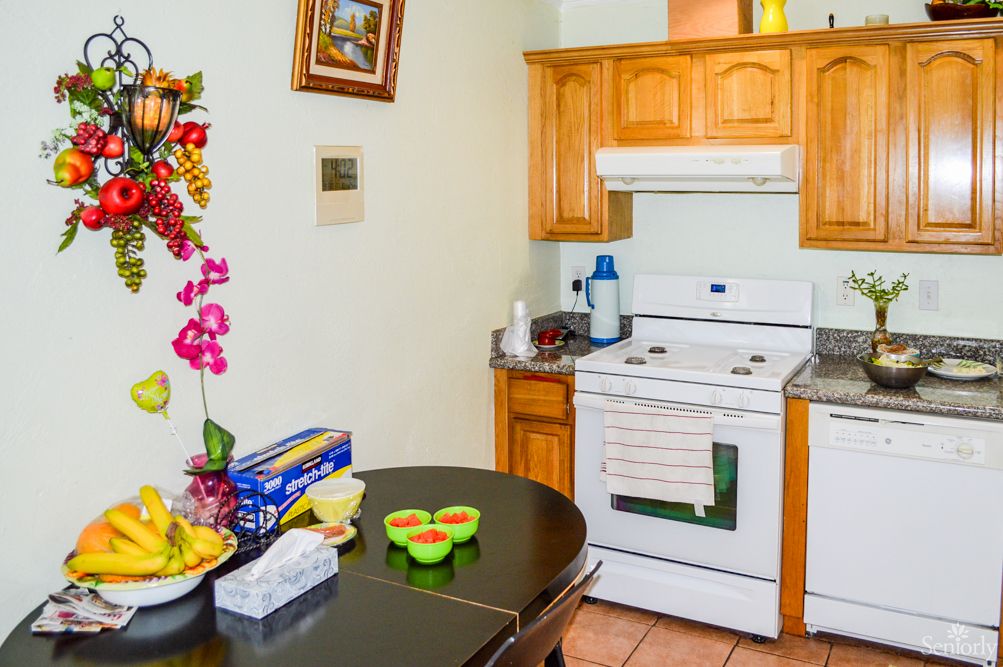
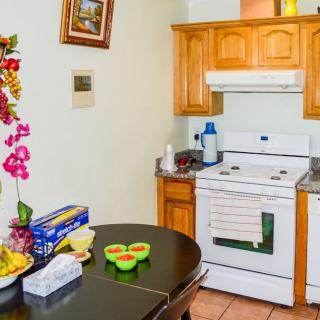
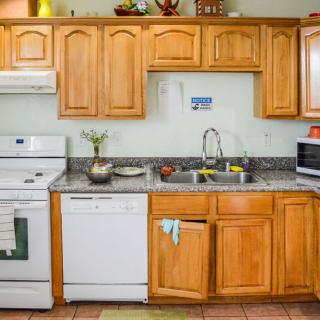
    A cozy kitchen with wooden cabinets, a dining table decorated with flowers and fruit, and a classic white oven.
  • Living Room

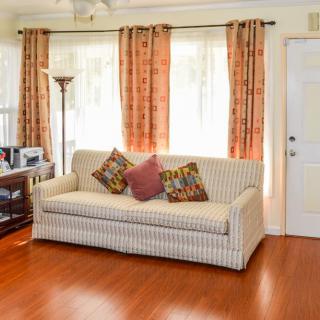
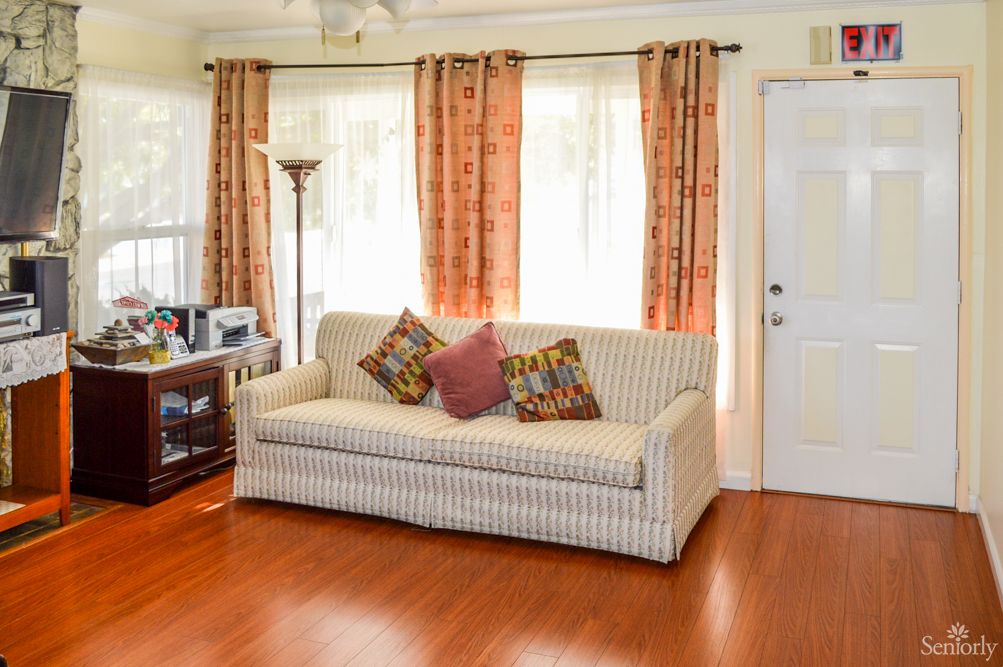
    A cozy living room with a striped sofa, decorative pillows, and warm-toned curtains.
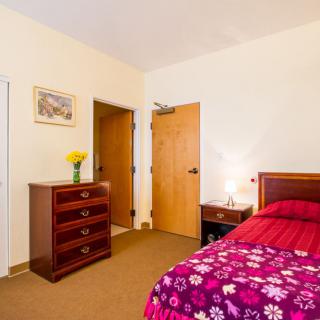
  • Bedroom

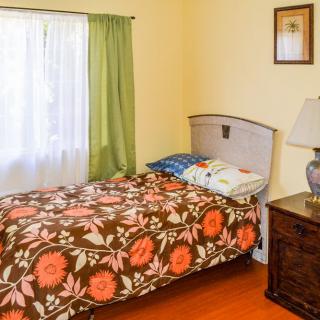
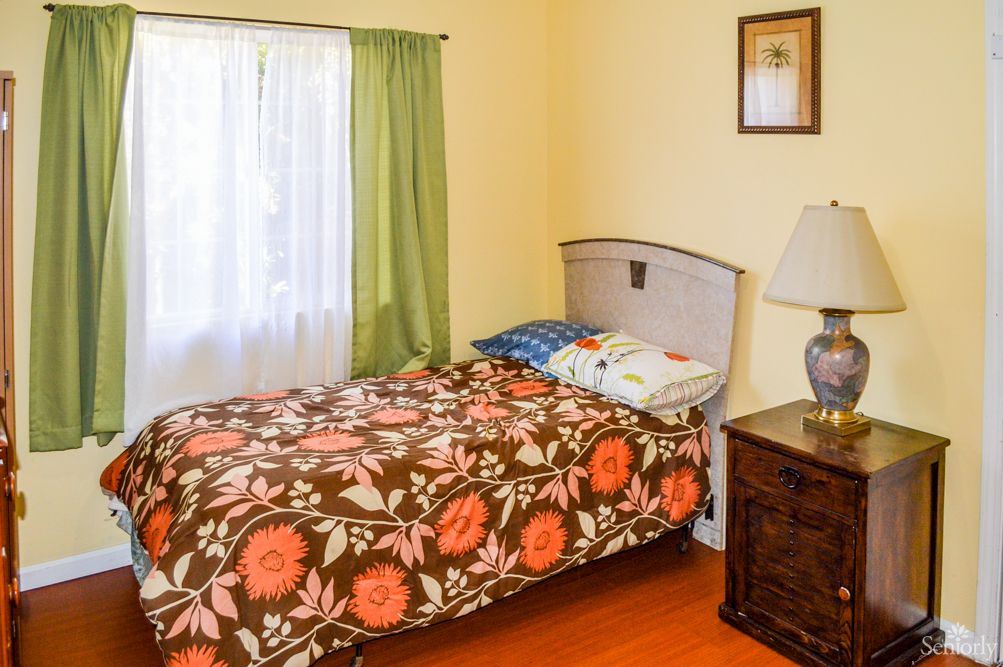
    A cozy bedroom with floral bedding and a bedside lamp.
  • Windows

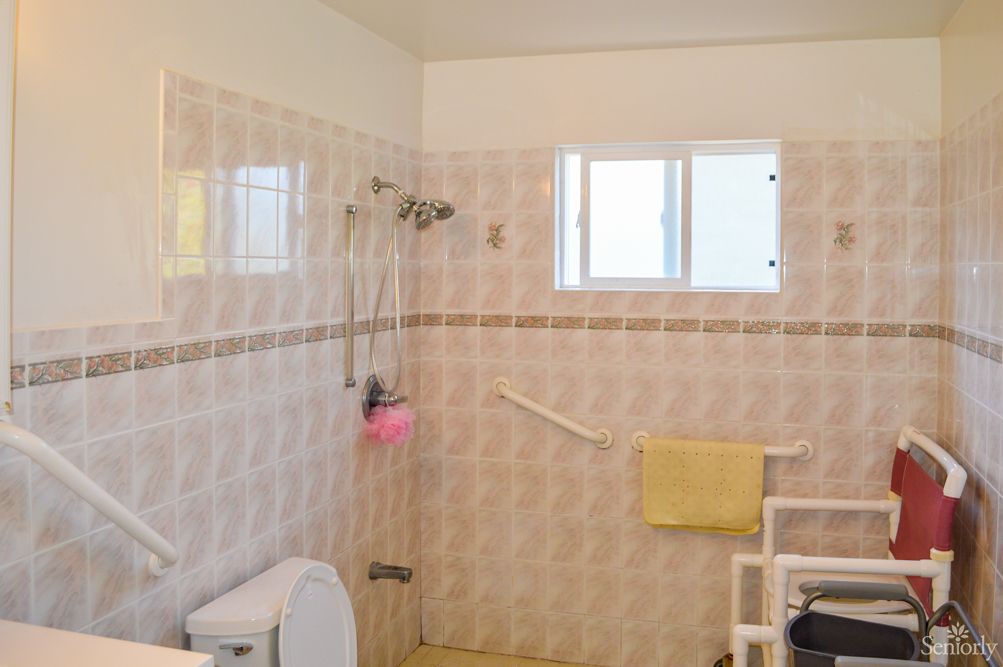
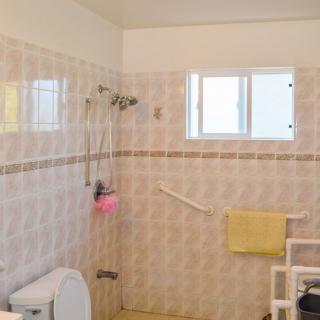
    A tiled bathroom featuring a shower area, toilet, and a window, with a yellow towel hanging on the wall.
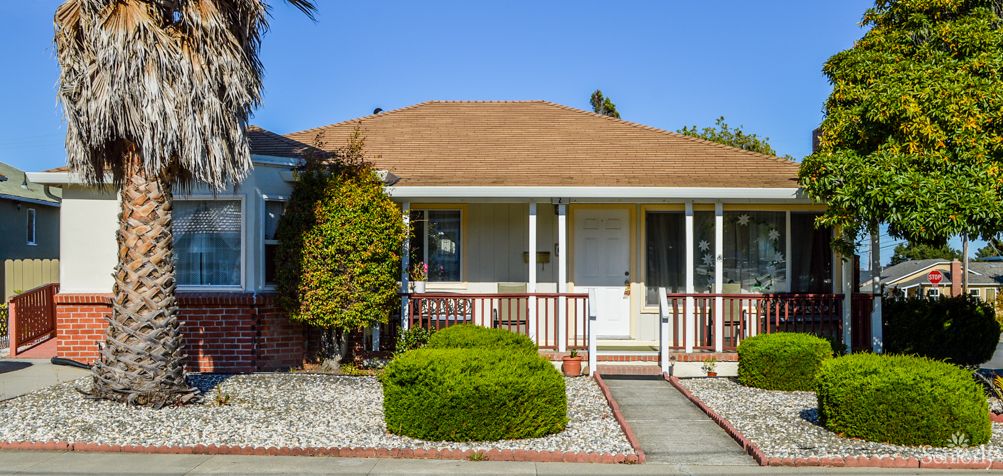
  • Landscaping

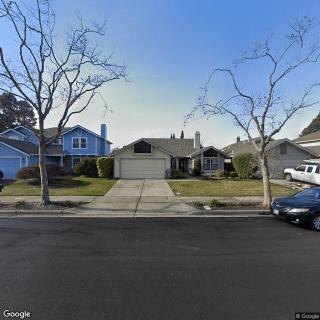
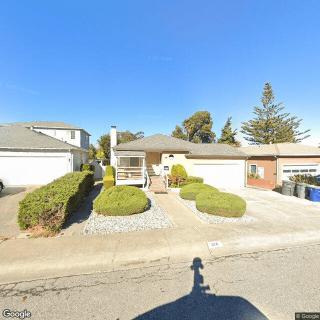
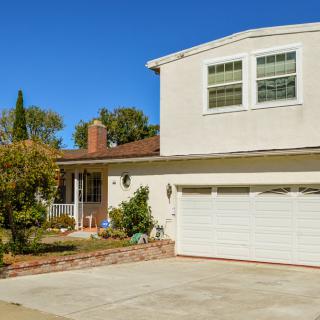
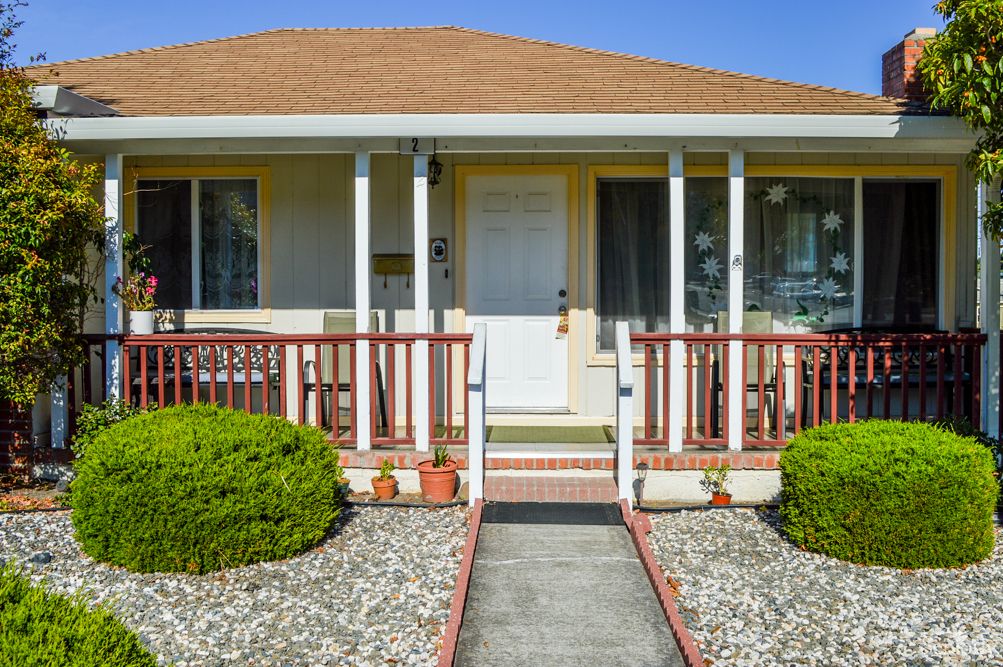
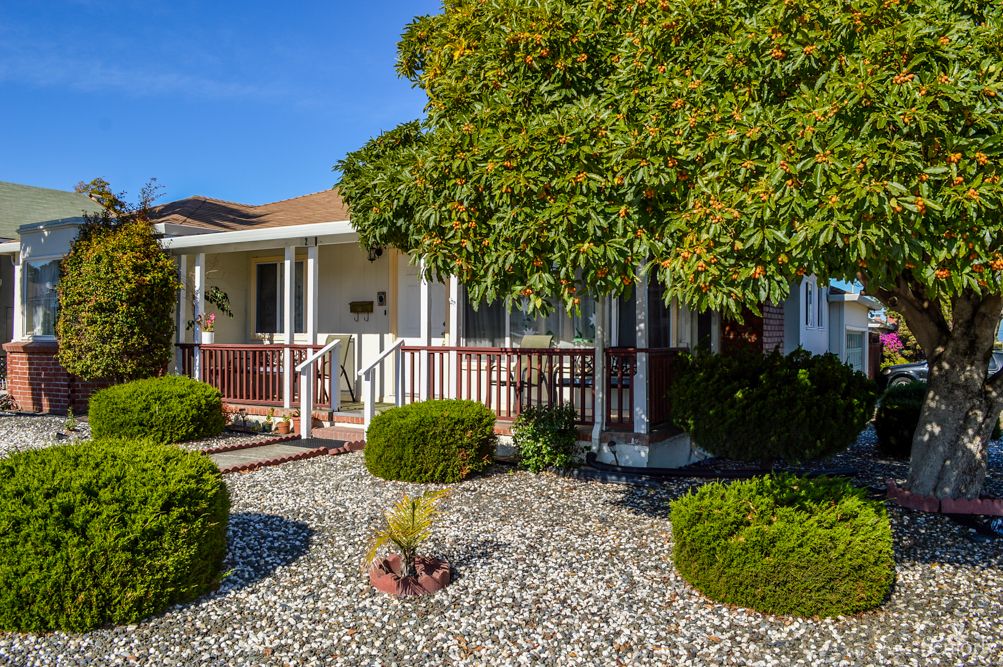
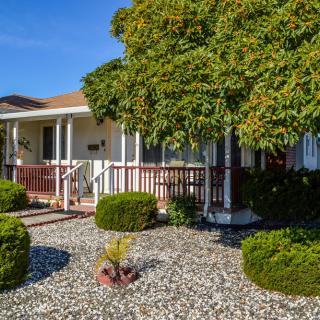
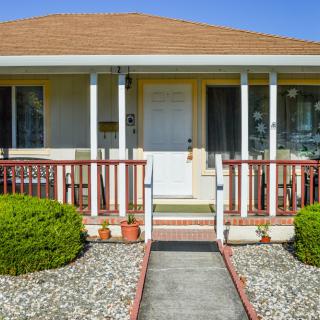
    A charming house with a front porch and well-maintained landscaping, featuring a tree and rock garden.
  • Kitchen

    A well-equipped kitchen with wooden cabinets and modern appliances.
  • Garden

    A cozy bungalow with a front porch and landscaped garden on a sunny day.
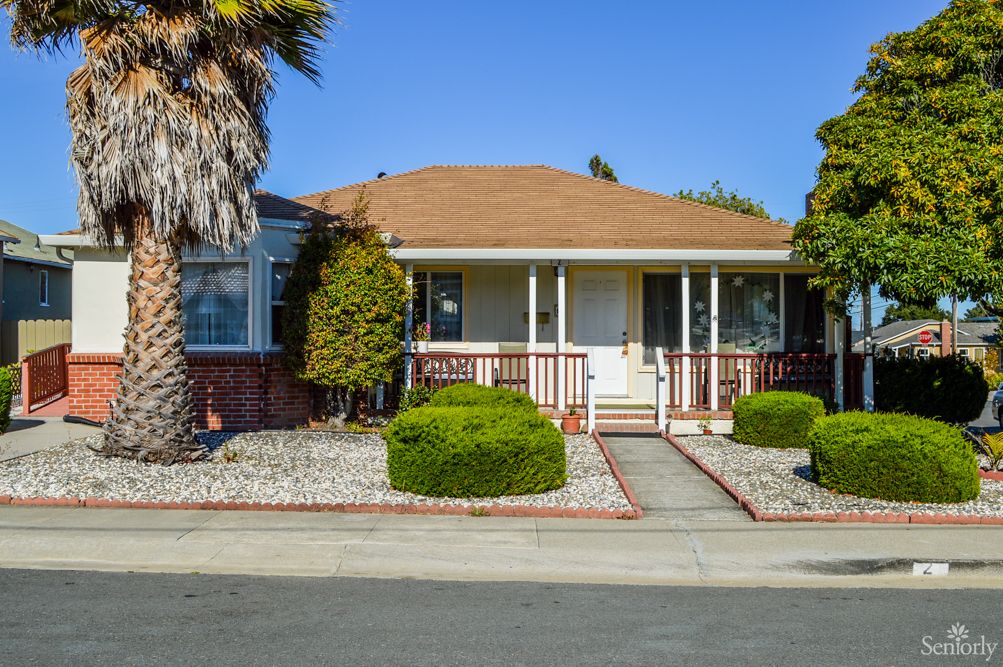
  • Pathway

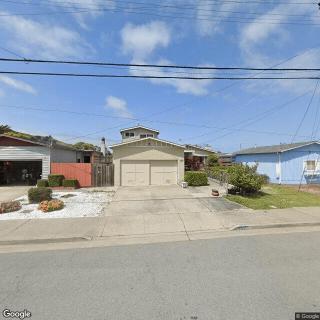
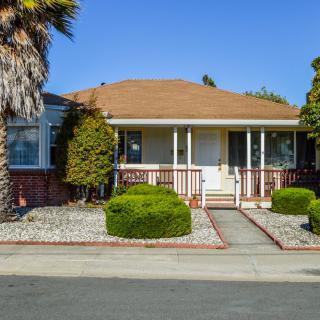
    A small suburban house with a neatly manicured front yard and a welcoming front porch.
  • Porch

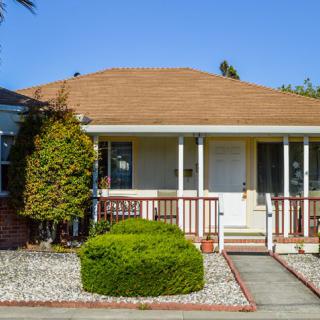
    A suburban single-story house with a landscaped front yard and a small porch.
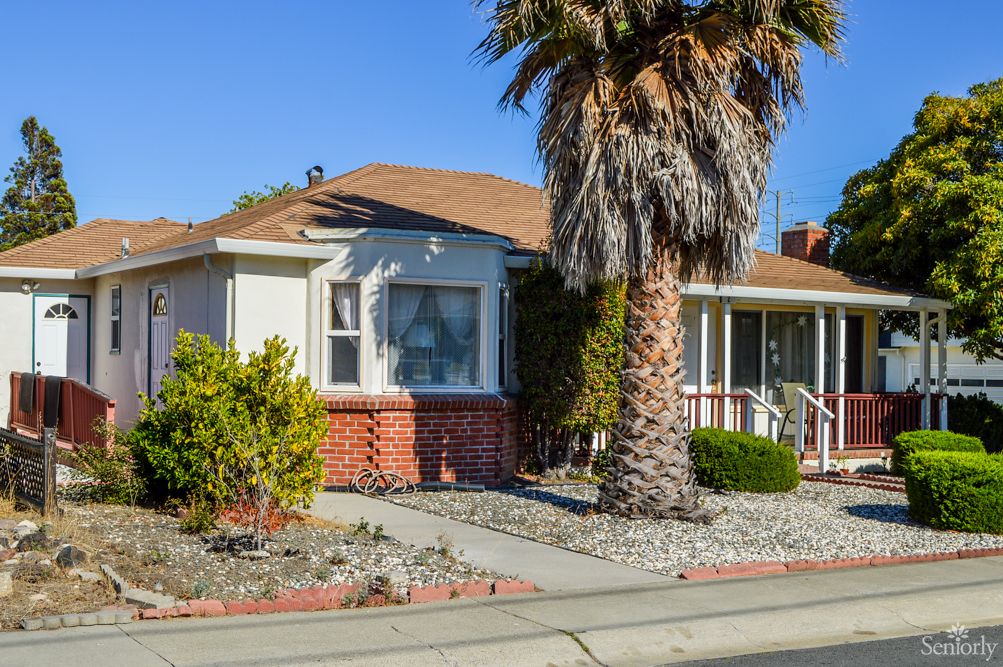
  • Palm Trees

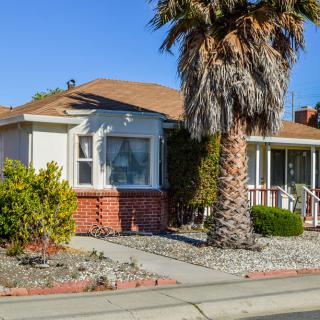
    A suburban house with a palm tree in the front yard on a sunny day.

Heritage Royale in Millbrae, CA

Information last verified:

2 Henry Place, Millbrae, CA 94030

For more information about senior living options: (844) 490-3973

3 from 3 reviews
5 stars
0
4 stars
0
3 stars
3
2 stars
0
1 stars
0

Heritage Royale Costs & Pricing

At Heritage Royale, the monthly costs for senior care reflect a competitive pricing structure compared to both San Mateo County and the wider California market. For a semi-private room, residents can expect to pay $3,000 per month, which is significantly lower than the county average of $3,830 and also below the statewide average of $3,333. Similarly, for private accommodations, Heritage Royale offers a rate of $3,500 per month - again more affordable than San Mateo County's average of $4,281 and just beneath the state average of $3,939. This positioning not only highlights Heritage Royale's commitment to providing accessible senior living options but also underscores its value within the broader landscape of elder care in California.

Floor plansHeritage RoyaleSan Mateo CountyCalifornia
Semi-Private$3,000$3,830$3,333
Private$3,500$4,281$3,939

Overall Review of Heritage Royale

Pros

  • pro The facility is very clean.
  • pro The staff members are caring.
  • pro Residents receive three meals a day and laundry service.
  • pro There are two to three caregivers per day.
  • pro The facility is wheelchair accessible with wooden floors.
  • pro It has a front and a backyard.
  • pro The owner is very nice and pleasant.

Cons

  • pro The facility is small.
  • pro The bedrooms are small.
  • pro The staff members' English isn't great.
  • pro The tour was basic and included little inquiry into the level of care needed.
  • pro The owner did not inquire sufficiently about the mother's transition from out-of-state to California.

Review

Heritage Royale in Millbrae is best suited for families seeking a small, home-like assisted living option where daily life centers on practical, uncomplicated support rather than a medicalized campus. The setting is intimate, three residents with two to three caregivers on a typical day, making it a strong fit for someone who thrives on personal attention, predictable routines, and the warmth of a domestic environment. For budget-conscious families, the arrangement delivers essential daily services, three meals, laundry, and basic daily living assistance, without the sticker shock of larger facilities. In short, it works best for a resident who will flourish with a caregiver-led, small-scale atmosphere rather than a expansive, hospital-like setting.

Those whose loved one requires robust medical oversight, rehab services, or memory-care programming will want alternatives. The small home format inherently limits on-site medical staffing and formal programming, and the reviews flag variable English proficiency among caregivers, which complicates communication for residents with more complex needs. The owner’s tours were pleasant but did not probe deeply into the level of care required or a transition plan, suggesting a risk that care gaps could emerge if needs evolve. For families seeking detailed care coordination, documented intake assessments, and structured pathways, a larger community will usually deliver more reassurance.

On the positive side, the downsides of a compact, home-based setting are offset by meaningful advantages. The daily life structure covers meals, laundry, and a clean, well-kept environment, easing logistical burdens for families. The house design, front and back yard, wheelchair-accessible layout, wooden floors, and a large lounge with a big TV, supports mobility and casual social interaction, helping residents stay engaged without leaving a cramped campus. This intimate scale can foster a sense of belonging and consistent caregiver contact that feels more personalized than what some larger facilities offer. The option of a private room, combined with the homelike vibe, is a practical win for households prioritizing cost and comfort.

Nevertheless, the cons deserve serious consideration because they directly shape daily experience and long-term security. Bedrooms are small, limiting privacy and storage as needs change, which can become a notable drawback over time. Staffing remains modest, two to three caregivers per day for three residents, raising questions about after-hours coverage and responsiveness during peak times. Language consistency among caregivers appears uneven, potentially hampering clear communication for seniors who rely on precise cues or who have hearing or cognitive challenges. The overall impression from the tour, limited inquiry into the care level and transition specifics, signals a need for families to confirm a formal care plan exists and aligns with current needs before deciding. Finally, the absence of broad programming or on-site clinical oversight means some families may prefer facilities that offer more comprehensive services on site.

To navigate these realities, prospective families should enter with targeted questions and a concrete plan. Request a current, written care plan, a clearly defined after-hours contact protocol, and a transparent statement of what happens if medical needs escalate. Inspect private room options for size, privacy, and accessibility, and confirm exact square footage and how storage is managed. Schedule visits during meals and activities to observe interactions between caregivers and residents, and speak directly with residents about daily routines and satisfaction. If more intensive supports, memory care, rehabilitative services, or skilled nursing, are ever required, compare against alternatives that offer those services on-site or through clear partnerships.

Bottom line: Heritage Royale represents a solid, cost-conscious choice for families prioritizing a small, home-like setting with steady daily services and a warm, personal touch. For residents who prize simplicity, familiar routines, and ready access to caregivers in a domestic environment, it delivers compelling value. For anyone whose loved one needs robust medical supervision, larger-scale programming, or more expansive private space, alternatives will likely deliver greater comfort and security. The decisive step is to test fit through careful observation, explicit care planning, and a clear transition timeline; when aligned, this community can offer a respectful, comfortable home that keeps daily living straightforward and within reach.

Features

Housing

  • 6 resident community capacity 6 resident community capacity

Types of Care

  • Assisted Living Assisted LivingAssisted living facilities provide crucial support and care for seniors who may need help with daily tasks such as medication management, bathing, and meal preparation. These communities offer a safe and comfortable environment where seniors can maintain their independence while receiving the assistance they need to thrive in their golden years.
  • Board and Care Home Board and Care HomeBoard and care homes provide a smaller, more intimate setting for seniors who require assistance with daily tasks but do not need the level of care offered by a nursing home. They offer personalized care, meals, and social activities in a homelike environment, ensuring that seniors receive individualized attention and support in their golden years.
  • Day Program Day ProgramDay programs are important for seniors because they provide a safe and supportive environment where older adults can socialize, engage in activities, receive assistance with daily tasks, and access valuable resources and services. These programs help prevent isolation and loneliness, promote mental and physical well-being, and offer a sense of purpose and community for seniors.
  • Memory Care Memory CareMemory care is crucial for seniors as it provides specialized support and services for individuals with dementia or Alzheimer's disease. These programs offer a safe and secure environment where residents receive personalized care, cognitive stimulation, and help with daily activities. Memory care helps seniors maintain their independence, quality of life, and dignity while also providing peace of mind for their families.
  • Respite Care Respite CareRespite care provides temporary relief for caregivers, allowing them to recharge and attend to their own needs. It also gives seniors the opportunity to socialize, receive professional care, and experience a change of scenery, promoting overall well-being and reducing feelings of isolation.

Amenities

  • Activities off-site Activities off-siteEngaging in off-site activities is crucial for seniors to maintain social connections, stay active, and stimulate their minds. It promotes overall well-being and helps combat feelings of isolation and loneliness.
  • Activities on-site Activities on-siteActivities on-site are important for seniors because they provide opportunities for socialization, mental stimulation, physical activity, and overall well-being. Engaging in activities can help seniors stay active, maintain their independence, and improve their quality of life.
  • Cable or satellite TV Cable or satellite TVCable or satellite TV is important for seniors because it provides entertainment, news, and companionship, helping to combat loneliness and boredom. It also offers a wide range of programming options tailored to different interests and preferences.
  • Dining room Dining roomDining rooms are important for seniors as they provide a space for socialization, connection, and nutritious meals. They offer opportunities for residents to bond over shared meals, foster a sense of community, and promote healthy eating habits. Dining rooms also ensure that seniors have access to well-balanced meals tailored to their dietary needs and preferences.
  • Fully furnished Fully furnishedFully furnished senior living communities are important for seniors because they provide convenience, comfort, and a hassle-free moving experience. Seniors can easily settle into their new living space without the stress of having to buy and move furniture. This allows them to focus on enjoying their new home and community.
  • Garden GardenGardens are important for seniors as they provide a peaceful and therapeutic environment for relaxation, physical activity, and socialization. Being in nature has been shown to reduce stress, improve mood, and promote overall well-being. Gardens also offer opportunities for seniors to engage in gardening activities, which can improve mobility, flexibility, and cognitive function. Additionally, gardens create a sense of community and connection with others who share a passion for plants and outdoor spaces.
  • Housekeeping services Housekeeping servicesHousekeeping services are important for seniors because they help maintain a clean and safe living environment, promote independence, and reduce the risk of accidents or illnesses. Additionally, having assistance with household chores can alleviate physical strain and allow seniors to focus on other aspects of their well-being.
  • Indoor common areas Indoor common areasIndoor common areas are crucial for seniors as they provide a space for socialization, recreation, and community engagement, promoting overall well-being and reducing feelings of isolation and loneliness.
  • Move-in coordination Move-in coordinationMove-in coordination is important for seniors because it helps ease the transition into their new living environment. It ensures that all logistics, such as packing, organizing movers, and setting up utilities are taken care of, allowing seniors to focus on settling in and adjusting to their new home. Having a smooth move-in process can alleviate stress and anxiety, making the transition smoother and more enjoyable for seniors.
  • Outdoor common areas Outdoor common areasOutdoor common areas are important for seniors as they provide a space for socialization, physical activity, and relaxation. Being outside in nature can improve mood and overall well-being, while also encouraging movement and engagement with others. These spaces can help combat feelings of isolation and promote a sense of community among residents.
  • Outdoor space Outdoor spaceOutdoor spaces are important for seniors as they provide opportunities for physical activity, social interaction, exposure to natural light and fresh air, and a sense of connection to nature. Having access to outdoor spaces can improve overall well-being and quality of life for older adults living in senior communities.
  • Private PrivatePrivacy is important for seniors as it allows them to maintain their independence, dignity, and sense of control over their own lives. It also gives them the space and freedom to relax, reflect, and engage in activities that bring them joy and fulfillment. Creating private spaces within senior living facilities is crucial for promoting overall well-being and quality of life.
  • Private bathrooms Private bathroomsPrivate bathrooms are important for seniors in senior living communities because they provide independence, dignity, and comfort. Having a private bathroom allows seniors to maintain their personal hygiene routines without the need for assistance, promoting a sense of autonomy and privacy. Additionally, private bathrooms help prevent the spread of infections and provide a safe and clean environment for seniors to navigate safely.
  • Small library Small librarySmall libraries are important for seniors as they provide access to a variety of reading materials, including books, newspapers, and magazines. This can help stimulate their minds, keep them engaged, and provide a sense of community through book clubs and other social activities. Additionally, reading has been shown to improve cognitive function and overall mental well-being in older adults.
  • Telephone TelephoneTelephones are important for seniors as they provide a lifeline for communication with loved ones, emergency services, and healthcare providers. They offer a sense of security and independence, enabling seniors to stay connected and access assistance when needed.
  • Wheelchair accessible showers Wheelchair accessible showersWheelchair accessible showers are crucial for seniors as they provide a safe and independent bathing option for those with mobility challenges. These showers help prevent falls and allow seniors to maintain their dignity and autonomy while ensuring they can bathe comfortably.

Transportation

  • San Francisco International (2 miles away) San Francisco International (2 miles away)
  • Metropolitan Oakland International (13 miles away) Metropolitan Oakland International (13 miles away)

Care Services

  • 24-hour supervision 24-hour supervision24-hour supervision is important for seniors to ensure their safety, well-being, and access to immediate assistance in case of emergencies or health issues. This constant support provides peace of mind for both seniors and their loved ones, allowing them to age in place with dignity and security.
  • Activities of daily living assistance Activities of daily living assistanceActivities of daily living assistance are important for seniors because they provide essential support with tasks such as eating, bathing, dressing, and mobility. This assistance helps seniors maintain their independence, dignity, and overall quality of life as they age.
  • Assistance with bathing Assistance with bathingAssistance with bathing is crucial for seniors as it helps maintain personal hygiene, prevents infections, and ensures their overall well-being and comfort. It also provides a sense of dignity and independence for seniors who may struggle with this task on their own.
  • Assistance with dressing Assistance with dressingAssistance with dressing is important for seniors because it helps maintain their independence, promotes personal hygiene, prevents accidents and injuries, and improves overall quality of life. This service ensures that seniors can continue to dress comfortably and confidently, despite any physical limitations they may have.
  • Assistance with transfers Assistance with transfersAssistance with transfers is crucial for seniors as it helps prevent falls and injuries, maintains their independence, and ensures they can safely navigate their living environment. It also provides peace of mind for both seniors and their loved ones.
  • Diabetes diet Diabetes dietA diabetes diet is crucial for seniors as it helps manage blood sugar levels, reduce risks of complications, and improve overall health and well-being. By following a balanced and nutritious diet tailored to their specific needs, seniors can better control their diabetes and enhance their quality of life.
  • Incontinence care Incontinence careIncontinence care is essential for seniors to maintain their dignity, hygiene, and overall quality of life. By addressing incontinence issues promptly and effectively, seniors can enjoy a sense of independence and comfort in their daily activities.
  • Meal preparation and service Meal preparation and serviceMeal preparation and service are crucial for seniors as they may have limited mobility or energy to cook nutritious meals. Having access to healthy and convenient food options can ensure they are getting the proper nutrition needed to maintain their overall health and well-being.
  • Medication management Medication managementMedication management is crucial for seniors to ensure they are taking the right medications at the correct dosages and times. This helps prevent adverse drug interactions, reduces the risk of medication errors, and promotes overall health and well-being. Proactive management also allows for adjustments as needed based on changing health conditions or new prescriptions.
  • Mental wellness program Mental wellness programMental wellness programs are essential for seniors as they promote cognitive stimulation, emotional support, and social engagement. These programs help prevent isolation, depression, and cognitive decline, ultimately enhancing the overall quality of life for older adults.
  • Mild cognitive impairment Mild cognitive impairment"Mild cognitive impairment" is important for seniors because it is an early stage of cognitive decline that can potentially progress to more severe conditions such as dementia. Recognizing and addressing mild cognitive impairment can help seniors receive appropriate care and support to maintain their quality of life and independence for as long as possible.
  • Special dietary restrictions Special dietary restrictionsSpecial dietary restrictions are important for seniors because age-related changes in metabolism and health conditions can make it difficult for their bodies to process certain foods. By following a diet tailored to their specific needs, seniors can maintain their overall health and well-being, manage chronic conditions, and reduce the risk of complications such as malnutrition or food interactions with medications.
  • Specialized memory care programming Specialized memory care programmingSpecialized memory care programming is crucial for seniors with cognitive impairments such as dementia or Alzheimer's disease. These programs provide a safe and supportive environment tailored to the unique needs of individuals with memory loss, helping them maintain their independence, dignity, and quality of life.

Dining

  • Diabetes diet Diabetes dietA diabetes diet is crucial for seniors as it helps manage blood sugar levels, reduce risks of complications, and improve overall health and well-being. By following a balanced and nutritious diet tailored to their specific needs, seniors can better control their diabetes and enhance their quality of life.
  • Meals provided Meals provided"Meals provided" are crucial for seniors in assisted living communities as it ensures they have access to nutritious, balanced meals without the stress of meal planning and preparation. This can help promote overall health and well-being for seniors who may have limited mobility or cognitive abilities.
  • Special dietary restrictions Special dietary restrictionsSpecial dietary restrictions are important for seniors because age-related changes in metabolism and health conditions can make it difficult for their bodies to process certain foods. By following a diet tailored to their specific needs, seniors can maintain their overall health and well-being, manage chronic conditions, and reduce the risk of complications such as malnutrition or food interactions with medications.

Activities

  • Activities off-site Activities off-siteEngaging in off-site activities is crucial for seniors to maintain social connections, stay active, and stimulate their minds. It promotes overall well-being and helps combat feelings of isolation and loneliness.
  • Activities on-site Activities on-siteActivities on-site are important for seniors because they provide opportunities for socialization, mental stimulation, physical activity, and overall well-being. Engaging in activities can help seniors stay active, maintain their independence, and improve their quality of life.
  • Community-sponsored activities Community-sponsored activitiesCommunity-sponsored activities are important for seniors as they provide opportunities for social interaction, mental stimulation, and physical activity. These activities can help improve overall well-being, combat loneliness and isolation, and promote a sense of belonging and purpose among older adults.
  • Scheduled daily activities Scheduled daily activitiesScheduled daily activities are important for seniors because they provide structure, socialization, mental stimulation, and physical activity. Engaging in regular activities can improve overall well-being and quality of life for seniors living in a community setting.

Description

Heritage Royale in Millbrae, CA is a premier assisted living community that offers a range of comprehensive care services to meet the unique needs of each resident. With a variety of care options available, including board and care home, day program, memory care, and respite care, Heritage Royale ensures that residents receive personalized attention and support.

The community boasts an array of amenities designed to enhance the quality of life for its residents. These include activities on-site to keep residents engaged and entertained, cable or satellite TV for their enjoyment, a spacious dining room where delicious meals are served, fully furnished accommodations for comfort and convenience, a beautiful garden area for relaxation or socializing outdoors, housekeeping services to maintain cleanliness throughout the community, indoor common areas for socializing with peers, move-in coordination assistance for a seamless transition into the community, outdoor common areas with plenty of space to enjoy fresh air and nature, private accommodations with private bathrooms for privacy and comfort, a small library for residents who enjoy reading, telephone access to stay connected with loved ones, and wheelchair accessible showers ensuring everyone can maintain their personal hygiene independently.

Care is at the forefront at Heritage Royale as well. The dedicated staff provides assistance with activities of daily living such as bathing and dressing to ensure residents' comfort and well-being. They also offer assistance with transfers for those who require mobility support. Special dietary restrictions are diligently catered to through diabetes diet plans and specialized meal preparation. Incontinence care is provided sensitively and discreetly when needed. Medication management ensures that residents receive their medications safely and on time. For those requiring extra mental wellness support or who may be experiencing mild cognitive impairment, there is a dedicated program in place.

Heritage Royale places great emphasis on dining experiences by providing delicious meals that cater to individual dietary needs while promoting overall wellness.

Engaging activities are an integral part of life at Heritage Royale. Residents can participate in various on-site activities tailored to their interests and abilities. Additionally, community-sponsored activities and scheduled daily activities ensure residents always have something enjoyable to look forward to.

Located in a convenient area of Millbrae, Heritage Royale offers easy access to amenities and services nearby. Cafes, parks, pharmacies, physicians, restaurants, and various transportation options are all within close proximity. In case of emergencies or specialized medical needs, there are hospitals located conveniently nearby.

At Heritage Royale, residents can enjoy a safe and comfortable environment while receiving personalized care and support tailored to their individual needs.

Nearby Places of Interest

Pharmacies

  • Walgreens (0.4 miles)
  • Walgreens (0.9 miles)
  • CVS Pharmacy (1 miles)
  • Walgreens (1.4 miles)
  • CVS Pharmacy (2.2 miles)
  • Walgreens (2.3 miles)
  • Walgreens (3.3 miles)

Hospitals

  • A & C Convalescent Hospital (0.5 miles)
  • Mills-Peninsula Health Services (1.2 miles)
  • Mills-Peninsula Radiology (4.9 miles)
  • San Mateo Medical Center (7.5 miles)

Transportation

  • Millbrae Caltrain Station (0.8 miles)
  • International Terminal A (1 miles)
  • SFO AirTrain Station - Garage G & BART (1.1 miles)
  • San Francisco International Airport BART Station (1.1 miles)
  • SFO AirTrain Station - International Terminal A (1.1 miles)
  • Air France-KLM Lounge (1.1 miles)
  • International Terminal (1.2 miles)

Restaurants

  • In-N-Out Burger (1.1 miles)
  • Mustards (1.2 miles)
  • Yankee Pier (1.4 miles)
  • New England Lobster Market & Eatery (1.5 miles)
  • Lark Creek Grill (1.5 miles)
  • McDonald's (4 miles)
  • Taco Bell (5.6 miles)

Cafes

  • San Francisco Giants Clubhouse (1.5 miles)
  • Starbucks (7.1 miles)

Parks

  • Washington Park (3.5 miles)
  • Coyote Point County Park (4.3 miles)
  • Central Park (5.2 miles)
  • Laurelwood Park (6.8 miles)
  • Leo J Ryan Memorial Park (7.7 miles)
  • Holly Park (9.4 miles)
  • Marlin Park (9.7 miles)

Physicians

  • California Skin Institute (4.6 miles)
  • Bundy Opticians (4.9 miles)
  • Coastside Clinic (9.6 miles)
  • Urology: San Carlos Center: Palo Alto Medical Foundation (9.9 miles)

Theaters

  • Cinepolis San Mateo (7 miles)
  • Regal Stonestown Galleria Screenx, 4Dx, & RPX (9.7 miles)

Places of Worship

  • Church of the Epiphany (8 miles)

Frequently Asked Questions

How much does it cost to live at Heritage Royale in Millbrae, CA?
Where is Heritage Royale?
Does Heritage Royale provide care for residents with dementia or Alzheimer's disease?
What photos are available for Heritage Royale in Millbrae, California?

Nearby Communities

  • Millbrae Family Care Home

    Millbrae Family Care Home

    Millbrae, CA

    2.7 from 20 reviews
    $6,500 to $7,000 / month

    pro Compassionate, attentive staff delivering personalized end-of-life care in a homelike setting.

  • Millbrae Paradise Retirement Home

    Millbrae Paradise Retirement Home

    Millbrae, CA

    3.8 from 8 reviews
    $5,500 / month

    pro Caring staff with engaging activities; spacious, clean rooms; language-friendly communication.

  • Heritage Villa

    Heritage Villa

    Millbrae, CA

     
    $3,000 to $4,112 / month

    pro Intimate community with memory care options and comprehensive daily living support, plus on-site amenities.

  • Cadence Millbrae

    Cadence Millbrae

    Millbrae, CA

    4.5 from 75 reviews
    $3,723 to $8,500 / month

    pro Friendly staff, clean and modern facility with engaging activities and good dining.

  • Accredited Caregiver Specialists

    Accredited Caregiver Specialists

    Millbrae, CA


    pro Convenient access to dining, parks, and healthcare nearby.

  • Millbrae Skilled Care

    Millbrae Skilled Care

    Millbrae, CA

    2.6 from 19 reviews
     

    pro Extensive amenities and 24/7 care.

  • Magnolia Of Millbrae

    Magnolia Of Millbrae

    Millbrae, CA

    4.7 from 50 reviews
     

    pro Friendly, caring staff in a well-maintained, upscale community with good dining.

  • The Trousdale

    The Trousdale

    Burlingame, CA

    4.4 from 27 reviews
    $5,125 to $8,725 / month

    pro Beautiful, well-maintained community with attentive staff and engaging amenities.

  • Burlingame Villa

    Burlingame Villa

    Burlingame, CA

    3.7 from 18 reviews
    $4,395 to $5,595 / month

    pro Caring, attentive staff in a home-like setting with a well-kept garden and engaging activities.

Related Resources

  • dementia and angerWhen Dementia Sparks Anger and Aggression: Understanding the Connection and Ways to Cope

    Dementia leads to cognitive impairment and can cause emotional and behavioral changes, including aggression that arises from frustration, confusion, or fear. Effective coping strategies for caregivers include understanding dementia's nature, recognizing triggers, using empathetic communication, and employing non-pharmacological interventions like music and art therapy.

  • dementia behaviorsDementia Behaviors: In-Depth Understanding and Effective Coping Strategies

    Dementia causes cognitive decline and challenging behaviors that caregivers must manage, necessitating an understanding of the neurological basis of these issues. Effective strategies and self-care for caregivers can enhance support for those with dementia and improve their daily lives.

  • does my mom have dementia quiz5 Early Indicators of Dementia and What You Can Do
    The content outlines five key early indicators of dementia, including significant memory loss and confusion about time and place, while emphasizing the need for professional evaluation and emotional support for both individuals showing symptoms and their caregivers. It encourages family members to monitor these signs closely and use online quizzes for initial awareness.