
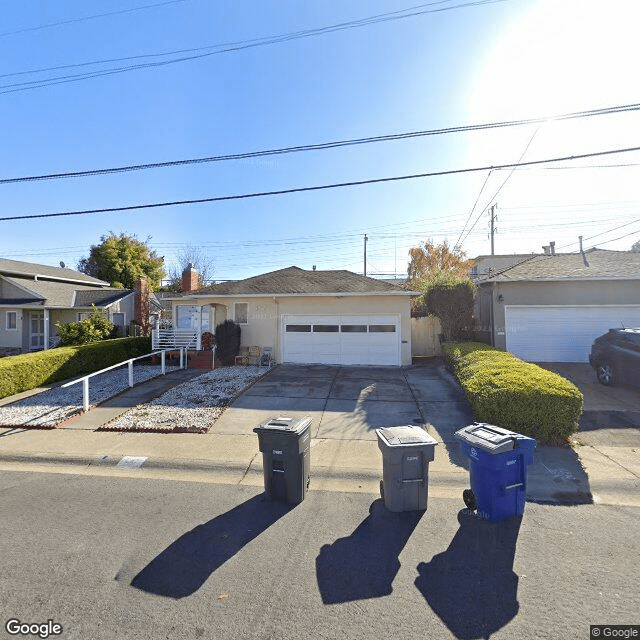
487 Anita Drive, Millbrae, CA 94030
For more information about senior living options: (866) 208-4318
Millbrae Family Care Home Costs & Pricing
Millbrae Family Care Home offers a unique pricing structure that reflects the quality of care and services provided in comparison to both San Mateo County and the broader California region. For semi-private accommodations, residents can expect to pay $6,500 per month, significantly higher than the county average of $3,830 and the state average of $3,333. Similarly, for private rooms, the monthly cost at Millbrae Family Care Home is $7,000, which again surpasses both the San Mateo County average of $4,281 and California's average of $3,939. This premium pricing aligns with the personalized care and supportive environment that Millbrae Family Care Home is known for, ensuring residents receive exceptional attention tailored to their individual needs.
| Floor plans | Millbrae Family Care Home | San Mateo County | California |
|---|---|---|---|
| Semi-Private | $6,500 | $3,830 | $3,333 |
| Private | $7,000 | $4,281 | $3,939 |
Assisted Living communities with a similar price nearby
-
from -$700 / mo

East West Care
$5,800 / month12.8 miles away -
from -$800 / mo

Sunrise of Burlingame
$5,700 to $9,000 / month1.1 miles away -
from +$500 / mo

Atria at Foster Square
$7,000 to $12,900 / month8.1 miles away -
from +$700 / mo
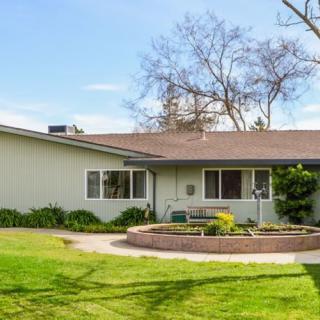
Willow Creek Alzheimer's & Dementia Care Center
$7,200 to $12,180 / month19.0 miles away -
from +$500 / mo

The Carlisle
$7,000 to $12,000 / month12.9 miles away
Overall Review of Millbrae Family Care Home
Pros
 The staff were very helpful in providing care and daily physical therapy that helped him walk again.
- His stay was pleasant and very helpful given his serious injury.
- Monica Rani is intelligent, humble, and caring, and goes out of her way to fulfill patients' requests.
- The nursing staff cared for him with patience and ensured he had everything he needed.
- The mom was accepted, loved, and cared for at a high level.
- The staff were incredibly helpful and took great care of him in his last days.
- The staff are friendly and positive.
Cons
 It is described as one of the worst care facilities in the state, perhaps in the world.
- It lacks bars on beds to keep residents safe, severely compromising safety.
- It does not provide the proper diets per doctors' orders.
- It is pathetic and illegal, and should be shut down immediately before someone loses their life.
- The facility is absolutely disgusting, with sticky floors and a smell like poop inside.
- The nurses and CNAs do not care for patients, leading to severe neglect.
- Patients are not being cared for: dehydration goes unaddressed and showers are not given due to staff shortages.
- It should be shut down; families are advised not to place loved ones there.
Review
Millbrae Family Care Home in Millbrae, CA is best suited for seniors who need rehabilitation support and appreciable, if uneven, personal attention from staff. The strongest thread in the narratives is daily physical therapy that helps a resident regain or maintain mobility, paired with nurses who, in some cases, go beyond the call of duty to fulfill individual requests. For families facing end-of-life care decisions, there are accounts of compassionate, patient-centered care that can provide comfort in the final weeks. In short, this community can deliver meaningful rehab gains and genuine warmth from certain staff members, making it a candidate for short-term recovery or hospice-adjacent situations when oversight is possible.
Those considering alternatives should focus on a few non-negotiables: consistent safety, cleanliness, and reliable staffing. A substantial portion of reviews portrays clear safety risks and unpleasant environments, including claims of unsanitary conditions, inadequate supervision, and a pattern of neglect or overwork. When a facility repeatedly surfaces as “the worst,” with reports of dehydration, unmet medical orders, and unattended patients, families should pivot to options with verifiable clean standards, stable staff rosters, and proactive management. For families whose priority is a consistently clean, well-maintained environment with predictable daily care, another facility is likely a better fit.
The key pros at Millbrae Family Care Home, personalized attention from some caregivers and tangible rehab progress, do not wholly offset the significant cons. The positive experiences hinge on individual staff members who demonstrate competence, empathy, and a willingness to advocate for residents, notably in rehab and palliative contexts. However, these strengths appear to be unevenly distributed across shifts and days, which means a resident’s experience can swing dramatically. The most troubling themes, understaffing, reports of neglect, and environmental concerns, tend to erode trust and make consistent, high-quality care difficult to rely upon, even for residents who benefit from competent therapy sessions.
From a practical decision-making standpoint, prospective families should conduct a rigorous, proactive intake and monitoring plan if choosing this community. Before admission, request a candid tour focused on cleanliness, safety features (like bed rails and fall precautions), and current staffing levels on typical shifts. Speak with multiple caregivers and the administrator to gauge consistency and responsiveness. Consider arranging a trial period or periodic family check-ins to verify that medical orders are followed, dehydration risks are monitored, and daily care tasks such as hygiene and mobility support are being performed reliably. Do not rely on a single positive anecdote; seek corroborating evidence across several weeks of care.
In the end, Millbrae Family Care Home presents a bifurcated value proposition. For a subset of residents, those requiring short-term rehab or end-of-life comfort, where a few standout caregivers deliver meaningful, compassionate service, this community can fulfill important needs and yield meaningful improvements. For most families prioritizing unwavering safety, consistent cleanliness, and dependable staffing, the drawbacks are hard to ignore. The decision hinges on tolerance for variability in care quality and the ability to implement vigilant oversight.
The bottom line is clear: this facility can offer real gains in mobility and personal attention under the right circumstances, but the price is paid in potential risk and inconsistency. Families must enter with explicit expectations, a concrete oversight plan, and acceptance of the possibility that care quality will vary by shift. If those conditions are not feasible, exploration of alternative communities with stronger safety records and steadier staffing is the prudent course.
 6 resident community capacity
 Assisted Living
 Board and Care Home
 Respite Care
 Cable or satellite TV
 Dining room
 Fully furnished
 Garden
 Housekeeping services
 Move-in coordination
 Outdoor space
 Private
 Telephone
 Wi-Fi/high-speed internet available
 San Francisco International (2 miles away)
 24-hour supervision
 Activities of daily living assistance
 Ambulatory care
 Assistance with bathing
 Assistance with dressing
 Assistance with transfers
 Diabetes diet
 Diabetic care
 High acuity care
 Incontinence care
 Meal preparation and service
 Medication management
 Special dietary restrictions
 Transportation arrangement (medical)
 Transportation to doctors appointments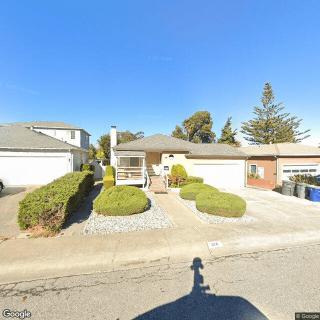

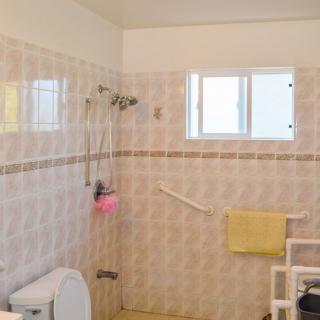






 Exploring the Path to Senior Living: A Comprehensive Look at Independent Living and Assisted Living
 Is Assisted Living Deductible on Your Taxes? Understanding the Complexities of Assisted Living Expenses and Deductions
 Assisted Living Support for Veterans: A Complete and Detailed Overview