

1126 South Westmoreland Avenue, Los Angeles, CA 90006
To contact a resident: (213) 736-7777
For more information about senior living options: (866) 208-4318
Overall Review of Elim Healthcare
Pros
 The staff greeted them warmly and patiently held the door open for the elderly mother.
- The overall process was smooth, and they felt welcomed.
- Everyone working there is kind and helpful.
- Everyone kindly helped, and the mother is doing well.
- The main receptionist was kind and smart when they visited.
Cons
 The facility may not be suitable for people not born in Korea.
- The reviewer states the mother was taken to a remote psychiatric hospital and refused readmission on discharge, and contracted cellulitis during the first week there.
- A staff member at the entrance is described as stubborn and discriminatory, making it hard to speak to nurses or assistants.
- The staff are very unfriendly and seem to work for money rather than providing basic care.
- The place is very busy and crowded with visitors, vendors, and family.
Review
This community is best suited for seniors who were born in Korea and who value a culturally familiar environment with language support, light to moderate daily assistance, and a sense of shared community. Reviewers repeatedly note that the setting feels tailored to elderly Koreans, with a welcoming arrival and staff who make practical accommodations for mobility. For families prioritizing a culturally aligned atmosphere and ease of social connection, this facility can offer a reassuring fit where caregivers and residents share language and cultural cues, which can ease transitions and daily routines for an elder who still functions independently but needs some help with walking and daily tasks.
That said, alternatives should be on the radar for several profiles. Families with loved ones who are not Korean or who require a broader cultural milieu may want to consider other communities with more inclusive language options and a nonethnic focus. Individuals with a higher need for acute medical oversight, frequent behavioral health support, or a proven record of seamless transitions during discharge or hospital readmissions should weigh options that emphasize medical management and continuous clinical oversight. A person who has experienced or is concerned by staffing inconsistencies or perceptions of rigid hierarchy should scrutinize culture and service norms at other nearby facilities.
The strongest positives, warm welcome, patient assistance, and consistent kindness from staff, do not vanish when weighed against the drawbacks, but they do interact with the gravity of the concerns. The tours feel streamlined, the initial impression is that staff will go out of their way to help, and the main receptionist is described as kind and capable. These factors contribute to a sense of trust during the critical first weeks, which can offset some anxiety about moving into care. When a loved one can rely on friendly faces and a smooth onboarding, that goodwill can translate into steadier days and more predictable routines, which matters when mobility is limited or fatigue sets in.
However, the most consequential issues cannot be ignored. A reviewer reported that a loved one was taken to a remote psychiatric hospital and never reassigned back, a safety-threatening sequence that raises legitimate alarms about discharge planning and care coordination. Another reviewer described medical complications, cellulitis in the early days, that signal potential gaps in early medical monitoring. Add in accounts of unfriendly or money-first attitudes and even outright discriminatory behavior from a staff member, and the decision becomes more complex. The practical impact is clear: perceptible inconsistency in both the quality of care interactions and the handling of medical and behavioral needs, amplified by a busy, crowded environment that stretches staff attention and time.
To navigate these realities, families should prepare targeted questions and observations before selecting this community. Seek clarity on discharge planning practices and hospital-to-home coordination, especially for elders with recent hospital encounters or infection risks. Request direct conversations with front-line caregivers about language support, cultural training, and attitudes toward families; observe how staff handle mobility assistance, door access, and emergency responses during a visit. Investigate whether there are Korean-speaking residents on staff, whether admission policies can accommodate fluctuating medical needs, and how safety and inclusivity are enforced across shifts. Concrete references and transparent metrics on patient satisfaction, incident resolution, and staff turnover will be invaluable.
In the end, Elim Healthcare offers a culturally congruent option with genuine warmth and practical daily support for Korean-born seniors who thrive in that niche. If cultural alignment and a welcoming onboarding are paramount, this community can deliver meaningful comfort and continuity. Yet for families prioritizing universal accessibility, indisputable medical oversight, and a consistently inclusive staff culture, alternatives that emphasize non-discriminatory practices, stronger discharge coordination, and a broader clinical resource pool may be the wiser choice. The decision hinges on whether cultural fit and a friendly front line outweigh the notable safety and engagement concerns raised by several reviews.
 142 resident community capacity
 Assisted Living
 Memory Care
 Activities on-site
 Air-conditioning
 Beauty salon
 Cable or satellite TV
 Computer center
 Devotional services off-site
 Dining room
 Fitness room
 Fully furnished
 Gaming room
 Garden
 Housekeeping services
 Indoor common areas
 Kitchenette
 Move-in coordination
 Outdoor space
 Private bathrooms
 Restaurant-style dining
 Small library
 Telephone
 Wellness center
 Wi-Fi/high-speed internet available
 Los Angeles International (10 miles away)
 Community operated transportation
 12-16 hour nursing
 24-hour call system
 Ambulatory care
 Assistance with bathing
 Assistance with dressing
 Assistance with transfers
 Diabetes diet
 Diabetic care
 Medication management
 Mental wellness program
 Special dietary restrictions
 Concierge services
 Planned day trips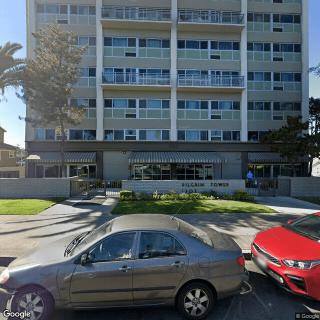





 Memory Care Pathways: A Holistic Guide to Dementia Support
 Comprehending Evening Confusion in Dementia: Causes, Manifestations, and Support
 Delirium and Dementia: Unraveling the Key Differences