
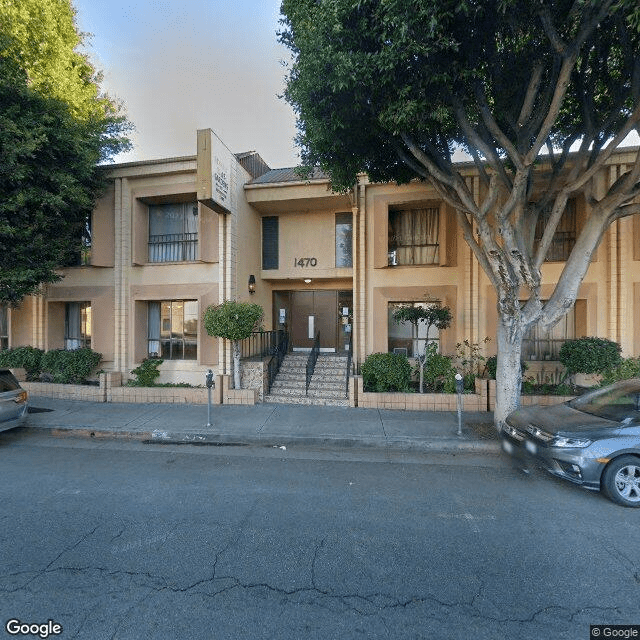
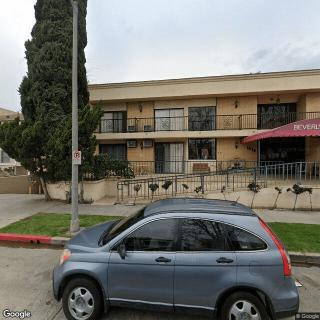
1470 S Robertson Blvd, Los Angeles, CA 90035
To contact a resident: (310) 273-3668
For more information about senior living options: (866) 208-4318
Beverly Hills Terrace Costs & Pricing
Beverly Hills Terrace offers competitive pricing compared to the broader market in Los Angeles County and throughout California. For semi-private rooms, residents can enjoy a cost-effective rate of $950 per month, contrasting sharply with the county average of $3,349 and the state average of $3,333. This significant difference underscores Beverly Hills Terrace's commitment to affordability without compromising on quality care. Additionally, for those seeking studio accommodations, the monthly rate stands at $2,000, which is notably lower than Los Angeles County's average of $4,172 and California's statewide average of $4,145. These favorable rates make Beverly Hills Terrace an attractive option for individuals looking for supportive living arrangements in a desirable location while maintaining financial prudence.
| Floor plans | Beverly Hills Terrace | Los Angeles County | California |
|---|---|---|---|
| Semi-Private | $950 | $3,349 | $3,333 |
| Studio | $2,000 | $4,172 | $4,145 |
Assisted Living communities with a similar price nearby
-
from +$129 / mo
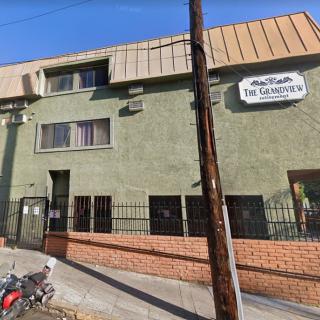
The Grandview
$1,079 to $2,400 / month6.2 miles away -
from +$43 / mo
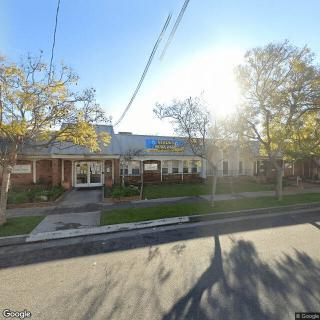
Centinela Assisted Living Centre
$993 to $1,261 / month7.4 miles away -
About the same
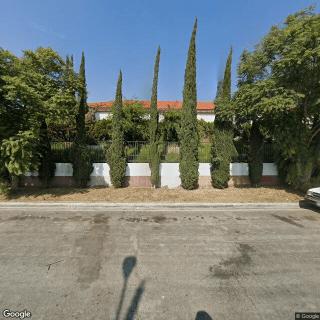
Red Roses Villa
$978 / month21.7 miles away -
from +$50 / mo
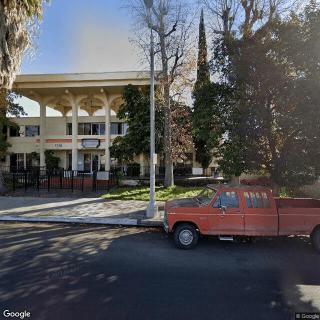
Valley View Retirement Center
$1,000 to $1,500 / month11.2 miles away -
from +$150 / mo
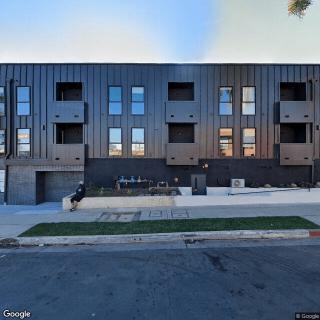
Brentwood Manor
$1,100 to $3,000 / month4.8 miles away
Overall Review of Beverly Hills Terrace
Cons
 The management is horrible and cares only about money.
- They advise that no one should bring their loved ones there, claiming they will end up dying little by little.
- There is a vermin infestation that includes small animals.
- They urge people not to go there.
- They warn that visitors will regret going there.
Review
This community is best suited for families who are pressed by limited options and must prioritize price over care quality. The case for Beverly Hills Terrace rests on affordability or the absence of superior alternatives in the Beverly Hills-Los Angeles corridor; however, affordability cannot compensate for persistent management failures or a questionable sanitation environment. In practice, this facility is not a fit for seniors who need reliable daily assistance, consistent oversight, and a living environment that feels safe and dignified. The strong message from available feedback is that low cost comes with a steep price in terms of resident wellbeing and ongoing frustration for families acting as unpaid care advocates. For most, other paths should be chosen.
Those who should consider alternatives are families seeking consistent, respectful management, transparent billing, and a clean, pest-free environment. Relatives with medical needs, mobility challenges, or cognitive impairment require attentive staff and proactive problem resolution, requirements that appear unmet here. If the goal is to minimize risk of neglect, irregular housekeeping, or exposure to pest-related hazards, it is prudent to look elsewhere. Prospective residents should also demand evidence of responsive administration, routine maintenance, and accessible complaint resolution before any commitment is made. In short, safety and dignity as a baseline should guide the decision, not price alone.
On the downside, the most alarming signals center on management and overall safety culture. Reviews describe management as “horrible” and “money-focused,” with warnings that loved ones may suffer or “end up dying little by little.” Such rhetoric signals chronic service gaps, slow or insufficient response to care needs, and potential revenue-driven decisions that trump resident welfare. The pest issue compounds these concerns, with explicit mentions of vermin and even small animals in living spaces. This combination creates a tangible risk: infections, allergies, bites, disrupted sleep, and a pervasive sense of unease among families and residents alike. In a setting meant to support well-being, these are not manageable variables.
Pros are not clearly articulated in the feedback, and the overall sentiment dwarfs any faint positives. The rating straddles the line with two five-star reports out of five, but those voices fail to negate the weight of the negative experiences described. Without concrete, verifiable benefits, staff reliability, personalized care plans, clean, pest-free premises, the alleged advantages do not offset the main drawbacks. Prospective residents must operate under the assumption that any potential benefits are incidental and unproven, while risk factors are real, persistent, and documented by multiple sources. In practical terms, price cannot be the sole lens through which decision-makers evaluate value here.
Families evaluating options should demand a rigorous due-diligence checklist before any commitment. Request updated inspection reports, licensing status, and evidence of regular pest-control records and remediation. Seek specific answers about staff-to-resident ratios, training, and accountability measures, plus a clear escalation path for concerns. Visit unannounced, observe how staff respond to questions, and speak privately with current residents about daily life and safety. Compare this facility with peers in the same market that offer higher staffing levels, cleaner environments, and a track record of responsiveness. Document promises made and measure them against actual practices over a trial period if possible.
The bottom line is clear: Beverly Hills Terrace presents substantial red flags that outweigh any unclear benefits. For families with meaningful alternatives, move toward options with demonstrated commitment to care quality, cleanliness, and transparent governance. If no better choice exists locally, enter with a firm plan: insist on an immediate improvement timeline, insist on visible pest-control measures, and monitor care closely from day one. In the end, care decision-making must prioritize safety, dignity, and consistent support over cost savings alone. A prudent path is to broaden search and compare multiple communities with documented caregiver engagement and clean living conditions.
 Assisted Living
 Independent Living
 Activities on-site
 Devotional services off-site
 Indoor common areas
 Los Angeles International (8 miles away)
 Ambulatory care
 Diabetic care
 Meals provided
 Comprehensive care with extensive amenities and 24/7 supervision.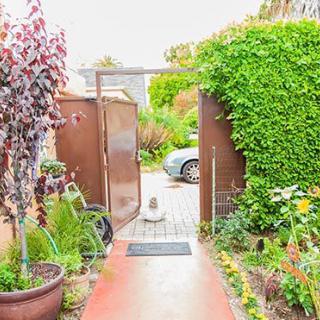


 Comprehensive Insights into Activities of Daily Living (ADLs) and Their Assessment
 Guiding Elderly Parents Who Refuse Assisted Living: 6 Practical Steps
 Your Comprehensive Guide to Luxury Assisted Living: Elevated Facilities, Amenities, and Costs