
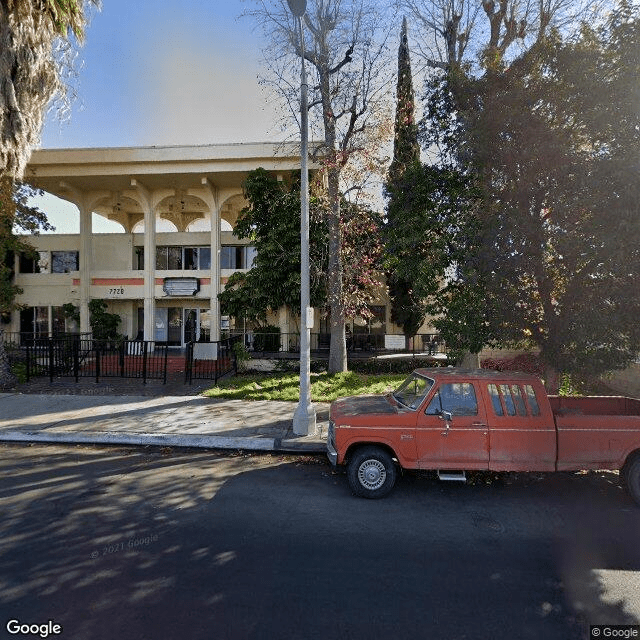
7720 Woodman Avenue., Panorama City, CA 91402
To contact a resident: (818) 997-6756
For more information about senior living options: (866) 208-4318
Valley View Retirement Center Costs & Pricing
Valley View Retirement Center offers competitively priced accommodations compared to the broader market in Los Angeles County and California. For semi-private rooms, residents can expect to pay $1,000 per month, a significant saving relative to the county average of $3,349 and the state average of $3,333. Similarly, for individuals seeking more privacy in a one-bedroom setup, Valley View's monthly fee is $1,500 - far more affordable than the county's average of $4,603 and the state's average of $4,340. This pricing structure positions Valley View as an attractive option for those looking for quality senior living without the financial strain often associated with such facilities in the region.
| Floor plans | Valley View Retirement Center | Los Angeles County | California |
|---|---|---|---|
| Semi-Private | $1,000 | $3,349 | $3,333 |
| 1 Bedroom | $1,500 | $4,603 | $4,340 |
Assisted Living communities with a similar price nearby
-
from +$79 / mo

The Grandview
$1,079 to $2,400 / month13.6 miles away -
About the same

Centinela Assisted Living Centre
$993 to $1,261 / month18.6 miles away -
from +$100 / mo
Brentwood Manor
$1,100 to $3,000 / month12.0 miles away -
from -$50 / mo
Beverly Hills Terrace
$950 to $2,000 / month11.2 miles away -
from -$64 / mo
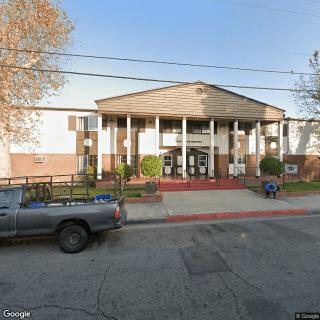
Rosecrans Villa Residential Care
$936 to $1,350 / month21.8 miles away
Overall Review of Valley View Retirement Center
Pros
 The staff were friendly.
- The facility is very nice.
- The facility is well kept.
- The staff are polite.
- There is good coordination between staff members and patients.
- The environment is nice.
- The rooms are clean and easily accessible.
- The lighting is good.
Cons
 They never gave him enough food.
- The reviewer didn't like the facility much.
- They should improve the food.
- They have limited activities.
- The facility was more expensive than the other place the reviewer visited.
- The location was bad and not in a good neighborhood.
Review
Valley View Retirement Center in Panorama City is best suited for seniors who want a clean, orderly, and accessible home base with dependable, personable staff. The facility emphasizes steady routines, manageable spaces, and a calm atmosphere over glitz or high-end amenities. Residents who value predictable scheduling, clear signs of maintenance, and straightforward care will feel comfortable here. Staff turnover appears low enough to foster consistent relationships, and the coordination among caregivers can translate into smoother daily transitions for residents who rely on regular assistance. It is a practical choice for those prioritizing safety, legibility of layout, and a respectful, understated environment rather than luxury features or an active social calendar.
Those who may want to explore alternatives include families seeking richer dining experiences, a wider range of daily activities, or more cost-effective options. The center has been described as more expensive than nearby peers, which can weigh heavily against value if meal variety, exercise programs, or resident engagement are paramount. Another factor to consider is location: a neighborhood that feels less reassuring or convenient can affect daily outings or peace of mind. For seniors with high social needs or particular dietary preferences, it makes sense to compare several communities before deciding.
On the upside, the staff profile stands out: friendly, polite, and capable of keeping good relationships with residents and their families. The environment tends to be well kept, with clean rooms, careful attention to lighting, and layouts that support easy navigation. This combination reduces friction for those with mobility concerns or cognitive needs who rely on a predictable routine and unobtrusive assistance. When care feels coordinated, with different team members seemingly on the same page, families notice less friction during transitions, medication reminders, and activity participation. In short, the daily experience is dependable and comfortable.
However, the main drawbacks depress the otherwise solid footing. Food portions and variety have been questioned, with some residents not getting enough nourishment, which can undermine energy and mood. Activity programming is described as limited, limiting opportunities for socialization, mental stimulation, and purposeful engagement beyond basic care. The overall price point is a notable hurdle, especially when nearby options offer more robust dining or programming at a similar or lower cost. Location-wise, the neighborhood has drawn criticism for not being ideal, which can influence residents' willingness to venture out or feel secure while out and about.
To decide decisively, consider the relative weight of these factors against personal priorities. If the priority is a clean, calm home with reliable care and a respectful staff, the pros may justify the price. If, instead, meals and social activities drive satisfaction or if budget constraints are tight, alternatives should be compared side by side. Ask for menus, portion sizes, and a sample activity calendar; verify what is included in the rate and what incurs extra charges. Confirm transportation options, access to medical appointments, and the ease of finding safe outdoor spaces in the neighborhood. These checks transform impressions into a concrete, apples-to-apples decision.
Bottom line: Valley View Retirement Center delivers steady, dignified daily living with courteous staff, solid upkeep, and a layout that supports independence. It is best for residents who value routine security and a neat, quiet environment over expansive programming or gourmet dining. Families should not overlook the price relative to comparable centers, nor ignore the importance of the neighborhood's feel and accessibility. If these trade-offs align with the resident's preferences and budget, Valley View represents a sensible, low-drama choice; if they do not, a careful comparison of alternatives will reveal options that better match expectations for meals, activities, and surrounding surroundings.
 116 resident community capacity
 Assisted Living
 Independent Living
 Activities on-site
 Air-conditioning
 Beauty salon
 Cable or satellite TV
 Computer center
 Devotional services off-site
 Dining room
 Fitness room
 Fully furnished
 Gaming room
 Garden
 Housekeeping services
 Indoor common areas
 Kitchenette
 Move-in coordination
 Outdoor space
 Private bathrooms
 Restaurant-style dining
 Small library
 Telephone
 Wellness center
 Wi-Fi/high-speed internet available
 Burbank-Glendale-Pasadena (4 miles away)
 Community operated transportation
 12-16 hour nursing
 24-hour call system
 Ambulatory care
 Assistance with bathing
 Assistance with dressing
 Assistance with transfers
 Diabetes diet
 Diabetic care
 Medication management
 Mental wellness program
 Special dietary restrictions
 Concierge services
 Planned day trips


 Funding and Affording Assisted Living: A Thorough Overview
 Assisted Living Expenses and Long-Term Care Insurance: A Comprehensive Exploration
 Securing Financial Support for Assisted Living: A Comprehensive Overview