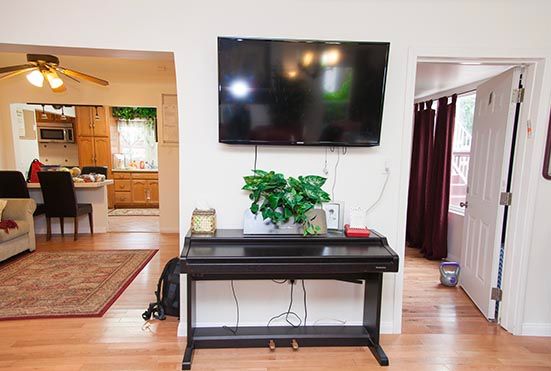
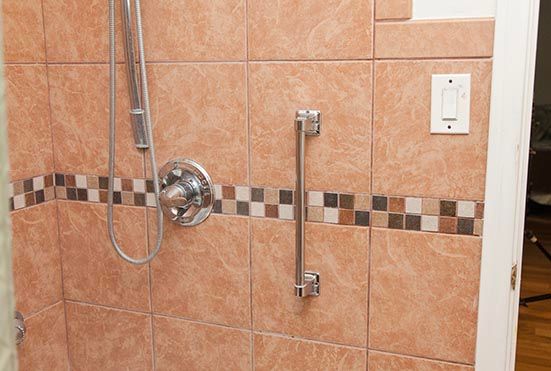
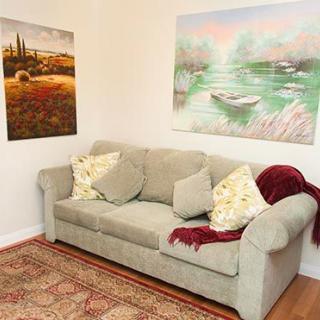
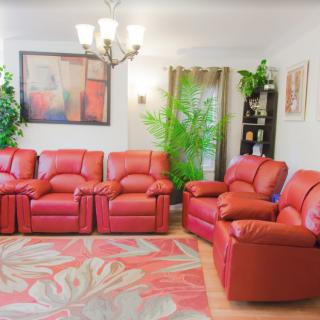
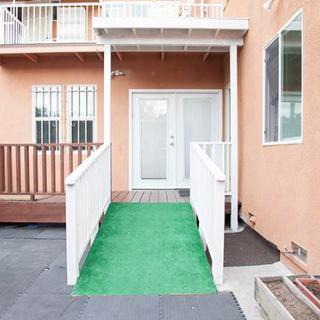


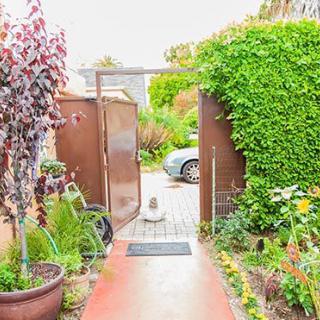

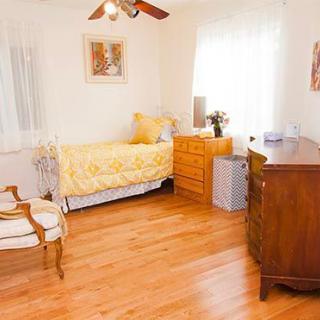
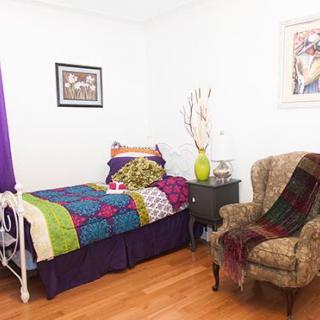

1621 South Sherbourne Drive, Los Angeles, CA 90035
For more information about senior living options: (866) 208-4318
Eilat's Manor Costs & Pricing
Eilat's Manor presents a competitive pricing structure that stands out when compared to both Los Angeles County and the broader California region. For semi-private accommodations, Eilat's Manor charges $4,500 per month, which is notably higher than the county average of $3,349 and the state average of $3,333. The one-bedroom option is similarly positioned at $5,000, surpassing Los Angeles County's rate of $4,603 and California's average of $4,340. Private rooms at Eilat's Manor also reflect this trend with the same monthly cost as the one-bedroom option - $5,000 - which exceeds both the county's fee of $4,197 and the state's $3,939. These figures suggest that while Eilat's Manor may be on the higher end of the pricing spectrum locally and statewide, it likely offers specialized services or amenities that justify this premium.
| Floor plans | Eilat's Manor | Los Angeles County | California |
|---|---|---|---|
| Semi-Private | $4,500 | $3,349 | $3,333 |
| 1 Bedroom | $5,000 | $4,603 | $4,340 |
| Private | $5,000 | $4,197 | $3,939 |
Memory care communities with a similar price nearby
-
from +$500 / mo

Sweet Home Senior Living #1
$5,000 to $7,500 / month9.2 miles away -
About the same
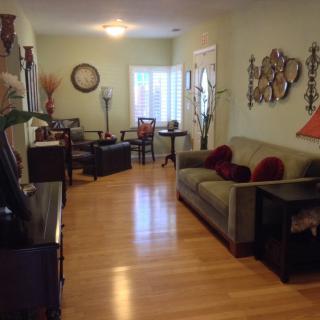
Ardenville Home Care I
$4,500 / month11.4 miles away -
from -$700 / mo
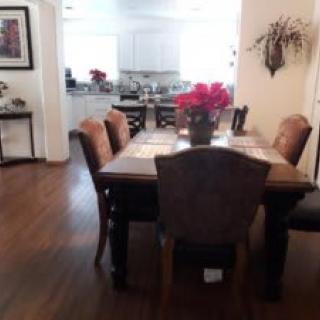
America's Care Manor
$3,800 to $4,000 / month22.7 miles away -
from -$500 / mo
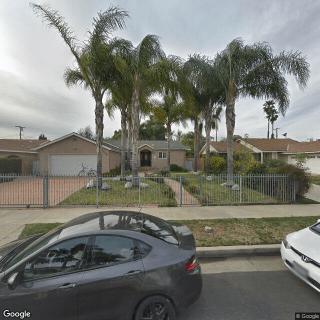
Land of Peace 6
$4,000 to $5,500 / month16.9 miles away -
from +$500 / mo

A Caring Touch Board and Care
$5,000 / month18.2 miles away
Overall Review of Eilat's Manor
Pros
 The Eilat's Manor has been a good move for the residents' parents.
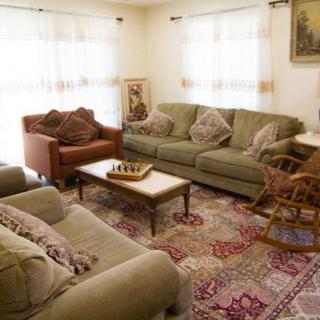
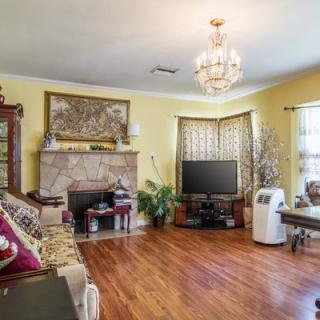
- The home is very clean and well maintained.
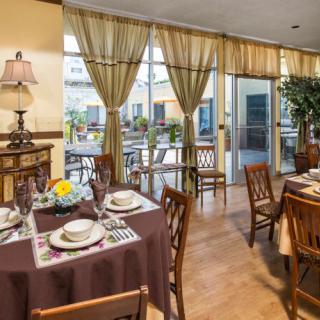
- The meals are good, and residents are fed every 2 hours with good snacks.
- They have a large variety of activities, like daily exercise, and music twice a week.
- So far, it's been a very positive experience.
Cons
 The staff did little beyond feeding and keeping the resident clean, offering almost no meaningful activities.
- There was very little interaction with the resident beyond bathing and feeding.
- They did not communicate changes in her demeanor or ailments to the family and sometimes disregarded directions from the family and the doctor.
- The reviewer would not place a loved one there again and suggested looking elsewhere.
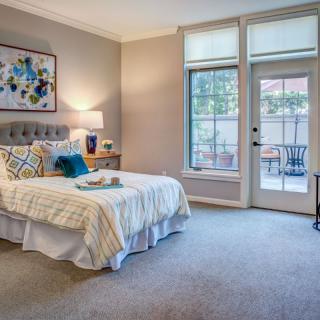
- The private room was oddly configured and felt like a closet for the price.
- The home felt cold in temperature.
- The care home did not hold a candle to the one they chose.
Review
Eilat’s Manor in Los Angeles is best suited for seniors whose families value a clean, well-maintained home with predictable routines, reliable meal service, and a broad slate of daytime activities. It works for residents who benefit from structure, consistent supervision, and social programming that keeps daily life on a steady cadence. This community is less suited for families seeking intensive cognitive stimulation, highly individualized medical coordination, or deeply hands-on engagement from staff. It is a practical fit for households that can tolerate variable levels of personal interaction and who prioritize a safe, orderly environment over a highly tailored care plan.
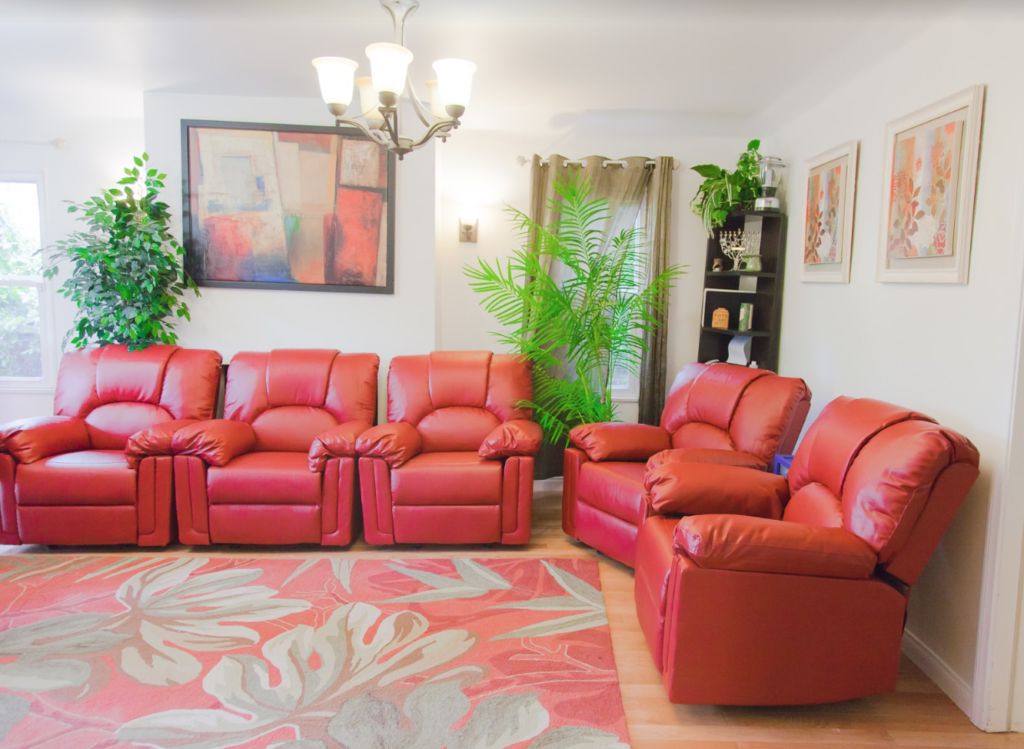
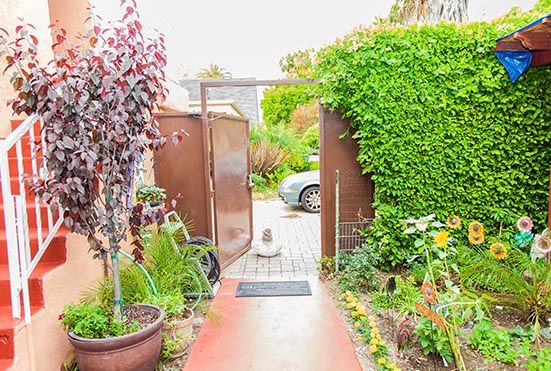
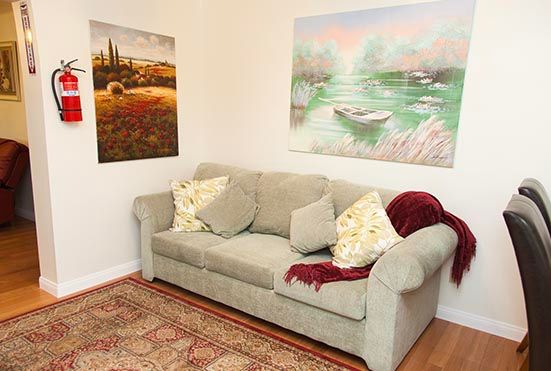
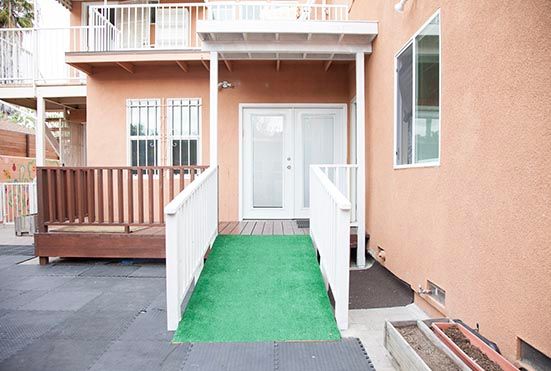
Cleanliness and maintenance stand out as dependable strengths. The facility earns trust through a consistently tidy, well-kept appearance and orderly common areas, both indoors and outdoors. Meals are a notable plus, with regular nourishment and snacks provided on a steady schedule, roughly every couple of hours, which reduces concerns about hunger or gaps in nourishment. Residents benefit from a program that includes daily exercise and music sessions several times a week, contributing to a lively, if not always highly personalized, social framework. For families seeking assurance that basic needs will be met in a organized setting, these factors deliver tangible value.
Yet the strongest drawbacks mirror the quiet frustrations many families fear: engagement gaps and communication lapses. Several accounts describe residents receiving routine care without meaningful interaction beyond feeding and bathing, with little activity-based stimulation outside those routines. Some families report that staff did not communicate changes in health or cognitive function, and even ignored directions from physicians. Those issues undermine trust and can be a serious concern for loved ones needing closer medical coordination or more proactive cognitive support. The overall impression is a home where “being cared for” is reliable, but “being actively engaged in daily improvement” is variable.
The balance between perks and drawbacks hinges on priorities. When cleanliness, routine nutrition, and a steady program of activities are the top criteria, the pros can significantly offset the cons. A structured environment reduces logistical worry for families and can provide predictable days for residents who thrive on routine. However, for residents requiring frequent clinical oversight, rapid escalation of concerns, or highly tailored engagement strategies, the gaps in communication and the inconsistent level of personalized interaction can outweigh the benefits. In short, the positives anchor safety and daily cadence; the negatives anchor satisfaction and continuity of advanced care.
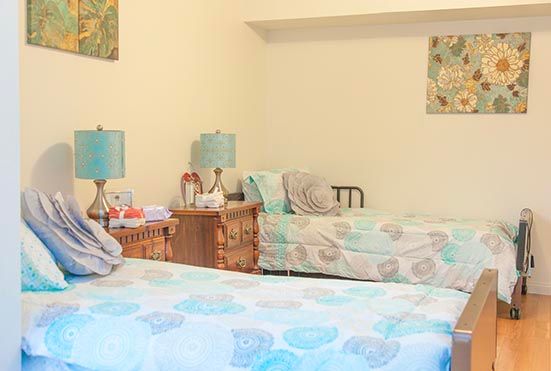
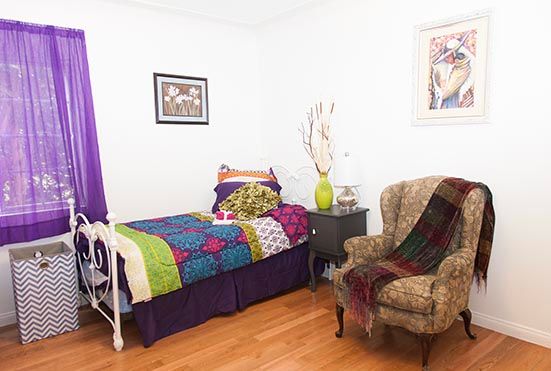
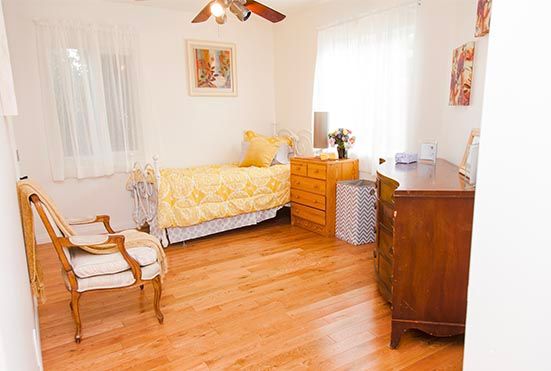
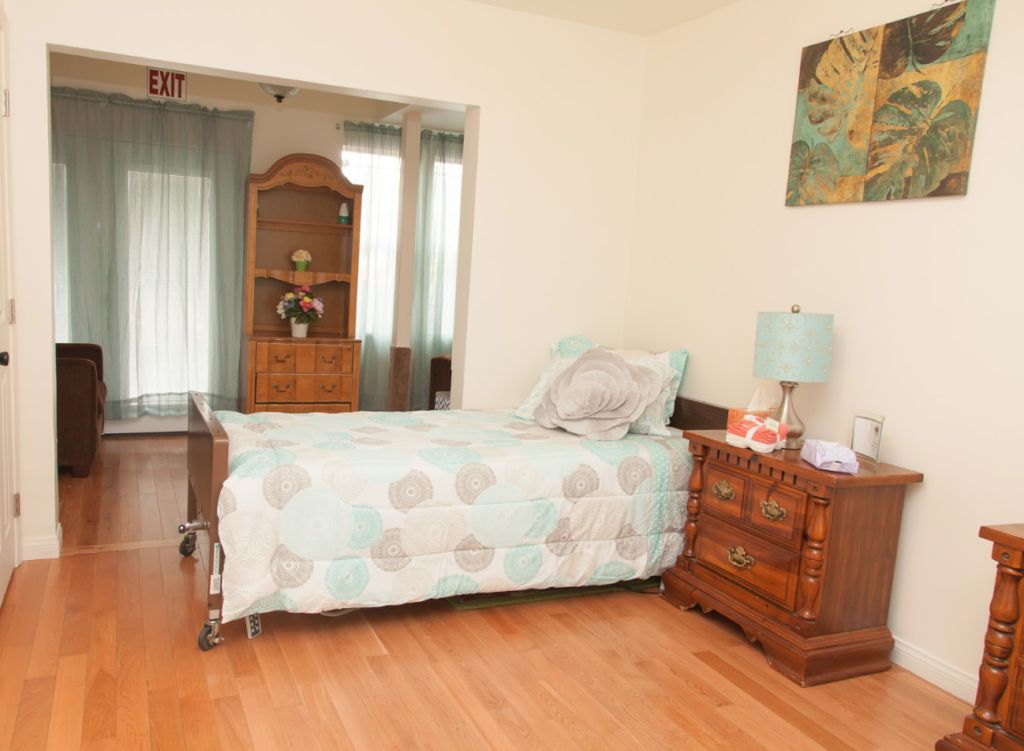
Prospective residents should approach a tour with specific questions that illuminate how care actually flows. Seek detailed explanations of how staff respond to changes in health status, who becomes the primary point of contact, and how family input is incorporated into care plans. Inspect room configurations and climate controls, since personal comfort, such as room layout and warmth, was noted as a potential downside by some reviewers. Ask for a sample weekly activity schedule, and observe whether activities are truly inclusive or largely perfunctory. Finally, clarify who coordinates medical appointments and how medical directives are executed in practice, so expectations align with what the home can reliably deliver.
In conclusion, Eilat’s Manor is a pragmatic choice for families prioritizing a clean, well-run home with dependable meals and a robust activities calendar. It excels at providing structure, safety, and social opportunities within a straightforward care model. It is less ideal for families that demand high-level cognitive engagement, meticulous physician-led coordination, or consistently proactive, personalized staff interaction. If those latter needs are non-negotiable, the search should continue, with attention to communities that foreground transparent communication, stronger medical integration, and more individualized engagement while weighing the value of a clean, active environment as a solid foundation.
 6 resident community capacity
 Assisted Living
 Board and Care Home
 Memory Care
 Cable or satellite TV
 Dining room
 Fully furnished
 Garden
 Housekeeping services
 Move-in coordination
 Outdoor space
 Private
 Telephone
 Wi-Fi/high-speed internet available
 Los Angeles International (8 miles away)
 24-hour supervision
 Activities of daily living assistance
 Assistance with bathing
 Assistance with dressing
 Assistance with transfers
 Diabetes diet
 Meal preparation and service
 Medication management
 Special dietary restrictions
 Transportation arrangement (medical)
 Transportation to doctors appointments




 Exploring the Power of Reminiscence Therapy for Individuals With Dementia
 An In-Depth Look at Reminiscence Therapy in Dementia Care
 Dementia-Related Hallucinations: Causes, Experiences, and Practical Approaches