

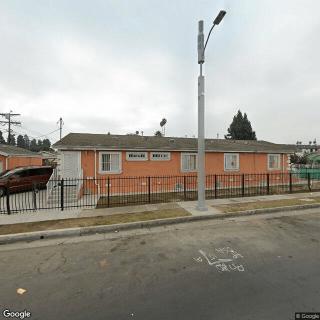
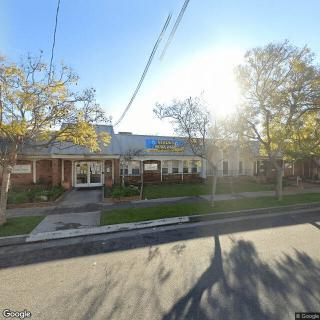
1022 W Florence Ave, Los Angeles, CA 90044
To contact a resident: (323) 750-6060
For more information about senior living options: (866) 208-4318
Overall Review of Allen's Residential Care Home
Pros
 They are really nice people.
- Some of the men have helped with projects.
- They are great workers.
Review
Allen's Residential Care Home in Los Angeles operates as a small, home-like senior residence where residents benefit from direct, personal attention. This community is best suited for seniors who value a warm, neighborhood vibe over a clinical feel, and for families who want staff to know their loved ones by name and treat them with a neighborly generosity. The setting tends to reward hands-on care, familiar routines, and visible staff involvement, often enhanced by the participation of volunteers who donate food and lend a hand with projects. In short, it feels more like a living room with care than a sterile facility, which can be a major comfort factor for some residents.
However, this environment may not fit every senior, particularly those with significant medical needs or those requiring consistent, around-the-clock oversight. With only a few reviews and a mixed rating profile (one five-star, two three-stars, one one-star across the four reviews), dependable care quality and predictable responsiveness become legitimate concerns. Families needing structured programming, robust clinical oversight, memory-care features, or frequent medical coordination will likely find this setting insufficient. For residents who face falls risk, wound care, diabetes management, or complex medication regimens, the absence of clear, standardized care protocols can translate into gaps that matter.
From the most explicit positive notes, the staff at Allen's appear genuinely nice and engaged. The one review highlights “really nice people,” and others describe “great workers” who carry out tasks and support projects, supported by community volunteers. That combination, caring, approachable staff plus a willingness to mobilize outside help, creates a homey atmosphere where conversations happen, needs are heard, and residents can feel seen. The small scale of the home can facilitate quick responses, fewer bureaucratic hurdles, and stronger relationships between residents and caregivers. For families seeking reassurance that kindness exists even when clinical metrics are modest, this is a meaningful upside.
Yet the reality reflected in the rating spread cannot be ignored. A 1-star review alongside two 3-star assessments signals inconsistent experiences, which is a red flag for families evaluating reliability and quality control. The lack of detailed information about staffing levels, training, emergency protocols, or the availability of skilled care raises questions about what happens when medical or daily living needs intensify. Potential gaps in activity programming, meal quality, and routine maintenance can erode satisfaction over time. In short, while warmth may be present, the facility risks uneven performance in core elder-care functions.
The key trade-off is clear: warmth and personal attention versus consistency and clinical robustness. For residents who prize a familiar, affectionate environment, the demonstrated kindness and community involvement can offset some risk of variability, making Allen's a good fit when care demands are moderate and social engagement is a priority. The intimate setting also makes monitoring easier for families, reducing the sense of disconnection common in larger campuses. However, when needs shift toward regular clinical oversight, memory support, or rapid escalation of care, the positive aspects may no longer compensate for reliability gaps. This is not the place to house someone who requires continuous medical management.
Before deciding, families should conduct focused, in-depth visits: observe how staff interact with residents, ask to review caregiver ratios, schedules, and care plans, request recent inspection or licensing documents, and probe for how emergencies are handled after hours. Ask about activities calendar, meal quality, and how volunteers are integrated into daily life. If possible, talk with residents and their families about response time to call bells and responsiveness during nighttime hours. The verdict: Allen's Residential Care Home is a viable choice for seniors who want a small, home-like setting with friendly, hands-on staff and active community involvement, and who have moderate care needs. For those requiring consistent medical oversight, dementia care, or tightly structured programming, alternatives, larger assisted living communities, memory-care specialized facilities, or skilled-nursing options, should be pursued.
 Board and Care Home
 Los Angeles International (7 miles away)

 Essential Knowledge on Pneumonia in Older Adults
 Exploring Palliative Care in the Home: A Comprehensive Overview
 Comprehensive Insights into Palliative Home Care: What It Is and What to Expect