
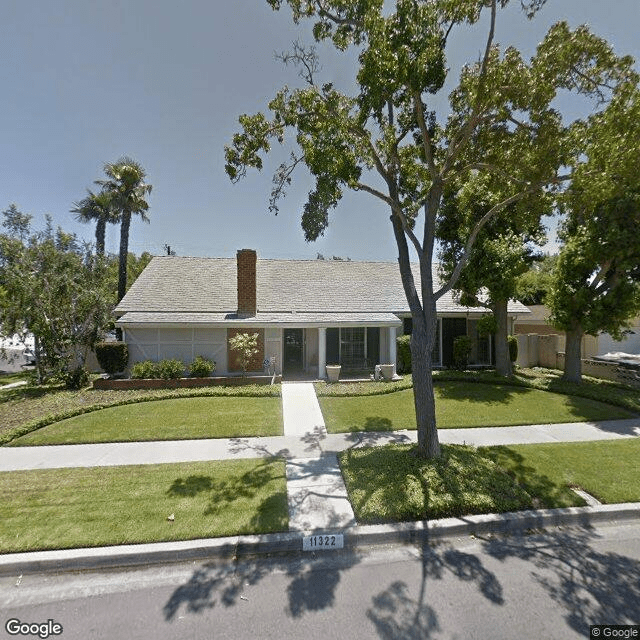
11322 Wembley Road, Los Alamitos, CA 90720
For more information about senior living options: (866) 208-4318
Rossmoor Sunshine Villa-Wembley Costs & Pricing
At Rossmoor Sunshine Villa-Wembley, the monthly costs reflect a commitment to quality care and comfortable living, with semi-private rooms priced at $5,000 and private accommodations at $5,500. When compared to both Orange County and the broader California average, these rates may initially appear elevated - particularly as semi-private options in Orange County are considerably lower at $3,431, and even more so against the state average of $3,333. Similarly, private room rates at Rossmoor exceed those in Orange County ($4,104) and California ($3,939). However, it is essential to consider that these figures often encompass unique amenities and personalized services that can significantly enhance the overall resident experience.
| Floor plans | Rossmoor Sunshine Villa-Wembley | Orange County | California |
|---|---|---|---|
| Semi-Private | $5,000 | $3,431 | $3,333 |
| Private | $5,500 | $4,104 | $3,939 |
Assisted Living communities with a similar price nearby
-
from -$500 / mo

Casa Bella
$4,500 / month14.6 miles away -
from +$500 / mo

Kind Heart Home Care III
$5,500 to $6,000 / month13.5 miles away -
from -$500 / mo
European Loving Care I
$4,500 / month7.1 miles away -
from -$500 / mo

Magnolia Court
$4,500 to $5,500 / month23.1 miles away -
from -$500 / mo

Blessings Senior Care
$4,500 to $5,500 / month5.6 miles away
Overall Review of Rossmoor Sunshine Villa-Wembley
Pros
 Mom really likes this place.
- The director and staff are delightful.
- The other house was very nice.
- The caregiver was very helpful.
- The place looked nice.
Cons
 The staff served residents fried foods with no vegetables, using refined and simple carbohydrates.
- This diet could destabilize blood sugar and contribute to weight gain for inactive residents.
- The fish was breaded and fried.
- The owner claimed the cook was new and untrained, implying untrained staff on the front line.
- There were no vacancies, and residents were sent to another house where the atmosphere seemed cold.
- It was described as not the best option and among the pricier choices.
Review
Rossmoor Sunshine Villa-Wembley is best suited for families seeking a small, home-like, owner-operated setting where the staff feel approachable and the management is reachable. It suits seniors who value a personal, intimate atmosphere over a polished, corporate feel, and who are prepared to manage expectations around dining quality and occasional scheduling gaps. This community can be a practical choice when other options are scarce, openings are limited, and a family wants to stay within a familiar ownership network. In short, it works for households willing to trade some consistency and modern polish for direct access to the owners and a warm, “mom-and-pop” vibe that can translate into attentive, hands-on care on a day-to-day basis.
Those who should seriously consider alternatives are clear: anyone prioritizing nutrition, uniform caregiving, and predictable, transparent operations should look elsewhere. Reviews repeatedly flag a dining pattern centered on fried foods and refined carbs with little emphasis on vegetables, which is a red flag for seniors with blood-sugar management or cardiovascular concerns. The kitchen staff is described as under-trained at times, which raises questions about meal planning and dietary accommodations. If immediate placement with robust, consistently supervised dining and medical oversight is non-negotiable, or if a more modern, corporate environment with steady occupancy is preferred, exploring other communities is prudent.
The strongest positives here, an attractive, welcoming appearance and a staff culture described as delightful, especially the director, do offset some flaws, but not completely. The personal attention from leadership and caregivers can create a genuine sense of belonging and safety, which matters greatly for anxious or homebound seniors. The prospect of accessing a sister house within the operator’s portfolio, where care staff at one visit appeared helpful and the environment seemed more engaging, provides a practical hedge: it offers a potential upgrade without uprooting the resident from a familiar network. For families who prize warmth, direct communication, and a caregiver-first mindset, these elements can meaningfully improve daily life.
Yet the core drawbacks carry real weight in ongoing decision-making. The most persistent concern is the food program, which appears inconsistent and often problematic for anyone managing dietary needs. Fried meals, limited vegetables, and the suggestion that kitchen staffing can be in flux imply potential health risks and ongoing frustration for residents who rely on stable, healthful nutrition. This is compounded by occasional reports of a “cold” or less engaged atmosphere, particularly when vacancies are involved and there isn’t a steady stream of resident traffic through common areas. Price is another hurdle; even when the appearance and staff are appealing, the value proposition doesn’t always align with the experience, especially when openings are scarce and families must wait or pay a premium.
To navigate these realities, pursue a disciplined due diligence process. Request current, tangible evidence of meal planning and dietary accommodations, and ask to meet the kitchen lead or chef to assess training credentials and coordination with dietary restrictions. Tour both this Wembley location and the operator’s other houses to compare dining quality, engagement opportunities, and visible care routines. Confirm occupancy status, expected wait times, and the facility’s process for handling transfers within the network when a more suitable environment is needed. Compare total monthly costs with nearby options, ensuring what is included (meals, activities, transportation, medical oversight) aligns with expectations. If immediacy, strong nutrition, and consistent staffing are non-negotiable, steer toward alternatives with proven, stable records.
The bottom line is practical: Rossmoor Sunshine Villa-Wembley can be a reasonable bridging option for families who value a hands-on, personable ownership and a homey atmosphere, provided the trade-offs are accepted. It is not the strongest recommendation for seniors who demand reliable, healthful meals, proactive and visible caregiving, or cost-effective stability. The decision hinges on the ability to balance warmth and accessibility with the risk of inconsistent dining quality and limited occupancy. For households willing to supervise and advocate actively, and who can tolerate a certain level of meal-related variability while exploring the sister property for a better experience, this community can work. If those trade-offs do not fit, alternatives with steadier nutrition, staffing, and scheduling should be prioritized.
 6 resident community capacity
 Assisted Living
 Board and Care Home
 Bath tubs
 Cable or satellite TV
 Dining room
 Fully furnished
 Garden
 Housekeeping services
 Move-in coordination
 Outdoor space
 Private
 Respite or short term stays offered
 Telephone
 Wheelchair accessible showers
 Wi-Fi/high-speed internet available
 Long Beach (Daugherty) (4 miles away)
 24-hour supervision
 Activities of daily living assistance
 Ambulatory care
 Assistance with bathing
 Assistance with dressing
 Assistance with transfers
 Diabetes diet
 Diabetic care
 Meal preparation and service
 Medication management
 Special dietary restrictions
 Transportation arrangement (medical)
 Transportation to doctors appointments


 An Extensive Exploration of the VA Aid and Attendance Benefit
 Senior Transition Services: Understanding Their Role, Cost, and Importance
 Exploring the Path to Senior Living: A Comprehensive Look at Independent Living and Assisted Living