
2921 Street Albans, Los Alamitos, CA 90720
For more information about senior living options: (866) 208-4318
Overall Review of Rossmoor Home Assisted Living
Pros
 The facility is described as very nice and charming, with fountains, outdoor areas, and dining spaces that evoke Italy.
- The staff are described as like family to residents and are praised for their loving kindness.
- The staff are praised for exemplary service and for showing support and concern for families.
- Katella Senior Living Community makes families feel comfortable and relieved that their loved ones will be graciously cared for.
- The community is recommended for maintaining a high quality of life for loved ones.
- The staff are described as kind and caring, including toward residents with dementia.
Cons
 The facility isn’t taken care of as well as it used to be and needs a lot of tender loving care.
- The overall care is poor.
- The staff has a terrible attitude and doesn’t seem to like working there.
- There were multiple instances of wrong medication being given, indicating poor medication management.
- There was a lack of hygiene assistance and lack of meal preparation.
Review
Rossmoor Home Assisted Living in Los Alamitos, CA, is best suited for seniors who prize a warm, social, home-like setting over a sterile, clinical vibe. It works for residents who want daily life to feel neighborly, people chatting in common areas, neighbors gathering outdoors, and staff who take time to build relationships with both residents and families. Families that value accessibility, personal outreach, and a sense that staff know hard-luck backstories and care about them as people will likely feel comfortable here. The environment delivers charm, colorful common spaces, welcoming dining areas, and outdoor features that encourage casual interaction, creating a mood that supports engagement over isolation. Those with substantial medical needs or requiring meticulous medication management should consider alternatives where clinical oversight is more consistent and documentation tighter.
The strongest positives center on atmosphere and human connections. The setting is inviting, the fountains, outdoor spaces, and dining areas project a relaxed, homey charm that makes social life feel natural rather than forced. In several accounts, staff are described as kind, responsive, and genuinely invested in residents’ well-being, with outreach that helps families navigate complex circumstances. When care is balanced by thoughtful attention, residents appear engaged and comfortable, with a sense that staff cultivate a family-like rapport rather than a distant, transactional relationship. This combination of warmth and sociability can make daily life enjoyable and reduce anxiety for families worried about a loved one’s sense of belonging.
Yet the other side is sharp and actionable. The care picture is not uniformly positive. Some families describe overall care as lacking, with staff attitudes that can feel disengaged or negative at times. Concrete red flags include gaps in hygiene assistance, insufficient meal preparation, and, most troubling, medication management errors that raise real safety concerns for vulnerable residents. While some relatives have experienced compassionate, capable caregiving, these inconsistent experiences create real risk for those who rely on precise routines and reliable oversight. Even the physical environment can suffer when maintenance and upkeep appear inconsistent, subtly undermining comfort and safety.
When the positives align, friendly, engaged staff and an inviting, social environment, they offset some risks for lower-acuity residents who do not require intensive medical intervention. Family-centered outreach can mitigate anxiety and improve responsiveness to concerns, and the social fabric helps keep residents mentally and emotionally engaged, reducing isolation. However, the safety net is uneven: medication mismanagement and inconsistent hygiene and nutrition support can erode trust and threaten health. In essence, the warmth and community can make this a livable, even pleasant home for some, but the vulnerabilities in medical oversight keep the overall value precarious for anyone with higher care needs.
For families evaluating options, this community makes sense only when a loved one’s needs lean toward social engagement and companionship with flexible caregiving that can be supplemented by family involvement. For those requiring dependable medication administration, clear care plans, consistent staff coverage, and rigorous hygiene and meal-service standards, alternatives with stronger clinical protocols should be pursued. Dementia or memory-support needs may demand a more specialized program, and any warning signs about staff turnover or attitudes are reminders to look elsewhere. In short, it fits a sociable, low-to-moderate care profile, not high-acuity, medically demanding scenarios.
Decision-makers should approach with a practical checklist: observe a meal, note activity levels, and request to review current med administration records. Ask about staff scheduling, turnover, and how hygiene, meal prep, and daily living assistance are prioritized. Speak with multiple team members and, if possible, current residents to gauge consistency and tone. Seek recent evidence of improvements and any management changes that could affect reliability. If choosing this community, pair the decision with explicit expectations and a plan for regular family involvement to compensate for potential gaps. Taken as a whole, Rossmoor Home Assisted Living offers a warm, socially engaging option in Los Alamitos, but it requires vigilant oversight and a readiness to pivot if safety and consistency falter.
 6 resident community capacity
 Assisted Living
 Cable or satellite TV
 Dining room
 Fully furnished
 Garden
 Housekeeping services
 Move-in coordination
 Outdoor space
 Telephone
 Wi-Fi/high-speed internet available
 Long Beach (Daugherty) (4 miles away)
 24-hour supervision
 Activities of daily living assistance
 Assistance with bathing
 Assistance with dressing
 Assistance with transfers
 Diabetes diet
 Meal preparation and service
 Medication management
 Special dietary restrictions
 Transportation arrangement (medical)
 Transportation to doctors appointments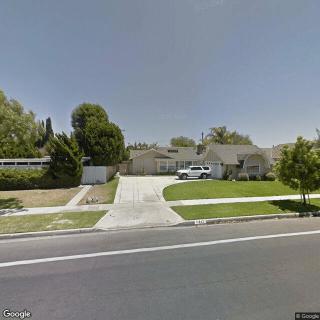



 Comprehensive Insights into Activities of Daily Living (ADLs) and Their Assessment
 Medicare Coverage for Assisted Living: An In-Depth Exploration
 Choosing the Right Senior Care: A Detailed Exploration of Assisted Living and Nursing Homes