
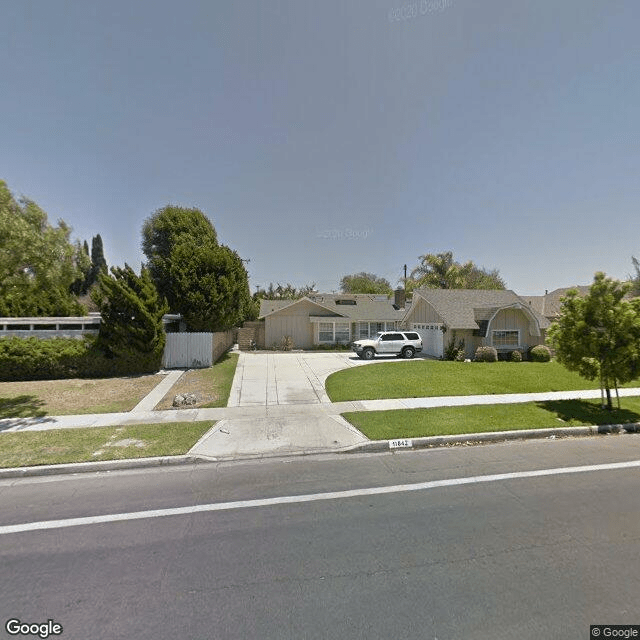
11842 Foster Rd., Rossmoor, CA 90720
To contact a resident: (951) 532-4644
For more information about senior living options: (866) 208-4318
St.Francis Home for the Elderly II Costs & Pricing
St. Francis Home for the Elderly II offers competitive pricing in comparison to both Orange County and the broader California region. For semi-private rooms, the monthly cost is set at $3,500, which is slightly higher than the average in Orange County at $3,431 and notably more than the statewide average of $3,333. In terms of private accommodations, St. Francis Home charges $4,500 per month, surpassing both local and state averages - Orange County's typical rate is around $4,104 and California's average stands at $3,939. These costs reflect not only the quality of care provided but also the commitment to creating a comfortable living environment for residents.
| Floor plans | St.Francis Home for the Elderly II | Orange County | California |
|---|---|---|---|
| Semi-Private | $3,500 | $3,431 | $3,333 |
| Private | $4,500 | $4,104 | $3,939 |
Assisted Living communities with a similar price nearby
-
from +$495 / mo
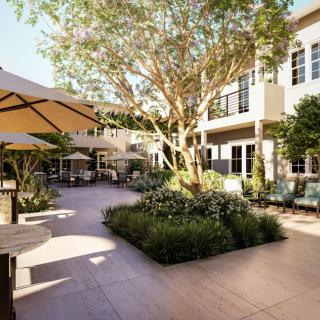
Cadence Brea
$3,995 to $5,500 / month14.1 miles away -
About the same
Kind Heart Home Care VI
$3,500 to $5,000 / month13.1 miles away -
About the same
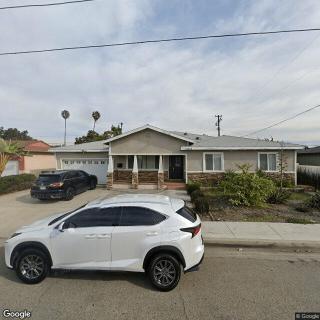
Loving Home Care
$3,500 to $4,500 / month5.2 miles away -
from -$200 / mo

Bella Manor II
$3,300 to $4,290 / month2.2 miles away -
from +$500 / mo
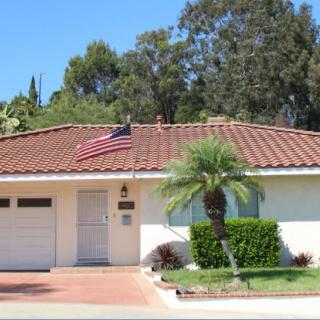
Palomino Residential Care
$4,000 to $6,000 / month17.9 miles away
Overall Review of St.Francis Home for the Elderly II
Pros
 They were kind and loving.
- They were always attentive to all my needs, and cooking was healthy and delicious.
- They were truly loving people.
Cons
 They did not feel good about this place.
- They noted that a man opened the door holding a baby and did not seem very interested.
- They observed that the residents did not look very happy.
- They were told there were no openings.
- They noted there were six residents and none of them were very talkative.
- They found the price expensive, at around $4,000 per month.
Review
St. Francis Home for the Elderly II in Rossmoor is best suited for families seeking a small, home-like setting where attentive, almost familial care is the centerpiece. This community rewards residents who value low-key, consistent routines, personal attention, and meals that feel like they come from a caring kitchen rather than a large facility cafeteria. It is ideal for seniors who want to feel genuinely cared for, with staff who appear closely involved in daily life, and for families who prefer a quiet, intimate atmosphere over a bustling, upscale campus.
Those who may want to consider alternatives are families prioritizing a high-energy social scene, broad activity calendars, or a wider network of amenities. The resident community is notably small, roughly six people in one account of the operation, so opportunities for spontaneous social interaction can be limited. The cost is described as all-inclusive and premium, which will deter budget-conscious shoppers. Additionally, a few visits have produced impressions of staff engagement that feel uneven, and an inside look at the environment suggested that not all residents appeared consistently animated or happy.
The primary pros, genuine warmth, attentiveness, and home-cooked meals, tend to offset several notable drawbacks, particularly for those who prize a reassuring, caregiver-centric model. The staff’s kindness and the sense of belonging can translate into meaningful daily support, making the environment feel like an extended family more than a clinical setting. The emphasis on healthy, tasty cooking elevates quality of life in everyday terms, and the intimate size can foster trust, personalized routines, and quick responsiveness to changing needs. However, these strengths do not completely cancel out the main cons: the small scale can limit social programming, and the higher price point may outpace what some families are willing to invest for a similar level of care elsewhere.
Cost is a central consideration. At around $4,000 per month, the price ticket is transparent and all-inclusive, which reduces the friction of hidden fees. For families comparing options in the high-cost Orange County/Greater Bay Area corridor, this can still feel steep, but the value proposition hinges on how much families value predictability and a home-like environment. The all-inclusive framing is a practical advantage for budgeting, yet the upside depends on the resident’s needs not expanding beyond what a tiny community can sustain. If a resident’s care demands become more complex, the limited staffing and resources may blunt the perceived value even when the monthly bill remains stable.
From a resident-experience standpoint, the strongest selling point is the sense that life here is personalized and caring. Testimonials speak to moments of feeling like family and to attentiveness that goes beyond routine check-ins. Yet caution is warranted: a negative on-site impression, staff engagement that feels lukewarm, residents who appear disengaged, or a sense that activities are sparse, cannot be dismissed. Families should weigh the emotional comfort of a small, loving community against the potential for social stagnation and quieter days. A visit, preferably with opportunities to observe interactions and talk directly with residents, will reveal whether the energy aligns with a loved one’s temperament.
In the end, St. Francis Home for the Elderly II is a prudent choice for families prioritizing intimate, compassionate care within a predictable, all-inclusive price and a home-like ambiance. It is less suitable for those who crave a robust activity calendar, a bustling social scene, or significant budget flexibility. Prospective buyers should target this option if the priority is daily warmth and individualized attention over scale. For families seeking more social engagement, broader amenities, or lower ongoing costs, alternatives in the area deserve careful consideration. A deliberate tour, direct conversations with current residents, and clear questions about openings and care capabilities will clarify whether this particular community fits the loved one’s long-term plan.
 6 resident community capacity
 Assisted Living
 Board and Care Home
 Cable or satellite TV
 Dining room
 Fully furnished
 Garden
 Housekeeping services
 Move-in coordination
 Outdoor space
 Private
 Telephone
 Wi-Fi/high-speed internet available
 Long Beach (Daugherty) (4 miles away)
 24-hour supervision
 Activities of daily living assistance
 Assistance with bathing
 Assistance with dressing
 Assistance with transfers
 Diabetes diet
 Diabetic care
 Incontinence care
 Meal preparation and service
 Medication management
 Special dietary restrictions
 Transportation arrangement (medical)
 Transportation to doctors appointments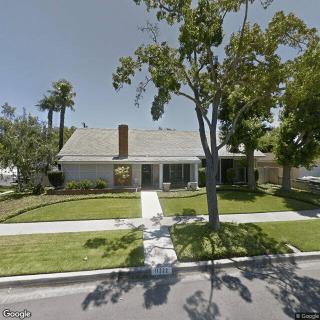

 8 Key Indicators That Suggest It May Be Time to Transition from Assisted Living to Skilled Nursing Care
 Vibrant Senior Living: A Comprehensive Guide for Active Older Adults
 When to Transition from Assisted Living to Memory Care: Key Indicators, Steps, and Finding the Right Community