
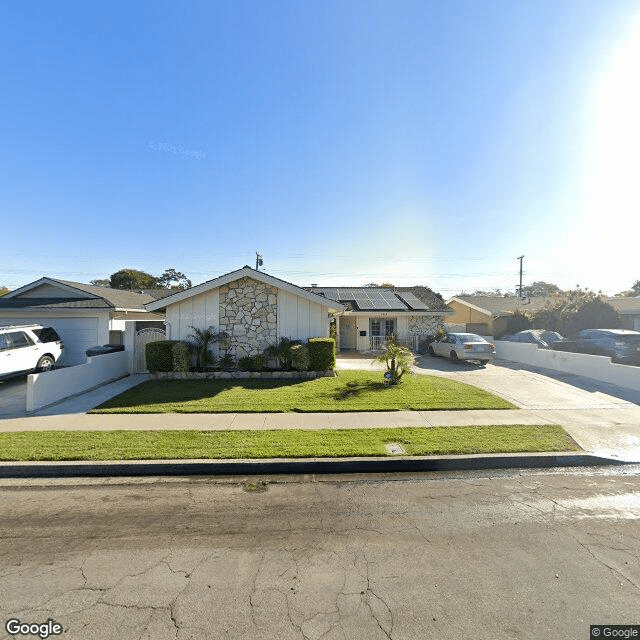
2874 Fidler Avenue, Long Beach, CA 90815
For more information about senior living options: (866) 208-4318
Overall Review of Fidler Cottage
Pros
 The family felt like they were treated as part of Fidler's family by their special caregivers.
- The care was warm and beautiful.
- They couldn't say enough about Fidler and their care.
Review
This community is best suited for families seeking a small, home-like setting where moments of end-of-life care are delivered with extraordinary warmth and personal attention. The experience shared from a month-long stay with a loved one points to a tightly knit caregiving team that treats residents as if they were family, with staff described as special and deeply devoted. The environment appears to emphasize comfort, dignity, and emotional support over a broad menu of activities or high-volume programming. A short stay before a loved one’s passing underscores a focus on easing suffering, preserving dignity, and offering respectful companionship rather than chasing complexity in care plans. For families who prioritize intimate, compassionate bedside presence and want to be actively involved in daily care, this setting aligns with those priorities.
For families planning long-term residence with robust medical oversight, rehabilitation, or a wide array of ongoing programming, alternatives may be the smarter choice. The sole narrative centers on an intimate, emotionally centered caregiving approach, which is strengths-forward but may raise questions about scalability and the breadth of services if needs evolve. Communities with larger staffs, formalized care pathways, or specialized tracks, memory care, post-acute recovery, or intensive rehabilitation, often provide more predictable programming and a wider network of clinicians. Proximity to relatives and access to broader medical resources are practical factors to compare as well, because those elements shape planning for any potential transition or escalation in care needs.
The strongest positives clearly offset the potential downsides when the goal is end-of-life comfort and emotional reassurance. The caregivers’ ability to feel like extended family creates a sanctuary in difficult moments, which is priceless for families navigating grief and decision-making. The warmth and beauty of the care, apparent in the description of attentiveness and personal connection, offer a profound sense of security during one of life’s most delicate chapters. The main con, if it exists in a broader evaluation sense, is the absence of insight into long-term programming or the capacity to handle a wide range of medical needs on a sustained basis. Yet in an end-of-life context, that intimate, compassionate presence can be more valuable than a larger, more regimented schedule. The trade-off is the difference between scale and soul, and in such circumstances, soul wins.
The setting itself appears to emphasize small-scale, relationship-driven care, which translates into stronger trust between families and caregivers. A home-like cottage atmosphere naturally fosters continuity of presence, easier communication, and more predictable responses to evolving comfort needs. That environment should reassure families worried about their loved one feeling forgotten or hurried through a busy day. At the same time, families should verify practicalities: how stable the caregiving team is, what nursing support looks like on evenings and weekends, and how pain and symptom control are managed in a staffing model that may be more intimate but less consistent than a larger facility. Open dialogue about hospice coordination, emergency protocols, and spiritual or cultural support will also clarify how the setting can adapt to changing needs without disrupting the reassuring tone customers describe.
For families actively evaluating options, concrete steps help translate impressions into decisions. Begin with a guided tour and frank conversations about licensure, inspection history, and staff-to-resident ratios. Ask how the care philosophy translates into day-to-day routines, what happens when a resident’s needs escalate, and whether the facility can seamlessly integrate hospice or palliative care partnerships. Request references from families with similar circumstances and seek firsthand accounts of responsiveness, continuity of caregivers, and the ease of coordinating with family members. Clarify the financial structure: what is included, what might incur additional costs, and how long a stay or transition is realistically sustainable given health trajectories. Finally, assess the logistical fit, geography, hospital proximity, accessibility, and the ability for relatives to participate in care.
In sum, Fidler Cottage represents a rare blend of dignity, warmth, and personal attention that resonates most powerfully with families seeking intimate, compassionate care during end-of-life or serious illness. The decisive question is whether the priority is steadfast emotional support and a small-home atmosphere or a broader suite of medical services, activities, and longer-term programming. If the aim is to preserve comfort, honor the patient’s values, and lean into a caregiving team that feels like family, this community warrants serious consideration. If the plan requires ongoing, scalable programming or extensive clinical capacity across a longer horizon, it is prudent to explore alternatives that offer broader medical integration and more varied daily engagement. A candid, focused discussion with the care team about current capabilities, future plans, and how transitions would be managed will crystallize the fit and illuminate the practical path forward.
 6 resident community capacity
 Assisted Living
 Board and Care Home
 Memory Care
 Cable or satellite TV
 Dining room
 Fully furnished
 Garden
 Housekeeping services
 Move-in coordination
 Outdoor space
 Telephone
 Wi-Fi/high-speed internet available
 Long Beach (Daugherty) (1 miles away)
 24-hour supervision
 Activities of daily living assistance
 Assistance with bathing
 Assistance with dressing
 Assistance with transfers
 Diabetes diet
 Meal preparation and service
 Medication management
 Special dietary restrictions
 Transportation arrangement (medical)
 Transportation to doctors appointments

 Understanding the Distinctions: Assisted Living and Memory Care Explained
 How to Communicate with a Loved One Living with Dementia: 10 Supportive Strategies
 Comprehensive Guide to VA Nursing Homes: A Crucial Long-Term Care Resource for Veterans