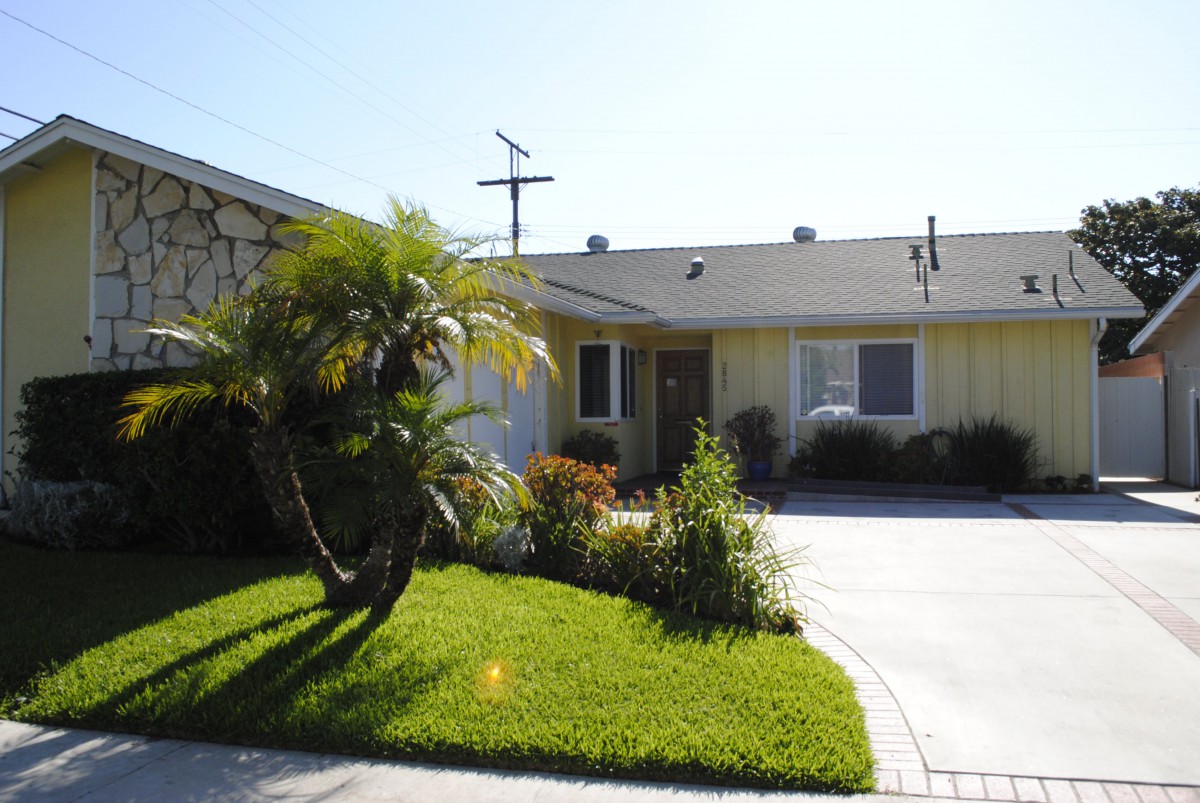
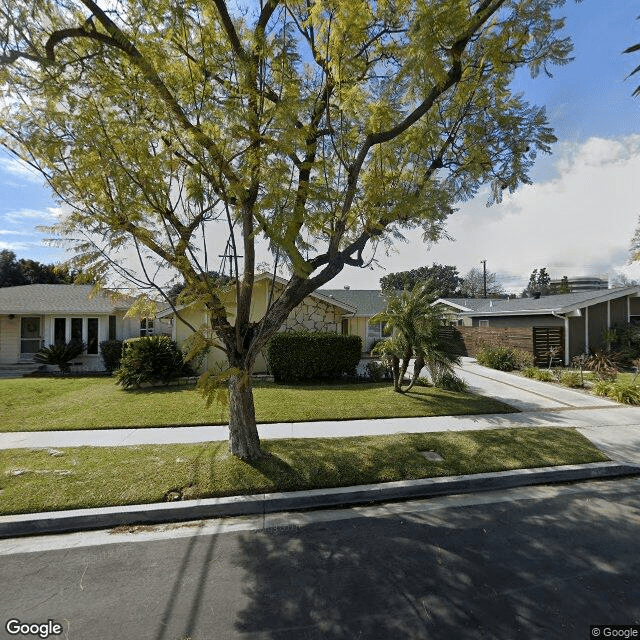
2845 North Greenbrier Road, Long Beach, CA 90815
To contact a resident: (714) 222-0012
For more information about senior living options: (866) 208-4318
Family Choice 6 Costs & Pricing
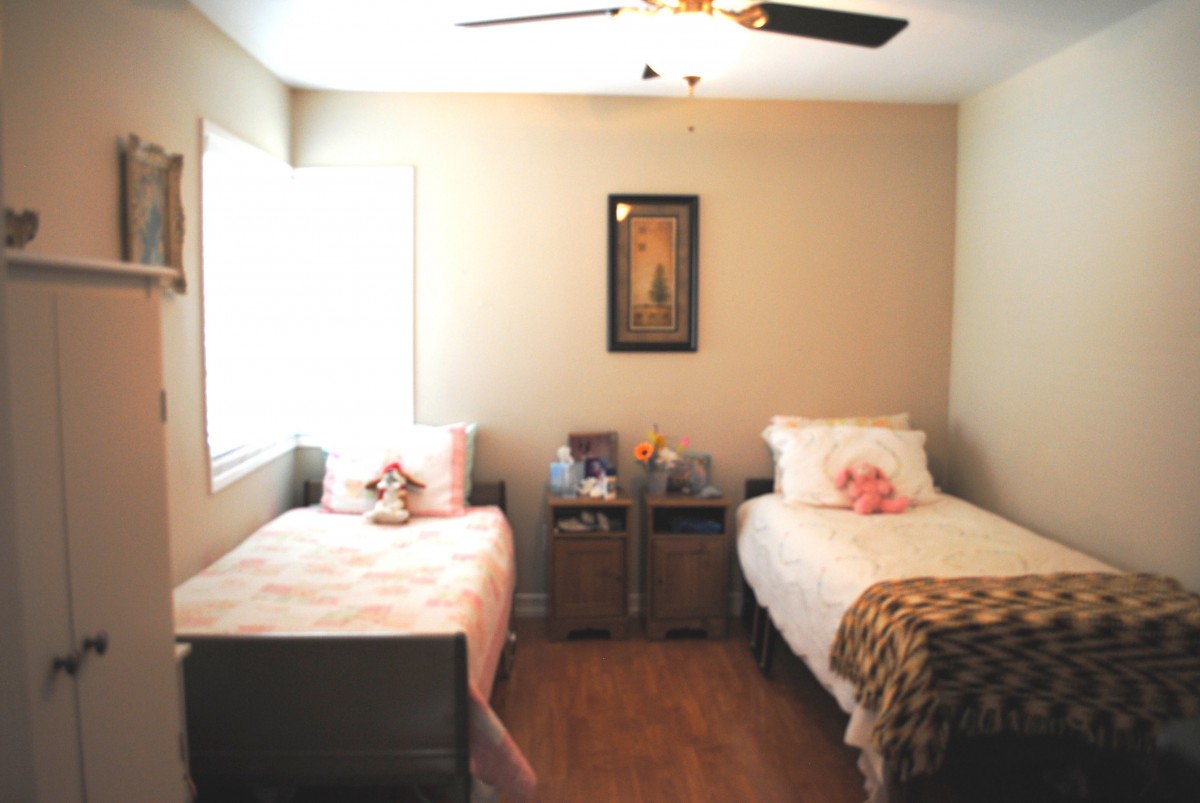
Family Choice 6 offers competitive pricing for its services in comparison to both Los Angeles County and the broader California market. For a semi-private room, Family Choice 6 charges $3,300 per month, which is slightly lower than the county's average of $3,349 and very close to the state average of $3,333. In terms of private room accommodations, Family Choice 6's monthly rate stands at $4,000, which is more affordable than the Los Angeles County average of $4,197 but exceeds the California state average of $3,939. Overall, Family Choice 6 presents a balanced value proposition within this competitive landscape, making it an attractive option for families seeking quality care without exceeding budgetary expectations.
| Floor plans | Family Choice 6 | Los Angeles County | California |
|---|---|---|---|
| Semi-Private | $3,300 | $3,349 | $3,333 |
| Private | $4,000 | $4,197 | $3,939 |
Senior living communities with a similar price nearby
-
from +$200 / mo
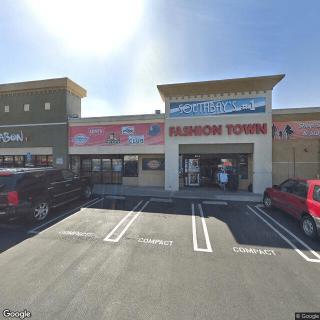
Kind Heart Home Care VI
$3,500 to $5,000 / month10.1 miles away -
from +$200 / mo
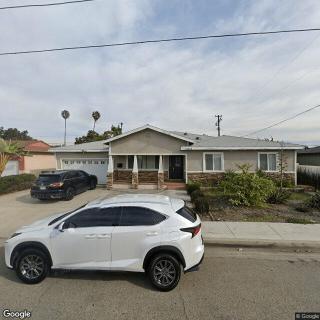
Loving Home Care
$3,500 to $4,500 / month8.2 miles away -
About the same

Bella Manor II
$3,300 to $4,290 / month3.1 miles away -
from -$500 / mo
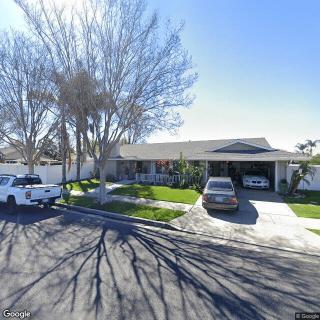
Candlewood Care Home III
$2,800 to $3,400 / month19.5 miles away -
from -$500 / mo
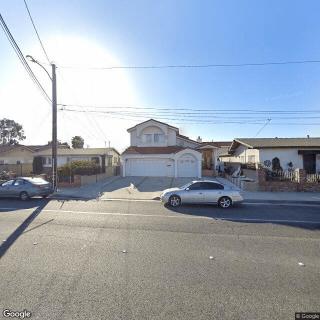
Leah Loving Elderly Care
$2,800 to $3,000 / month12.6 miles away
Overall Review of Family Choice 6
Pros
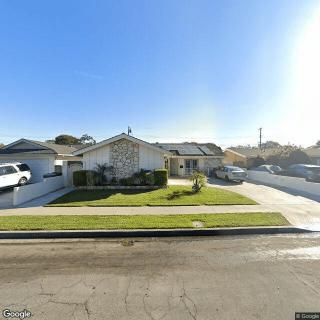
 The home is located in a residential area.
- It offers assistance with most needs.
- Staff are onsite.
- Cats are allowed, as long as other residents' allergies are not affected.
Cons
 The care home offers assistance with most needs, implying some needs remain unmet.
- Cats are allowed only if other residents don't have allergies, restricting pet access.
Review
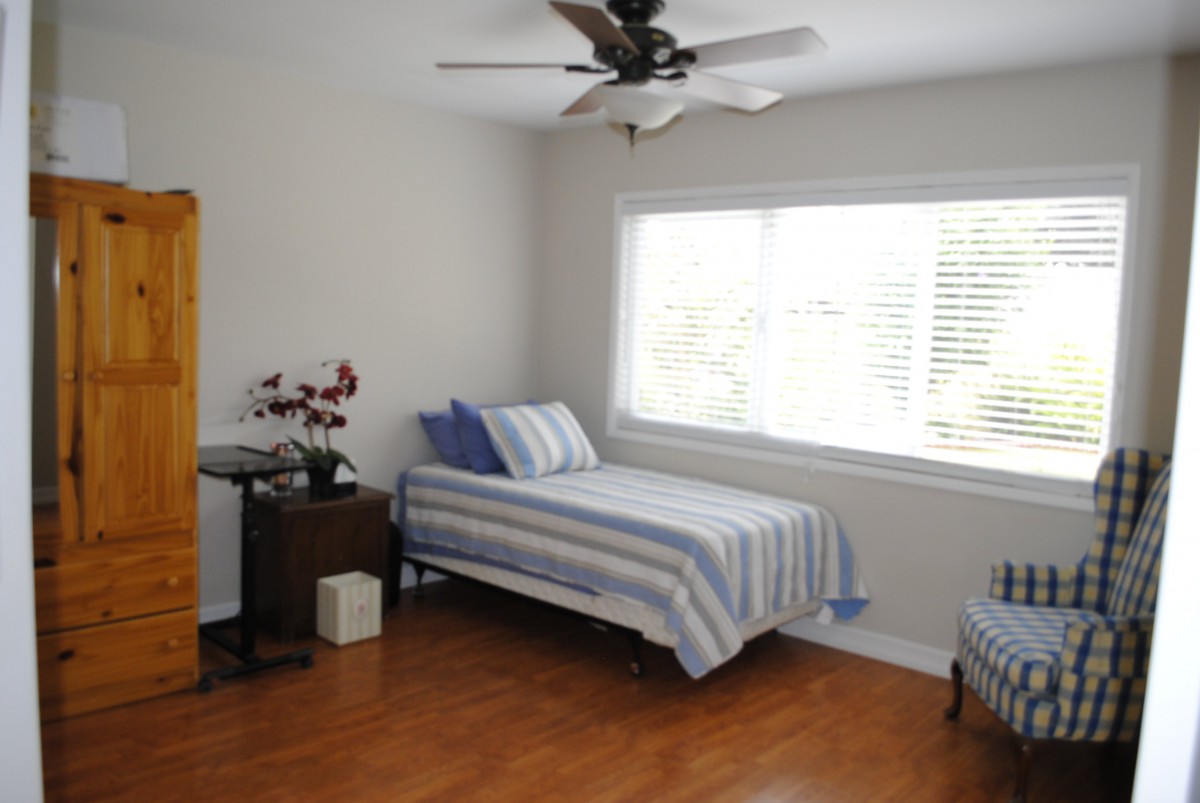
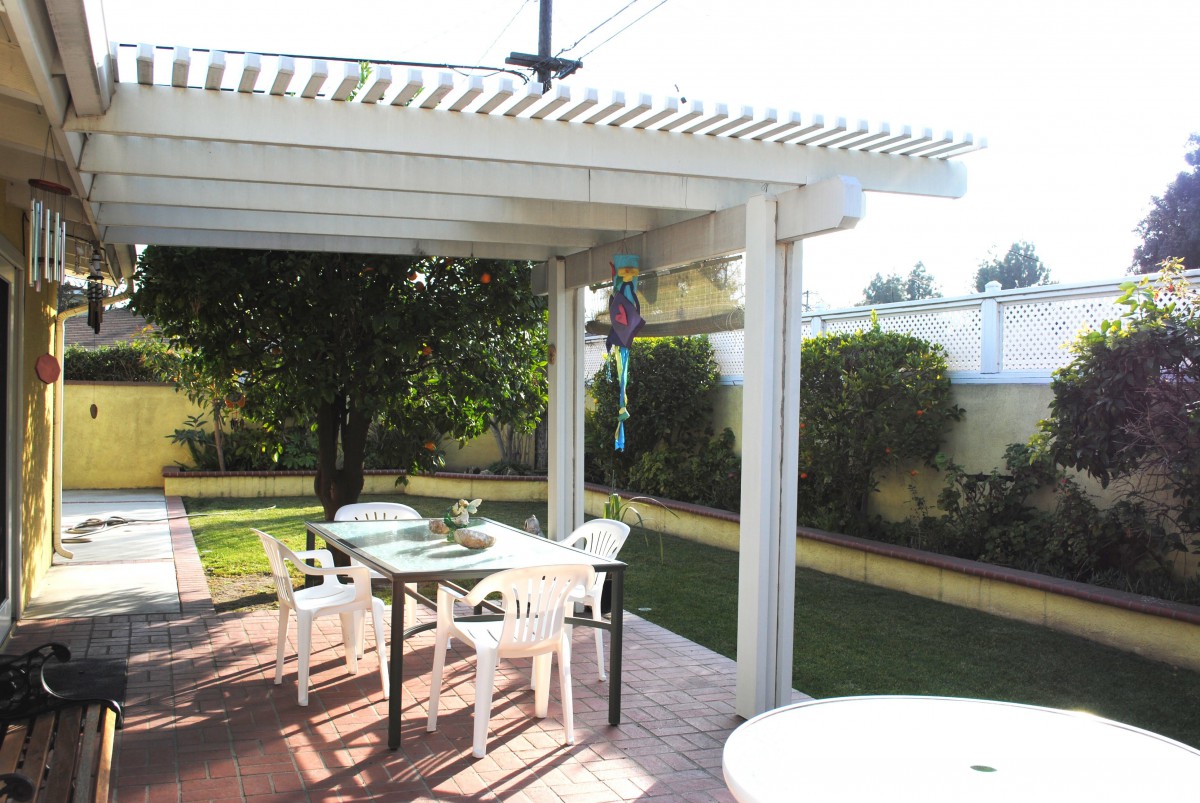
Family Choice 6 in Long Beach, CA is best suited for seniors who want a true home-like experience in a small, six-resident setting. This community is ideal for individuals who need help with most daily tasks but do not require the extensive medical oversight of a larger facility. The on-site staff presence promises responsive assistance and closer supervision, which translates to a safer, more familiar routine in a residential neighborhood. For those prioritizing a warm, intimate atmosphere over institutional scale, and who value the opportunity to share space and conversation with a small group, this option fits neatly. Pet-friendly dynamics add a welcoming touch, provided allergy considerations for other residents are carefully managed.
Those who may want to consider alternatives are seniors with heavier medical needs or specific memory-care requirements, where a facility offering skilled nursing or specialized dementia programming would be more appropriate. Families seeking a wide array of structured activities, diversified social programming, or a more robust schedule of therapeutic services may find the six-resident model limiting. Additionally, residents with strong cat allergies or household members who cannot tolerate pets should scrutinize the pet policy and potential allergen exposure, as the ability to keep a cat hinges on the comfort of other residents. In short, when medical complexity or expansive activity options are non-negotiable, it’s wise to explore larger communities.
The core strengths of this community, intimate size, a residential setting, and steady, on-site staffing, translate into meaningful advantages. The small scale fosters personalized attention, clearer oversight, and quicker responses to every task or concern. Assistance with most needs is practical and readily available, which reduces the stress of coordinating care across multiple caregivers. The home atmosphere can support consistent routines, predictable meals, and a sense of continuity that some seniors prize over the bustle of bigger centers. These advantages ring especially true for those who value privacy and meaningful peer connection within a tight-knit group.
Yet the compact model carries definable trade-offs. Social opportunities hinge on the compatibility of six individuals rather than a broader resident mix, so meaningful interactions may require deliberate scheduling and cooperation among residents. The description of services as “assistance with most needs” leaves questions about the depth of medical oversight, medication management, and emergency response protocols that might matter to families with particular health considerations. The pet policy, while a potential warm, home-like factor, introduces an allergen variable that can complicate living arrangements for allergy-sensitive residents or visiting family members. These factors should be weighed against the comfort and simplicity of a small-home environment.
For families evaluating options, a practical checklist matters. Confirm what “onsite staff” looks like in practice: hours, qualifications, and response times. Clarify exactly which daily tasks and medical supports are included under “assistance with most needs,” and whether any skilled nursing, medication administration, or rehabilitation services are available on-site or by referral. Probe the pet policy with respect to allergy management, and ask how often residents can participate in shared activities and outings. Finally, request a detailed tour and observe resident interactions, meal service, safety features, and the cleanliness of common areas to ensure the environment aligns with expectations for comfort and reliability.
In the end, Family Choice 6 offers a compelling option for those prioritizing a home-centered, low-key care experience with reliable on-site staffing. It stands out for families seeking a warm, intimate setting where six residents share a common routine and a caregiver presence that feels consistently attentive. It is not the choice for those needing heavy medical management, extensive programming, or expansive social networks. For allergy-conscious households, the pet policy adds a caveat worth validating in person. When a calm, personalized care milieu matters more than breadth of services, this Long Beach option earns serious consideration.
 Board and Care Home
 Activities on-site
 Bath tubs
 Beautician on-site
 Indoor common areas
 Outdoor common areas
 Private
 Respite or short term stays offered
 Wheelchair accessible showers
 Long Beach (Daugherty) (1 miles away)
 Ambulatory care
 Diabetic care
 High acuity care
 Incontinence care
 Medication management
 Meals provided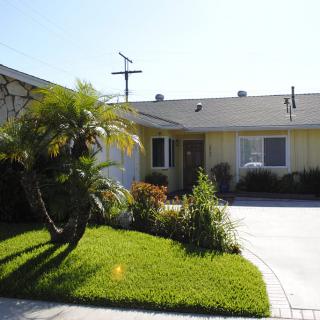


 Understanding Home Health Care: A Comprehensive Guide
 Home Health Care Demystified: A Comprehensive Guide for Families and Caregivers
 Seniors and Modern Transportation: Exploring Uber, Lyft, and Other Ride-Hailing Options