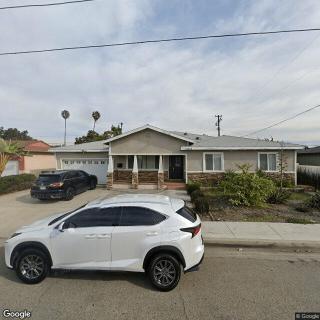
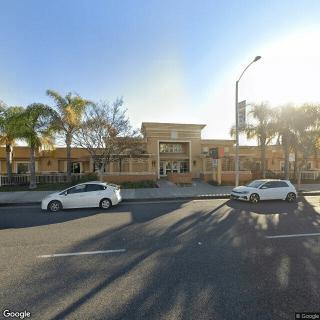
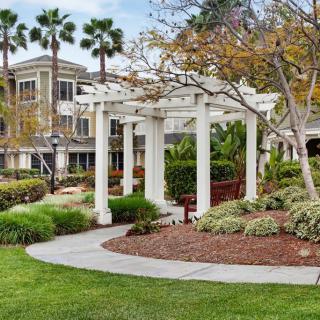
Bella Manor II in Long Beach, CA

7800 East Tula Street, Long Beach, CA 90808

For more information about senior living options: (844) 490-3973

5 from 40 reviews
5 stars
40
4 stars
0
3 stars
0
2 stars
0
1 stars
0

Assisted Living

Bella Manor II Costs & Pricing

Bella Manor II offers a competitive pricing structure for its accommodations compared to broader benchmarks within Orange County and California. For semi-private rooms, Bella Manor II is priced at $3,300 per month, slightly lower than the county average of $3,431 but closely aligning with the state average of $3,333. Private rooms at Bella Manor II are available for $3,960, which is more affordable than the county's average of $4,104 while remaining in line with California's average of $3,939. Furthermore, their studio units come at a monthly cost of $4,290; this figure also falls just below both the Orange County average of $4,313 and California's statewide average of $4,145. Overall, Bella Manor II presents itself as a favorable option for potential residents seeking quality care without straying too far from regional price standards.

Floor plansBella Manor IIOrange CountyCalifornia
Semi-Private$3,300$3,431$3,333
Private$3,960$4,104$3,939
Studio$4,290$4,313$4,145

Overall Review of Bella Manor II

Pros

  • pro Bella Palms is described as a blessing with a peaceful environment, knowledgeable and caring staff, and regular family updates.
  • pro The staff at Bella Palms are patient, attentive, and consistently provide exceptional care for residents.
  • pro The home at Bella Palms is immaculate, clean, and comfortable, giving families confidence and peace of mind.
  • pro Anchie and Edwin are praised as wonderful caregivers who contribute to residents' quality of life.
  • pro Bella Gardens is depicted as an amazing place where residents flourish, enjoy activities, good meals, and compassionate care.
  • pro Daryllen is commended for being a great communicator and for creating a nice, home-like setting for loved ones.
  • pro The environment at Bella Palms and Bella Gardens is described as safe, harmonious, and well-coordinated.
  • pro Residents are described as happy, engaged, and well cared for, with meaningful daily activities.
  • pro Families report peace of mind knowing their loved ones are safe at night and well looked after.
  • pro The facilities provide enriching activities that support cognitive health and overall well-being.
  • pro The outdoor spaces, gardens, and backyards are highlighted as inviting and beneficial for residents.
  • pro Overall, families express deep gratitude, trust, and high recommendations for these homes.

Review

This community is best suited for families seeking a small, home-like residential care option for aging adults who require around-the-clock supervision, with a strong emphasis on dementia care and everyday enrichment. It excels when the goal is near-constant, highly personal attention from a stable, dedicated caregiving team in a warm, intimate setting. The model centers on very low resident-to-staff ratios, with households typically housing a handful of residents and two caregivers per shift. Clean, welcoming interiors, functional outdoor space, and daily activities crafted to stimulate memory and social engagement create a sense of safety and belonging that larger facilities often struggle to deliver. For families prioritizing continuity of care, consistent caregivers, and transparent, frequent updates to loved ones, this is the clear fit.

Those who may want to consider alternatives include families whose loved ones have higher medical acuity that requires on-site nursing or more comprehensive 24/7 clinical support than a small, home-style setting can provide. Larger campuses with specialized memory-care units, broader medical staffing, and a wider menu of medical services may be more suitable in such cases. Similarly, if a resident is seeking greater privacy, more apartment-like independence, or a broader array of on-site amenities, a bigger assisted living community could be preferable. Although the staff here coordinate with external medical providers when needed, the emphasis remains on intimate caregiving rather than hospital-style oversight, which may not meet every family's expectations for medical intensity.

On the strength side, the biggest pro is the exceptional quality of care delivered in a genuinely homey environment. Families repeatedly note caring, patient, and consistently engaged caregivers who know residents well and treat them with dignity and respect. The leadership - often described as proactive and communicative - ensures that families receive regular updates and quick responses to concerns. Residents participate in daily activities, cognitive games, crafts, and outdoor time, with the courtyard and garden serving as important social and therapeutic spaces. The combination of clean, well-kept homes, flavorful meals, and a constant sense of community creates a powerful offset to the potential limitations of a small operation.

Evidence from the reviews shows real, measurable benefits in quality of life and cognitive engagement. Numerous families report noticeable improvements in mood, appetite, sleep, and overall vitality after moving to this setting. The structured routines appear to slow some aspects of dementia progression, while the steady cadence of activities sustains social connections and purpose. Importantly, families consistently highlight peace of mind: knowing their loved one is in a place with dependable, affectionate care, where staff memories and routines translate into familiarity and safety day after day. The ability to visit often, bring belongings to customize the space, and receive regular, personalized communication deepens trust and reinforces the decision to stay.

Potential drawbacks are thoughtfully modest and largely related to scale. Some residents may miss the breadth of services a larger campus can provide, or the sense of bustling activity that comes with bigger facilities. The schedule, while praised for its benefits to mood and cognition, can feel rigid to those who prefer more spontaneous days. Yet in every case, the tight-knit, well-staffed model largely neutralizes these concerns: the small size fosters intimate relationships, quick problem resolution, and a level of attentiveness that simply isn't possible in larger settings. For families evaluating options, the question becomes whether the desire for clinical breadth outweighs the value of a home-like, close-knit caregiving team.

In the end, the recommendation is pragmatic and clear. If dementia-friendly, 24/7 care in a thoughtfully designed, family-centered home is the priority - and the aim is to preserve dignity, routine, and meaningful engagement - this community stands out as a top choice. For families prioritizing robust on-site medical programming, larger activity calendars, or apartment-style independence, exploring alternative senior communities is advisable. Prospective families should schedule a tour, meet the core caregiving team, and assess whether the resident-to-staff dynamics, daily structure, and communication cadence align with the loved one's needs. Ask about staff continuity, details of the activity calendar, and how medical concerns are coordinated with external providers to ensure the fit feels as right as the testimonials suggest.

Features

Housing

  • 6 resident community capacity 6 resident community capacity

Types of Care

  • Assisted Living Assisted LivingAssisted living facilities provide crucial support and care for seniors who may need help with daily tasks such as medication management, bathing, and meal preparation. These communities offer a safe and comfortable environment where seniors can maintain their independence while receiving the assistance they need to thrive in their golden years.

Amenities

  • Cable or satellite TV Cable or satellite TVCable or satellite TV is important for seniors because it provides entertainment, news, and companionship, helping to combat loneliness and boredom. It also offers a wide range of programming options tailored to different interests and preferences.
  • Dining room Dining roomDining rooms are important for seniors as they provide a space for socialization, connection, and nutritious meals. They offer opportunities for residents to bond over shared meals, foster a sense of community, and promote healthy eating habits. Dining rooms also ensure that seniors have access to well-balanced meals tailored to their dietary needs and preferences.
  • Fully furnished Fully furnishedFully furnished senior living communities are important for seniors because they provide convenience, comfort, and a hassle-free moving experience. Seniors can easily settle into their new living space without the stress of having to buy and move furniture. This allows them to focus on enjoying their new home and community.
  • Garden GardenGardens are important for seniors as they provide a peaceful and therapeutic environment for relaxation, physical activity, and socialization. Being in nature has been shown to reduce stress, improve mood, and promote overall well-being. Gardens also offer opportunities for seniors to engage in gardening activities, which can improve mobility, flexibility, and cognitive function. Additionally, gardens create a sense of community and connection with others who share a passion for plants and outdoor spaces.
  • Housekeeping services Housekeeping servicesHousekeeping services are important for seniors because they help maintain a clean and safe living environment, promote independence, and reduce the risk of accidents or illnesses. Additionally, having assistance with household chores can alleviate physical strain and allow seniors to focus on other aspects of their well-being.
  • Move-in coordination Move-in coordinationMove-in coordination is important for seniors because it helps ease the transition into their new living environment. It ensures that all logistics, such as packing, organizing movers, and setting up utilities are taken care of, allowing seniors to focus on settling in and adjusting to their new home. Having a smooth move-in process can alleviate stress and anxiety, making the transition smoother and more enjoyable for seniors.
  • Outdoor space Outdoor spaceOutdoor spaces are important for seniors as they provide opportunities for physical activity, social interaction, exposure to natural light and fresh air, and a sense of connection to nature. Having access to outdoor spaces can improve overall well-being and quality of life for older adults living in senior communities.
  • Telephone TelephoneTelephones are important for seniors as they provide a lifeline for communication with loved ones, emergency services, and healthcare providers. They offer a sense of security and independence, enabling seniors to stay connected and access assistance when needed.
  • Wi-Fi/high-speed internet available Wi-Fi/high-speed internet availableWi-Fi/high-speed internet is important for seniors to stay connected with loved ones, access online resources, and participate in virtual activities to combat feelings of loneliness and isolation. It also allows them to easily manage healthcare needs, access entertainment, and engage in lifelong learning opportunities.

Transportation

  • Long Beach (Daugherty) (4 miles away) Long Beach (Daugherty) (4 miles away)
  • John Wayne Orange Co (16 miles away) John Wayne Orange Co (16 miles away)
  • Los Angeles International (21 miles away) Los Angeles International (21 miles away)

Care Services

  • 24-hour supervision 24-hour supervision24-hour supervision is important for seniors to ensure their safety, well-being, and access to immediate assistance in case of emergencies or health issues. This constant support provides peace of mind for both seniors and their loved ones, allowing them to age in place with dignity and security.
  • Activities of daily living assistance Activities of daily living assistanceActivities of daily living assistance are important for seniors because they provide essential support with tasks such as eating, bathing, dressing, and mobility. This assistance helps seniors maintain their independence, dignity, and overall quality of life as they age.
  • Assistance with bathing Assistance with bathingAssistance with bathing is crucial for seniors as it helps maintain personal hygiene, prevents infections, and ensures their overall well-being and comfort. It also provides a sense of dignity and independence for seniors who may struggle with this task on their own.
  • Assistance with dressing Assistance with dressingAssistance with dressing is important for seniors because it helps maintain their independence, promotes personal hygiene, prevents accidents and injuries, and improves overall quality of life. This service ensures that seniors can continue to dress comfortably and confidently, despite any physical limitations they may have.
  • Assistance with transfers Assistance with transfersAssistance with transfers is crucial for seniors as it helps prevent falls and injuries, maintains their independence, and ensures they can safely navigate their living environment. It also provides peace of mind for both seniors and their loved ones.
  • Coordination with health care providers Coordination with health care providersCoordination with health care providers is crucial for seniors to ensure proper medical care, medication management, and overall well-being. This collaboration helps prevent overlapping treatments, track progress more effectively, and provide comprehensive support tailored to individual needs.
  • Diabetes diet Diabetes dietA diabetes diet is crucial for seniors as it helps manage blood sugar levels, reduce risks of complications, and improve overall health and well-being. By following a balanced and nutritious diet tailored to their specific needs, seniors can better control their diabetes and enhance their quality of life.
  • Meal preparation and service Meal preparation and serviceMeal preparation and service are crucial for seniors as they may have limited mobility or energy to cook nutritious meals. Having access to healthy and convenient food options can ensure they are getting the proper nutrition needed to maintain their overall health and well-being.
  • Medication management Medication managementMedication management is crucial for seniors to ensure they are taking the right medications at the correct dosages and times. This helps prevent adverse drug interactions, reduces the risk of medication errors, and promotes overall health and well-being. Proactive management also allows for adjustments as needed based on changing health conditions or new prescriptions.
  • Special dietary restrictions Special dietary restrictionsSpecial dietary restrictions are important for seniors because age-related changes in metabolism and health conditions can make it difficult for their bodies to process certain foods. By following a diet tailored to their specific needs, seniors can maintain their overall health and well-being, manage chronic conditions, and reduce the risk of complications such as malnutrition or food interactions with medications.
  • Transportation arrangement (medical) Transportation arrangement (medical)Transportation arrangements for medical purposes are essential for seniors as they may have difficulty driving themselves to appointments or accessing public transportation. Having reliable and safe transportation options ensures that seniors can receive timely medical care and maintain their health and well-being.
  • Transportation to doctors appointments Transportation to doctors appointmentsTransportation to doctors' appointments is crucial for seniors as it ensures they have access to necessary medical care and support for their health needs. Without reliable transportation, seniors may struggle to attend important appointments, leading to potential delays in treatment and health complications. Providing transportation services helps seniors maintain their overall well-being and quality of life.

Dining

  • Diabetes diet Diabetes dietA diabetes diet is crucial for seniors as it helps manage blood sugar levels, reduce risks of complications, and improve overall health and well-being. By following a balanced and nutritious diet tailored to their specific needs, seniors can better control their diabetes and enhance their quality of life.
  • Special dietary restrictions Special dietary restrictionsSpecial dietary restrictions are important for seniors because age-related changes in metabolism and health conditions can make it difficult for their bodies to process certain foods. By following a diet tailored to their specific needs, seniors can maintain their overall health and well-being, manage chronic conditions, and reduce the risk of complications such as malnutrition or food interactions with medications.

Activities

  • Community-sponsored activities Community-sponsored activitiesCommunity-sponsored activities are important for seniors as they provide opportunities for social interaction, mental stimulation, and physical activity. These activities can help improve overall well-being, combat loneliness and isolation, and promote a sense of belonging and purpose among older adults.
  • Scheduled daily activities Scheduled daily activitiesScheduled daily activities are important for seniors because they provide structure, socialization, mental stimulation, and physical activity. Engaging in regular activities can improve overall well-being and quality of life for seniors living in a community setting.

Description

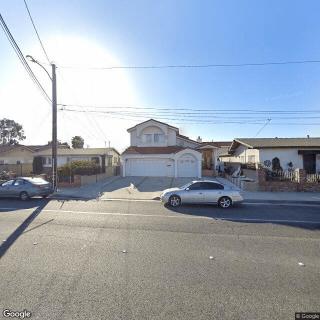
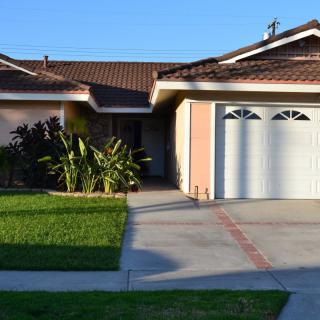
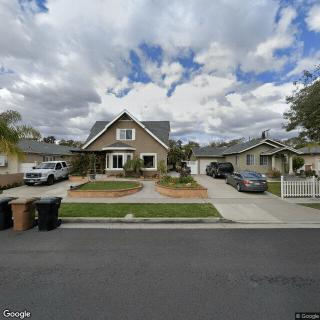
Welcome to Bella Manor II in Long Beach, CA, the perfect assisted living community for seniors seeking a comfortable and supportive environment. Our community offers a range of amenities and care services to ensure that our residents enjoy a fulfilling and worry-free lifestyle.

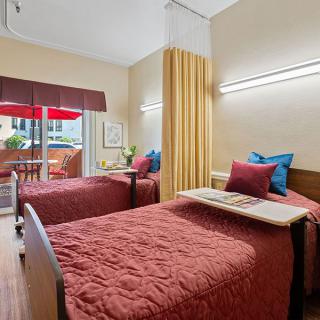
At Bella Manor II, our residents can enjoy a delicious dining experience in our elegant dining room, where meals are prepared by our skilled staff and catered to individual dietary restrictions. The community is fully furnished, providing a cozy and welcoming atmosphere for residents to feel right at home.

Our beautifully landscaped garden offers a serene outdoor space for residents to relax and unwind while enjoying the fresh air. Additionally, housekeeping services are provided to ensure that common areas and individual apartments remain clean and well-maintained.

We understand the importance of staying connected in today's digital age, which is why we offer telephone services as well as Wi-Fi/high-speed internet access throughout the community. This allows residents to stay in touch with loved ones or surf the web at their convenience.

Our dedicated care team provides assistance with activities of daily living such as bathing, dressing, and transfers. We also coordinate with health care providers to ensure that each resident receives the necessary medical attention they require. For individuals with diabetes or special dietary restrictions, we offer specialized meal preparation and medication management services.

Transportation is made convenient for residents with medical appointments as well as outings in the surrounding area. There are several cafes, parks, pharmacies, restaurants, places of worship, theaters, and hospitals nearby for easy access to entertainment options and essential amenities.

To promote an active lifestyle within our community, we offer a variety of scheduled daily activities designed to cater to different interests. Whether it's socializing with fellow residents or participating in stimulating hobbies, there's always something for everyone at Bella Manor II.

Come visit us at Bella Manor II in Long Beach, CA and discover how we can provide you or your loved one with personalized care and a warm, welcoming environment.

Nearby Places of Interest

Pharmacies

  • Rite Aid (1.1 miles)
  • Walgreens (2.1 miles)
  • Walgreens (2.1 miles)
  • CVS Pharmacy (2.6 miles)
  • CVS Pharmacy (2.6 miles)
  • Rite Aid (2.9 miles)
  • CVS Pharmacy (2.9 miles)

Parks

  • Rossmoor Park (1.6 miles)
  • Cerritos Regional County Park (2.3 miles)
  • Shadow Park Hoa (2.5 miles)
  • Central Park / La Palma Recreation & Community Services (3.1 miles)
  • Bluff Park (5.8 miles)
  • Bixby Park (6.3 miles)
  • Rainbow Lagoon Park (7.4 miles)

Places of Worship

  • Saint Hedwig Catholic Church (1.9 miles)
  • Cottonwood Church (2 miles)

Restaurants

  • Chick-Fil-A (2.5 miles)
  • Chick-Fil-A (2.9 miles)
  • El Torito (3.2 miles)
  • McDonald's (3.3 miles)
  • In-N-Out Burger (4.7 miles)
  • Porto's Bakery & Cafe (5.3 miles)
  • Chick-Fil-A (5.5 miles)

Cafes

  • Bopomofo Cafe (2.5 miles)
  • Starbucks (3.6 miles)
  • Starbucks (4.4 miles)
  • Starbucks (4.8 miles)
  • Starbucks (5.5 miles)
  • Starbucks (7.1 miles)
  • Starbucks (7.1 miles)

Physicians

  • Dostzada, Ghulam Dr - Los Alamitos Cardiovascular (2.7 miles)
  • Paramount Physicians (6.3 miles)
  • Kaiser Permanente, Euclid & Romneya (8.3 miles)

Theaters

  • Harkins Theatres Cerritos 16 (2.9 miles)
  • AMC Norwalk 2 (6.4 miles)
  • Century Huntington Beach And Xd (7.9 miles)

Transportation

  • Long Beach Airport (LGB) (3.7 miles)
  • Komar Aviation Group (4.5 miles)
  • Metro - Willow Street Station (6.3 miles)
  • Metro La Mirada & Alondra Bus Stop (6.6 miles)
  • Port Of Long Beach (8.5 miles)

Hospitals

  • VA Long Beach Healthcare System (3.8 miles)
  • Kindred Hospital Westminster (6.4 miles)
  • Department of State Hospitals (7.1 miles)
  • Kaiser Permanente Hospital (7.3 miles)
  • PIH Health Hospital (8.3 miles)
  • Anaheim Regional Medical Center (8.6 miles)

Frequently Asked Questions

How much does it cost to live at Bella Manor II in Long Beach, CA?
Where is Bella Manor II?

Nearby Communities

  • Rossmoor Sunshine Villa-Ruth Elaine

    Rossmoor Sunshine Villa-Ruth Elaine

    Rossmoor, CA


    pro All-inclusive care: meals, diabetes diet, medication management, 24/7 supervision, and transportation.
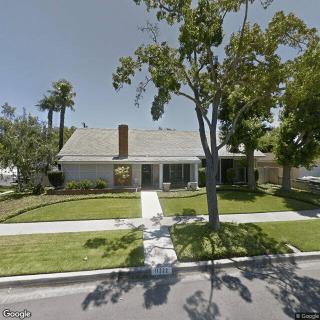
  • Gentle Manor Elderly Care

    Gentle Manor Elderly Care

    Cypress, CA

    4.5 from 13 reviews
    $3,500 to $4,000 / month

    pro Compassionate staff delivering highly personalized care in a small, clean setting.

  • Korean Senior Care

    Korean Senior Care

    Lakewood, CA

     
    $2,500 to $3,000 / month

    pro Competitive pricing vs. LA County and CA averages (semi-private and private rooms).

  • Rossmoor Sunshine Villa-Wembley

    Rossmoor Sunshine Villa-Wembley

    Los Alamitos, CA

    2.8 from 6 reviews
    $5,000 to $5,500 / month

    pro Nice appearance and friendly, attentive staff.

  • Alamitos West Health & Rehabilitation

    Alamitos West Health & Rehabilitation

    Los Alamitos, CA

    3.6 from 60 reviews
     

    pro Clean facility with friendly, proactive staff and engaging activities.

  • Alamitos West

    Alamitos West

    Los Alamitos, CA

     
    $5,999 to $6,999 / month

    pro Personalized care with diabetic support, devotional services, and indoor private spaces.

  • Sunrise of Seal Beach

    Sunrise of Seal Beach

    Seal Beach, CA

    4.5 from 44 reviews
    $3,600 to $6,720 / month

    pro Attentive staff, welcoming atmosphere, and engaging activities with memory-care options.

  • Leisure World Seal Beach

    Leisure World Seal Beach

    Seal Beach, CA

    4 from 1 review
     

    pro Excellent amenities and a wide range of activities.

  • Belmont Shore Mobile Estates

    Belmont Shore Mobile Estates

    Long Beach, CA

    1.8 from 8 reviews
     

    pro Prime Long Beach location with access to nearby services and potential for a stronger community with better management.

Related Resources

  • does medicare pay for assisted livingMedicare Coverage for Assisted Living: An In-Depth Exploration

    Medicare does not cover assisted living costs, as it focuses on acute medical needs and short-term care, with exceptions for certain medically necessary services like physical therapy. Individuals must explore other options such as Medicaid, veterans' benefits, or long-term care insurance to manage these expenses effectively.

  • assisted living vs nursing homeChoosing the Right Senior Care: A Detailed Exploration of Assisted Living and Nursing Homes

    Choosing between assisted living and nursing homes involves evaluating emotional and financial factors, with assisted living offering independence and support for daily activities at a lower cost, while nursing homes provide intensive medical care for individuals with significant health needs. The decision is influenced by personal preferences, health status, cognitive function, and varying Medicaid coverage across states.

  • assisted living costUnderstanding the True Cost of Assisted Living in 2025: A Comprehensive Guide

    Assisted living in 2025 offers a crucial balance of independence and support for seniors, with costs varying from $2,500 to over $7,000 per month based on factors such as location and care level. Understanding pricing complexities, including regional differences and potential hidden fees, is essential for families to plan financially while ensuring quality care for their loved ones.